

Beasts, Monsters & Spirits
From Norse world-serpents and Greek chimeras to Mesoamerican feathered serpents and Japanese yokai. Discover 280+ mythical creatures and spirit entities cataloged with regional folklore and attested appearances.
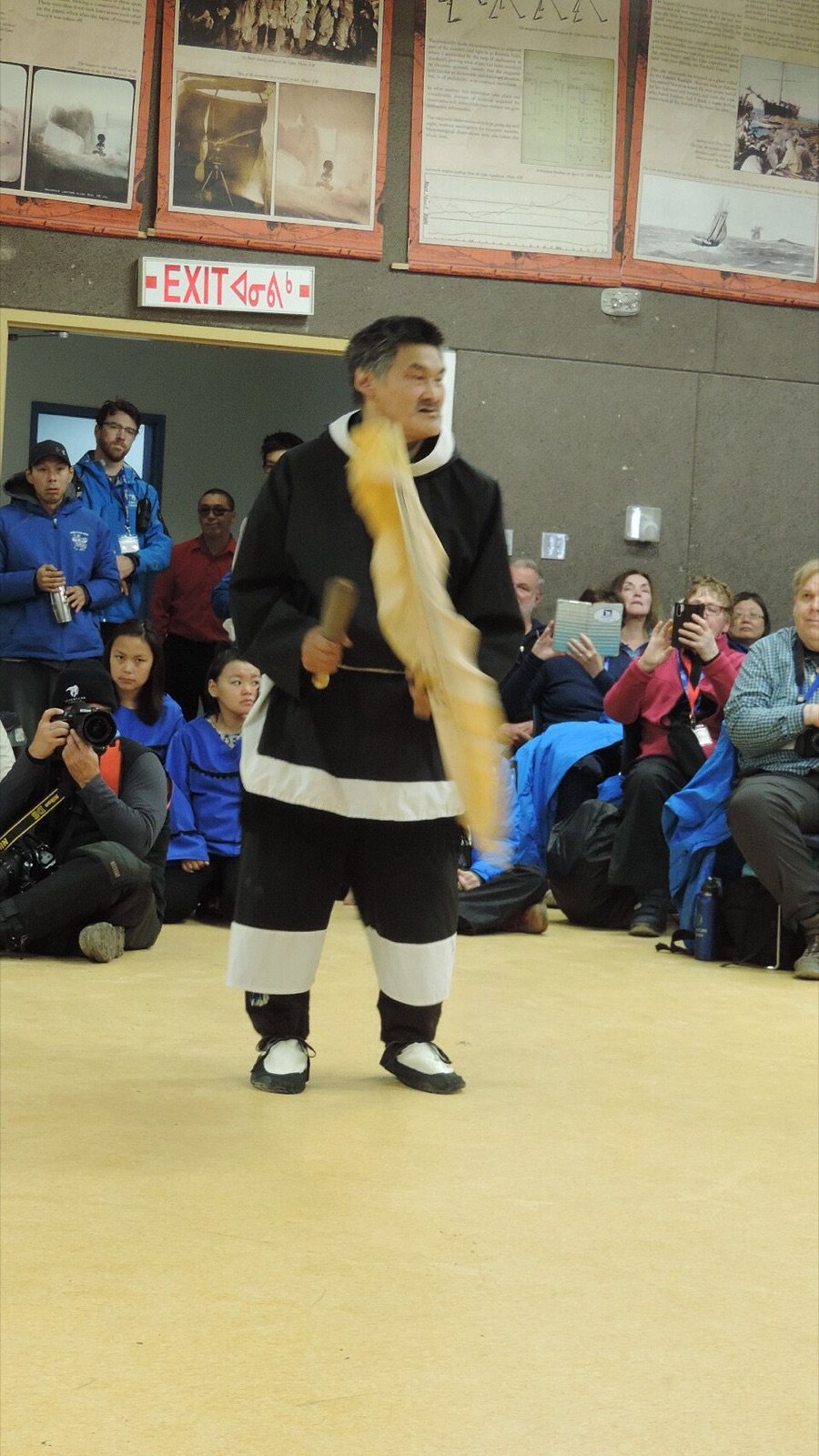
Sila
The air, weather, and intelligence moving through human beings, unseen but never absent.
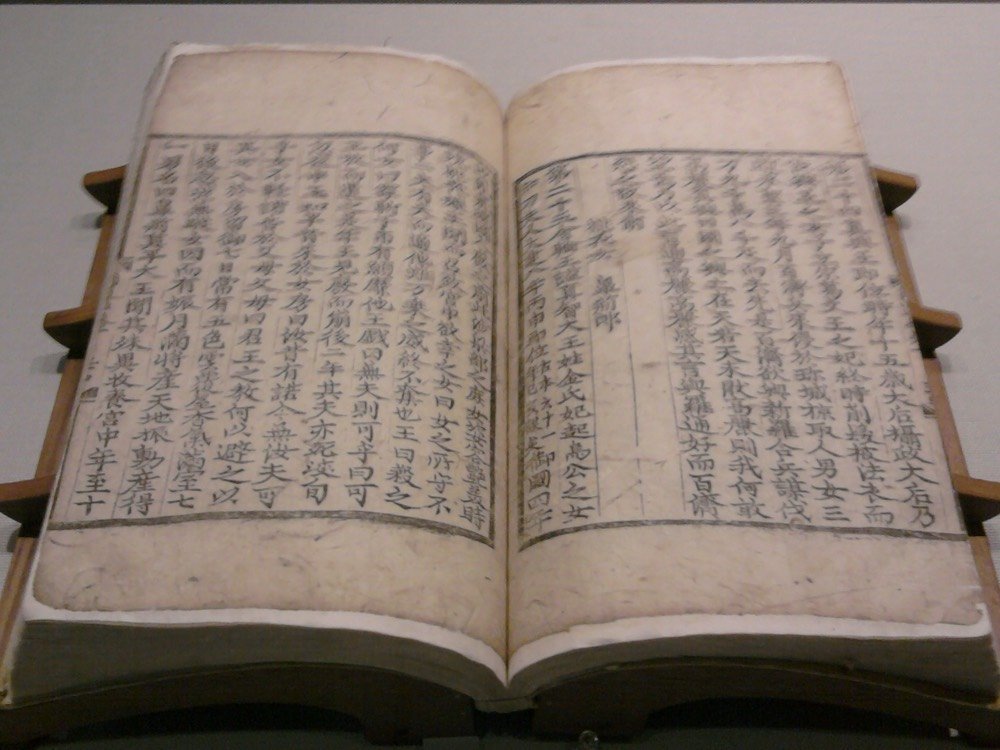
Ungnyeo
A she-bear who shared a cave with a tiger; by enduring darkness on mugwort and twenty cloves of garlic she became human, prayed for a child, and bore Dangun to Hwanung.
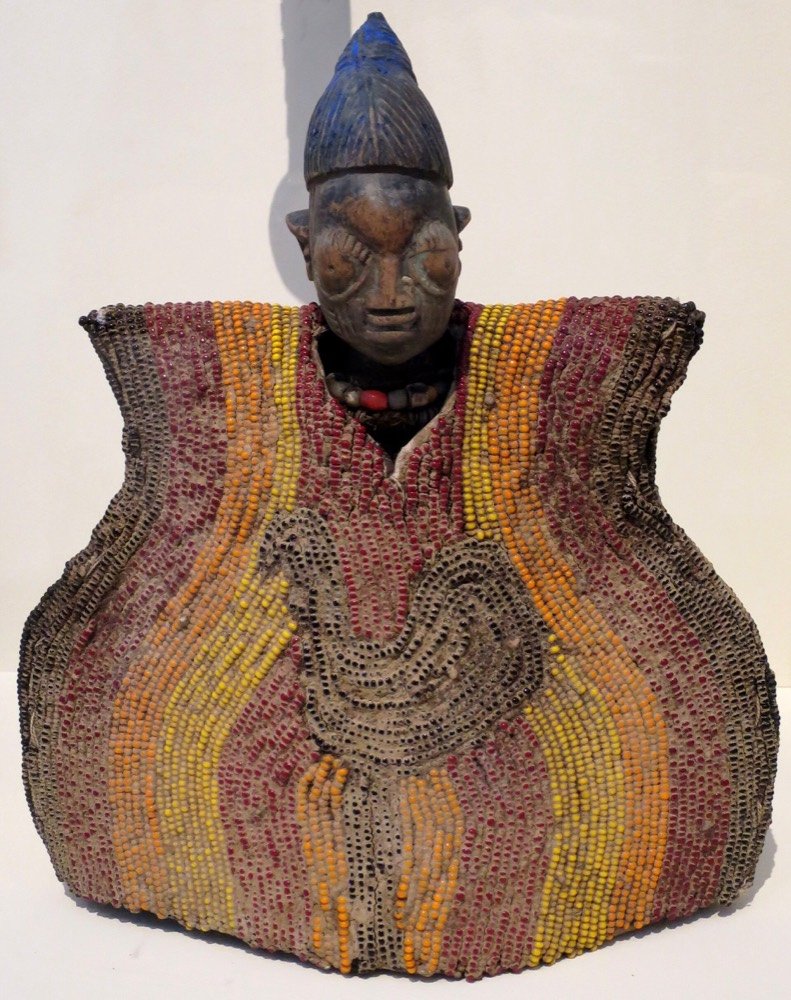
Abiku
Spirit children 'born to die', who die and return to the same mother again and again. Families mark the dead to recognize returners, and give survivors pleading names like Malomo, 'do not go again'.
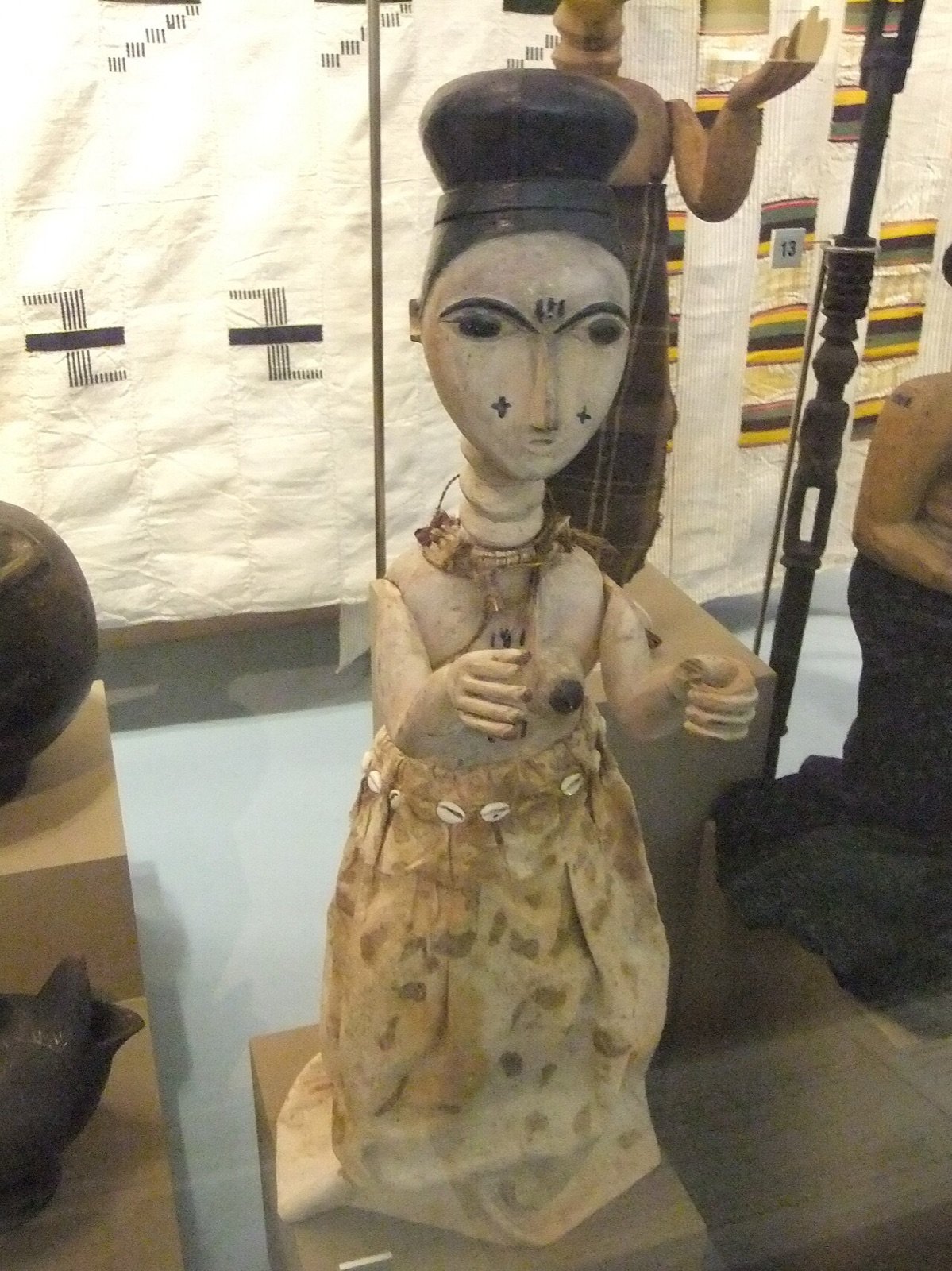
Abosom
Divinities of place who possess priests, keep forbidden days, and guard particular communities.

Adze
A vampiric creature from Ewe folklore of Ghana and Togo that takes the form of a firefly. In its insect form, it can pass through any barrier and drink the blood of sleeping victims without waking them. If captured, it transforms into a humanoid form with hunched posture and talons.
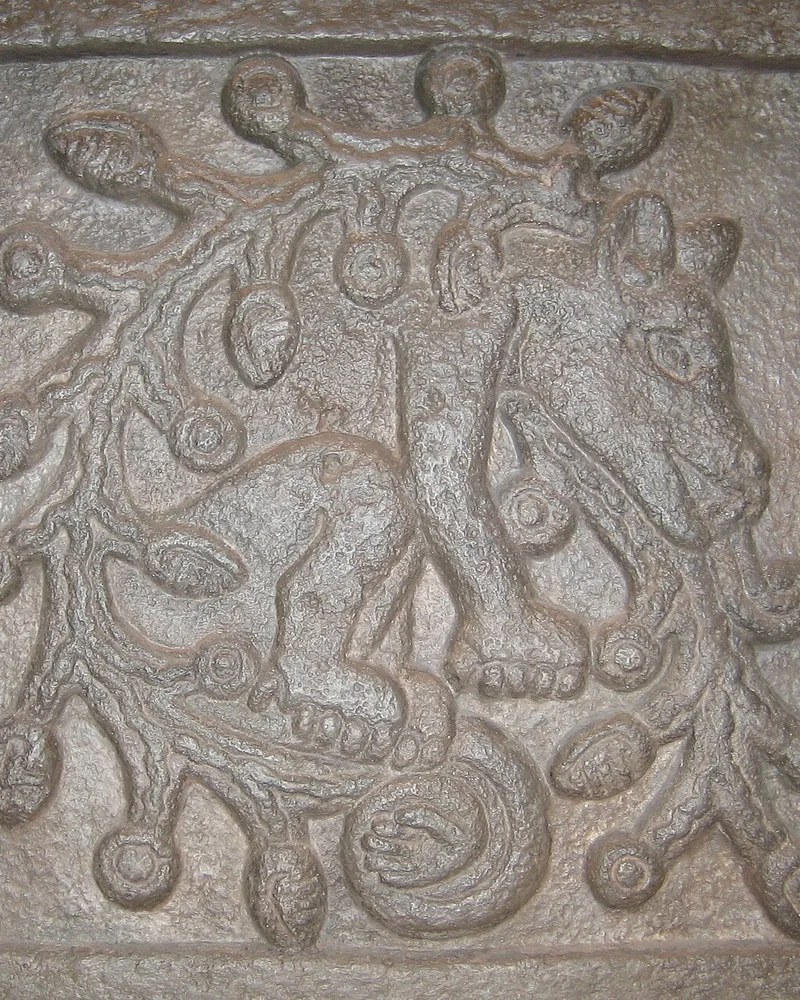
Ahuizotl
A fearsome aquatic creature from Aztec mythology resembling a dog with monkey-like hands and a human hand at the end of its tail. It lurks in lakes and rivers, using the hand on its tail to snatch unsuspecting victims and drag them underwater. Those it drowns are found with their eyes, teeth, and nails removed, offerings destined for Tlaloc, the rain god.
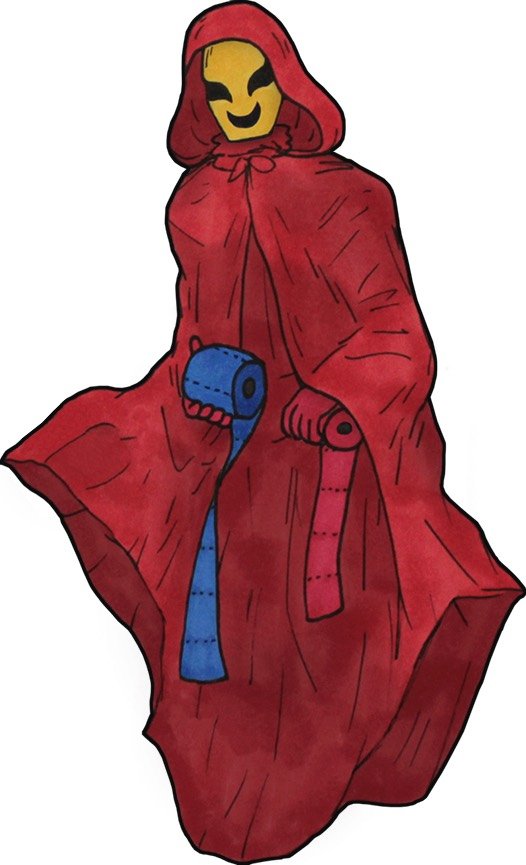
Aka Manto
A voice in the toilet stall asks, 'Red cloak or blue cloak?' Red brings death drenched in blood, blue death drained of it. The earliest documented outbreak was the Aka Manto panic among Tokyo schoolchildren in February 1939.
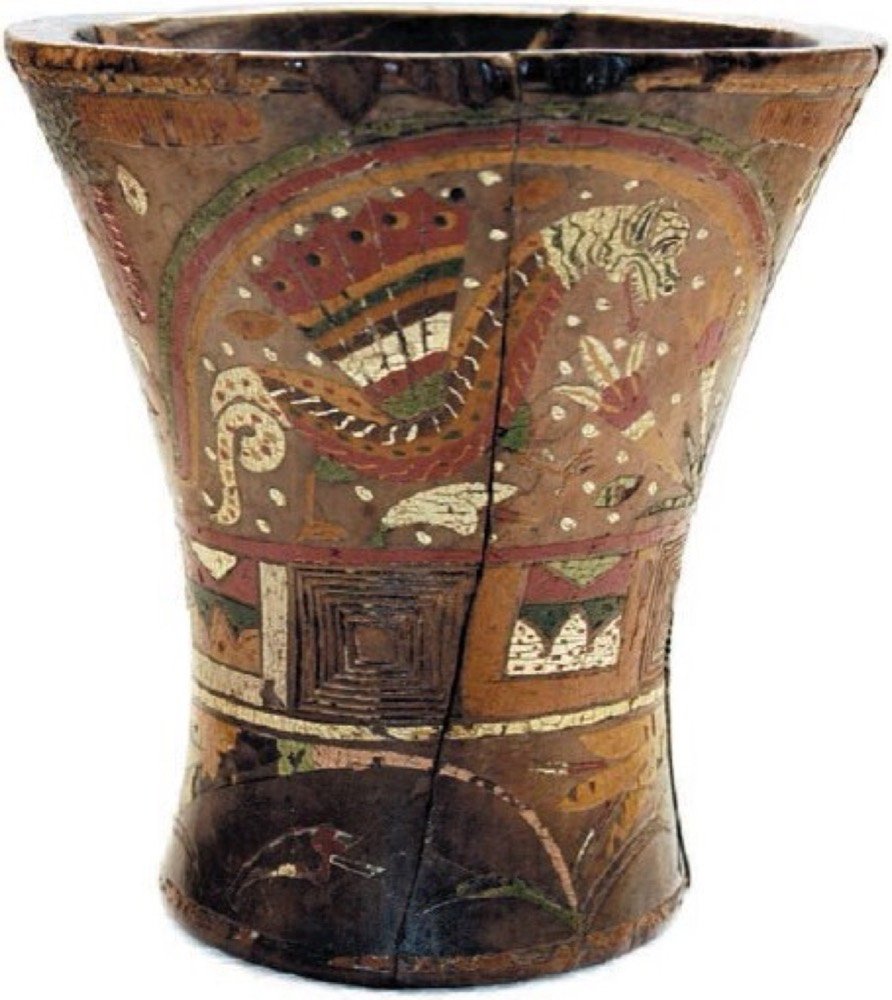
Amaru
The great serpent of Andean myth, dwelling in highland lakes and underground waters, often two-headed in art, spanning the underworld, this world and the sky. Túpac Amaru took his name from it.
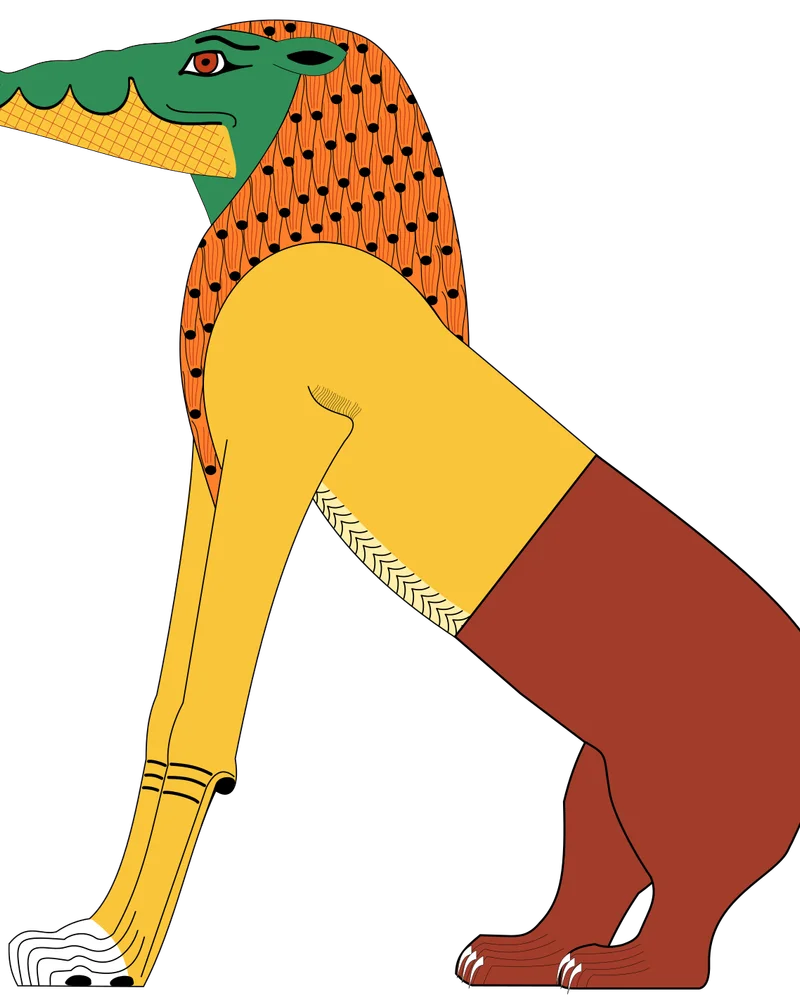
Ammit
The Devourer of the Dead, a demon with the head of a crocodile, torso of a lion, and hindquarters of a hippopotamus. She consumes the hearts of those found unworthy in the Hall of Judgment.
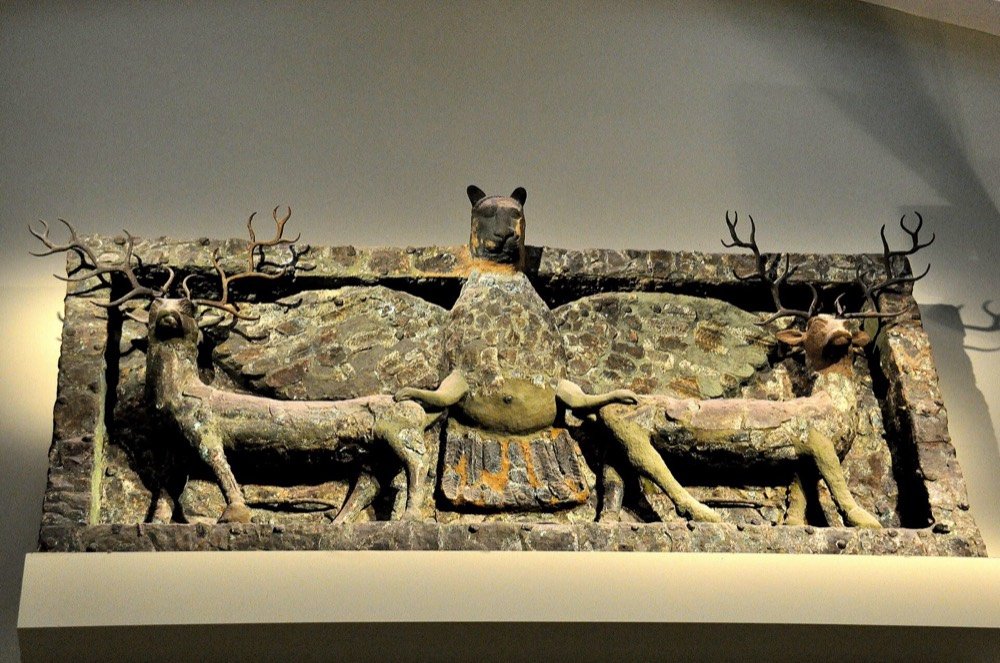
Anzu
The lion-headed storm eagle who stole the Tablet of Destinies while Enlil bathed, until Ninurta shot it down by stratagem; in other poems the great bird repays kindness with gifts.
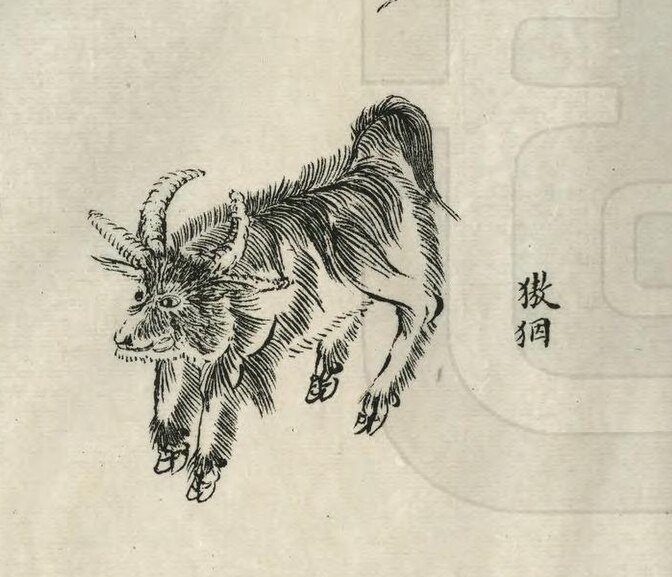
Aohen
A man-eating beast of Mount Sanwei: shaped like an ox, white-bodied with four horns, its long hair hanging like a straw rain-cape.
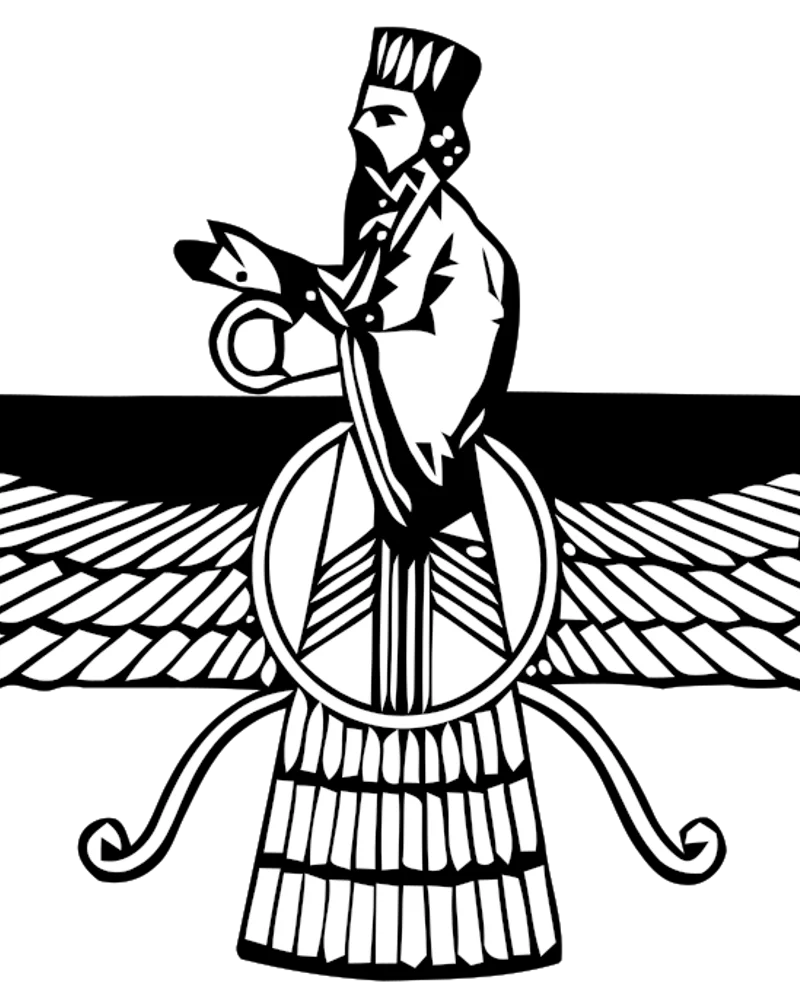
Apaosha
The daeva of drought in the Avesta, who in the shape of a black horse 'stamped with brands of terror' fights the star Tishtrya at the edge of the cosmic sea to keep the rains from falling.
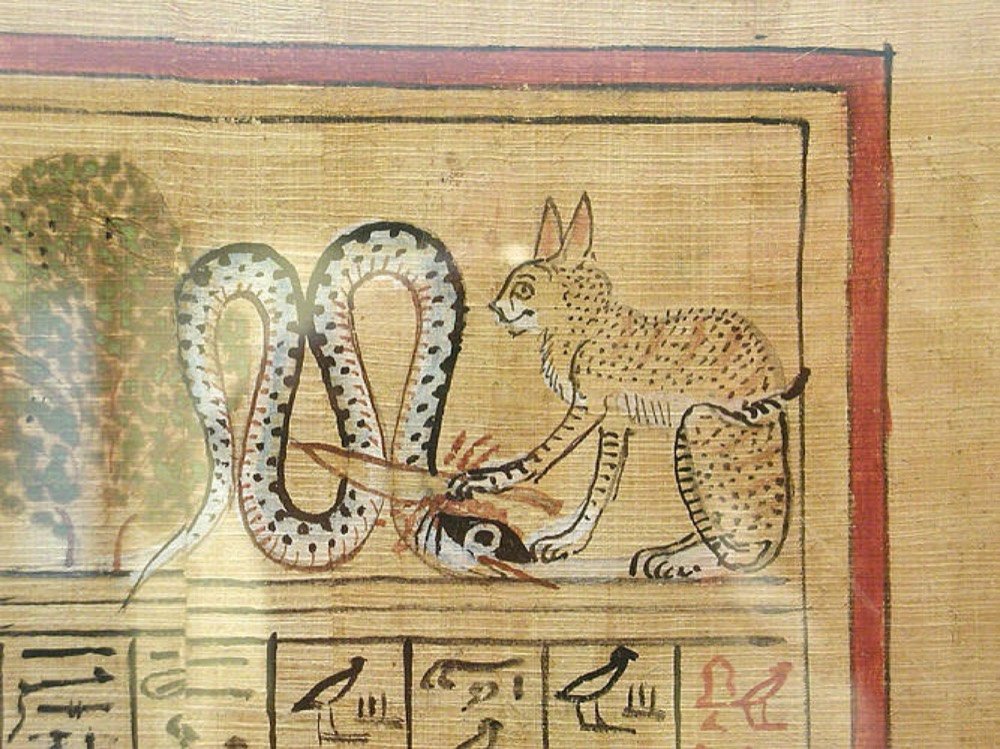
Apep
The giant serpent embodying chaos, Greek Apophis, who attacks the solar barque every night in the netherworld — forever repelled, never destroyed; temples burned wax images of him in ritual.
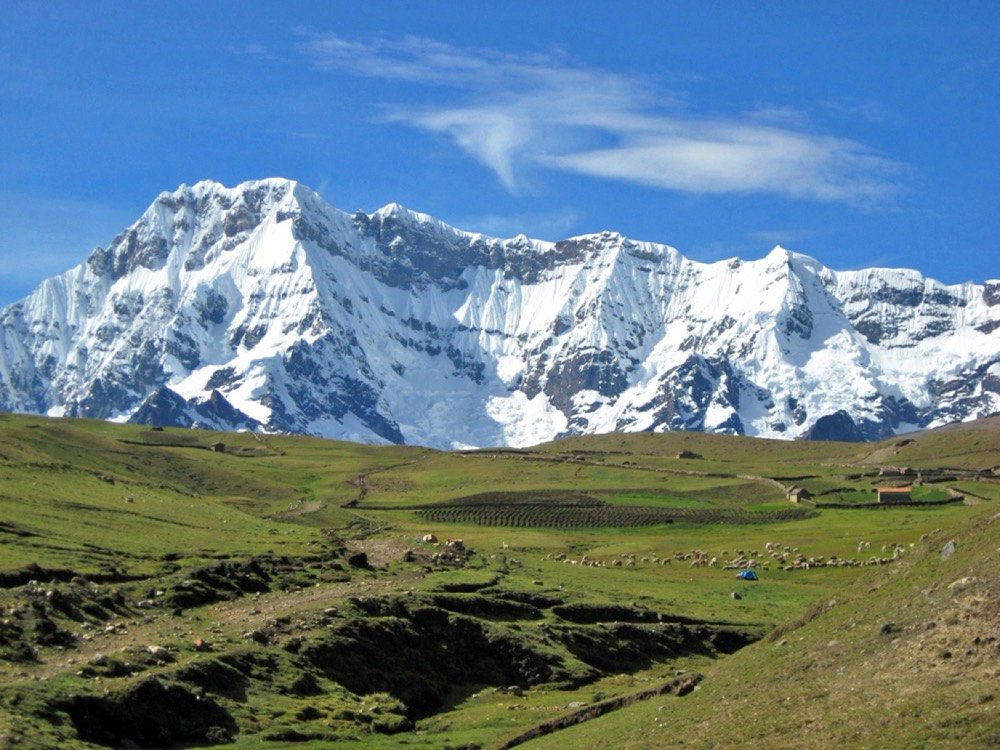
Apu
Apu, 'lord' in Quechua, names the spirit of a mountain. Every great peak has its own, guarding the villages, waters and herds below; around Cusco, Ausangate and Salcantay rank highest.
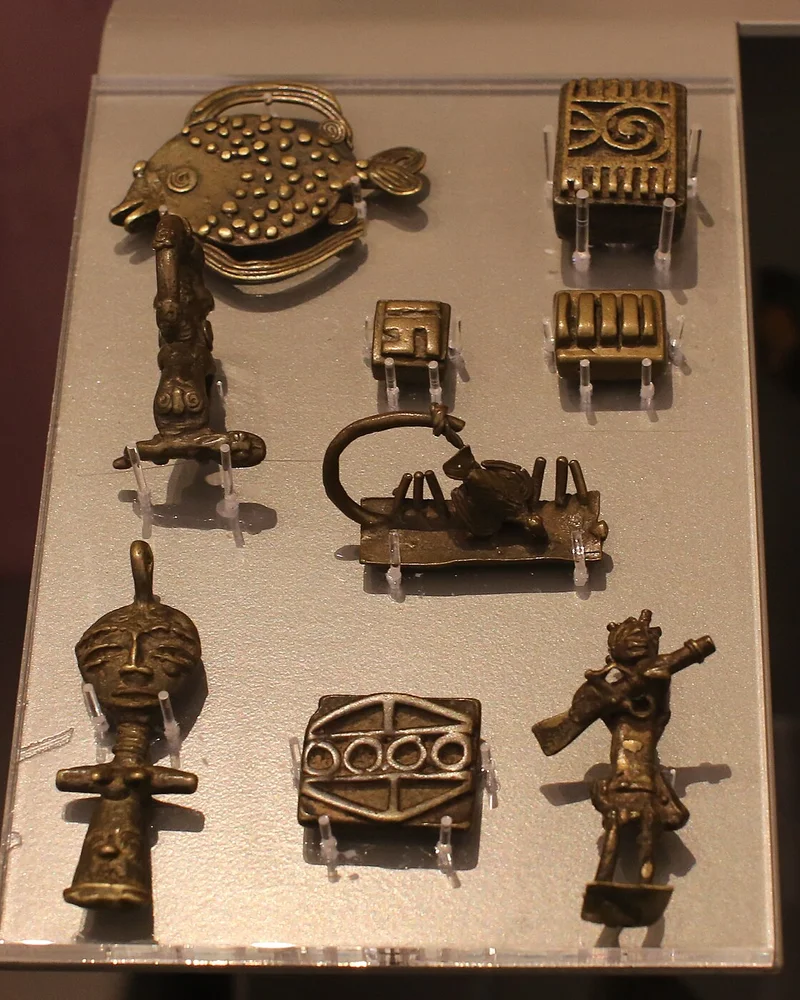
Asanbosam
A vampire-like creature from Ashanti folklore of Ghana that dwells in the deep forests. It has an almost human appearance but with iron teeth and hook-like appendages on its feet. It hangs from trees and uses its hooked feet to snatch unwary travelers passing below, draining their blood.
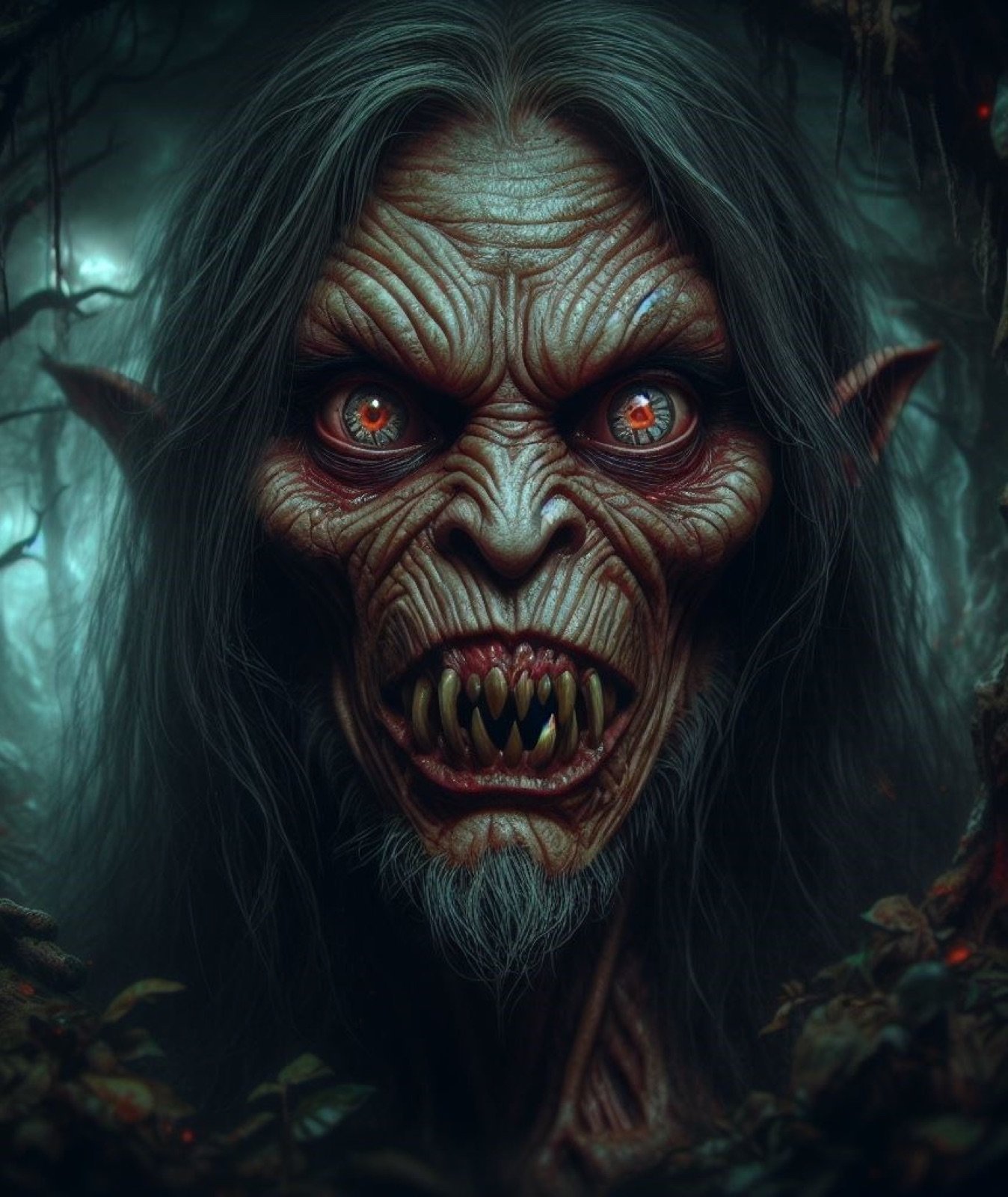
Aswang
An umbrella of fear covering witches, corpse-eaters, shape-shifters, and nocturnal predators.
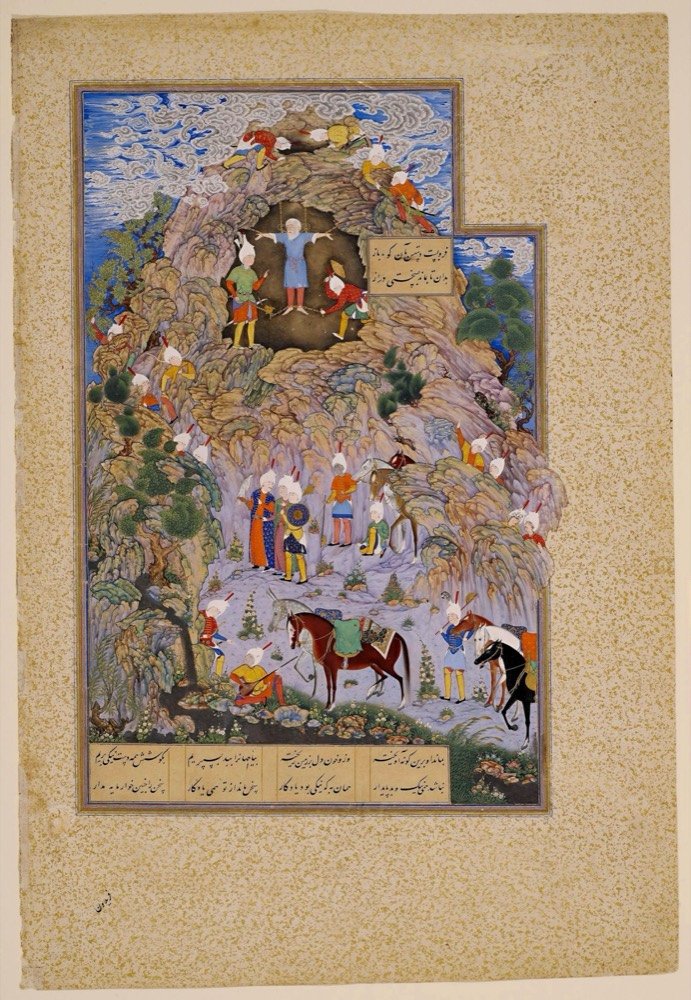
Azhi Dahaka
The three-headed, six-eyed dragon of the Avesta, creature of the destructive spirit; in the Shahnameh he becomes Zahhak, the tyrant with snakes on his shoulders, chained inside Mount Damavand.
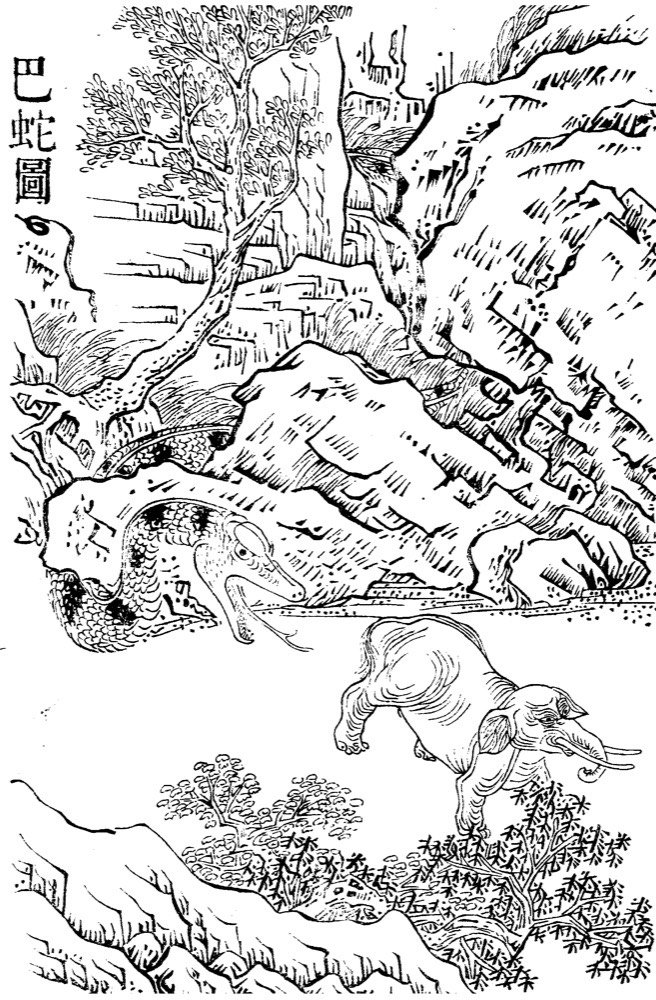
Ba Serpent
A monstrous snake that swallows elephants whole and disgorges the bones only after three years; those bones, taken as medicine, cure ailments of heart and belly. Its body is mottled green, yellow, red, and black.
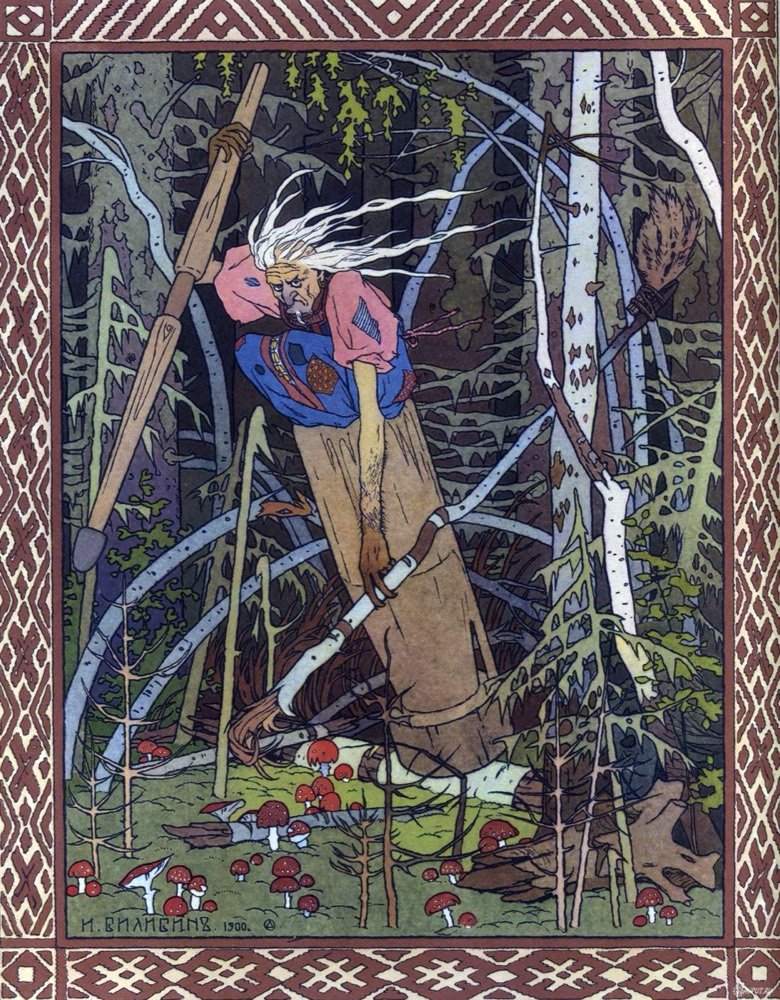
Baba Yaga
The bony-legged crone of the spinning hut on hen's legs, who rides a mortar with a pestle; in the tales she devours heroes or, just as often, tests and rewards them.
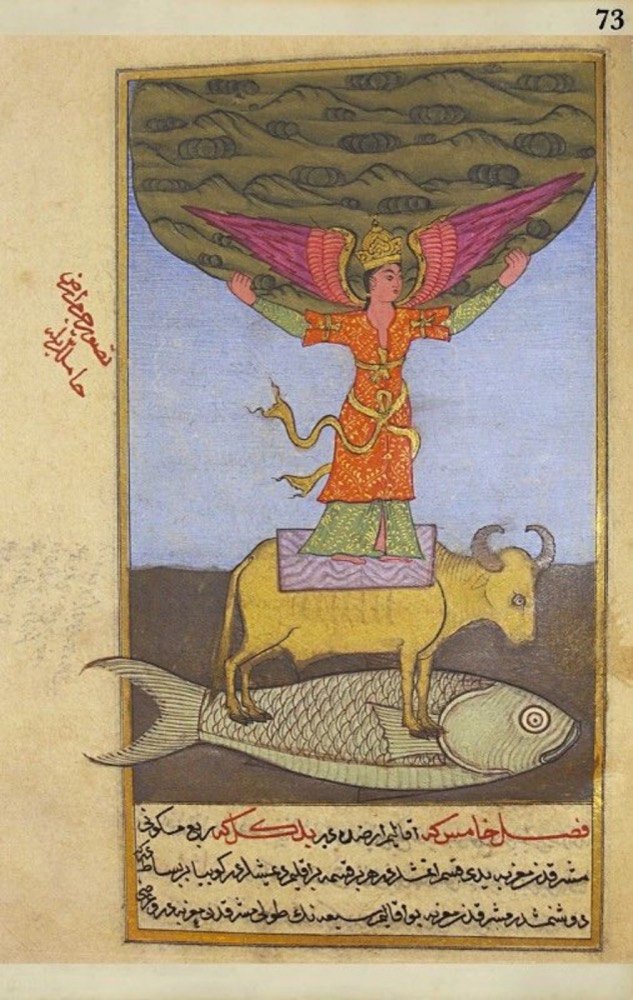
Bahamut
The immense fish at the base of medieval Islamic cosmography: the earth rests on an angel, the angel on a rock, the rock on a bull, the bull on Bahamut. All the seas in its nostril: a mustard seed.

Bai Ze
A wise white beast that taught the Yellow Emperor the names and natures of all supernatural creatures — knowledge used to protect humanity from spirits.
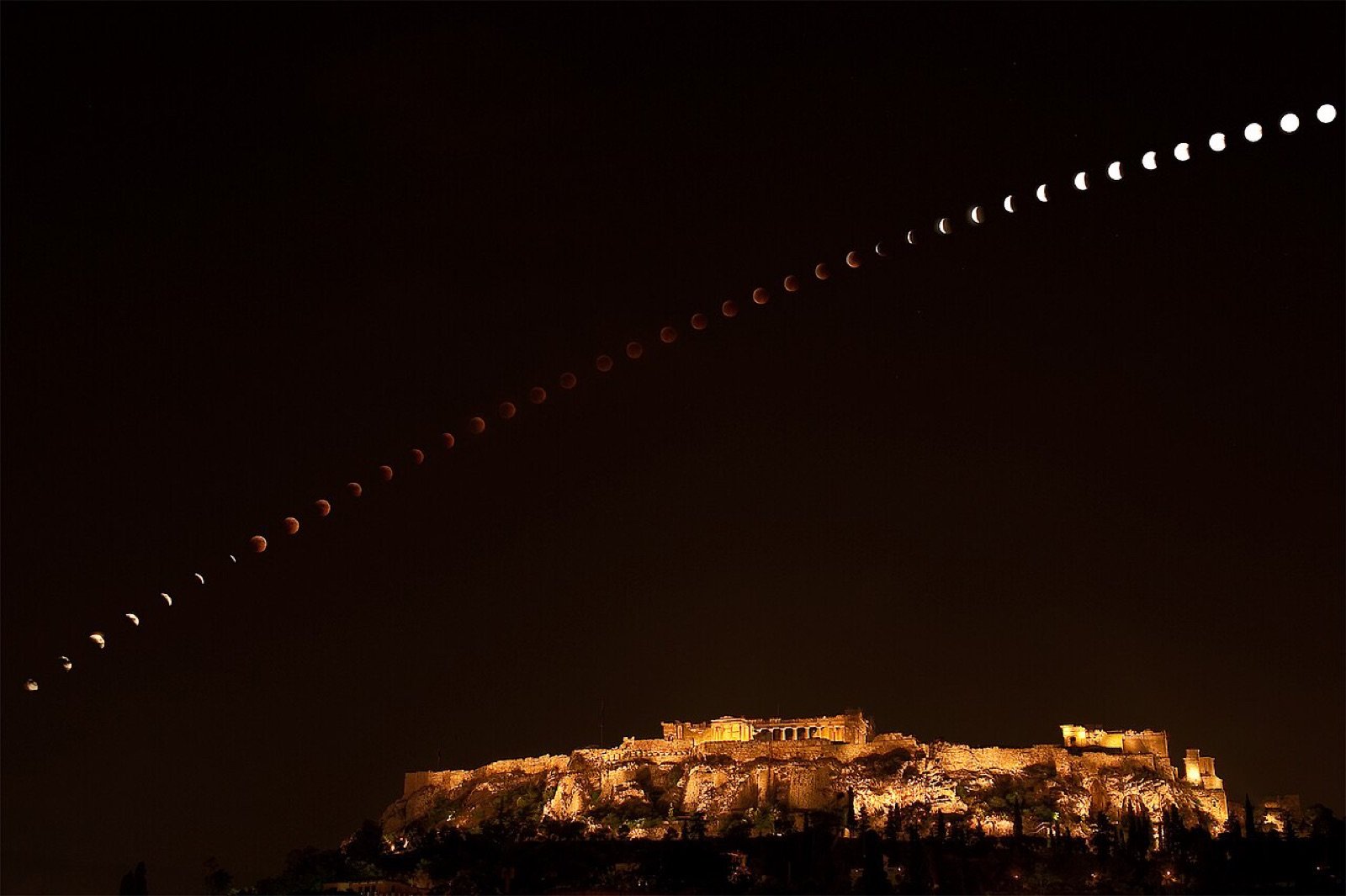
Bakunawa
The moon-swallowing serpent driven away by a community’s gongs, pans, and shouts.
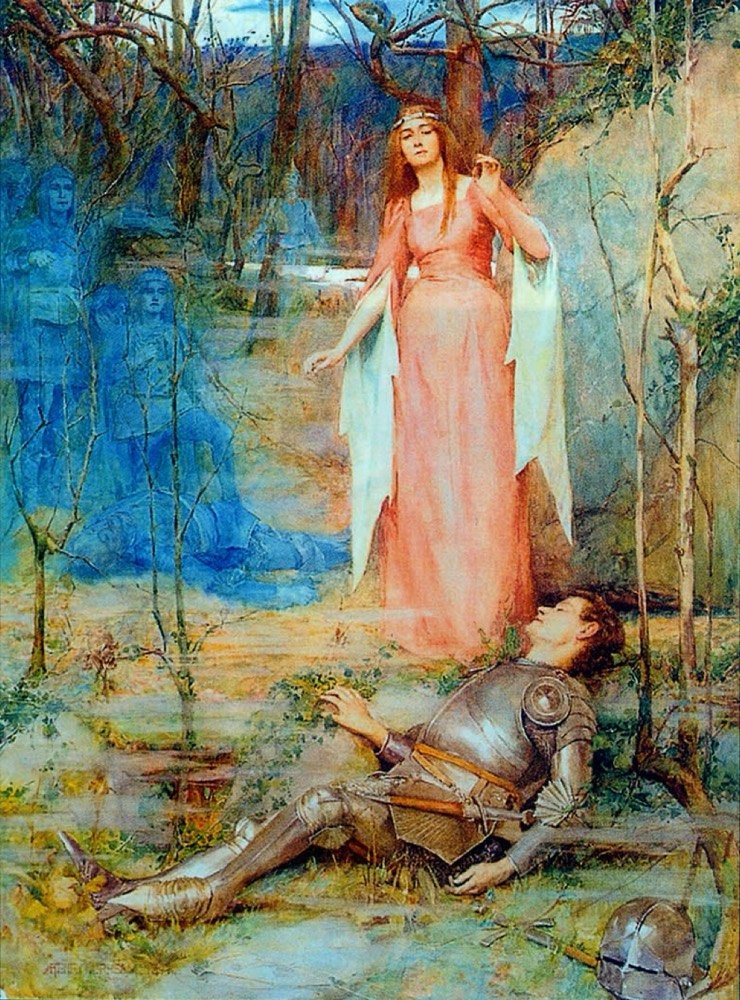
Banshee
The death-messenger of Irish folklore, her name meaning 'woman of the fairy mound'. Attached to the old Gaelic families, she is heard keening in the night when one of the line is about to die.
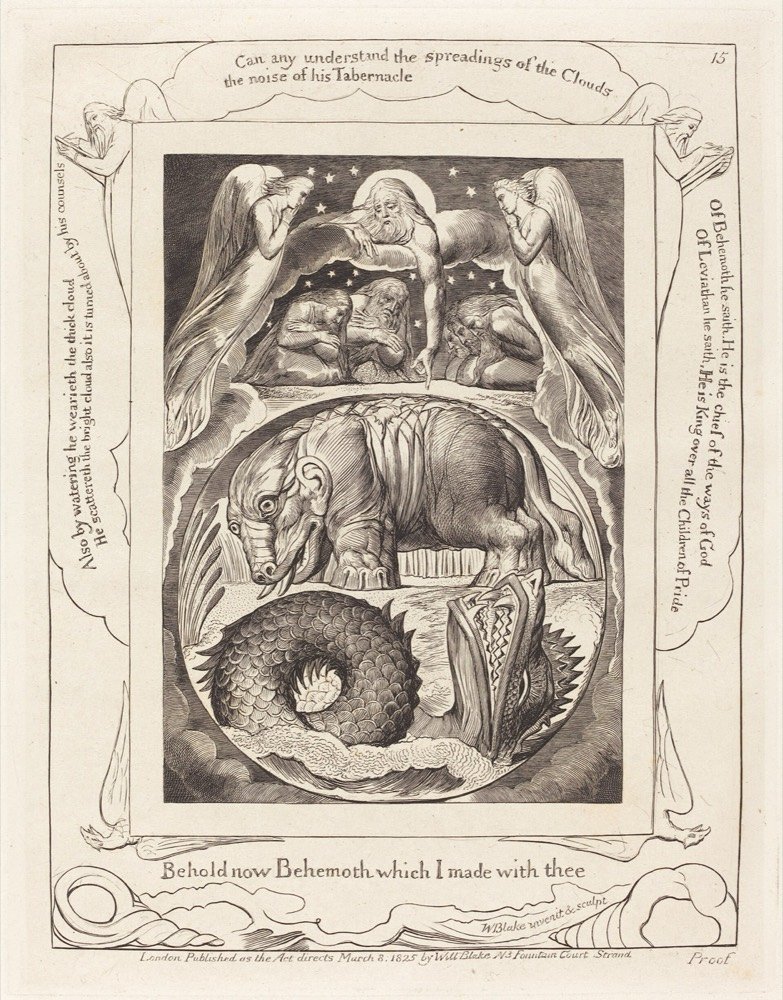
Behemoth
The land beast of the Book of Job: it eats grass like an ox, its bones are tubes of bronze, and it sways its tail like a cedar. Later tradition pairs it with Leviathan in the sea.
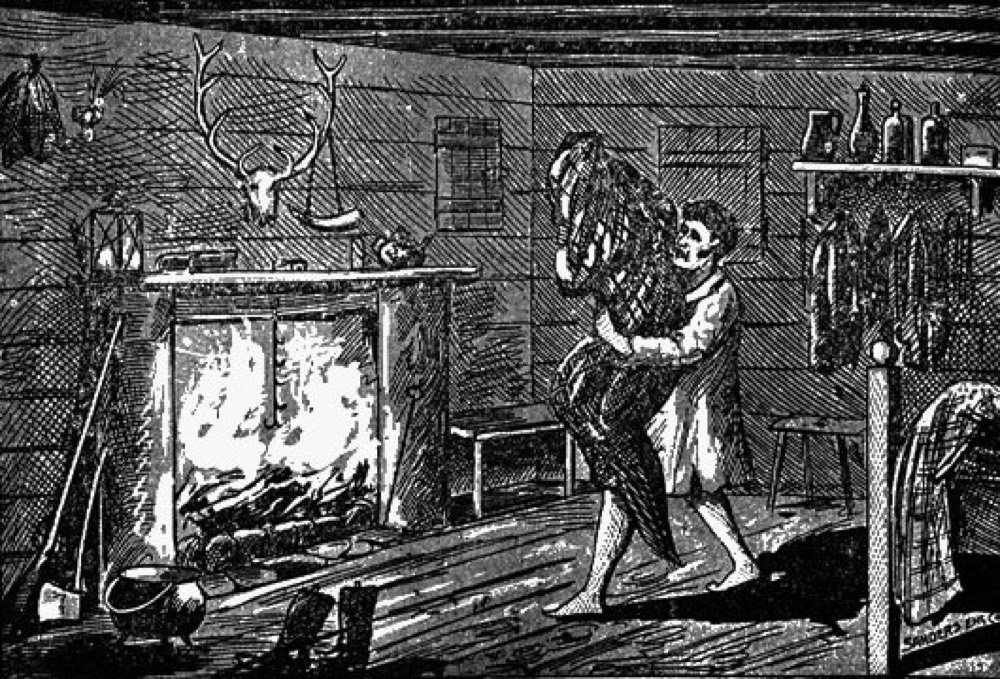
Bell Witch
"Kate," an invisible entity said to torment the Bell family of Adams, Tennessee from 1817 to 1821 — knocking, slapping young Betsy, speaking and singing aloud; legend holds it poisoned patriarch John Bell.
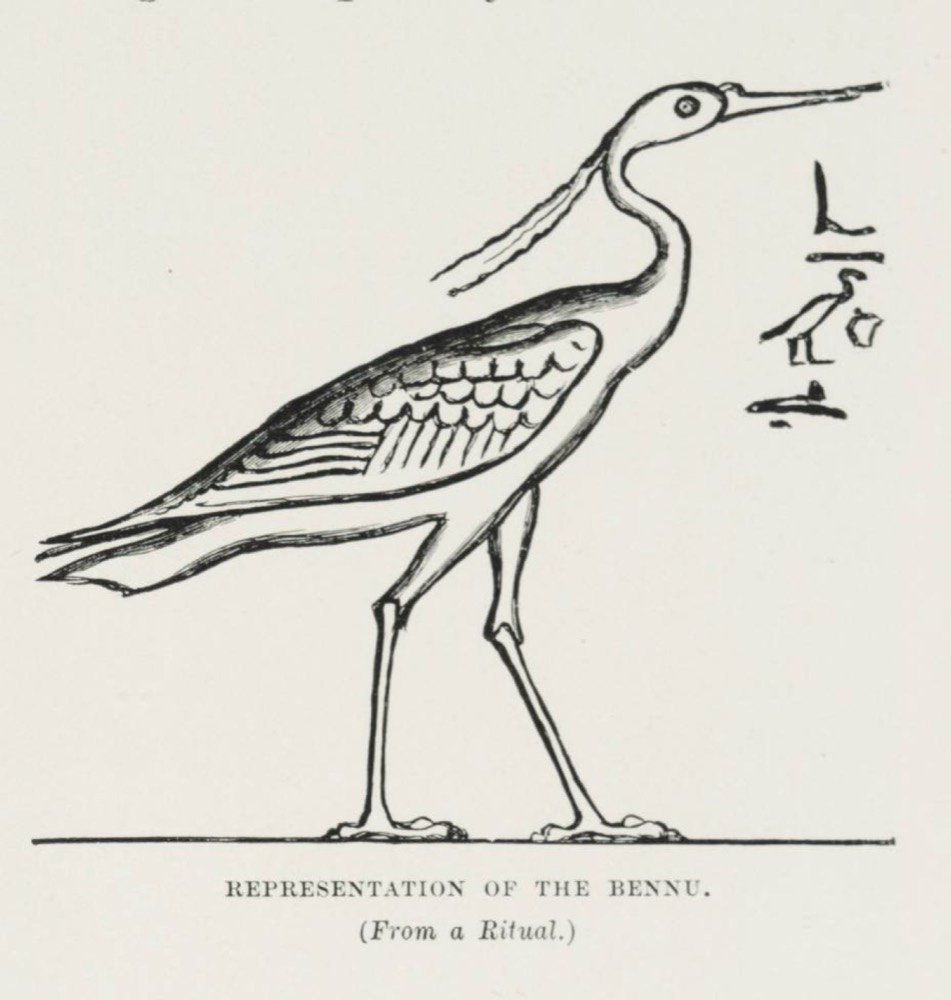
Bennu
The sacred bird perched on the primeval mound at creation, shaped like a heron with two long crest plumes, whose first cry set time in motion; the Greek phoenix legend grew from it.
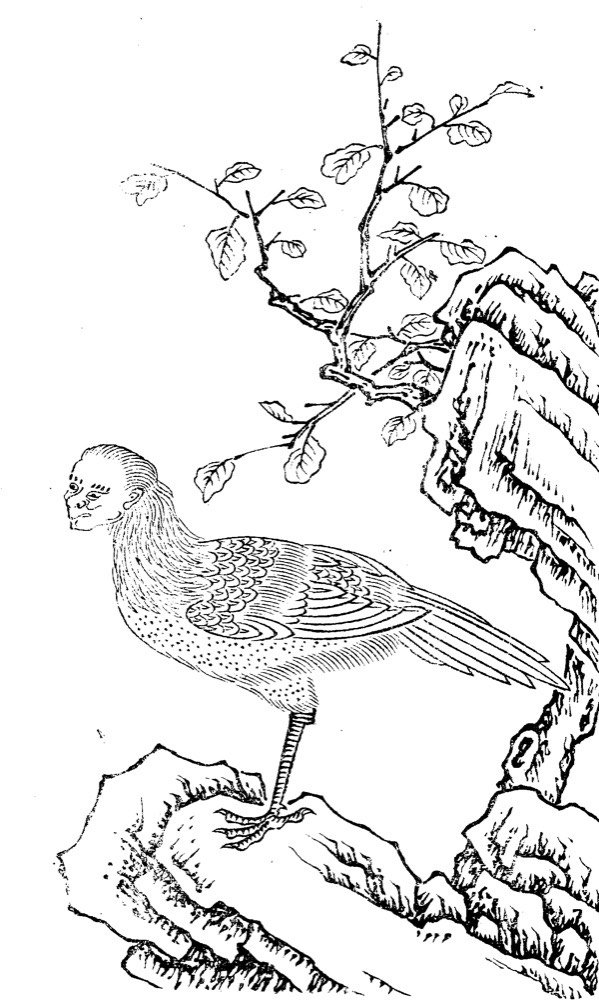
Bifang
A one-legged, crane-like bird of Mount Zhang'e with green plumage, red markings and a white beak, calling its own name; wherever it appears, unexplained fires break out.
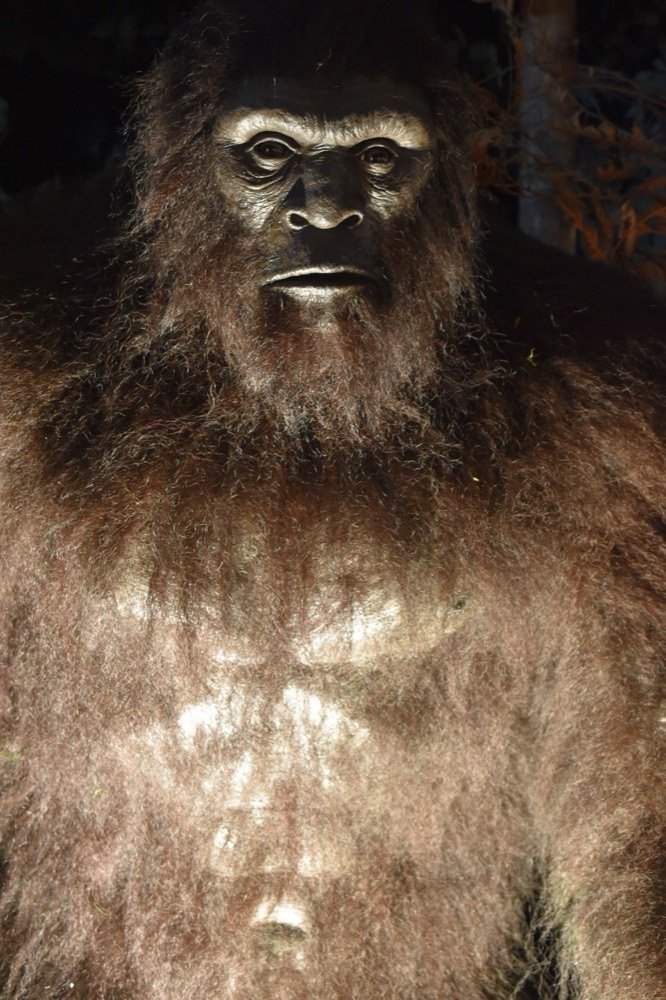
Bigfoot
A giant hair-covered biped said to roam Pacific Northwest forests, named after huge footprints found at Bluff Creek, California in 1958 and made world-famous by the 1967 Patterson-Gimlin film.
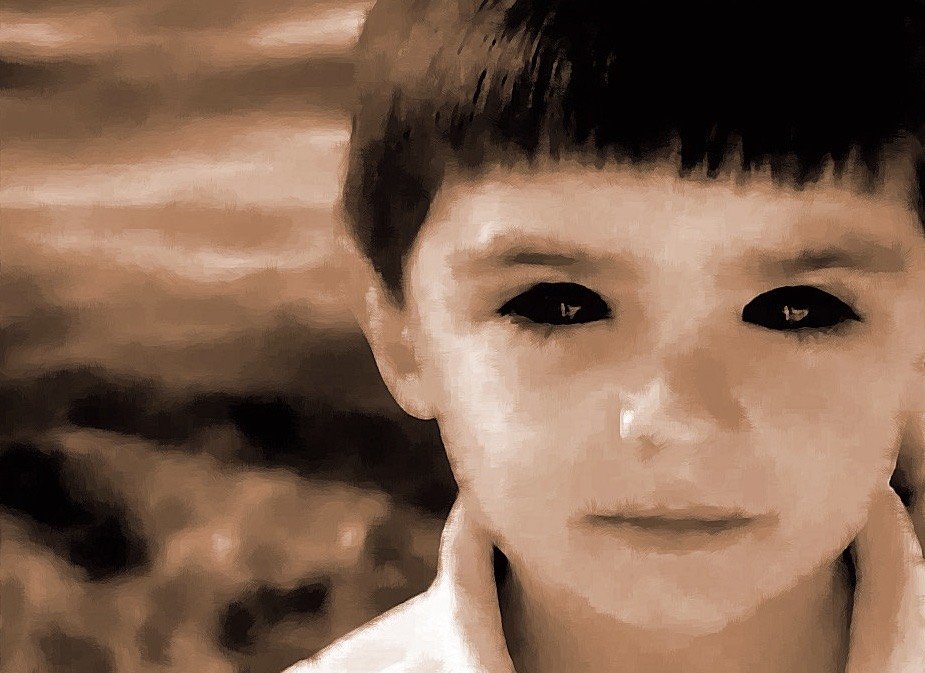
Black-Eyed Children
An internet legend seeded by Texas reporter Brian Bethel's 1996 mailing-list account: children who knock on doors or car windows at night asking for help, their eyes solid black, insisting "let us in."
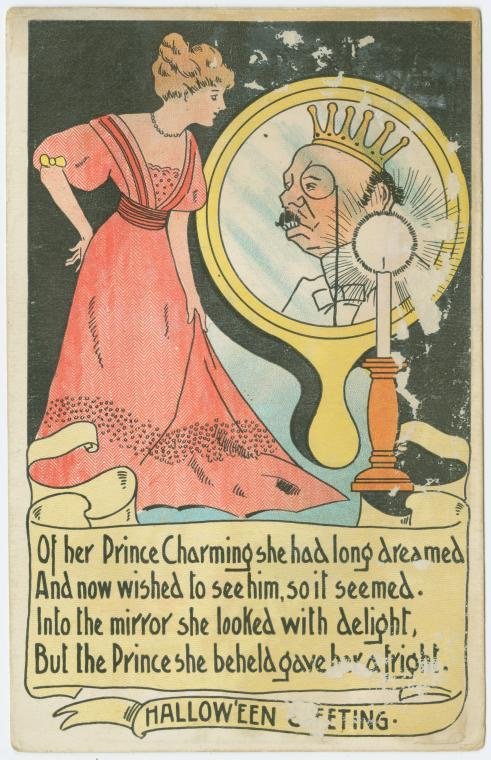
Bloody Mary
America's best-known ritual legend: chant "Bloody Mary" three times before a dark bathroom mirror and a bleeding face appears. Folklorists have documented the rite among schoolchildren since the 1970s.
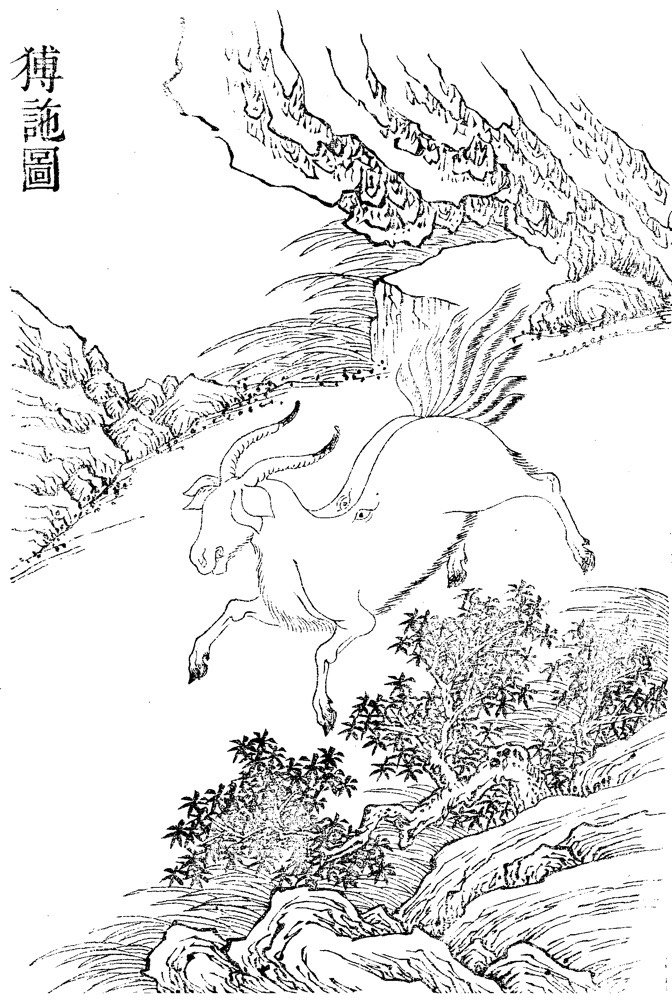
Boshi
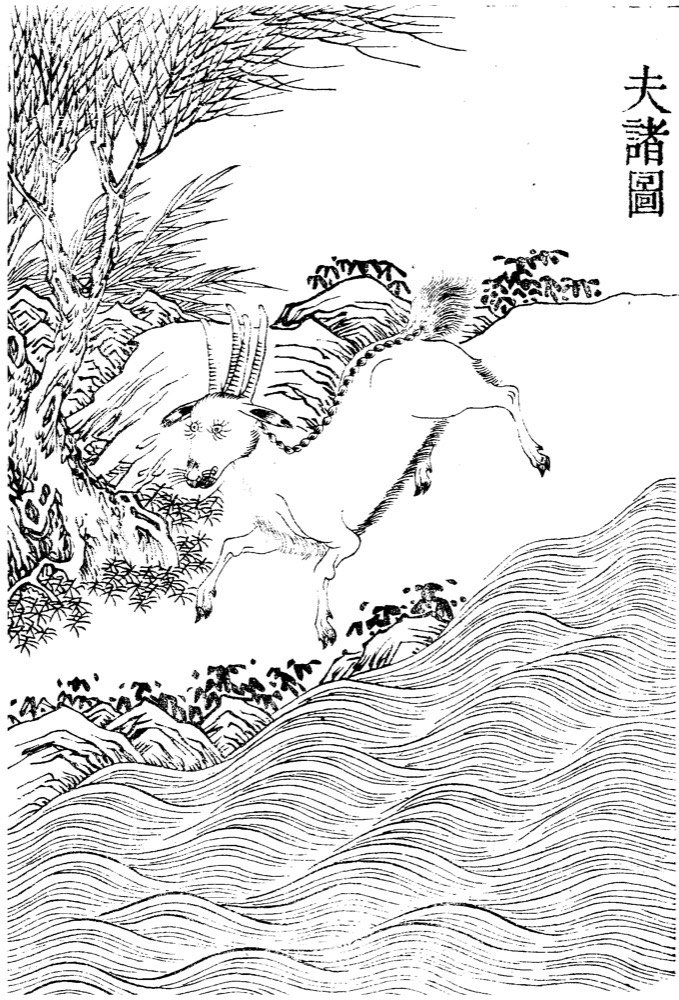
A beast of Mount Ji shaped like a goat, with nine tails, four ears, and eyes set on its back; wearing its hide was said to banish fear.
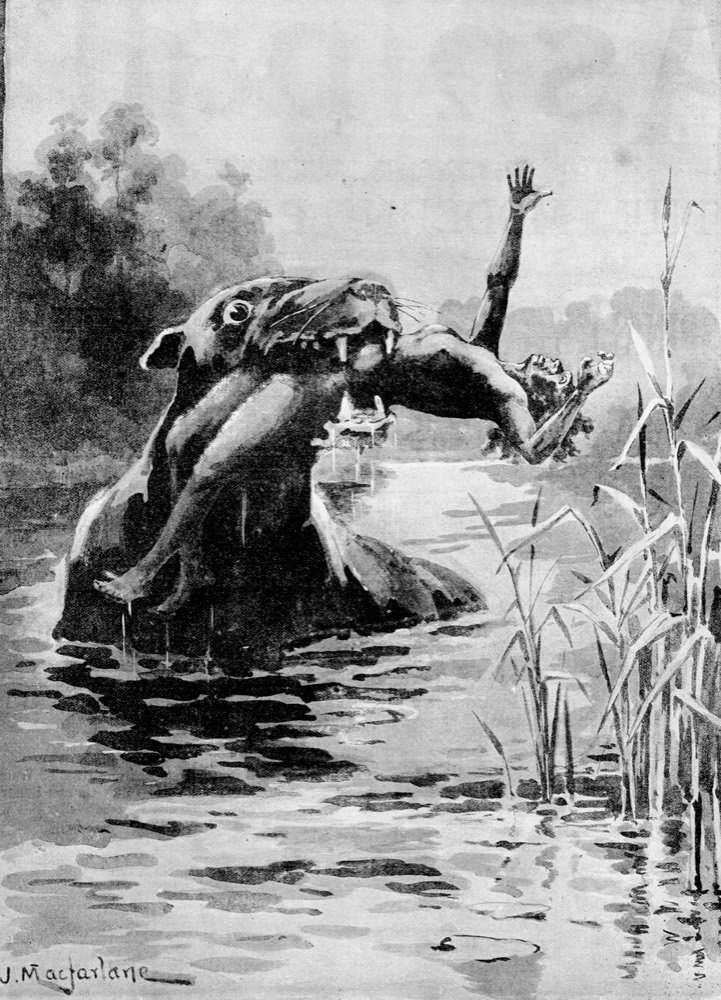
Bunyip
A monster of the billabongs and swamps of south-eastern Australia: it bellows in the night and seizes those who linger at the water's edge. The name comes from the Wemba-Wemba language of Victoria.
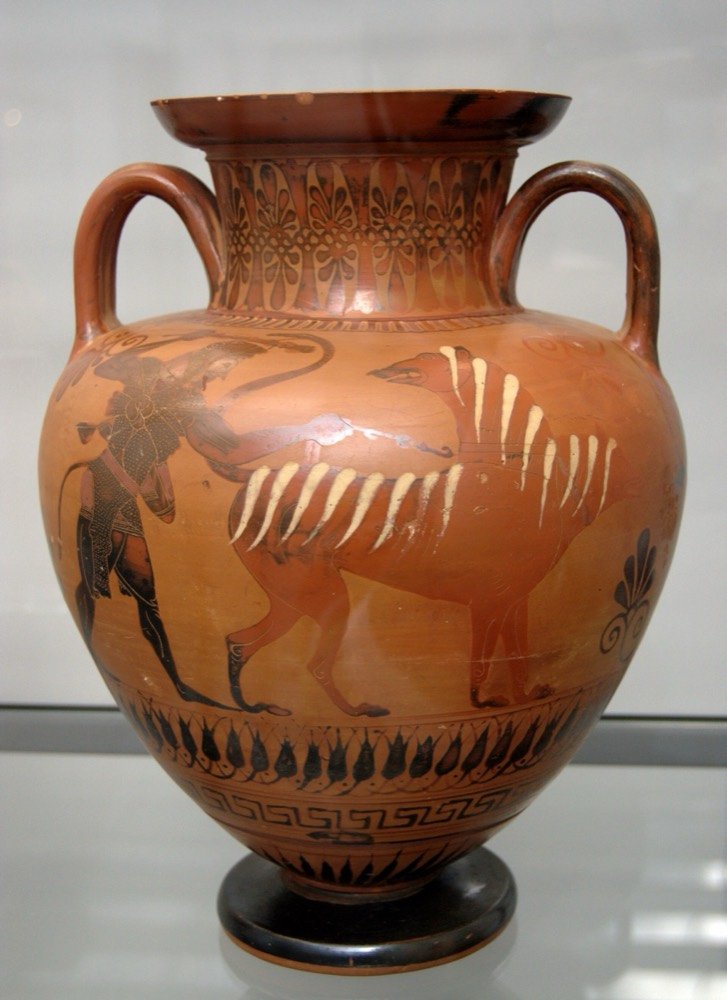
Cerberus
The monstrous hound guarding the gate of the underworld, offspring of Typhon and Echidna, commonly shown with three heads. Fetching him alive was the twelfth labor of Heracles.
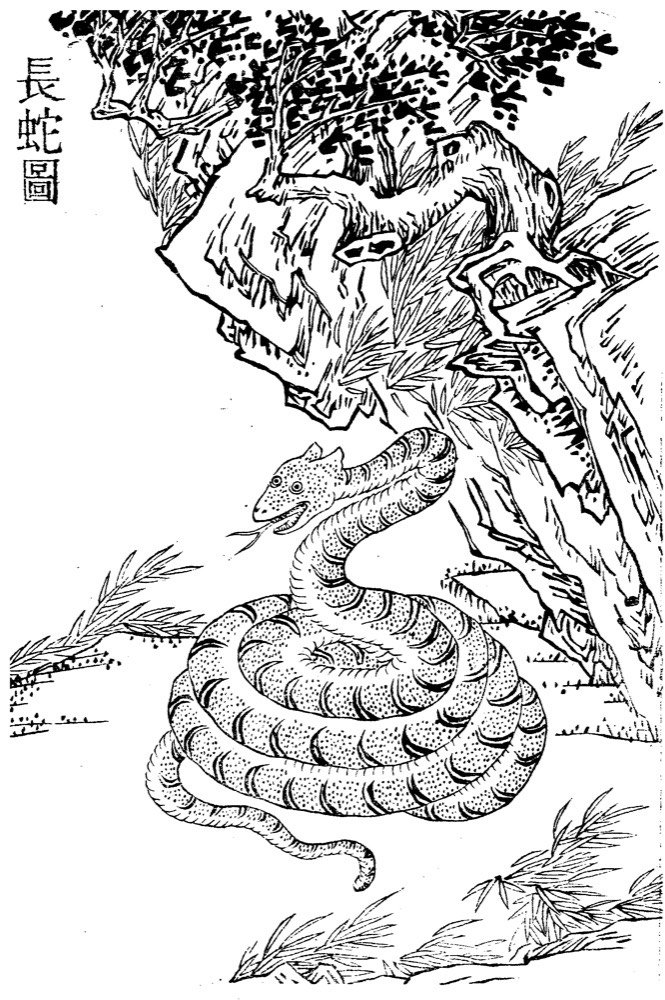
Changshe
A giant serpent of Daxian Mountain, covered in bristles like boar hair, its voice like the wooden clapper of a night watchman. Early commentary puts its length at a hundred xun — nearly two hundred metres.
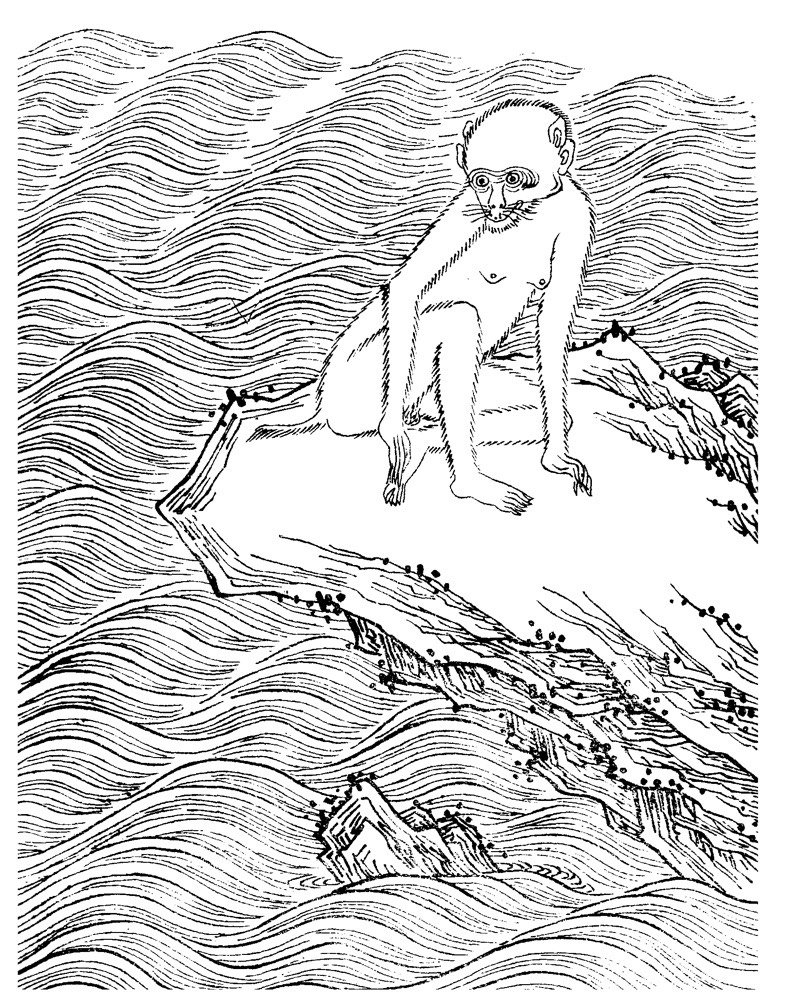
Changyou
A beast of Mount Changyou shaped like a macaque but with four ears, its voice like a human groan; whichever district it appears in will suffer great floods.
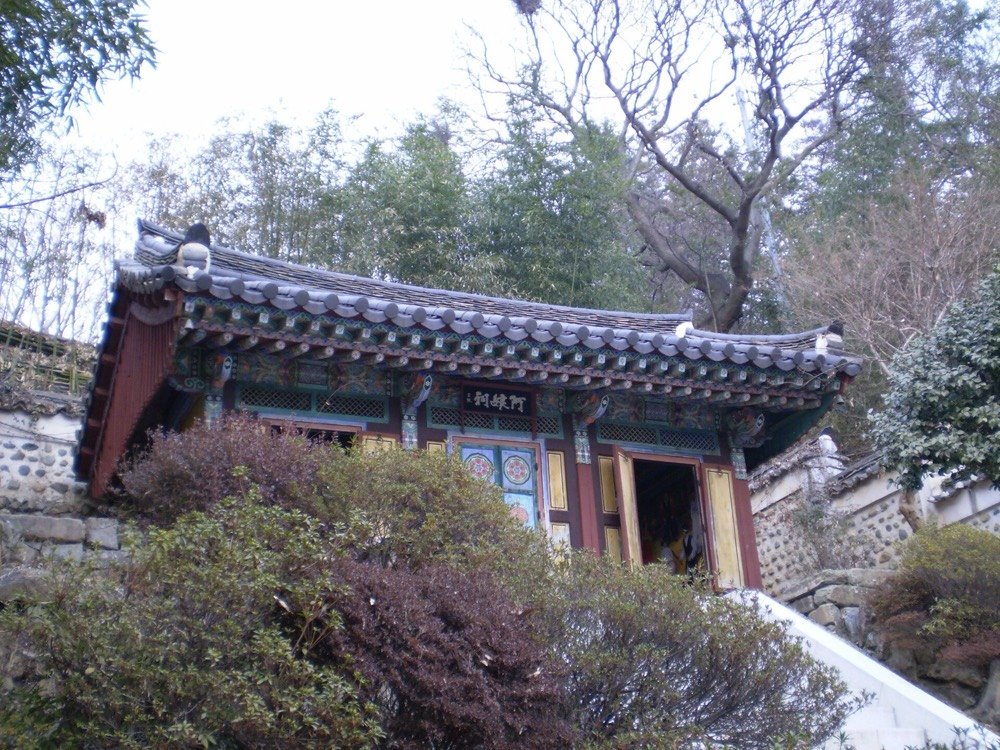
Cheonyeo Gwisin
The ghost of a woman who died unmarried, white-robed with loose black hair, bound to the world by grievance; the wronged Arang of Miryang frightened magistrate after magistrate to death until one stayed to hear her.
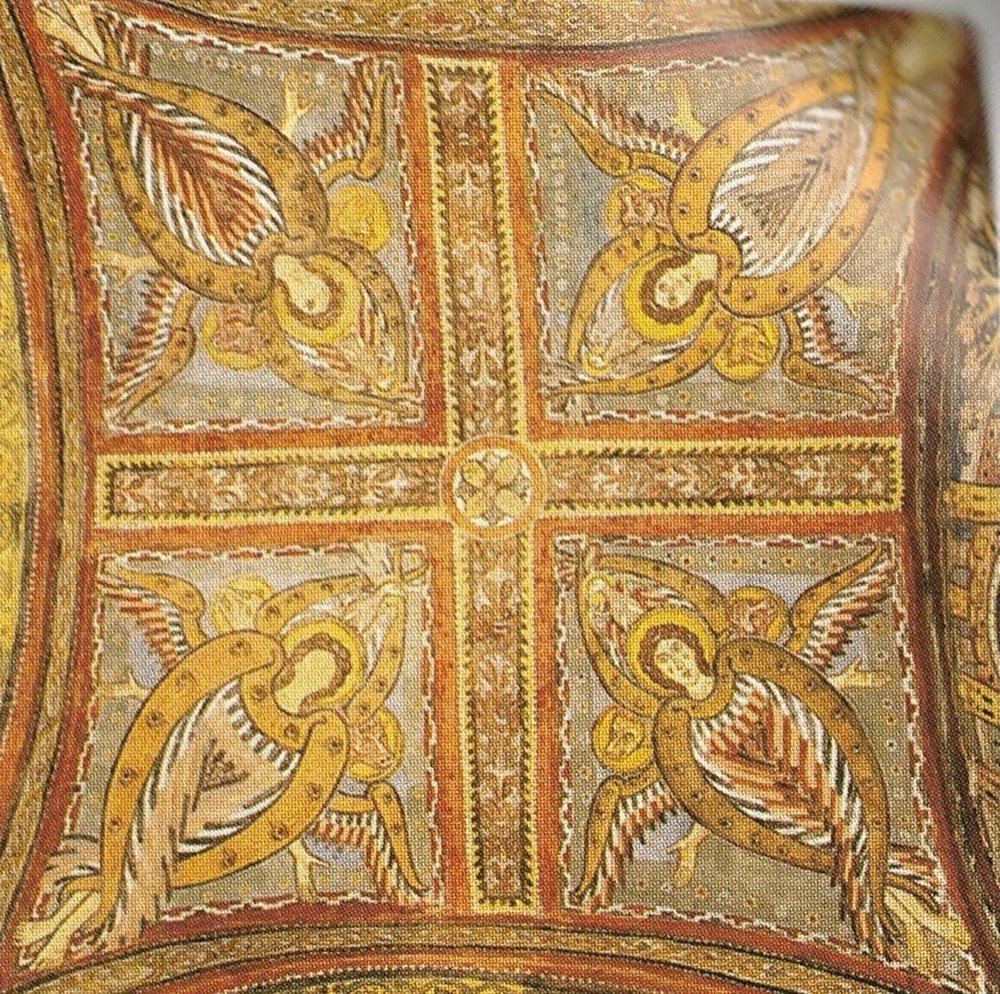
Cherubim
Winged beings who guard the gate of Eden and bear the throne of God. Ezekiel saw them with four faces — human, lion, ox, eagle; two golden cherubim spread their wings over the Ark's mercy seat.
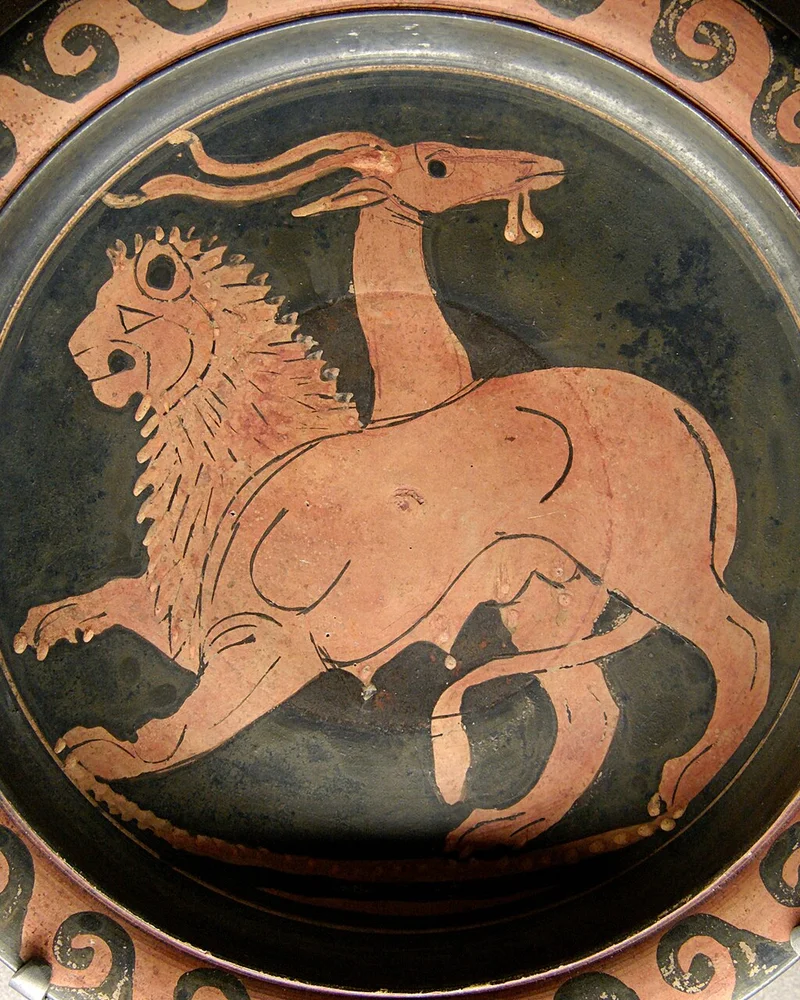
Chimera
A fire-breathing hybrid monster with the head of a lion, body of a goat, and tail of a serpent. Slain by the hero Bellerophon while riding the winged horse Pegasus.
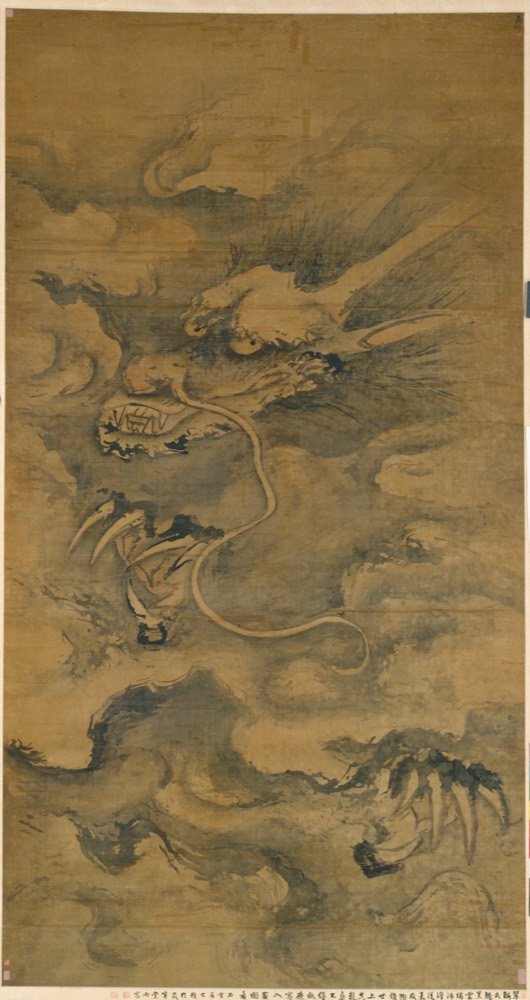
Chinese Dragon
The supreme scaled beast, deer-horned and eagle-clawed, able to shrink or fill the sky, climbing to heaven at the spring equinox and diving into the deeps in autumn; master of rain and emblem of emperors.
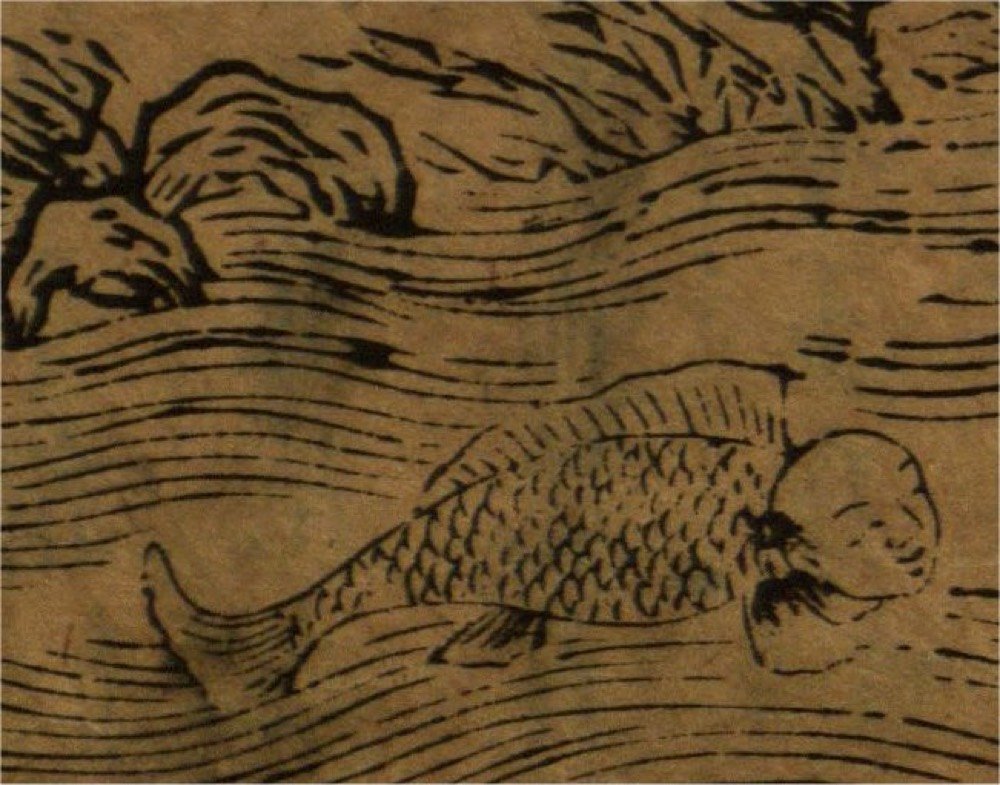
Chiru
A fish of the Ying River on Mount Qingqiu, wholly fish-bodied but with a human face and a call like a mandarin duck; eating it was said to prevent scabies.
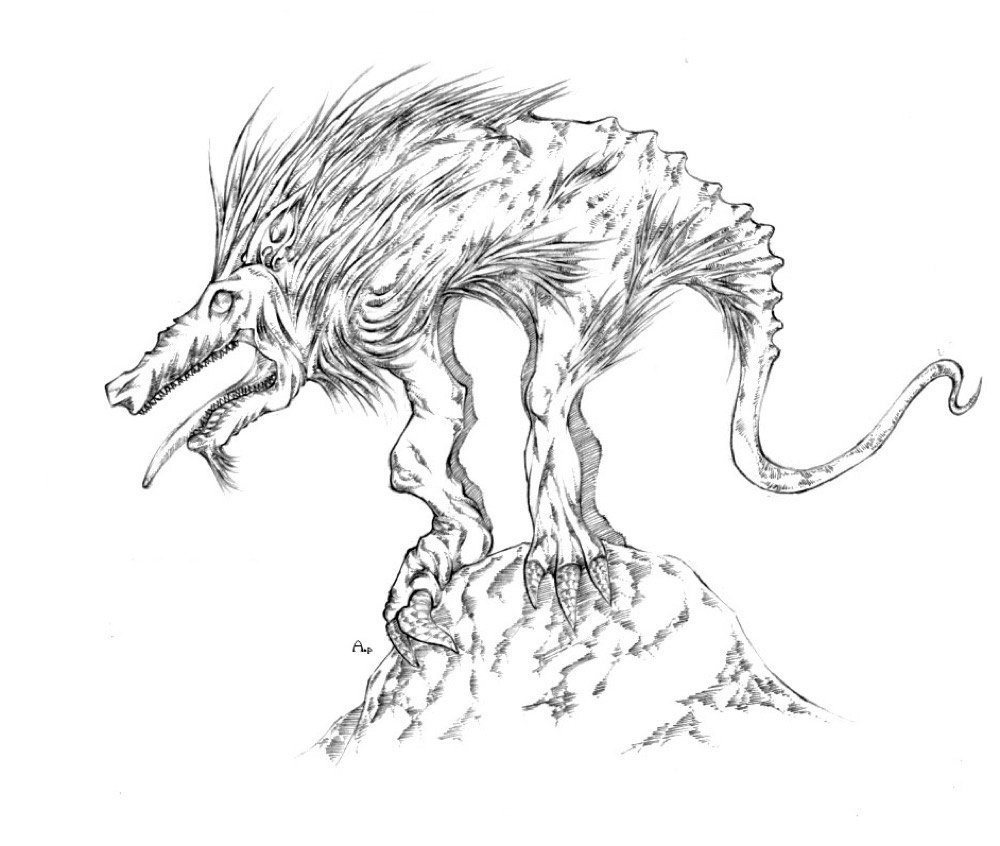
Chupacabra
A vampire-beast legend born in Puerto Rico in 1995 — the name means "goat-sucker." Livestock were found drained of blood; the legend spread to Mexico and the U.S., its image shifting from a spined biped to a hairless canid.
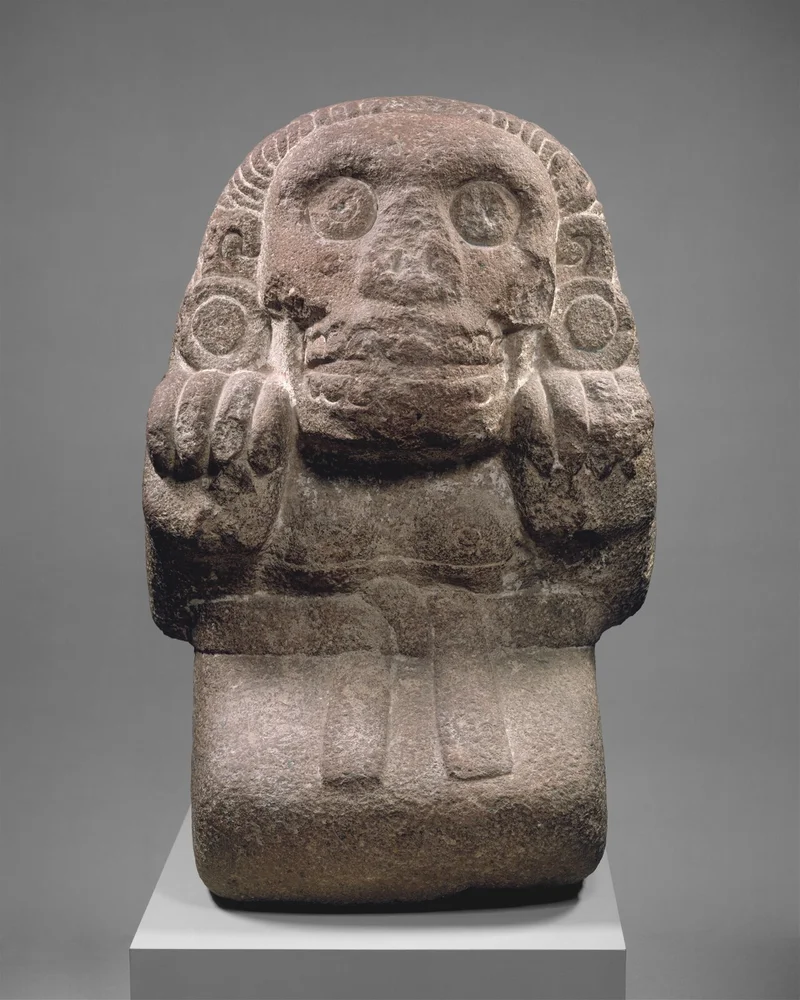
Cihuateteo
The spirits of women who died in childbirth, honoured by the Mexica as warriors who accompanied the sun from noon to sunset, and feared because on certain days of the calendar they descended to crossroads to strike children with sickness.
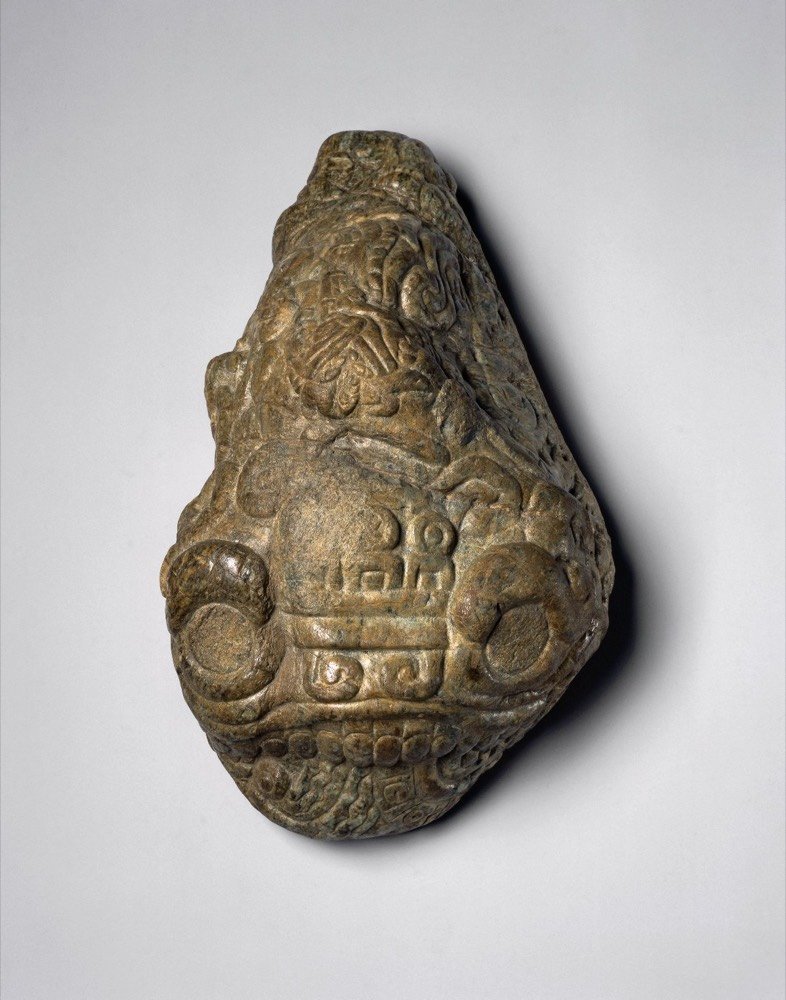
Cipactli
A crocodilian monster of the primordial sea, mouths gaping at every joint and never sated. Tezcatlipoca lured it with his own foot as bait, and the gods made the earth from its body.
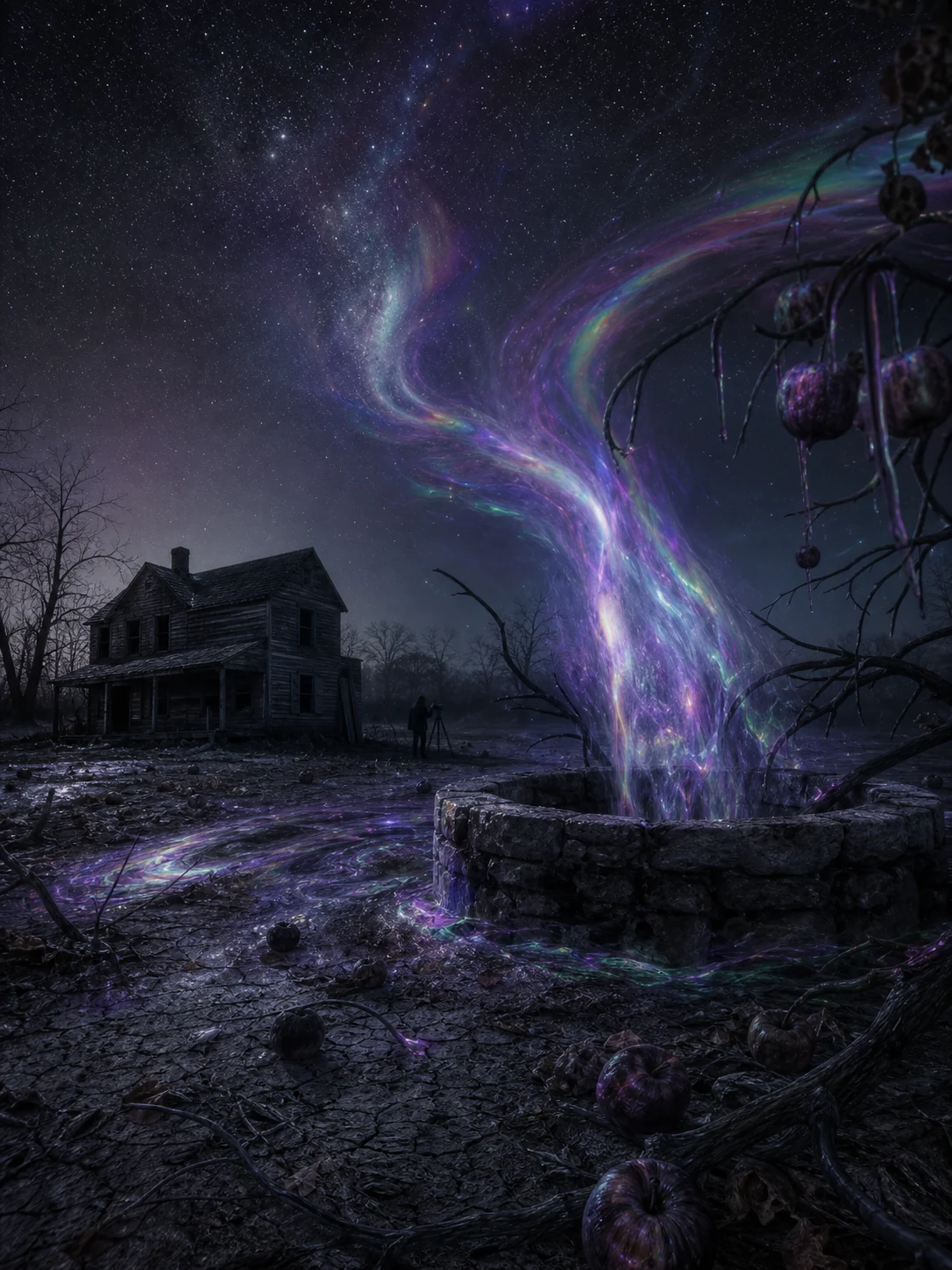
Colour Out of Space
An extraterrestrial phenomenon carried by a meteorite, draining a farm while displaying a colour no human spectrum contains.
Cu Sith
A massive fairy hound the size of a bull, with shaggy dark green fur and braided tail. Its three barks summon death, and it roams the Scottish Highlands collecting souls of the dying.
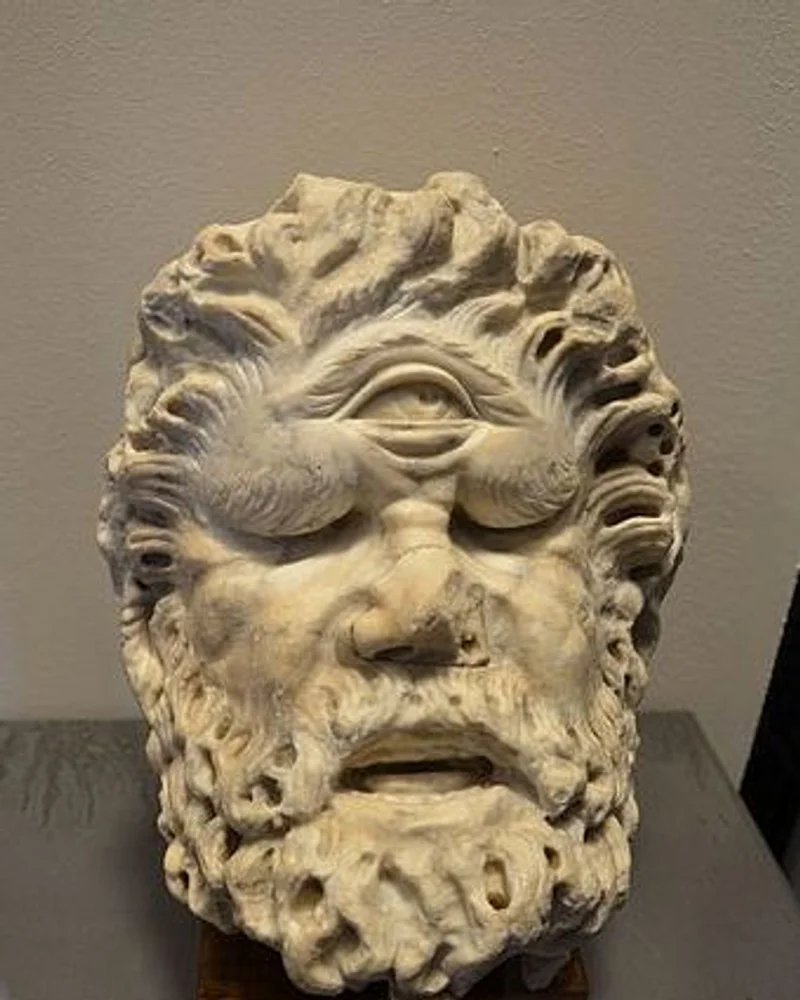
Cyclops
One-eyed giants of immense strength. The most famous, Polyphemus, trapped Odysseus and his men in his cave. They were master craftsmen who forged Zeus's thunderbolts.
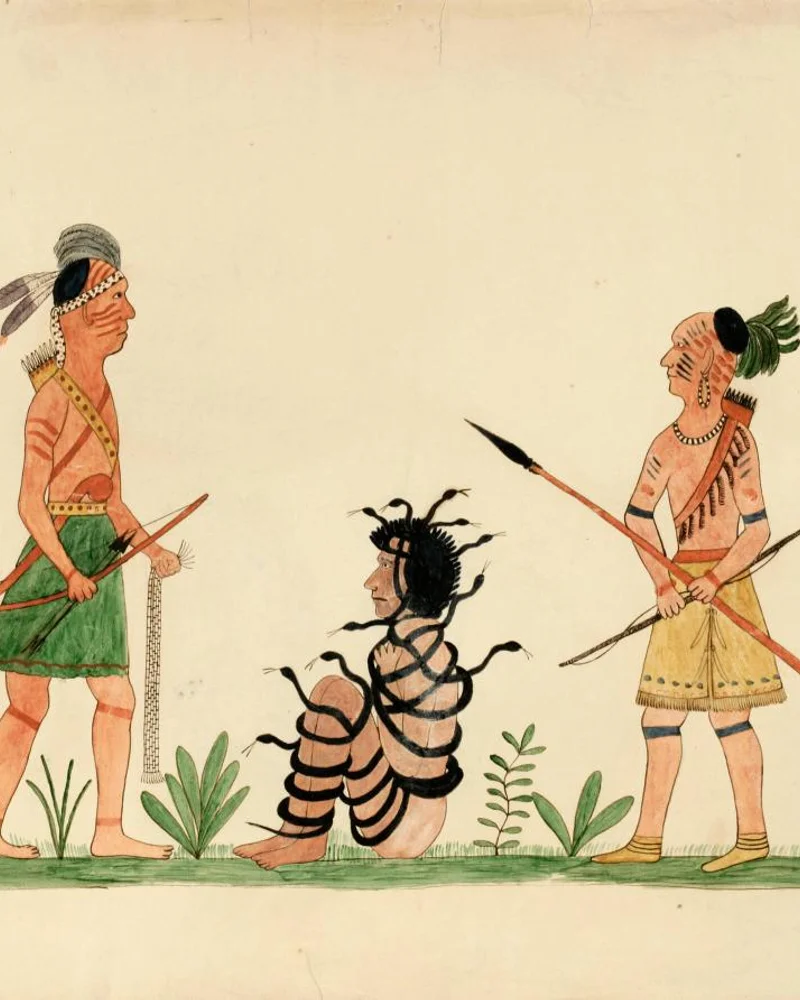
Dagwanoenyent, the Storm Wind
The violent storm wind of Seneca tradition, which appears as a flying head with long streaming hair, set against the gentle wind Ga'ha'.
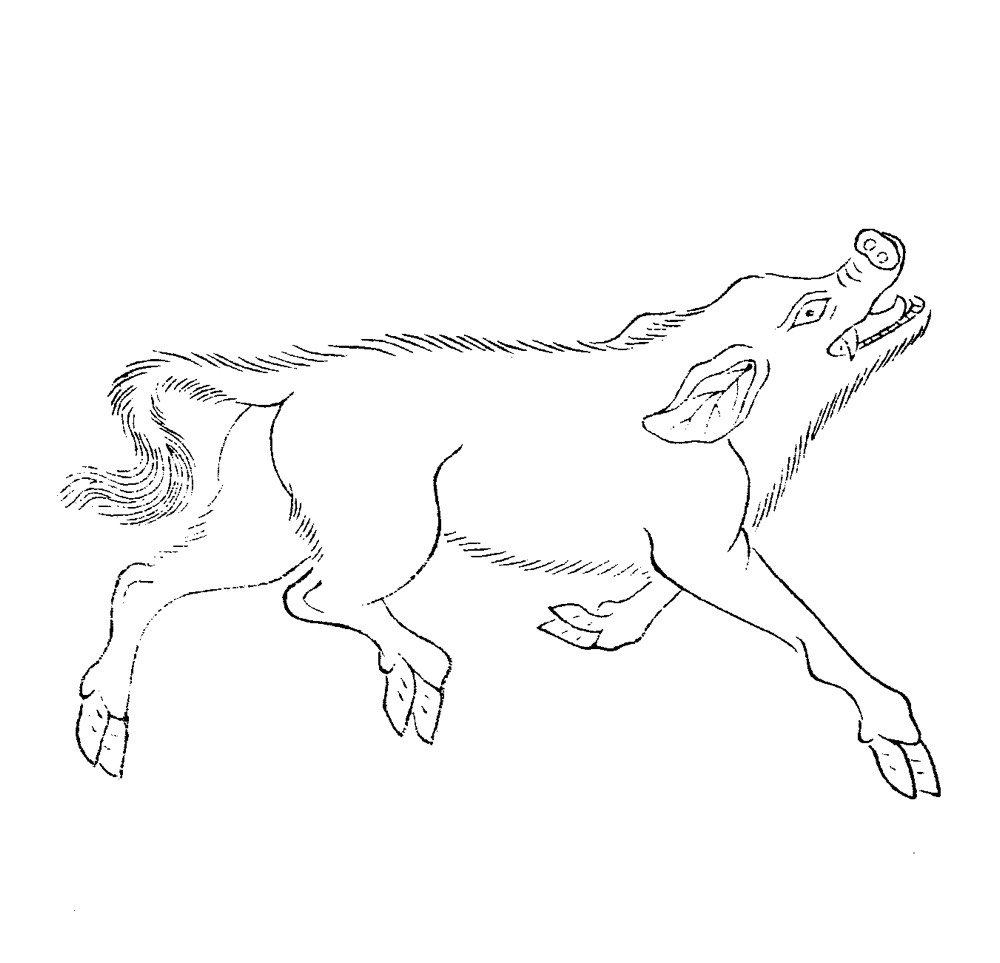
Dangkang
An auspicious beast of Qin Mountain, shaped like a pig with prominent tusks, its cry naming itself. When it appears, the world is due a great harvest.
Déélgééd
The horned monster, a great beast of the open plain whom Monster Slayer killed with a lightning arrow through the heart after Gopher dug a tunnel beneath it.
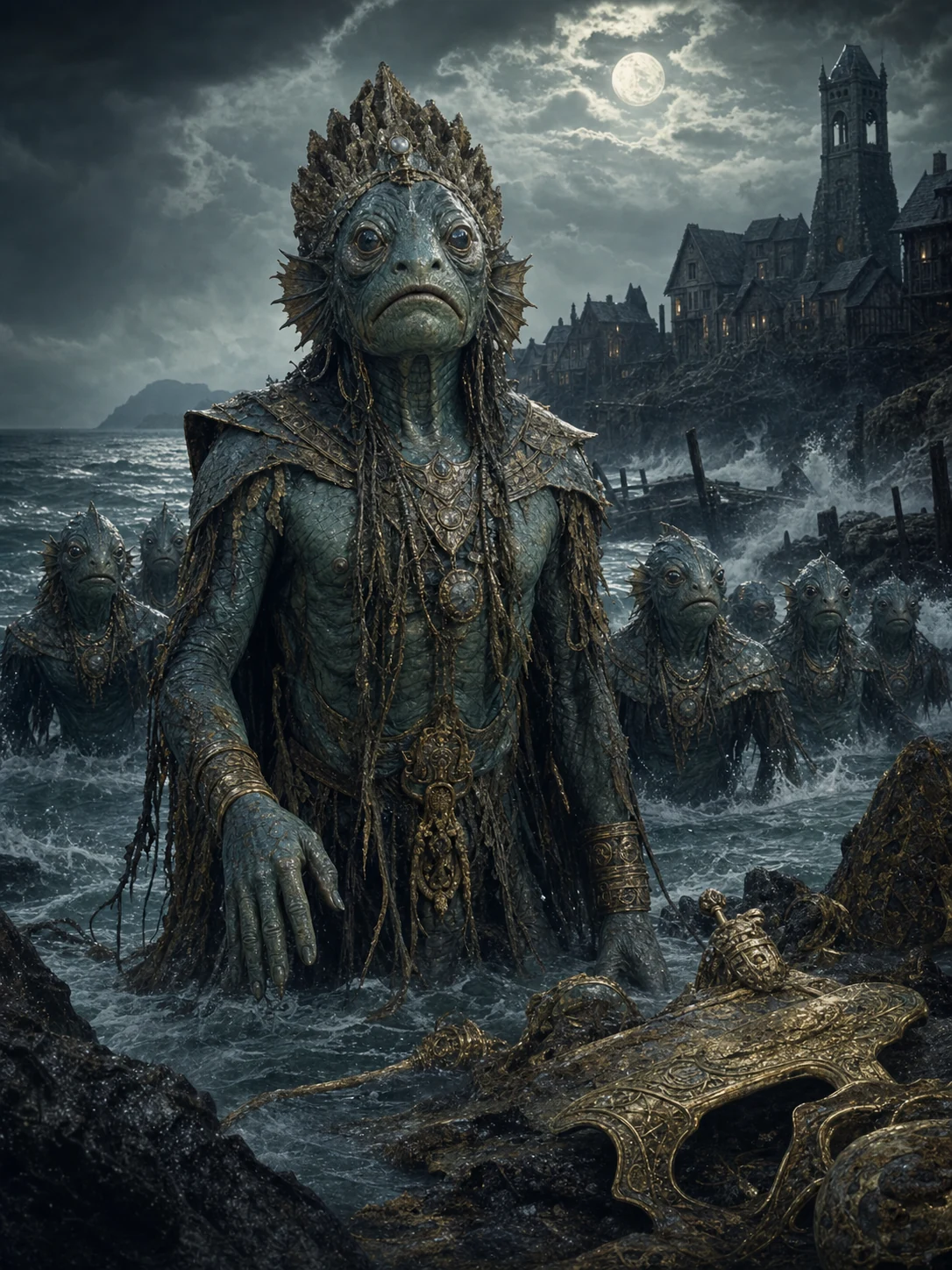
Deep Ones
An immortal marine people who interbreed with humans, purchasing Innsmouth’s devotion with gold, fish, and a tidal inheritance.
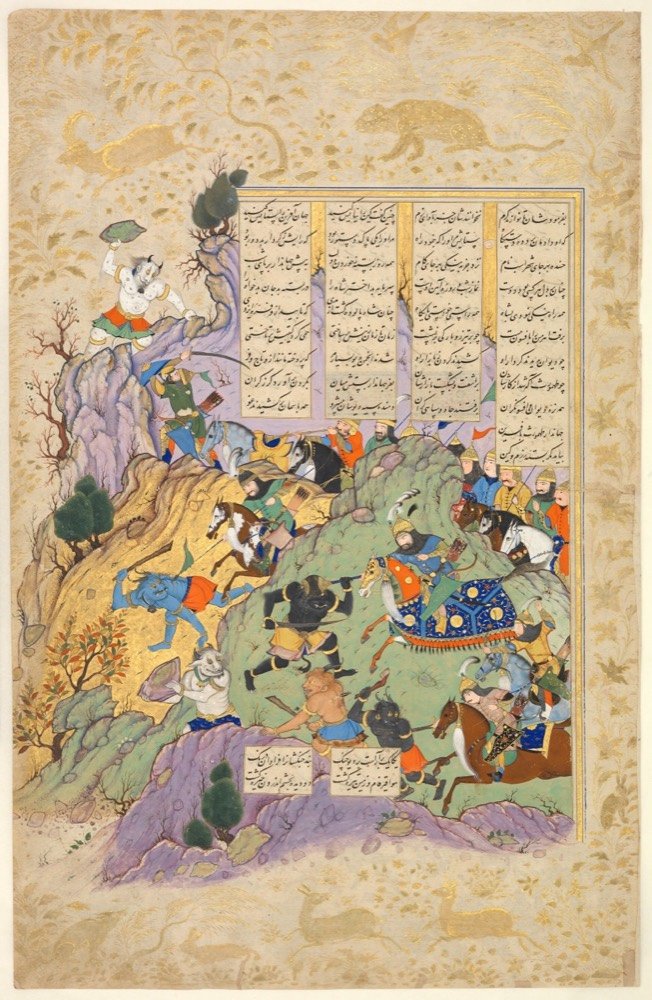
Div
The ogre-demons of Persian legend, descended from the daevas, old gods demonized in the Avesta. In the Shahnameh they haunt Mazandaran, where the White Div blinded a Persian army.
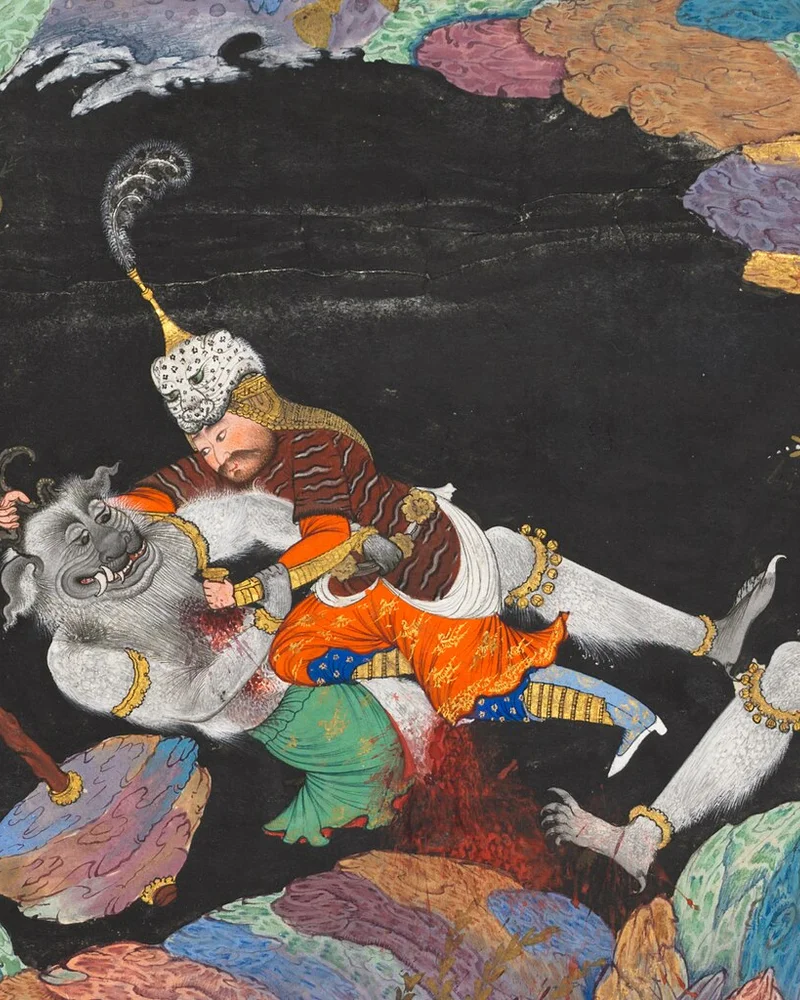
Div-e Sepid
The White Div, lord of the demons of Mazandaran in the Shahnameh, who blinds King Kay Kavus and his army and is killed by Rostam in his cave at the end of the hero's Seven Trials.
Diwata
A widespread name for deities and place-spirits who heal and bless, yet punish intrusion and neglect.
Djogeon
The Little People of Seneca tradition, who live in caves and gulches, generally do not harm people, and, in return for small gifts, warn them of danger or help them to good fortune.
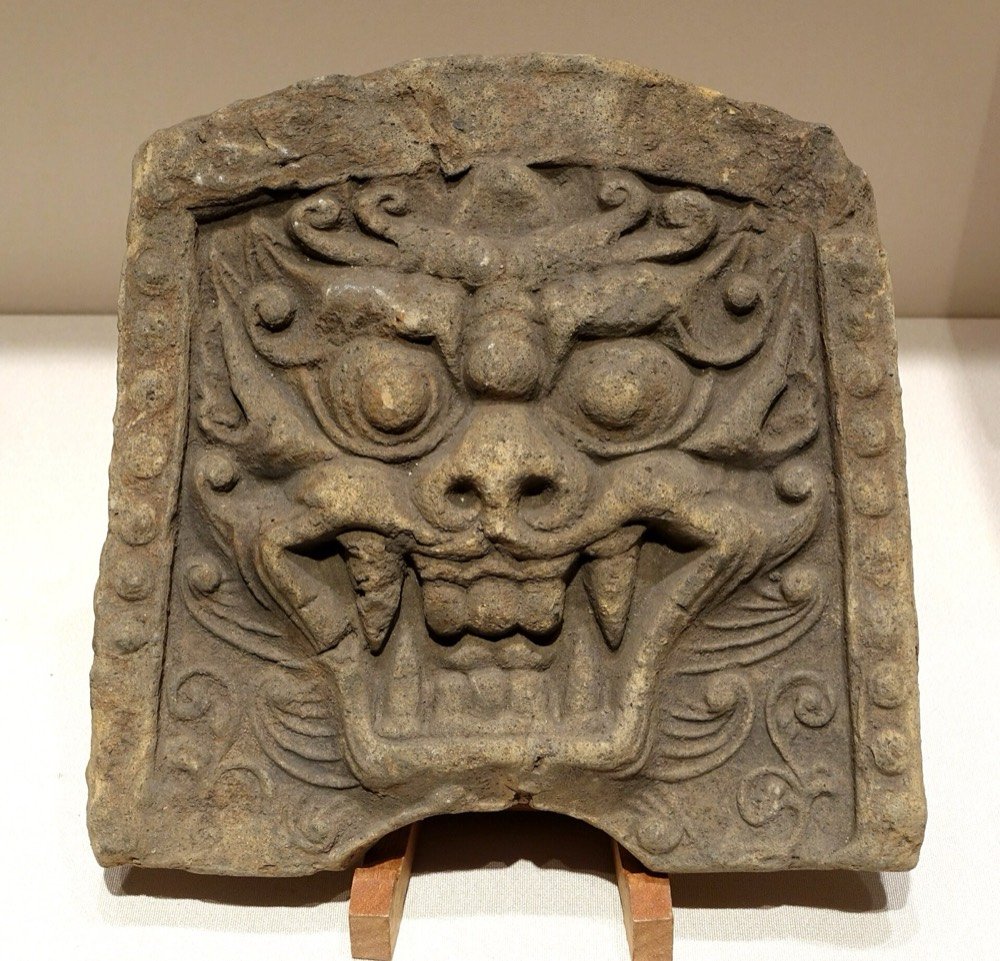
Dokkaebi
A goblin spirit born from worn household objects; fond of wrestling, buckwheat jelly, and rice wine, it conjures gold with a strike of its club, punishes the greedy, and repays debts with absurd generosity.
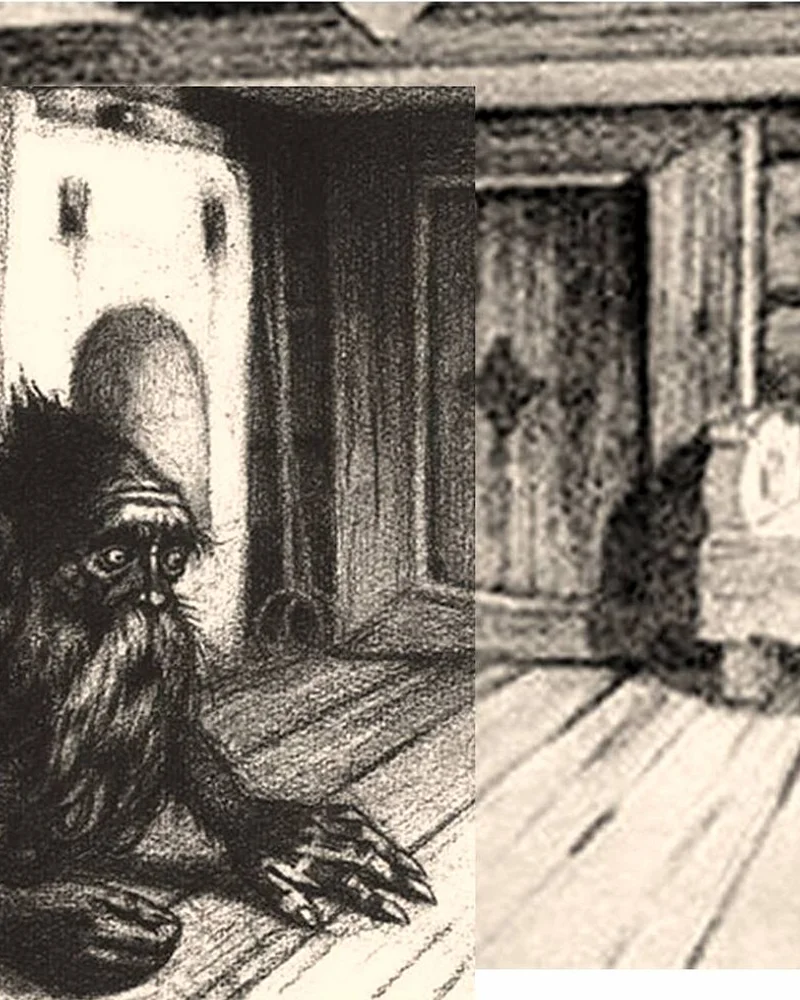
Domovoi
A small, hairy household guardian spirit of East Slavic folklore, usually benevolent, who protects a family's home and livestock as long as he is shown respect.
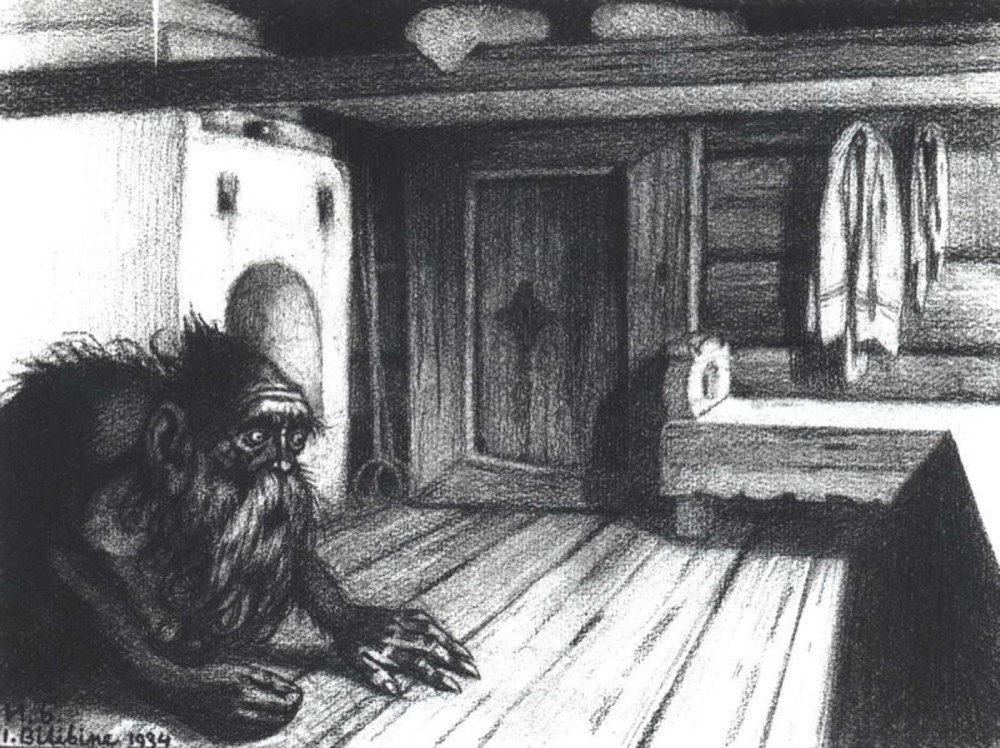
Domovoy
The hairy little old man of the household, one to each home, living behind the stove; he tends the horses and guards the house, and must be formally invited along when the family moves.
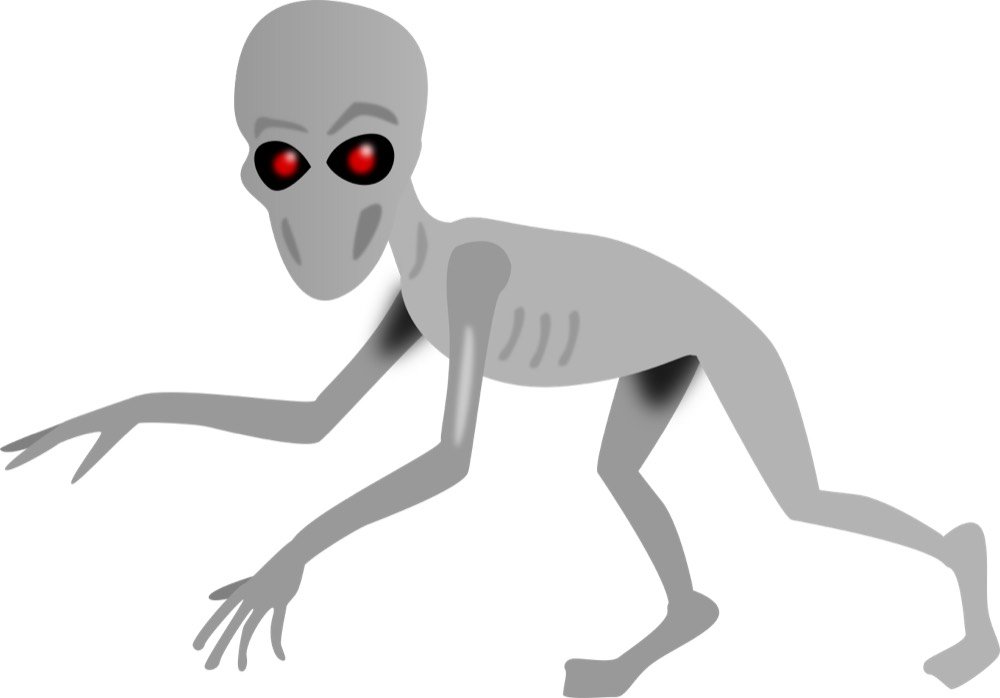
Dover Demon
In April 1977, three teenagers in Dover, Massachusetts independently reported a hairless, spindly creature with an oversized head and glowing orange eyes within 25 hours; investigator Loren Coleman coined its name.
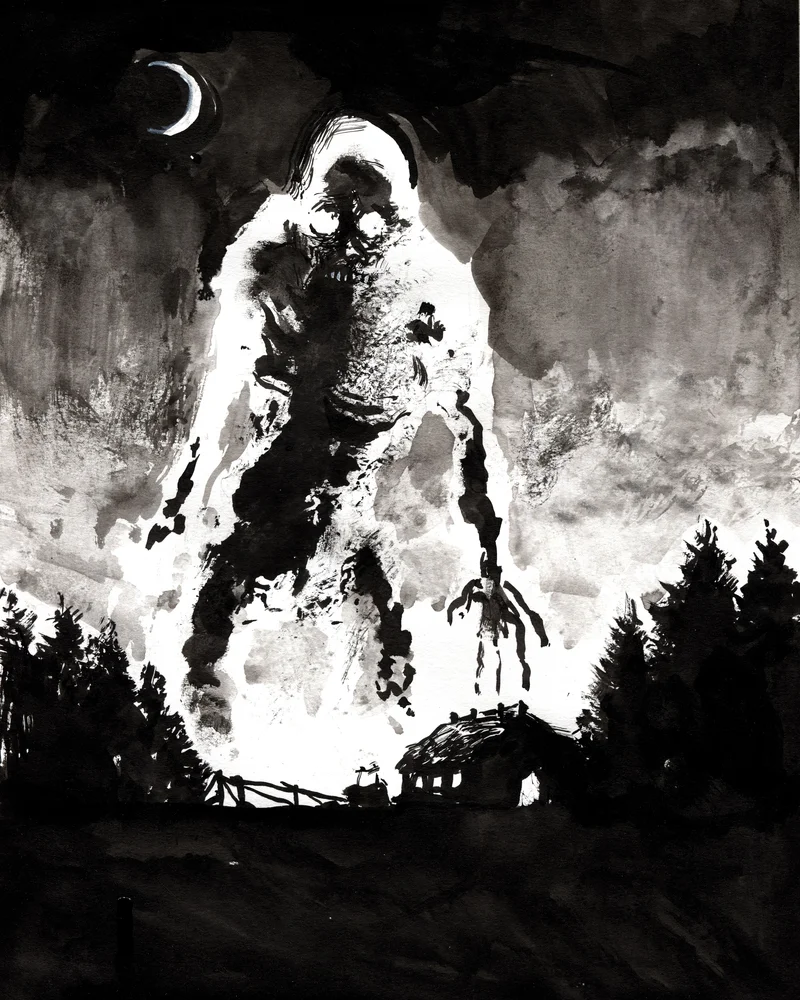
Draugr
Undead warriors who guard their burial mounds and treasure with supernatural strength. They possess dark magic and can increase their size, bringing death to any who disturb their rest.
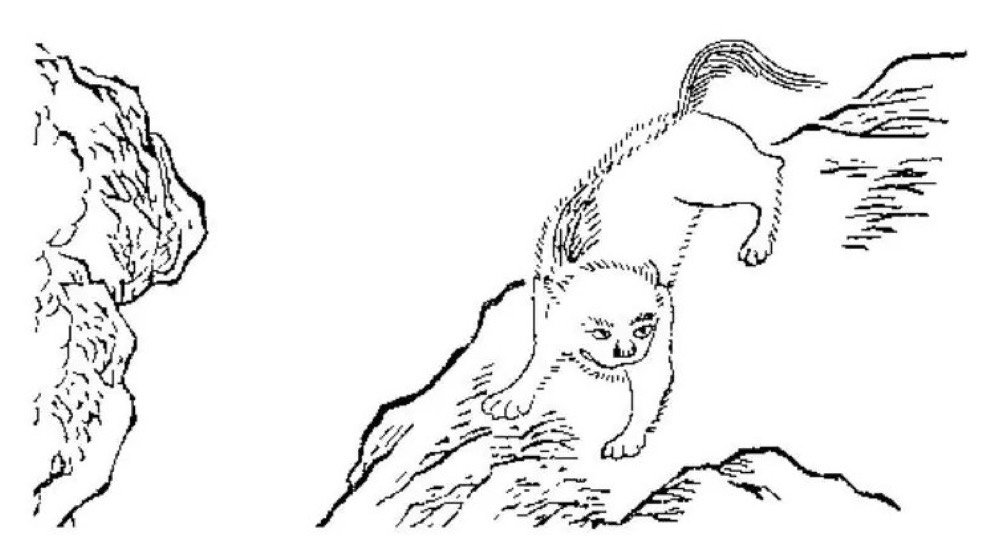
Dugu
A beast of Beixiao Mountain: a tiger's frame, all white, with a dog's head, a horse's tail, and a boar's bristling mane. The second character of its name is a rare graph coined for it; Guo Pu glosses it 'gu'.
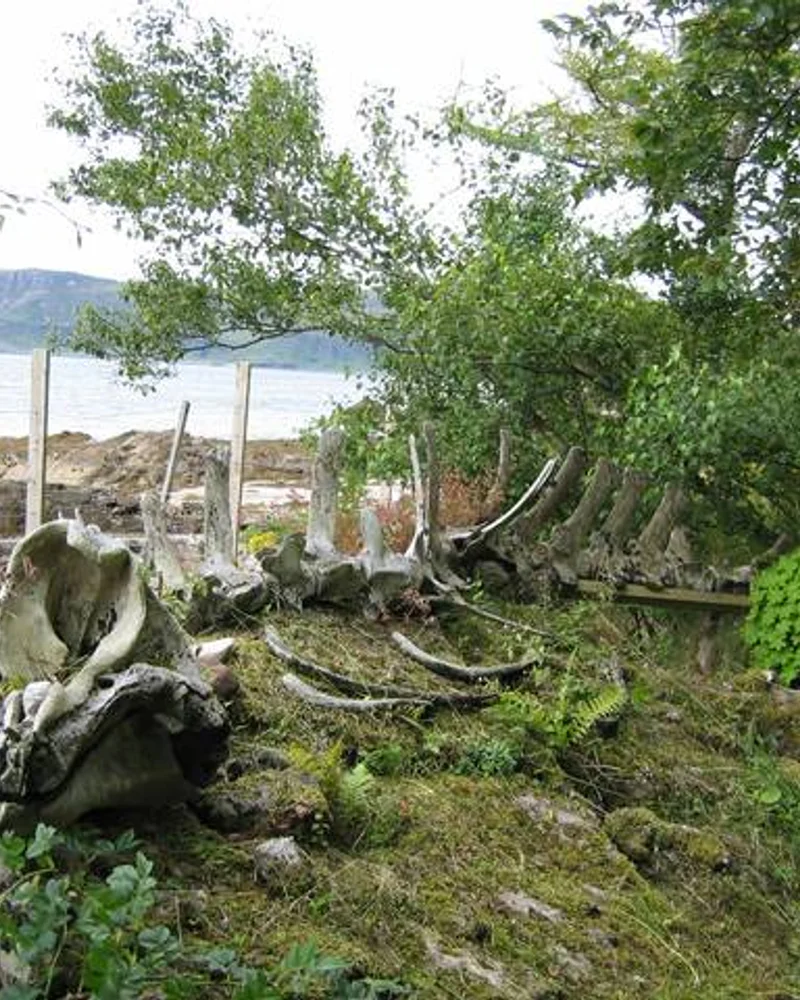
Each-uisge
A malevolent water horse of Scottish lochs and seas, far more dangerous than the kelpie. It appears as a beautiful horse but carries victims into the water to devour them, leaving only the liver behind.
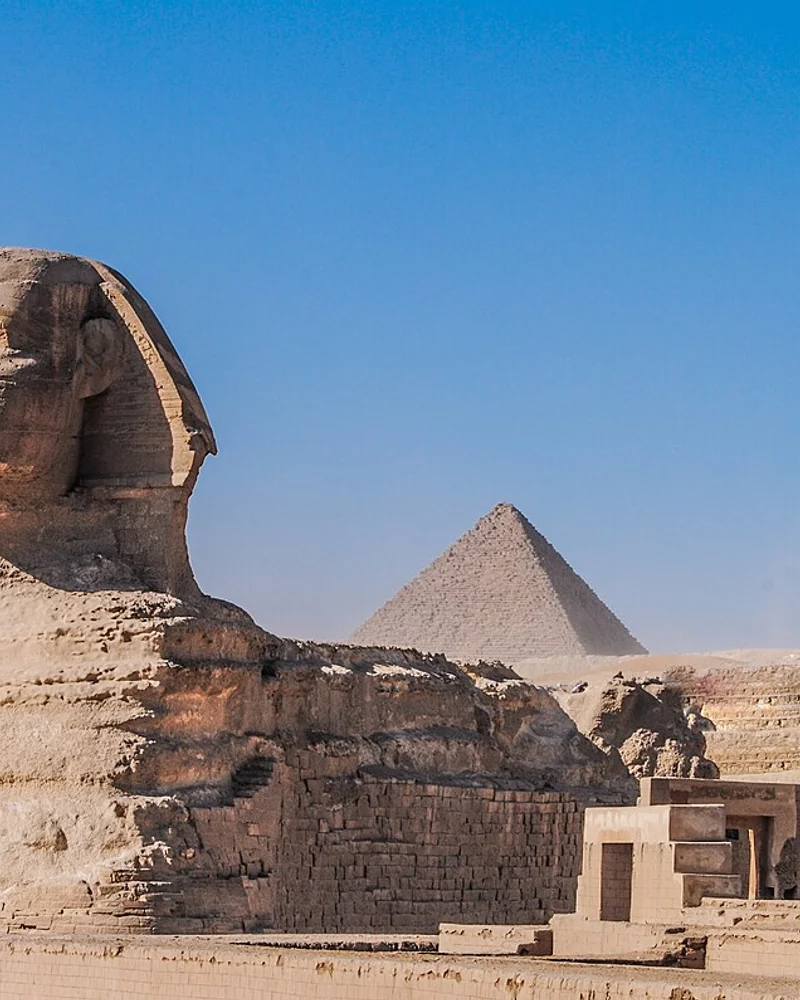
Egyptian Sphinx
A benevolent guardian with the body of a lion and head of a pharaoh. Unlike its Greek counterpart, it protects sacred sites and represents royal power and divine wisdom.
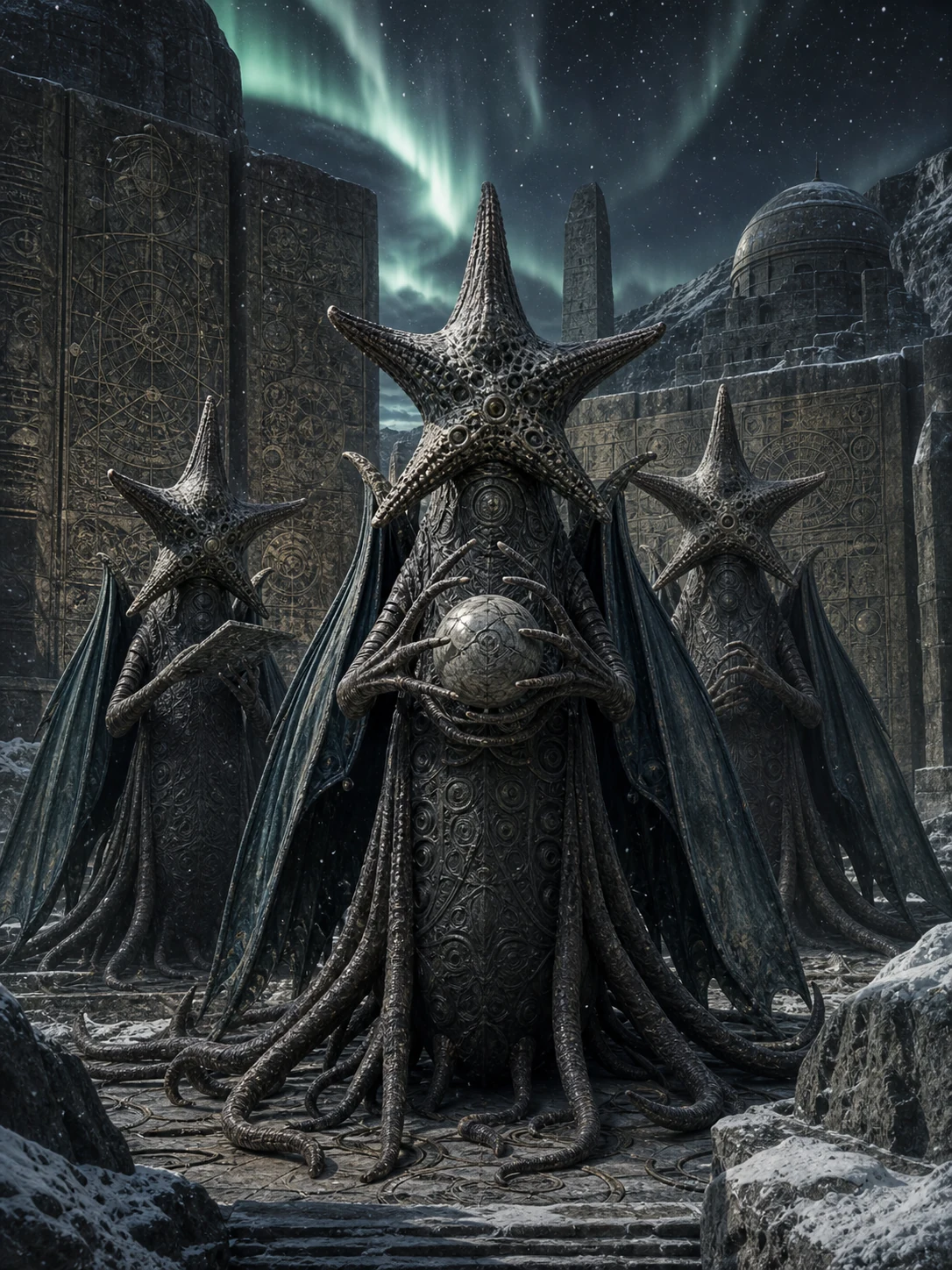
Elder Things
A star-headed civilization that reached primordial Earth, raised Antarctic cities, and engineered the shoggoths that later rebelled.
Elk of Hiisi
The magical elk built by the demon Hiisi's folk from forest materials, which Louhi sets Lemminkäinen to ski down as the first of his tasks, and which he captures only after praying to Tapio and Mielikki.
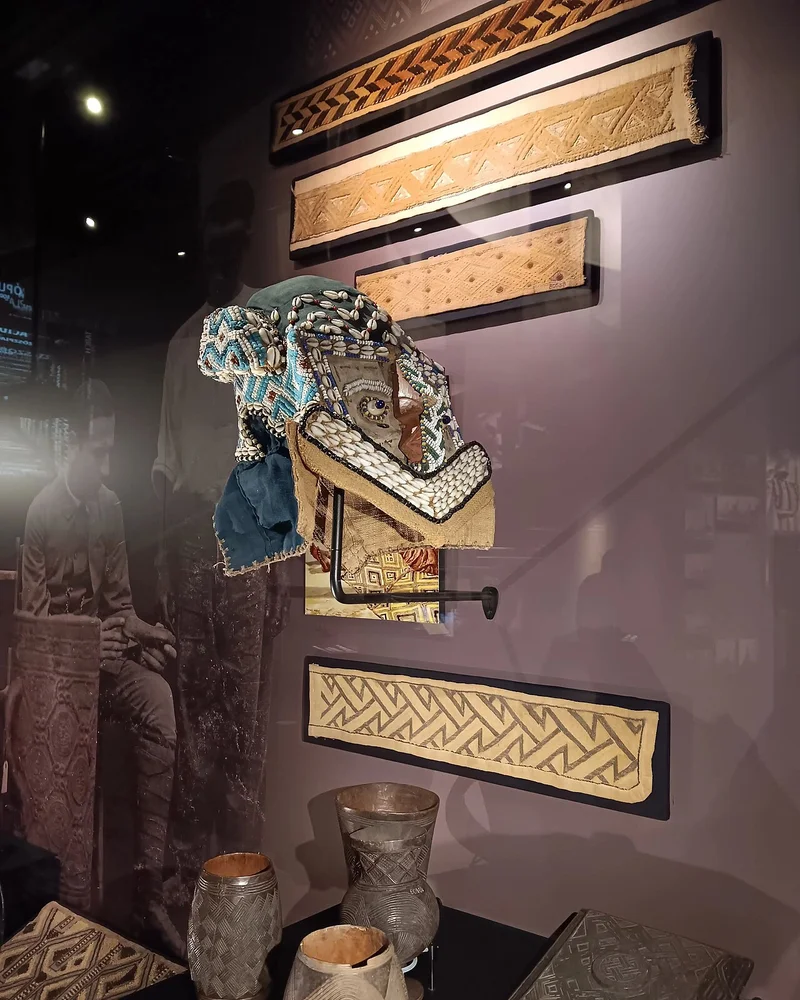
Eloko
Dangerous dwarf-like creatures from the mythology of the Mongo people of the Congo. They are believed to be the restless spirits of the dead, dwelling in the dense rainforest and guarding the treasures of the forest. Covered in grass instead of hair and possessing snouts and mouths that can open wide enough to swallow a human whole, they use magic bells to enchant their prey.
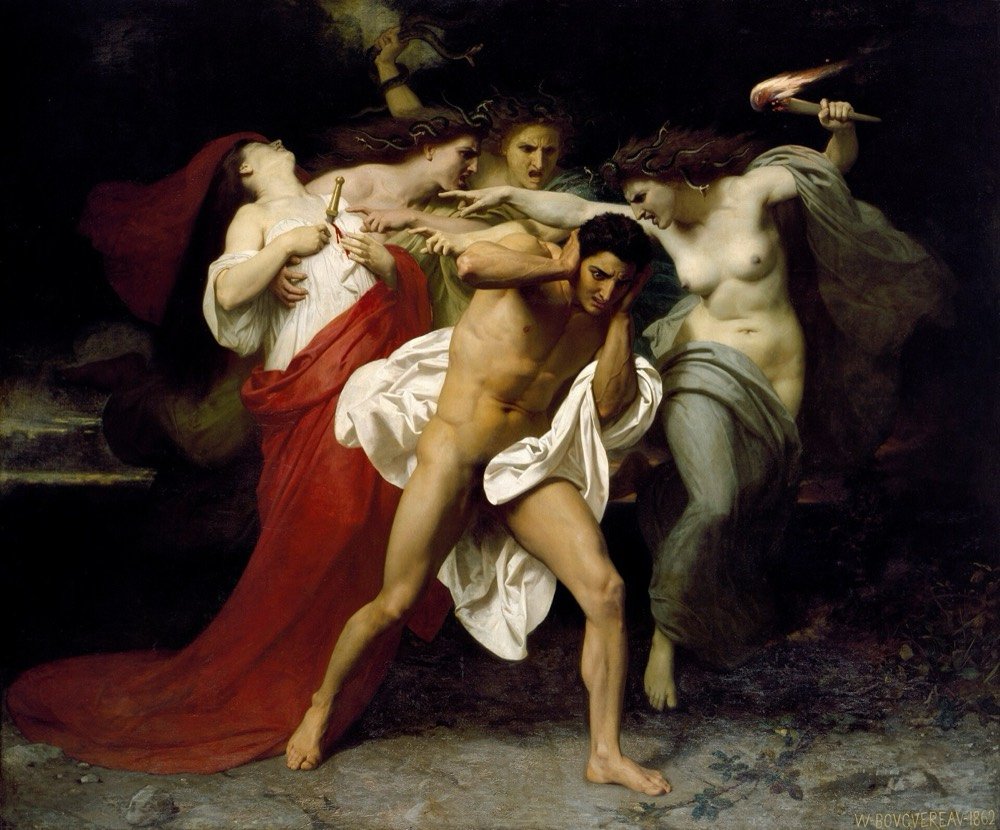
Erinyes
Three goddesses who hunt kin-slayers and oath-breakers, snake-haired and whip-bearing, called Furies by the Romans. In Aeschylus they accept cult at Athens as the Kindly Ones.
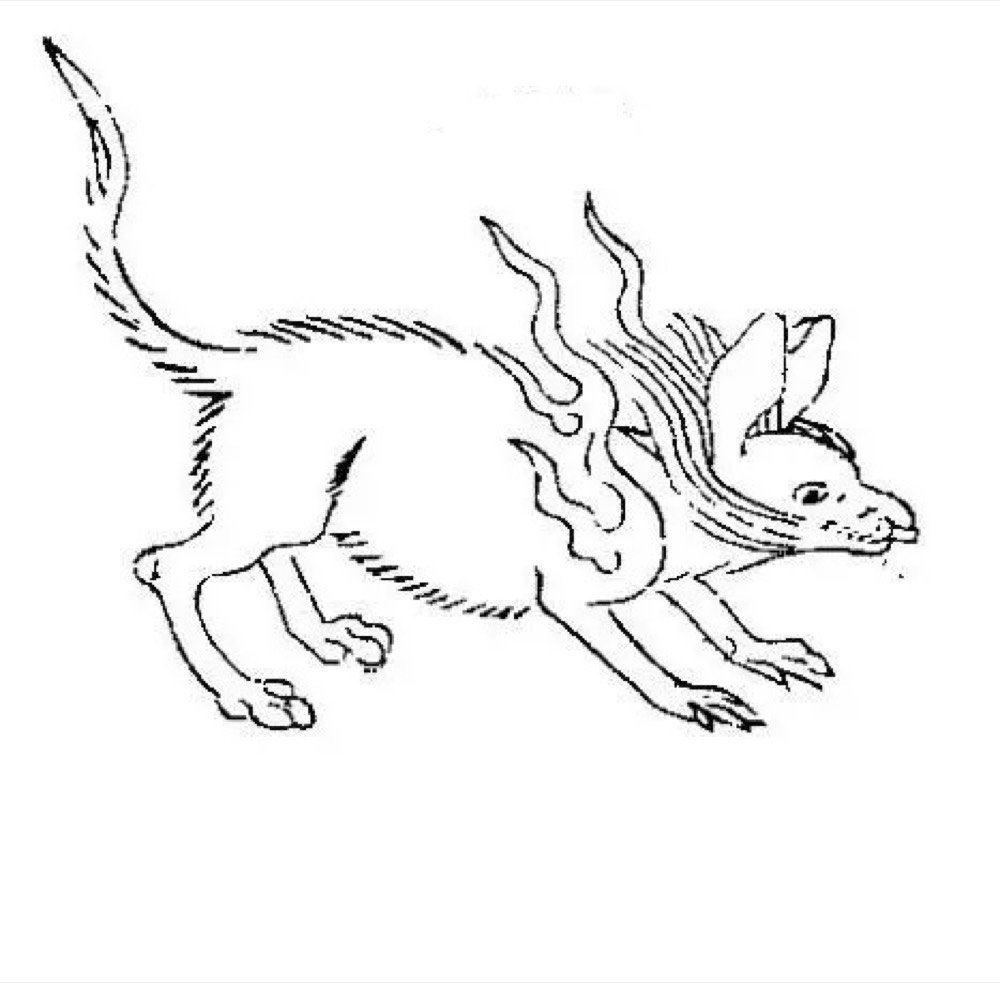
Ershu
A beast of Danxun Mountain: a rat with a hare's head and a deer-like body, howling like a dog and flying by means of its tail. Its flesh was said to prevent bloating and guard against all poisons.
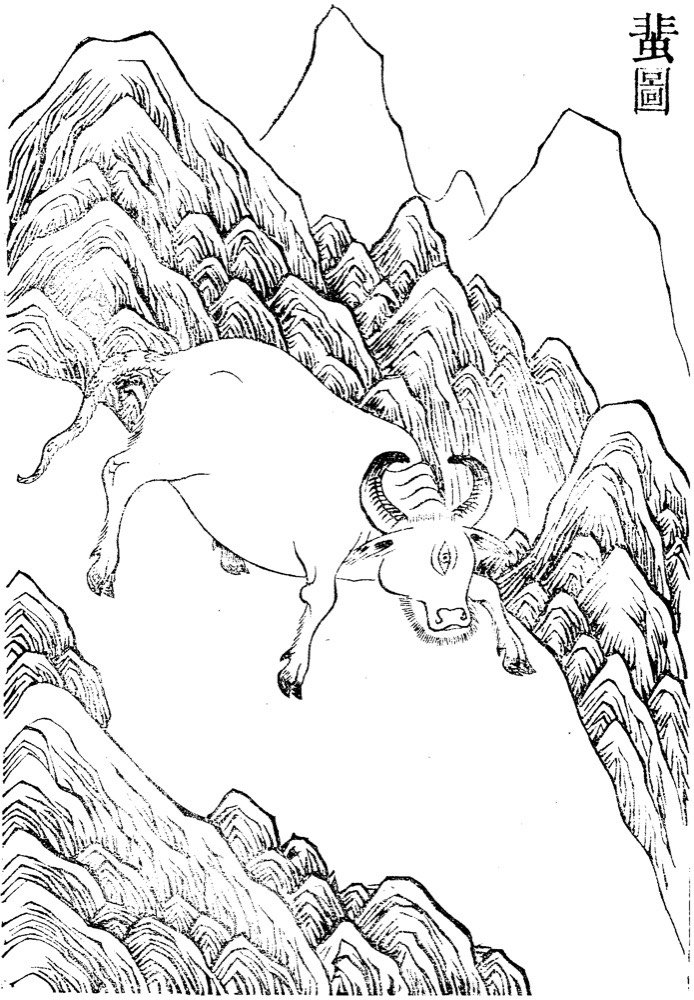
Fei
A one-eyed horror of Tai Mountain: an ox's body with a white head and a snake's tail. Water dries where it wades, grass dies where it treads, and its appearance brings pestilence across the world.
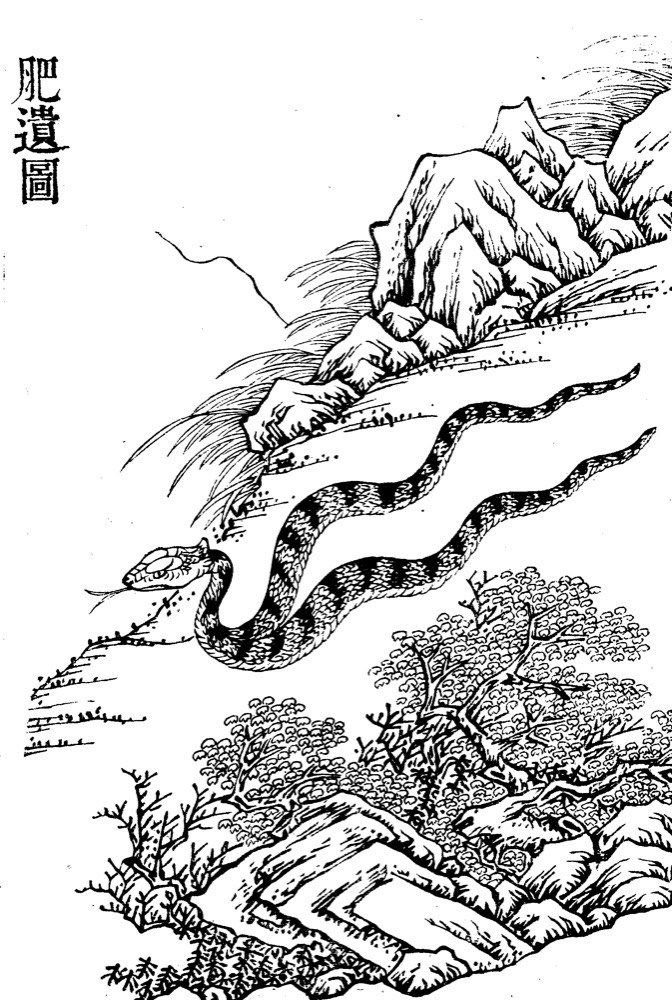
Feiyi
A serpent of Mount Taihua with six legs and four wings whose appearance brings drought to the whole world; Guo Pu records that it was seen at Mount Yang in the days of King Tang.
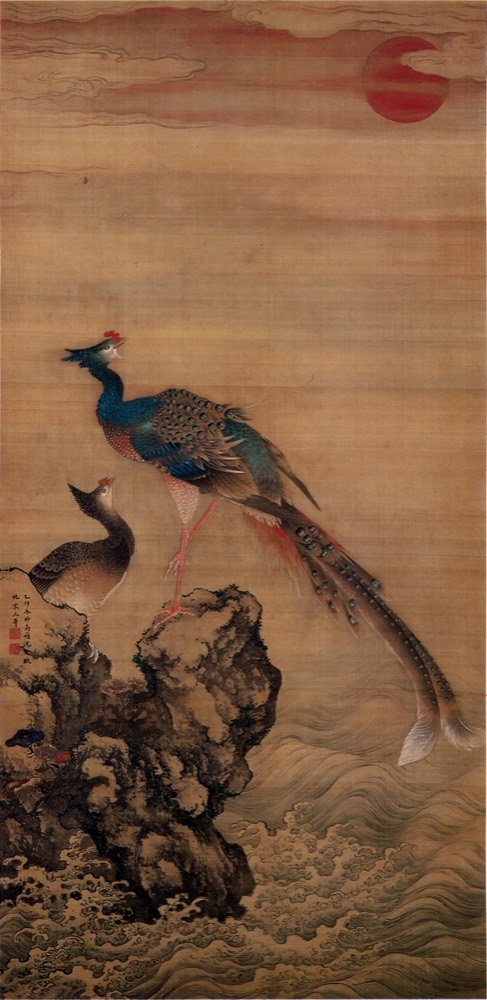
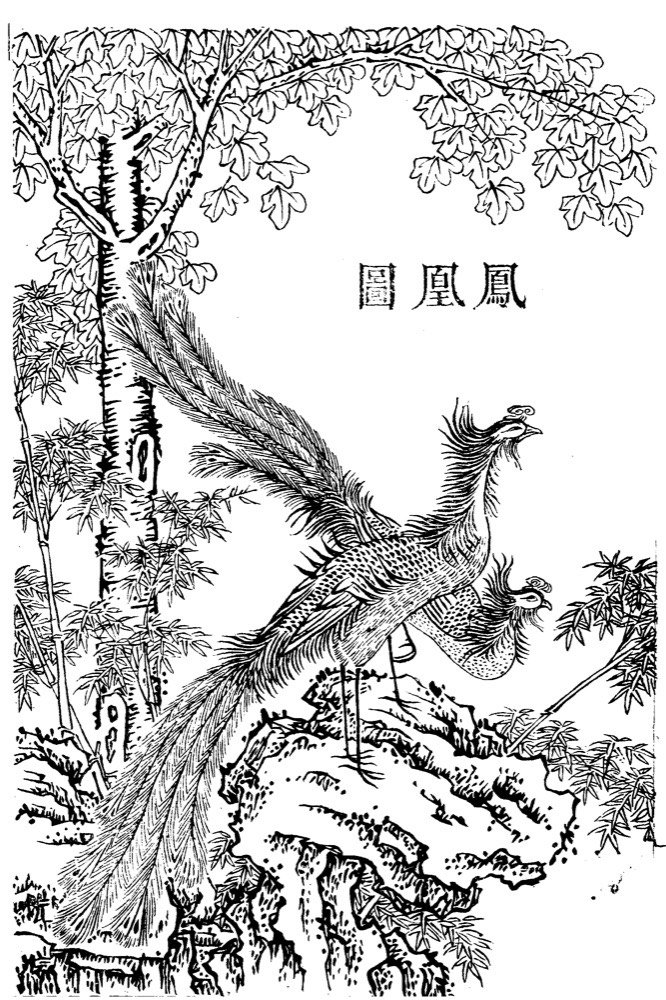
Fenghuang
King of birds — feng the male, huang the female — clothed in the five colors, perching only on wutong trees and drinking only from sweet springs. Its cry at Mount Qi heralded the rise of Zhou.
Fenghuang
The divine bird of Mount Danxue, shaped like a fowl in five colors, its plumage patterned with the characters for virtue, duty, ritual, benevolence, and trust; it sings and dances of itself, and its appearance means peace under heaven.
Firebird
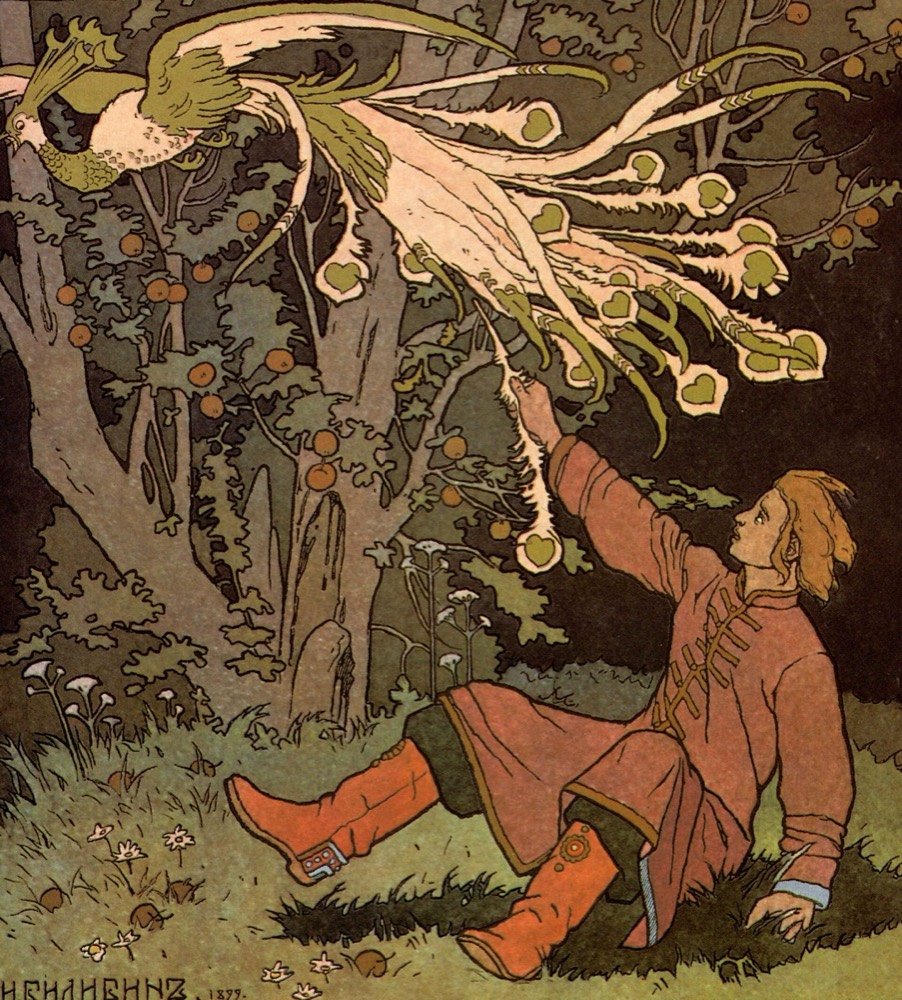
The glowing marvel-bird of Russian tales, whose golden-red plumage burns like fire and whose single feather lights a room; its theft of golden apples launches the hero's quest.
Flatwoods Monster
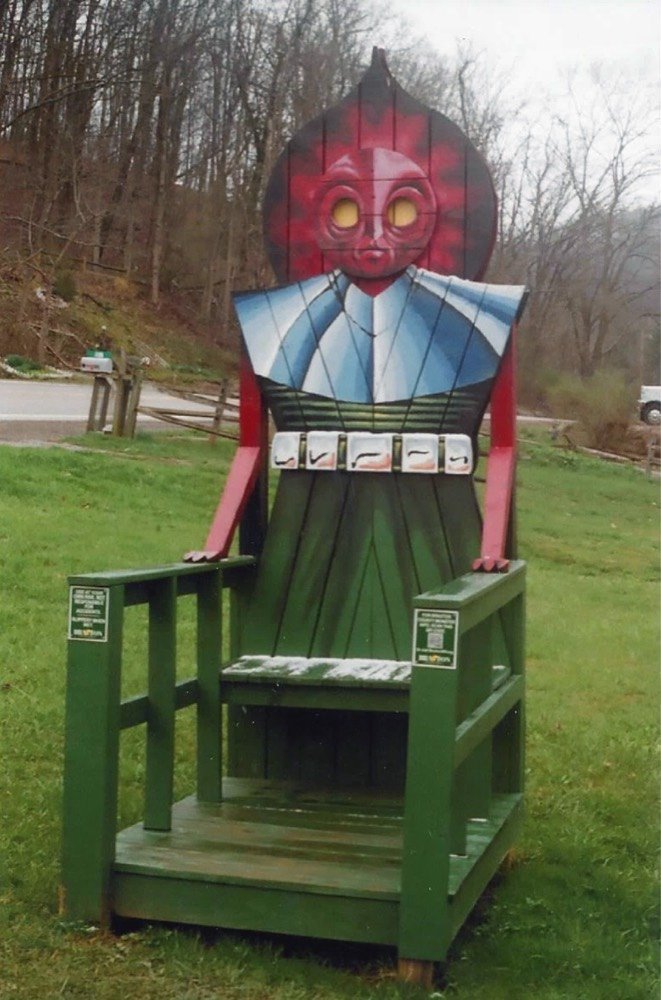
On the night of September 12, 1952, boys in Flatwoods, West Virginia chased a falling light up a hill and, with adults, met a ten-foot figure with a spade-shaped cowl that glided toward them hissing — a national news sensation.
Fuzhu
A beast of Mount Ao'an shaped like a white deer but bearing four horns; wherever it appears, that town will be struck by a great flood.
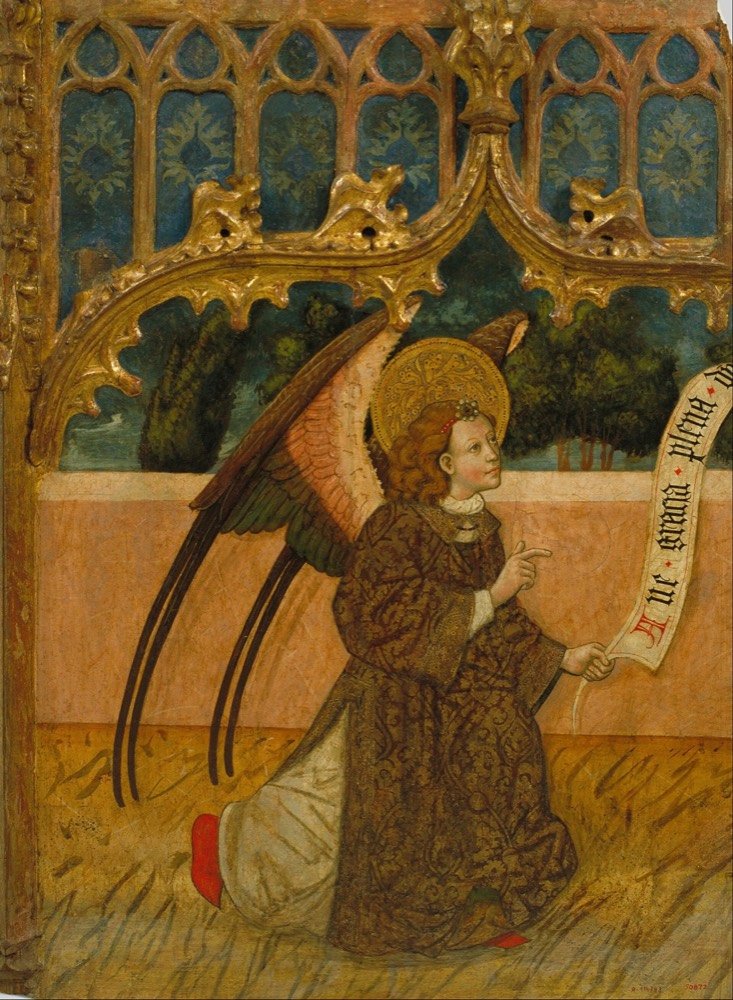
Gabriel
His name means 'God is my strength.' He interprets visions in Daniel and announces the birth of Jesus to Mary in Luke; in Islam, as Jibril, he delivers the Quran to Muhammad.
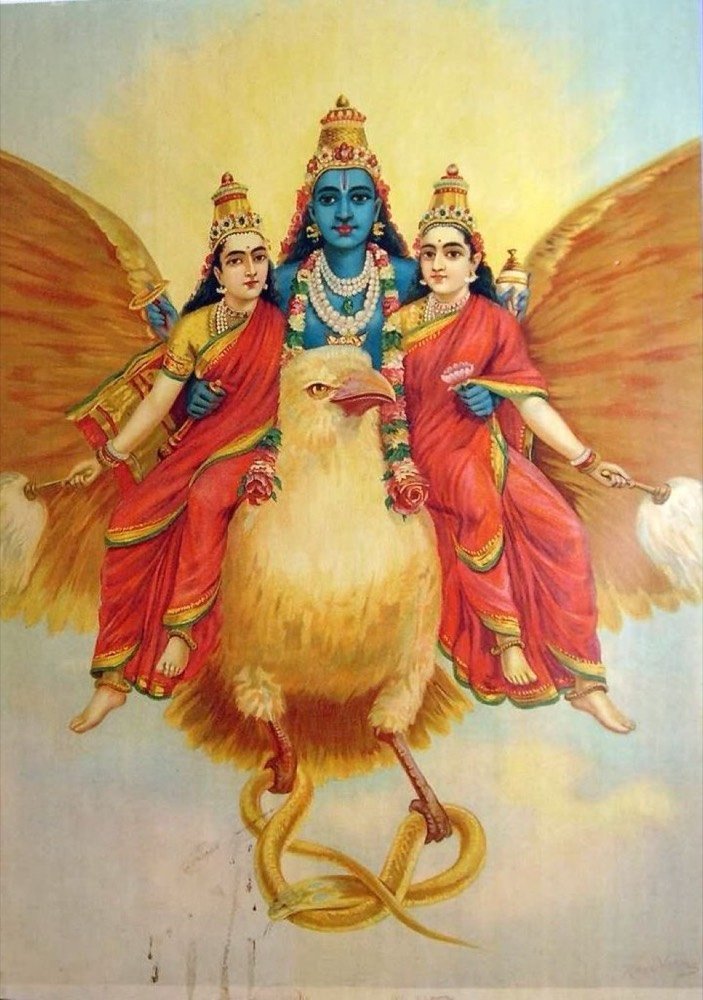
Garuda
The golden eagle king whose wings darken the sun. To ransom his enslaved mother he stormed heaven and seized the nectar of immortality, beginning his eternal feud with the naga serpents.
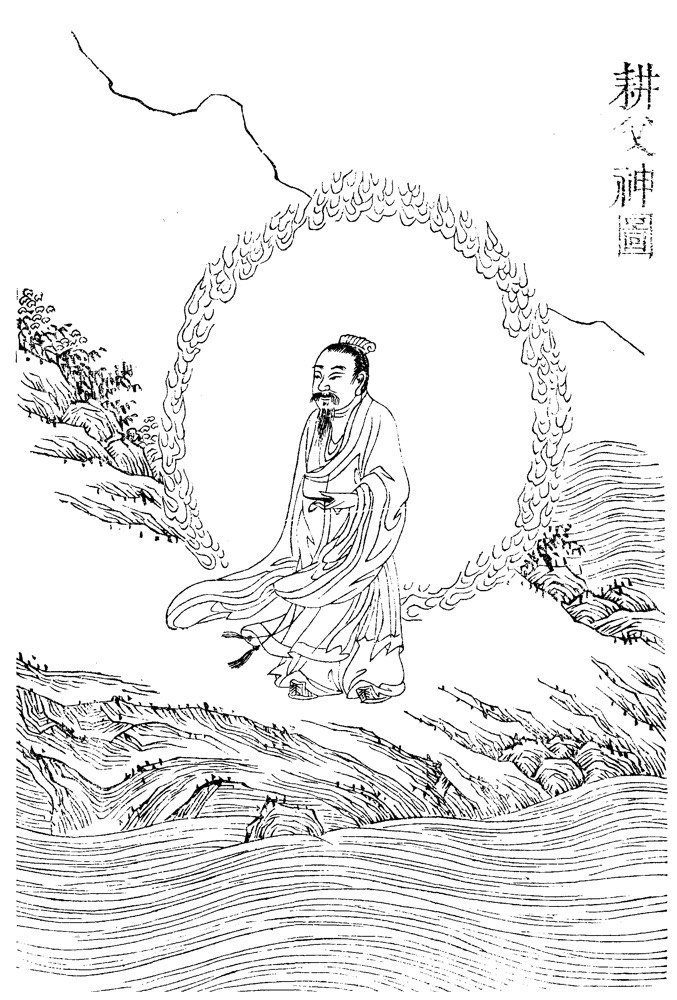
Gengfu
Spirit of Mount Feng who haunts the Qingling pool, surfacing in light; wherever he appears, that state falls to ruin. Han court exorcists chanted to lock him back in his pool.
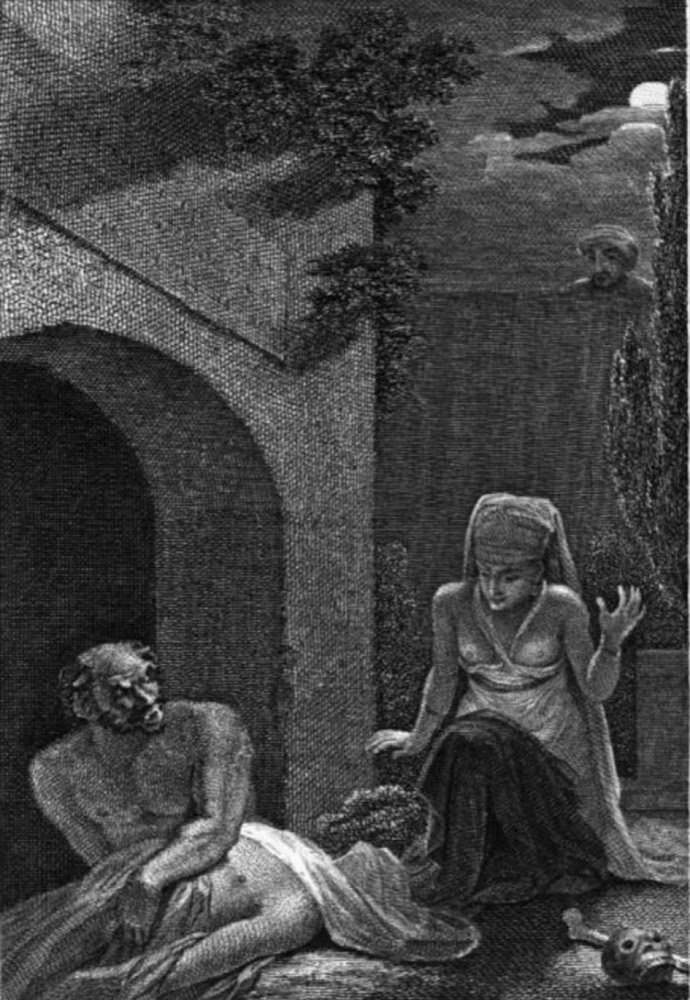
Ghoul
A shapeshifting man-eater of the Arabian desert, often female, luring lone travellers off the road to devour them, or digging up graves. The pre-Islamic poet Ta'abbata Sharran claimed to have killed one; English 'ghoul' derives from its name.
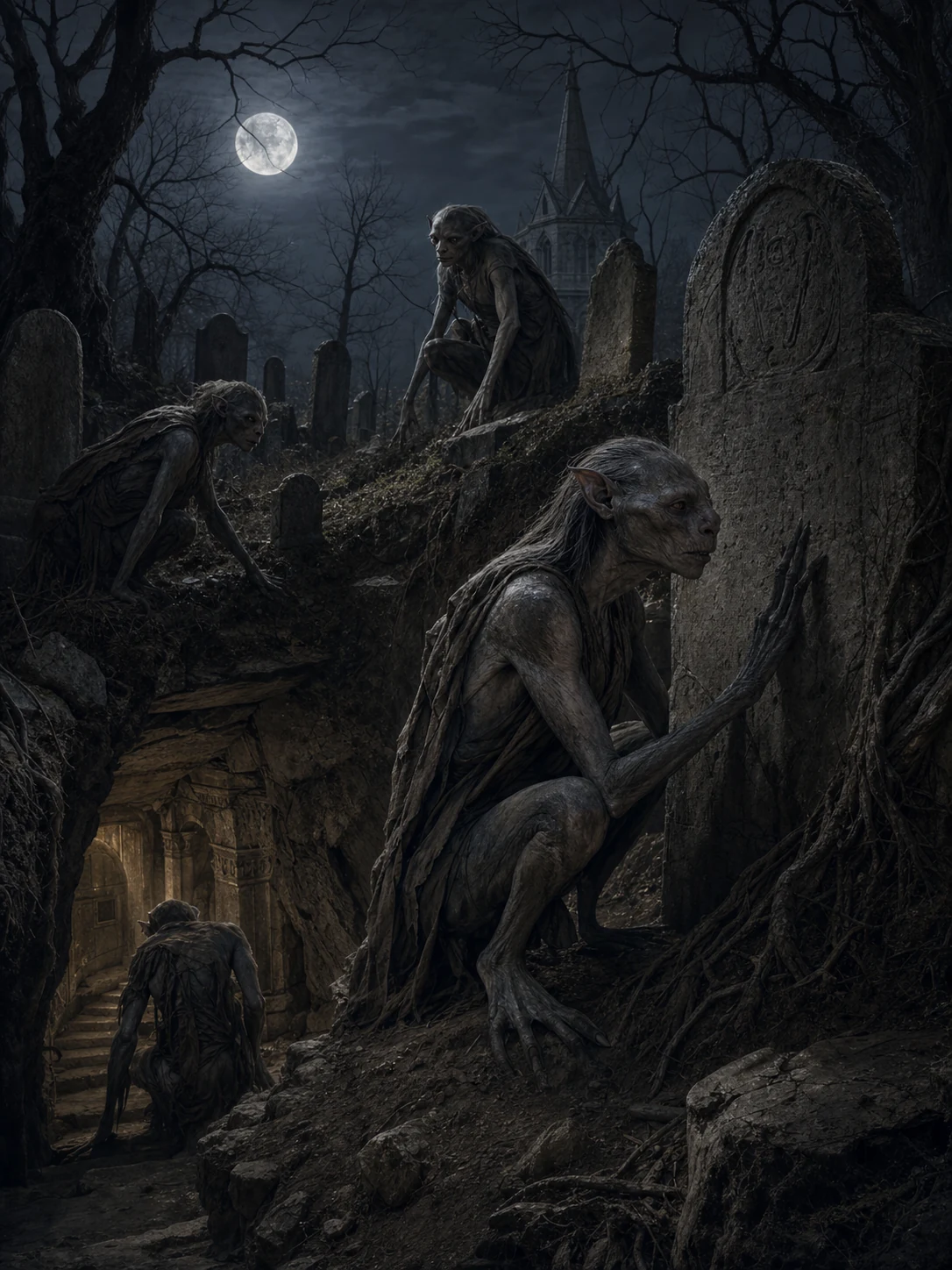
Ghouls
Dog-faced subterranean eaters of the dead who travel from cemeteries into Dreamland and may once have been human.

Goatman
An urban legend of Prince George's County, Maryland: a half-man, half-goat armed with an axe stalks lovers' lanes and pets. A 1971 report of a beheaded dog put the Goatman in the Washington Post.
Gonakadet
A Tlingit sea being, in one Swanton text the head chief of the killer-whale people under the ocean, whose appearance brings good fortune and wealth; often shown with the head of a wolf or bear and a finned body, and carved on house posts and mortuary poles.
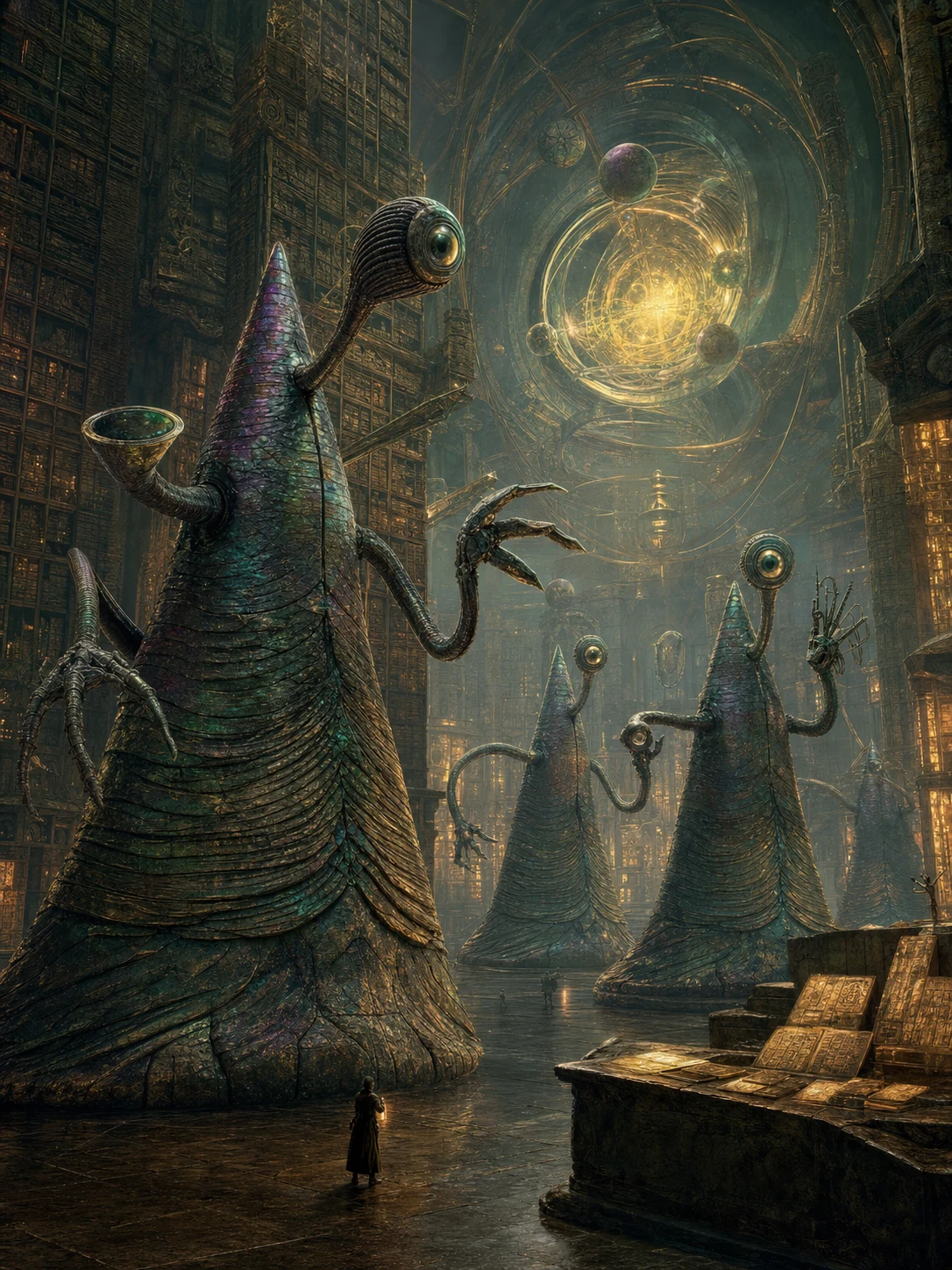
Great Race of Yith
A civilization migrating by mind exchange across ages, compiling an archive from captives temporarily displaced into alien bodies.
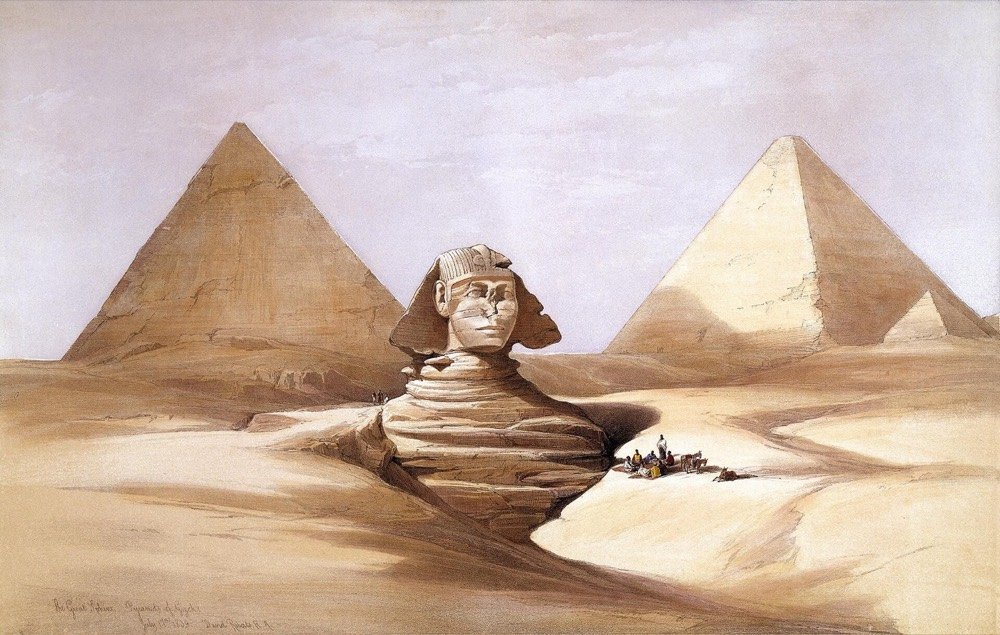
Great Sphinx
The lion-bodied, human-headed colossus at Giza, some 73 meters long and carved from bedrock limestone, its face usually identified as pharaoh Khafre; the New Kingdom worshipped it as Horemakhet.
Guanguan
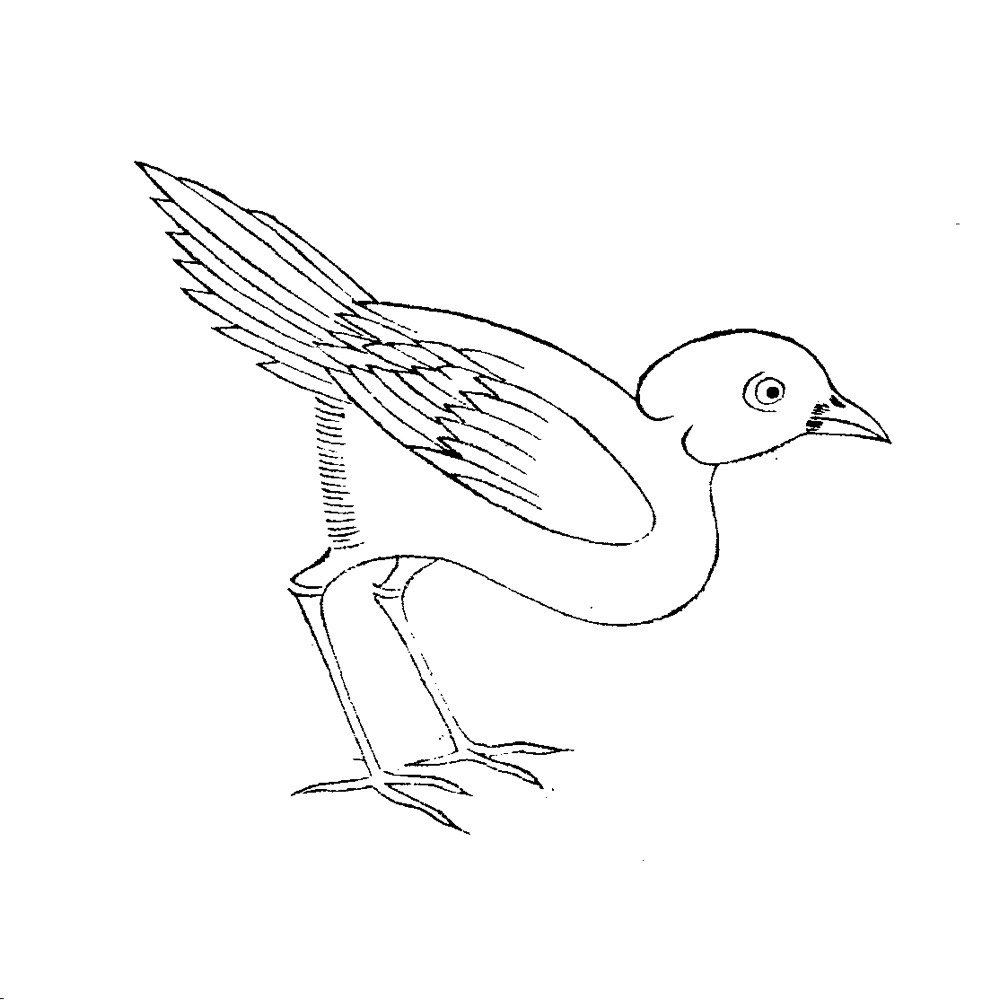
A bird of Mount Qingqiu shaped like a turtledove, its call like people scolding one another; wearing its feathers was said to keep one from confusion.
Gudiao
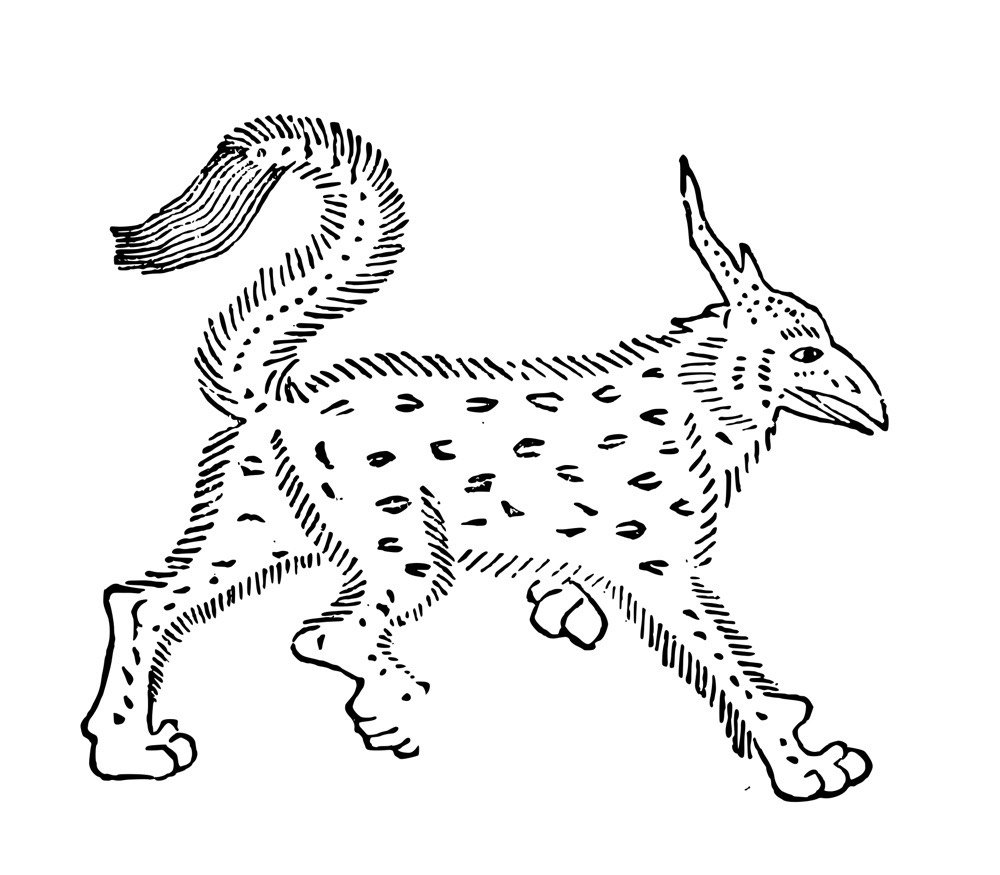
A man-eating monster of the Zegeng River below Mount Luwu, shaped like a great eagle but crowned with a horn, its voice the cry of a human infant.
Haetae
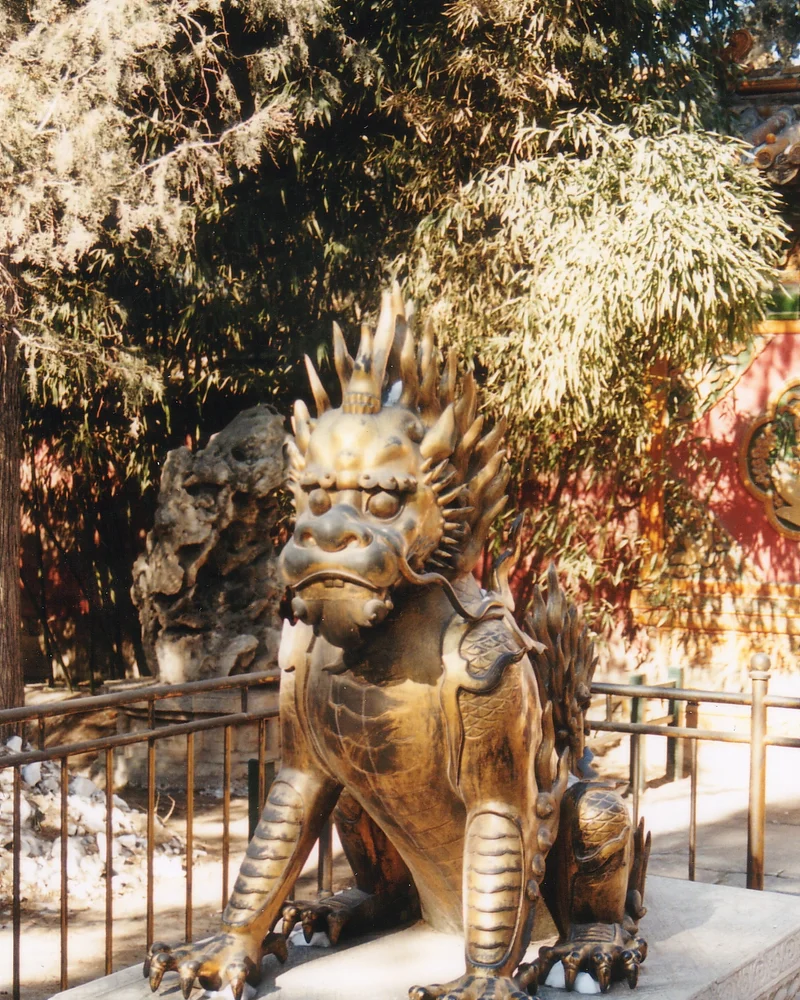
A lion-like guardian beast that can tell right from wrong, whose stone statues guard Gyeongbokgung Palace in Seoul and were believed to protect it from fire.

Hanako-san of the Toilet
Knock three times on the third stall of the third-floor school toilet and ask, 'Hanako-san, are you there?' A small voice answers, 'I'm here.' The best-known figure of Japanese school ghost lore, a nationwide craze by the 1980s.
Hasshaku-sama
A woman some eight shaku tall, often in a wide-brimmed hat, voicing an odd 'po po po'; young people she takes a liking to are carried off within days. Posted to 2channel's Sharekowa thread series in August 2008.
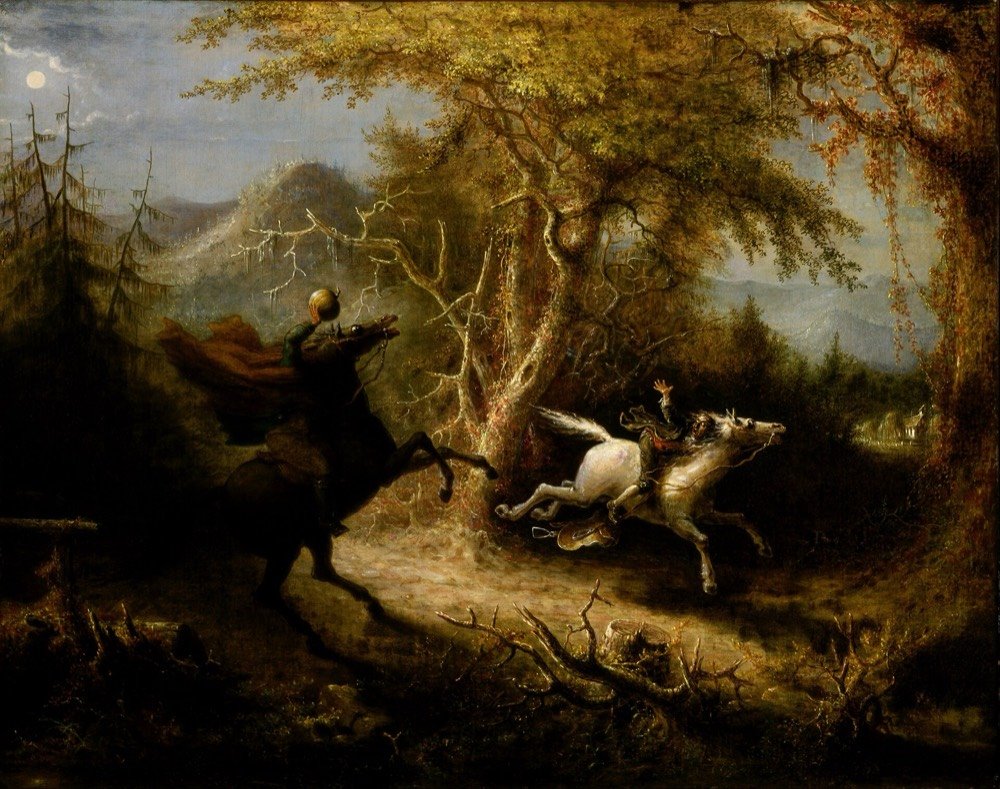
Headless Horseman
The classic American ghost from Washington Irving's "The Legend of Sleepy Hollow" (1820): a Hessian trooper decapitated by a cannonball, who rides nightly in search of his head and hurls a pumpkin at those who flee.
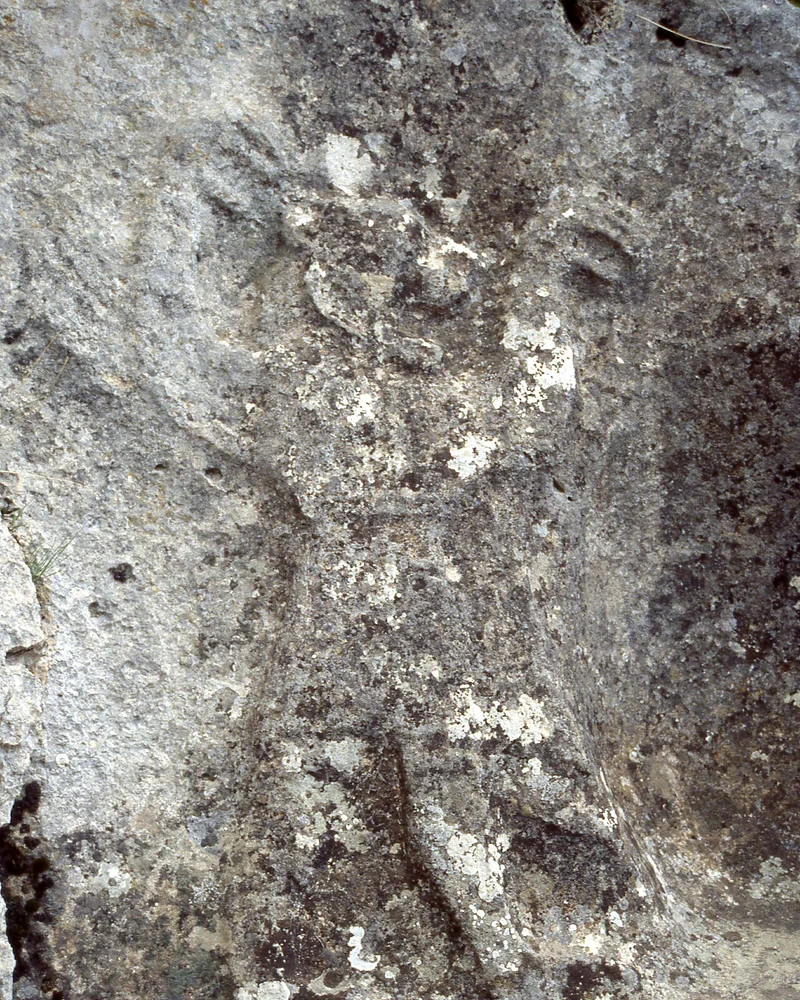
Hedammu
A voracious sea-serpent, son of Kumarbi and the daughter of the Sea, whom the goddess Šauška draws out of the water with her beauty in the fragmentary Song of Hedammu.
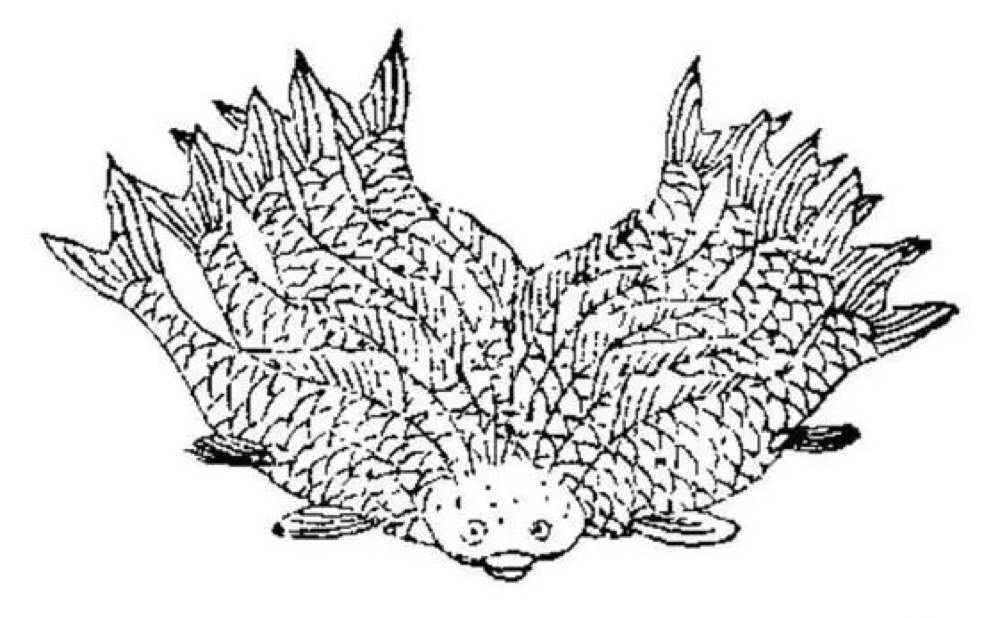
Heluo Fish
A strange fish of the Qiao River below Qiaoming Mountain: a single head trailing ten bodies, barking like a dog. Eating it was said to cure abscesses.
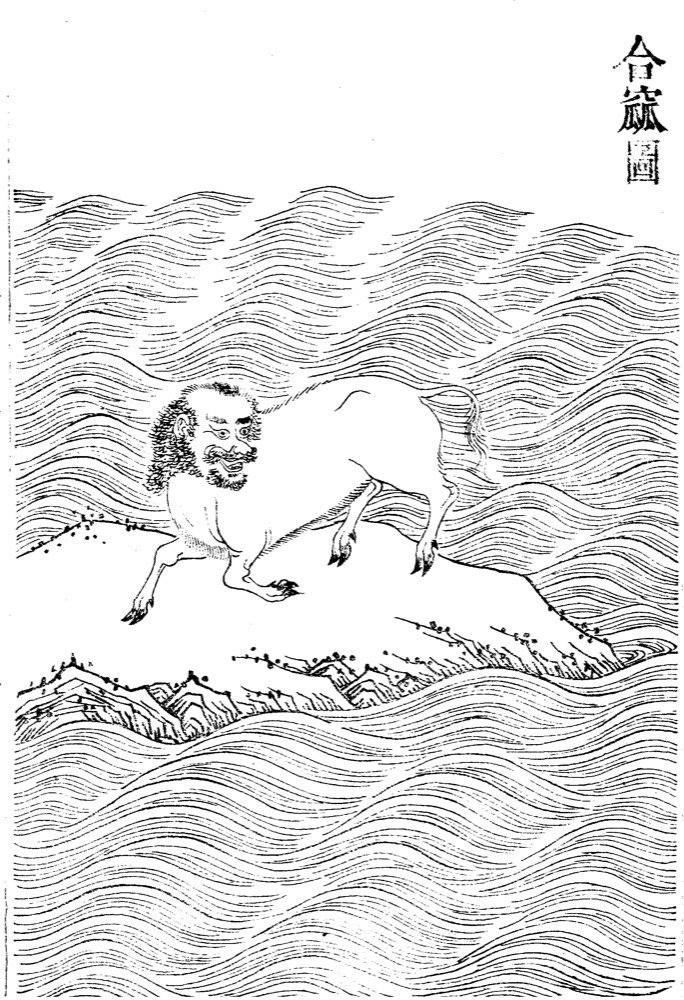
Heyu
A monster of Yan Mountain: a pig's body with a human face, yellow with a red tail, crying like an infant. It eats men as well as insects and snakes, and its appearance brings floods across the world.
Hopkinsville Goblins
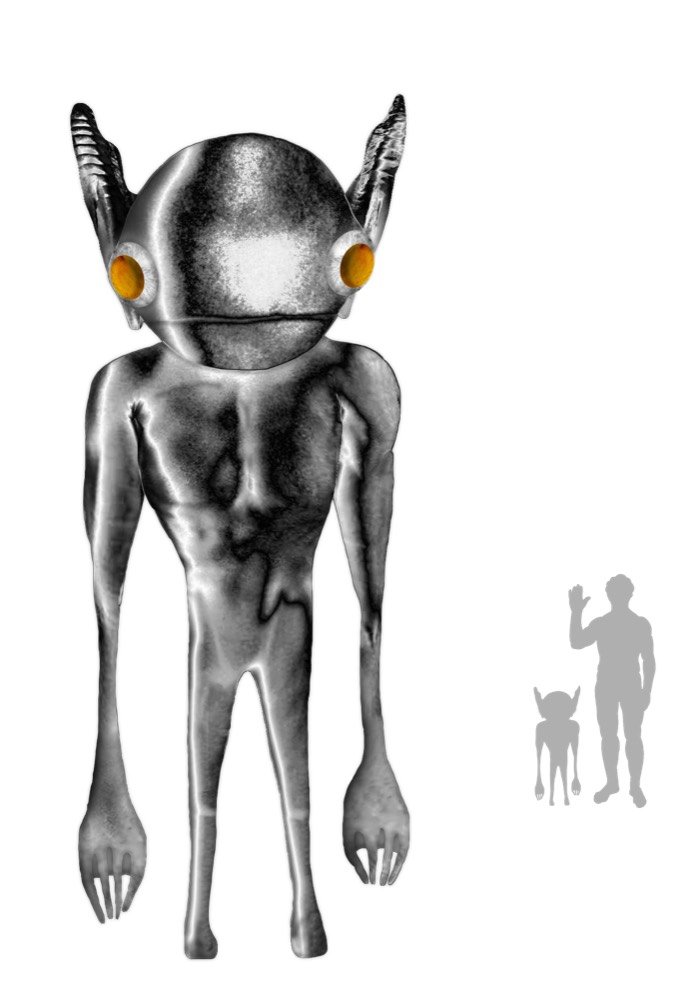
On the night of August 21, 1955, the Sutton farmhouse at Kelly, Kentucky reported hours under "siege" by meter-tall silvery beings with huge ears and glowing eyes that shrugged off gunfire; eleven people fled to the police station.
Horned Serpent
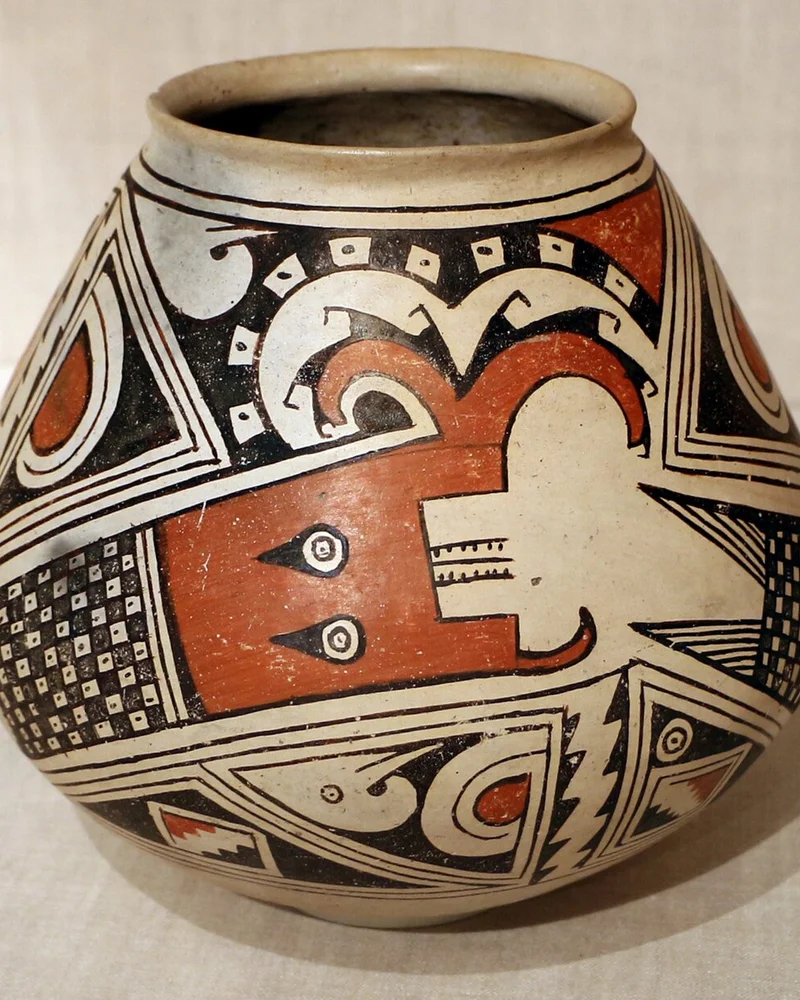
The great horned serpent of the deep waters in Seneca tradition, able to take the form of a handsome man to lure people away, and the chief enemy of the Thunderer.
Huahuai
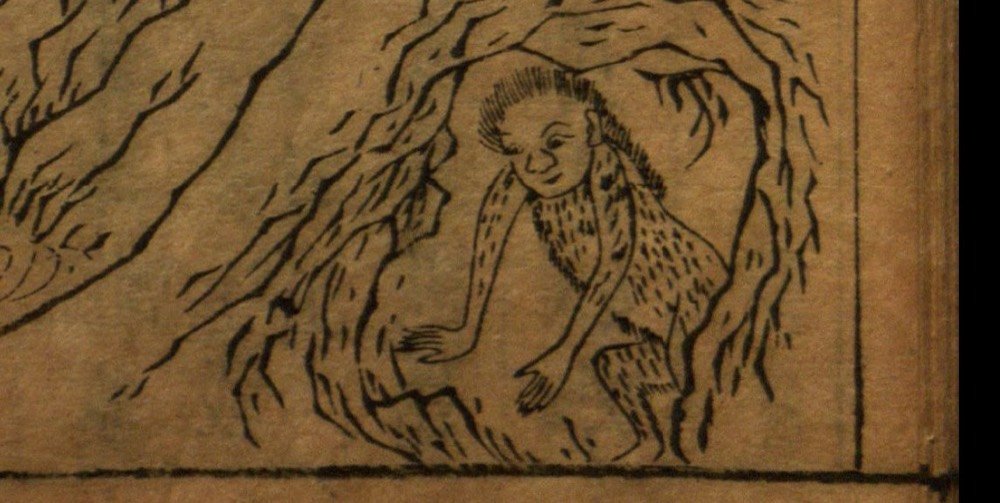
A beast of Mount Yaoguang shaped like a man but bristled like a boar, hibernating in caves through winter, its cry like chopping wood; its appearance means mass forced labor for the county.
Huan
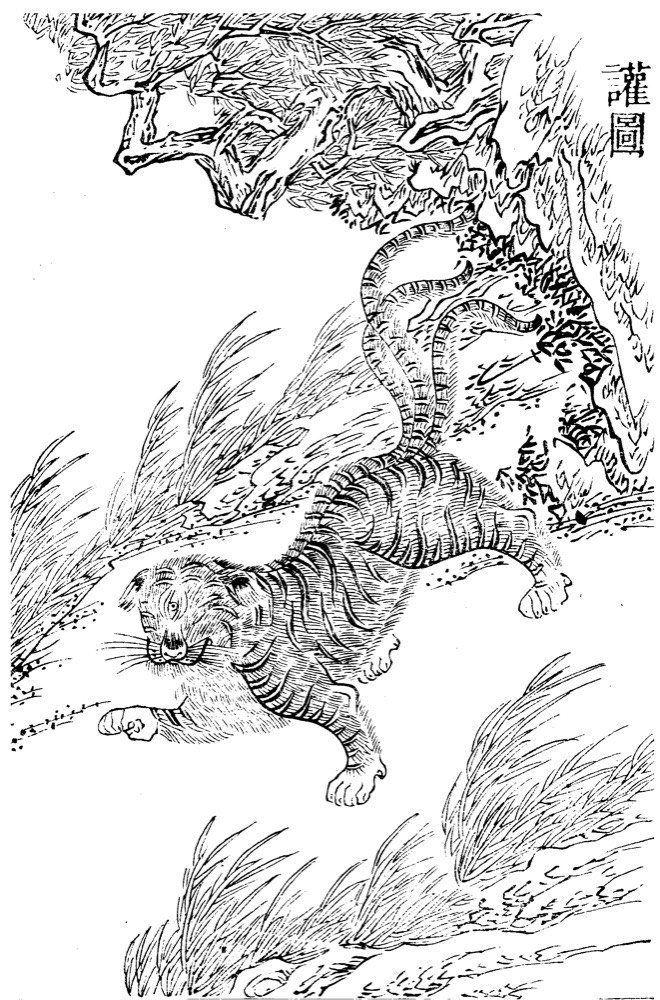
A wildcat-like beast of Mount Yiwang with a single eye and three tails, its cry like a hundred voices at once; it wards off evil, and worn on the body it cures jaundice.
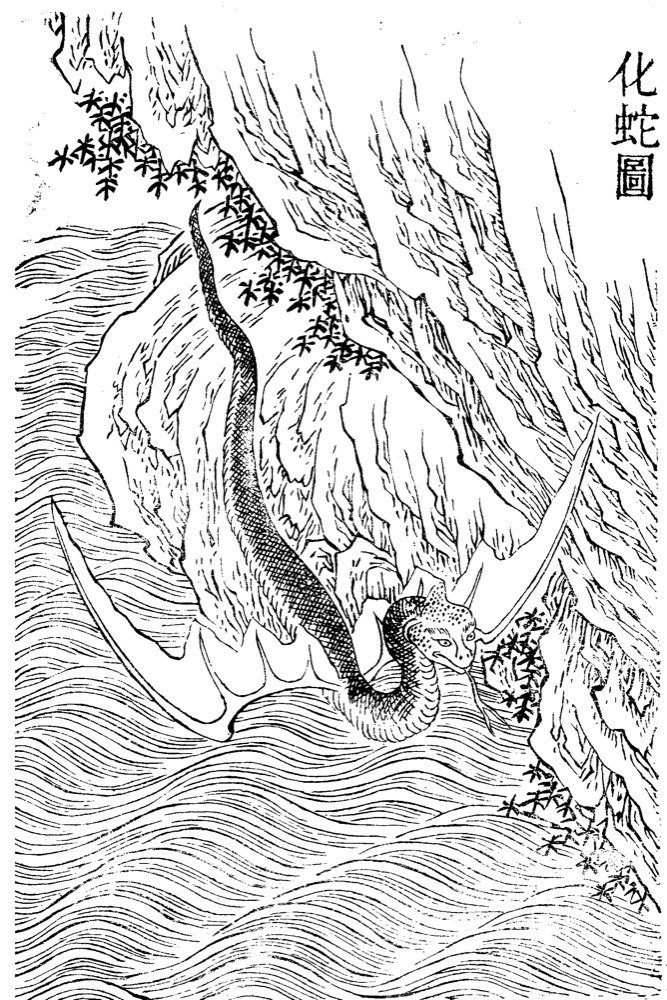
Huashe
A creature of Mount Yang's waters with a human face, a jackal's body and bird's wings, moving with a serpent's crawl; its voice is a shouted rebuke, its appearance a flood warning.
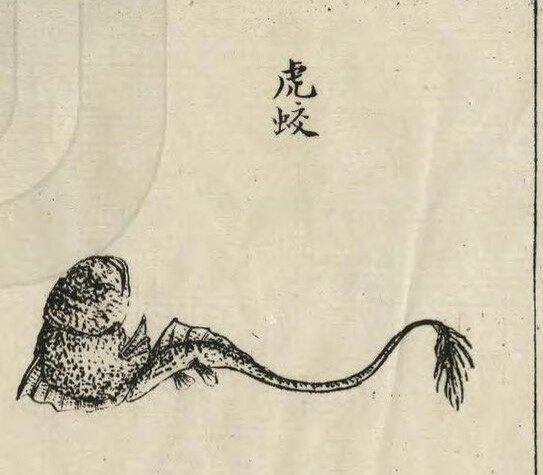
Hujiao
A jiao-dragon of the Yin River below Mount Daoguo, with a fish's body and a serpent's tail, calling like a mandarin duck; eating it prevents swellings and cures hemorrhoids.
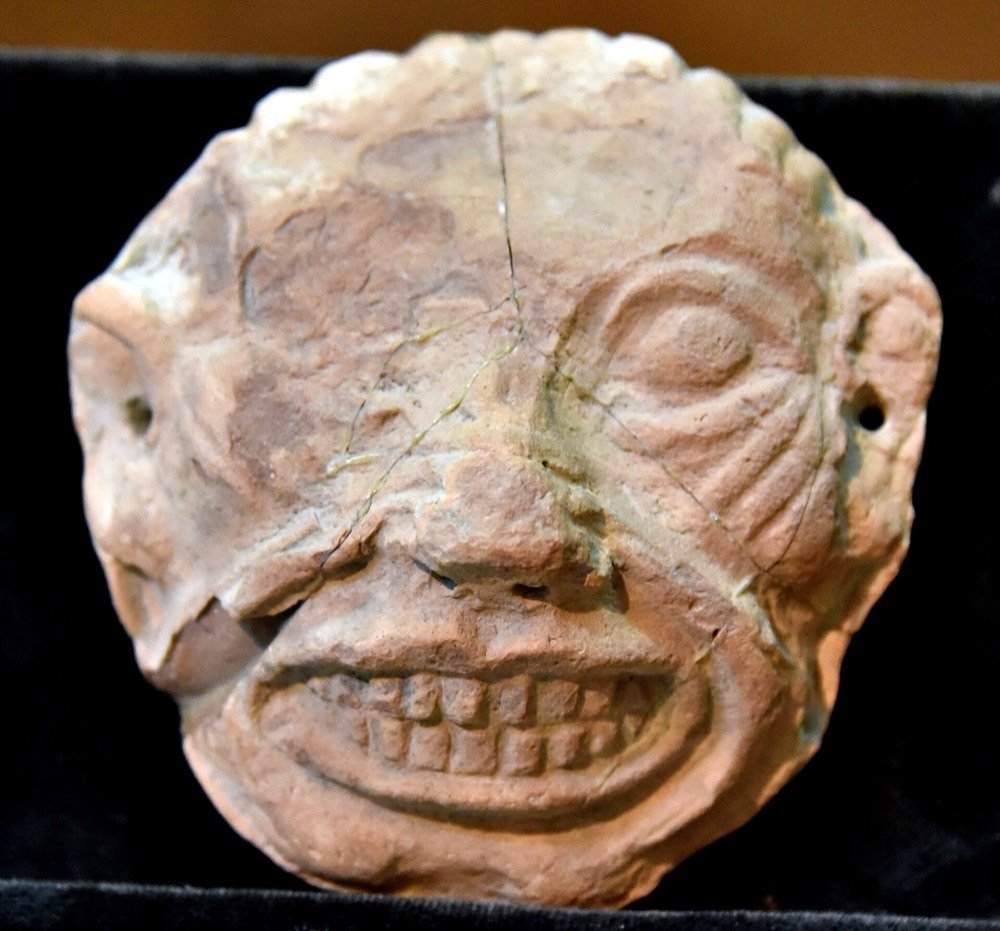
Humbaba
Guardian of the Cedar Forest appointed by Enlil, his face a coil of entrails, his roar the Deluge. Gilgamesh and Enkidu tricked him out of his seven auras and killed him despite his pleas.
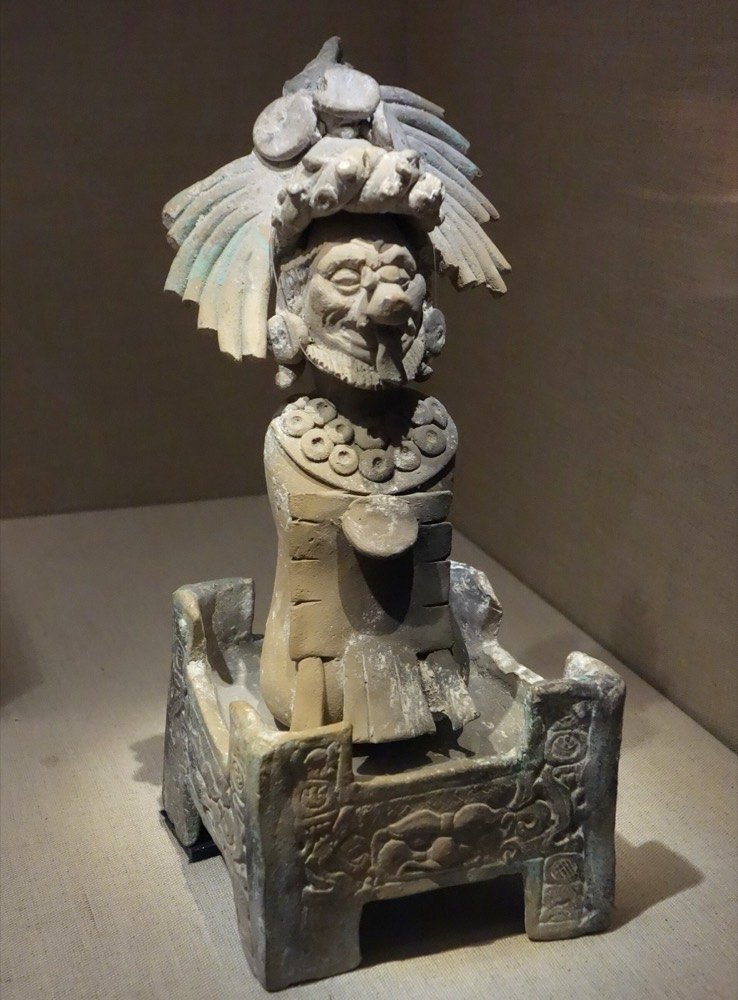
Hun Batz and Hun Chouen
Elder half-brothers of the Hero Twins, master flautists, singers, writers, and carvers, lured up a tree and turned into monkeys for abusing the infants. Maya artisans and scribes invoked them ever after.
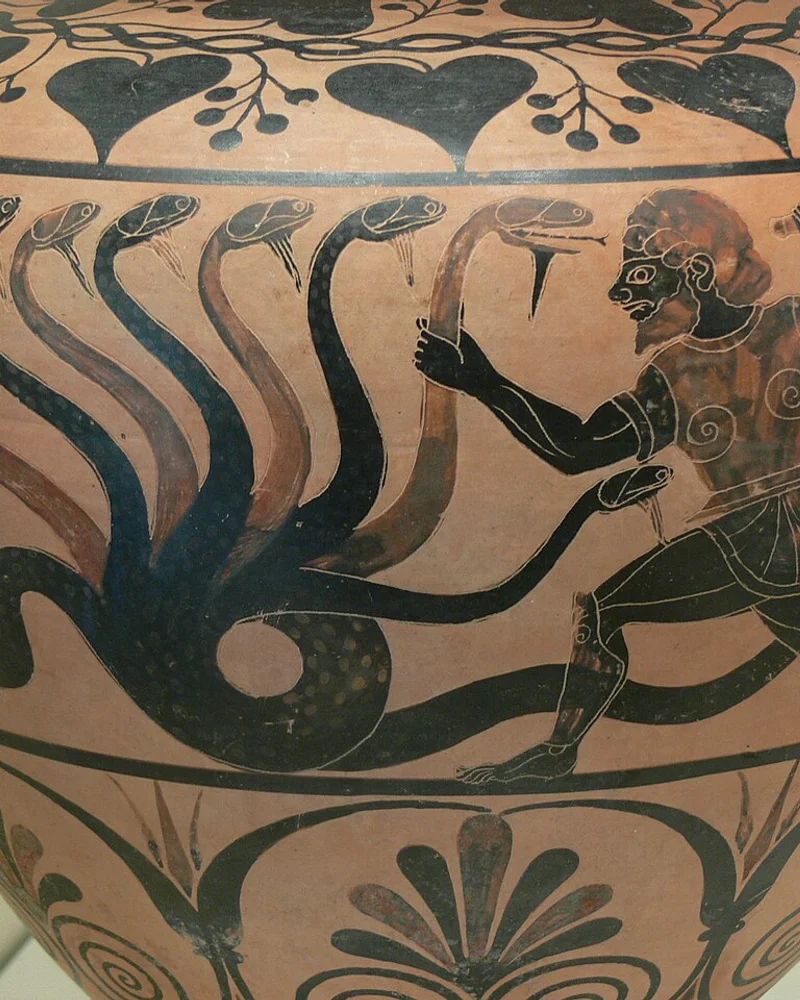
Hydra
A gigantic water serpent with multiple heads that regenerate when severed. Slain by Heracles as his second labor, who discovered that two heads grow back for each one cut off.
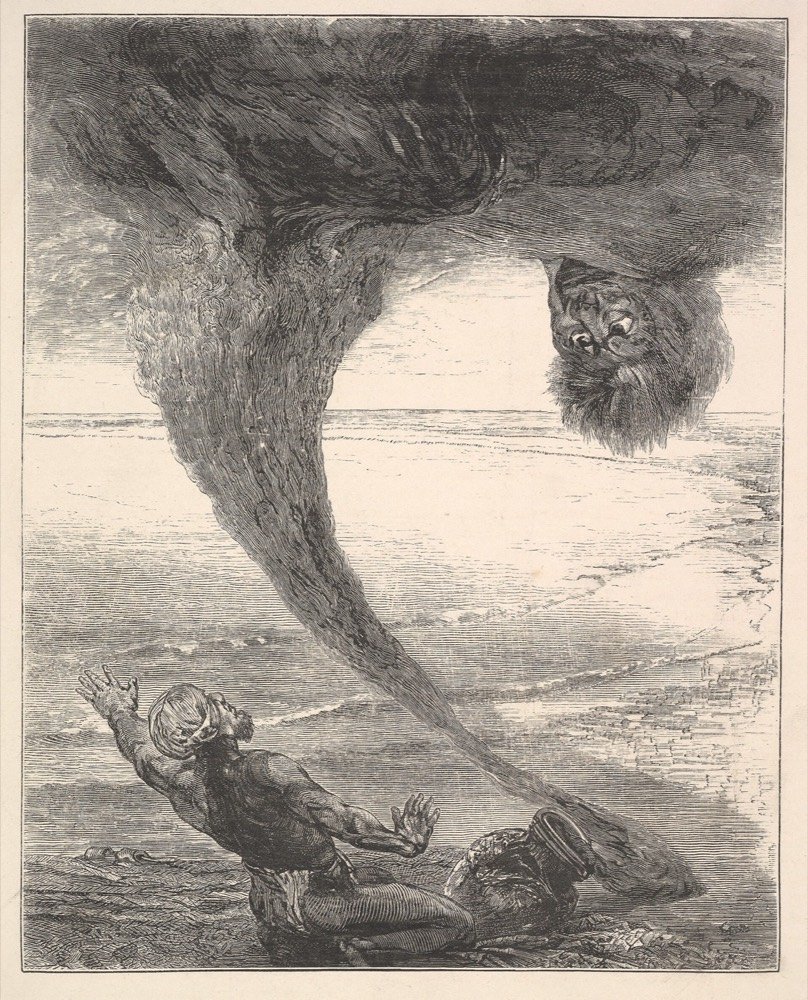
Ifrit
The strongest and most violent class of jinn. In the Quran an ifrit offers to fetch the Queen of Sheba's throne before Solomon can rise; in the Nights they appear as pillars of smoke and giants of fire.
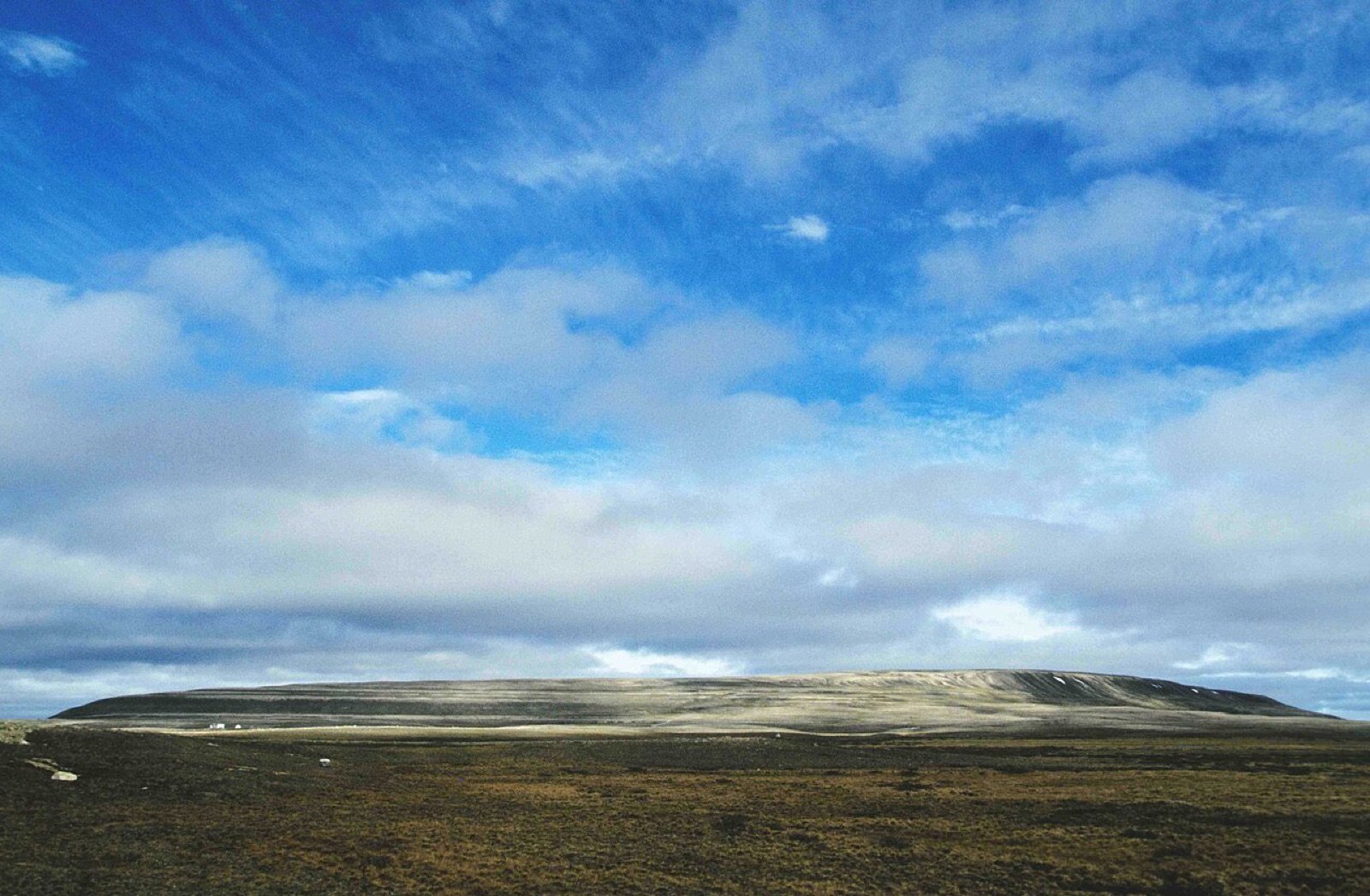
Ijiraq
A shape-changing wilderness being that bends direction and leaves the taken unable to remember home.

Iku-Turso
The sea-monster of Finnish tradition whom Louhi raises from the depths to stop the heroes carrying off the Sampo; Väinämöinen lifts him out of the water by the ears and makes him swear never to rise before men again.
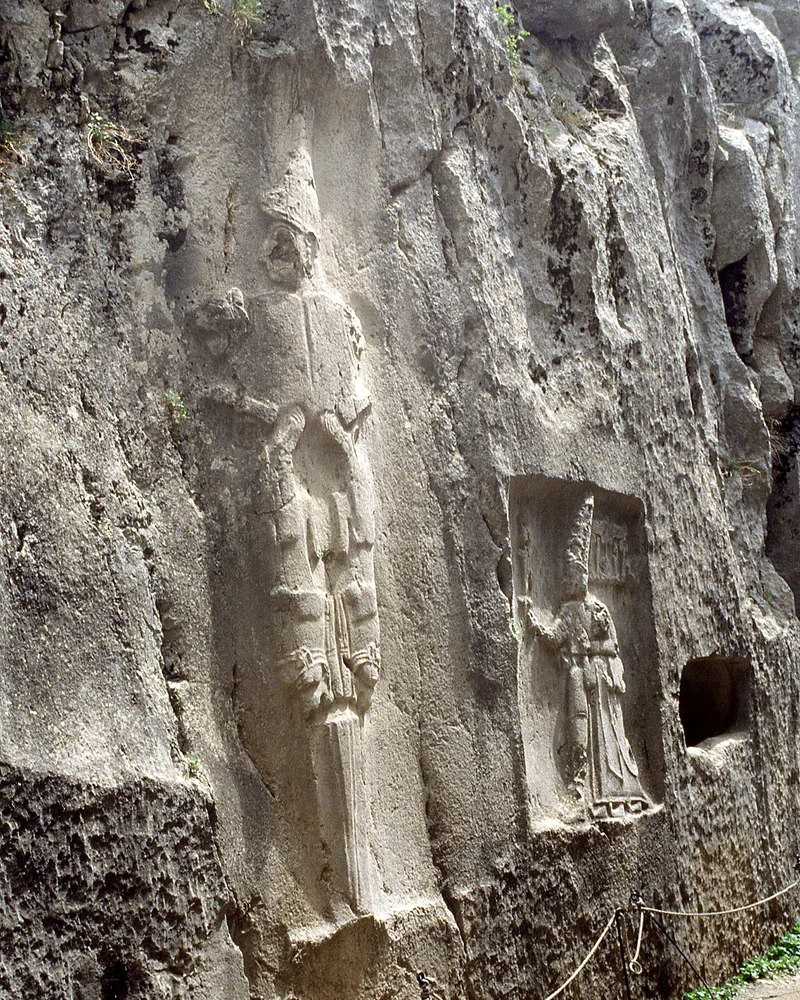
Illuyanka
The great serpent of Anatolian myth that defeats the Storm-god before it is tricked, bound, and killed; its name is simply the Hittite word for 'serpent' or 'dragon'.
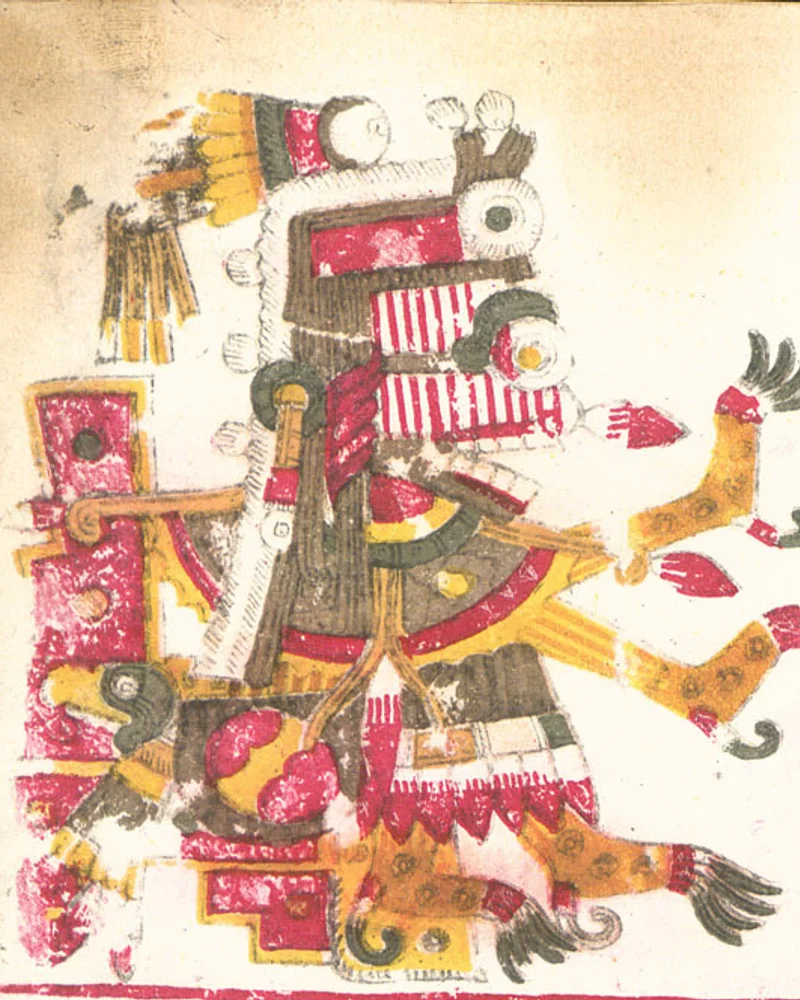
Itzpapalotl's Obsidian Host
Obsidian-butterfly warriors of the paradise Tamoanchan — beautiful, jagged, and lethal to the uninitiated.
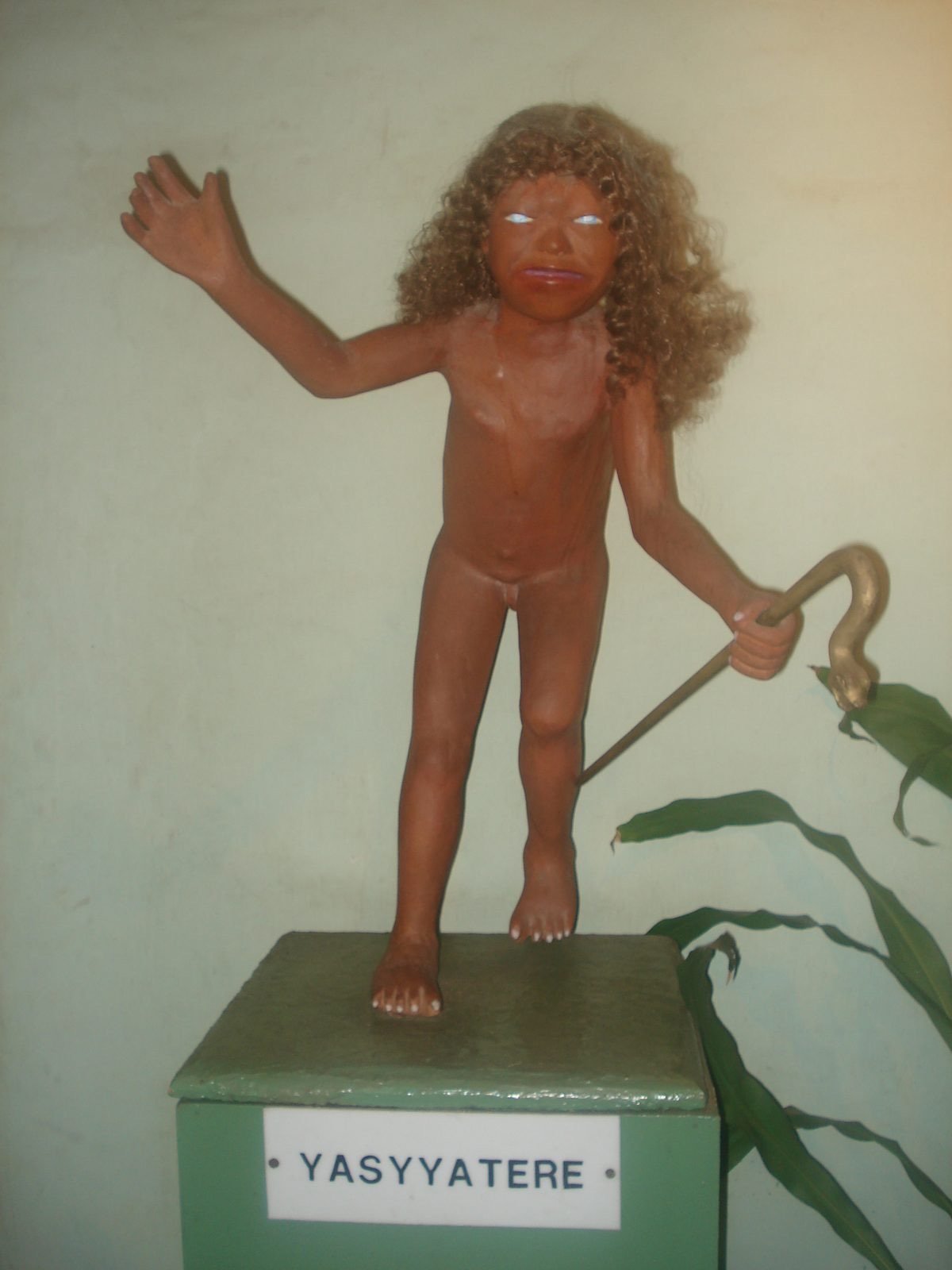
Jasy Jatere
A fair-haired siesta spirit who lures children with a whistle, keeping enchantment and return in a golden staff.
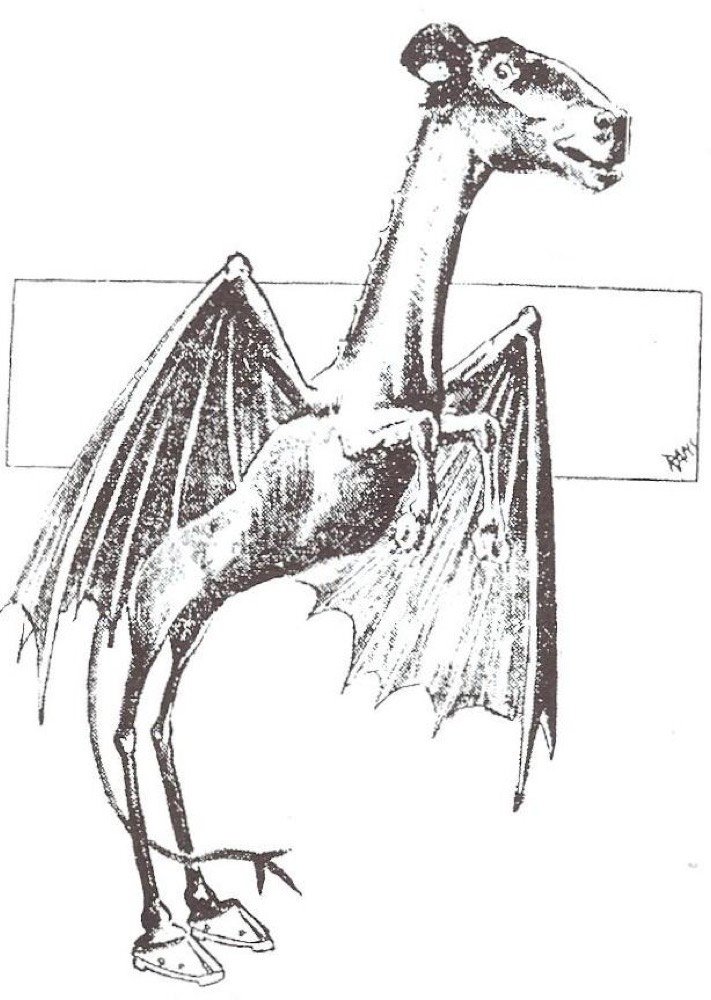
Jersey Devil
A colonial New Jersey legend: Mother Leeds' thirteenth child, born in 1735, turned into a horse-headed, bat-winged fiend and flew up the chimney; a January 1909 sighting wave panicked the Delaware Valley.
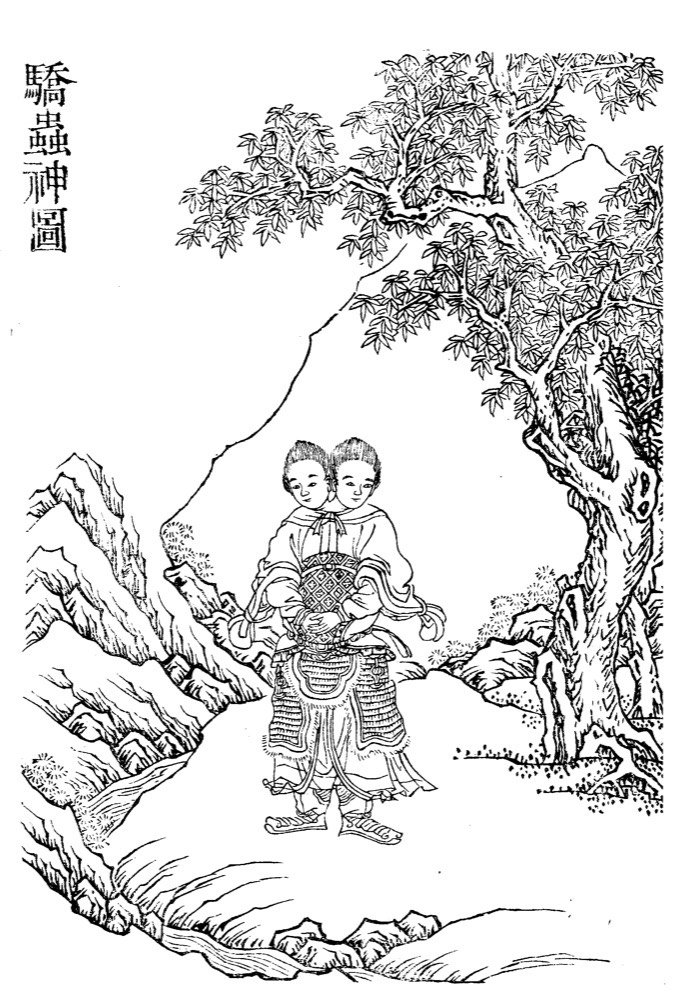
Jiaochong
God of Mount Pingfeng, human in shape with two heads, master of all stinging insects; his rite offers a single rooster that is prayed over and released unharmed.
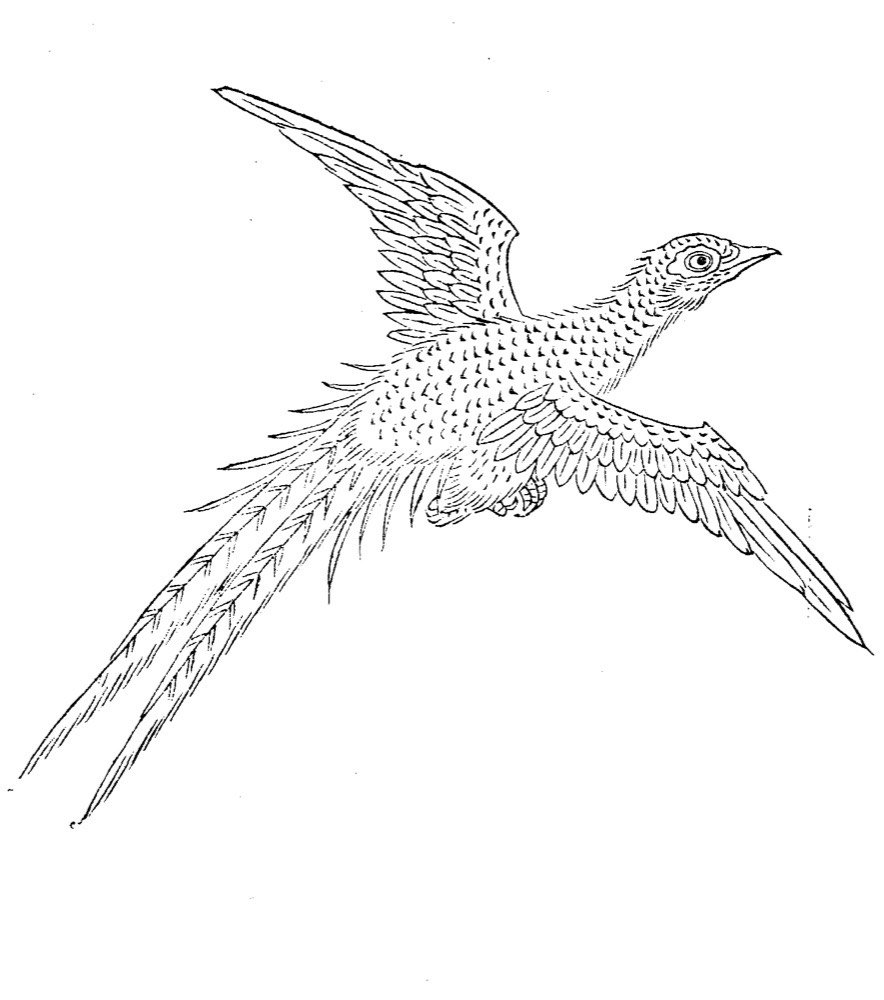
Jingwei
Nüwa, youngest daughter of the Flame Emperor, drowned in the Eastern Sea and became a small bird with a patterned head, white beak, and red feet, forever dropping twigs and pebbles into the sea that killed her.
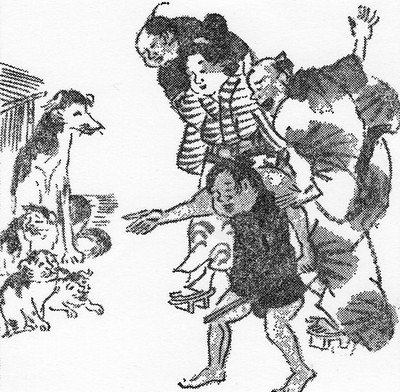
Jinmenken
A stray dog by the garbage turns its head to show a tired middle-aged man's face and says, 'Leave me alone.' A sighting craze that swept Japan via magazines and late-night radio in 1989-1990.
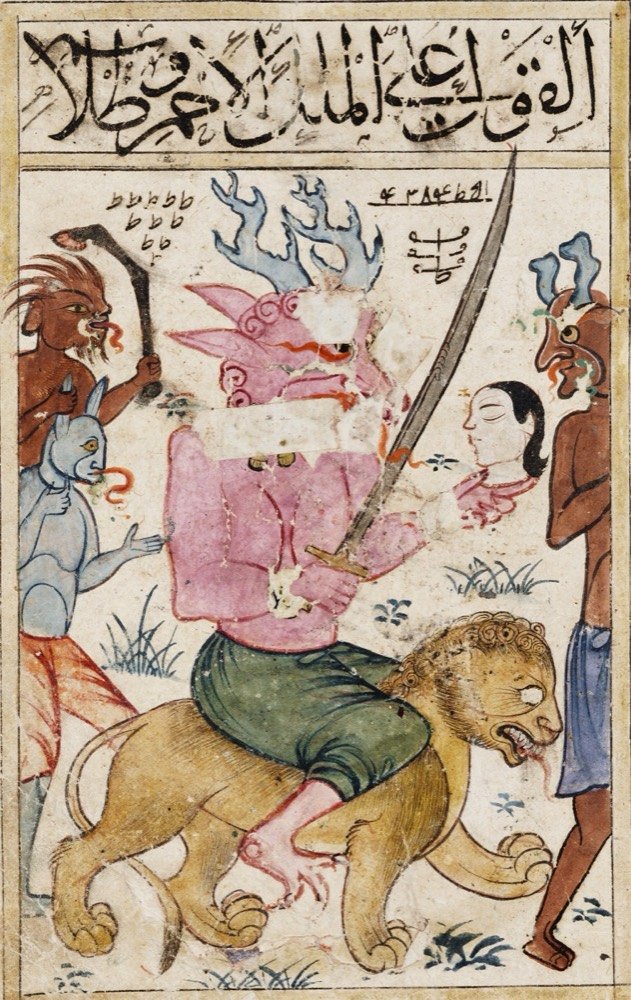
Jinn
The invisible race of Arabian belief, created from smokeless fire. Feared in the pre-Islamic desert, acknowledged in the Quran, and stuffed into bottles and lamps by the Thousand and One Nights.
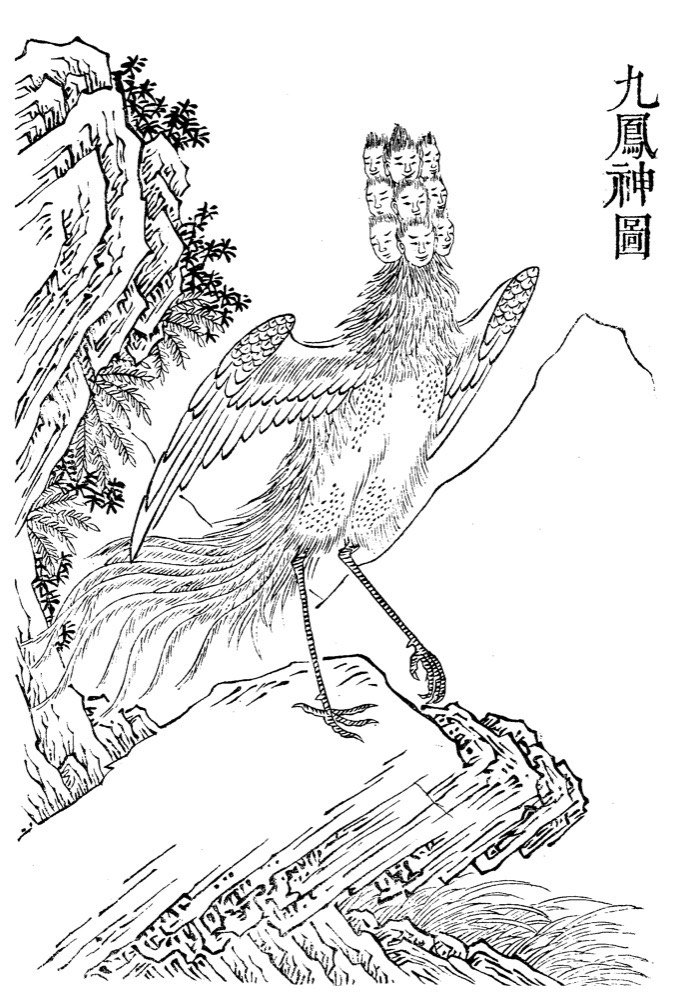
Jiufeng
A god on Heaven's Cabinet Mountain at the northern pole: nine human-faced heads on one bird body. Read as a product of Chu phoenix worship, and the source of the later ominous nine-headed bird.
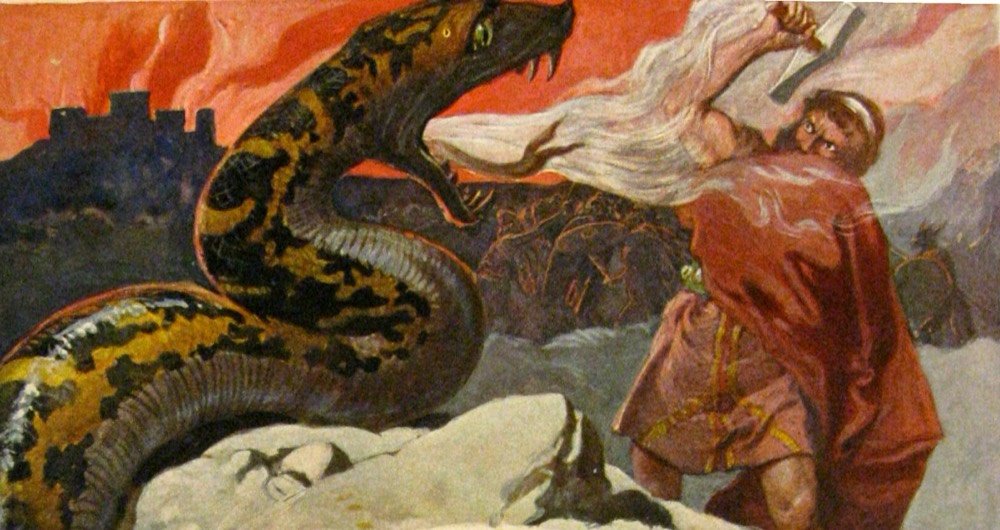
Jormungandr
Loki's serpent child, hurled by Odin into the world sea, where it grew until it circled Midgard and bit its own tail. Thor and the serpent are fated to kill each other.
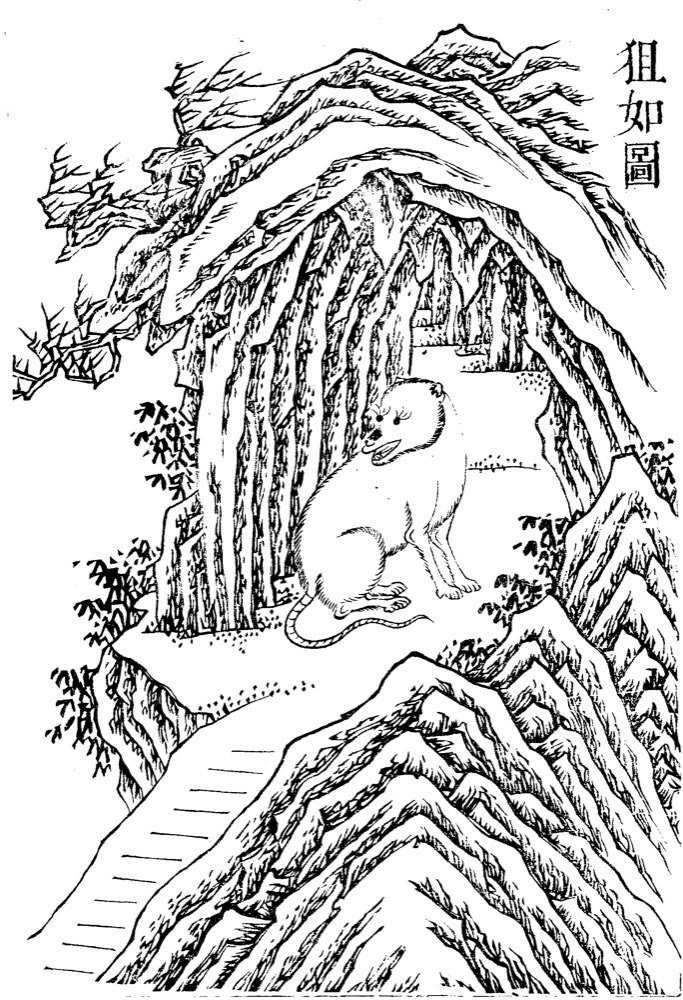
Juru
A small beast of Mount Yidi shaped like a fei-rat, with white ears and a white muzzle; wherever it appears, that state will raise great armies.
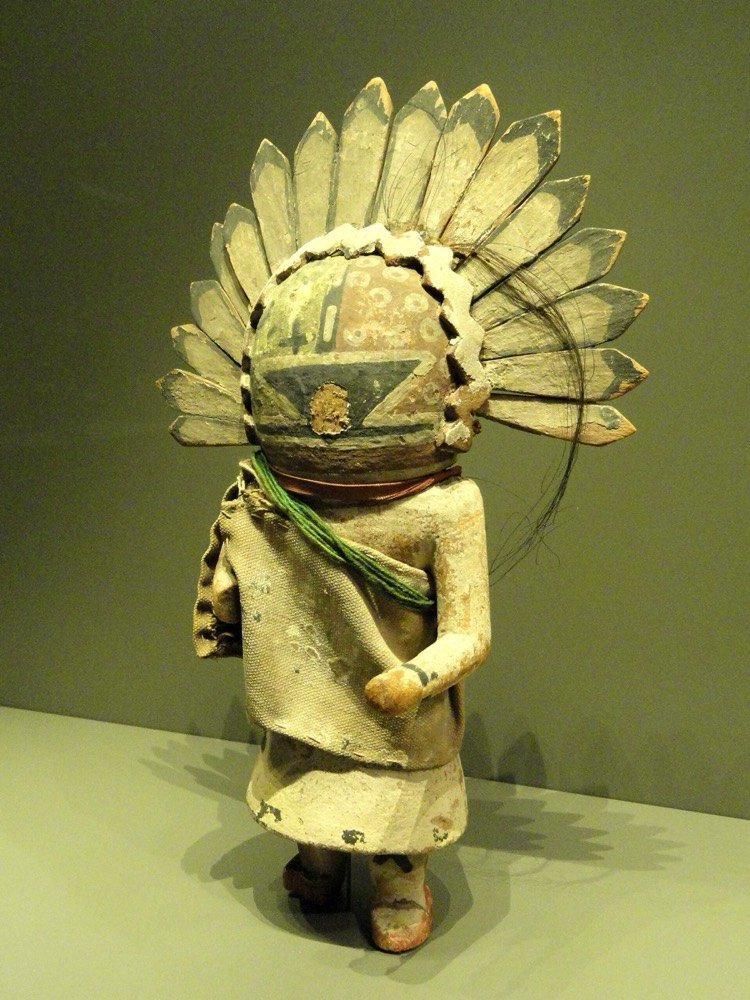
Kachina
Spirit beings of the Hopi, Zuni, and other Pueblo peoples, governing rain, crops, and the life of the world. Hopi tradition counts over three hundred; masked dancers embody them from winter solstice to July.
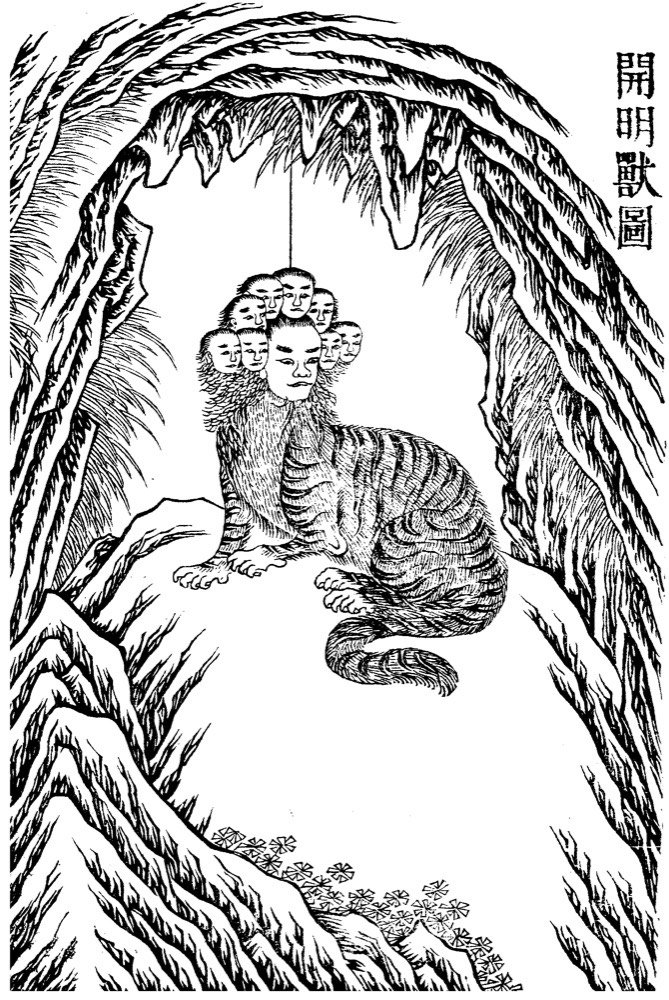
Kaiming Beast
Guardian of Kunlun's nine gates: a body like a giant tiger crowned with nine human-faced heads, standing atop the mountain facing east, warding the abode of the hundred gods.
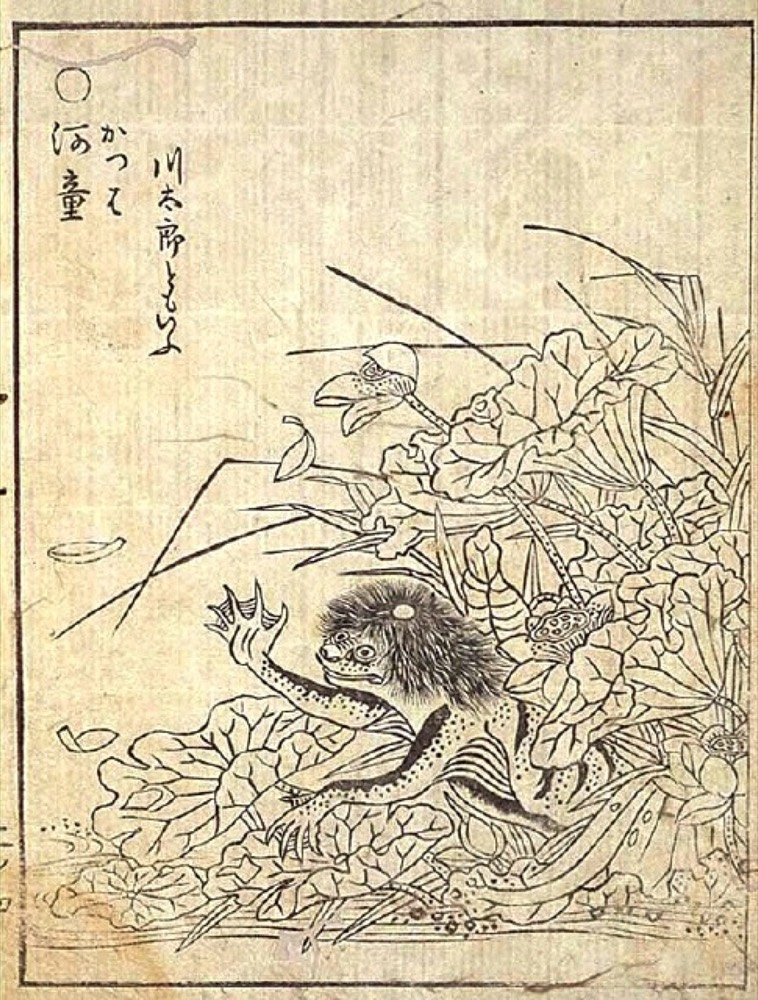
Kappa
A child-sized water imp with a water-filled dish atop its head, fond of cucumbers and sumo, notorious for dragging horses into rivers and stealing a ball said to reside in the human rump.
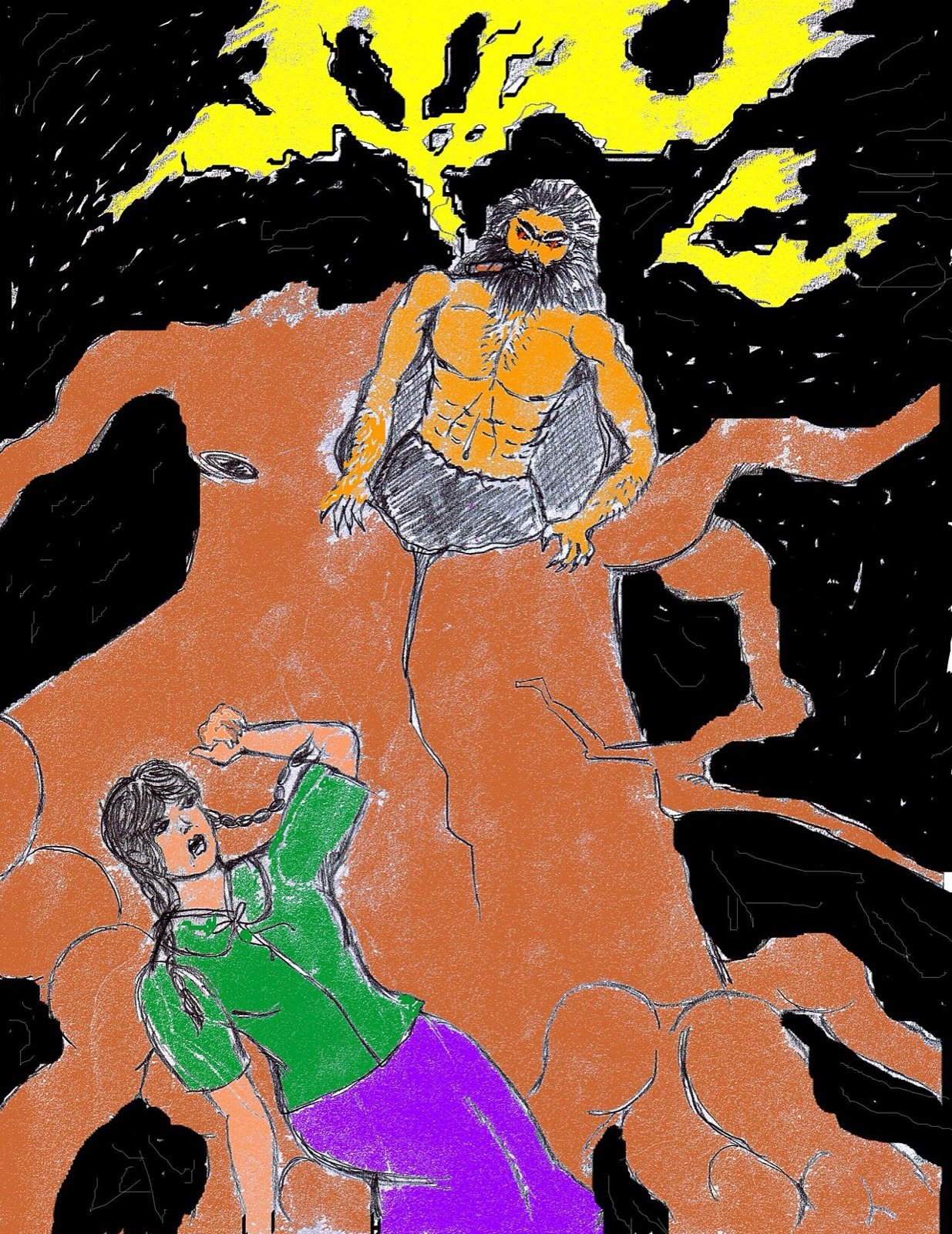
Kapre
A dark giant smoking in an ancient tree, capable of misleading strangers or guarding a chosen place.
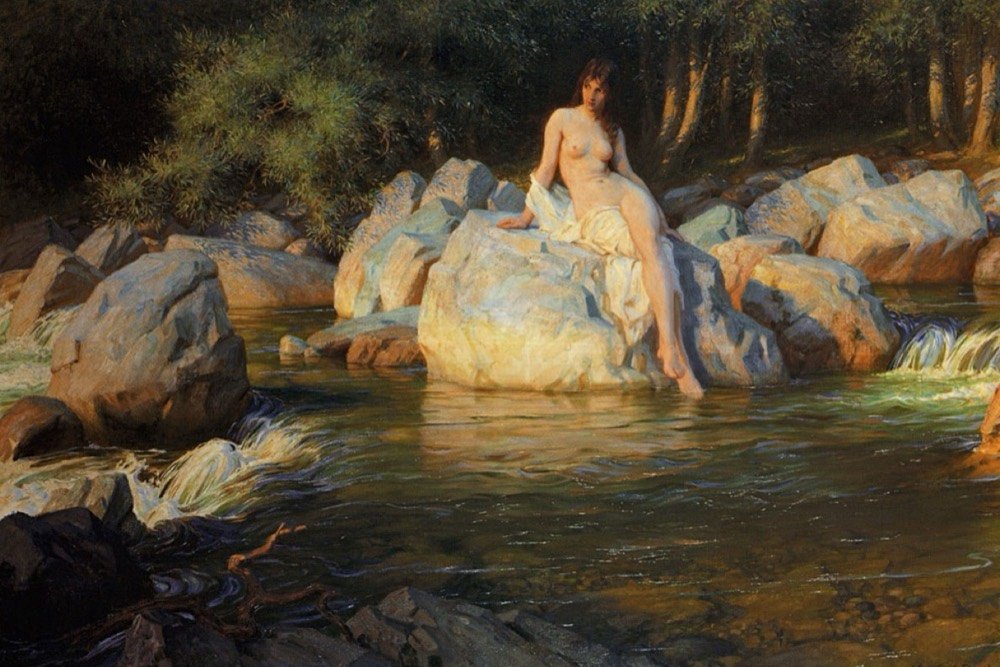
Kelpie
A shape-shifting water demon of Scottish rivers and lochs. It appears as a tame horse, its hide gripping like glue, then drags the rider under and devours all but the liver.
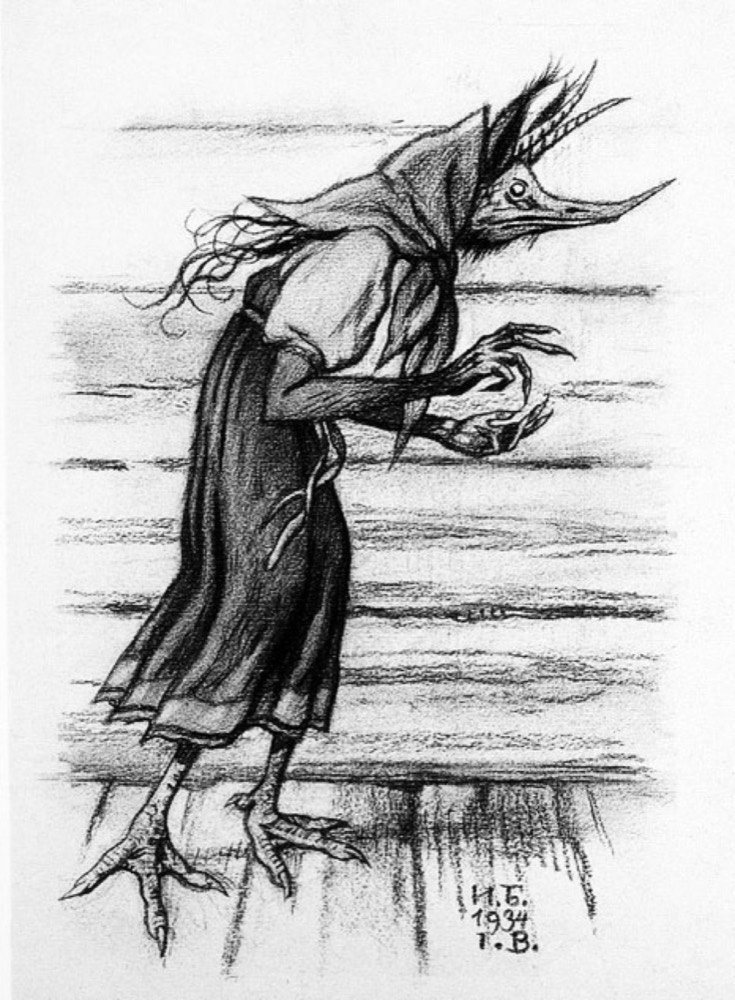
Kikimora
The scrawny female spirit under the floorboards who comes out at night to spin, tangling and fouling the housewife's yarn; the whirr of her wheel was an omen of trouble.
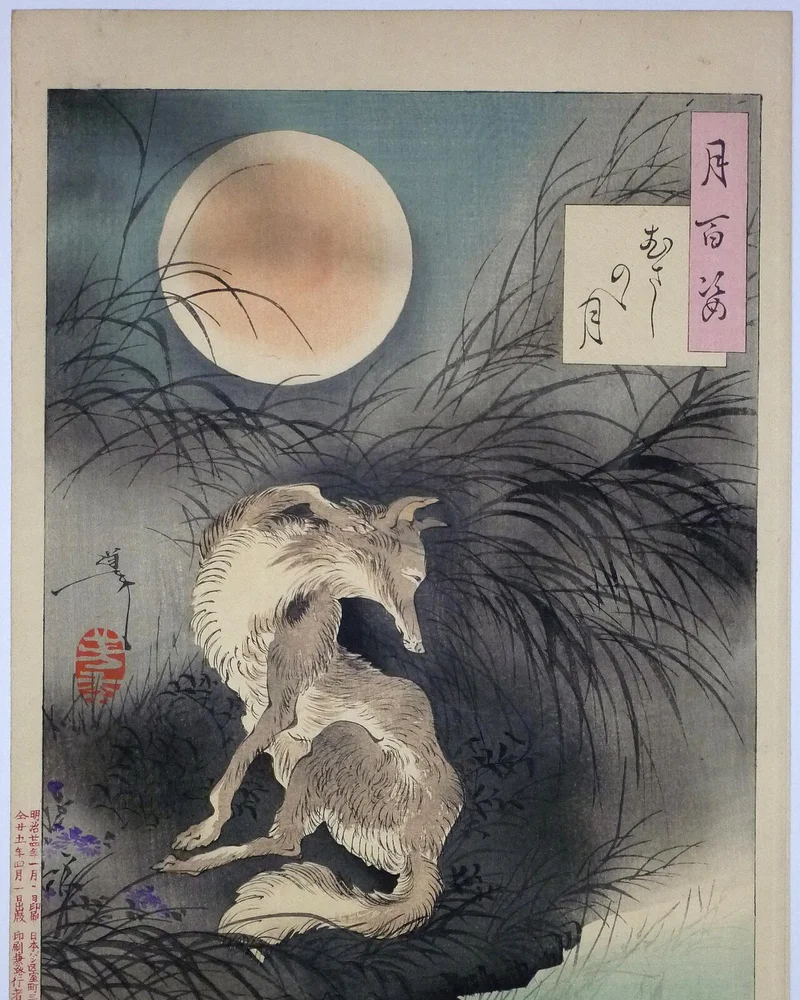
Kitsune
Intelligent fox spirits who grow additional tails as they age, up to nine. They can be benevolent guardians or mischievous tricksters, and possess powerful shapeshifting abilities.

Kóoshdaa Káa
The Land Otter People of Tlingit belief, who take the drowned and the lost and slowly transform them into land otters, often appearing in the shape of a lost person's relatives.
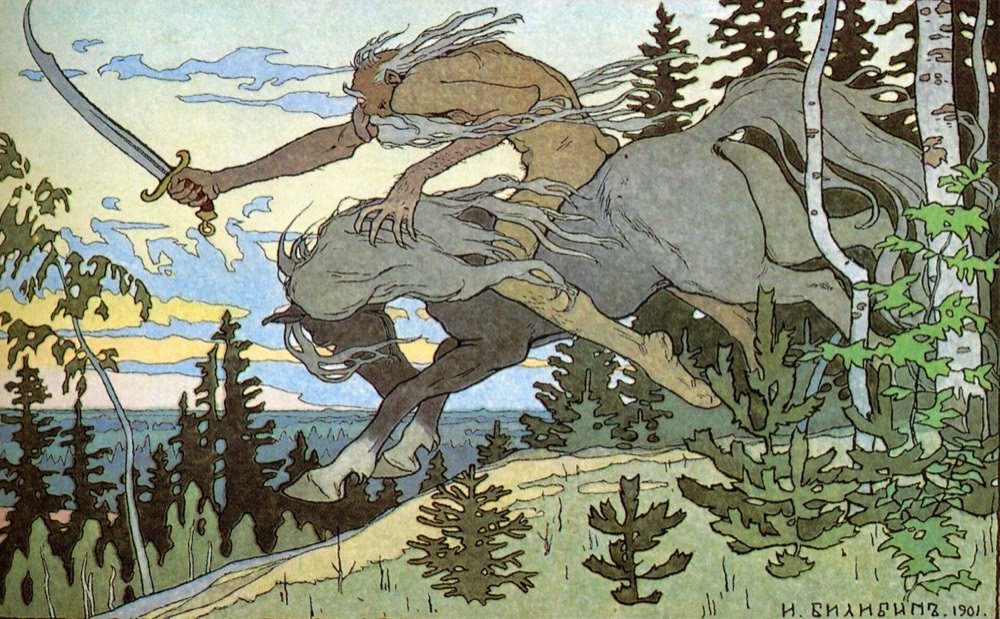
Koschei the Deathless
The skeletal abductor of brides in Russian tales, deathless because his death lies outside his body: in a needle, inside an egg, a duck, a hare, in a chest by an oak.
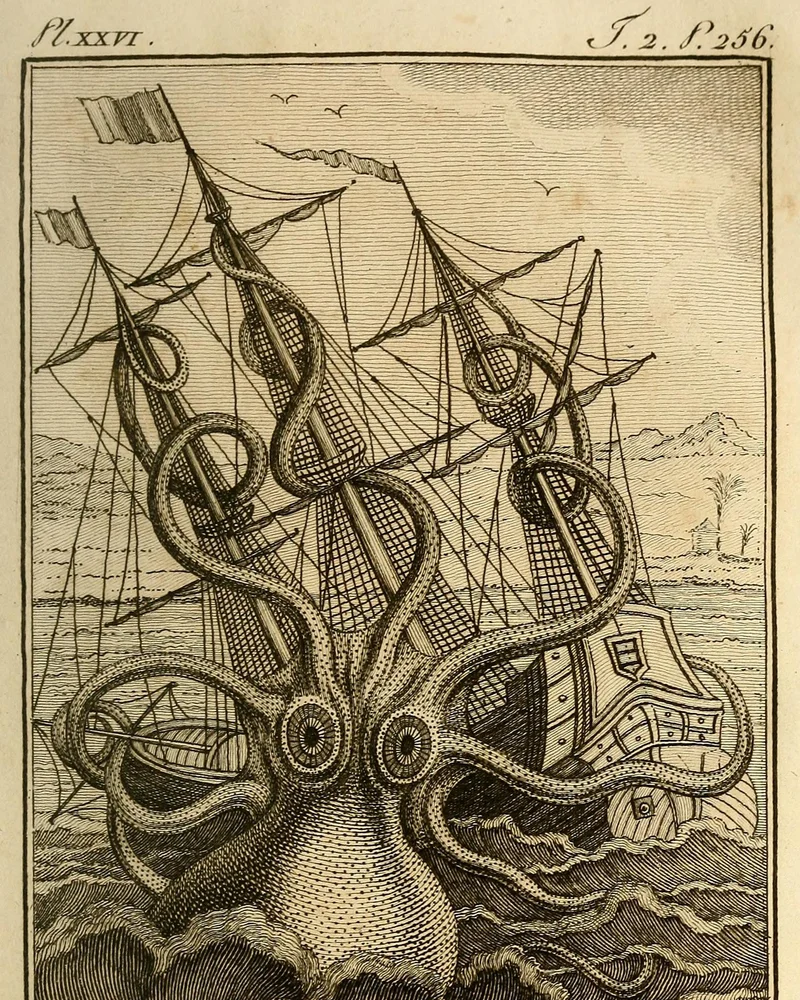
Kraken
A colossal sea monster capable of dragging entire ships to the ocean depths. Its body is so vast it was often mistaken for an island by unwary sailors.
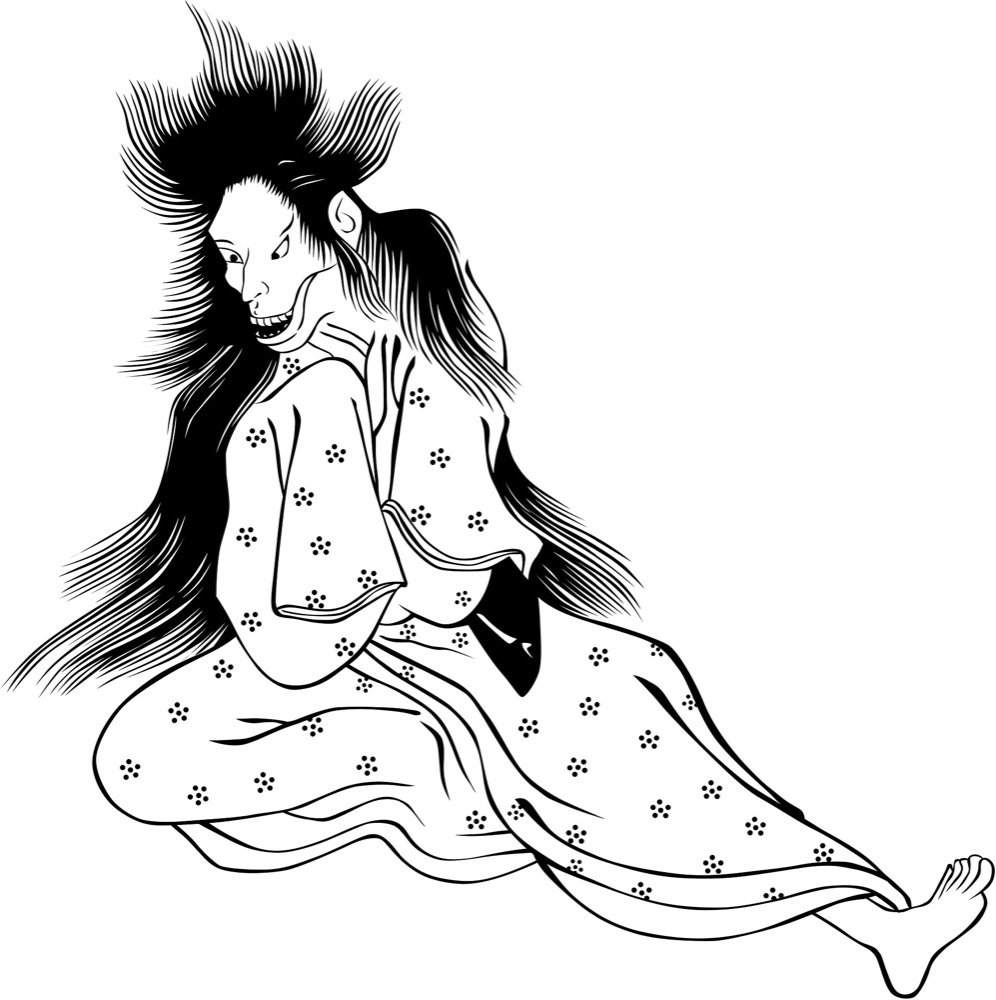
Kuchisake-onna
A masked woman stops schoolchildren to ask 'Am I pretty?', then pulls the mask down on a mouth slit to the ears and asks again. The rumor rose in Gifu in winter 1978 and swept Japan by summer 1979.
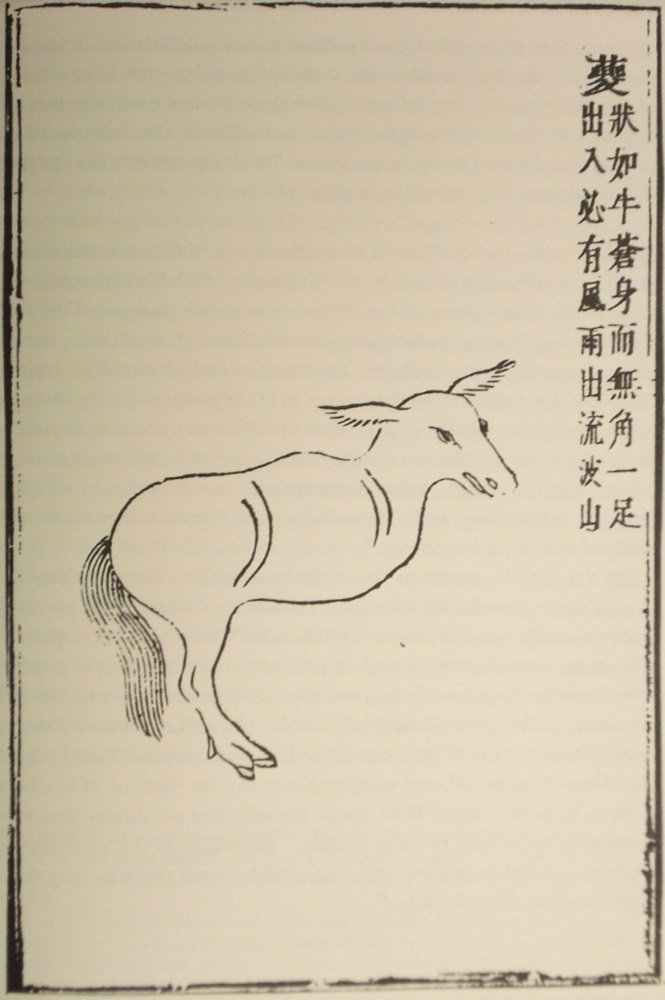
Kui
An ox-like beast with one leg on an island mountain in the Eastern Sea — grey-bodied, hornless, glowing like sun and moon, roaring like thunder. The Yellow Emperor made its hide into a drum heard five hundred li away.
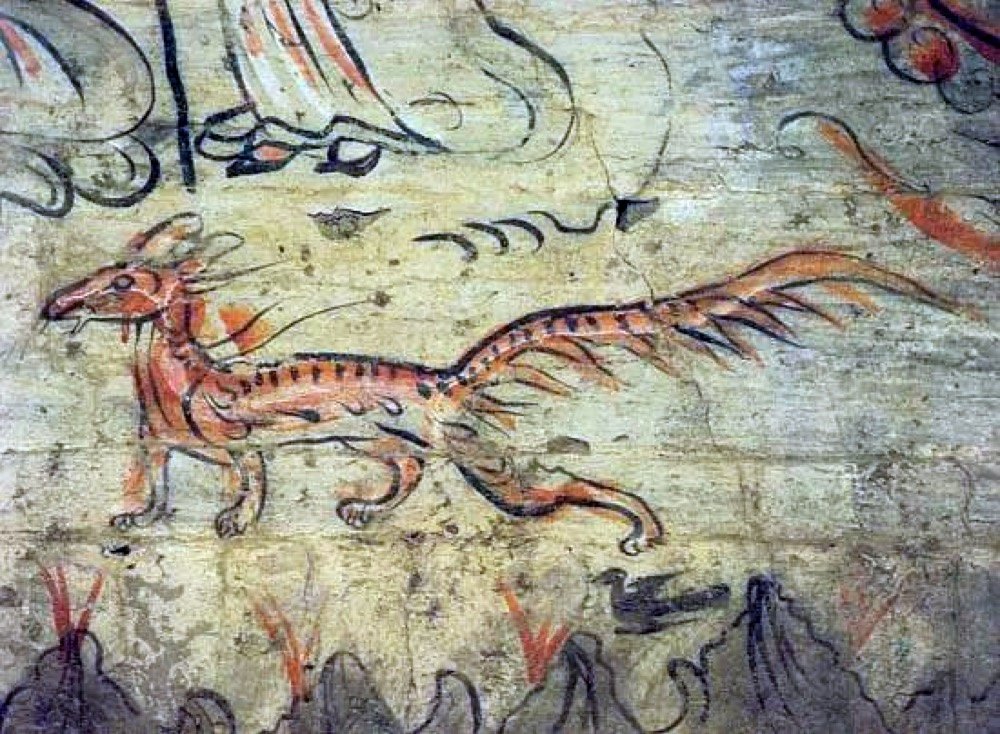
Kumiho
A fox that has lived a thousand years grows nine tails and takes the shape of a bride or lost woman to eat human livers; in other tales it endures long trials to become human, failing at the last moment.
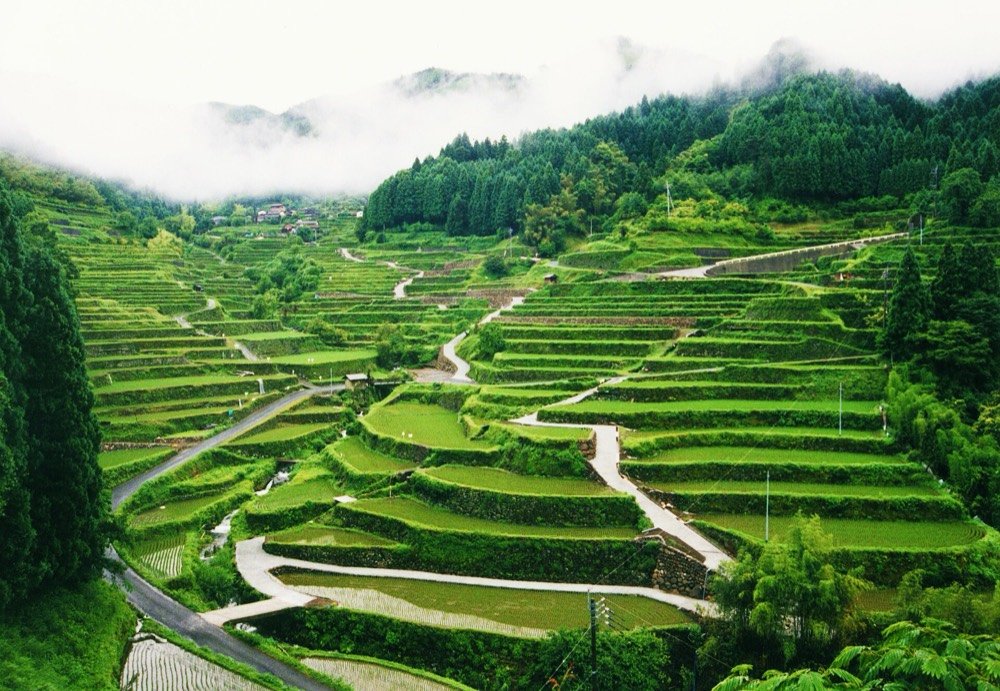
Kunekune
Far off across summer paddies or open water, a slender white figure writhes where there is no wind. Seen from afar it is harmless; whoever makes out what it is goes mad. Spread via 2channel's occult board in summer 2003.
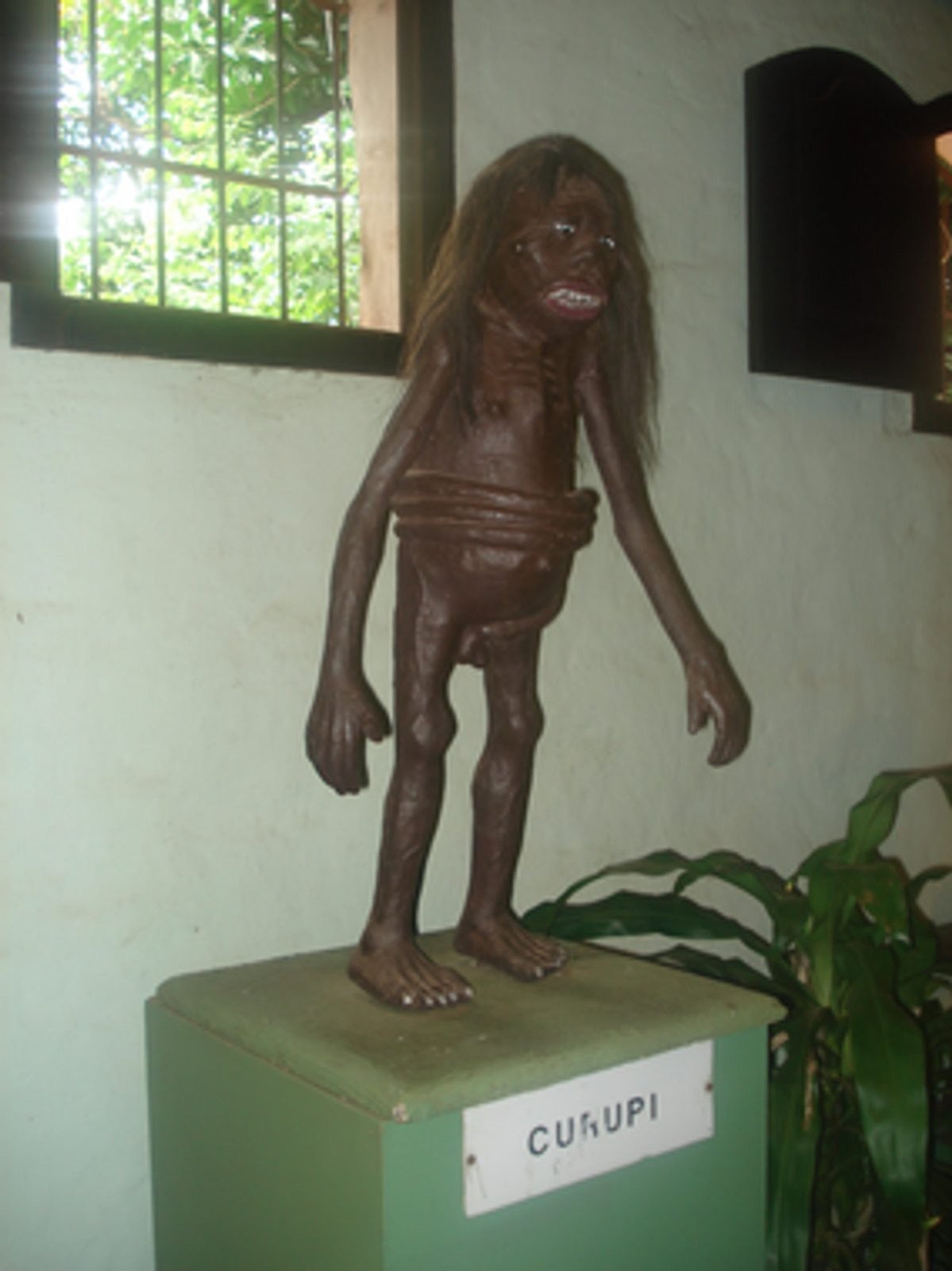
Kurupi
A forest being of excessive fertility whose lore joins abundance to a warning about sexual violence.
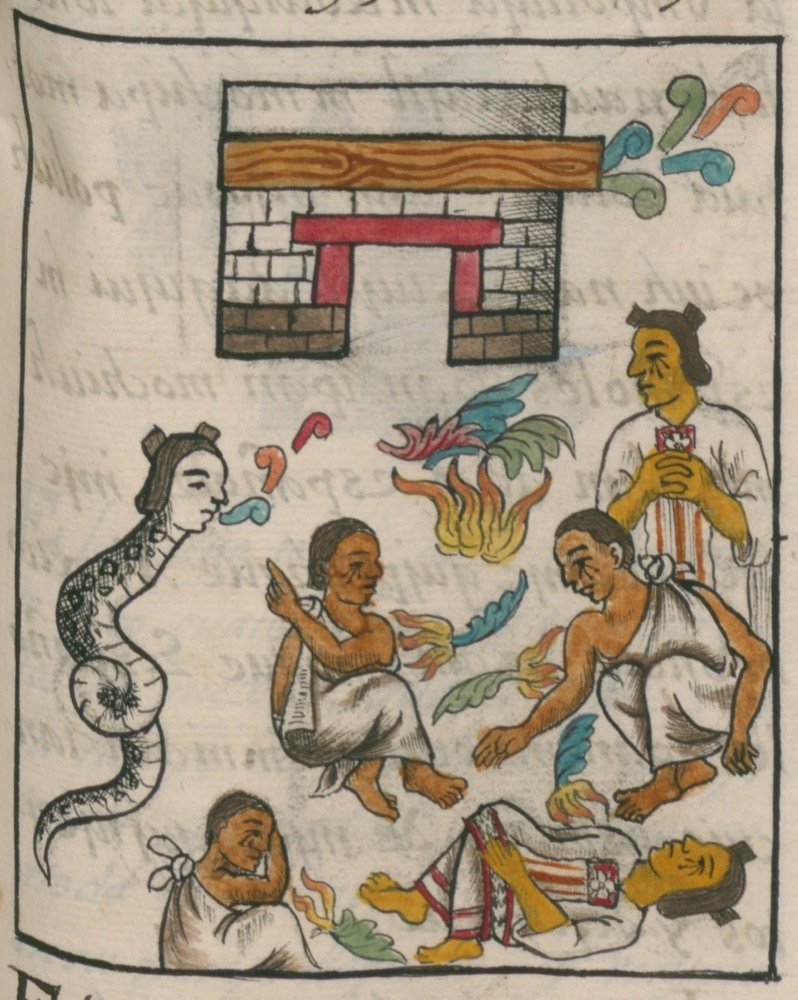
La Llorona
A woman in white who drowned her own children and now wanders riverbanks at night crying "Ay, mis hijos!" — a legend of Mexico and the U.S. Southwest used to warn children away from water after dark.
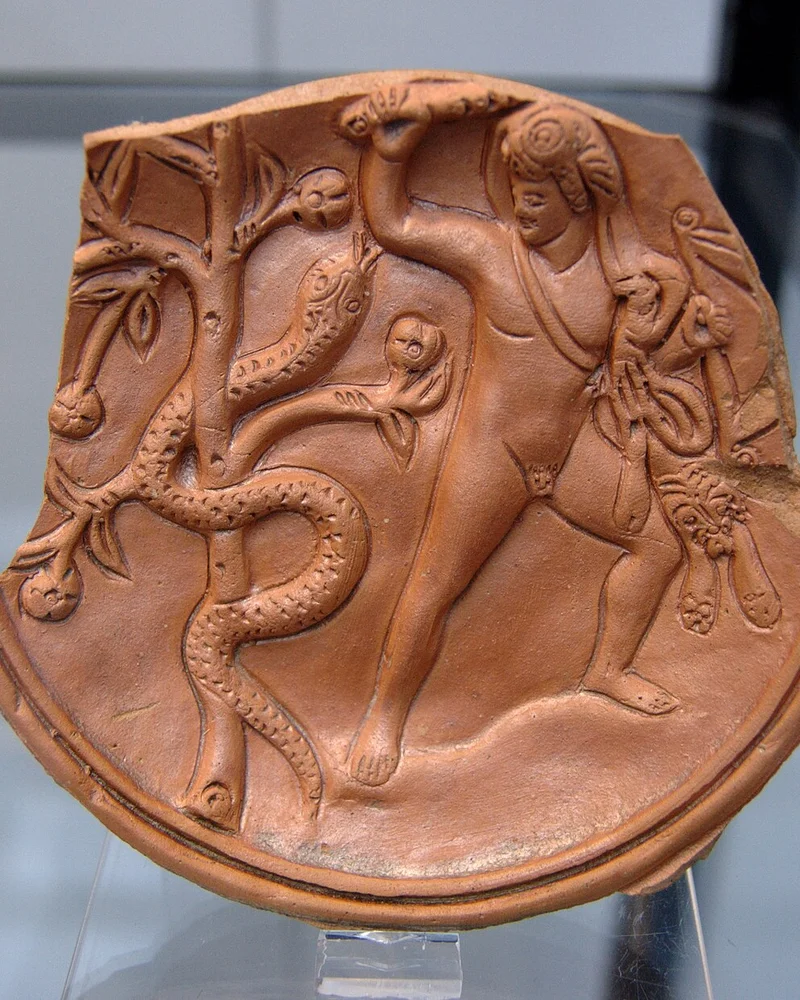
Ladon
The serpent that guarded the golden apples in the garden of the Hesperides. Hesiod calls it the youngest child of Ceto and Phorcys; Apollodorus gives it a hundred heads; Apollonius of Rhodes names it Ladon and shows it lying dead the day after Heracles took the apples.
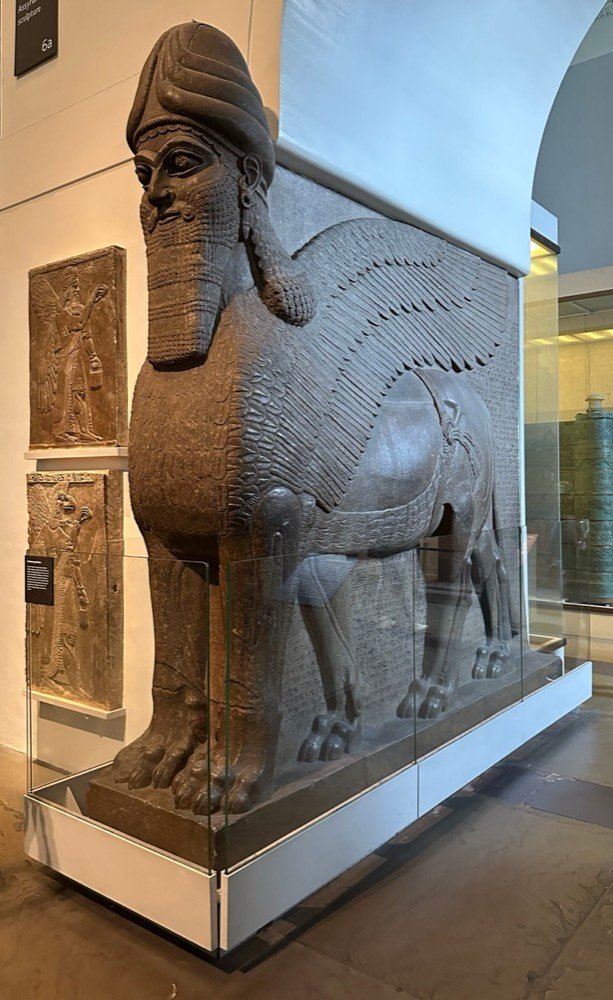
Lamassu
Human-headed, eagle-winged bull colossi with horned crowns, some carved with five legs, that stood in pairs at the palace gates of Nimrud, Khorsabad, and Nineveh to turn evil away.
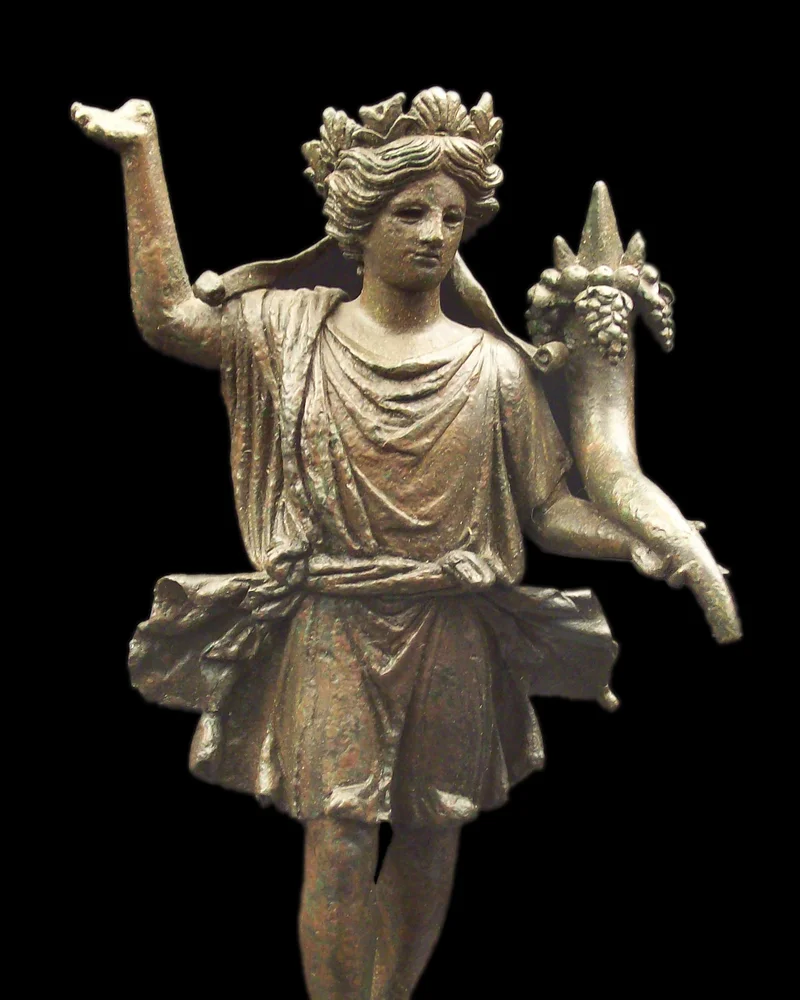
Lares
Benevolent household spirits who protected the home and family. Each Roman household maintained a lararium shrine where offerings were made to these guardian deities. They were honored at crossroads and watched over travelers.
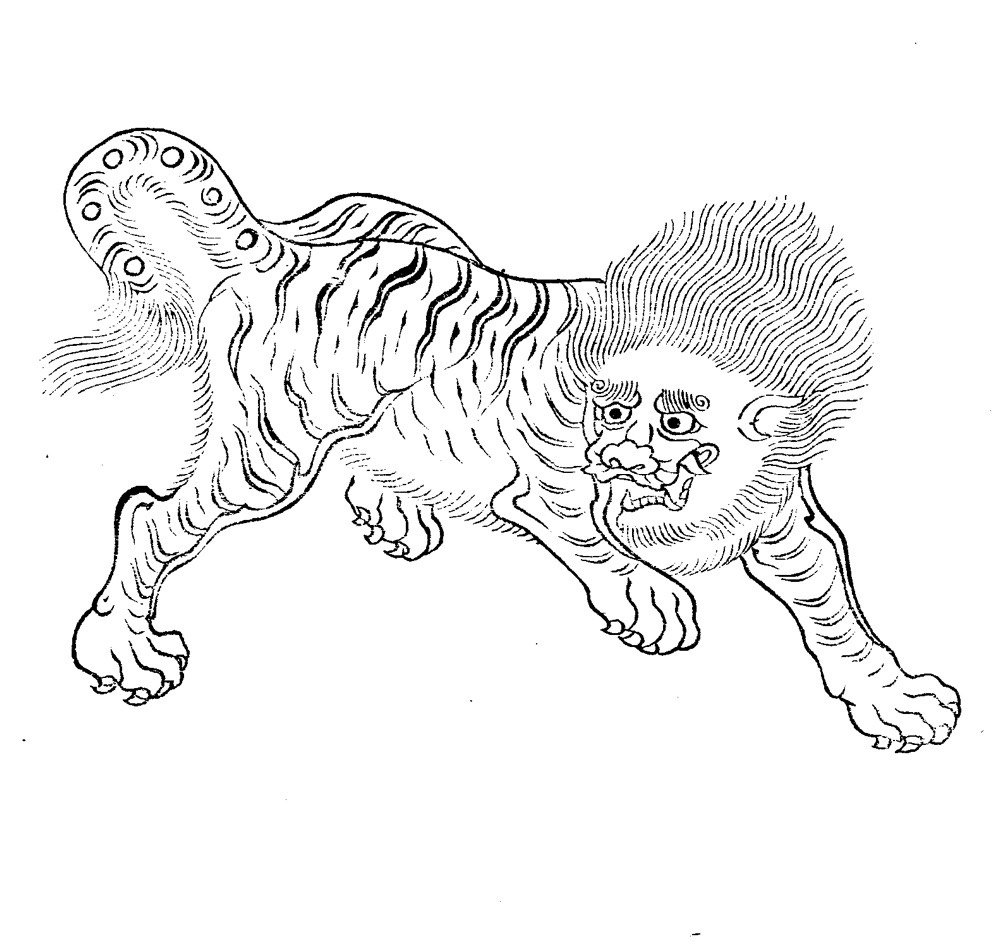
Lei
A beast of Mount Chanyuan shaped like a wildcat with long hair, at once male and female in one body; eating its flesh was said to free one from jealousy.
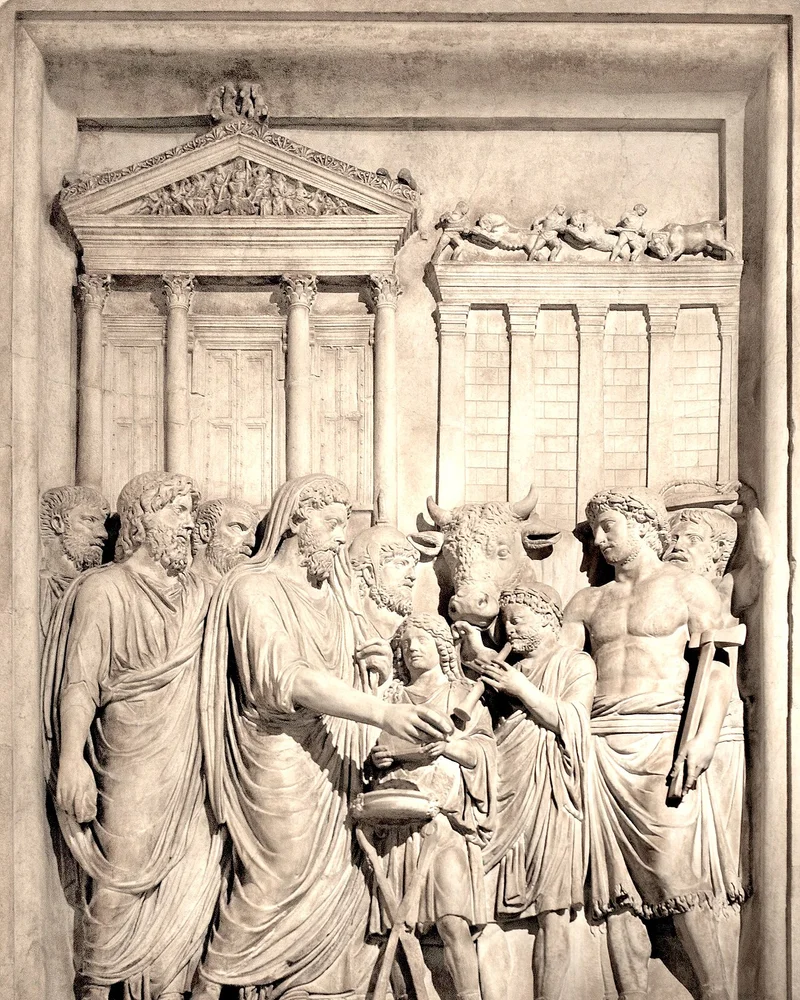
Lemures
Restless spirits of the dead who wandered the earth, often the ghosts of those who died without proper burial or lived wicked lives. During the festival of Lemuria in May, Romans performed rituals to appease these troubled shades.
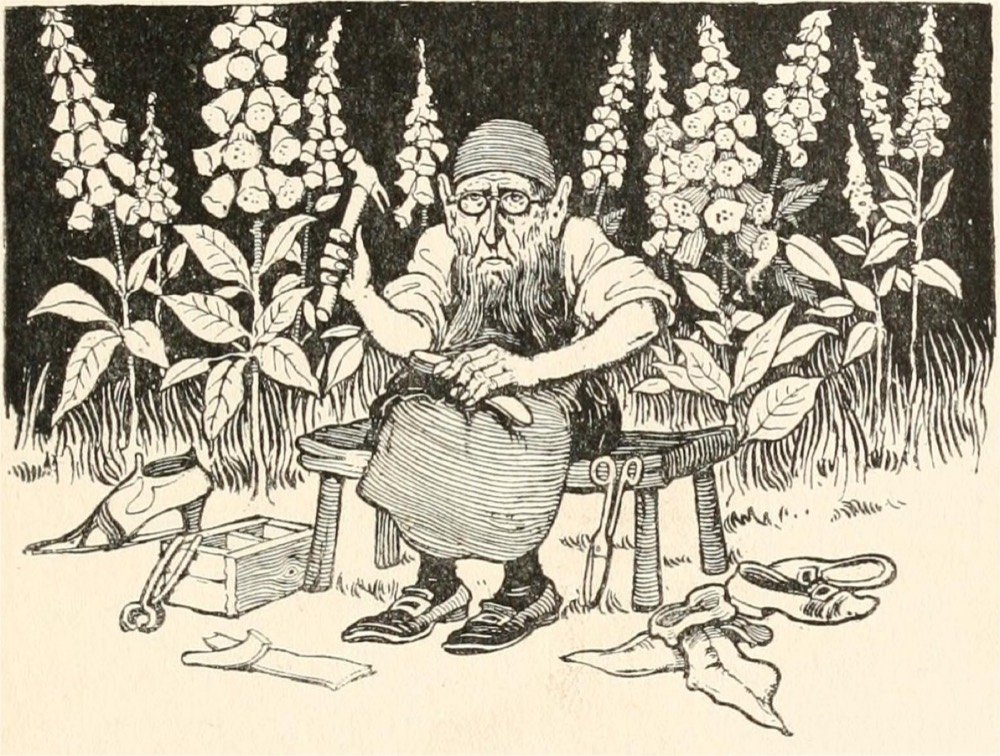
Leprechaun
Ireland's solitary fairy cobbler, hoarder of buried gold. Caught, he must ransom himself with treasure or three wishes, yet he talks his way free every time.
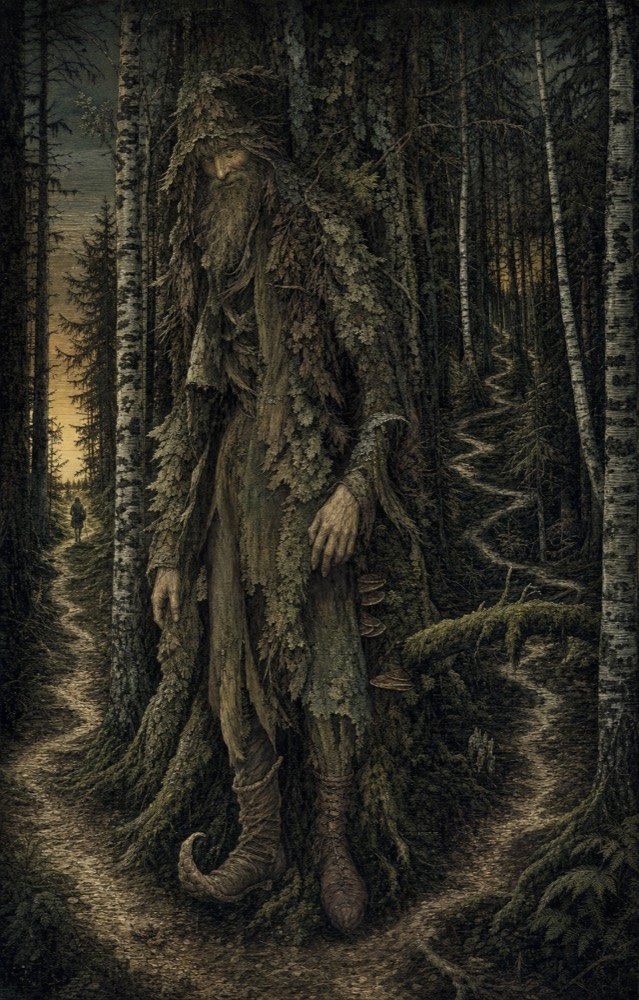
Leshy
Master of the East Slavic forest, changing size with the trees and mimicking familiar voices so that hunters and herds circle endlessly on paths they know.
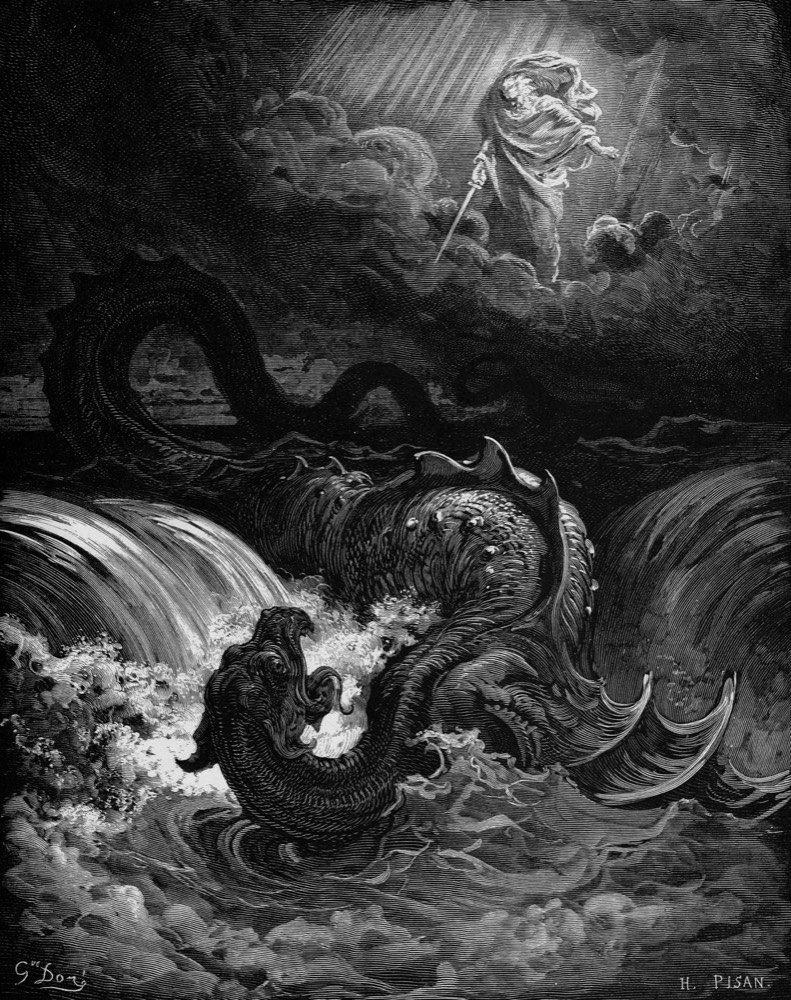
Leviathan
The great sea monster of the Hebrew Bible, armored in interlocking scales and breathing fire. Isaiah foretells that the Lord will slay the coiling serpent at the end of days.
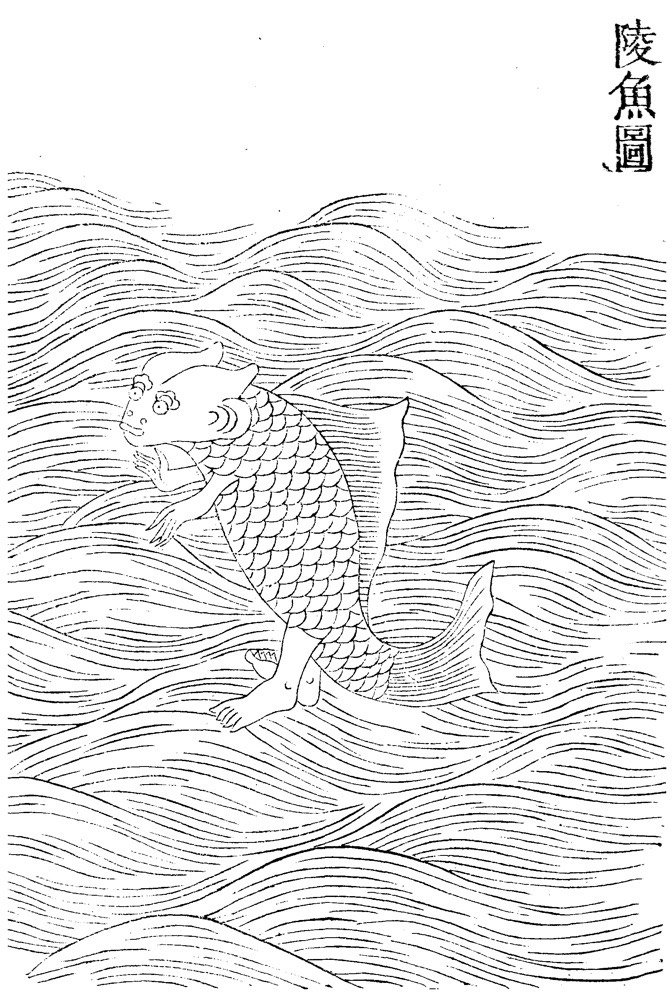
Lingyu
A creature of the northern seas: a human face, human hands and feet, joined to the body of a fish. One of the earliest Chinese images of the merfolk.
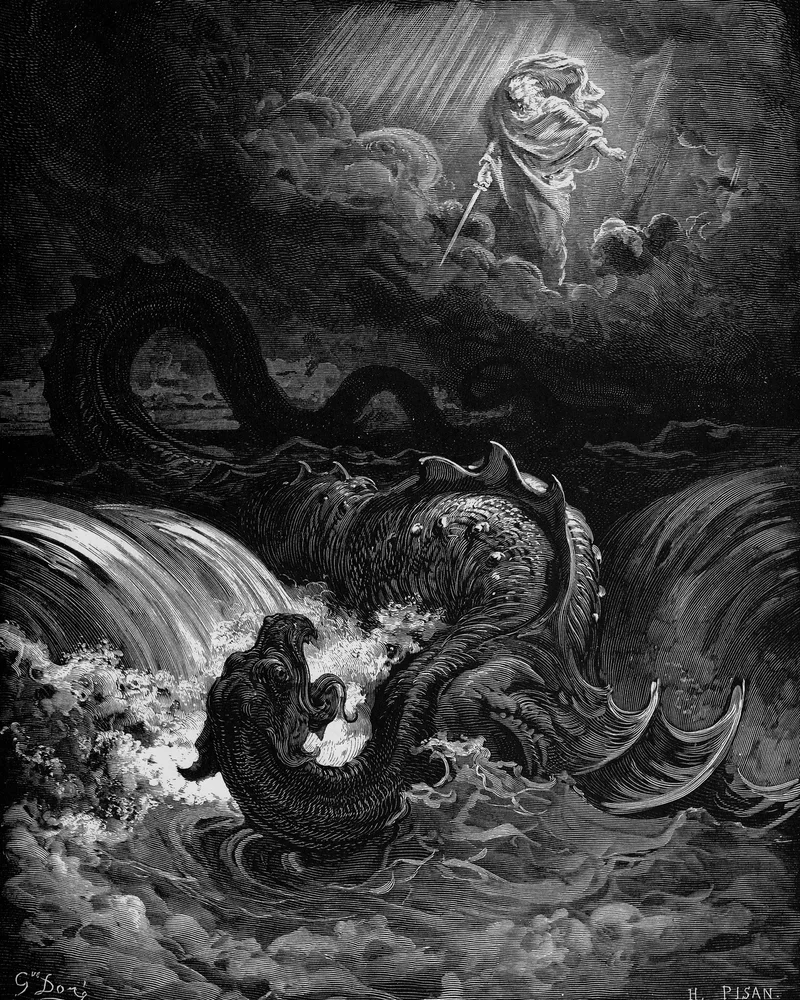
Litan (Lotan)
The seven-headed 'fleeing serpent, twisting serpent' whom Baal struck down, recalled by Mot in the Baal Cycle; its Ugaritic epithets reappear almost word for word in the Hebrew Bible's description of Leviathan.
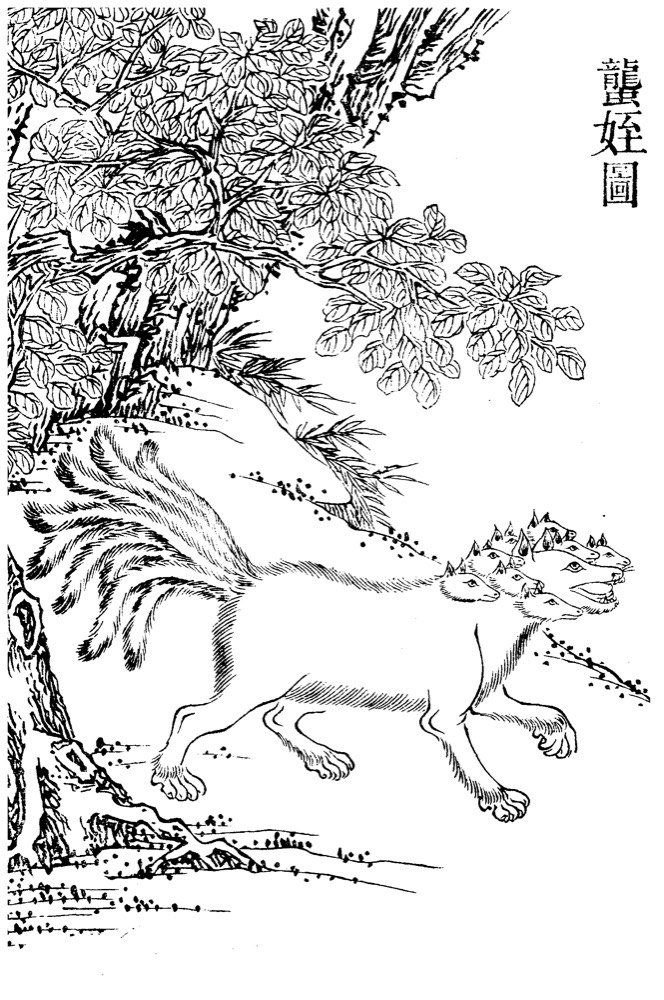
Longzhi
A man-eater of Fuli Mountain: a fox in outline, but with nine heads, nine tails, and tiger's claws, crying like an infant. The name is also written Longzhi with a different second graph.
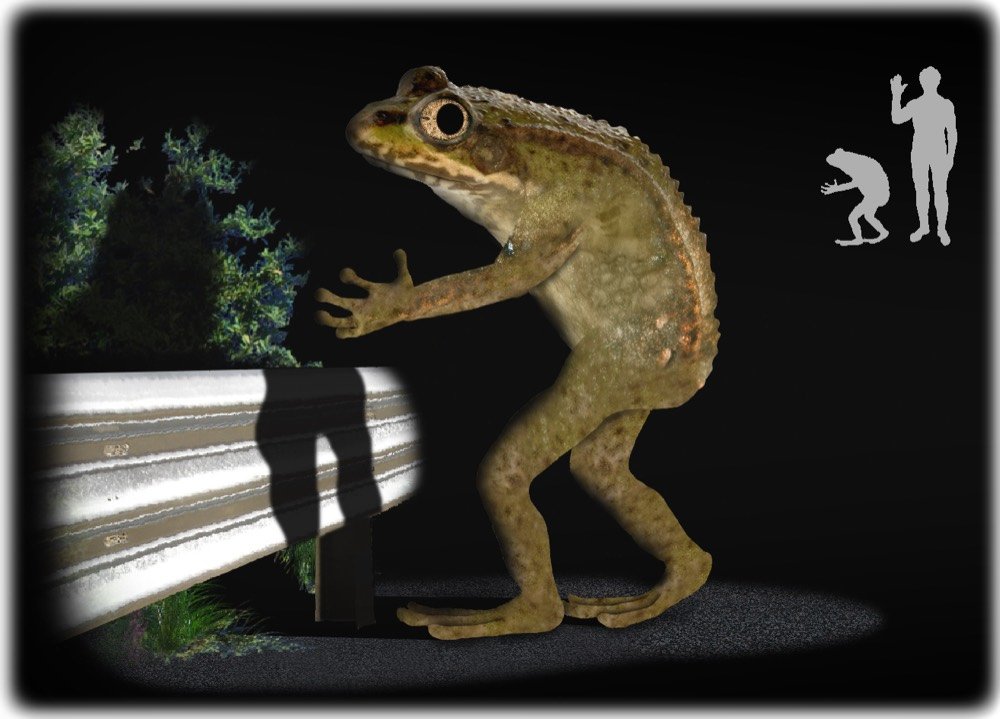
Loveland Frogman
A frog-faced biped of Loveland, Ohio: a businessman reported three in 1955, and two police officers saw one in 1972 — though one officer later said it was just a large iguana.
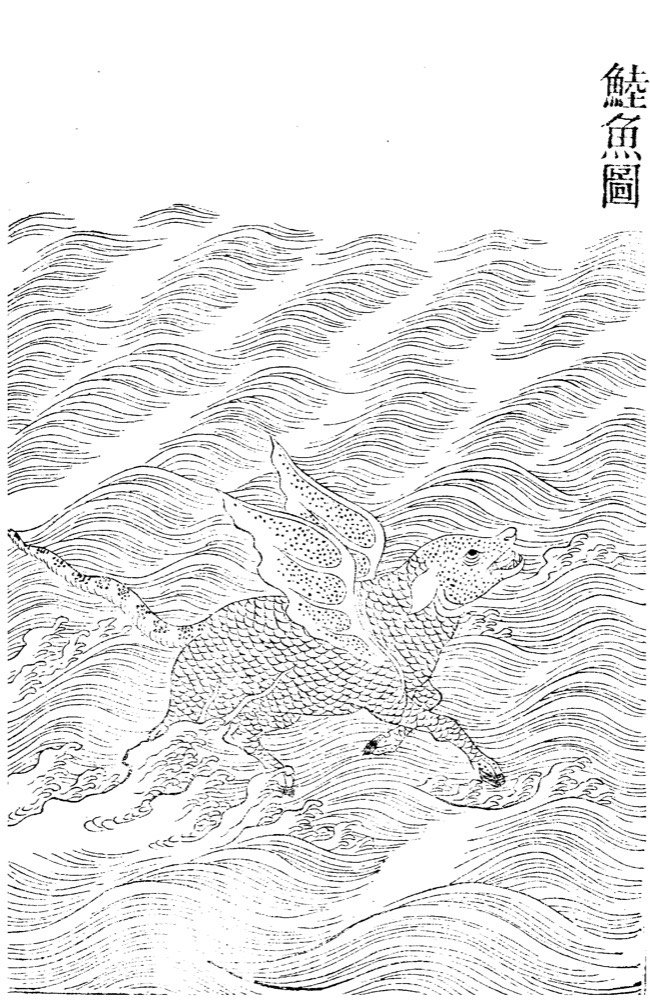
Lu
A fish of Mount Di shaped like an ox yet living on hillsides, with a serpent's tail and wings sprouting beneath its ribs; it dies each winter and revives each summer, and eating it prevents tumorous swellings.
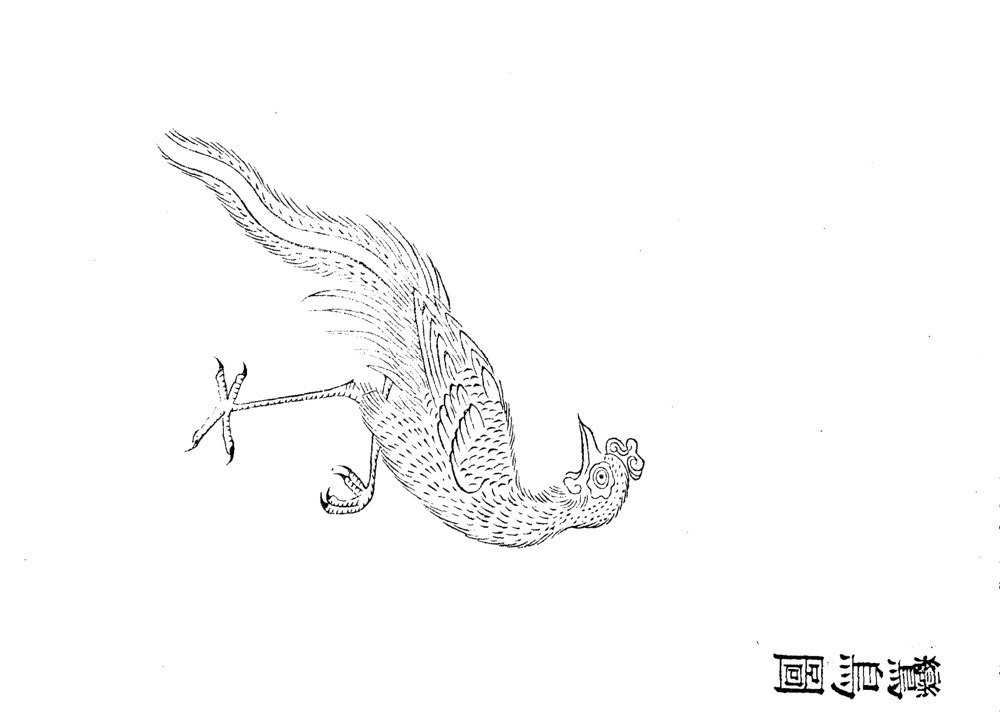
Luan Bird
An auspicious five-colored bird of Mount Nüchuang, pheasant-like in form, whose appearance brings peace to the world; later merged with the phoenix family and lodged in the lore of mirrors and chariot bells.
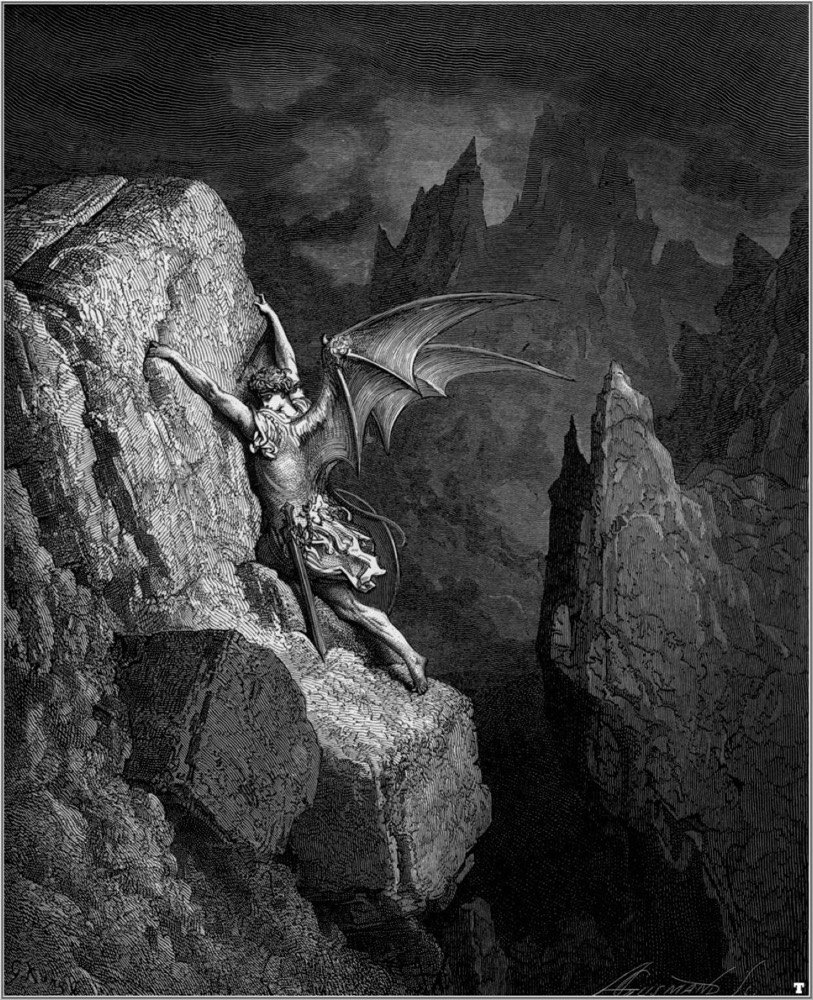
Lucifer
Isaiah taunts the king of Babylon: 'How you have fallen from heaven, morning star, son of the dawn.' The Vulgate rendered the phrase as Lucifer, and Christian tradition built the fallen-angel narrative upon it.
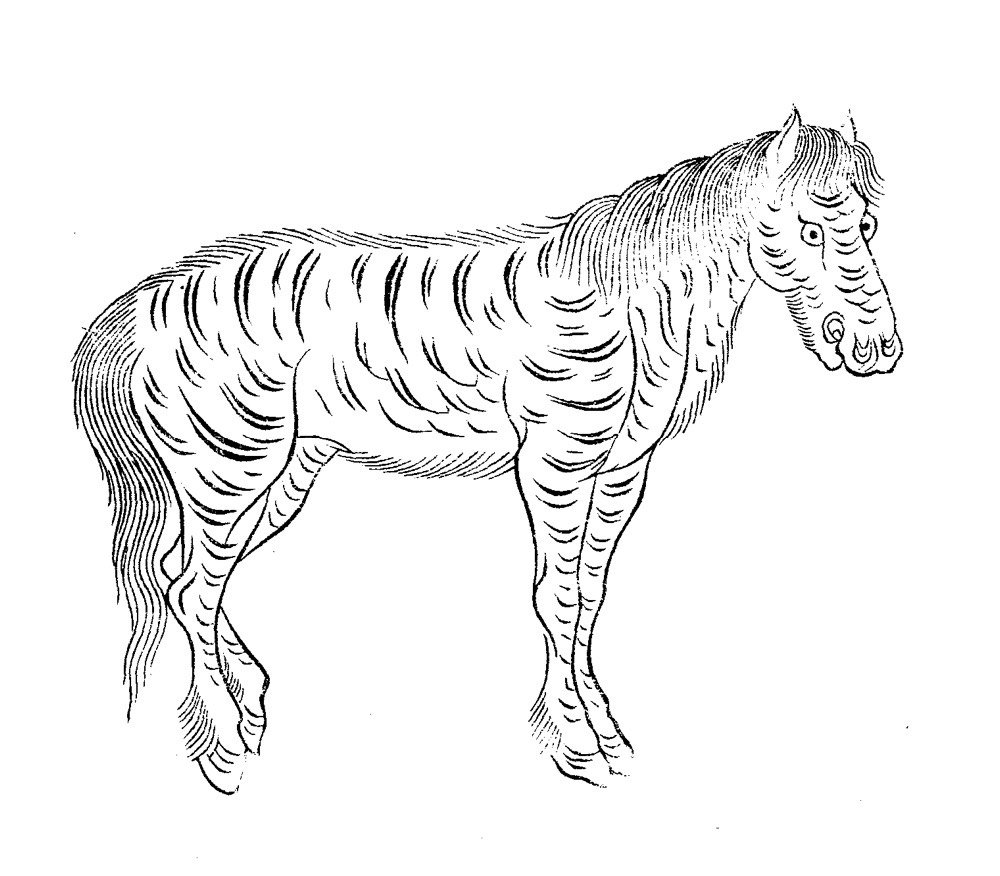
Lushu
A beast of Mount Niuyang shaped like a horse with a white head, tiger stripes, and a red tail, whose call sounds like human song; wearing its hide was said to bless one with descendants.
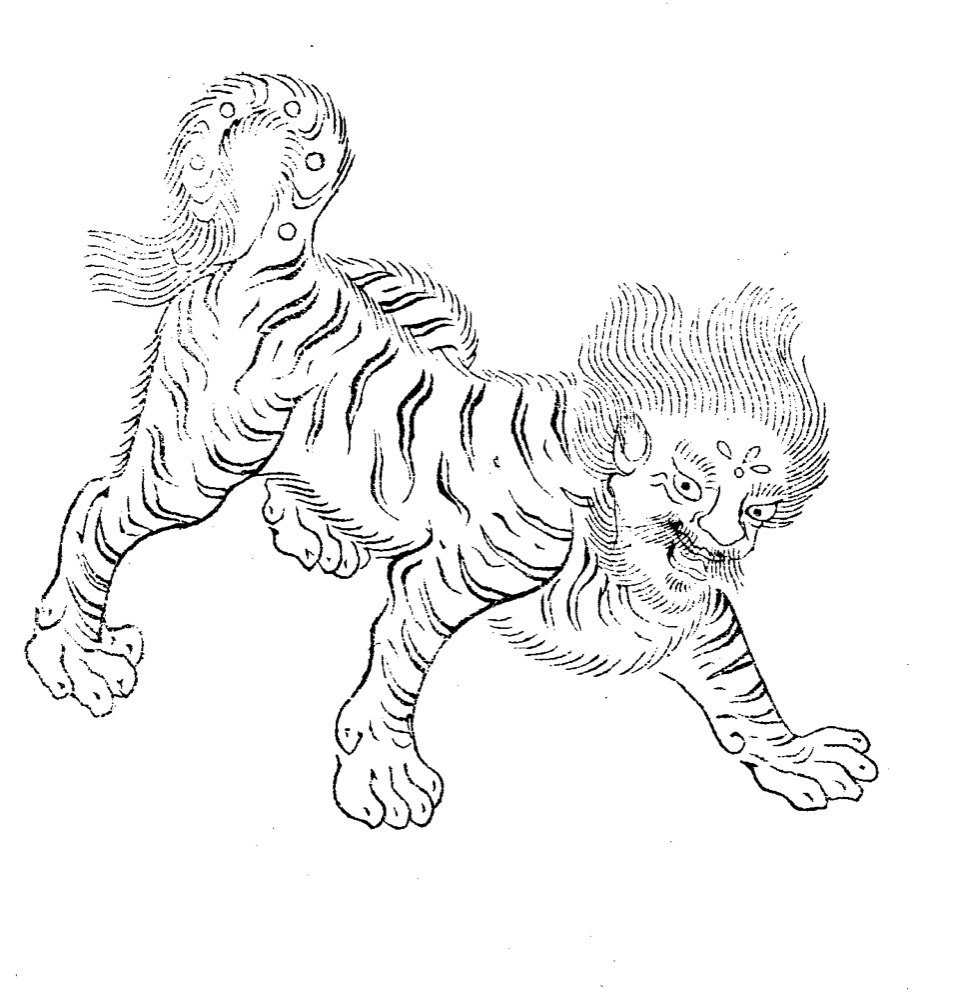
Mafu
A man-eating beast of Mount Manqu with a human face on a tiger's body, whose cry mimics a wailing infant; the Yi River rises from its mountain.
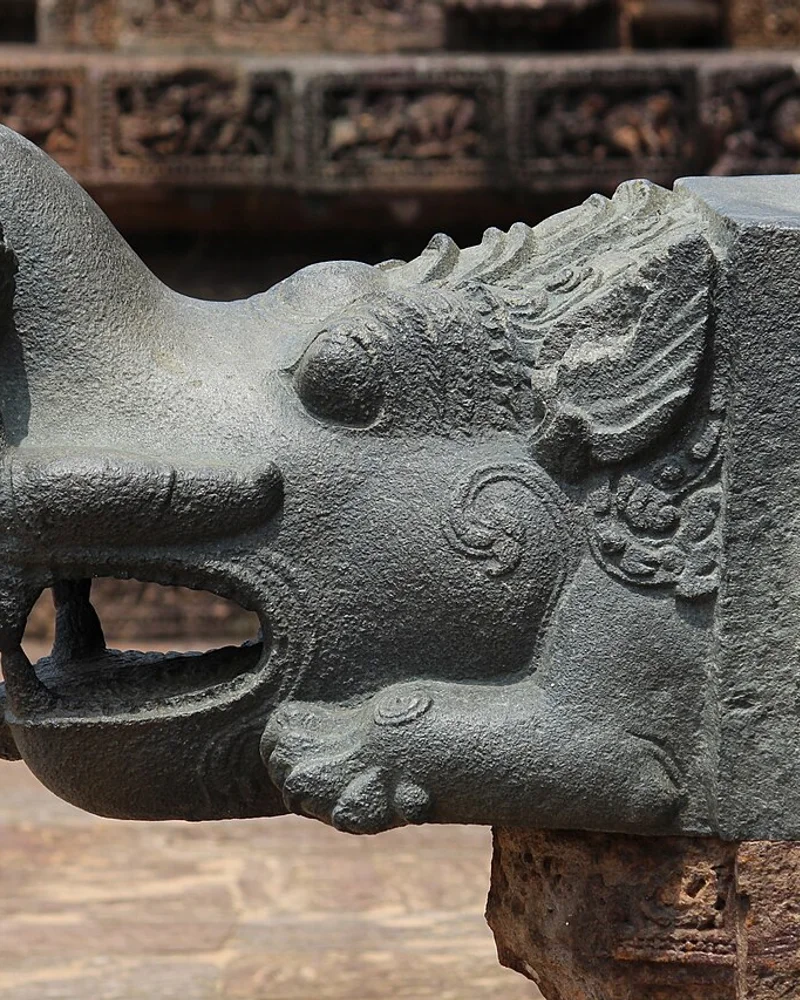
Makara
A legendary sea creature that serves as the mount of the river goddess Ganga and the god Varuna. It combines features of a crocodile, elephant, and fish in its hybrid form.
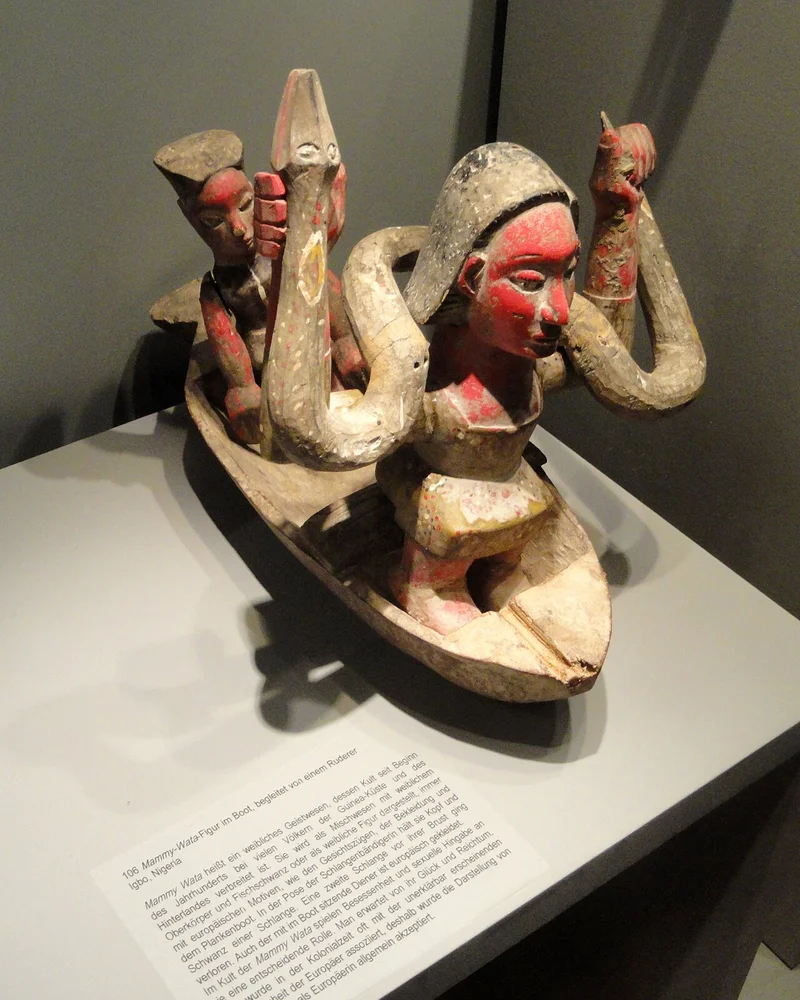
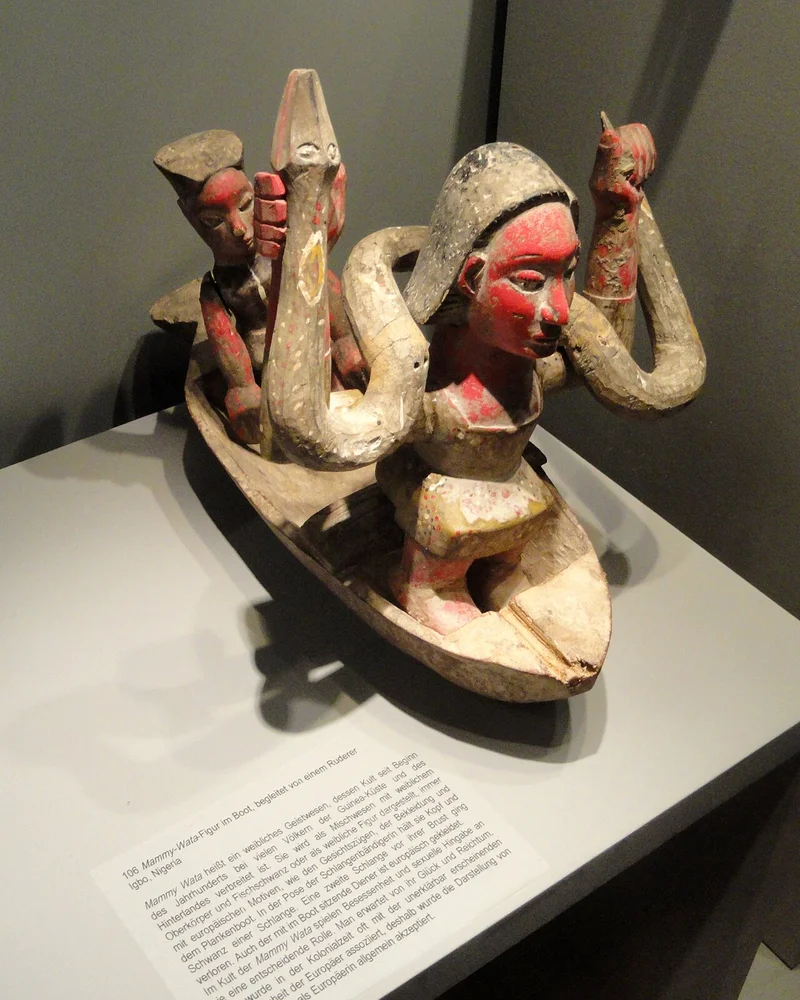
Mami Wata
A powerful water spirit venerated across West and Central Africa and the African diaspora. Often depicted as a beautiful woman with a fish or serpent tail, she embodies the duality of water itself: nurturing and destructive, healing and dangerous. She offers wealth and beauty to her devotees but demands absolute fidelity in return.
Manananggal
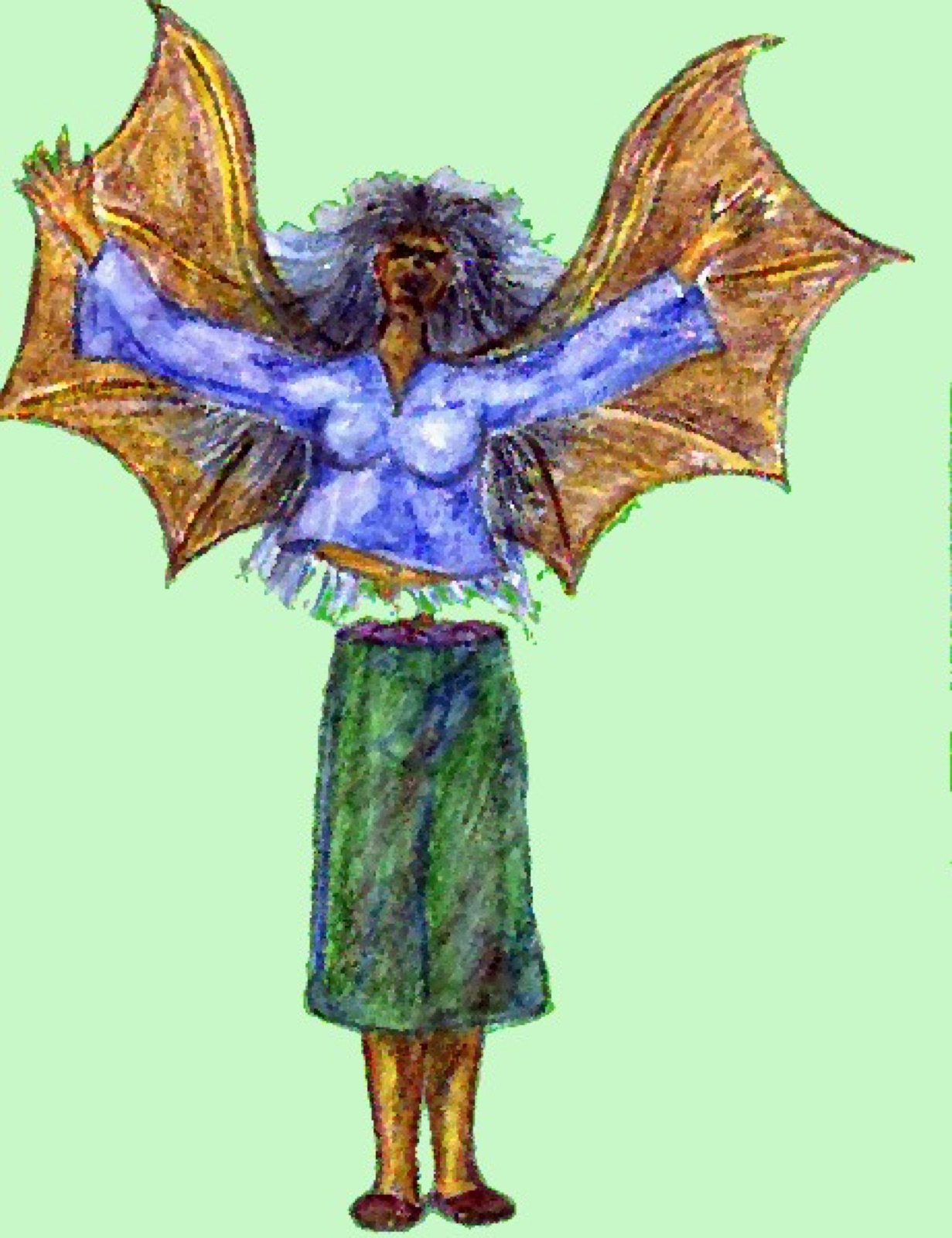
A winged upper body hunting by night while its vulnerable lower half waits hidden for dawn.
Manes
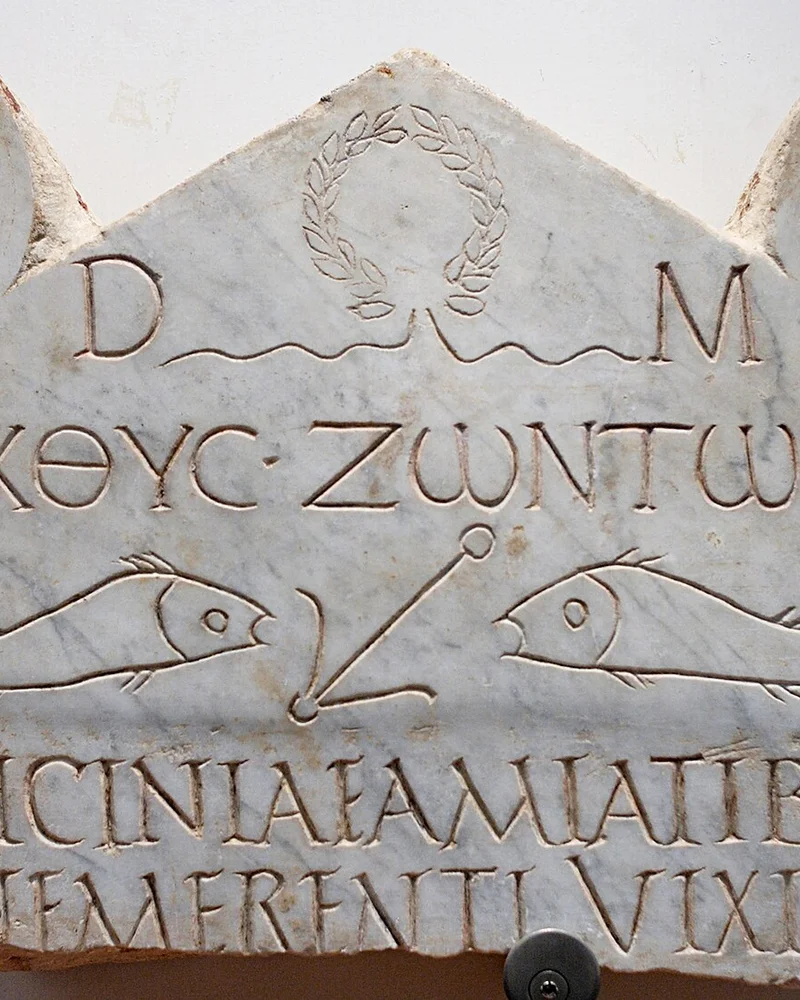
The collective spirits of deceased ancestors, honored as divine beings by their descendants. Romans inscribed 'Dis Manibus' (to the divine Manes) on tombs and offered food and wine at grave sites during the Parentalia festival.
Maquizcoatl
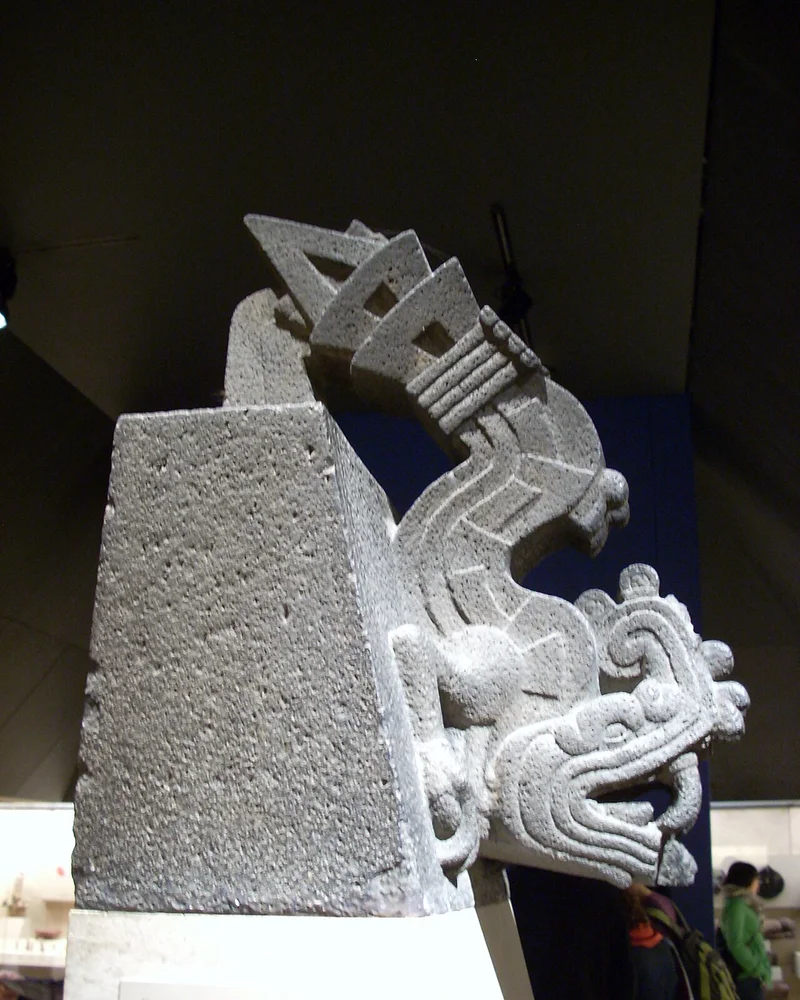
The 'bracelet serpent' of Nahua lore, a snake with a head at each end, listed and drawn among the serpents of New Spain in the Florentine Codex; two-headed serpents were regarded as bearers of bad omens.

Mary-san's Phone Call
The doll you threw away telephones: 'This is Mary. I'm at the dump now.' Each call she is closer, and the last one says: 'I'm right behind you.' Told among Japanese children since the 1970s-80s.
Medusa
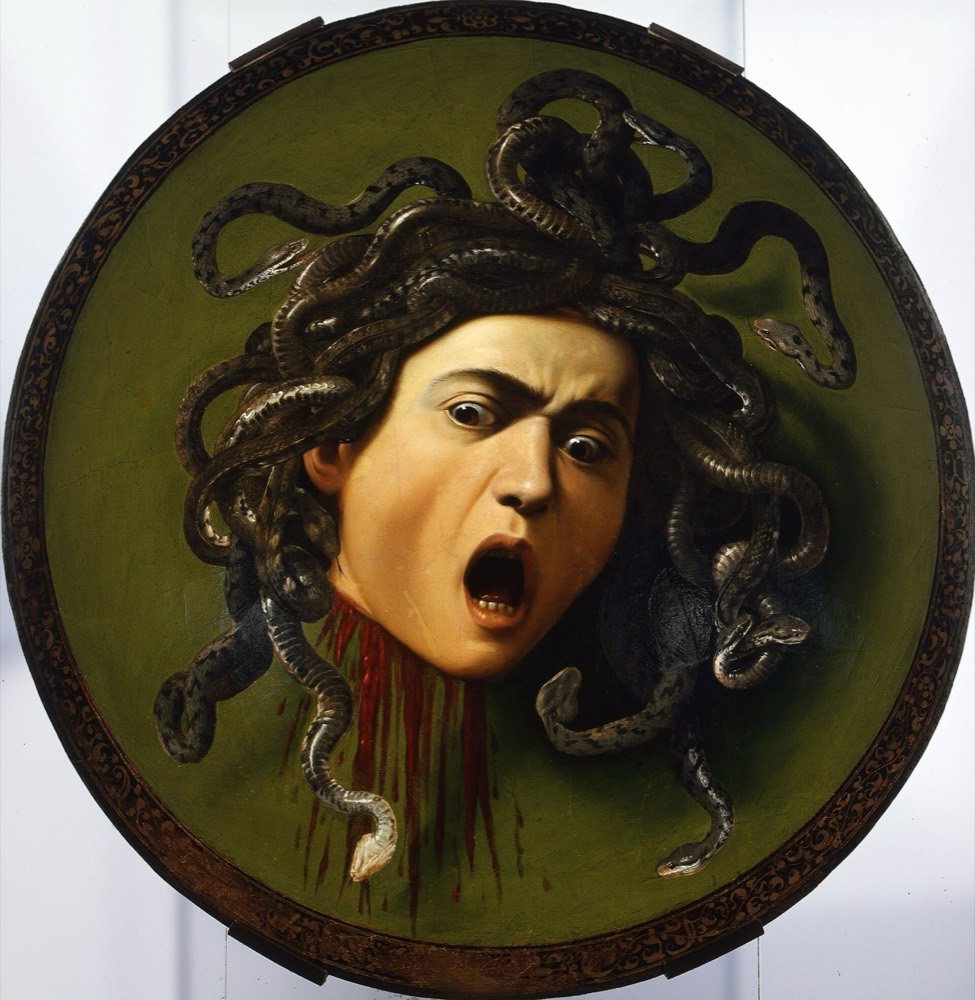
The only mortal of the three Gorgons, snake-haired, her gaze turning onlookers to stone. Beheaded by Perseus, her head was set on Athena's aegis.
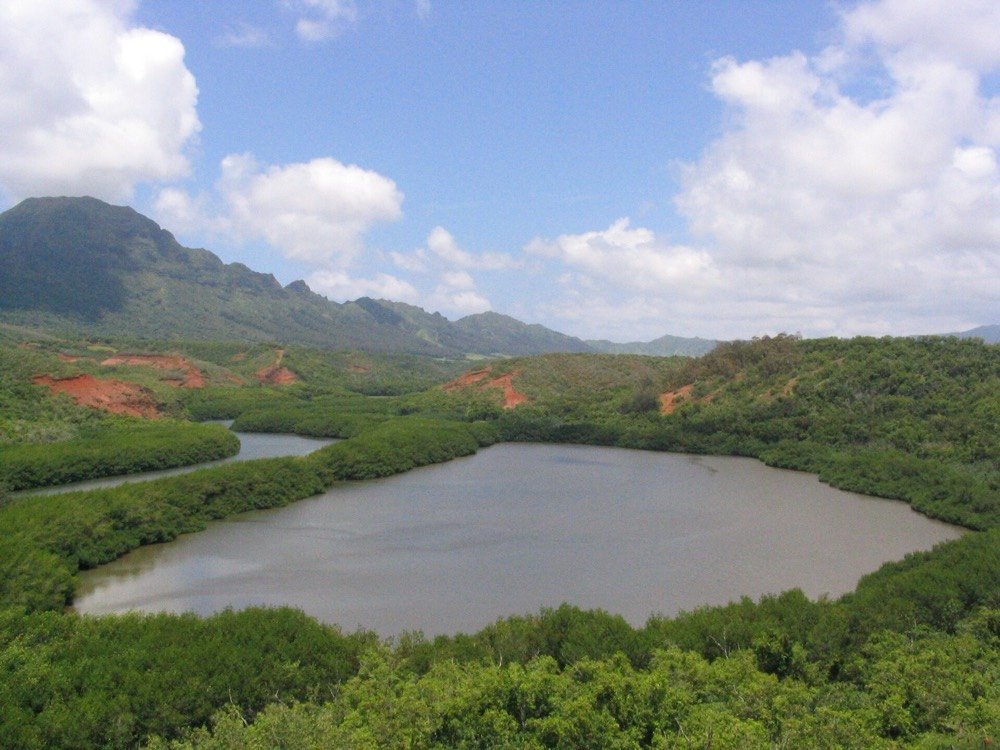
Menehune
Hawaii's legendary little people, who work only by night and abandon forever any job unfinished by dawn. Kauai's Alekoko fishpond and Kikiaola ditch are credited to them; their pay was one shrimp apiece.
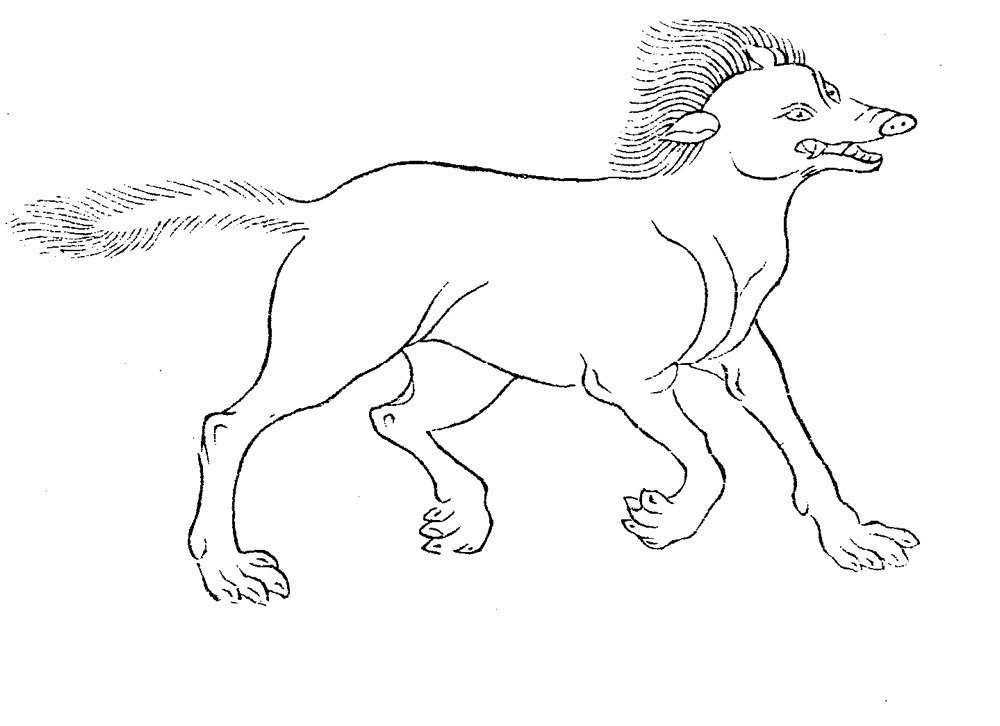
Menghuai
A protective beast of Qiaoming Mountain, shaped like a porcupine with scarlet bristles and a rolling 'liu-liu' cry. Keeping it, or its painted image, was believed to ward off evil.
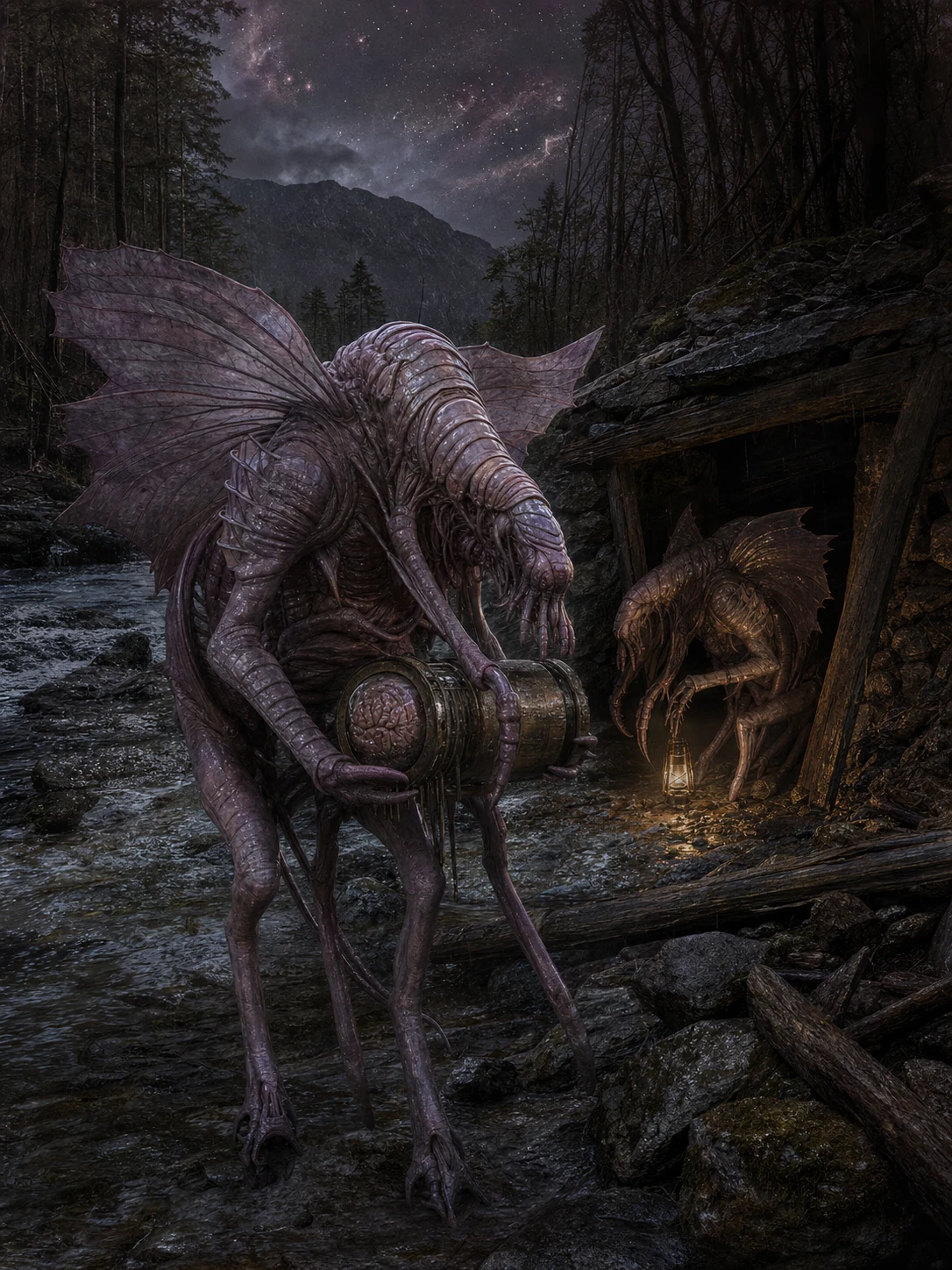
Mi-Go
Fungoid travelers from Yuggoth who mine Vermont’s hills and carry human brains between worlds in metal cylinders.
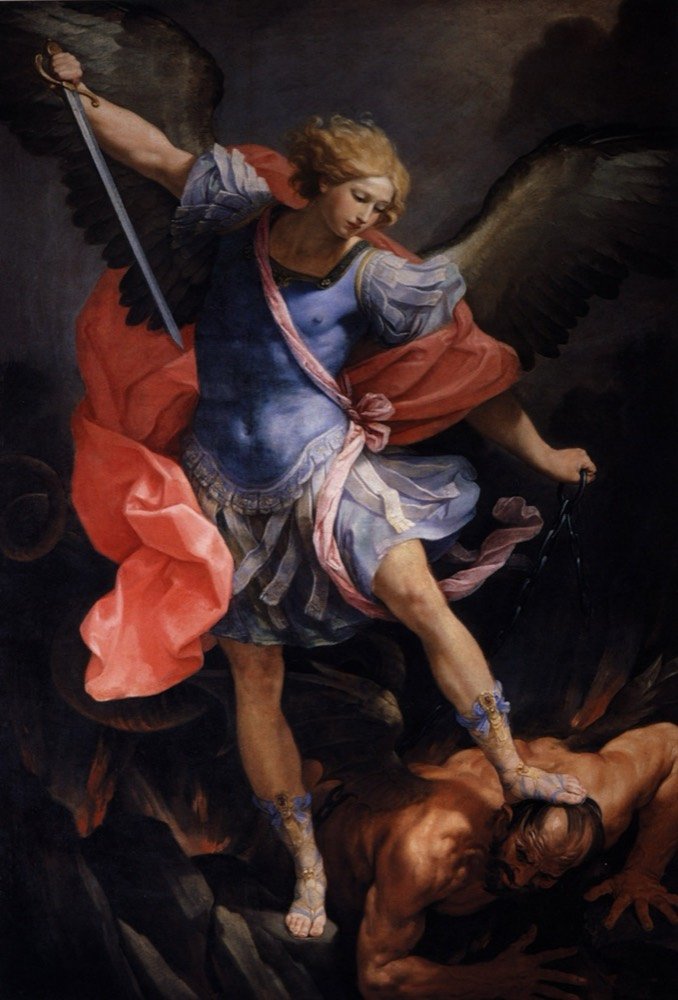
Michael
His name asks 'Who is like God?' Daniel calls him the great prince who protects Israel; in Revelation he leads the angels in war against the dragon and casts it down.
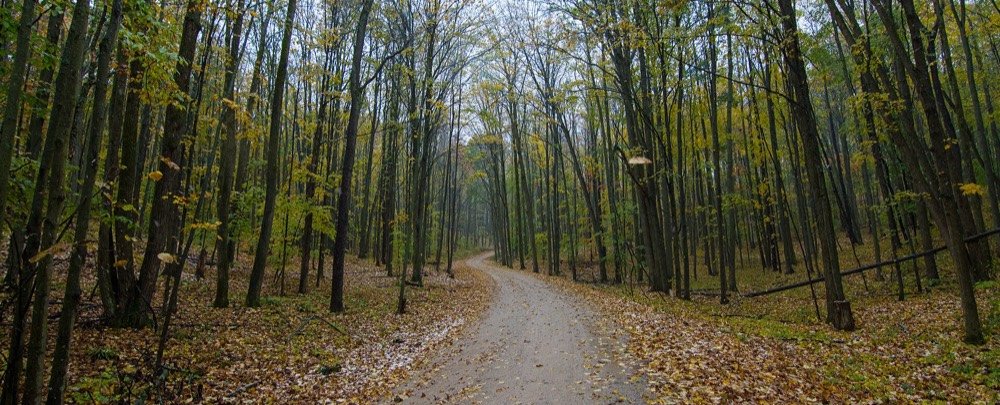
Michigan Dogman
A dog-headed biped of northern Michigan's forests with blue or amber eyes. Radio DJ Steve Cook's 1987 April Fools' song "The Legend" unexpectedly drew waves of callers reporting real encounters.
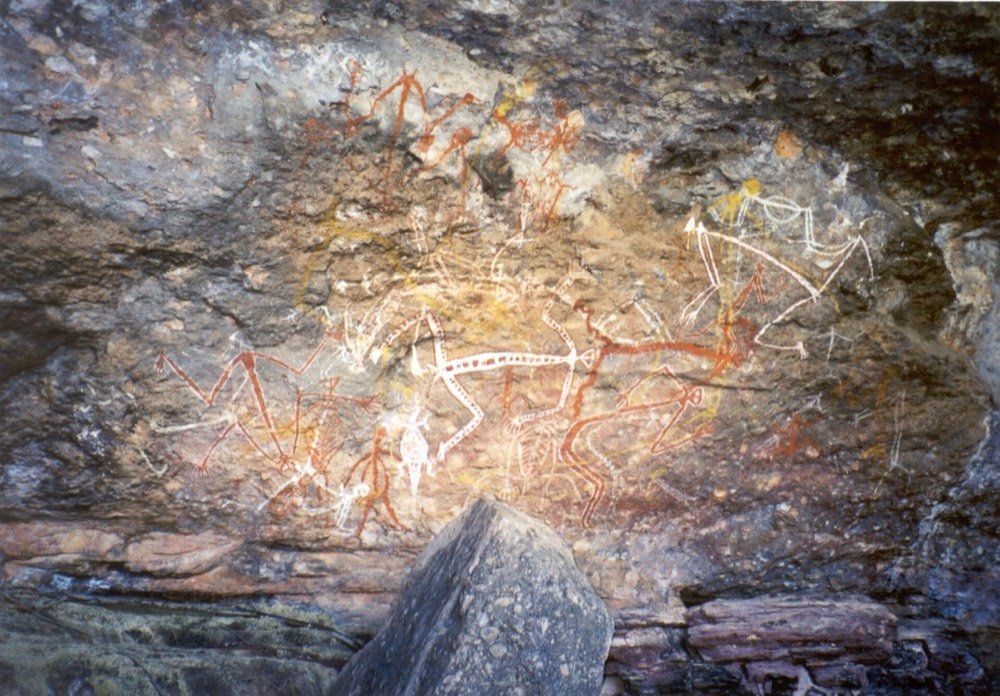
Mimih Spirits
Reed-thin spirits of the rock crevices in Bininj tradition of western Arnhem Land: they hunted and painted before humans arrived, and taught the first people fire, butchering, and painting. Playful, and quick to take offence.
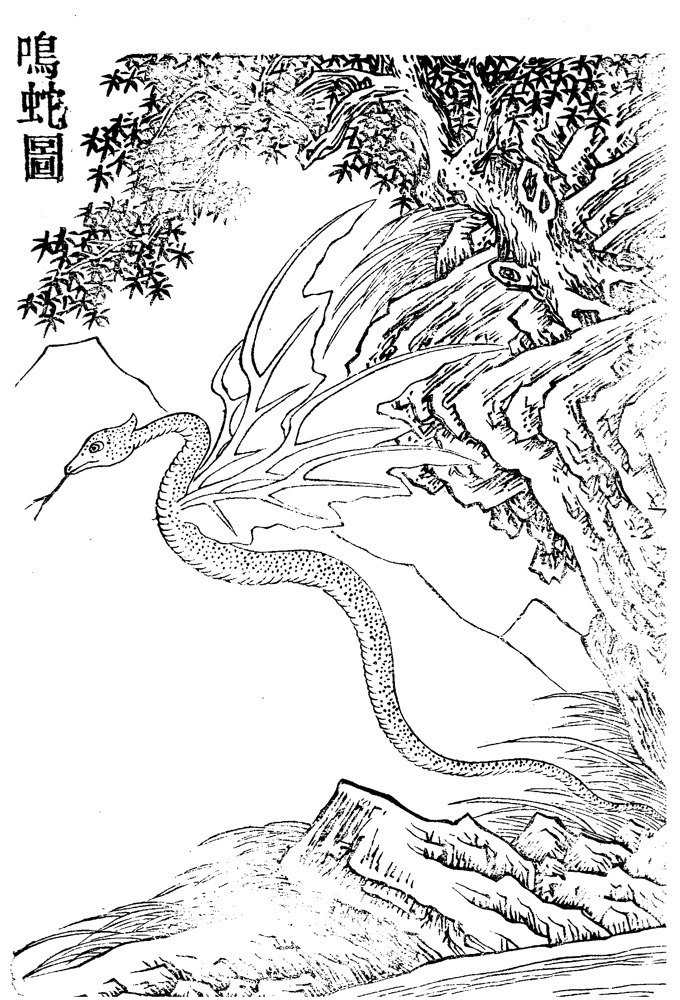
Mingshe
A serpent of Mount Xian's waters with four wings and a call like a struck stone chime; wherever it appears, that town will suffer drought — counterpart to the flood-bringing Huashe.
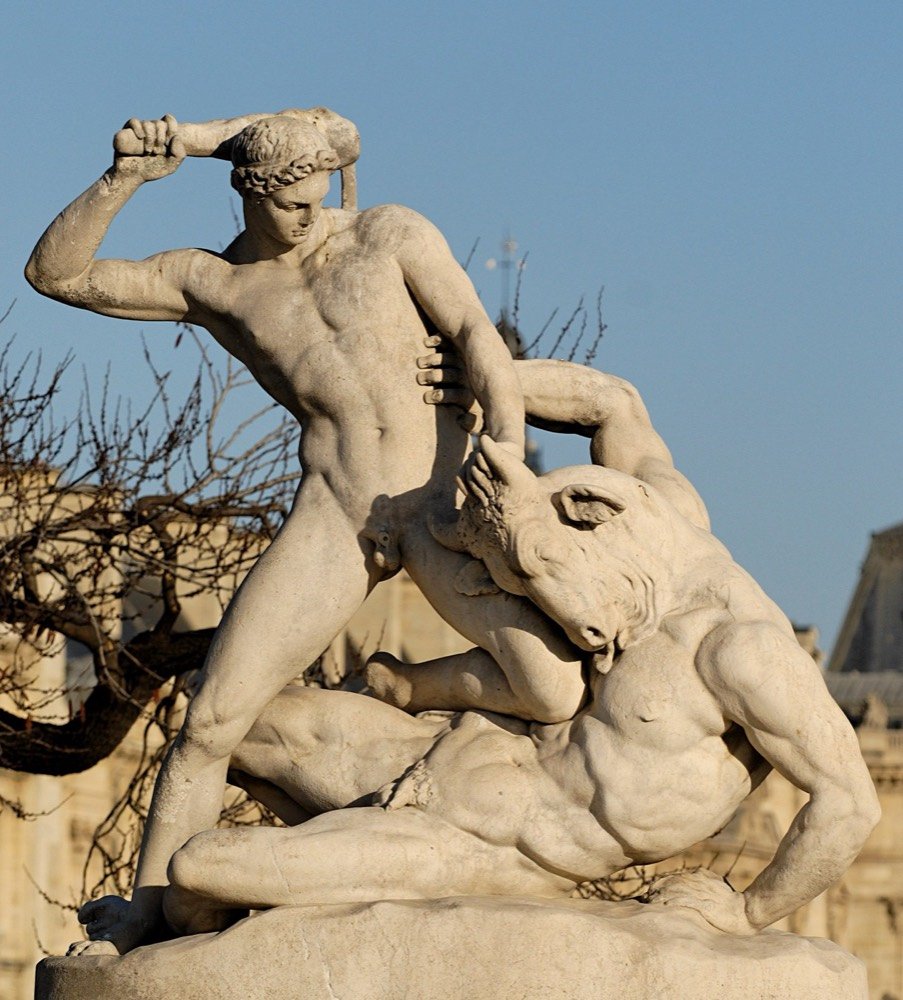
Minotaur
A monster with a man's body and a bull's head, confined in Daedalus's Labyrinth on Crete and fed on Athenian tribute-youths, until Theseus killed it.
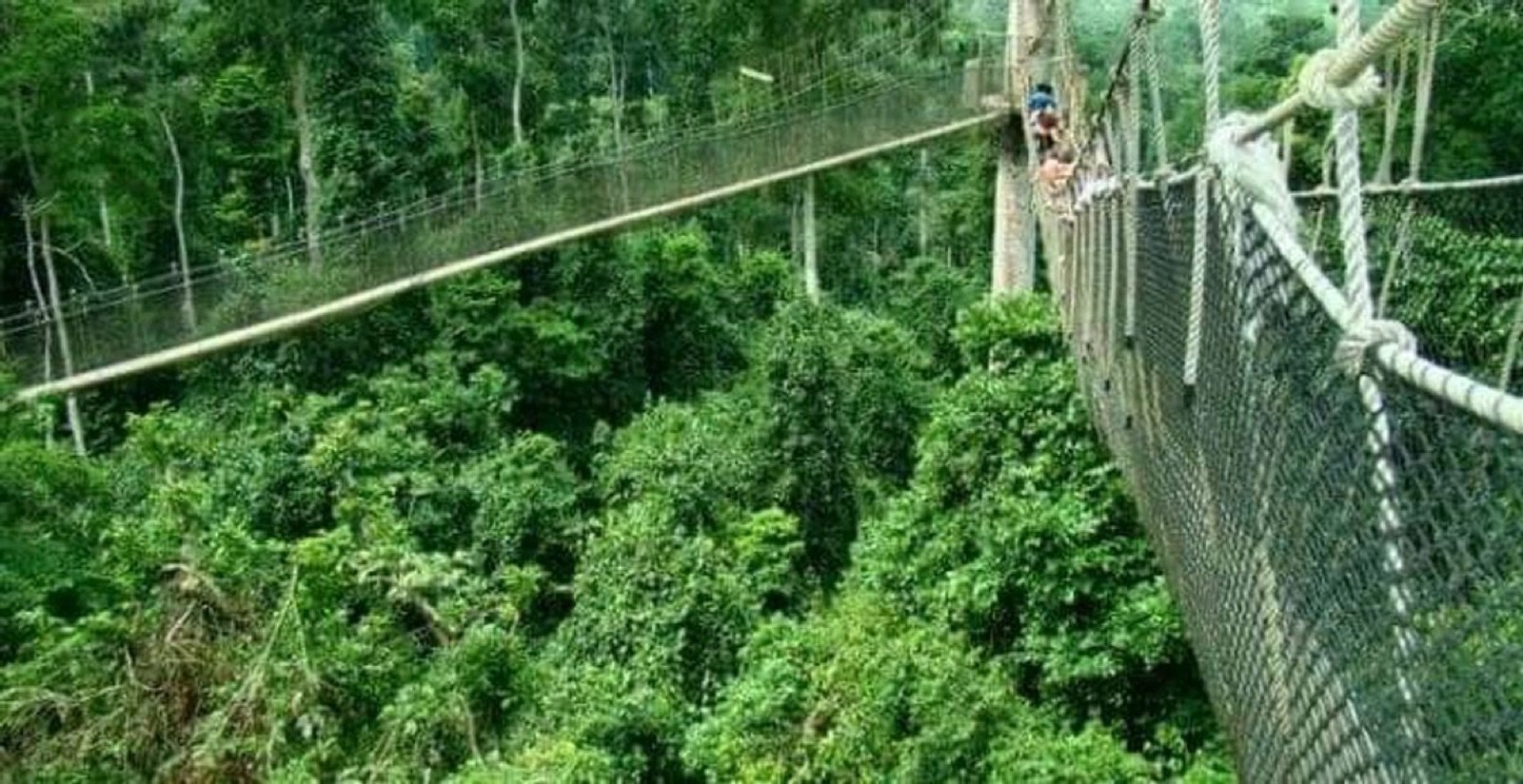
Mmoatia
Small forest beings with reversed feet who teach medicine or guide an intruder away from every path.
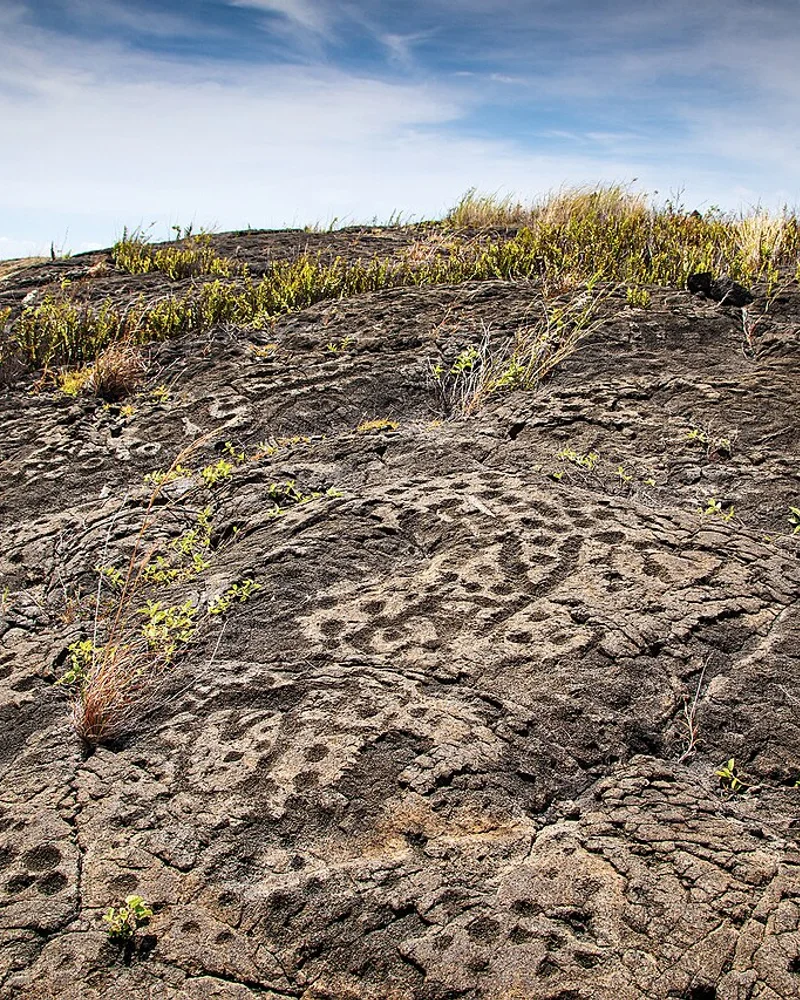
Moʻo
Hawaiian lizard or dragon spirits that guard freshwater ponds and fishponds. They can appear as beautiful women or as great reptiles — dangerous if disrespected.
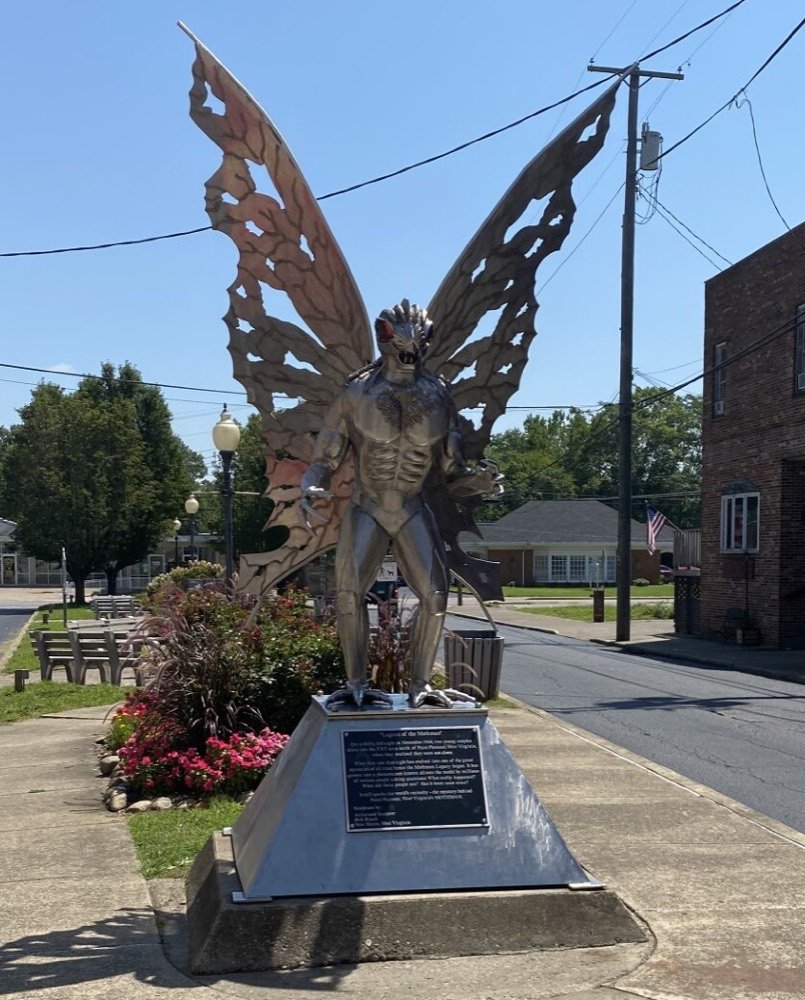
Mothman
A winged humanoid with glowing red eyes reported around Point Pleasant, West Virginia in 1966-67; after the Silver Bridge collapse of December 1967 it became tied to omens of disaster.
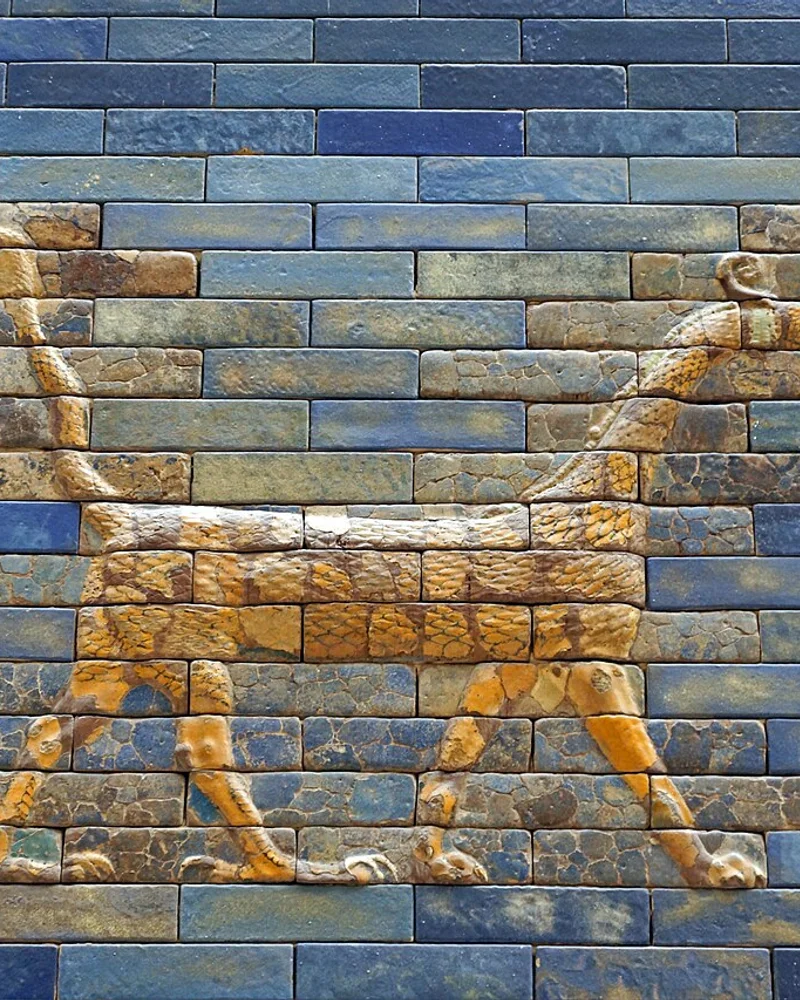
Mušḫuššu
The snaked-headed dragon of Marduk, later emblem of Babylon — horns, lion forelegs, and bird hind talons.

Naga
Half-human, half-cobra beings dwelling in the jewel-lit underworld. Shesha the thousand-headed bears Vishnu and the earth; Vasuki served as the churning rope; Takshaka's vengeance sparked the great snake sacrifice.
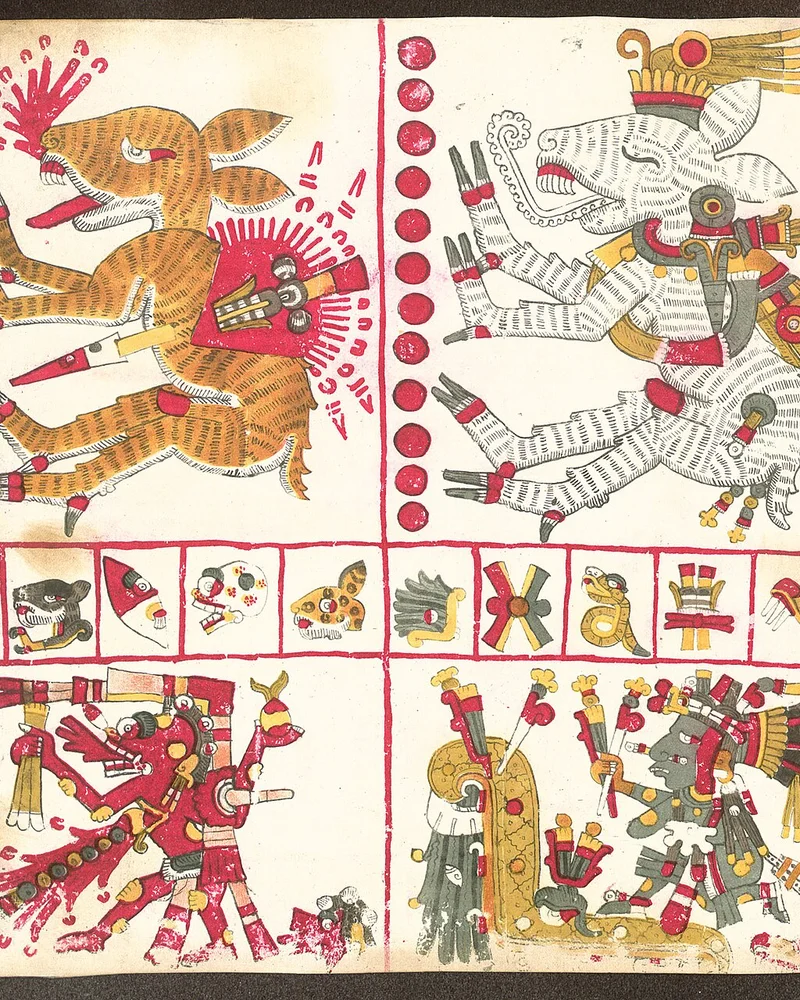
Nagual
A shapeshifting sorcerer or spirit animal from Mesoamerican belief systems. Each person is believed to have a nagual spirit that shares their soul, typically in animal form. Powerful naguals can transform into jaguars, eagles, or other creatures, and shamans use this ability to travel between worlds, heal the sick, or curse enemies.
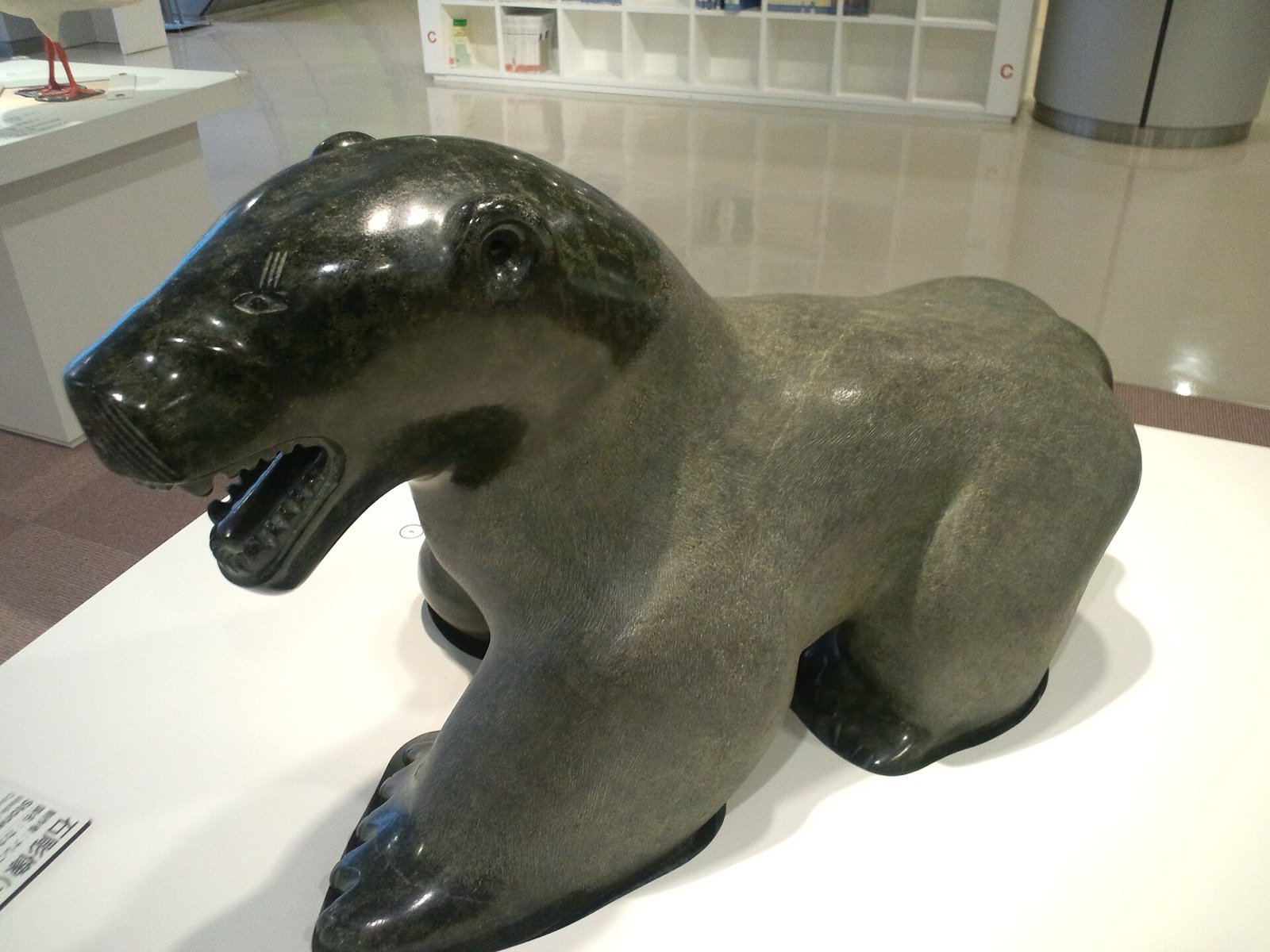
Nanuq
Polar bear and master of bears, approached through a hunter’s exact obligations to the slain animal.
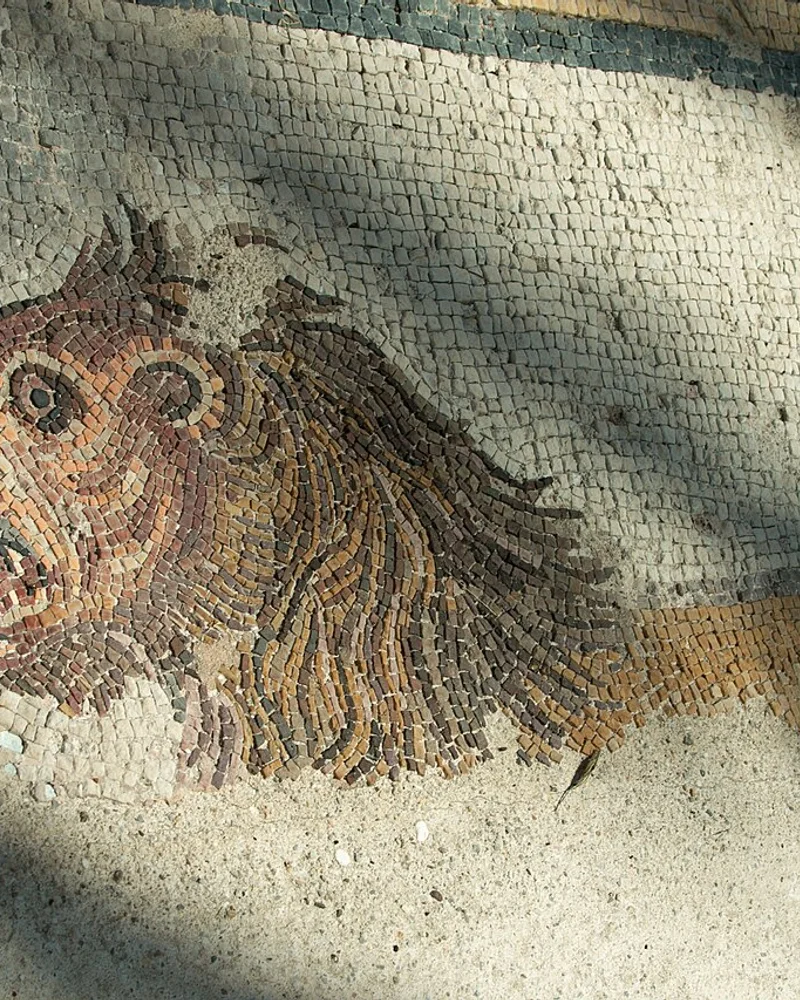
Nemean Lion
The lion of Nemea whose hide no weapon could pierce. Killing it was the first of Heracles' labours: when his arrows glanced off, he trapped it in its cave and strangled it, and its skin became his emblem.
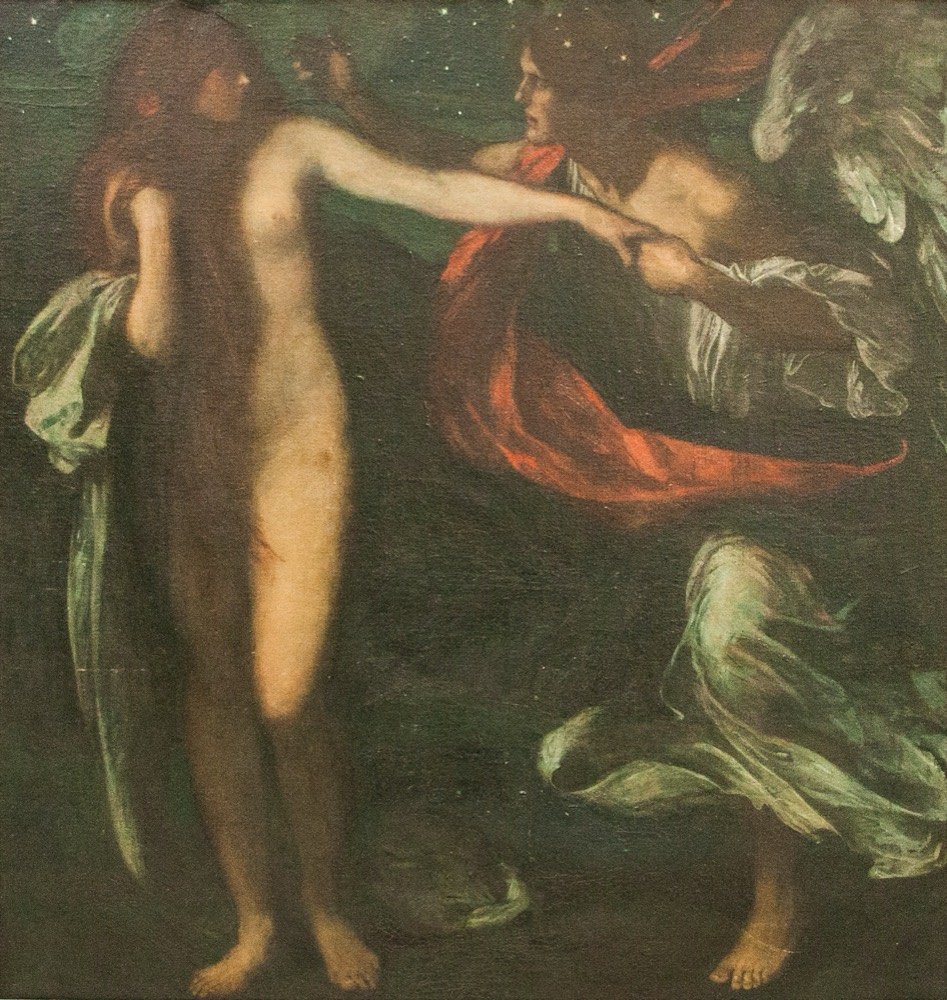
Nephilim
Giants born of the 'sons of God' and the daughters of men in Genesis, 'the mighty men of old, men of renown.' In 1 Enoch they are offspring of the fallen Watchers, a cause of the Flood.
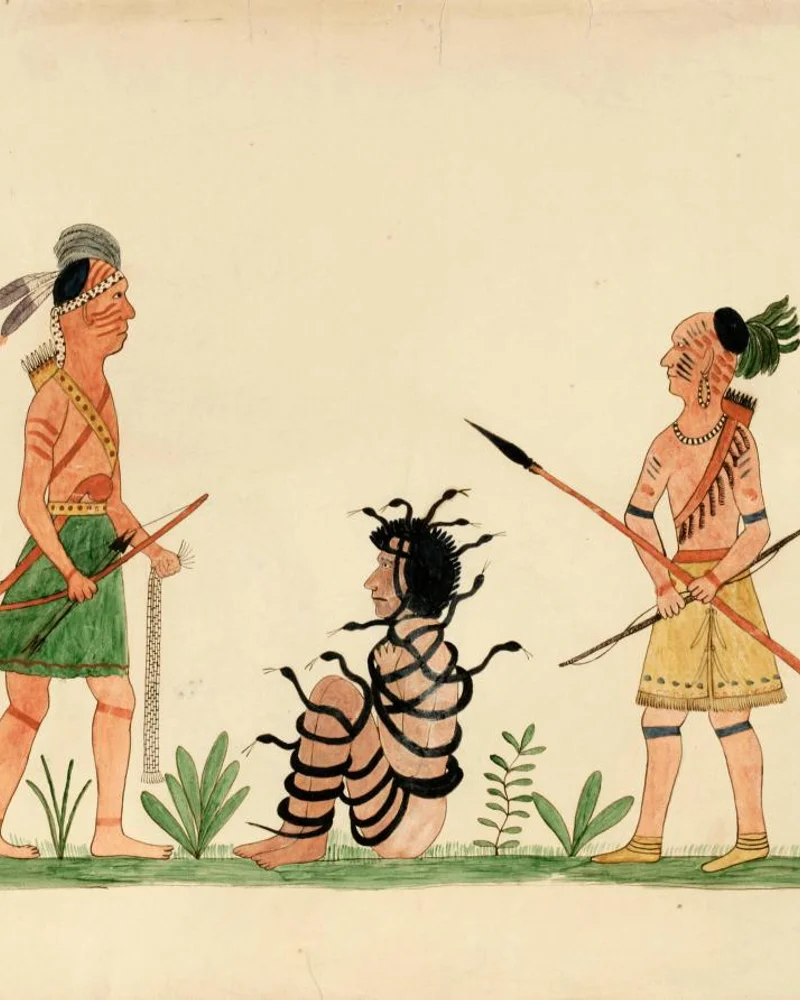
Nia'gwahe, the Monster Bear
The most feared of the magic beasts of Seneca tradition, a gigantic bear that challenges people to race for their lives and can be killed only by striking a hidden spot on the sole of its foot.
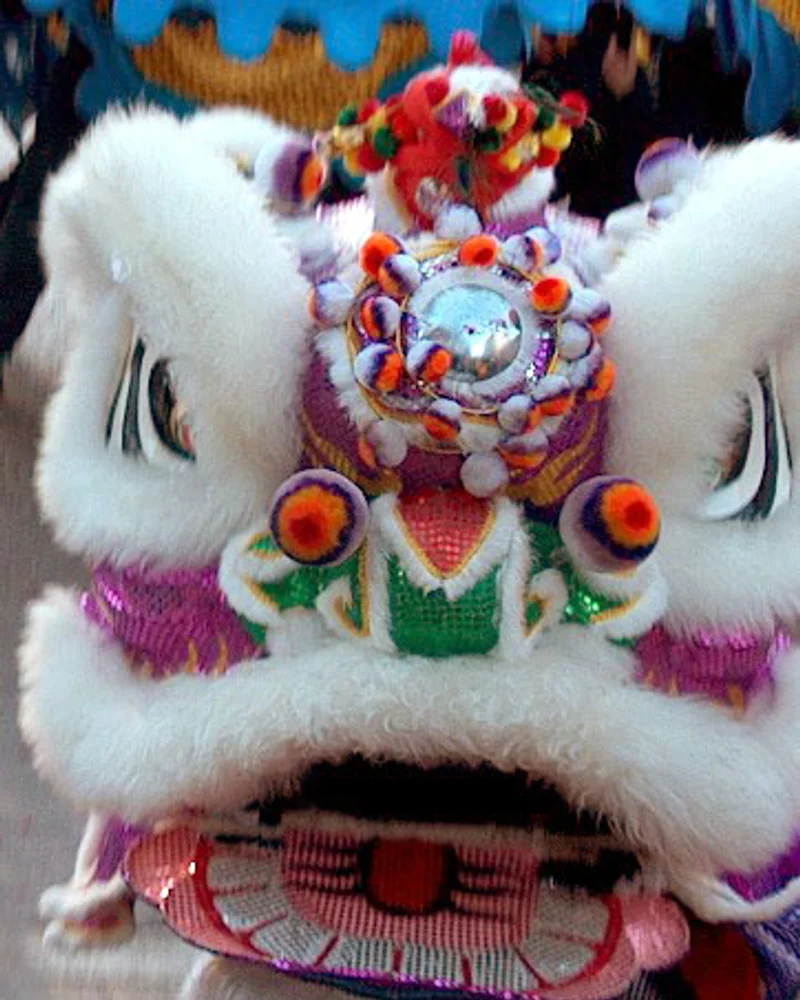
Nian
A mountain and sea beast that once terrorized villages at the turn of the year. Driven off by loud noise, fire, and the color red — the origin of Lunar New Year customs.
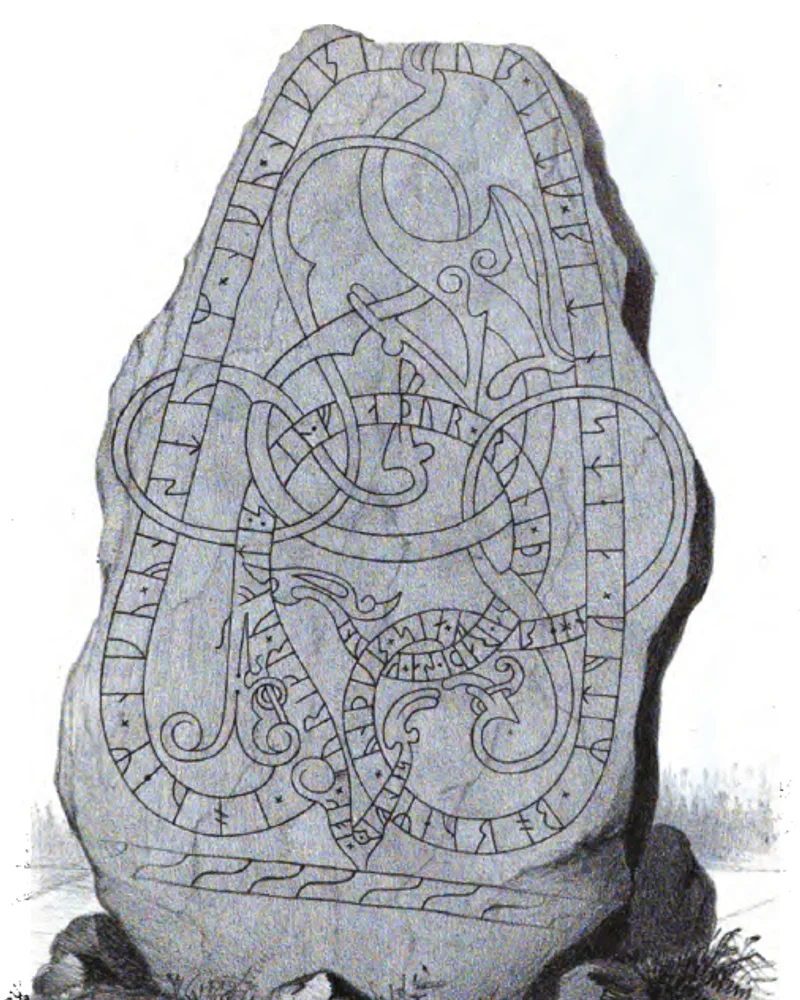
Nidhogg
A dragon that gnaws at the roots of Yggdrasil, the World Tree. It feeds on the corpses of the dishonorable dead and represents destruction and decay in the cosmic order.
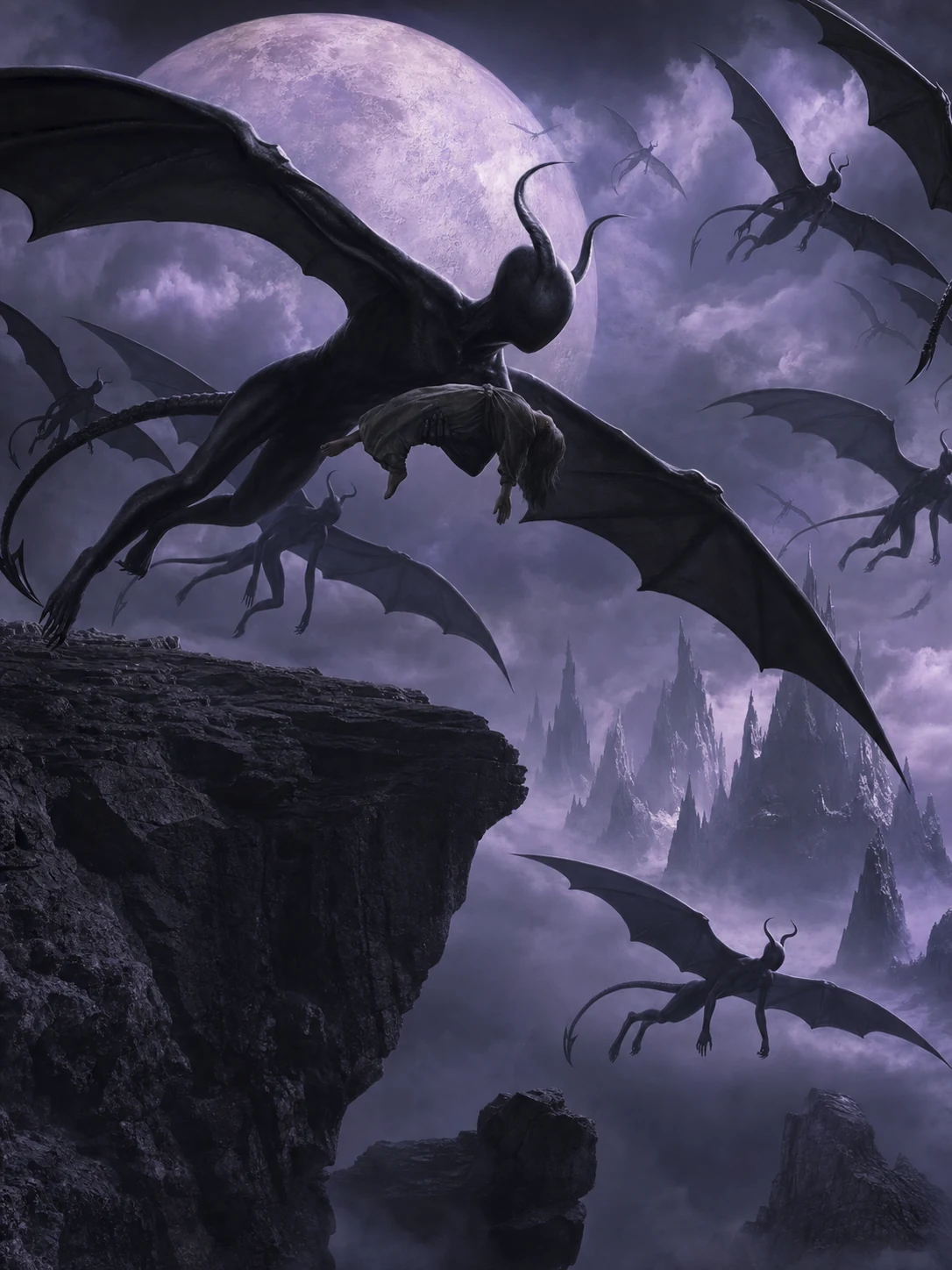
Night-Gaunts
Faceless horned fliers of Dreamland who seize travelers with barbed tails, terrifying as captors and invaluable as allies.
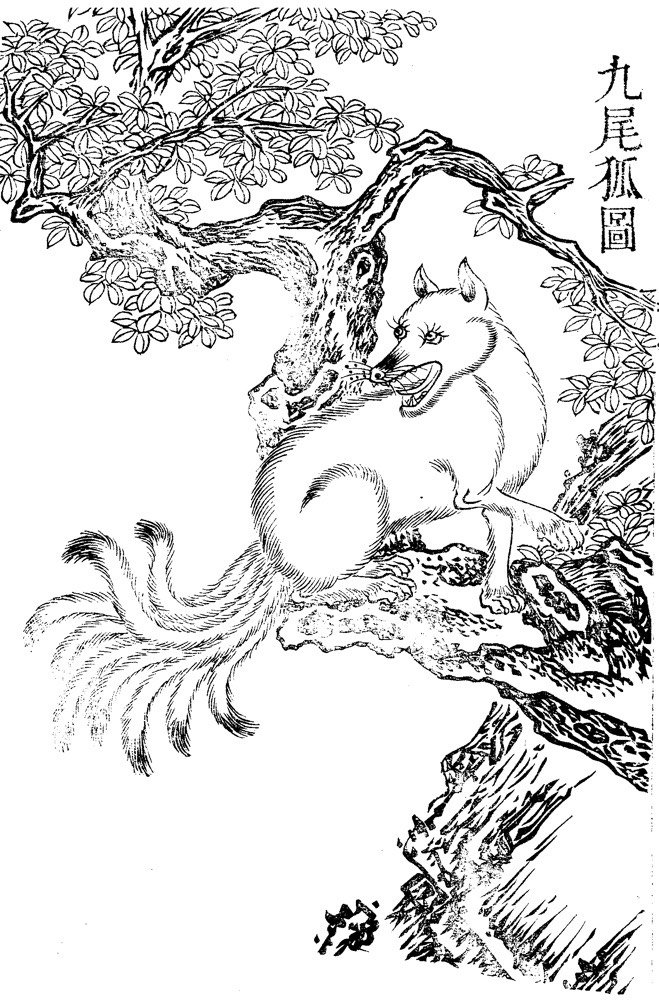
Nine-Tailed Fox
A fox with nine tails from Mount Qingqiu whose cry sounds like a wailing infant; it eats people, yet its flesh wards off gu sorcery. Later ages recast it from royal omen to bewitching temptress.
Ninki Nanka
A dragon-like creature from West African folklore, particularly among the Mandinka people of the Gambia. It dwells in the swamps and waterways, described as having the body of a crocodile, the neck of a giraffe, and a head adorned with three horns. Merely seeing this creature is said to cause death within weeks.
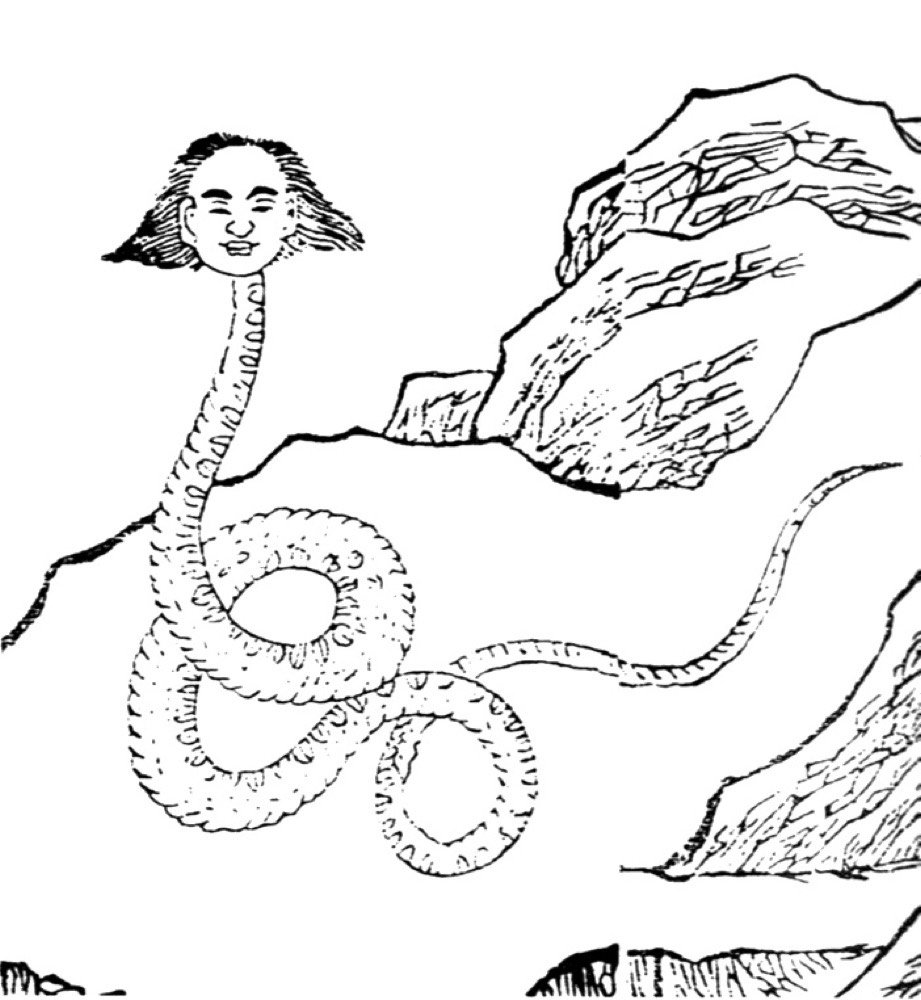
Nüwa's Entrails
Ten gods lying athwart the road on the plain of Liguang, transformed from the entrails of Nüwa — the only mention of Nüwa in the entire Classic of Mountains and Seas.
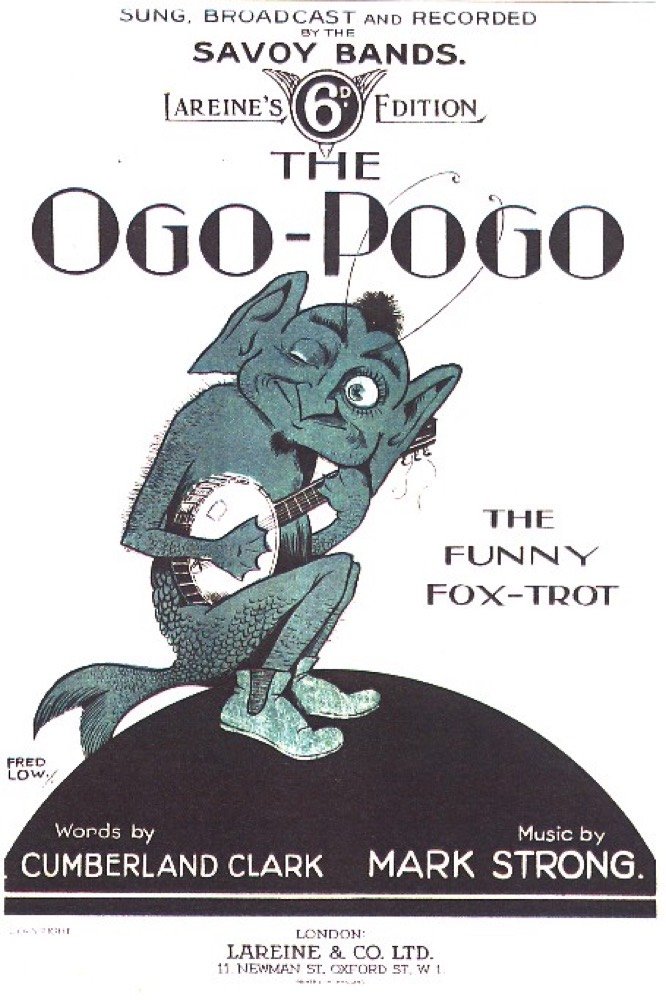
Ogopogo
A giant lake serpent of Okanagan Lake, British Columbia, showing dark humps above the surface. It descends from N'ha-a-itk, the sacred lake spirit of the Syilx people; the name "Ogopogo" dates to 1926.
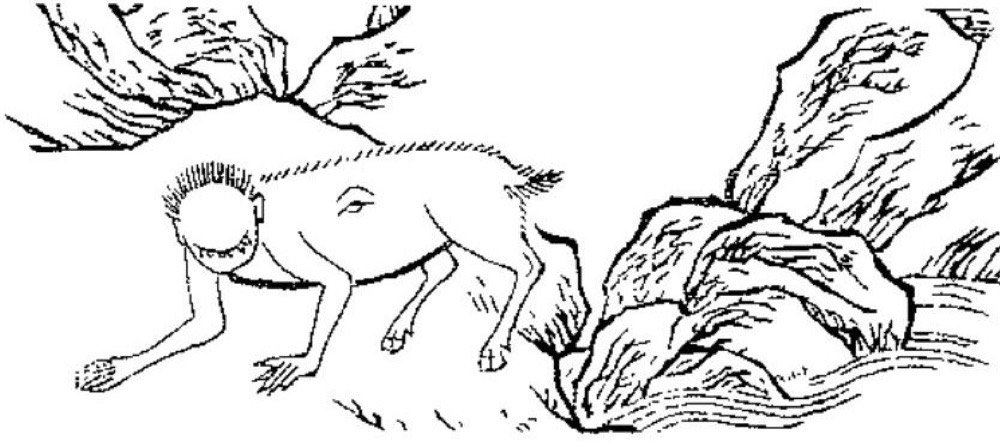
Paoxiao
A man-eater of Gouwu Mountain: goat's body, human face, eyes set in its armpits, tiger's teeth and human hands, crying like an infant. Guo Pu's commentary identifies it as the taotie.
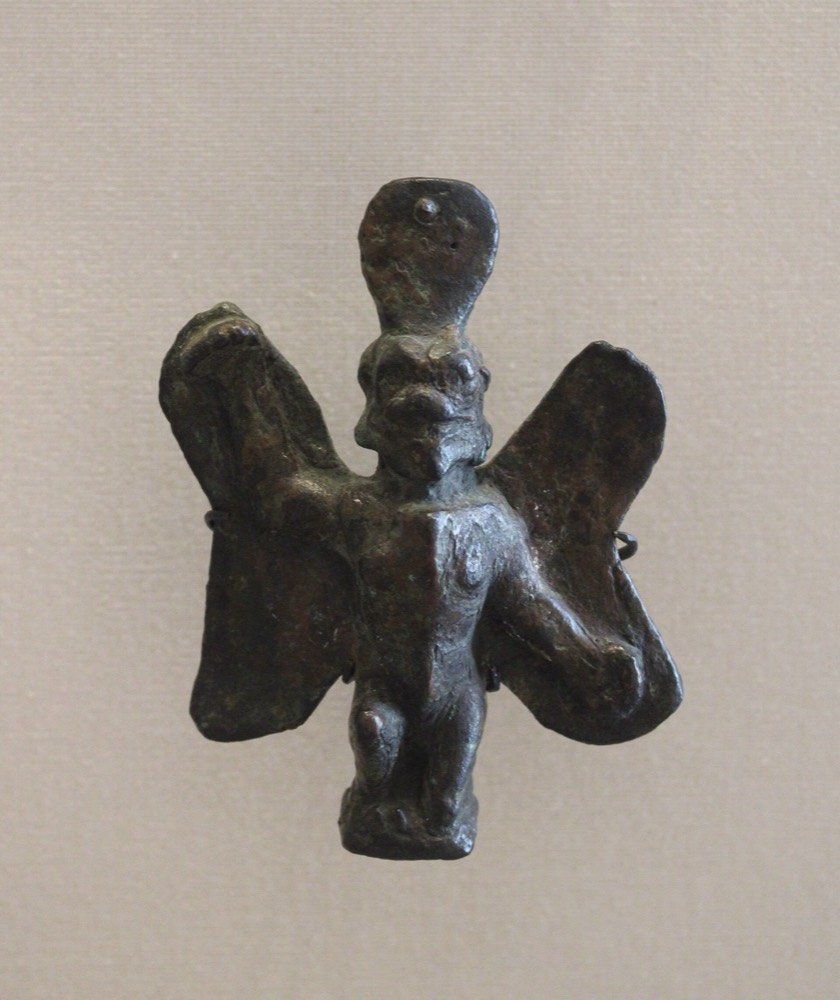
Pazuzu
Four-winged, scorpion-tailed king of the wind demons, son of Hanbi. His fearsome image was worn as an amulet to repel the child-snatching demoness Lamashtu; The Exorcist made him a modern horror icon.
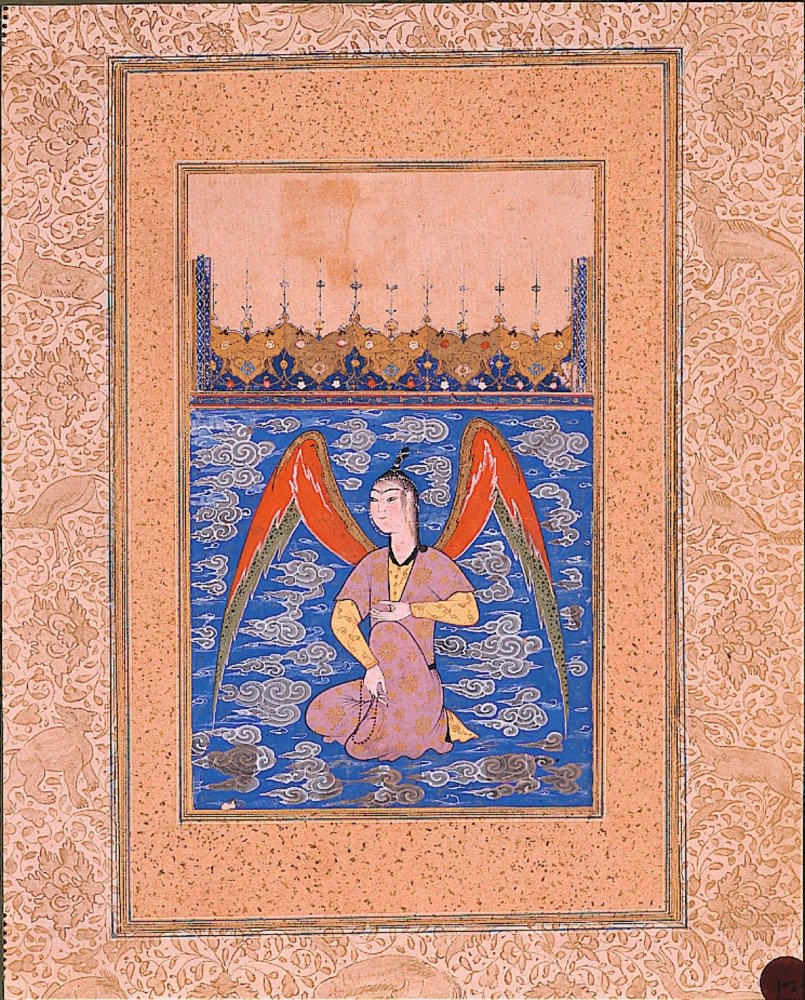
Peri
The beautiful winged spirits of Persian lore, descended from the sorcerous pairikas of the Avesta. Later tales have them living on fragrance, caged by divs, a byword for beauty.
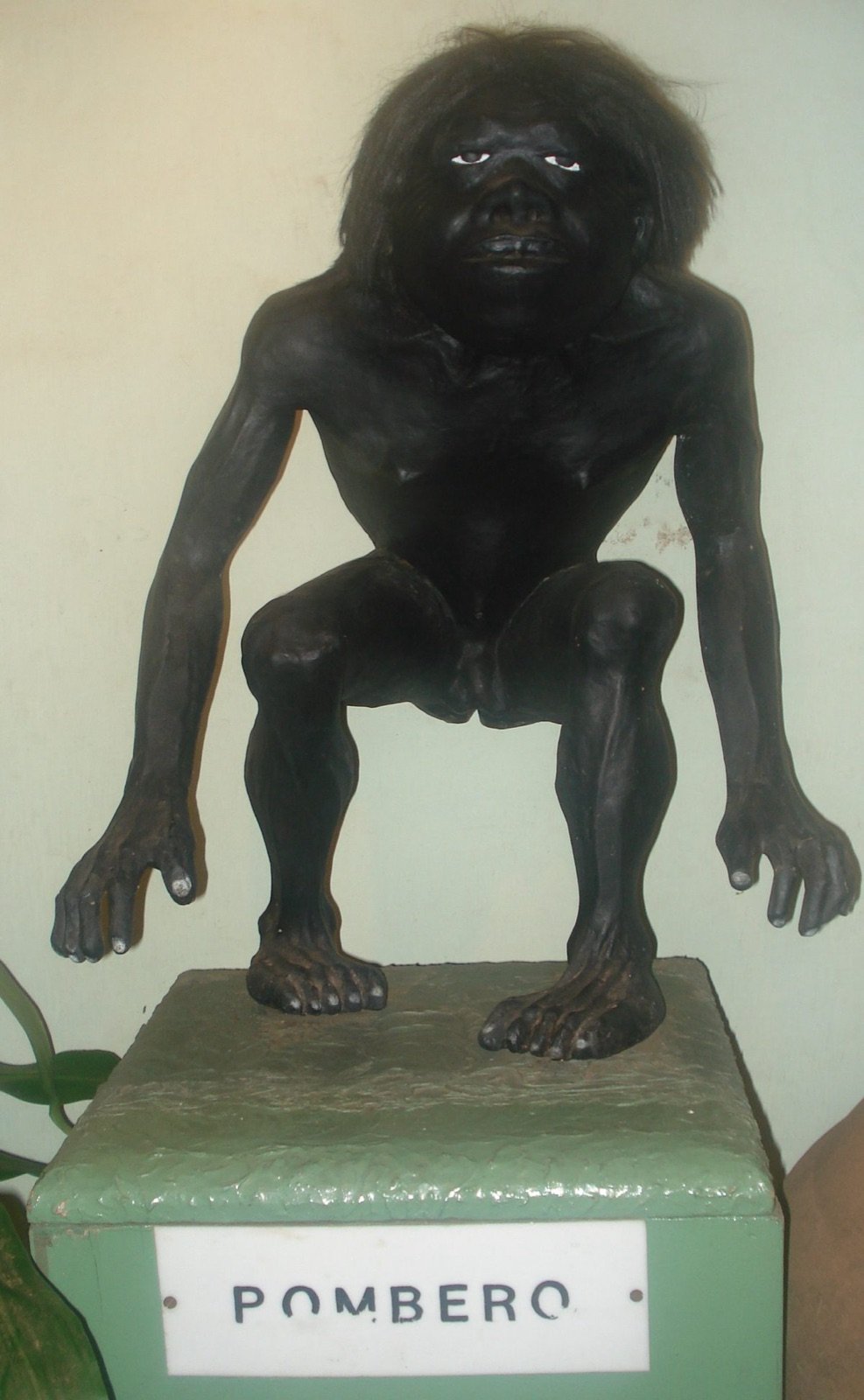
Pombero
A nocturnal rural spirit who guards birds and troubles households, appeased with tobacco and cane liquor.

Popobawa
A fearsome shapeshifting spirit from Zanzibar and the Swahili coast whose name means 'bat wing' in Swahili. It attacks people in their homes at night, particularly targeting skeptics who deny its existence. Victims are compelled to tell others of their encounter, spreading terror through communities.
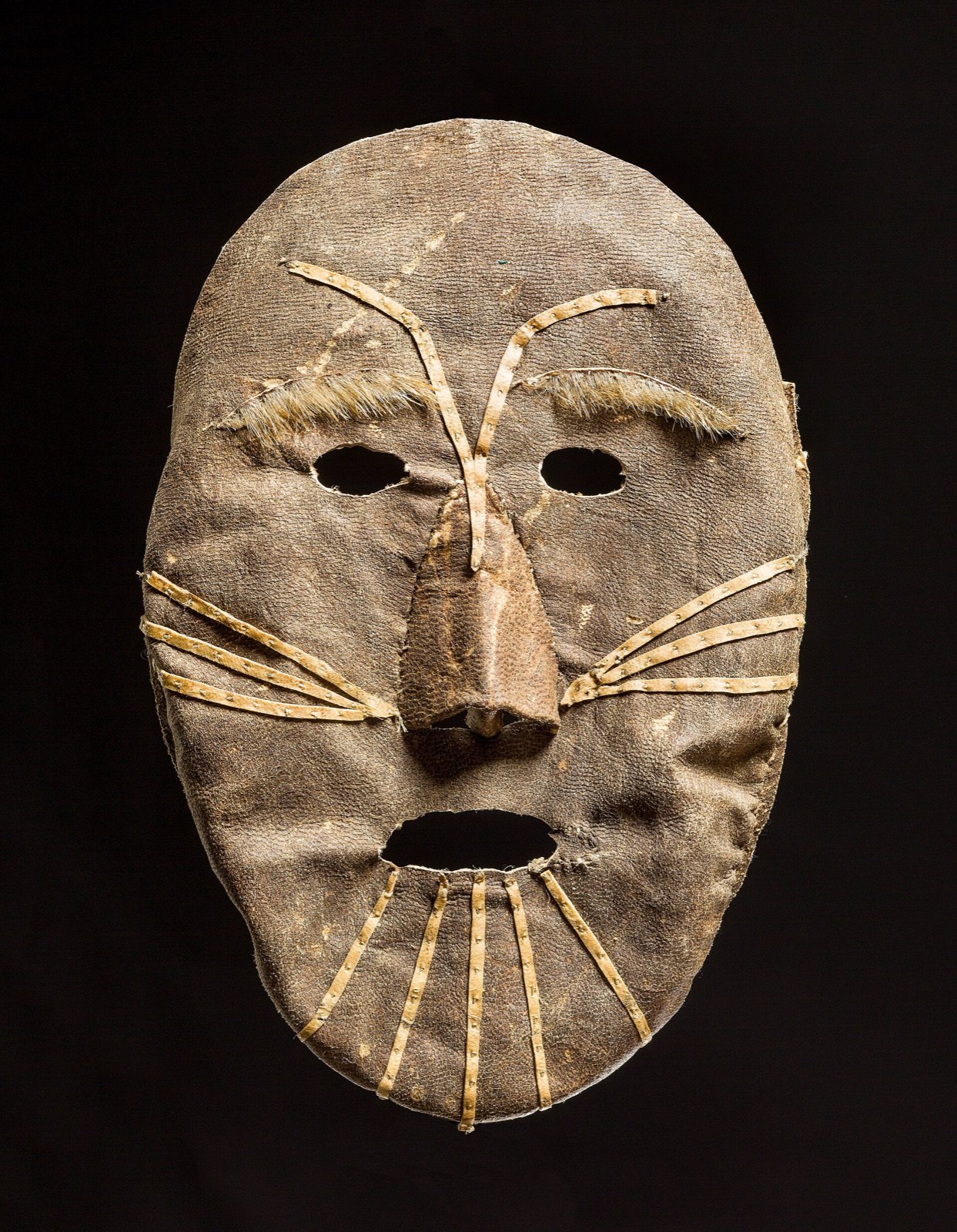
Qallupilluit
Water beings beneath broken ice who carry away children wandering too close to open sea.

Qalupalik
A human-like being with green skin and long hair who lives in the sea and snatches children who wander too close to the edge of the ice, carrying them away in the amauti (hood) on her back.
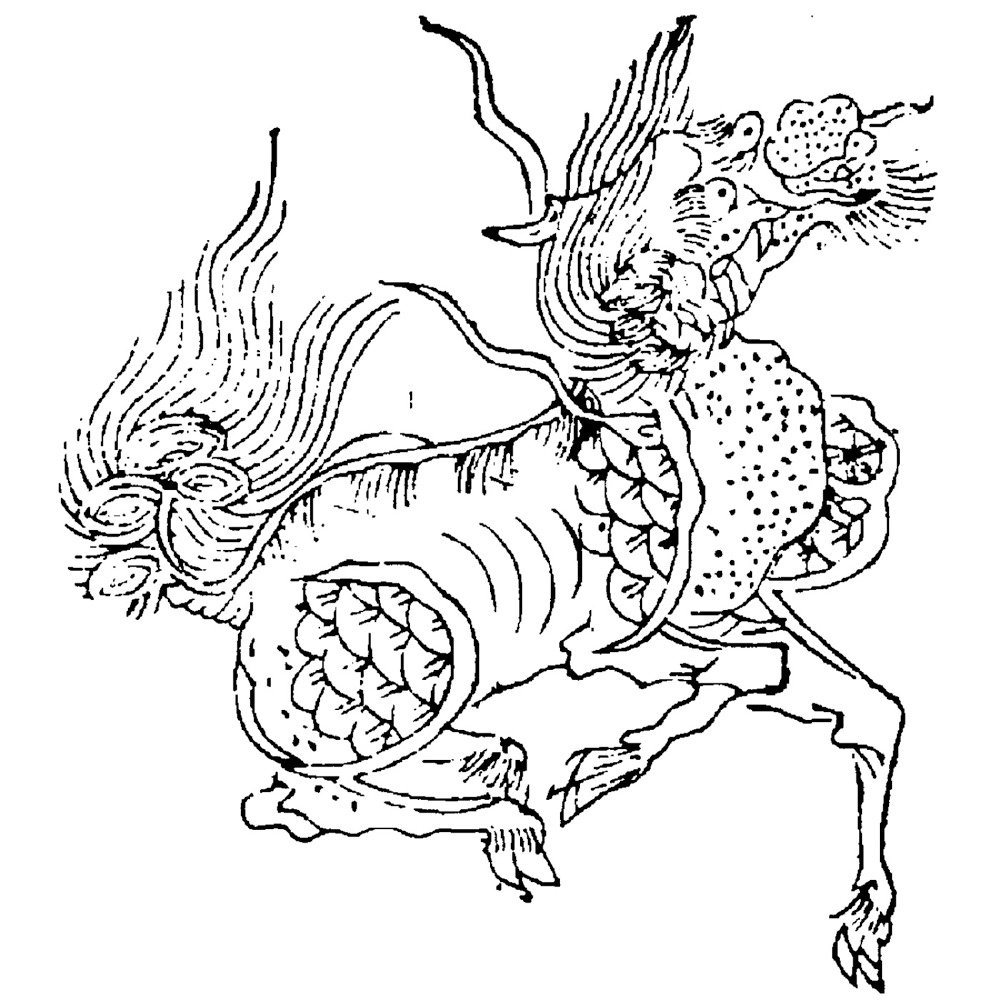
Qilin
A one-horned beast with a deer's body and ox's tail that steps on no living grass and appears only under sage rulers; word that a lin had been caught made Confucius lay down his brush.
Qinglong
The Azure Dragon of the East, one of the Four Symbols guarding the cardinal directions. Associated with spring, wood, and the rising sun.
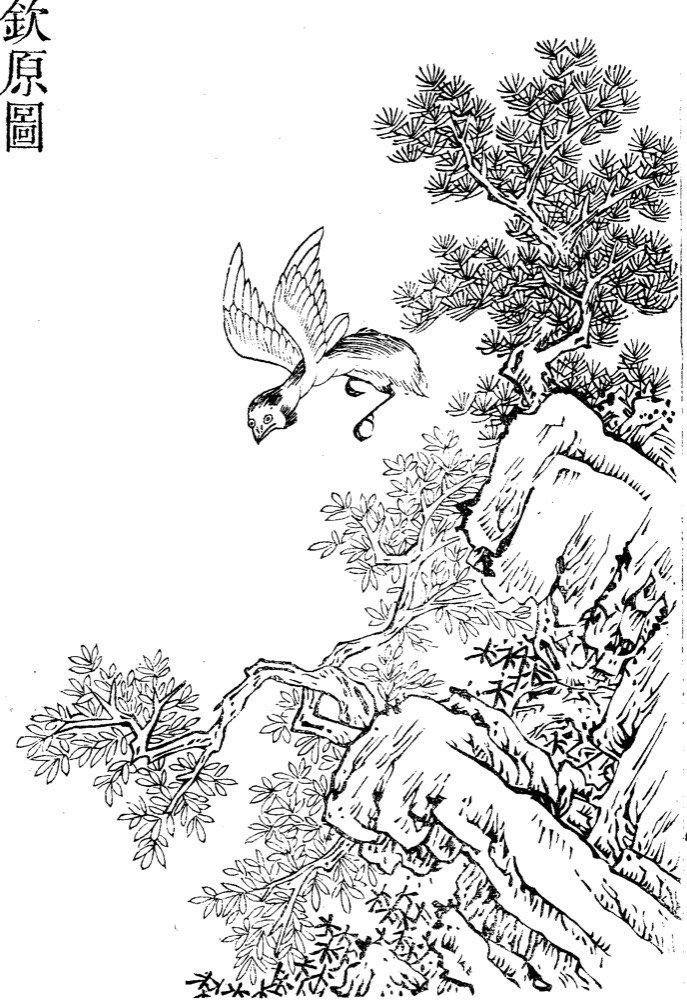
Qinyuan
A venomous bird of Kunlun, wasp-shaped but the size of a mandarin duck; birds and beasts it stings die outright, and trees it stings wither.
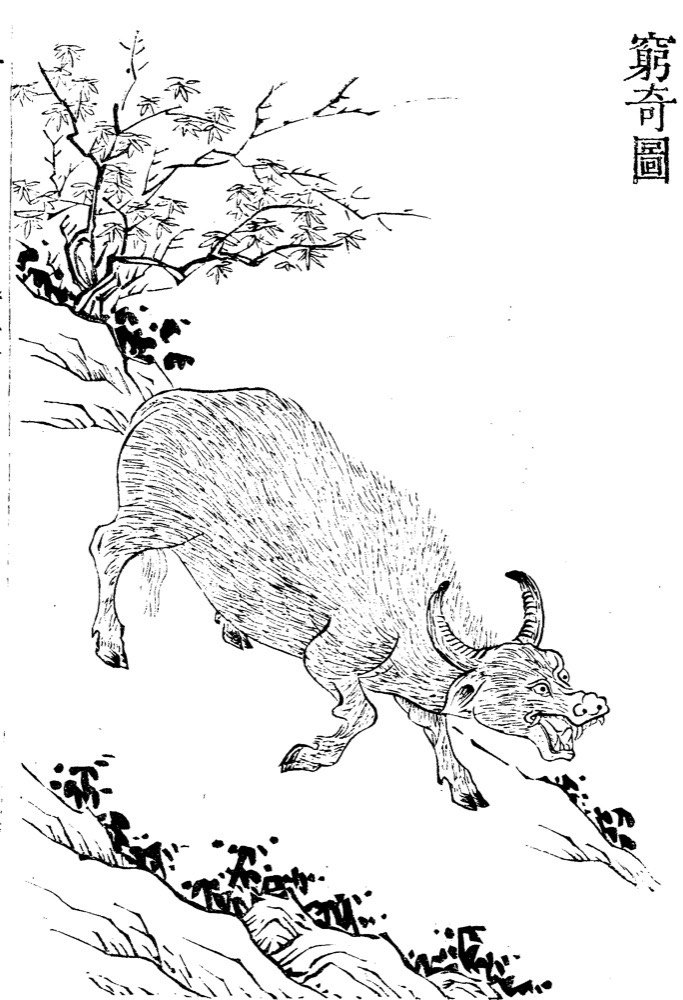
Qiongqi
A man-eating beast of Mount Gui, ox-like with porcupine bristles; later counted among the Four Fiends, said to devour the loyal and reward the wicked.
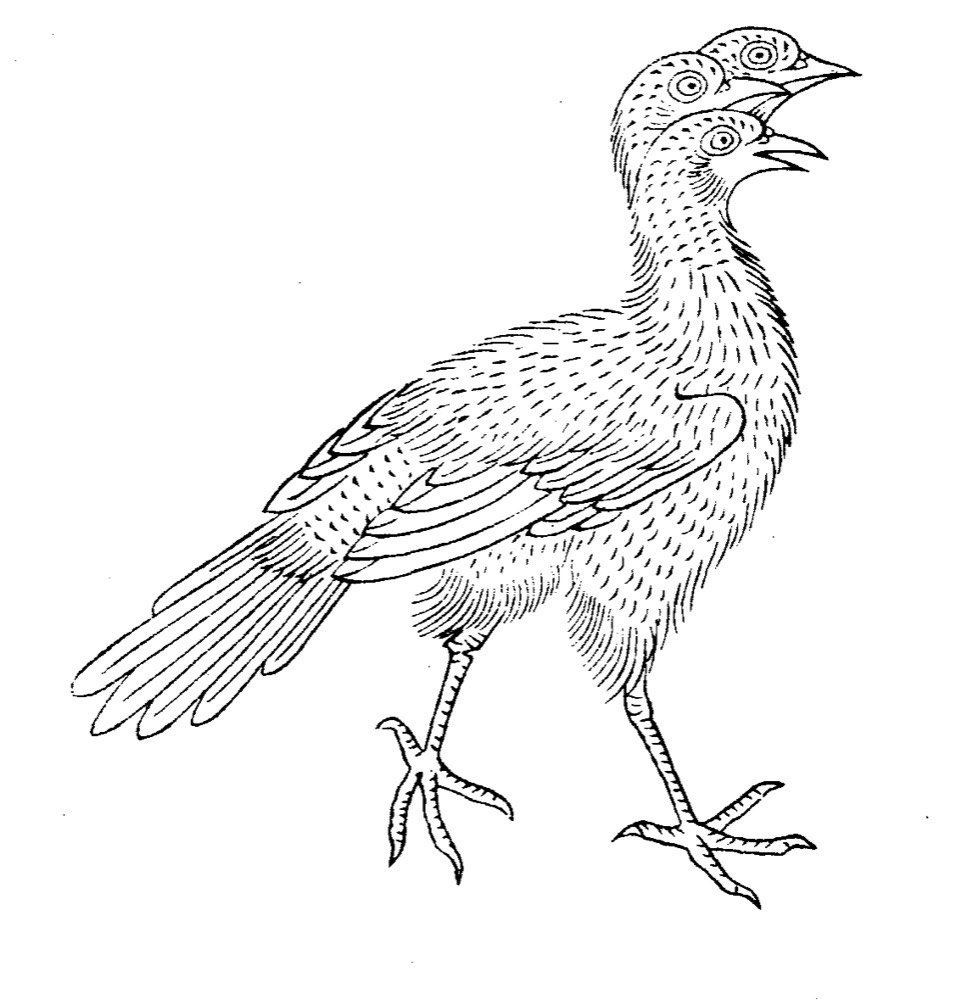
Qitu
A bird of Mount Yiwang like a crow with three heads and six tails, given to laughter; worn on the body it keeps nightmares away and wards off evil.
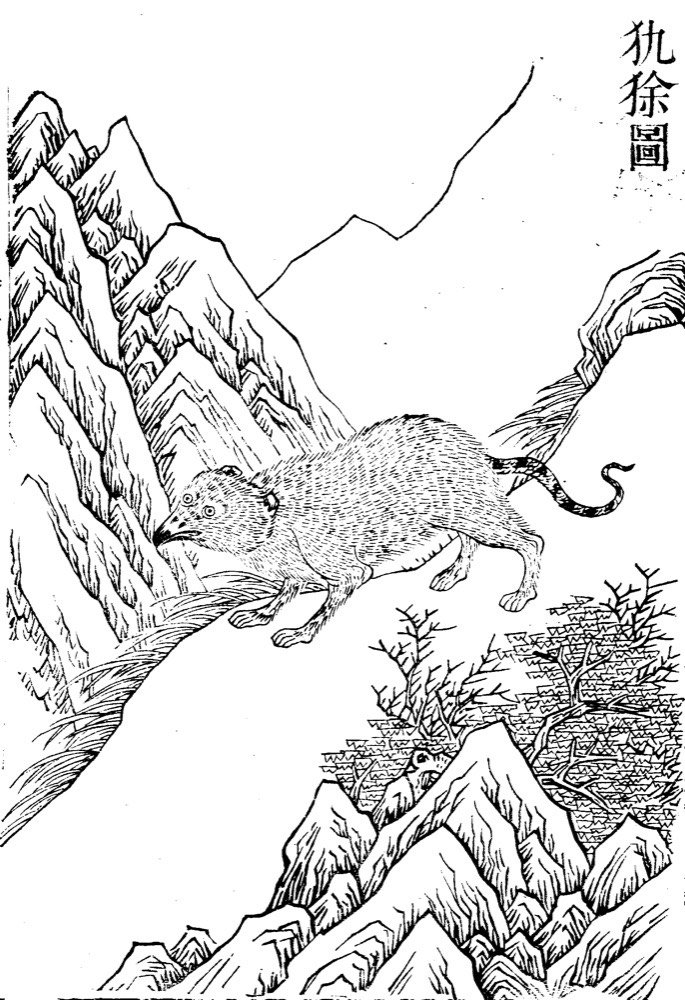
Qiuyu
A beast of Yu'e Mountain: hare's body, bird's beak, owl's eyes, snake's tail, playing dead at the sight of people. Its appearance heralds locust plagues. Two millennia later the name was borrowed for the armadillo.
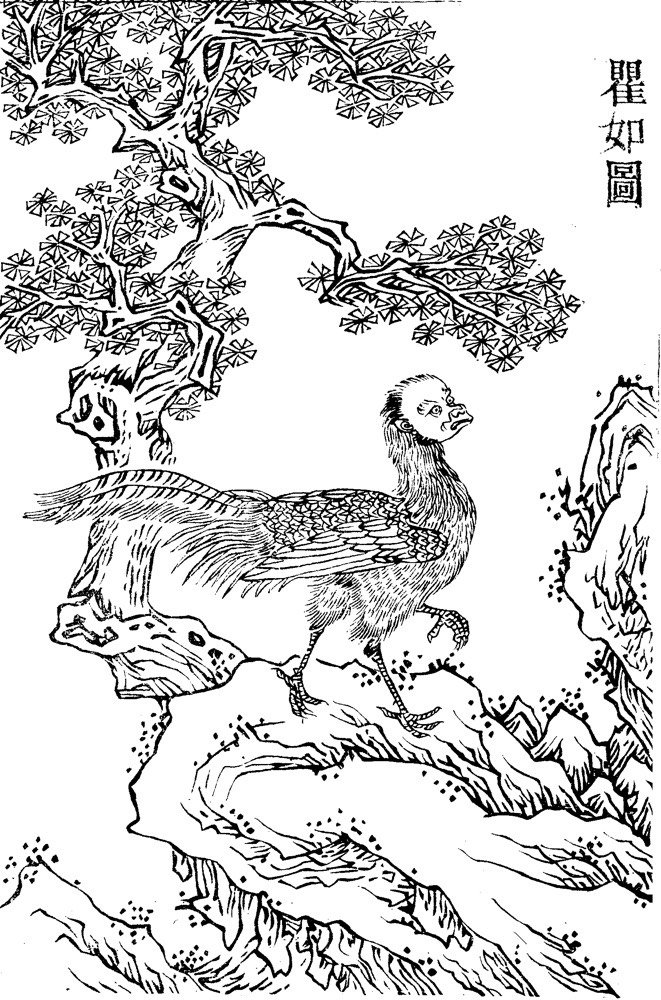
Quru
A bird of Mount Daoguo shaped like a small heron but white-headed, with a human face and three legs, forever calling out its own name.
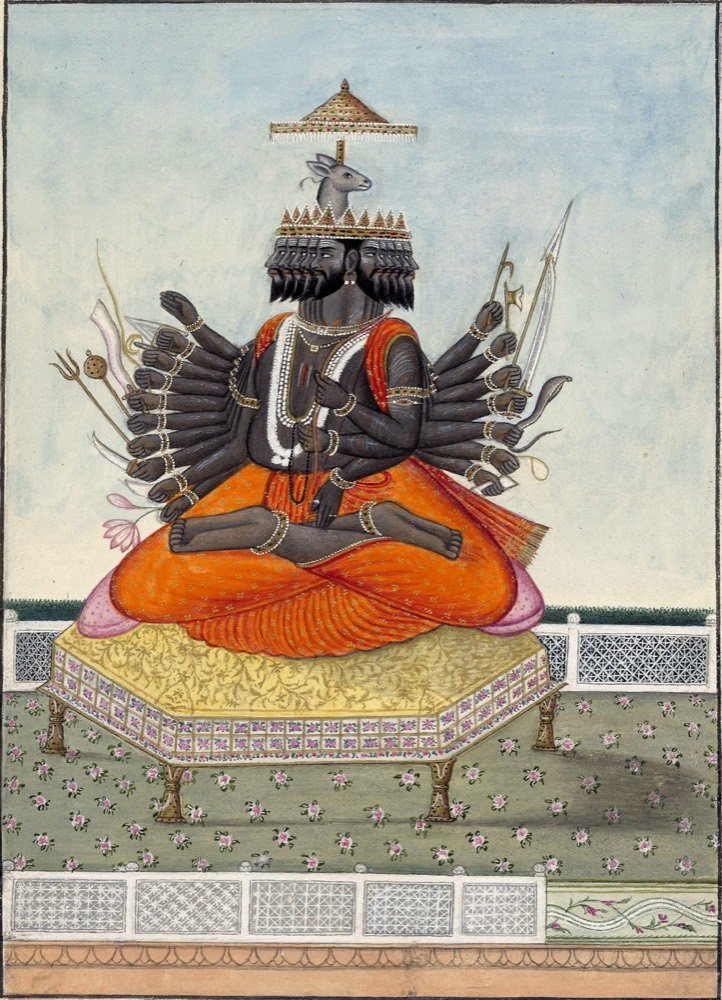
Rakshasa
Shape-shifting man-eaters strongest after dark, fanged and clawed, defilers of sacrifices. Ten-headed Ravana is their king—though some, like his brother Vibhishana, chose the side of dharma.
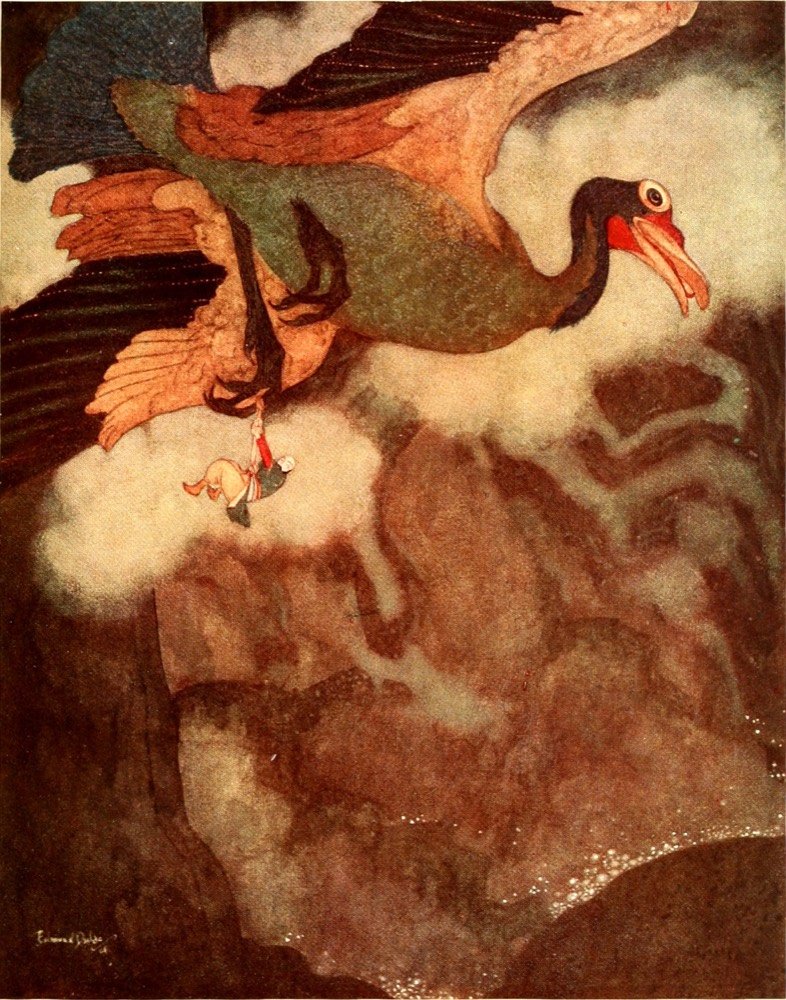
Roc
The giant bird of Arab seafaring lore, its egg the size of a dome, able to carry off elephants to feed its young. Sinbad escaped an island tied to its leg; Marco Polo placed it in the seas off Madagascar.
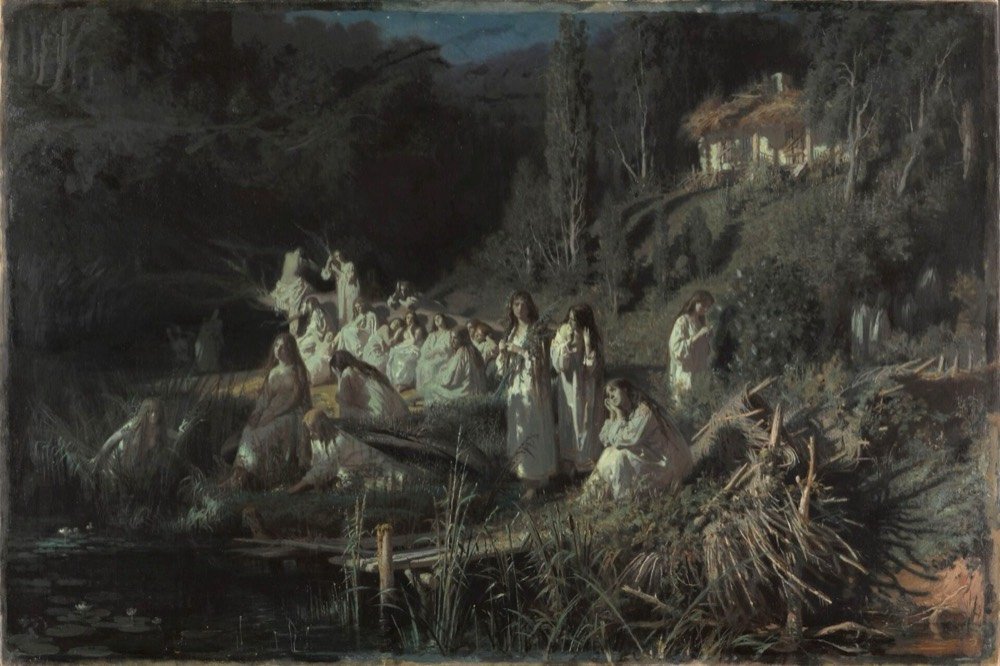
Rusalka
Female water spirits born of drowned girls and other unquiet dead; loose-haired, they leave the water around Trinity week to swing in birches, tickling victims to death or luring them in.
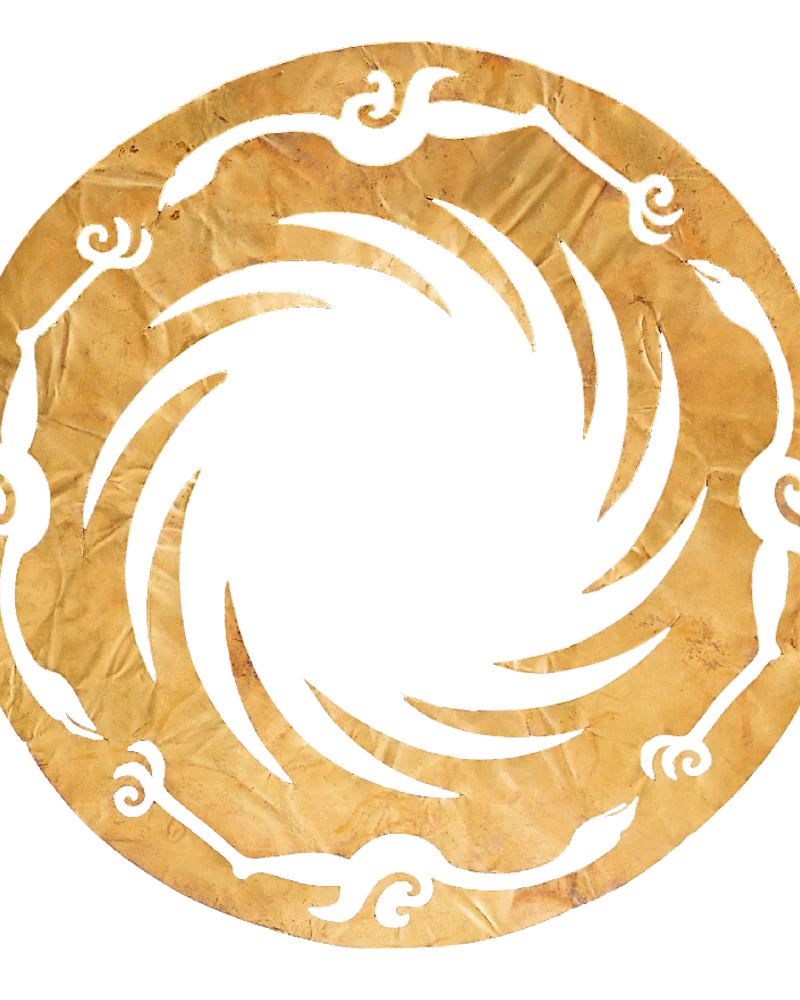
Samjok-o
The three-legged crow that lives in the sun, painted in a solar disk on the walls of Goguryeo tombs, usually paired with a toad or hare in the moon.
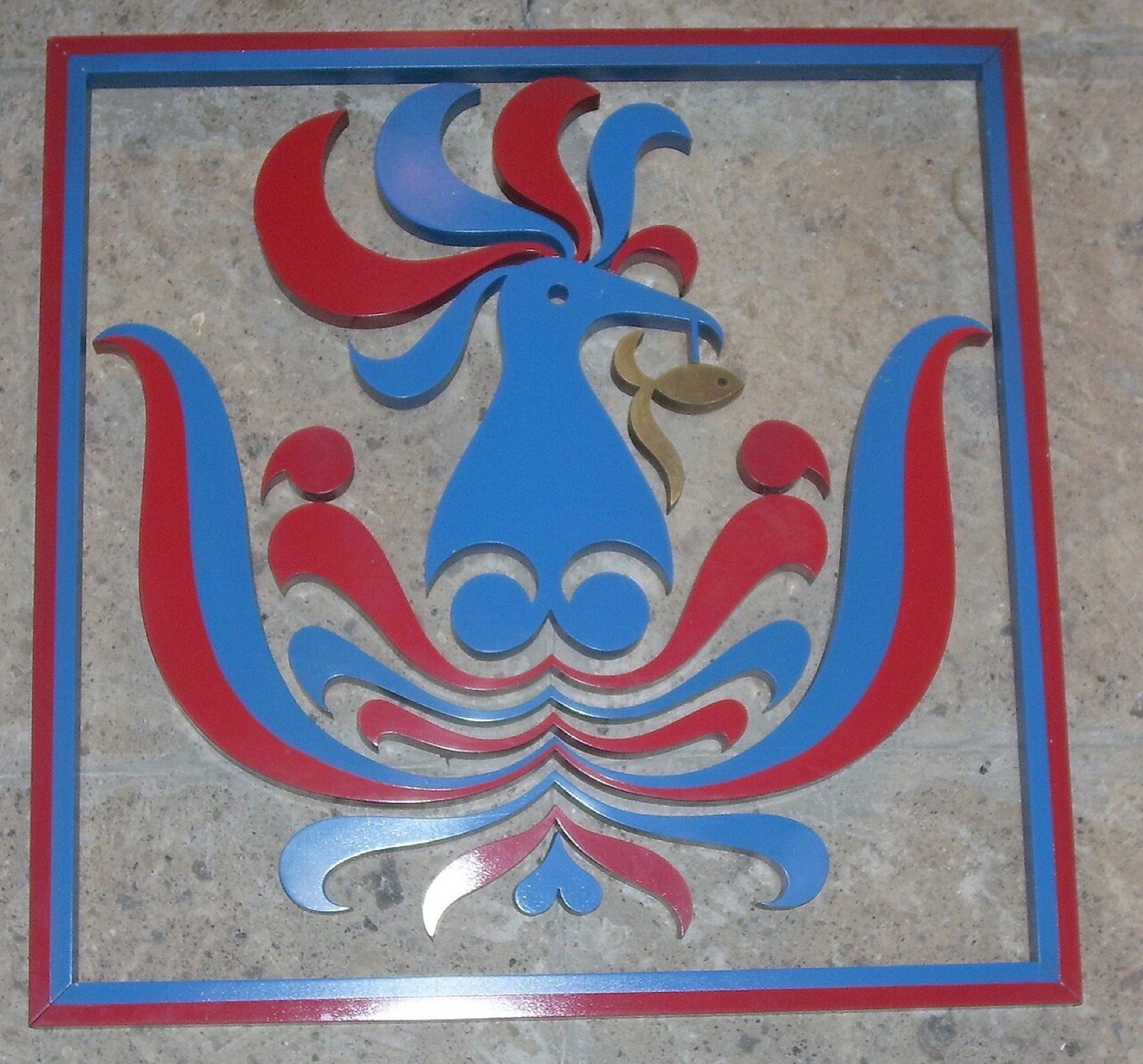
Sarimanok
The radiant Maranao bird bearing a fish, an emblem of rank, fortune, and messages from the upper world.
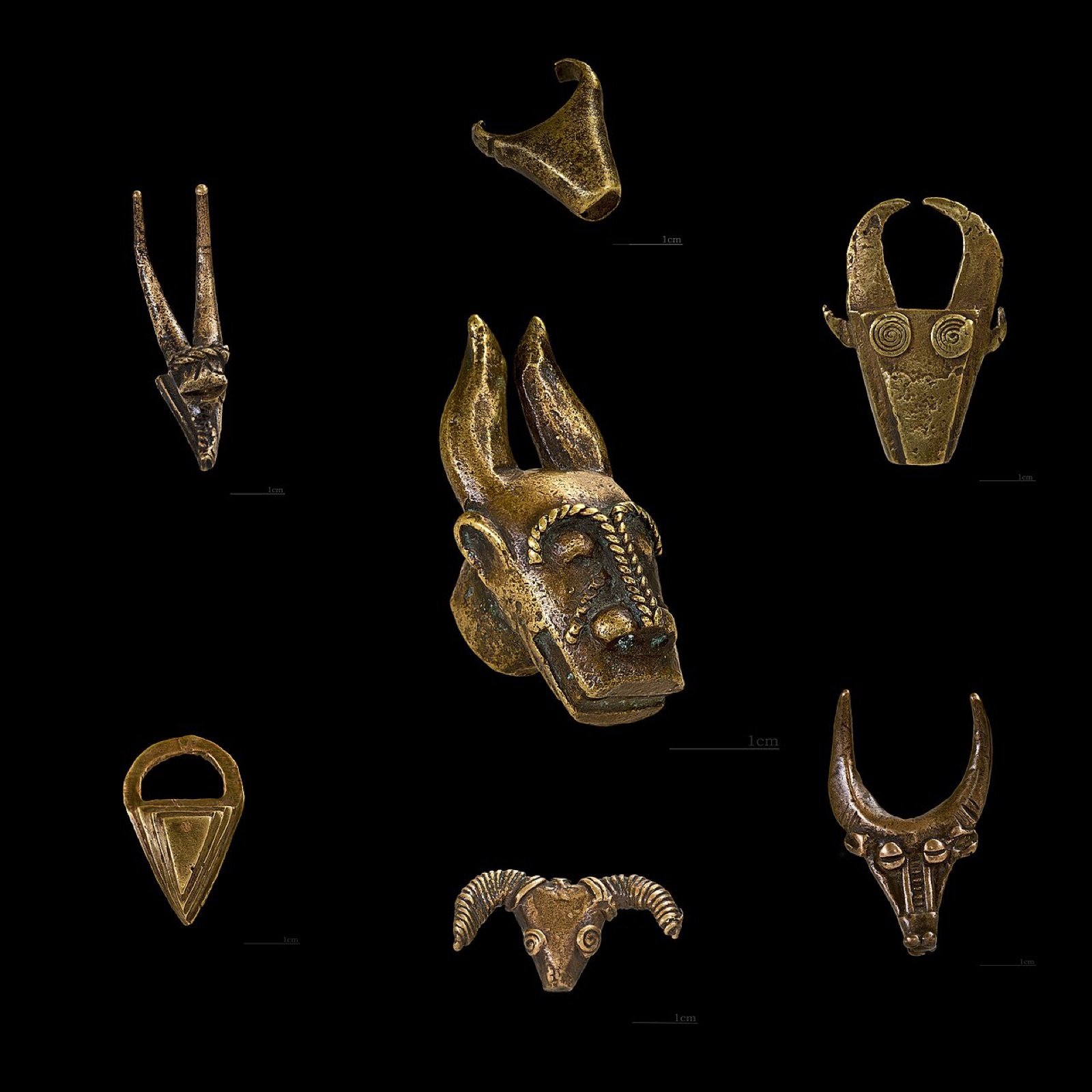
Sasabonsam
A dangerous forest being of iron teeth and impossible limbs, entangled with fears of witchcraft.

Satoru-kun
Call your own mobile from a pay phone and recite the summons: Satoru-kun phones back ever closer, finally standing behind you to answer any one question. Never turn around, never fail to ask. Spread online in the 2000s.
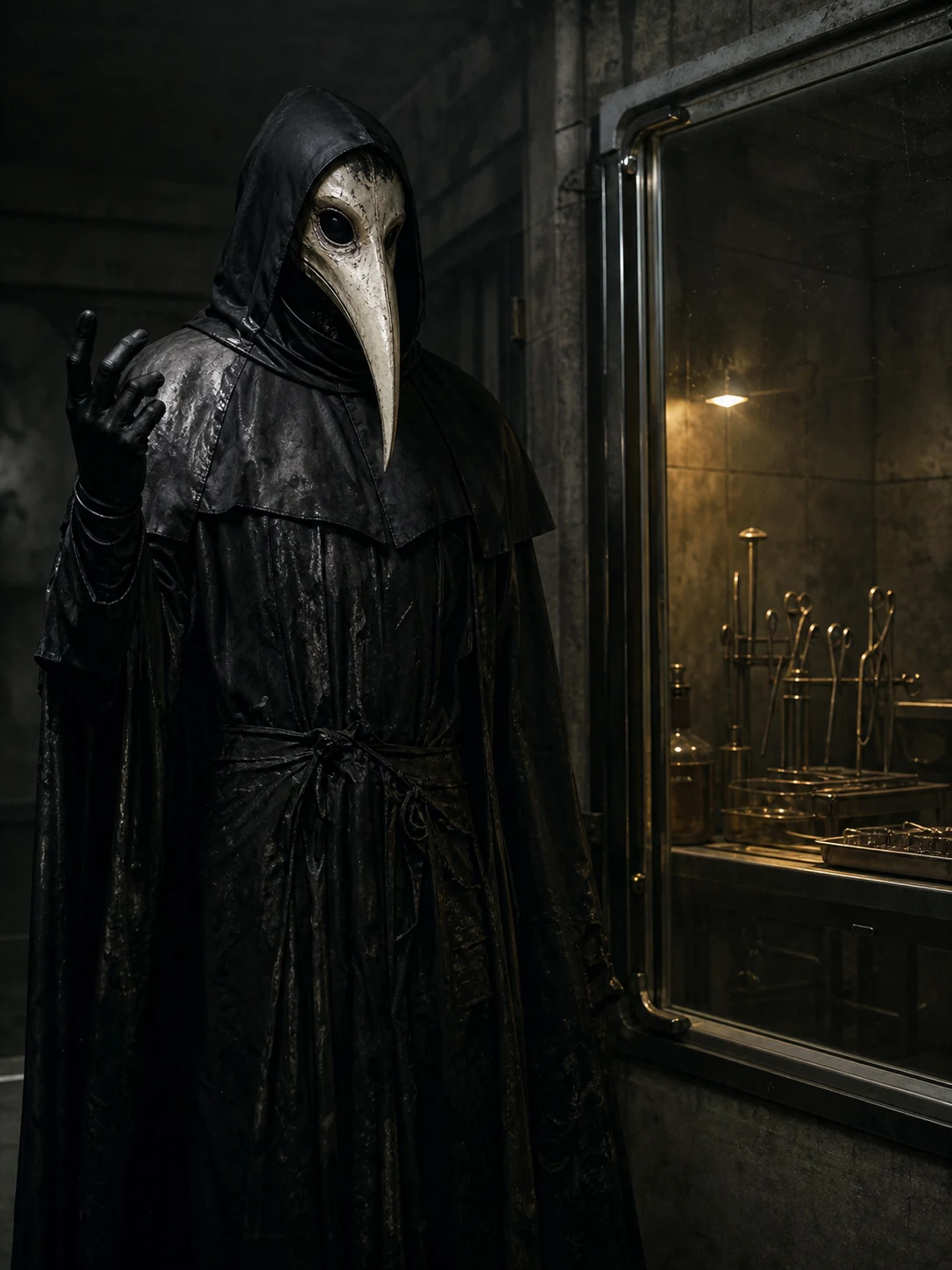
SCP-049 · Plague Doctor
A plague-doctor figure whose touch kills and whose surgery animates corpses, all in pursuit of an unnamed Pestilence only it perceives.
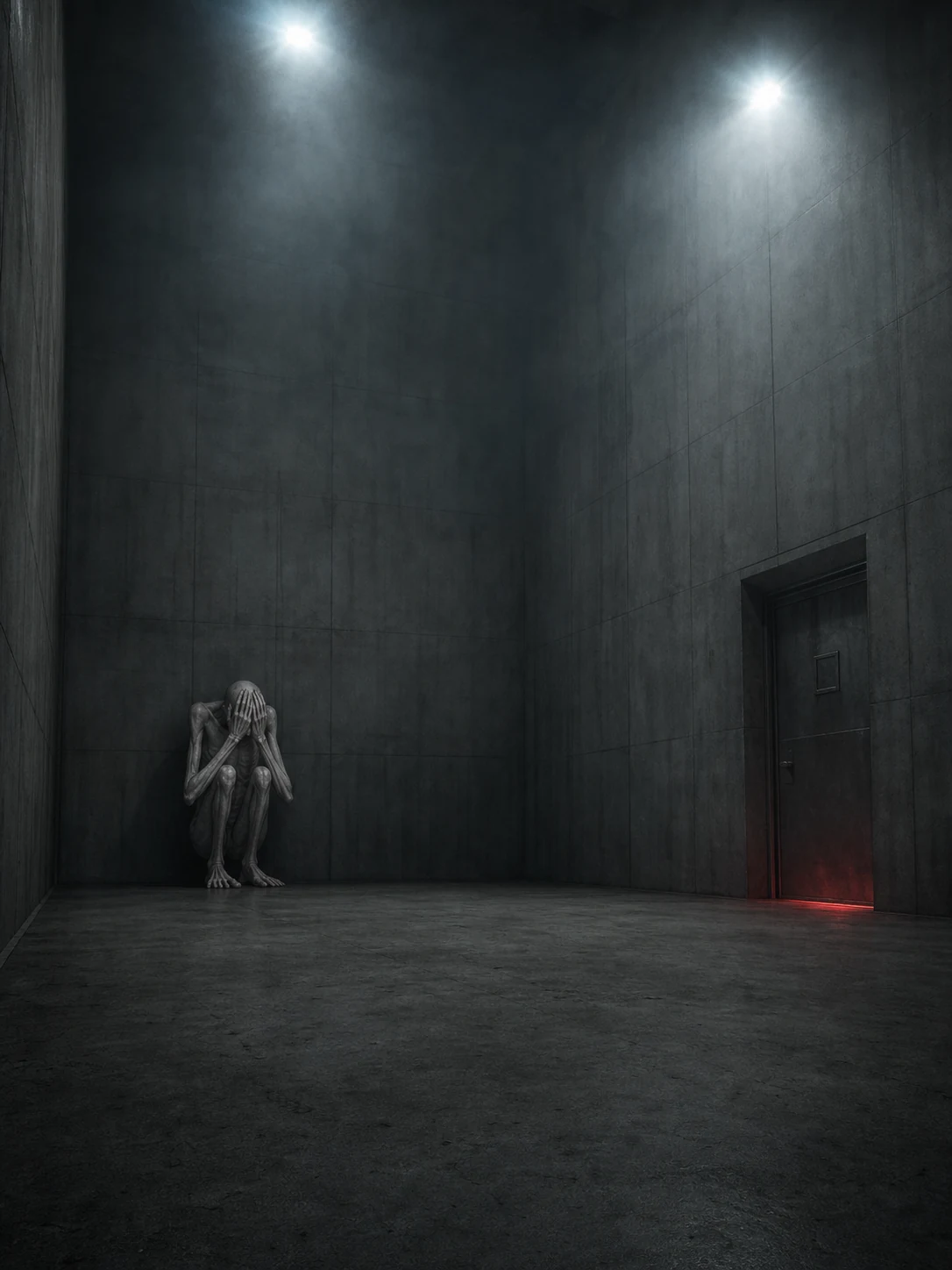
SCP-096 · The Shy Guy
A humanoid that enters unstoppable pursuit whenever anyone sees its face, even as a tiny detail in a distant photograph.
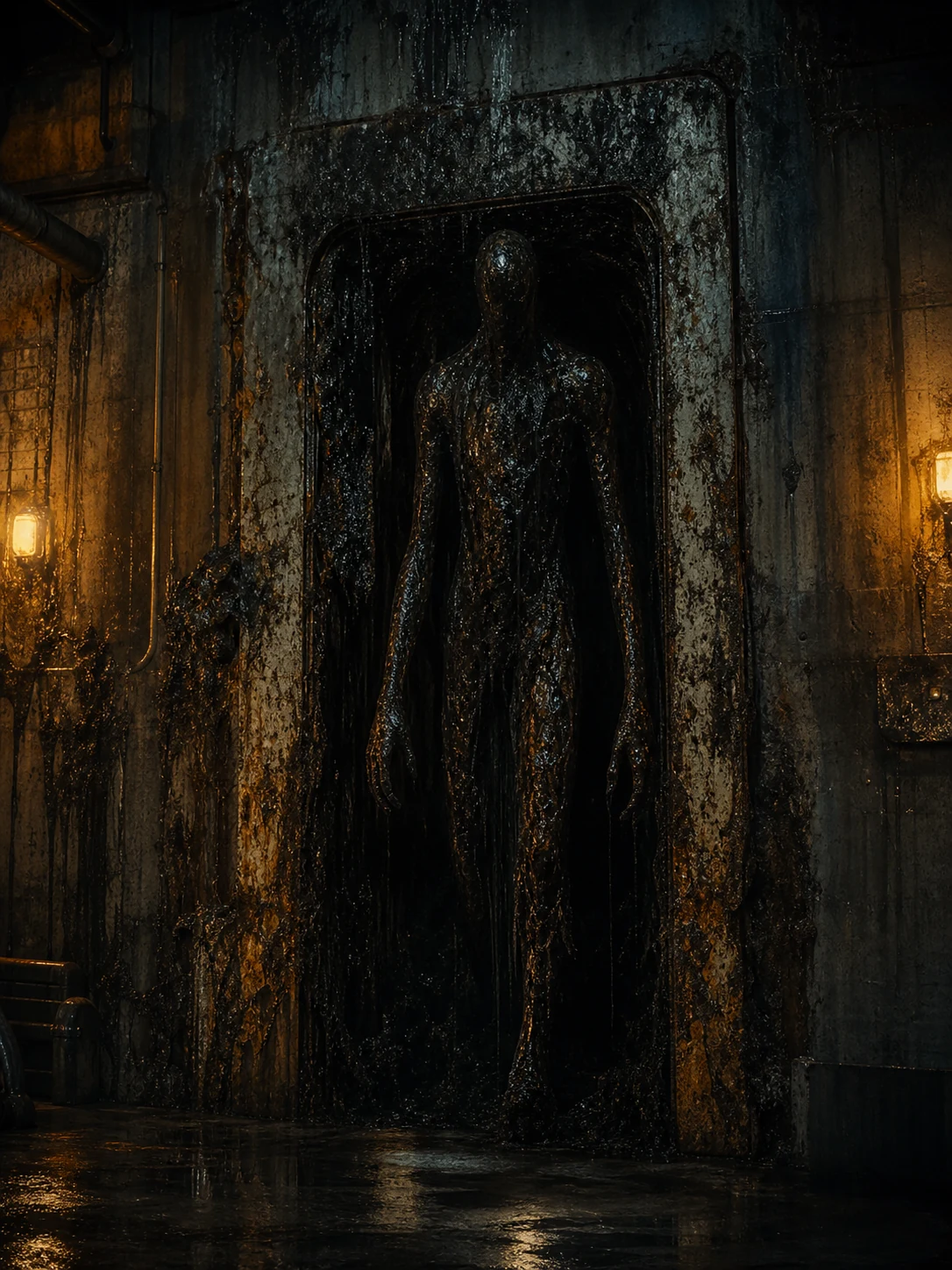
SCP-106 · The Old Man
A decaying humanoid that passes through matter, spreads corrosion, and drags victims into a private dimension built for pursuit.
SCP-173 · The Sculpture
A concrete-and-rebar sculpture that remains still under observation and attacks in the interval of a blink—the first SCP file.
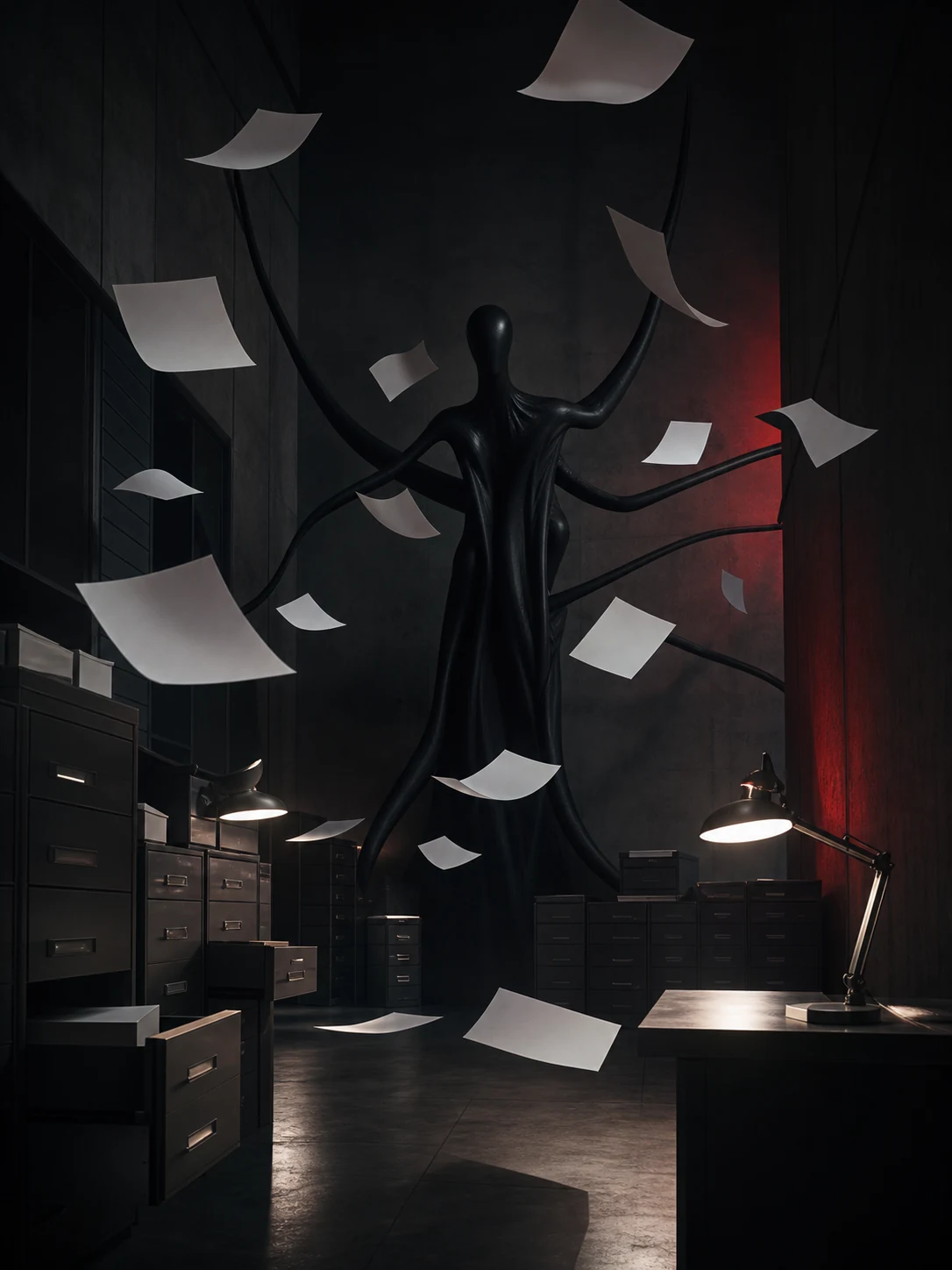
SCP-2521 · The Unwritten
An entity that removes written or spoken information about itself, forcing its official file to communicate almost entirely through pictograms.
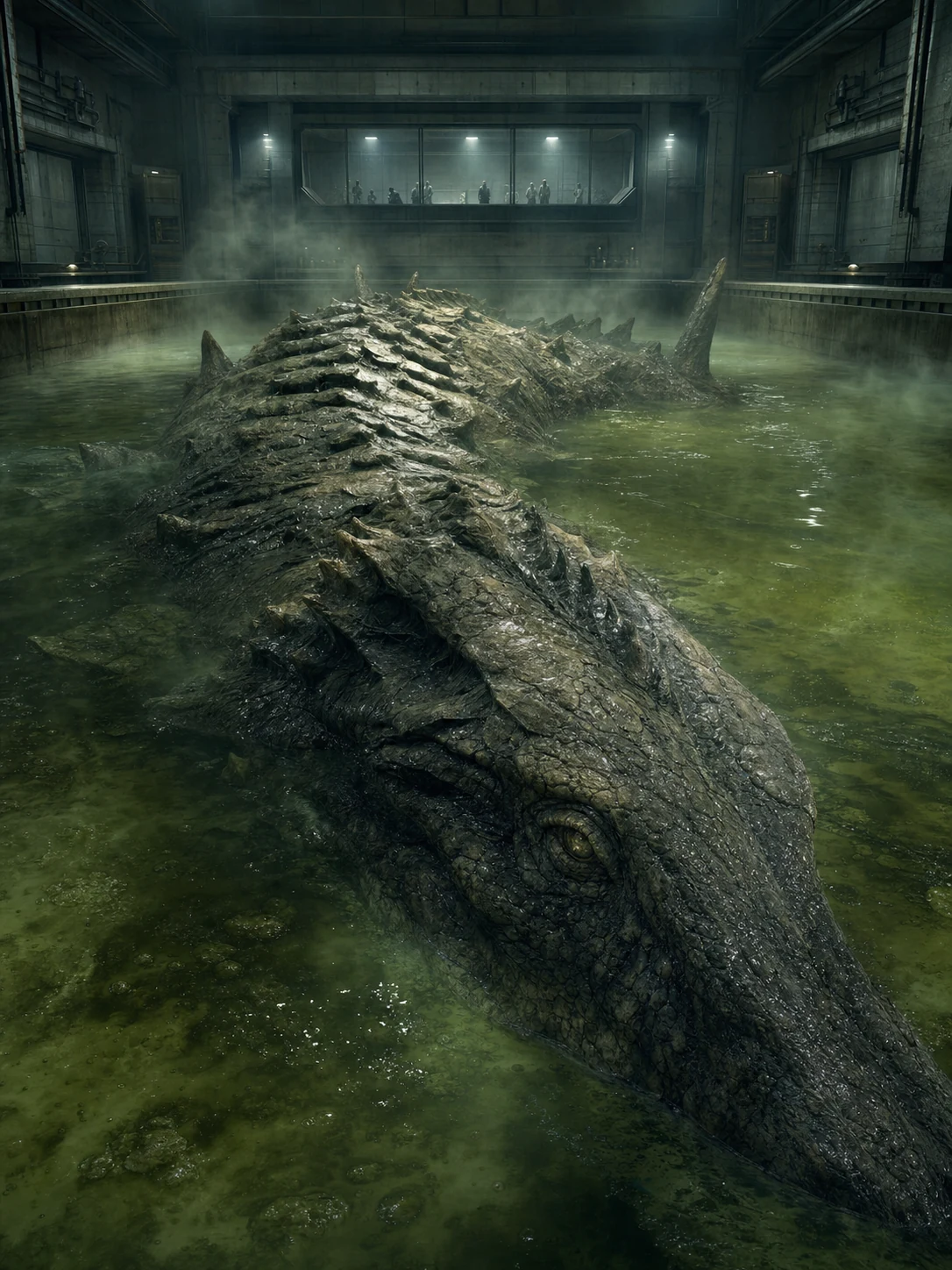
SCP-682 · Hard-to-Destroy Reptile
An intelligent, regenerative reptilian entity whose failed termination trials repeatedly become lessons in adaptation.
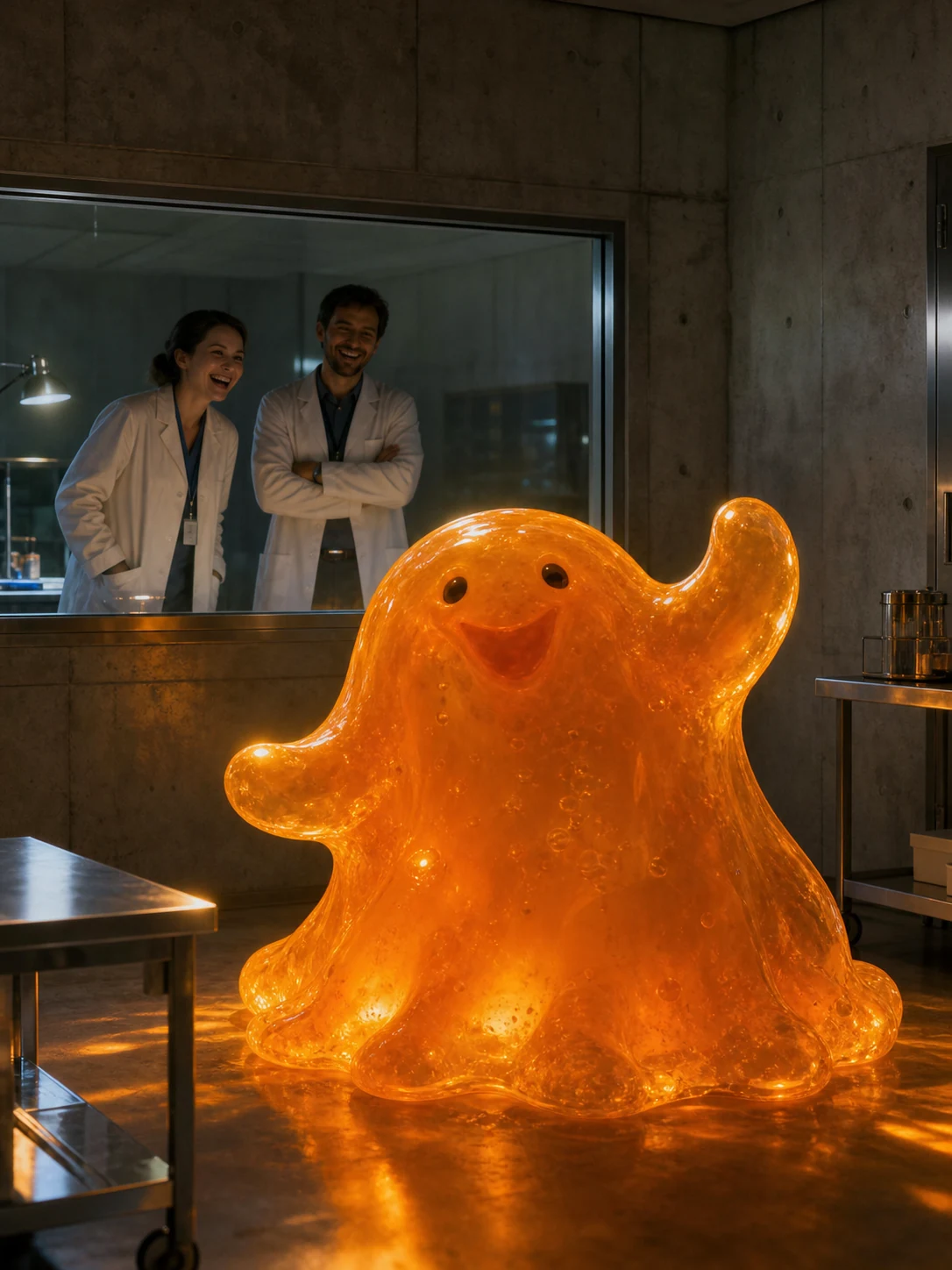
SCP-999 · The Tickle Monster
A warm, playful orange organism whose touch induces joy and emotional relief, recasting anomaly as gift rather than threat.
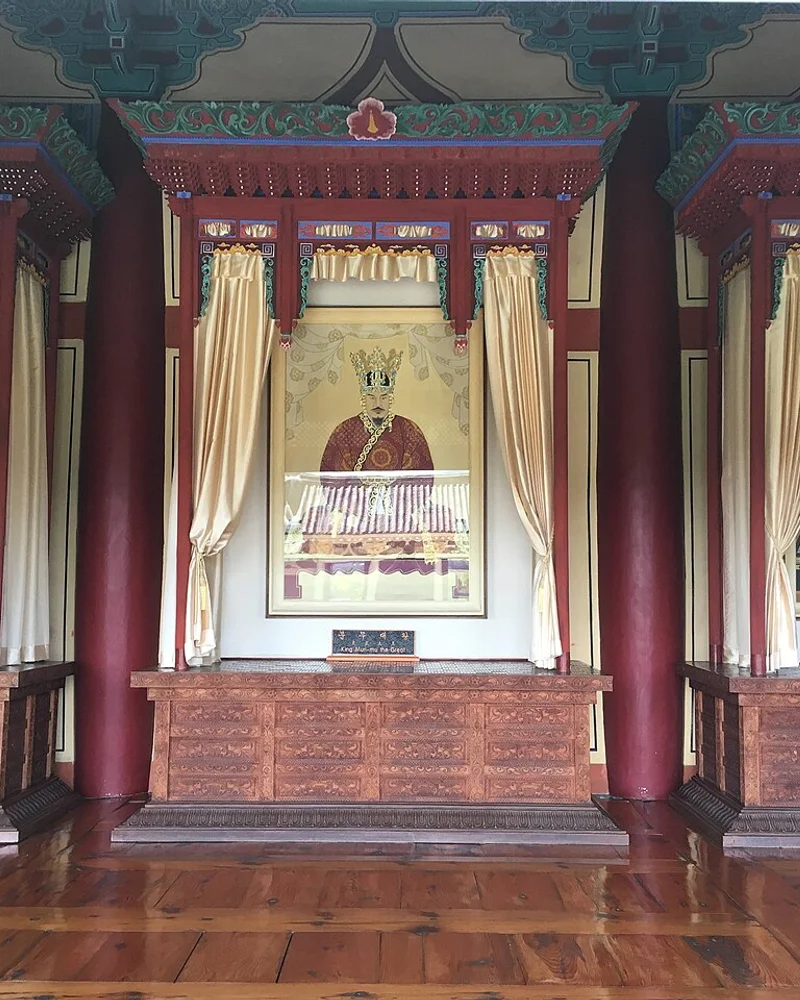
Sea Dragon of King Munmu
The great dragon of the East Sea that King Munmu of Silla vowed to become after death to protect his kingdom, and who gave his son the bamboo for the flute Manpasikjeok.
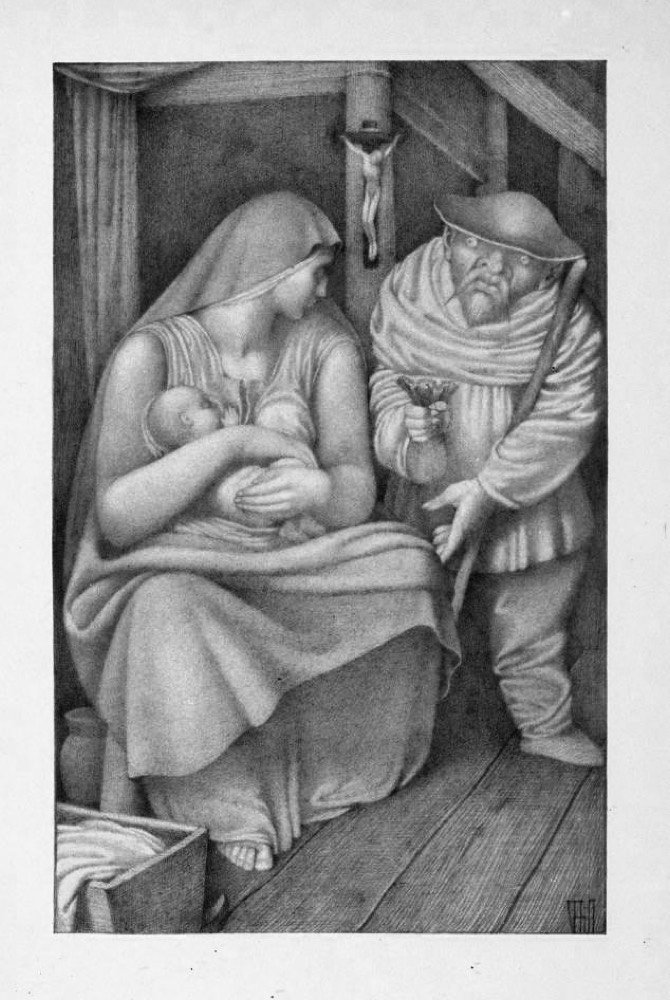
Selkie
The seal-folk of Orkney and Shetland lore, human once the sealskin is shed. A fisherman who hides the skin may keep a selkie wife, but the day she finds it she returns to the sea.
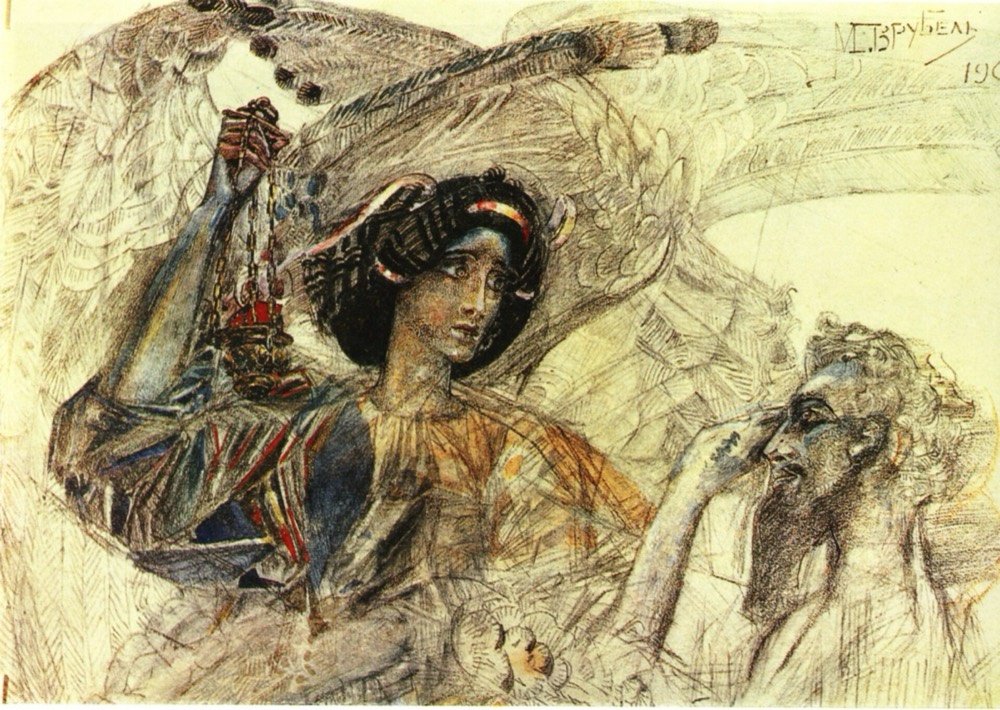
Seraphim
The six-winged angels of Isaiah's temple vision: two wings covering the face, two the feet, two for flight, calling 'Holy, holy, holy.' Their name comes from the verb 'to burn.'
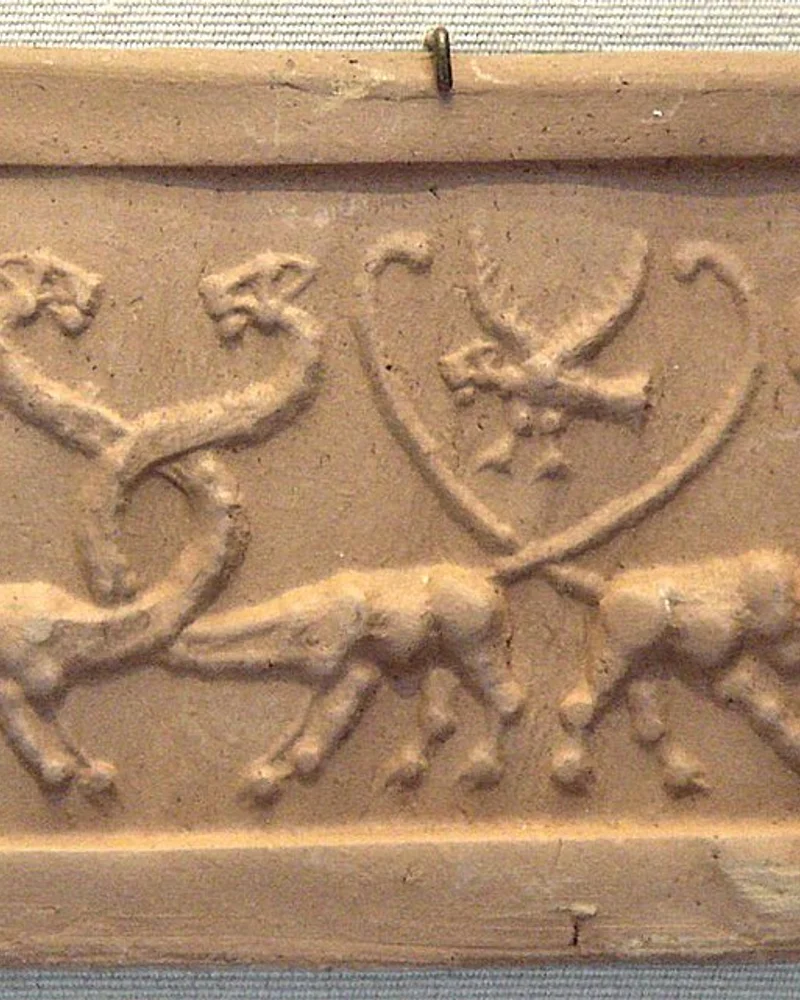
Serpopard
A mythical creature with the body of a leopard and an impossibly long serpentine neck. Depicted on the Narmer Palette, it represents the chaotic forces tamed by the pharaoh.
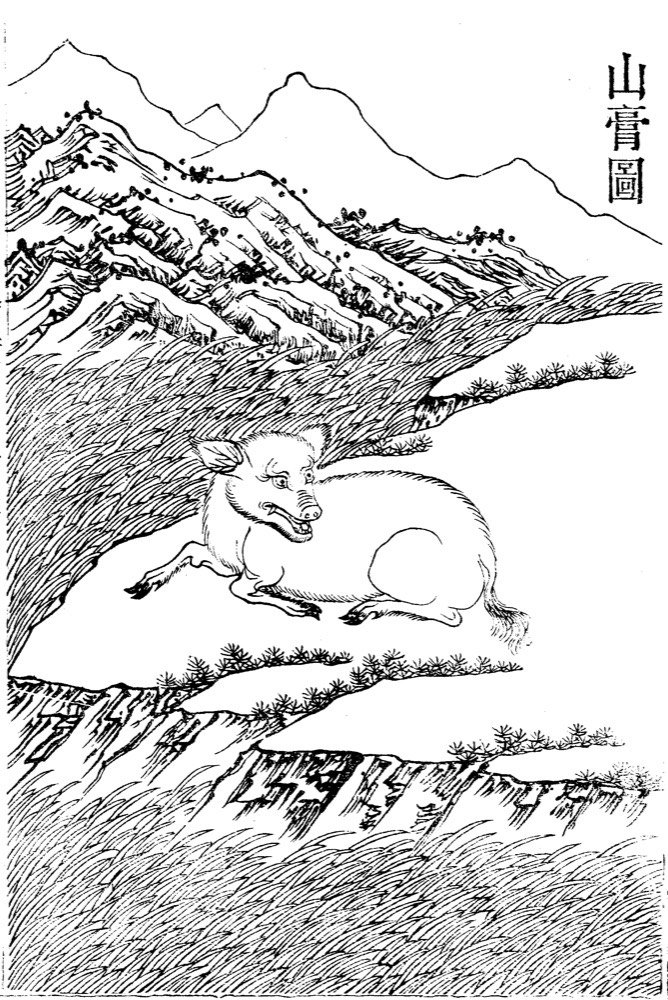
Shangao
A beast of Mount Ku shaped like a pig, red as cinnabar fire, and fond of cursing — the only creature in the whole classic said to revile people.
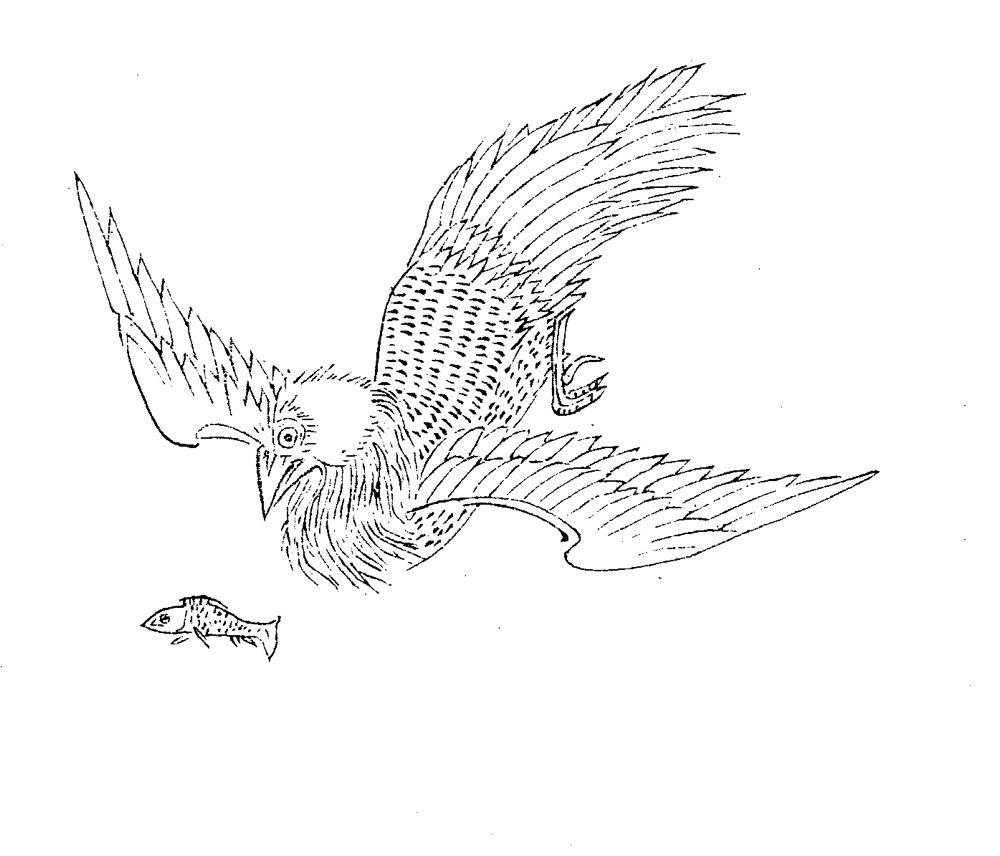
Shengyu
A scarlet pheasant-like bird of Jade Mountain that feeds on fish and calls like a deer; whichever kingdom it appears in will suffer great floods.
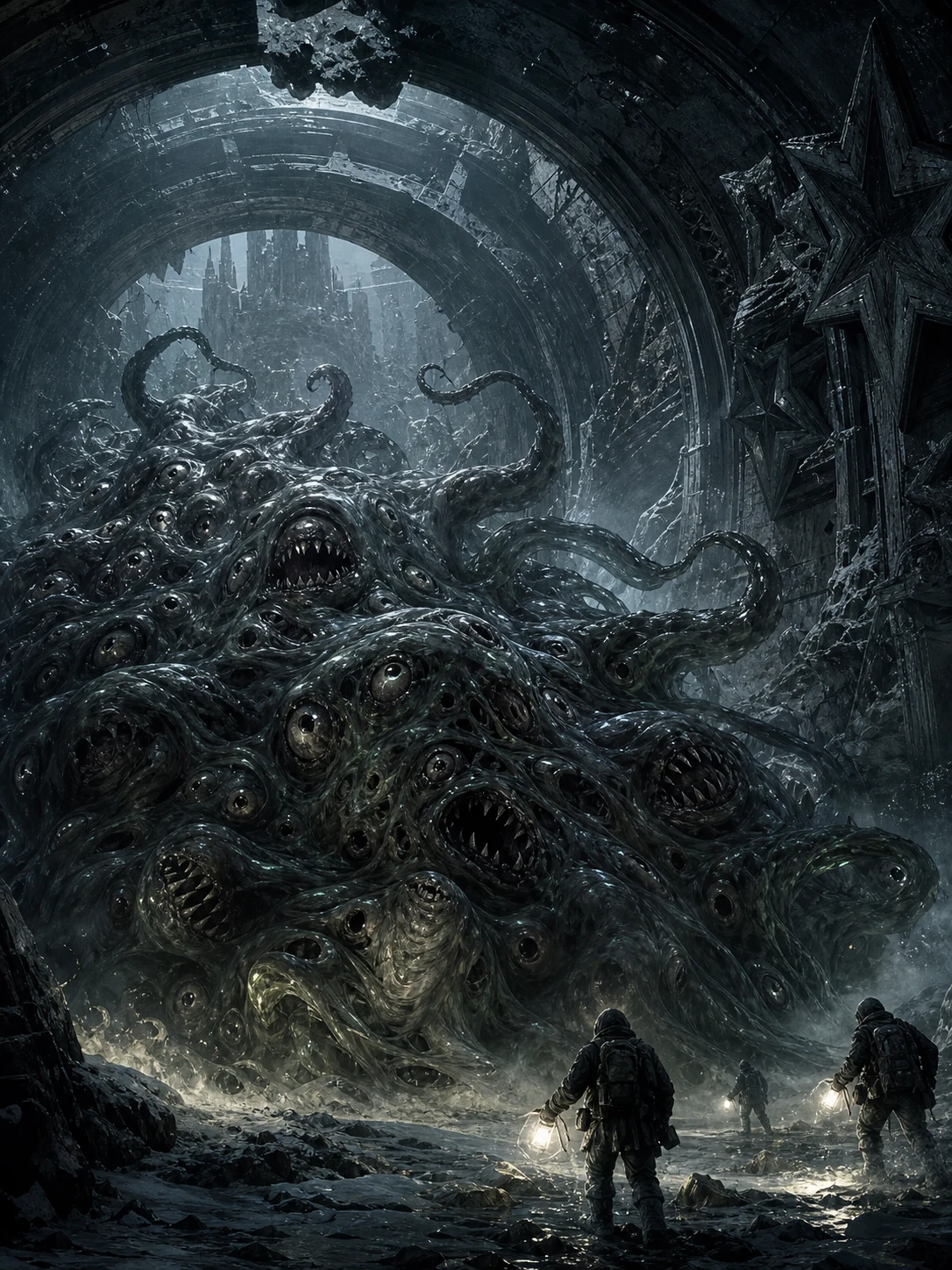
Shoggoth
Engineered, formless laborers that grow temporary organs, imitate their makers’ voices, and eventually revolt against command.
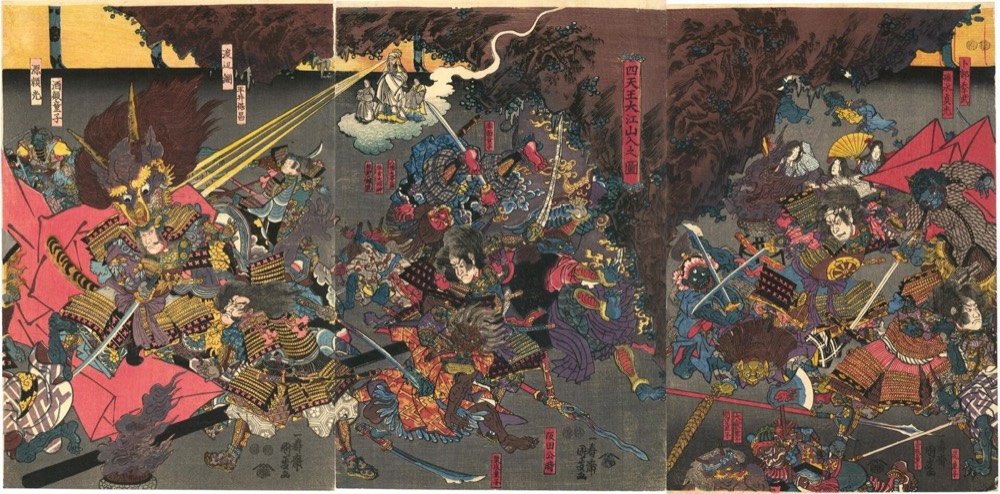
Shuten-doji
The oni king of Mount Oe who carried off noblewomen from Kyoto. Minamoto no Raiko and his four champions, disguised as mountain ascetics, drugged him with divine sake and took his head, which flew up and bit Raiko's helmet.
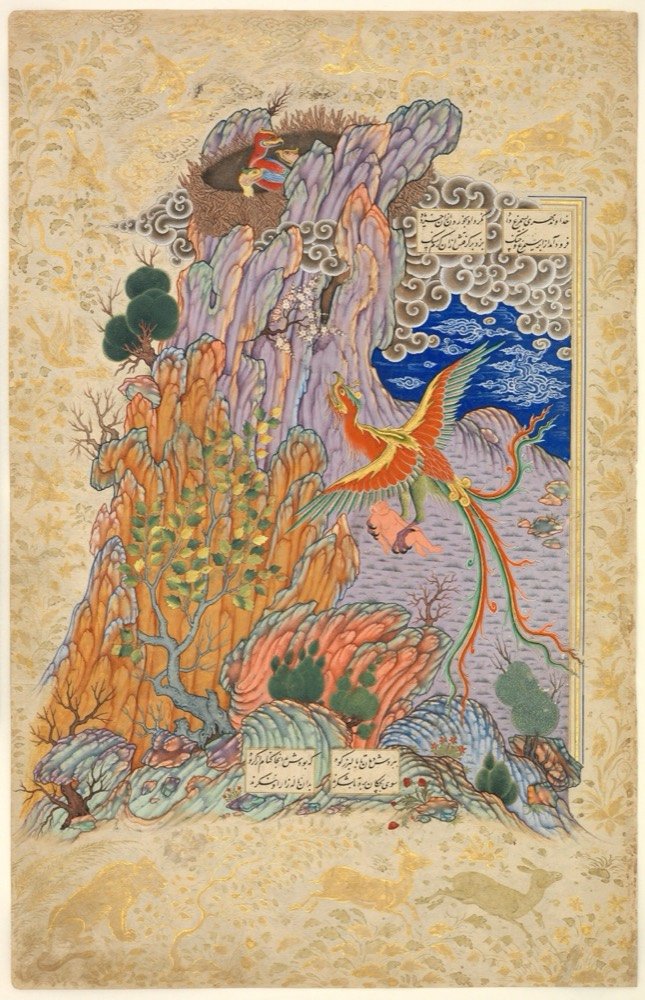
Simurgh
The great wise bird of Persian myth, descended from the Avestan Saena. In the Shahnameh it raises the abandoned Zal on Mount Alborz and twice saves Rostam with its feathers.
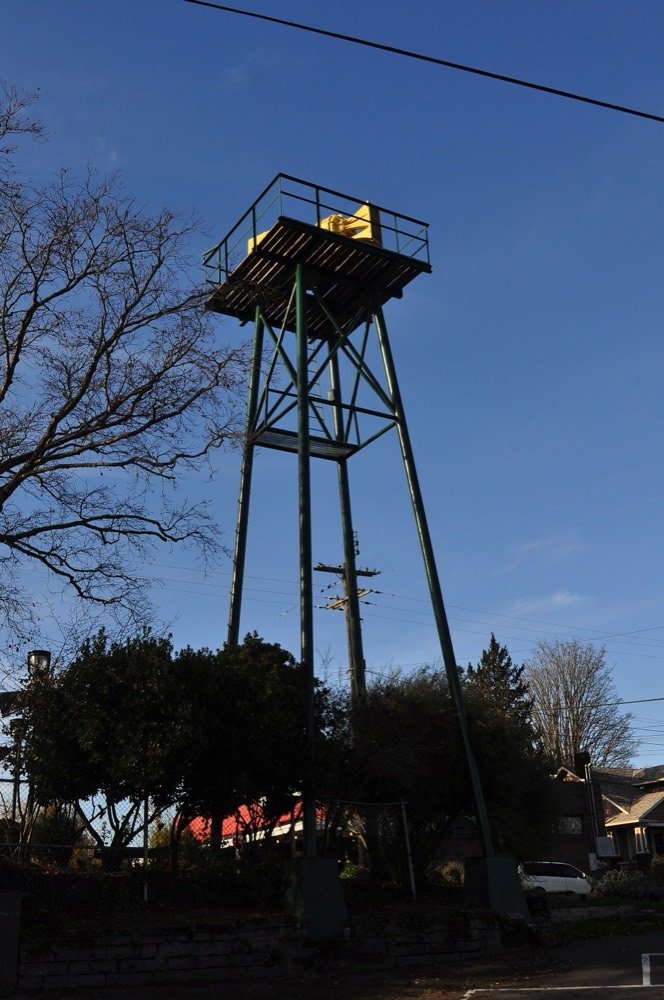
Siren Head
Created by Canadian artist Trevor Henderson in 2018: a forty-foot emaciated giant whose head is a pole bearing two rusted sirens, luring prey with mimicked voices and garbled emergency broadcasts.
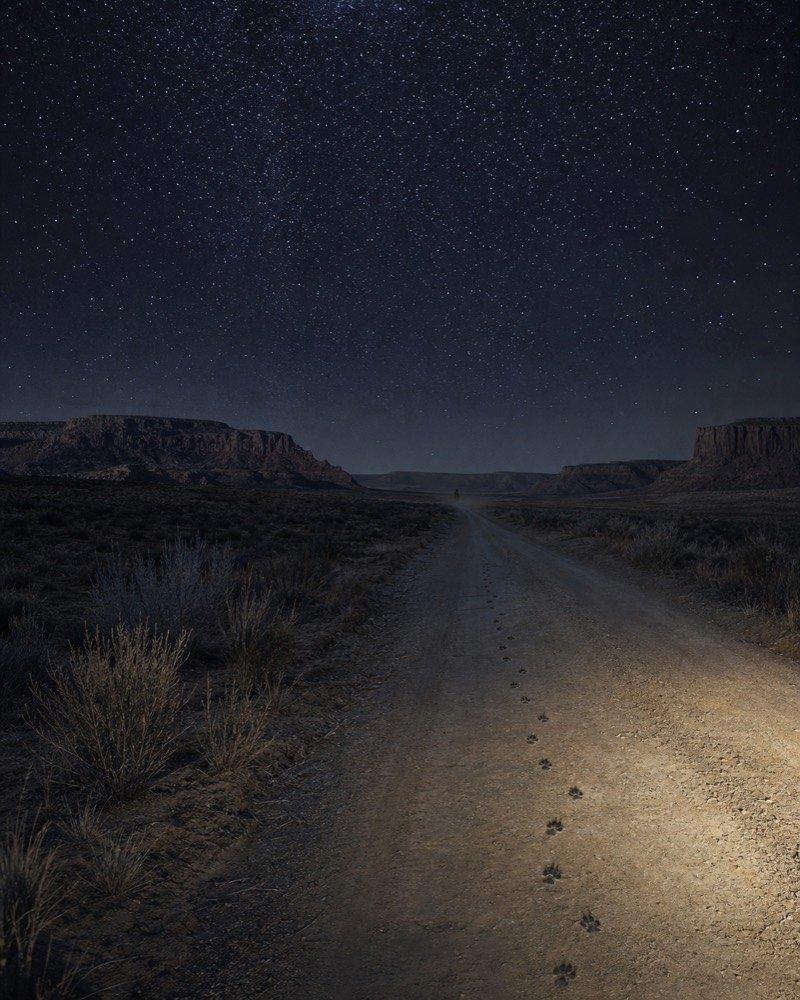
Skin-walker
In Navajo tradition, a practitioner of witchcraft who dons an animal skin to travel by night as coyote, wolf, or owl and do harm. A deeply tabooed subject, traditionally not discussed.
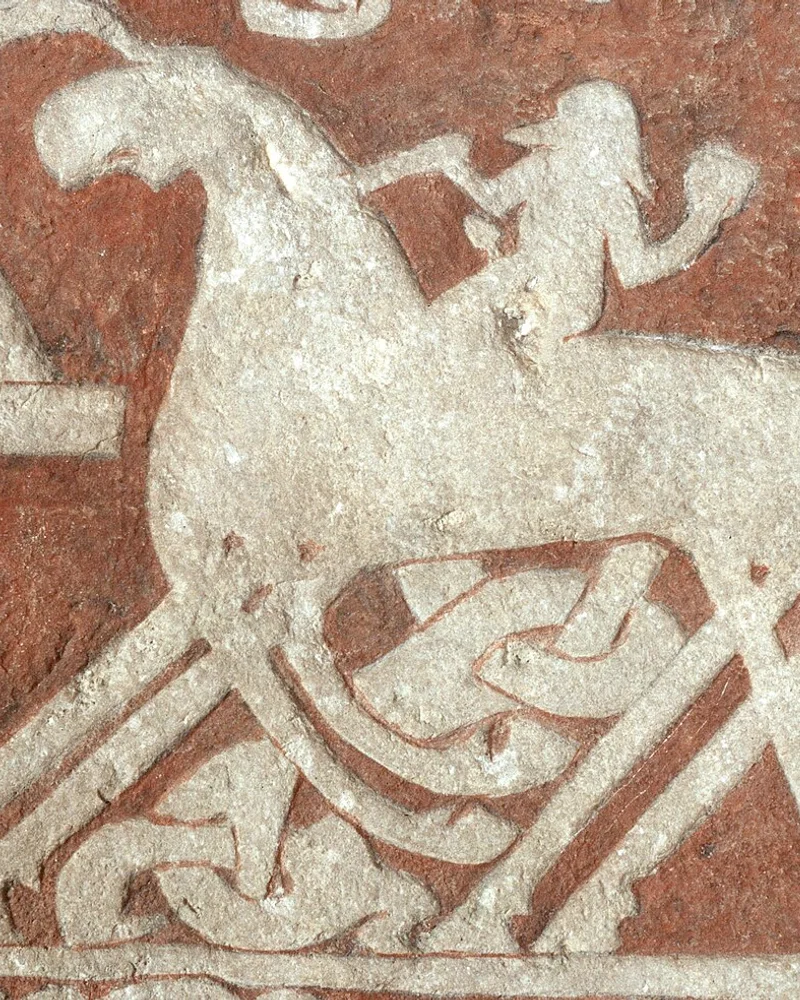
Sleipnir
The eight-legged horse of Odin, born from Loki in mare form and the stallion Svadilfari. The fastest horse in existence, capable of traveling between the nine realms.
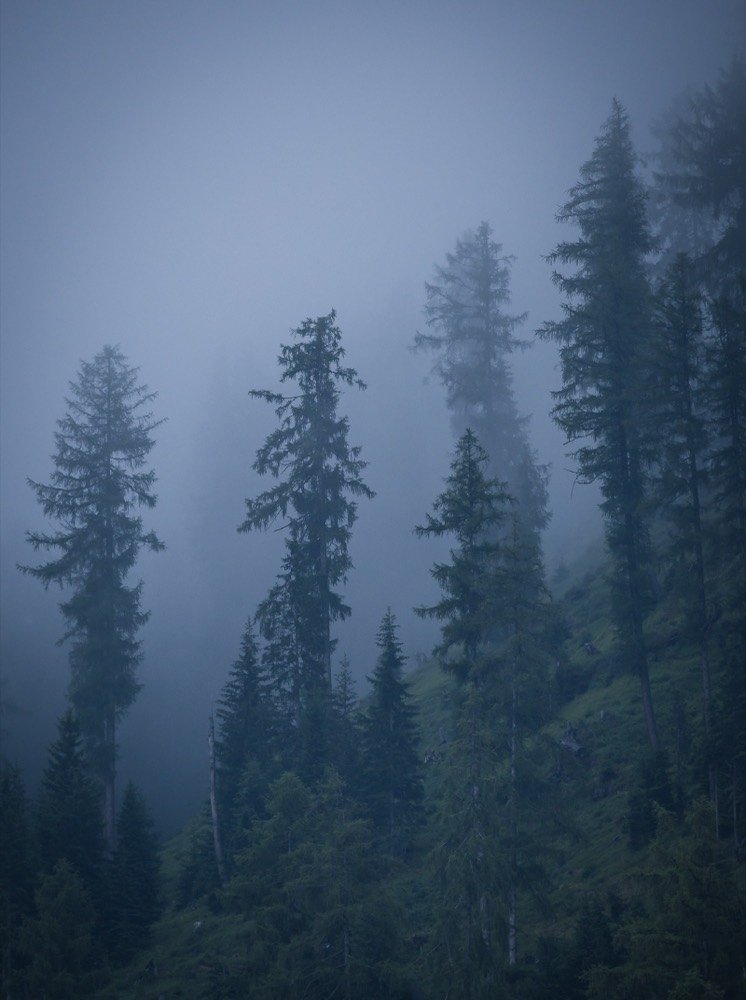
Slender Man
A faceless, impossibly tall figure in a black suit created by Eric Knudsen (as "Victor Surge") in a June 2009 Something Awful photoshop thread — the internet era's most influential crowd-built monster.
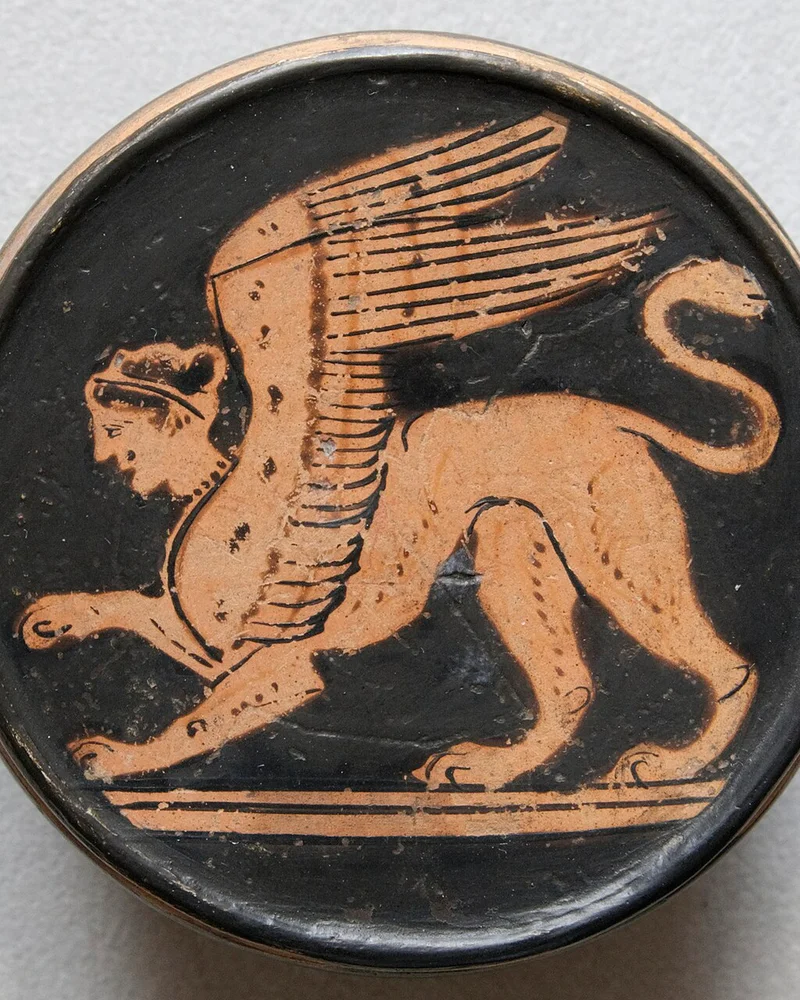
Sphinx
A creature with the body of a lion, wings of an eagle, and head of a woman. She terrorized Thebes, devouring travelers who failed to answer her riddles until Oedipus solved her puzzle.
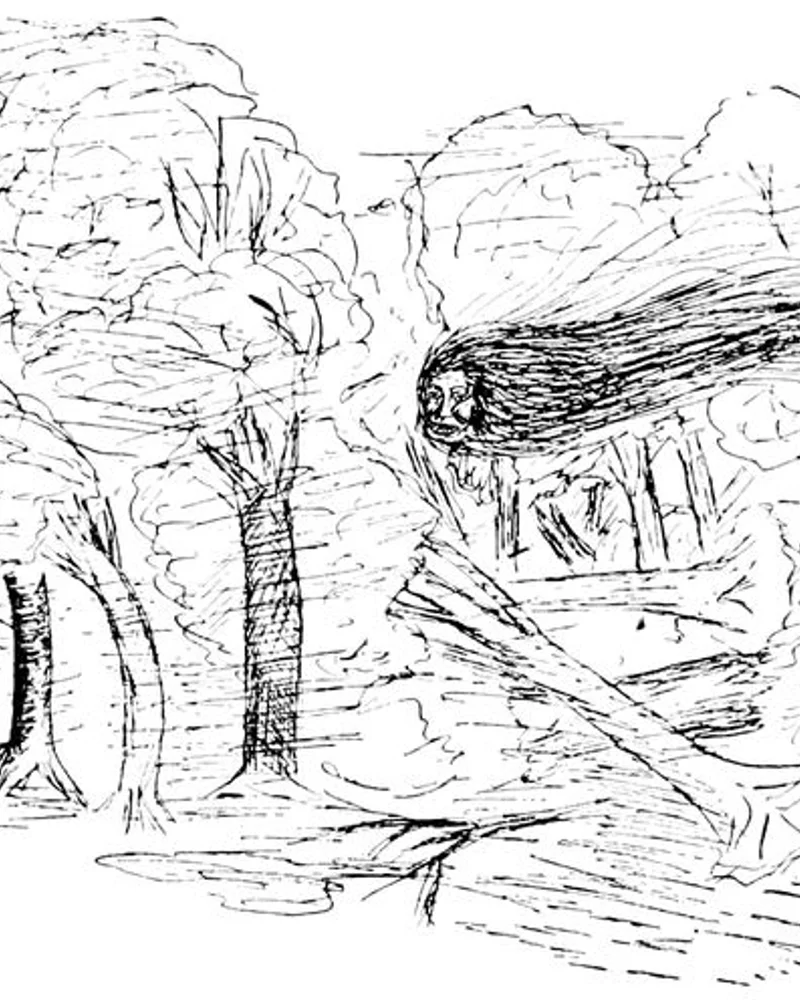
Stone Giants
Giants of Seneca and wider Haudenosaunee tradition, shaped like people but of enormous size and covered with coats of flint that turned aside the arrows of men.
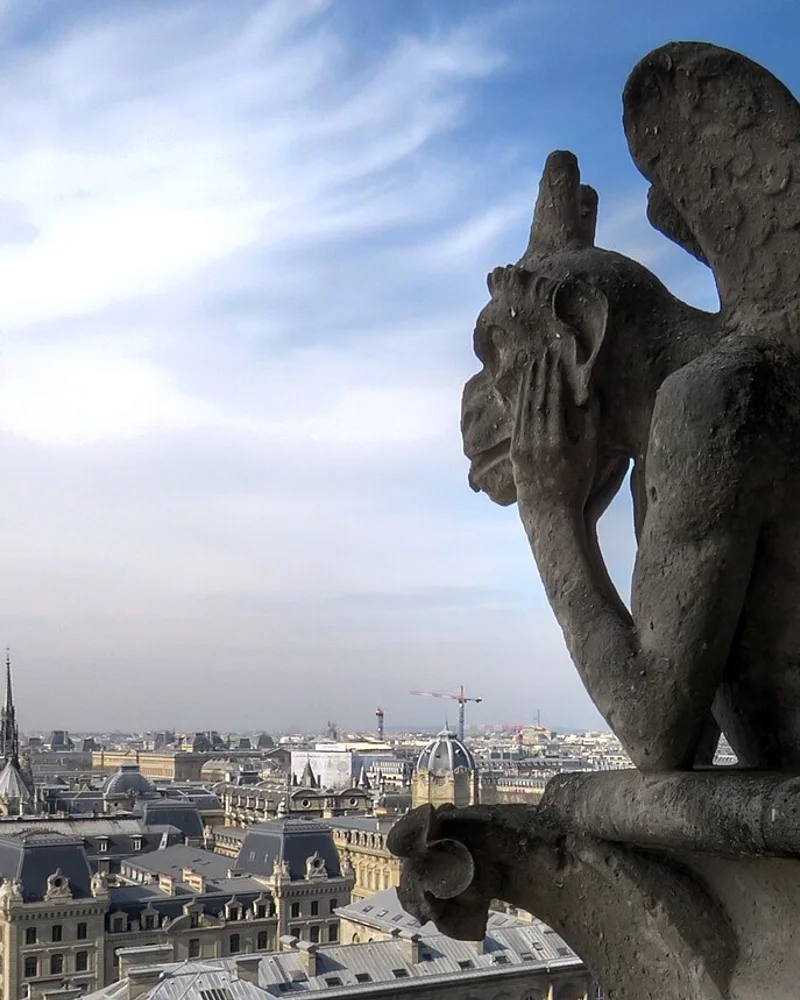
Strix
A terrifying owl-like creature that fed on human flesh and blood, particularly targeting infants. These nocturnal predators were believed to be either transformed witches or beings of ill omen, and their appearance presaged death.
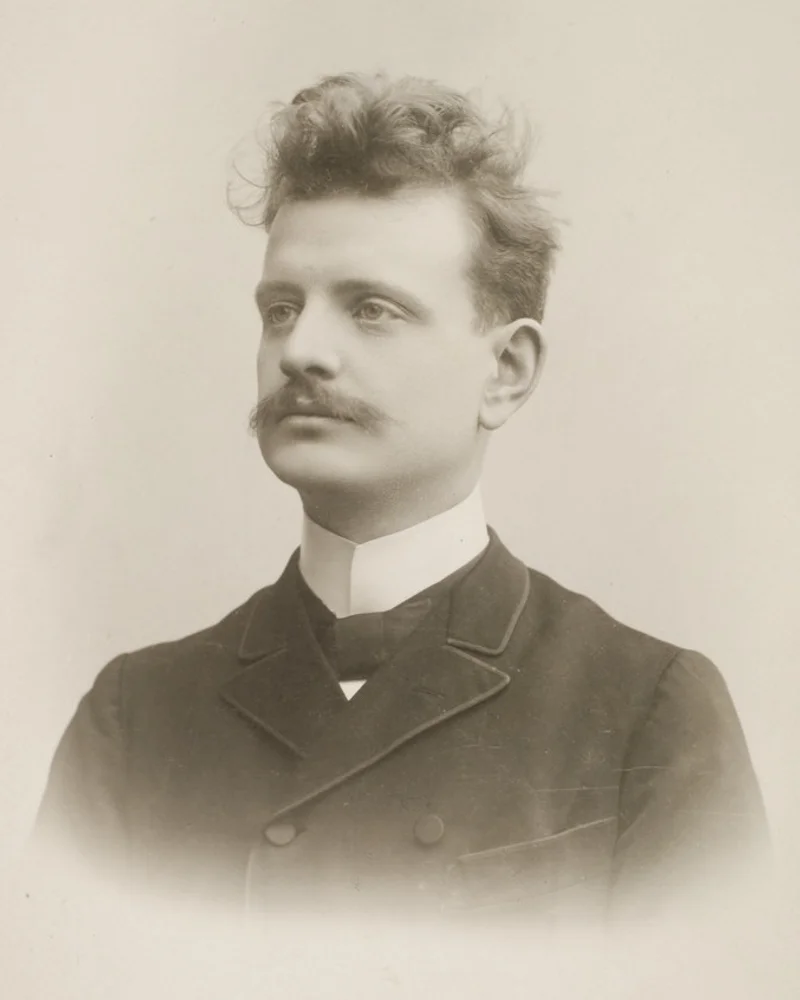
Swan of Tuonela
The swan that swims on the black river of Tuonela, the river of the dead, which Louhi orders Lemminkäinen to shoot with a single arrow; the task leads to his death.
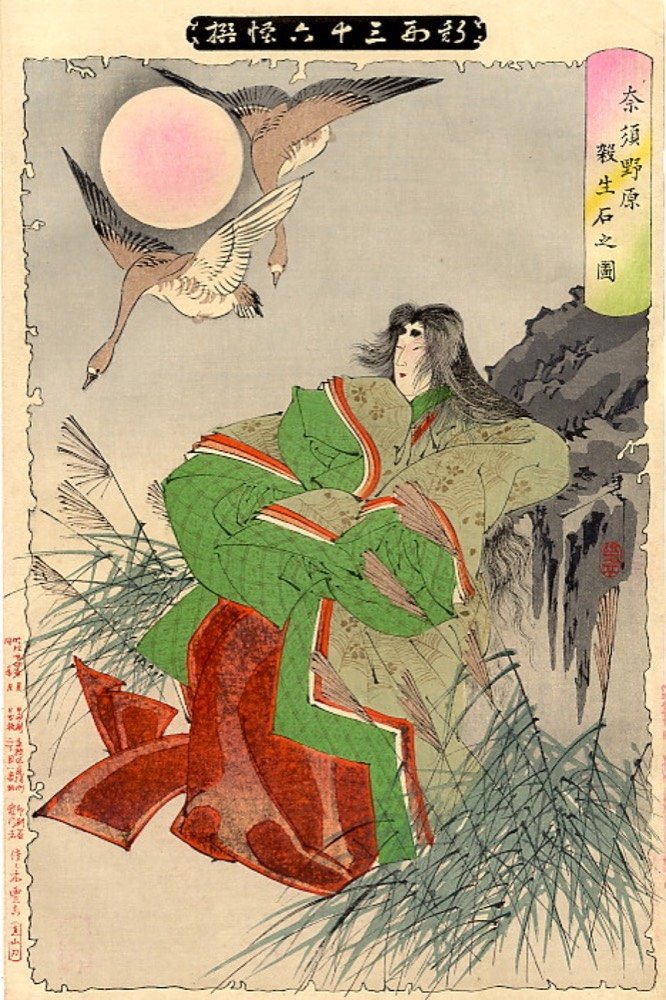
Tamamo no Mae
A fox spirit who charmed Retired Emperor Toba as a peerless court lady; unmasked by a diviner, hunted down on the Nasu plain, she became the poison-breathing Killing Stone, later tied to the nine-tailed fox and Daji.
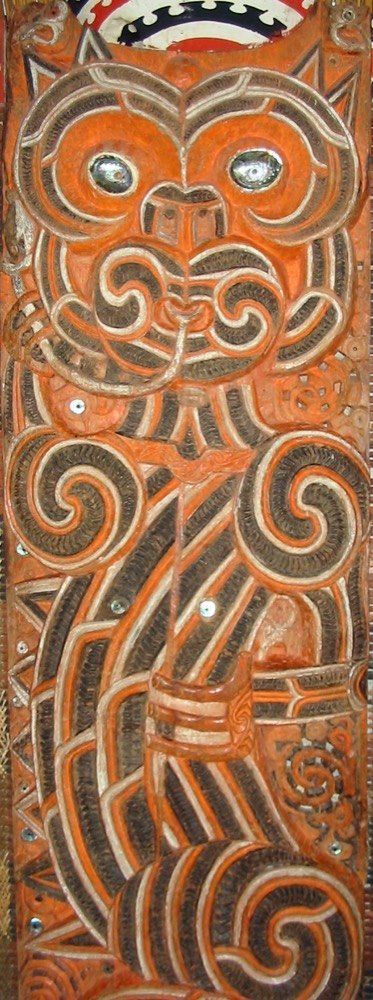
Taniwha
Beings of Maori tradition dwelling in deep pools, river bends and sea caves — tribal guardians to some, man-eaters in the old tales. In 2002 a taniwha's lair rerouted State Highway 1.
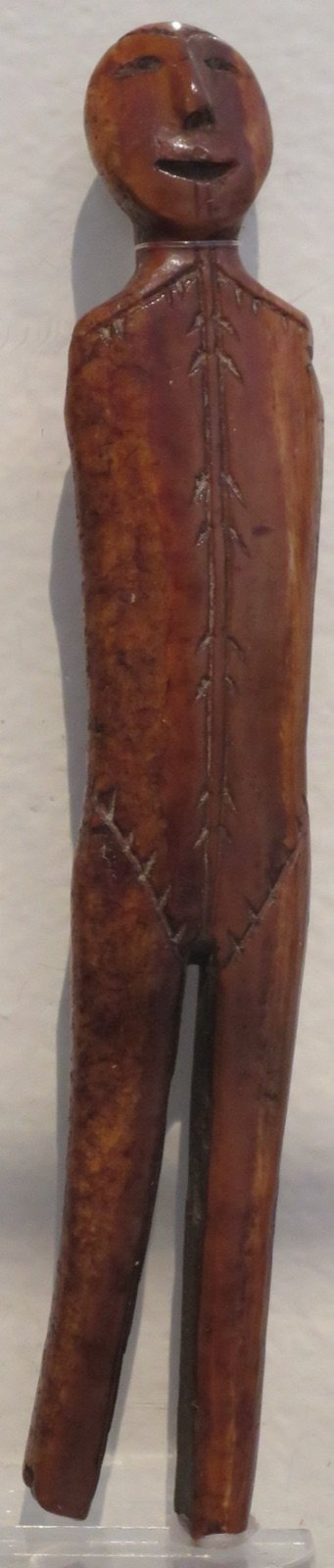
Tariaksuq
A hidden people living beside humankind, visible in peripheral vision and gone under a direct gaze.
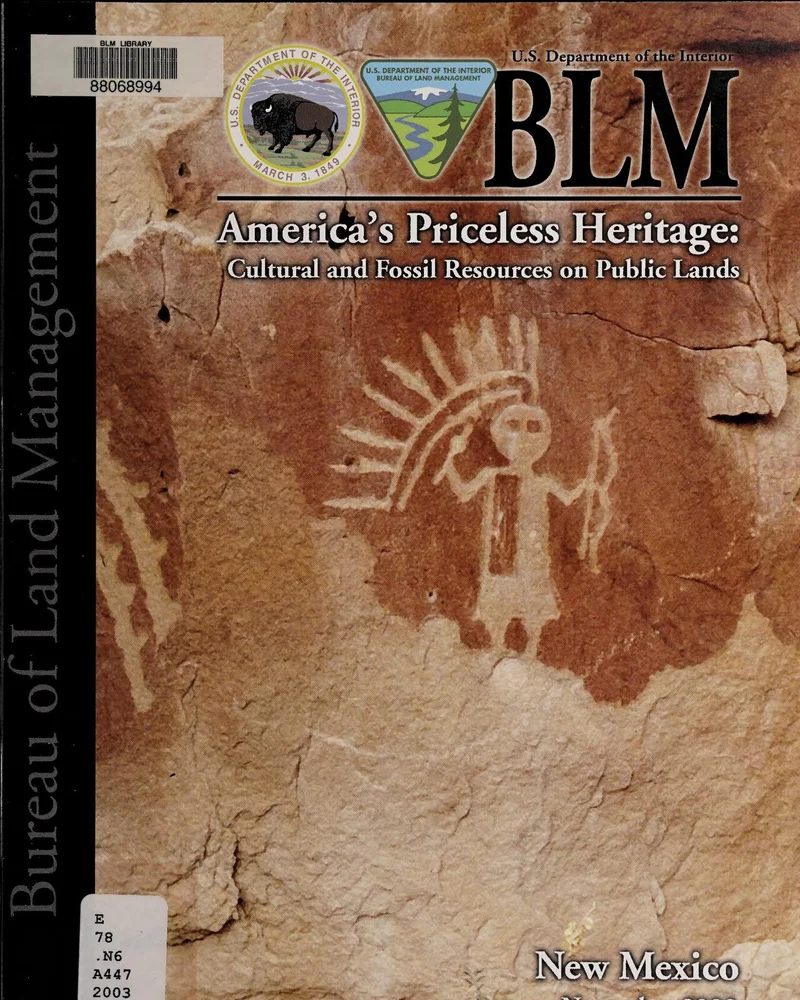
Tééhooltsódii (Water Monster)
The Water Monster of the lower world whose child Coyote stole, so that the waters rose until the people escaped upward through a reed; the child was returned and the waters receded.
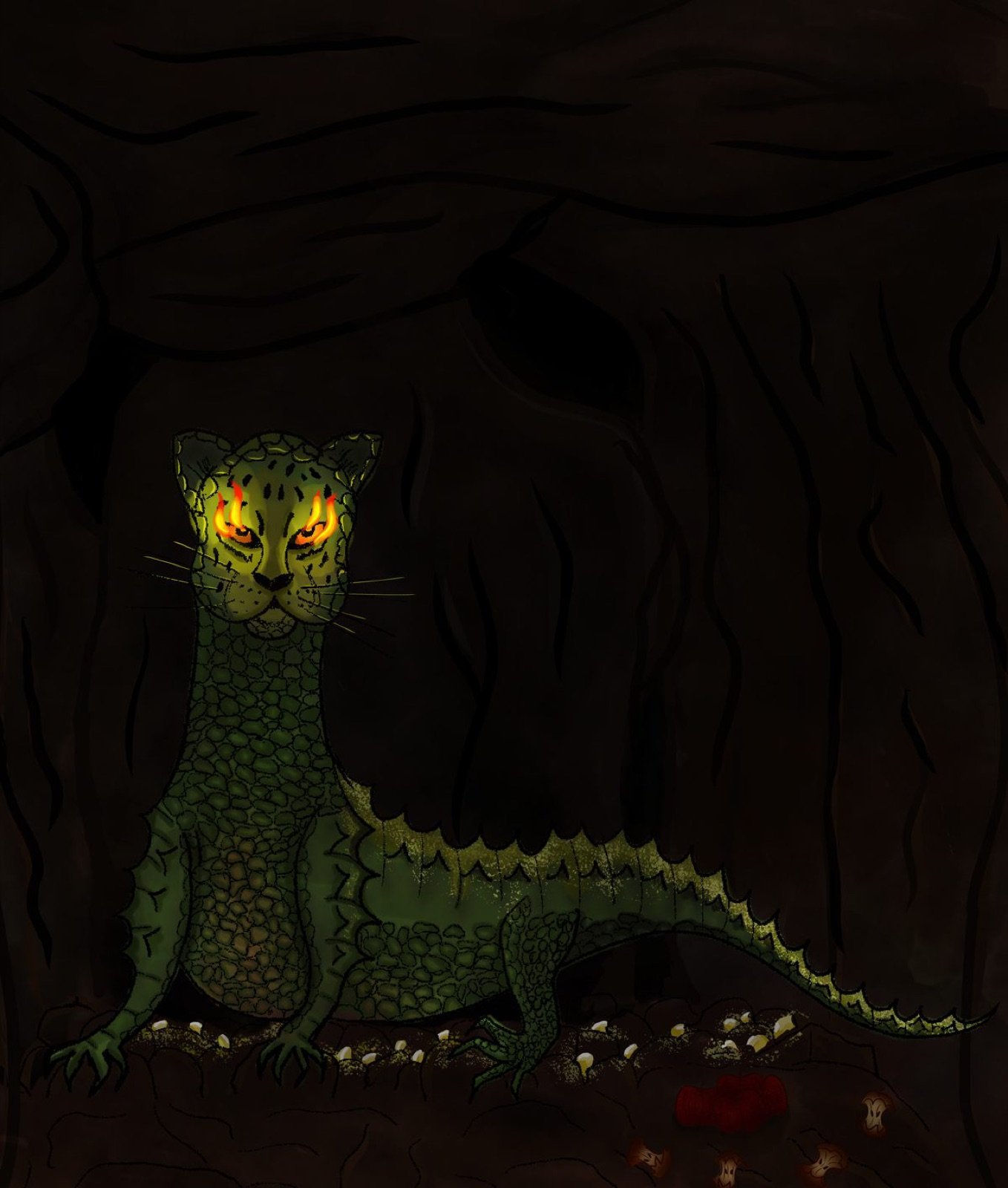
Teju Jagua
The cave guardian among Tau and Kerana’s sons, a vast lizard bearing seven dog heads over hidden treasure.
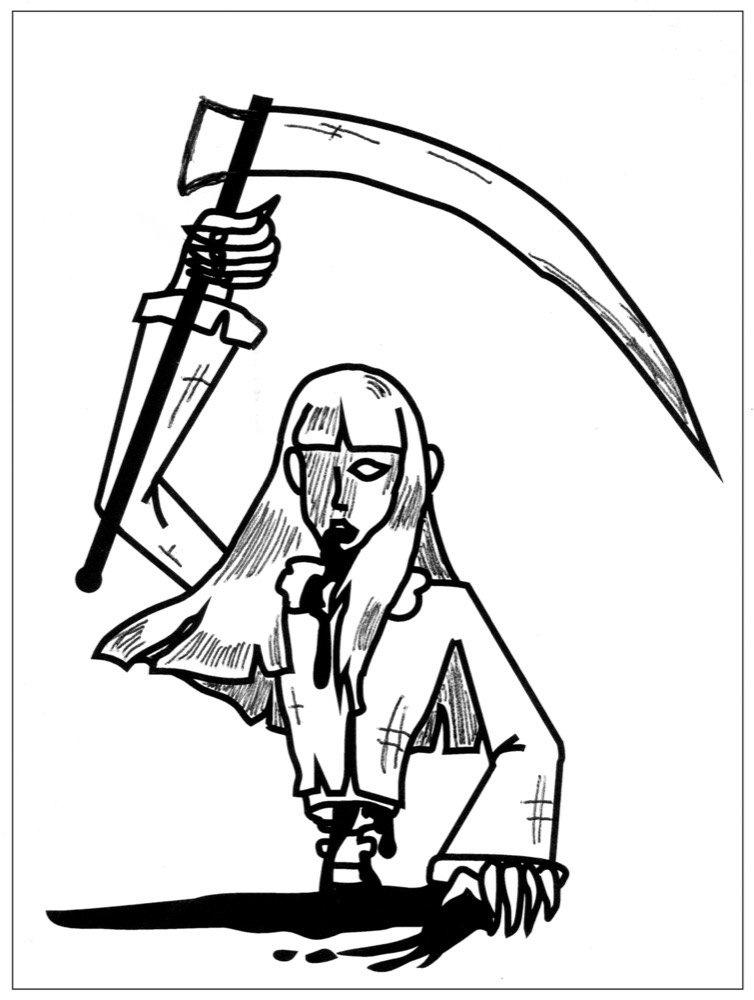
Teke-Teke
A woman cut in half by a train survives as a torso that sprints on its elbows with a 'teke-teke' clatter and slices those it catches in two. A staple of 1980s Japanese school ghost lore.
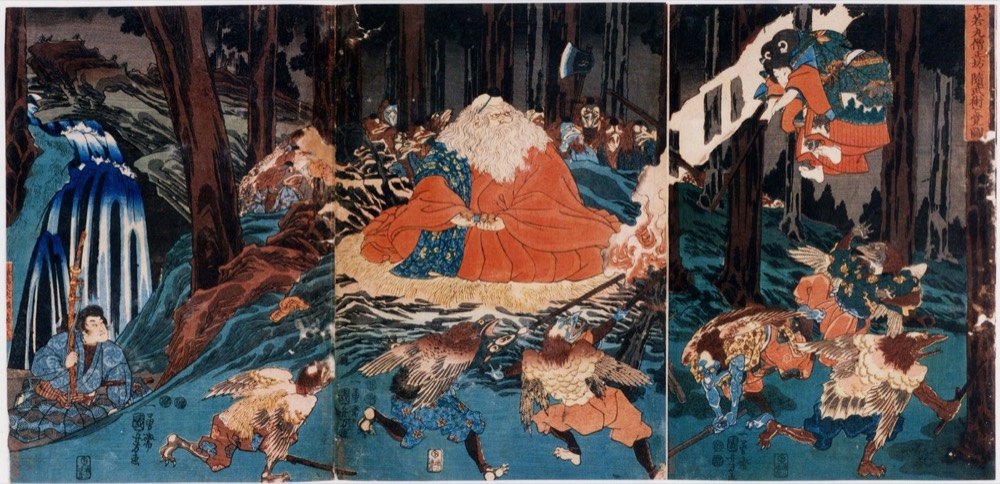
Tengu
Red-faced, long-nosed mountain goblins in the garb of ascetic monks, wielding feather fans and given to flight and abduction; a name borrowed from a Chinese meteor omen that grew into the emblematic spirit of Japan's mountains.
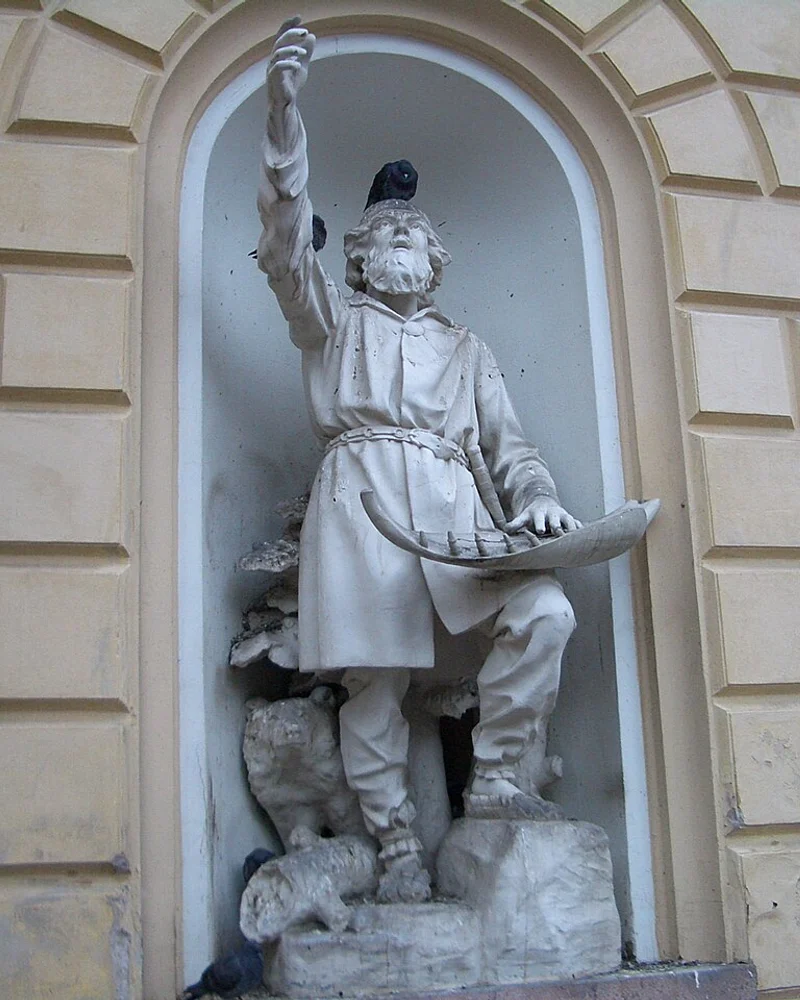
The Great Pike
The gigantic pike on whose shoulders the heroes' ship runs aground on the way to steal the Sampo; Väinämöinen kills it and makes the first kantele from its jawbone.
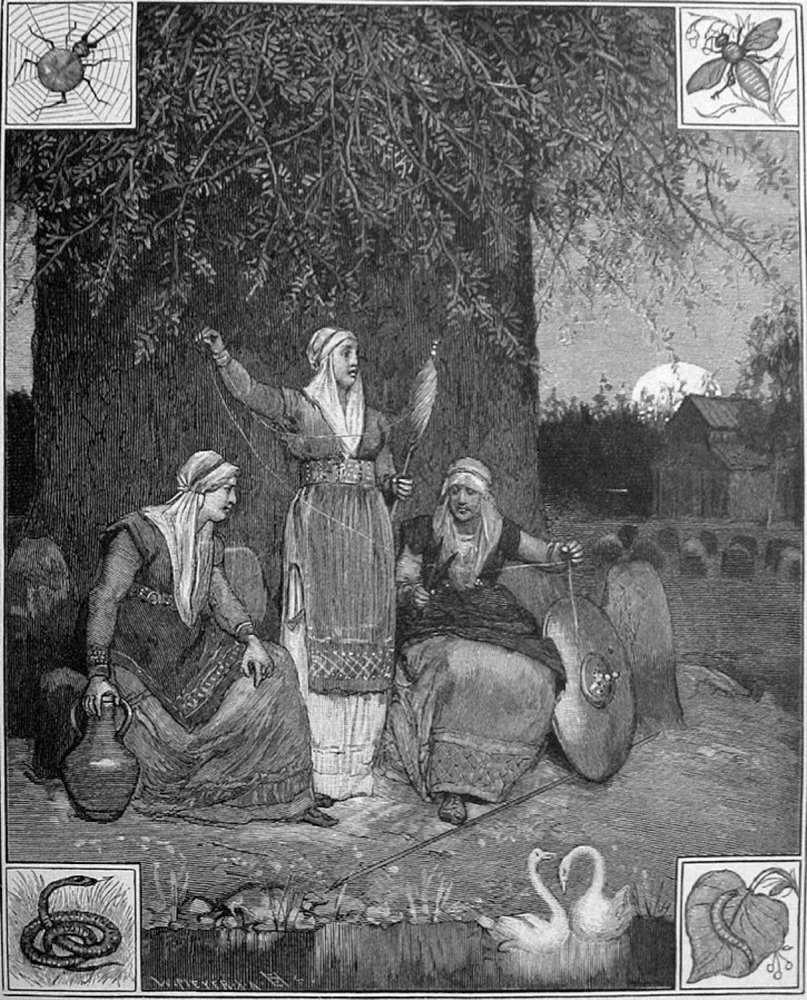
The Norns
Urd, Verdandi, and Skuld dwell by the Well of Urd beneath the world tree, carving laws and allotting lifespans; even the gods cannot escape their decrees.
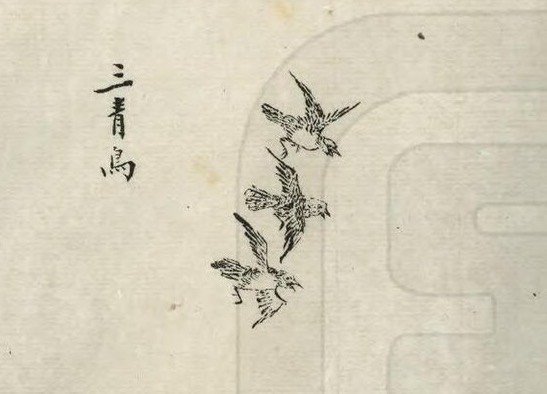
Three Azure Birds
Three azure birds roosting on Mount Sanwei who fetch food for the Queen Mother of the West; from Han times they became her heralds, and 'azure bird' has meant 'messenger' in Chinese ever since.
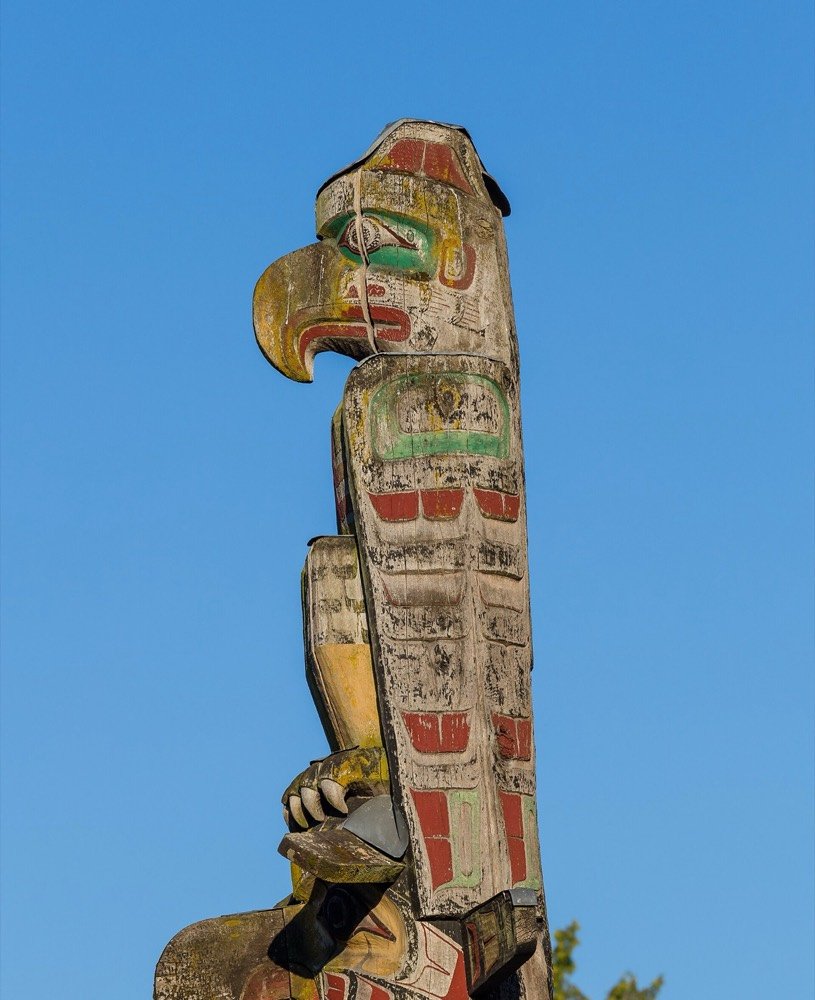
Thunderbird
A giant bird spirit shared across many North American peoples: its wingbeats are thunder, its blinking eyes lightning. Northwest Coast stories tell of it seizing whales.
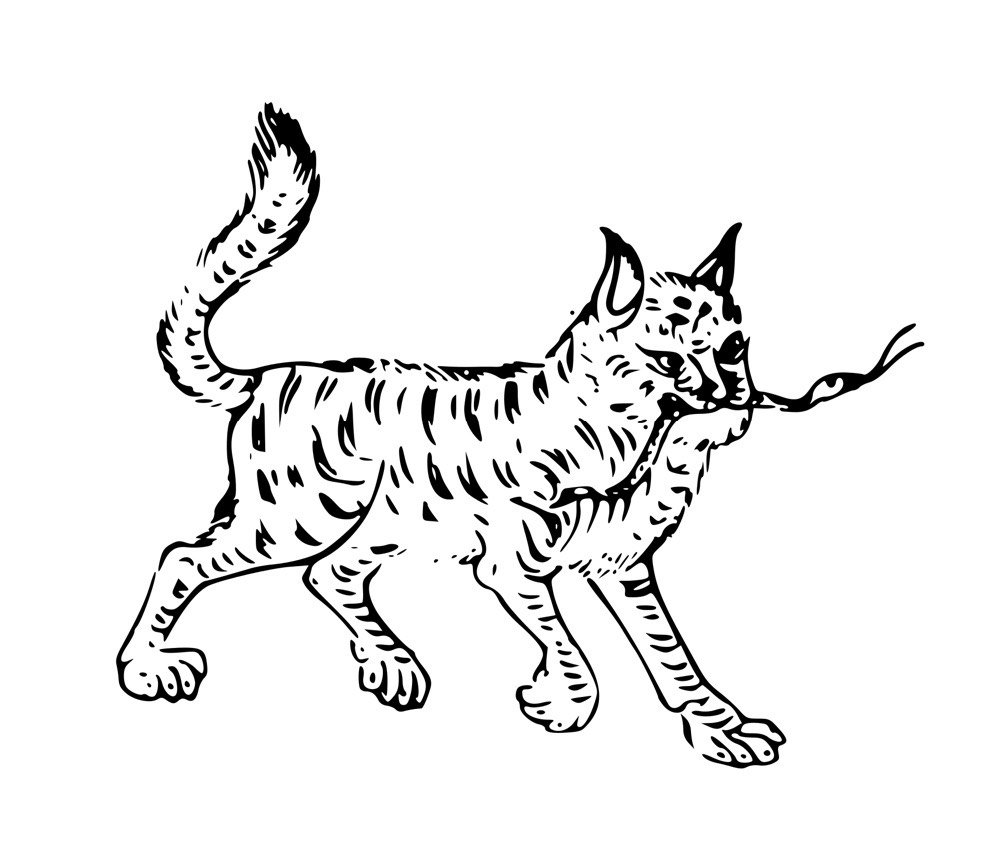
Tiangou
A wildcat-like, white-headed beast of Mount Yin whose cry sounds 'liu-liu'; it wards off evil — a benign original quite unlike the later moon-devouring Tiangou.
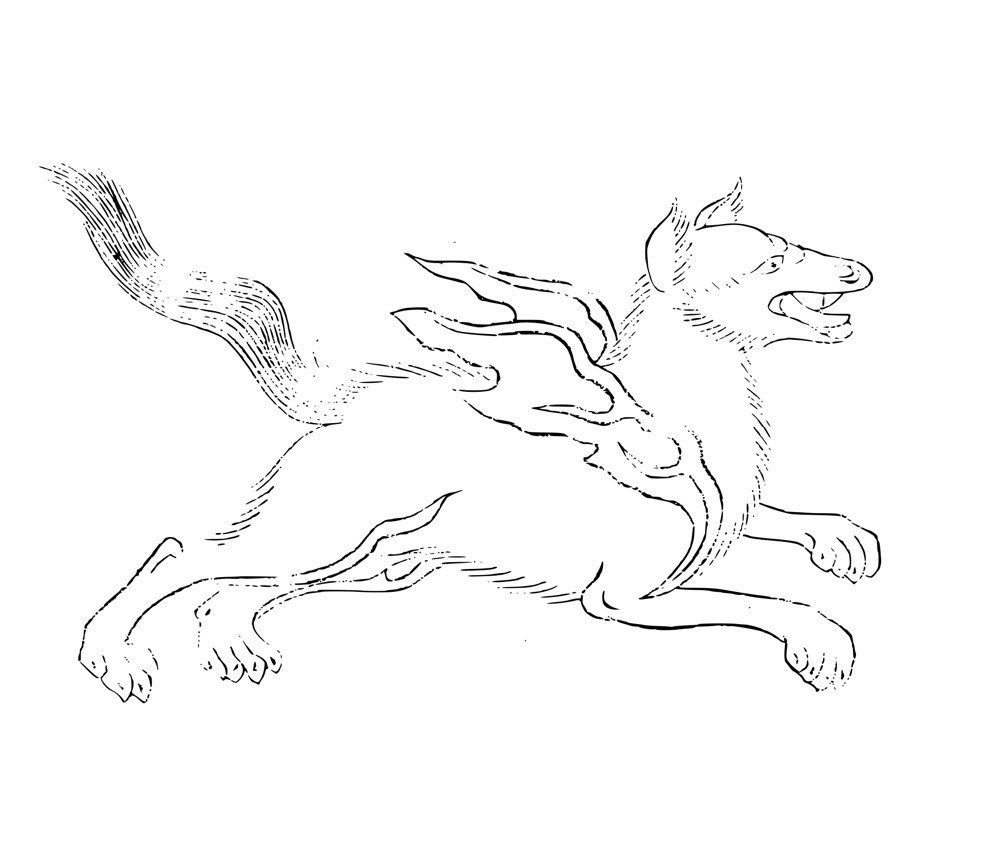
Tianma
A beast of Macheng Mountain shaped like a white dog with a black head. The moment it sees a person it takes to the air, crying out what sounds like its own name.
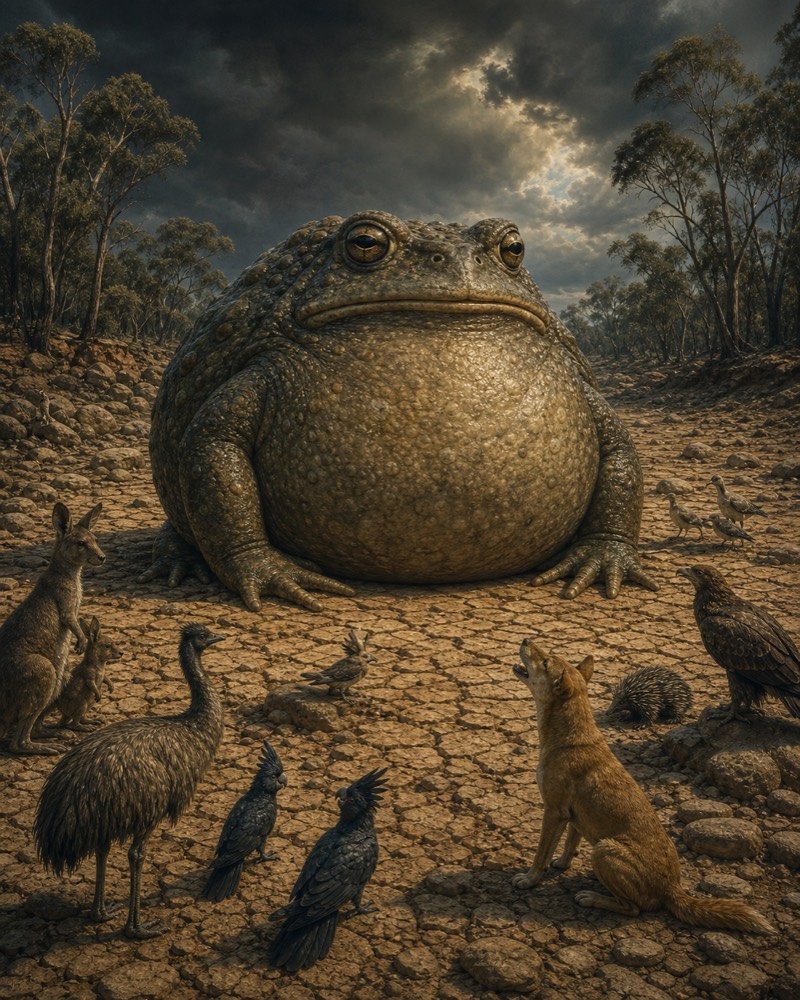
Tiddalik
In a Gunaikurnai telling, Tiddalik drinks the waterhole, creek, and river dry. The animals must make the frog laugh before the waters can surge back across Country.
Tikbalang
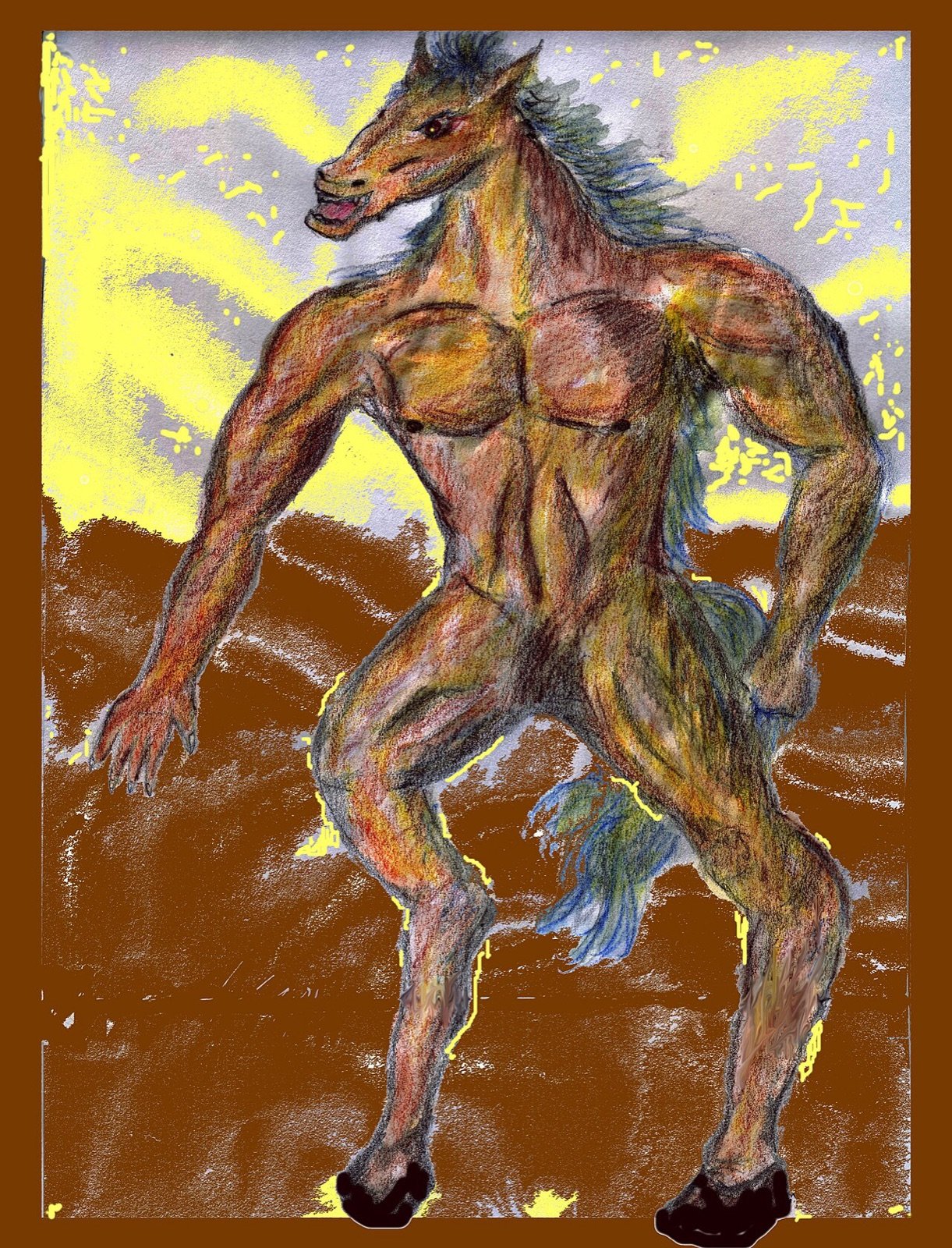
A tall wilderness trickster who loops a traveler’s path, later acquiring its famous horse-headed form.
Tikoloshe
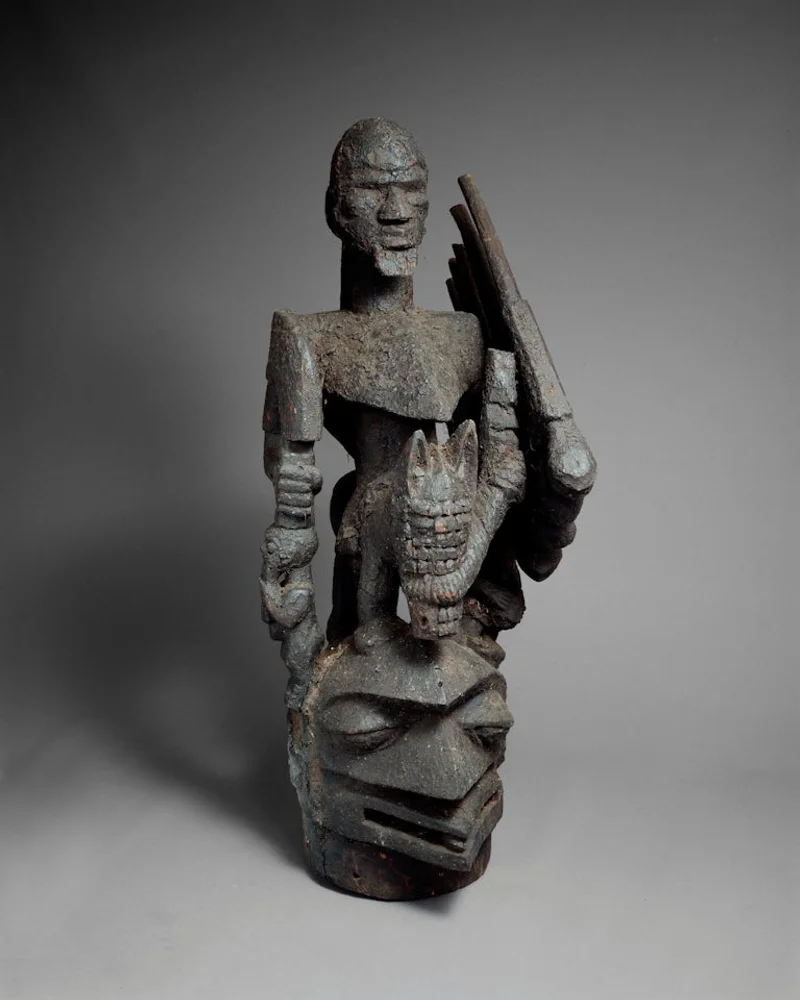
A mischievous and malevolent dwarf-like water spirit from Zulu and Xhosa mythology. Created by witches to cause harm, it can become invisible by drinking water or swallowing a pebble. People traditionally raise their beds on bricks to avoid its reach during the night.
Tongtong
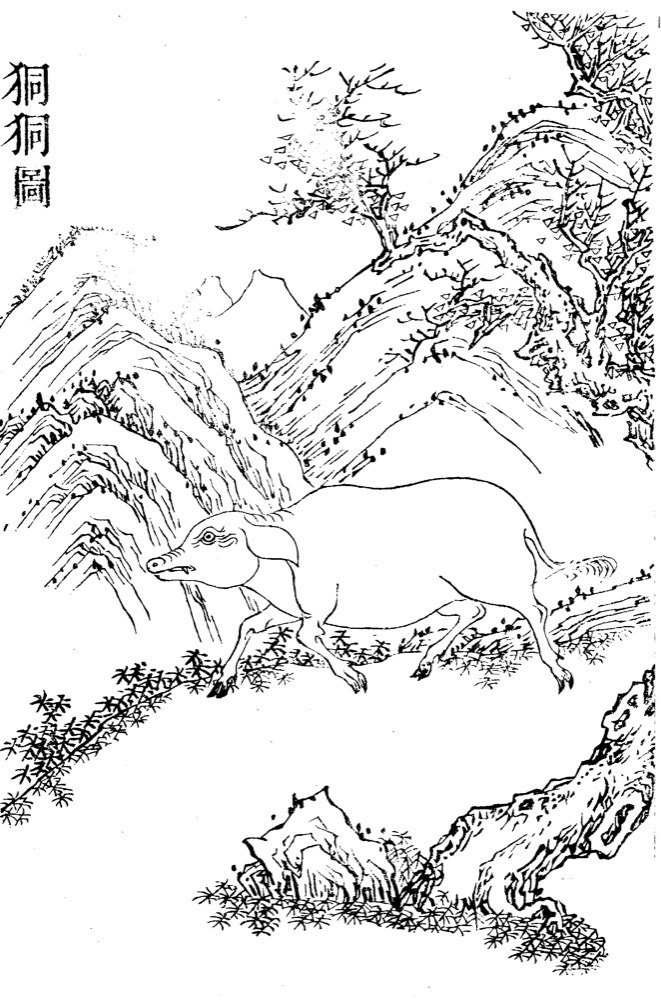
A beast of Mount Tai in the eastern first guideway: shaped like a pig, yet it grows pearls inside its body, and its cry names itself. Guo Pu's verse praises it as 'clad in coarse cloth, harbouring pearls'.
Torngarsuk
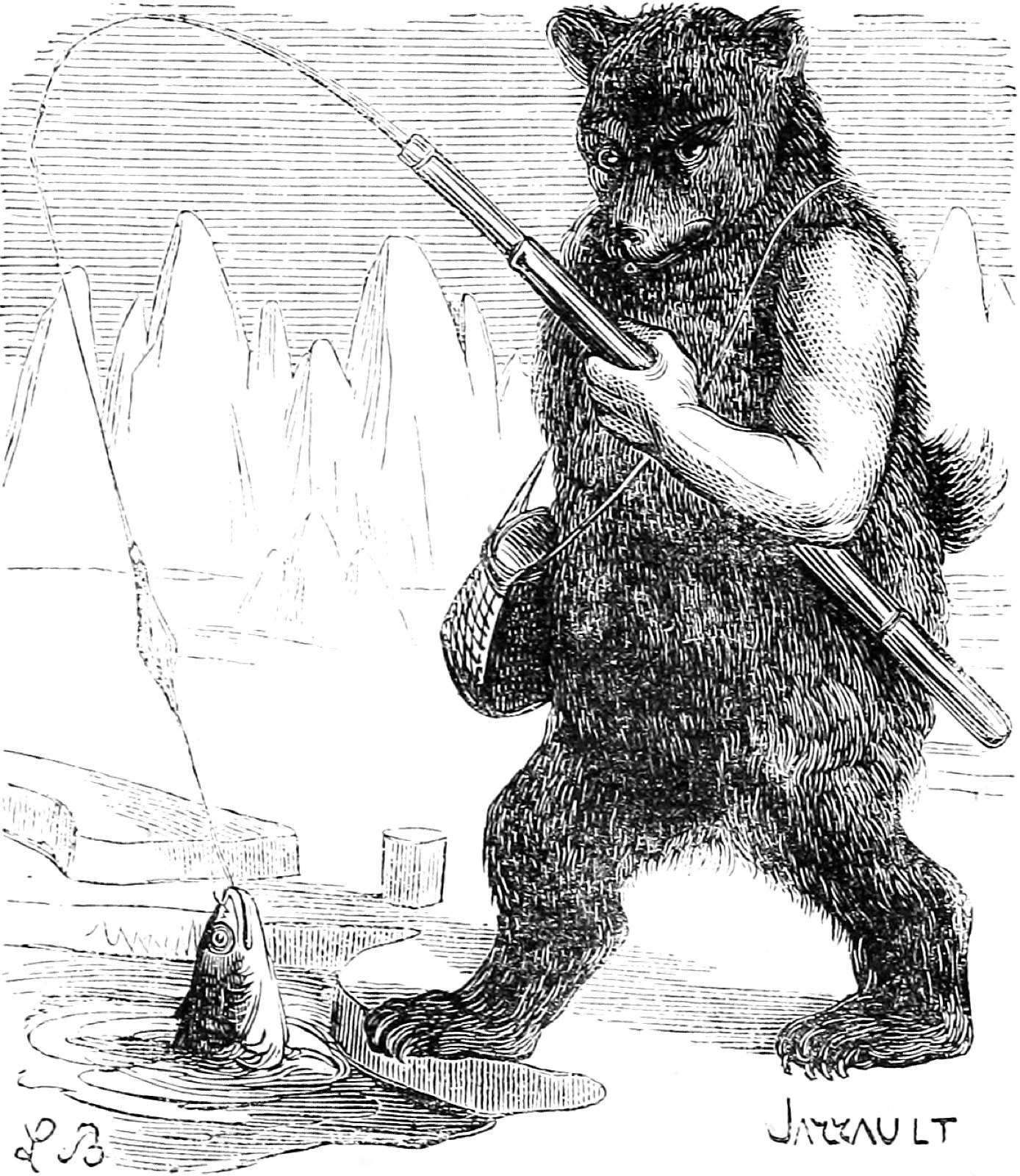
A powerful Greenlandic helping spirit whose shifting form missionaries forced into the shape of Satan.
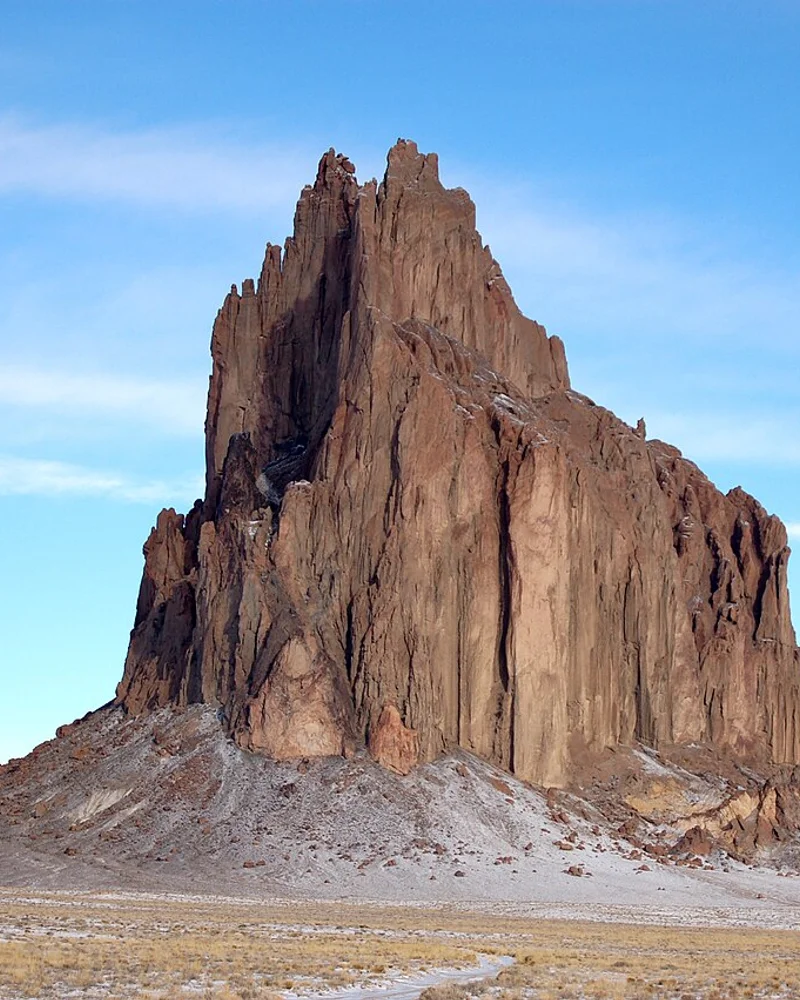
Tsé Nináhálééh
The monster eagles who nested on Tsé Bitʼaʼí (Shiprock) and carried people off to feed their young; Monster Slayer killed the adults and turned their young into the eagle and the owl.
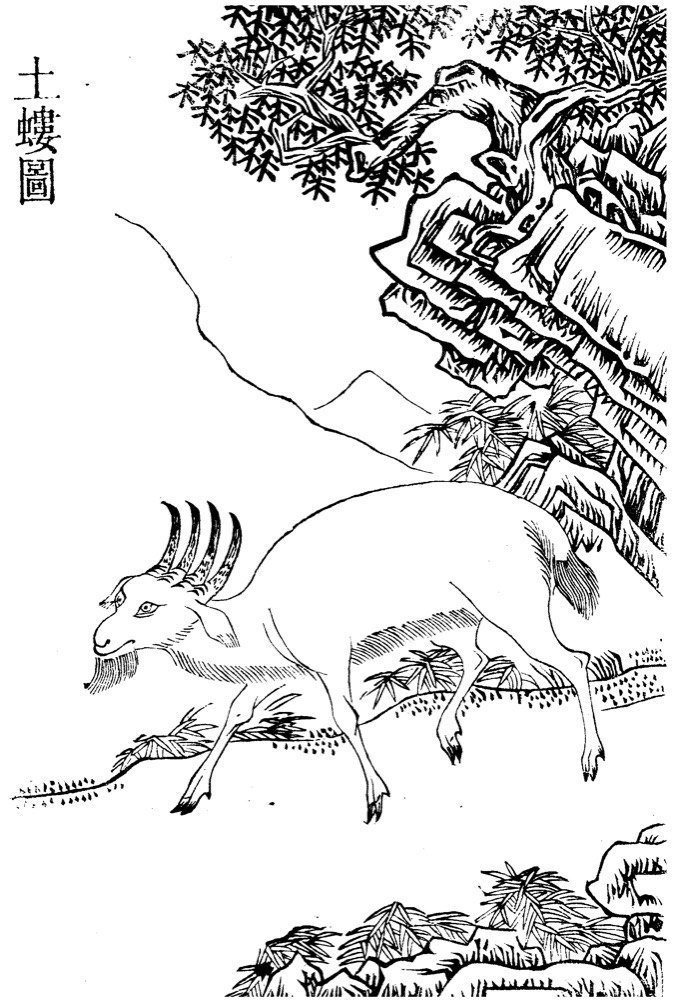
Tulou
A man-eating beast of the Mound of Kunlun, shaped like a ram with four horns, sharing the High God's lower capital with the warden Luwu and the venomous Qinyuan.
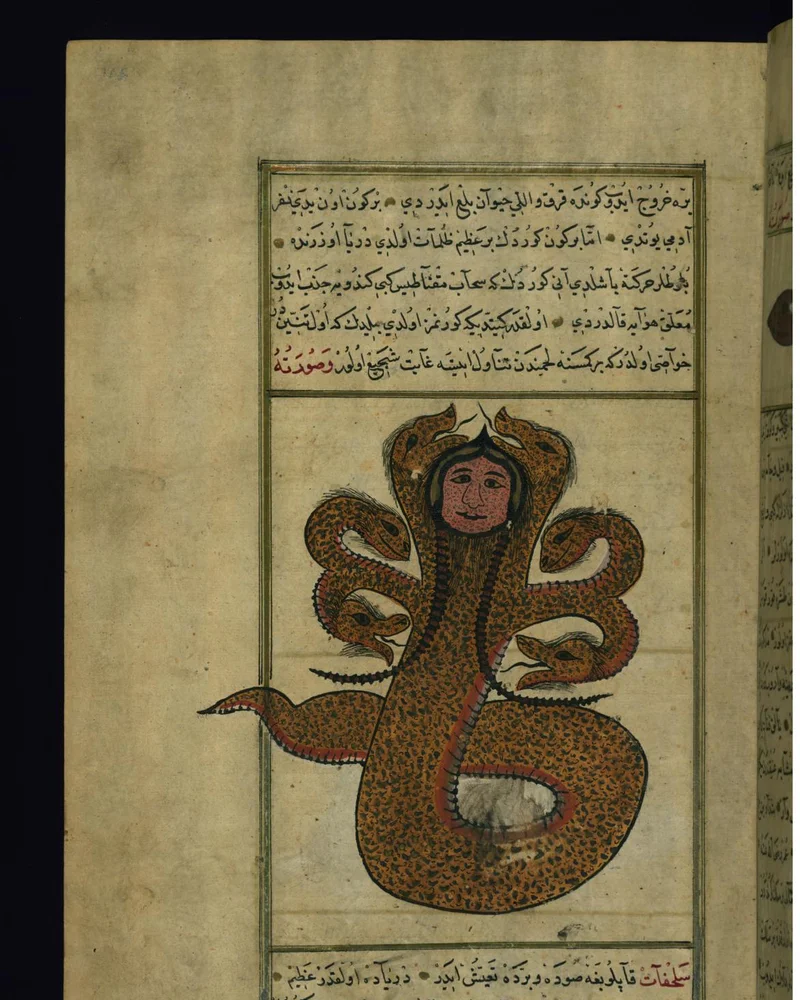
Tunnan
A sea-dragon named among the monsters that the goddess Anat boasts of having muzzled and destroyed; the Ugaritic counterpart of the biblical tannin.
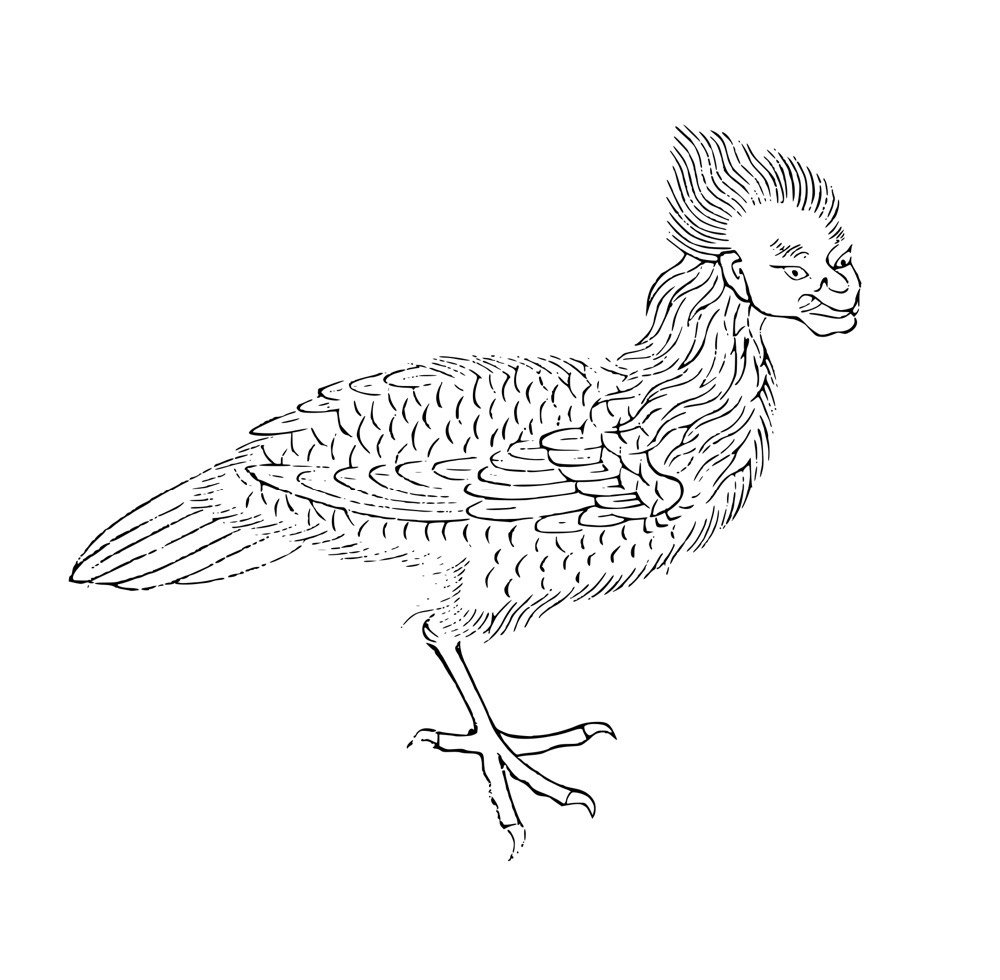
Tuofei
A strange bird of Mount Yuci, owl-bodied with a human face and one leg, active in winter and dormant in summer; wearing its feathers protects a person from thunder.
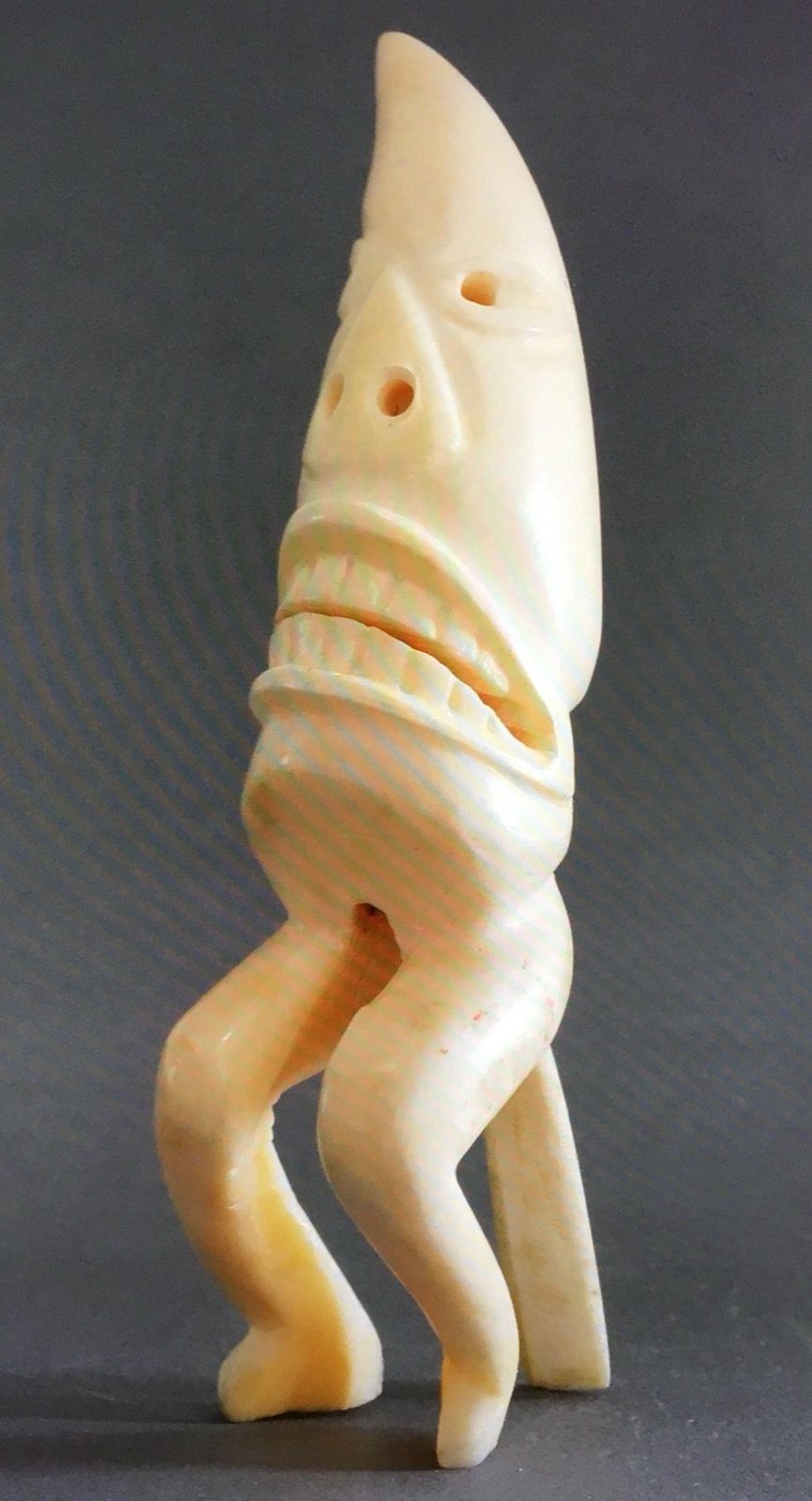
Tupilaq
A secretly made avenging being that may be turned back upon the person who sent it.
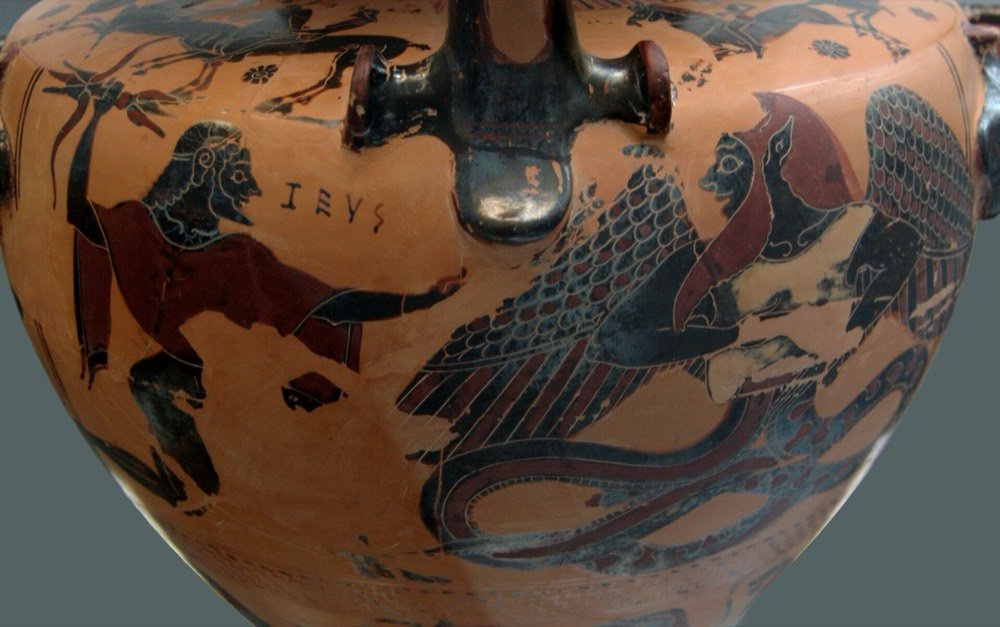
Typhon
Child of Gaia and Tartarus, with a hundred serpent heads and fire in his eyes. He challenged Zeus for kingship and lies defeated beneath Mount Etna.
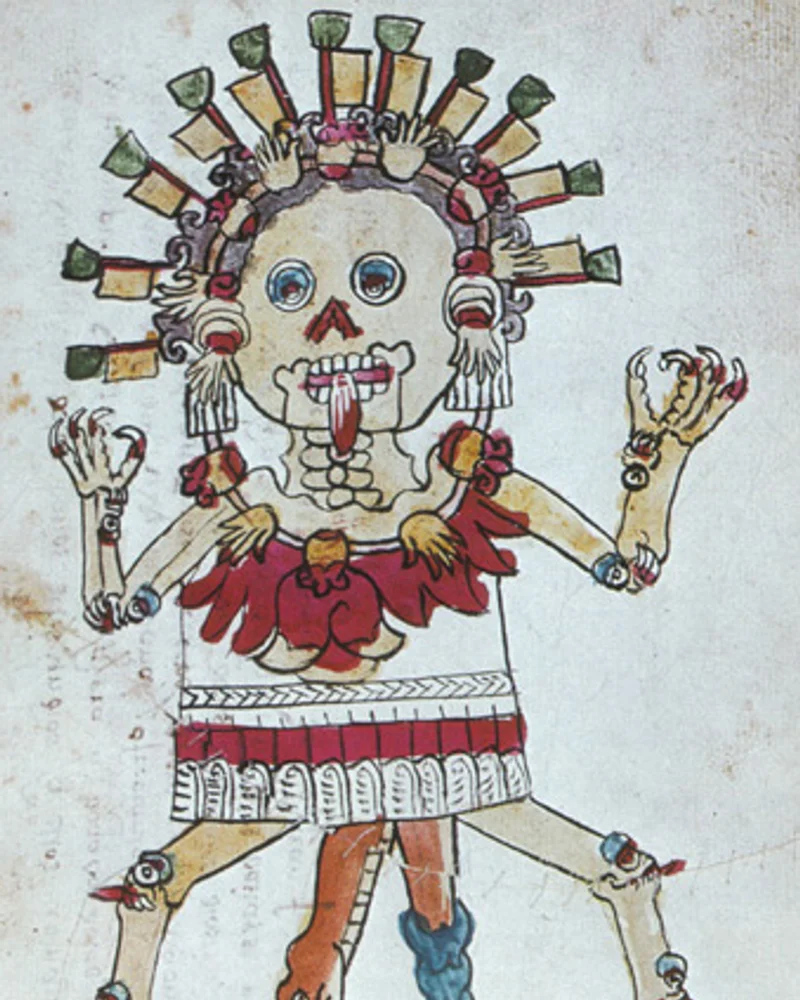
Tzitzimime
Fearsome skeletal star demons from Aztec cosmology, feminine spirits who dwell in the heavens and threaten to descend during solar eclipses to devour humanity. Led by the goddess Itzpapalotl, they represent the stars that battle the sun at dusk and dawn, waiting for the moment when the Fifth Sun dies to consume all living things.
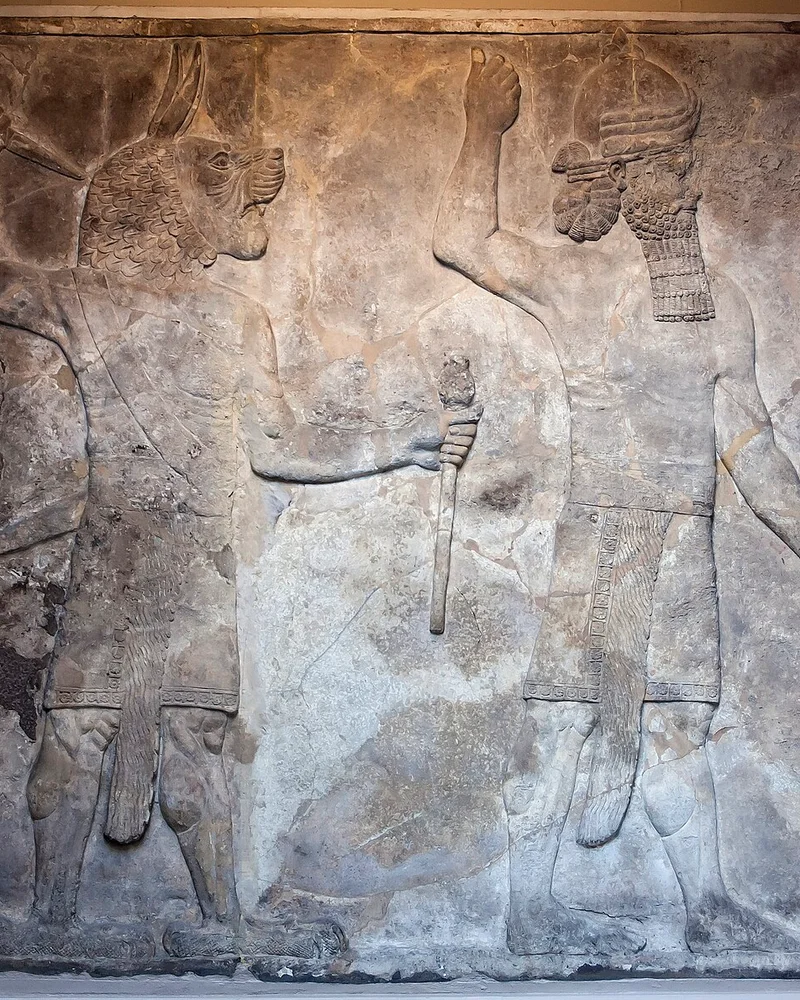
Ugallu
Lion-demon storm spirits of Mesopotamian ritual art — fierce guardians who also threaten the unprotected.
Ullikummi
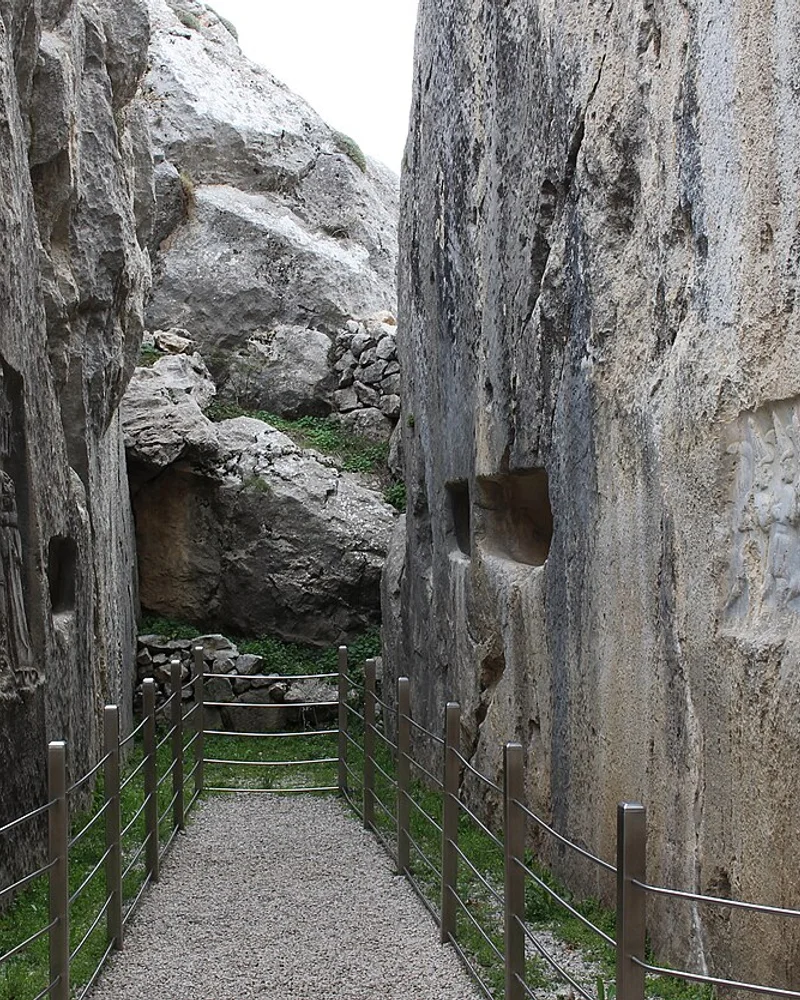
A deaf and blind giant of basalt, fathered by Kumarbi on a great rock and grown on the shoulder of the world-bearing giant Upelluri until it reaches heaven, to destroy the storm-god's city of Kummiya.
Urcuchillay
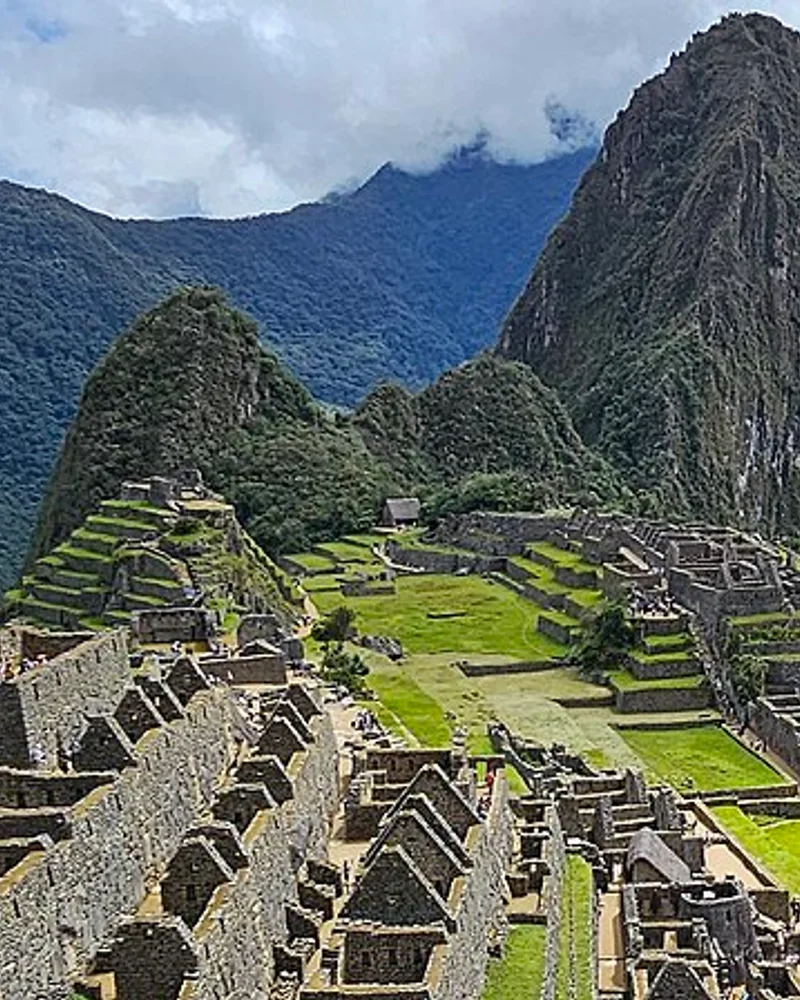
The many-colored male llama of the stars, reported by colonial writers as the celestial guardian that herders prayed to for the increase and protection of their flocks.
Valkyries
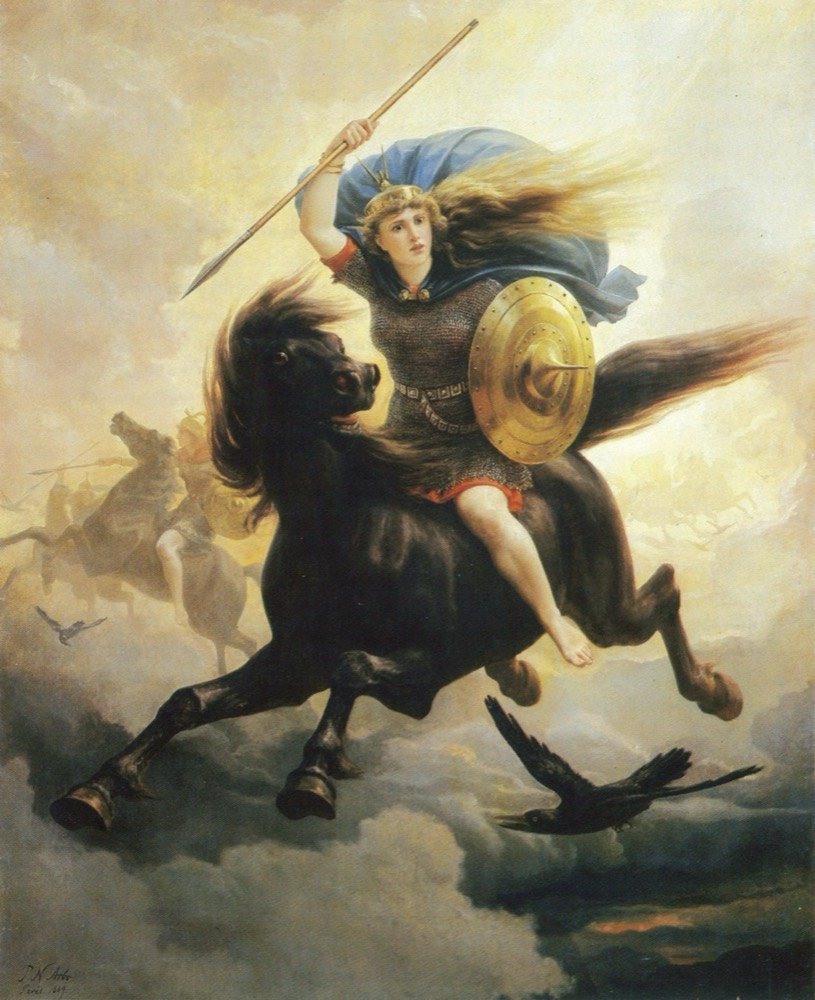
Odin's warrior maidens, literally 'choosers of the slain', who ride over battlefields deciding who falls, then lead the chosen to Valhalla and serve them mead.
Vodyanoy
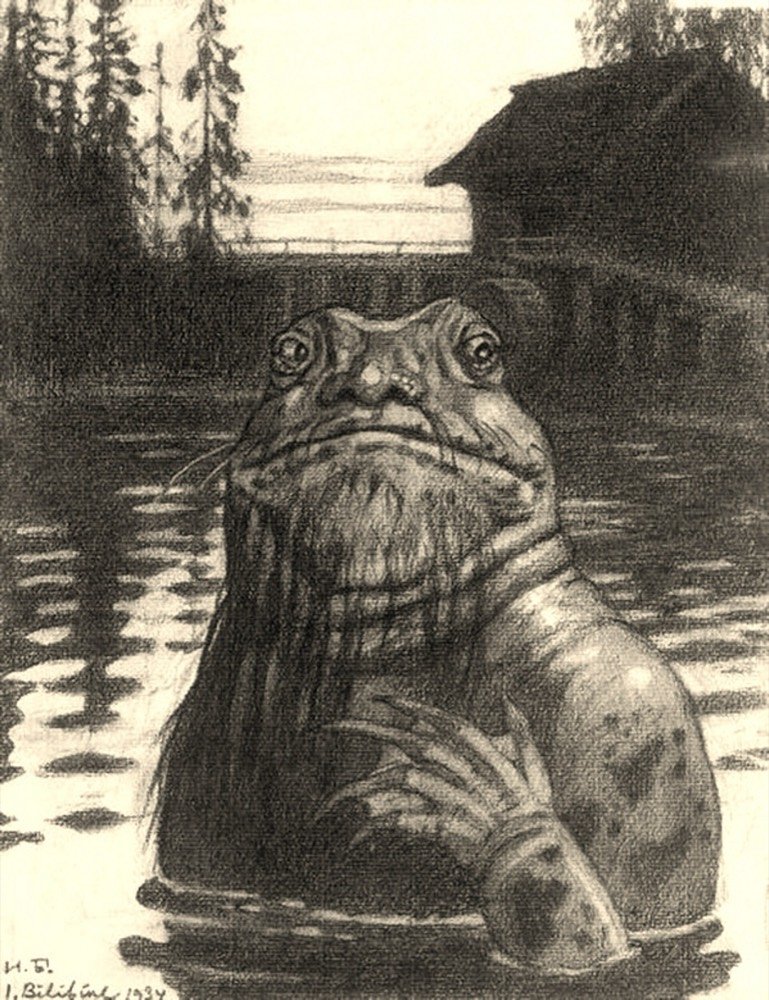
The bloated old master of millponds and whirlpools, his beard tangled with waterweed, riding a catfish; the drowned serve him, and millers owed him offerings.
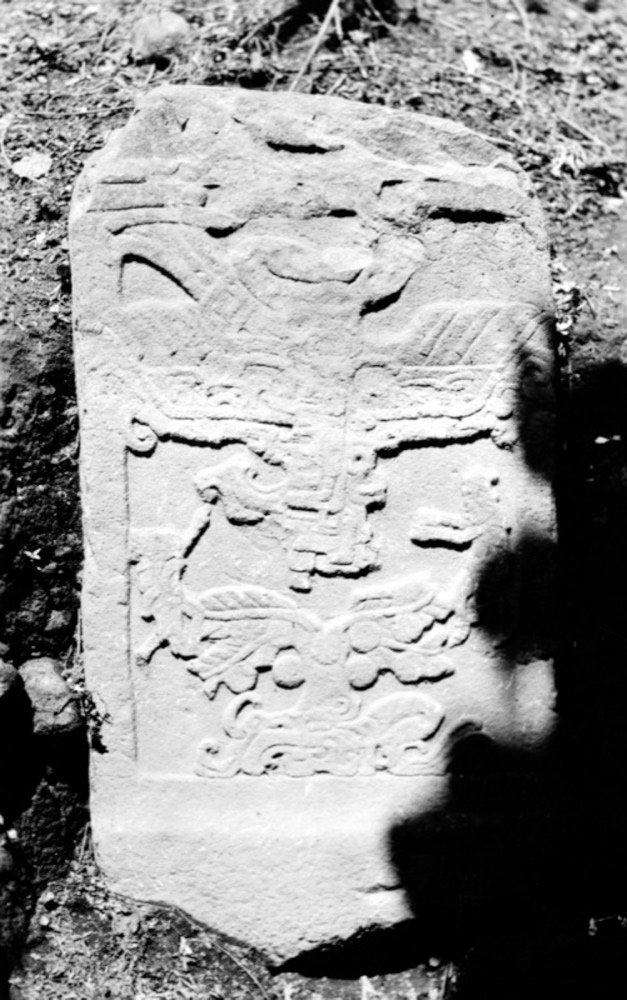
Vucub Caquix
"Seven Macaw," a giant bird with jeweled teeth and gleaming metal eyes who proclaimed himself sun and moon before the true dawn, until the Hero Twins shot him and pulled his shining teeth.
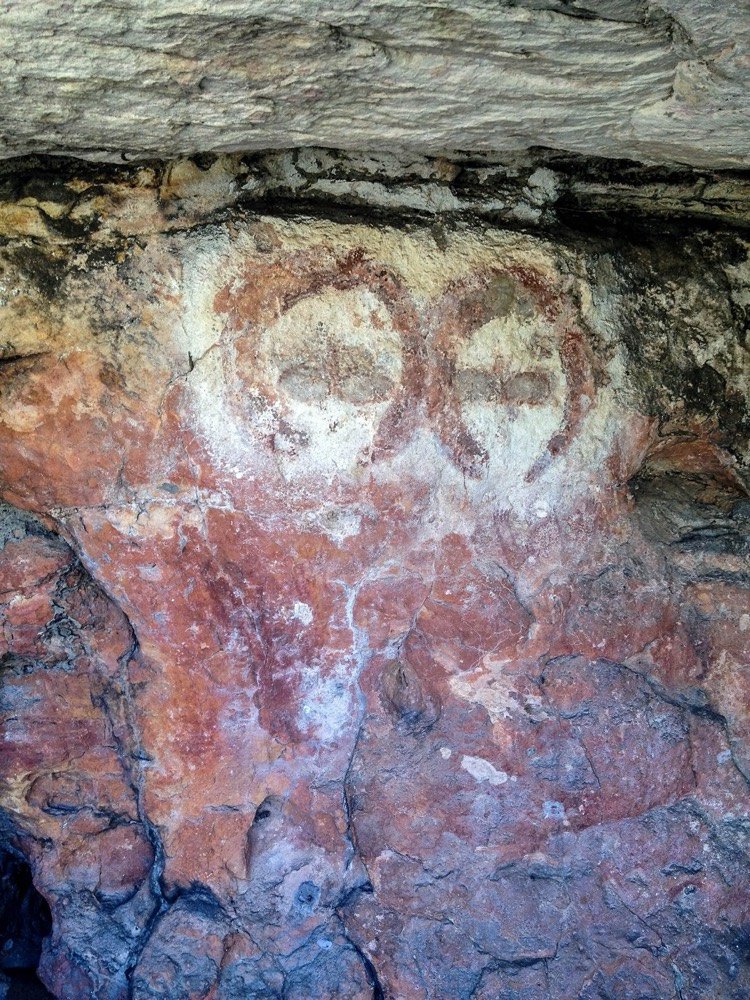
Wandjina
Cloud and rain spirits of the Worrorra, Ngarinyin, and Wunambal peoples of the Kimberley: white-faced, dark-eyed, mouthless figures crowned with halo-like headdresses, painted in rock shelters to govern the monsoon.
Wendigo
A cannibal spirit in Algonquian traditions, bound to deep winter, famine, and insatiable greed. A person who eats human flesh in extremity, or is possessed, may become one.
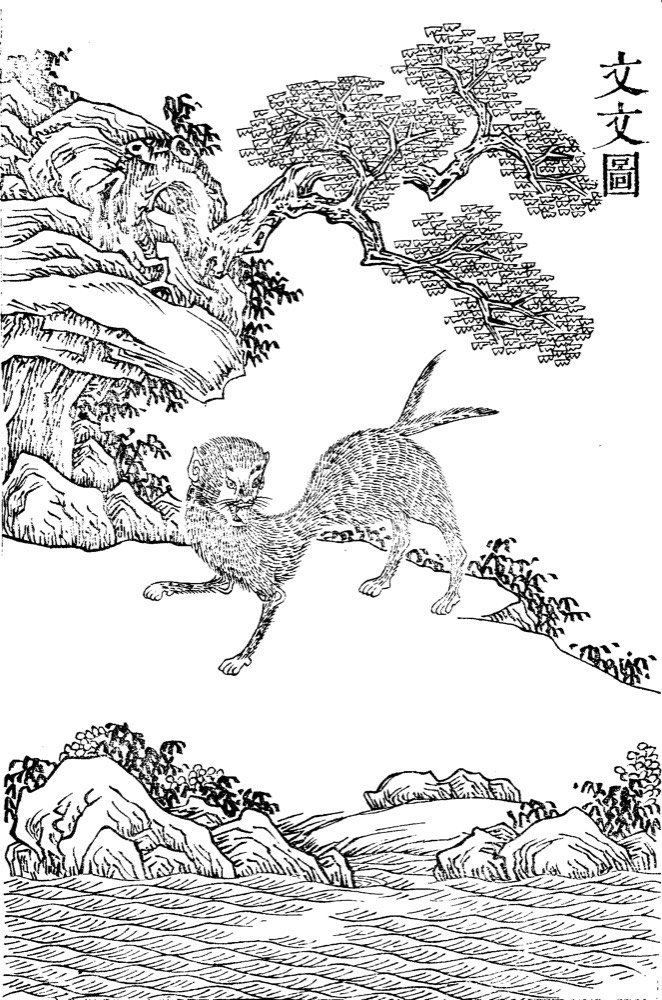
Wenwen
A beast of Mount Fanggao shaped like a bee, with a forked tail and a tongue set backwards, given to loud cries — a counterpart to the cursing Shangao of the same sequence.
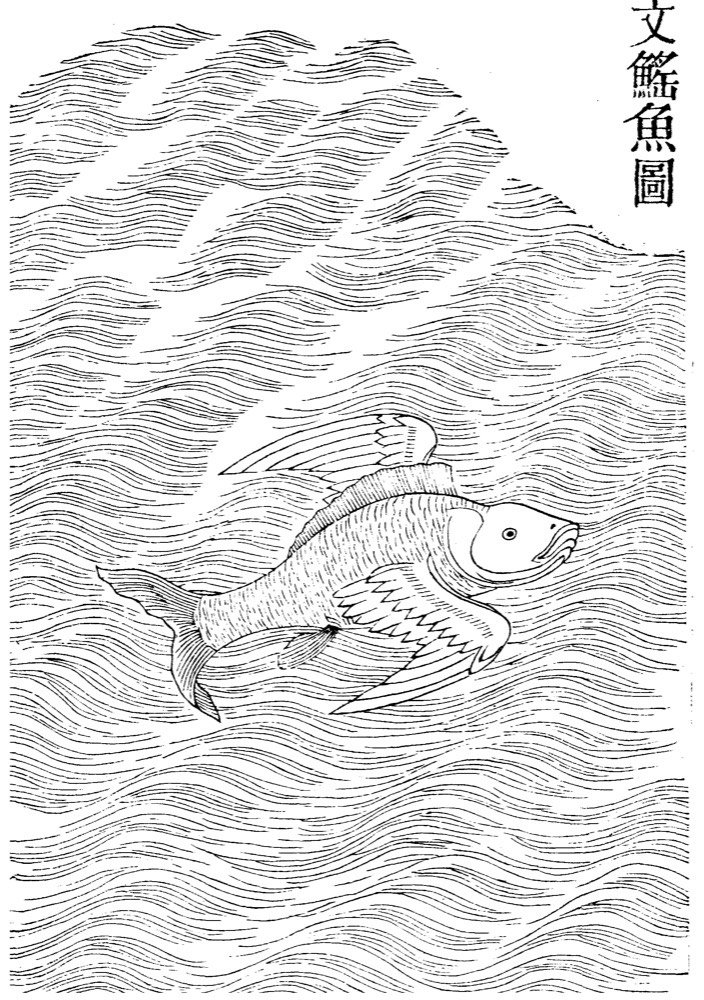
Wenyao Fish
A flying fish of the River Guan with a carp's body and bird's wings, white-headed and red-beaked, that flies by night from the western sea to the eastern; its appearance heralds a great harvest.
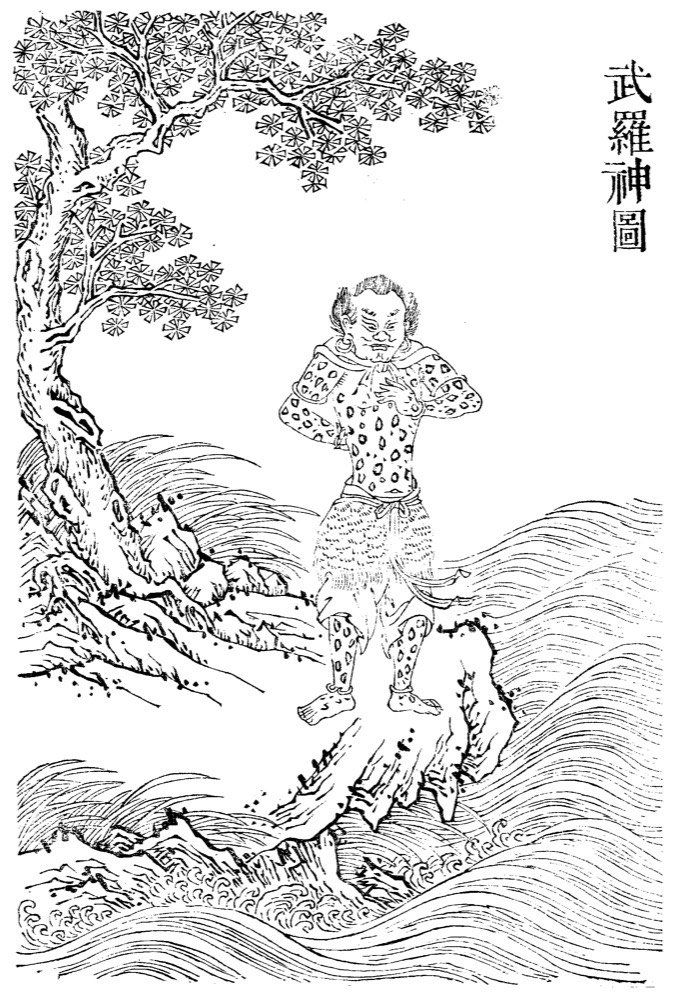
Wuluo
Warden spirit of Mount Qingyao — human face over leopard markings, slim waist, white teeth, metal earrings, a voice like chiming jade; the mountain is the supreme god's hidden capital and 'befits women.'
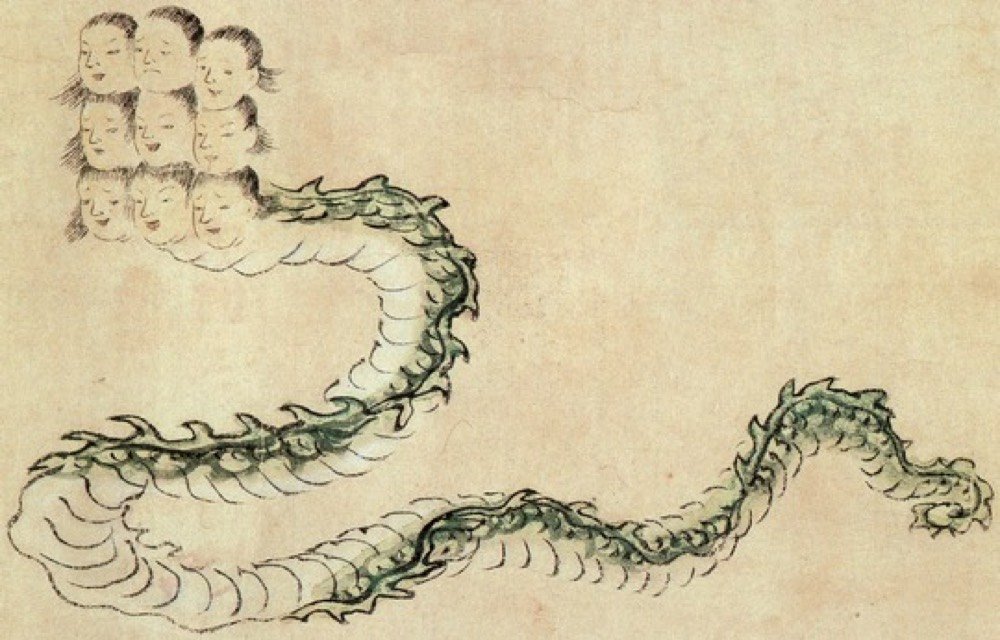
Xiangliu
Minister to the flood god Gonggong: nine human heads on a green serpent body, feeding on nine mountains at once. Yu slew it; its reeking blood ruined the soil, which collapsed three times when filled.
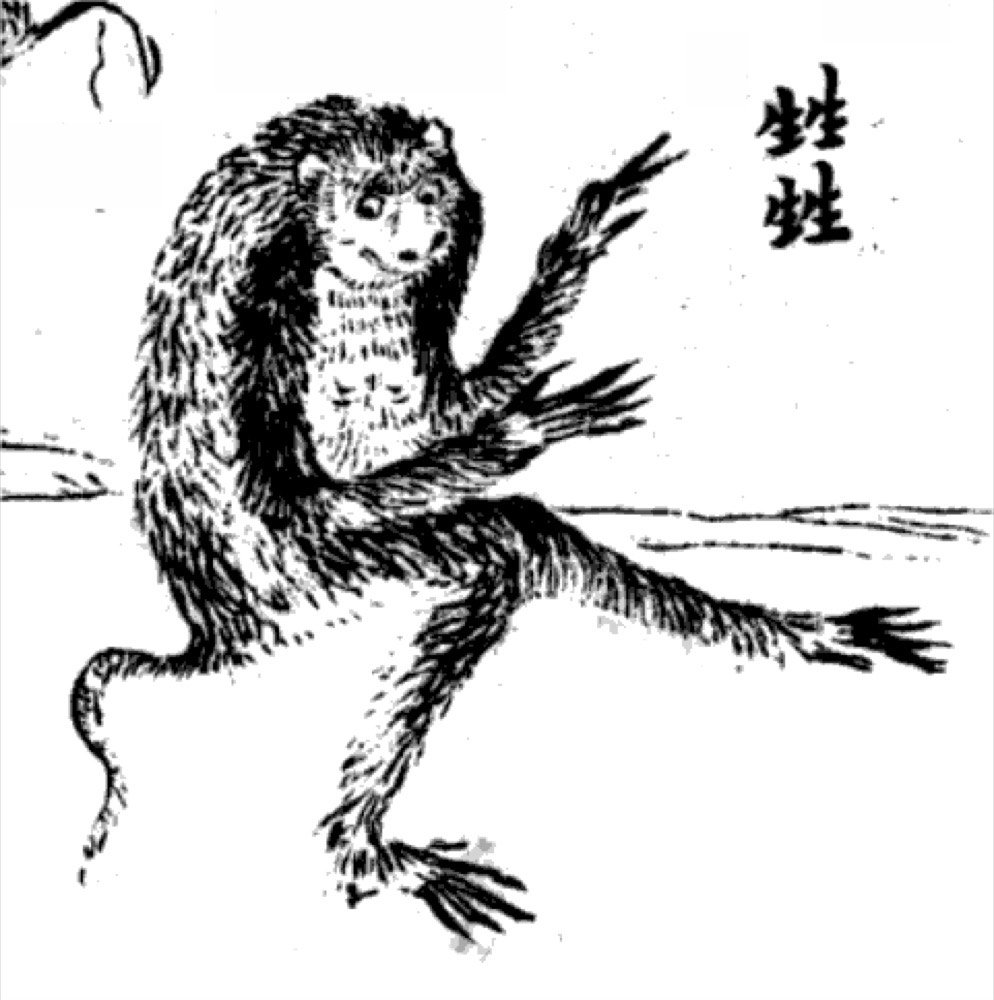
Xingxing
A beast of Mount Zhaoyao shaped like a macaque with white ears, moving on all fours or walking upright like a man; eating its flesh was said to make one a swift runner.
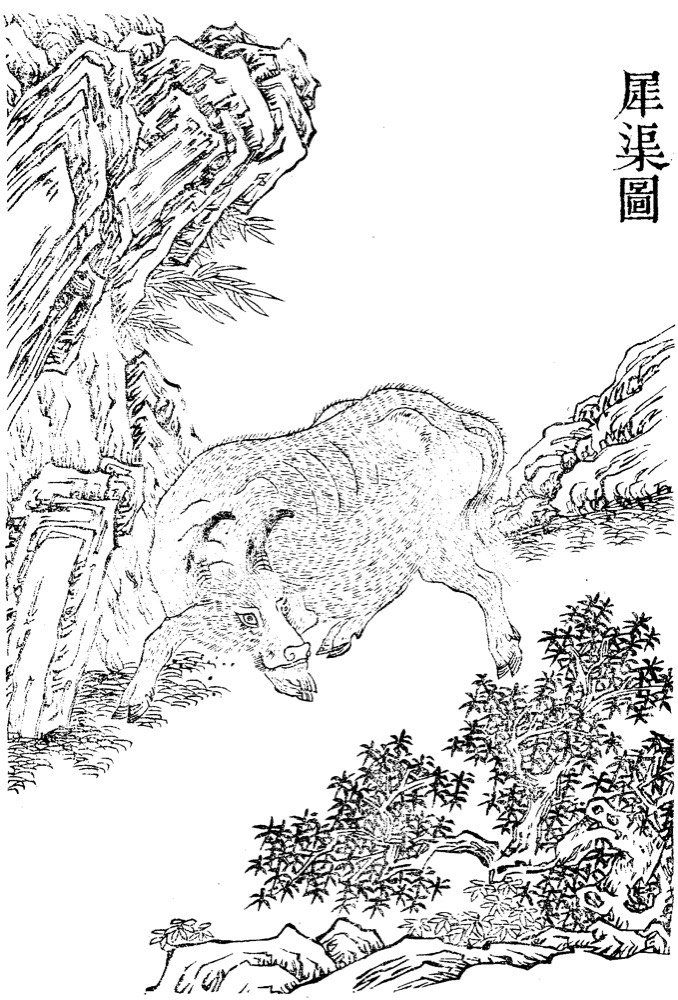
Xiqu
A man-eating beast of Mount Li shaped like an ox, its whole body dark blue-grey, its voice a wailing infant — the same lure used by the Mafu of the same Yi-Luo basin.
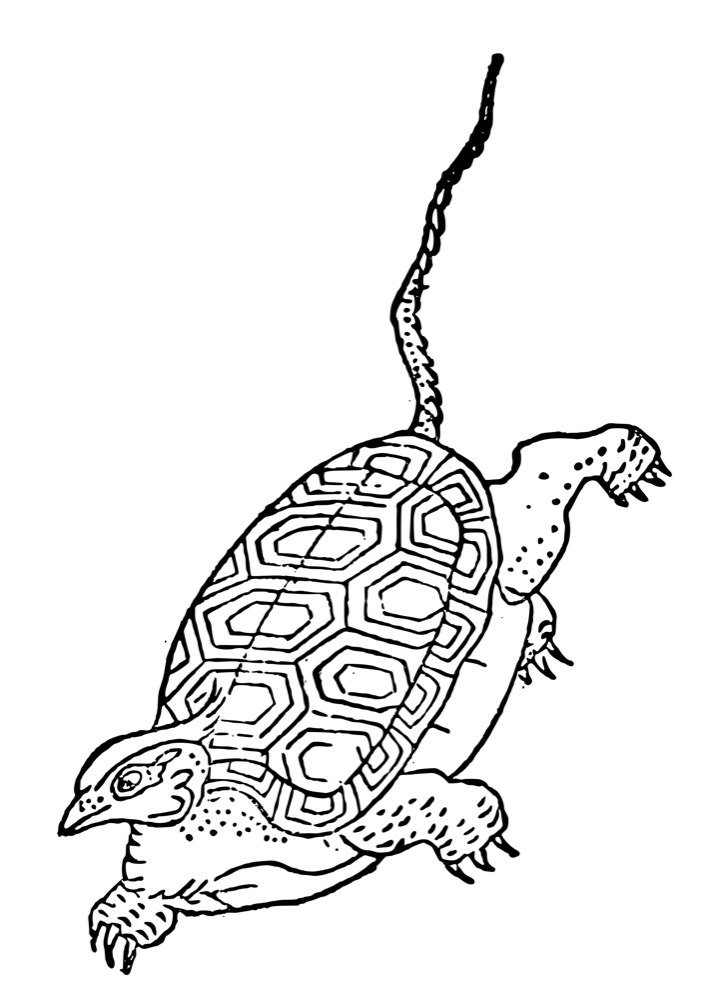
Xuangui
A turtle of the Guai River below Mount Niuyang, with a bird's head and a viper's tail, its call like wood splitting; worn on the body it guards against deafness and cures calluses.

Yacana
The celestial llama of the Huarochirí Manuscript, a dark shape in the Milky Way that walks down at midnight to drink from the sea; if it did not drink, the ocean would flood the world.
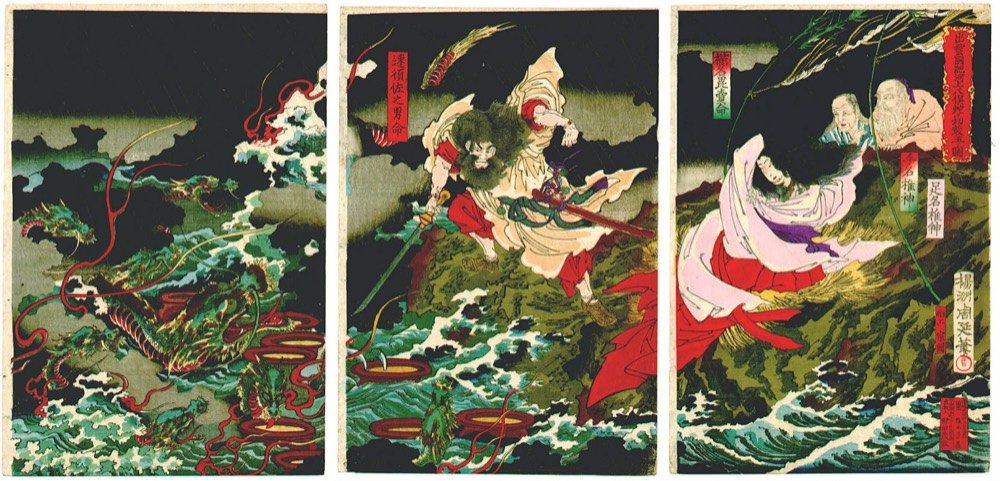
Yamata no Orochi
A colossal serpent with eight heads and eight tails, its back grown over with moss and cypress, that devoured a maiden each year until Susanoo slew it drunk and found the sword Kusanagi in its tail.
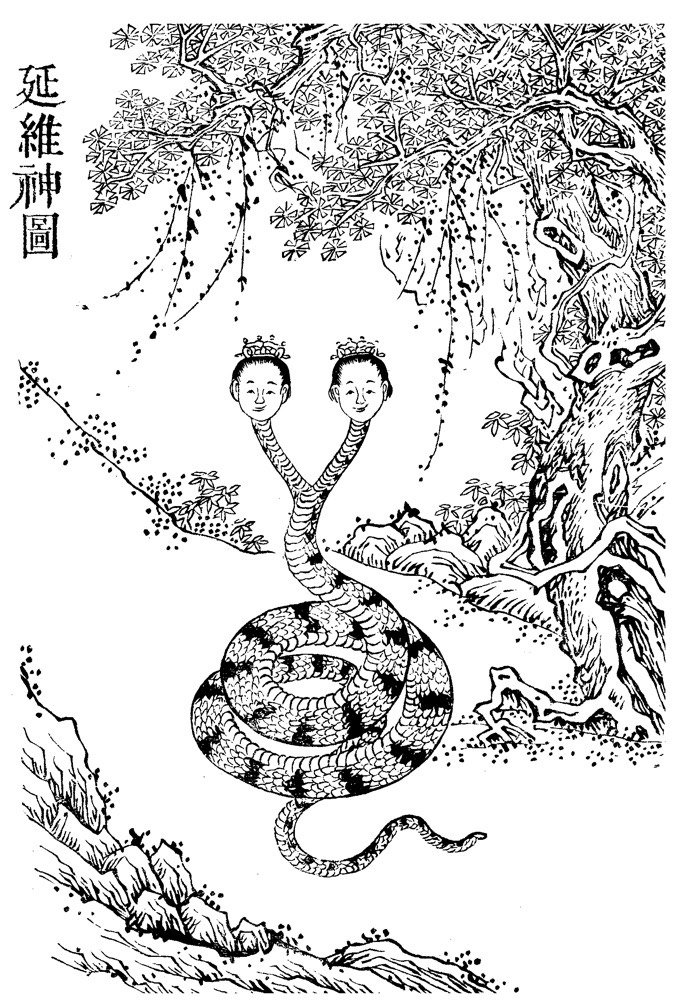
Yanwei
A serpent-bodied god with a human head at either end, long as a chariot shaft, in purple robes and a felt cap. A ruler who feasts it attains hegemony — the Weiyi seen by Duke Huan of Qi.
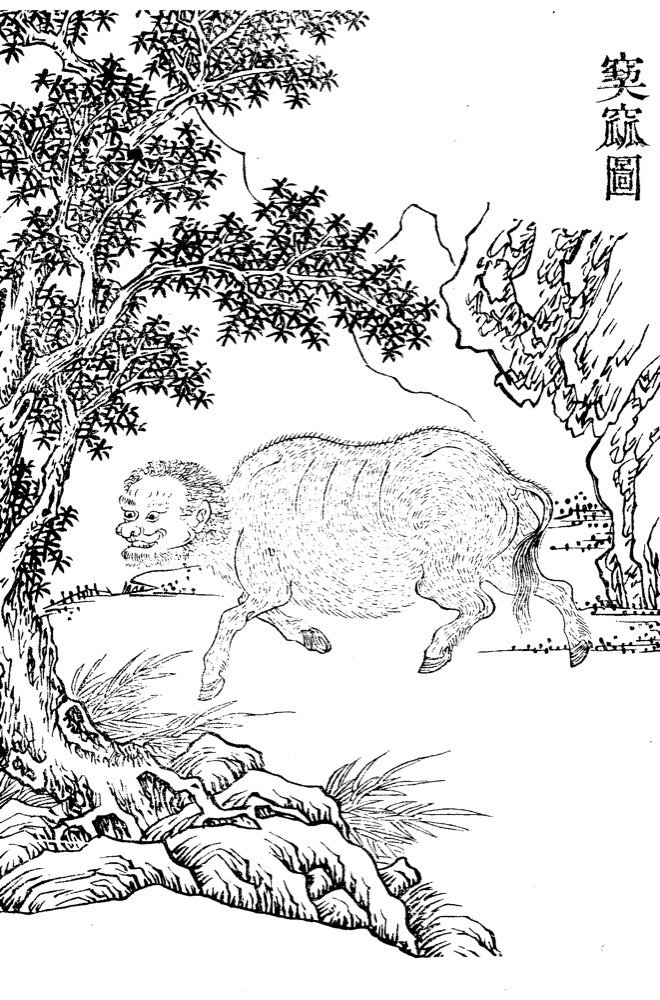
Yayu
Once a snake-bodied, human-faced god, murdered by Erfu and his minister Wei. Shamans tended the corpse with drugs of deathlessness; it revived as a dragon-headed man-eater of the Weak River, later slain by the archer Yi.
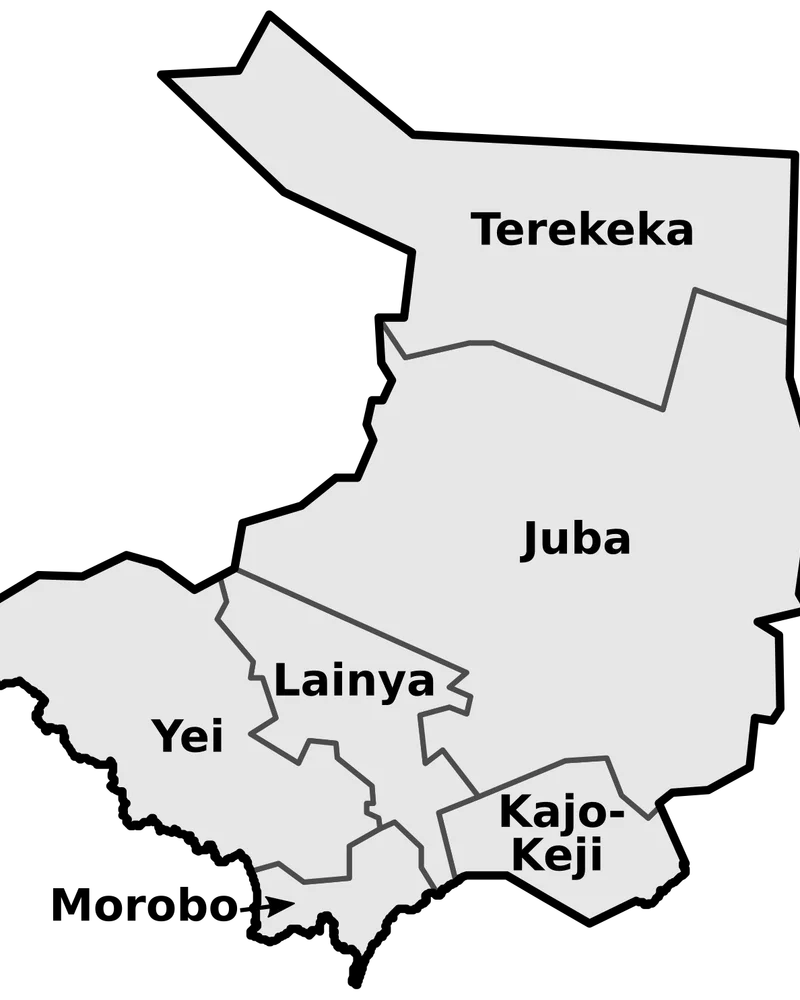
Yéʼiitsoh
The Big Monster, greatest of the naayééʼ, a giant armoured in flint who lived near Tsoodził (Mount Taylor); the first monster killed by the Hero Twins, whose blood became the lava flows near the mountain.
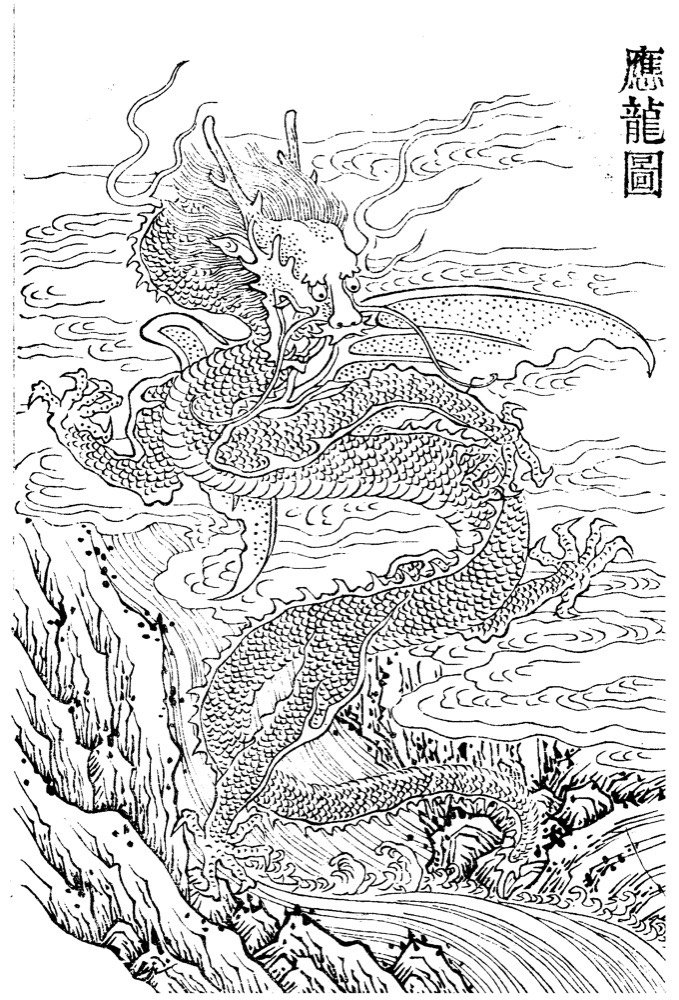
Yinglong
A winged dragon who killed Chiyou and Kuafu for the Yellow Emperor, then could not return to heaven. It settled in the far south, which is why the south is rainy; drought-struck people mimicked its shape to call rain.
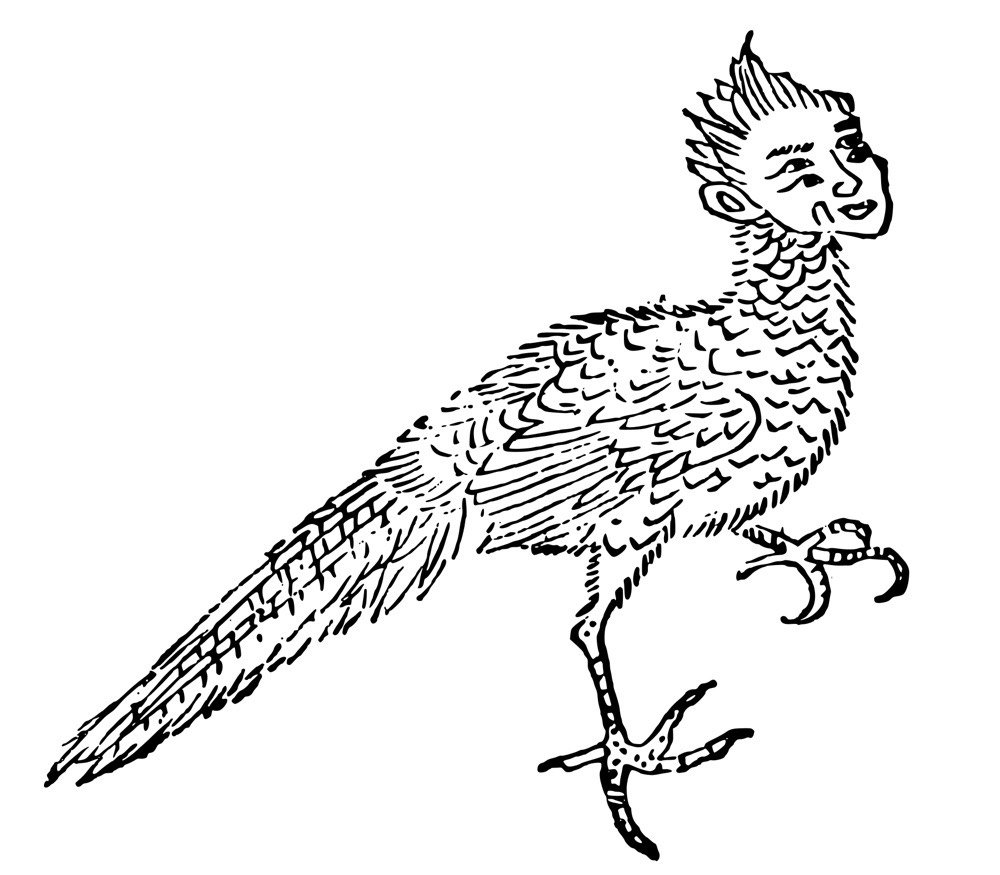
Yong
A bird of Mount Lingqiu shaped like an owl, with a human face, four eyes, and ears, calling out its own name; wherever it appears, great drought follows across the land.
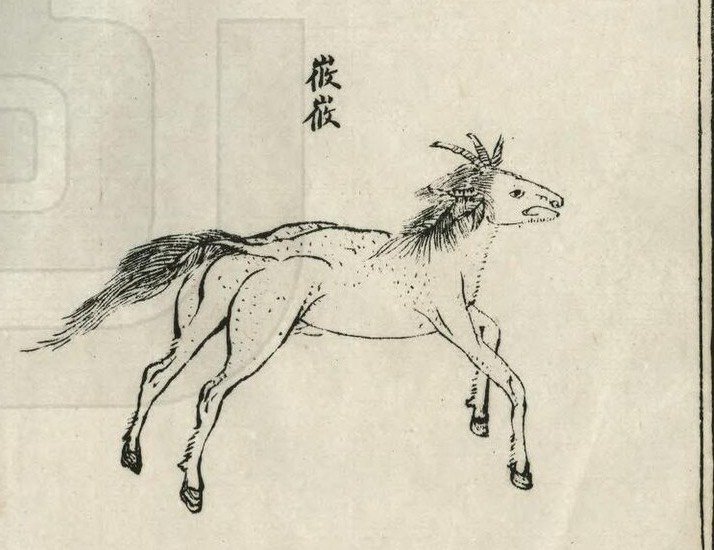
Youyou
A beast of Zhu Mountain: a horse's frame with goat's eyes, four horns, and an ox's tail, howling like a dog. When it appears, the state fills with cunning schemers.
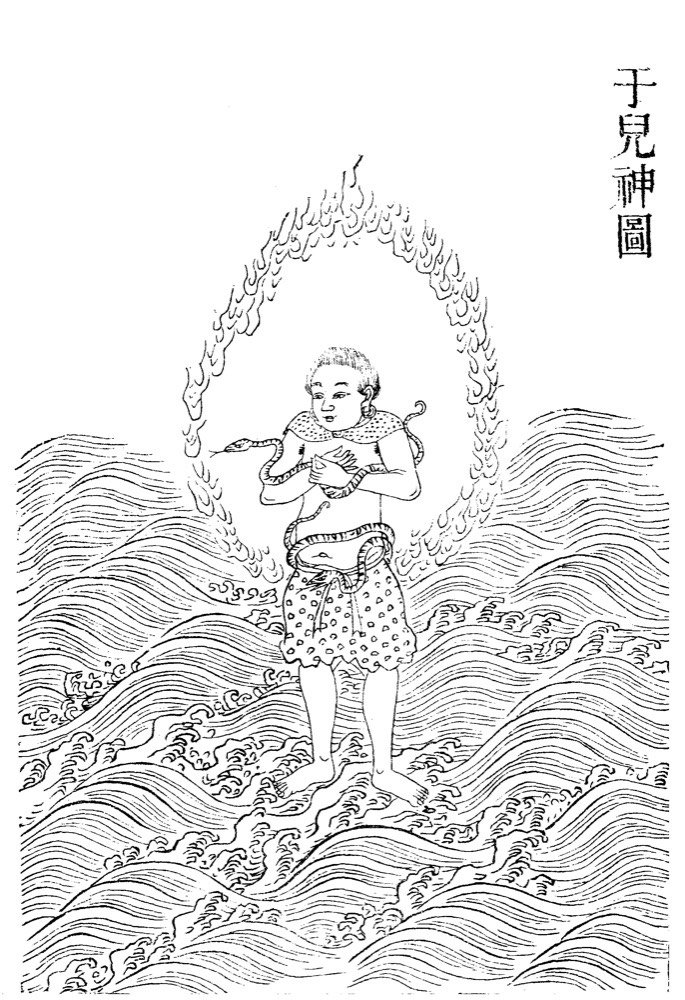
Yu'er
Spirit of Mount Fufu, human in form with two snakes held about his body, who ranges the deep pools of the Yangtze and comes and goes wrapped in light.
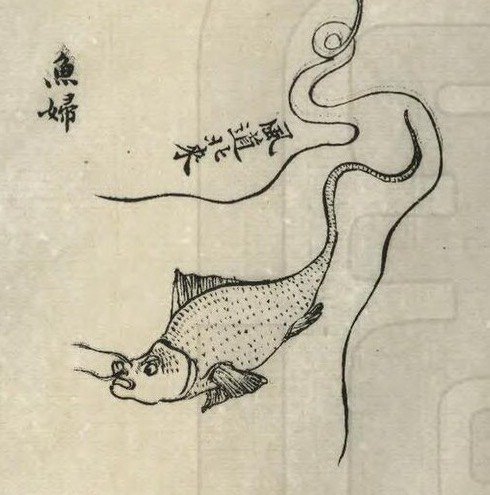
Yufu
A fish in the western wilderness withered along one side, called Yufu. When the north wind blows and springs surge, snakes turn into fish — and the god Zhuanxu, it is said, revived from death by taking this fish body.
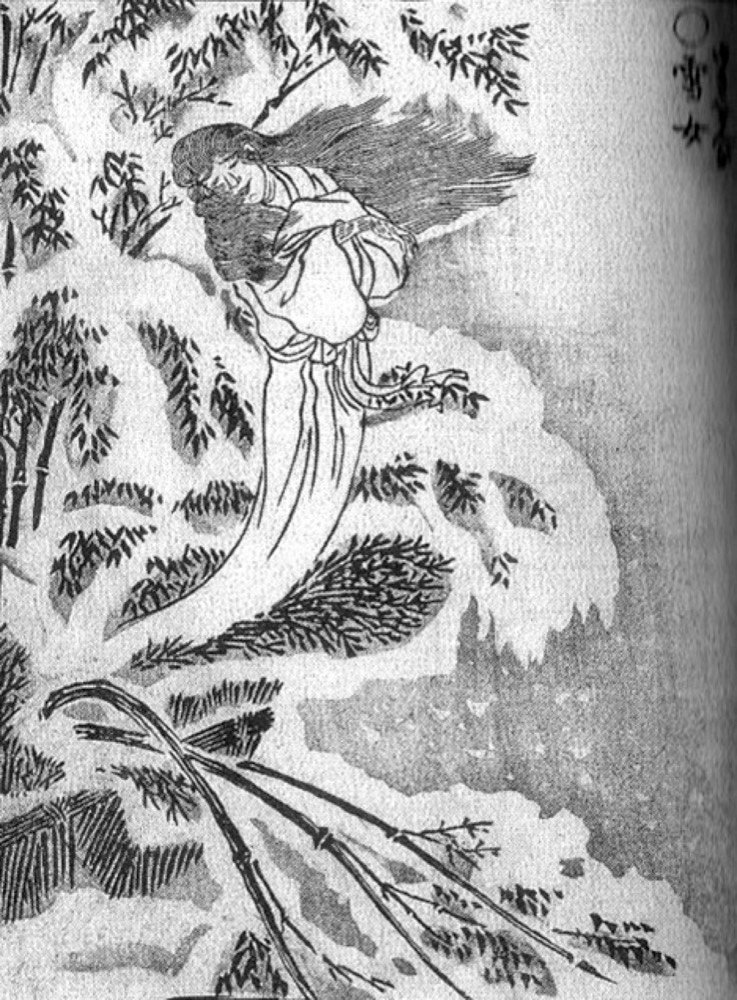
Yuki-onna
A pale woman in white who appears in snowstorms and freezes travelers with her breath. In Hearn's Kwaidan she spares young Minokichi, marries him in disguise, and vanishes when he breaks his vow of silence.
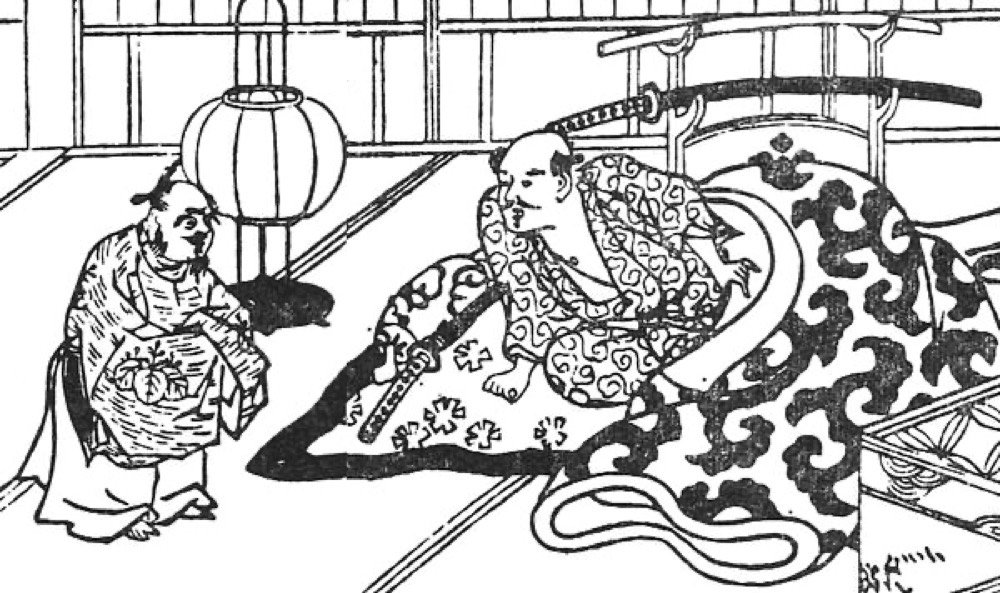
Zashiki-warashi
A child spirit dwelling in the parlors of old houses in northeastern Japan, heard as night footsteps and pillow-turning pranks. A house it inhabits prospers; when it leaves, the family's fortune goes with it.
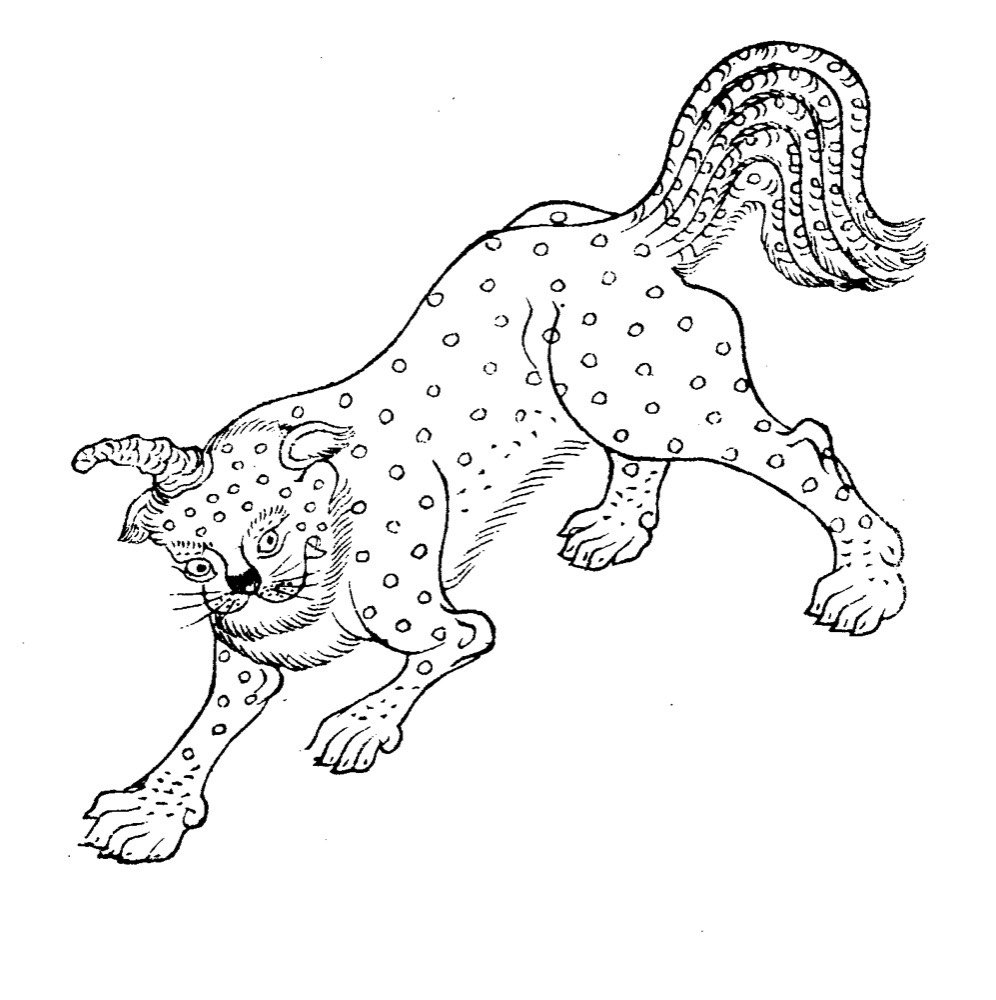
Zheng
A beast of Mount Zhang'e shaped like a scarlet leopard, with a single horn and five tails, its voice like stones striking together.
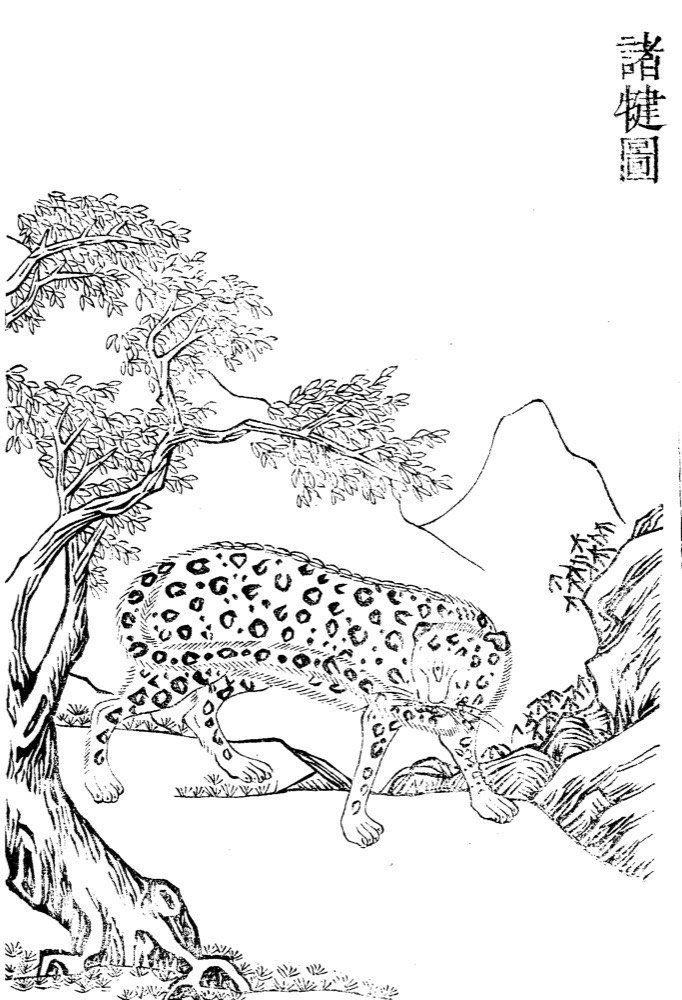
Zhujian
A beast of Danzhang Mountain: leopard's body with a long tail, human head, ox ears, a single eye, and a booming roar. It walks with its tail in its mouth and coils it up when it rests.
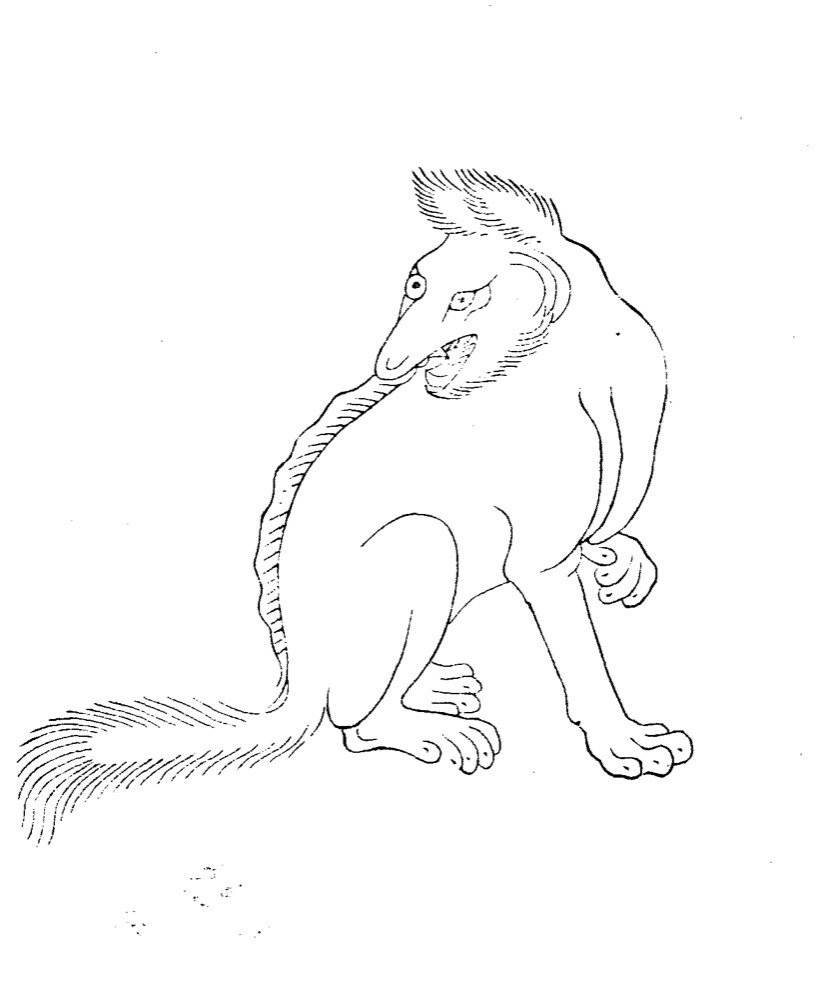
Zhuru
A beast of Geng Mountain shaped like a fox but bearing fish-fin wings, its cry naming itself. Wherever it appears, the state is seized by fear.
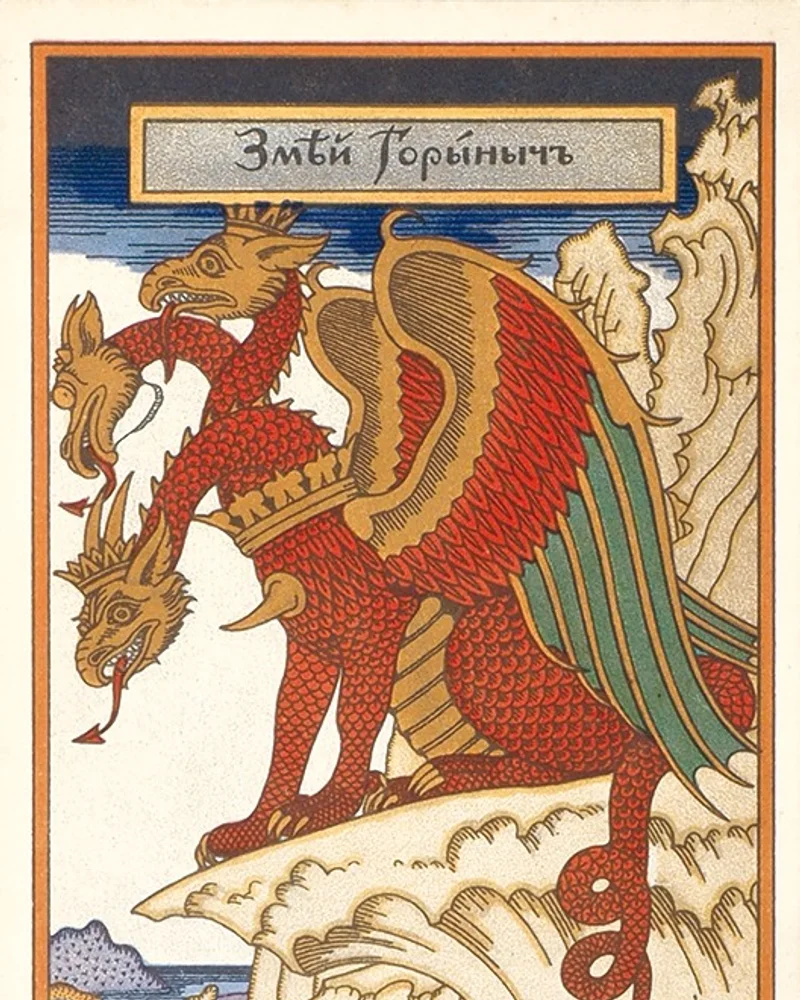
Zmey Gorynych
A three-headed, fire-breathing dragon of East Slavic byliny (heroic epic songs) and fairy tales, the classic monstrous antagonist defeated by heroes such as the bogatyr Dobrynya Nikitich.
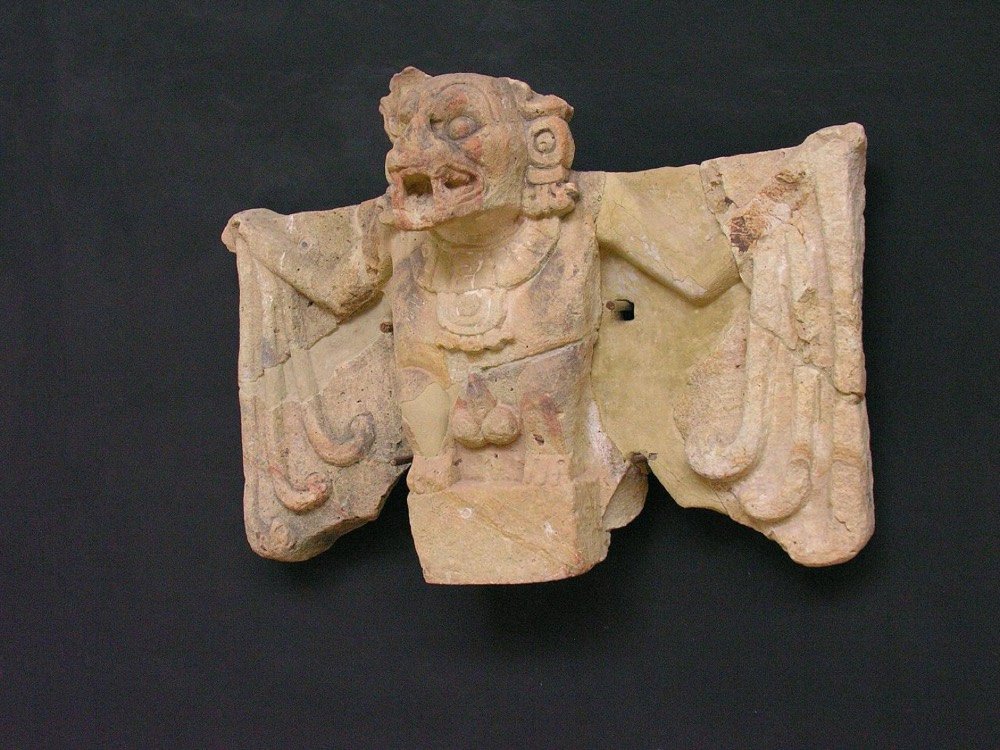
Camazotz
The great bat of Xibalba's Bat House, its snout a blade. When Hunahpu peeked from his blowgun shelter to check for dawn, Camazotz snatched his head away to hang as the game ball.
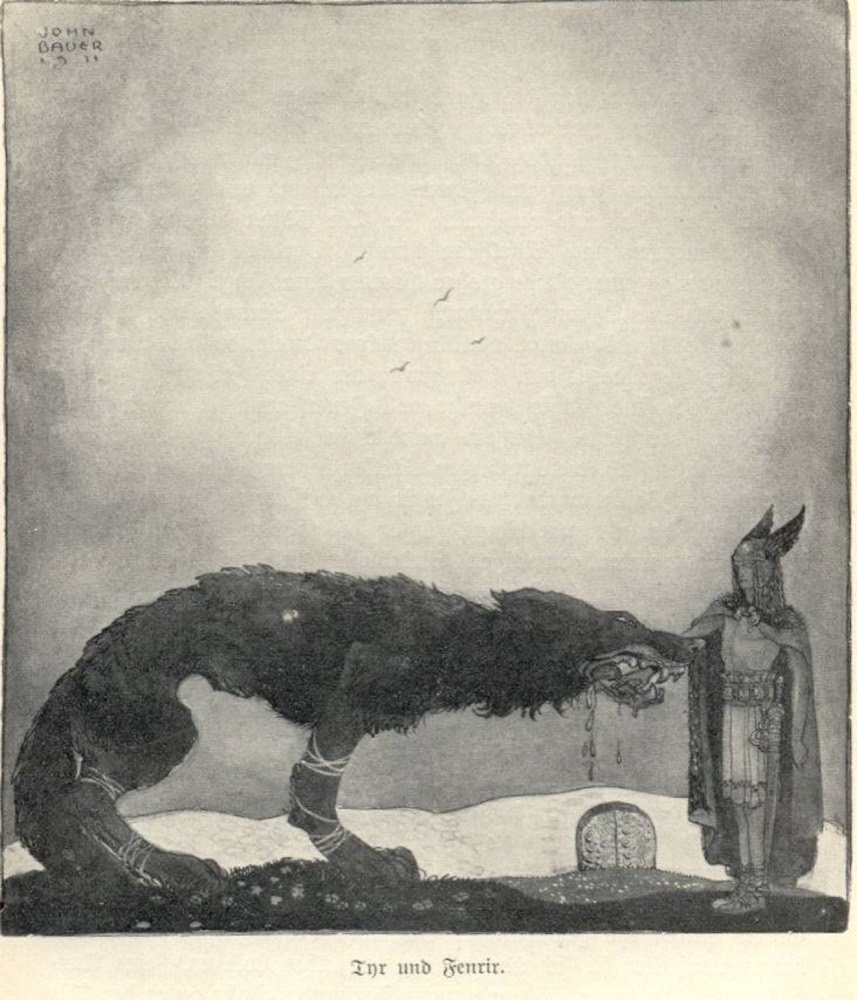
Fenrir
Loki's monstrous wolf-son, bound by the dwarf-made ribbon Gleipnir at the cost of Tyr's right hand; at Ragnarok he breaks loose and swallows Odin.