

Pombero
Mythological Narrative
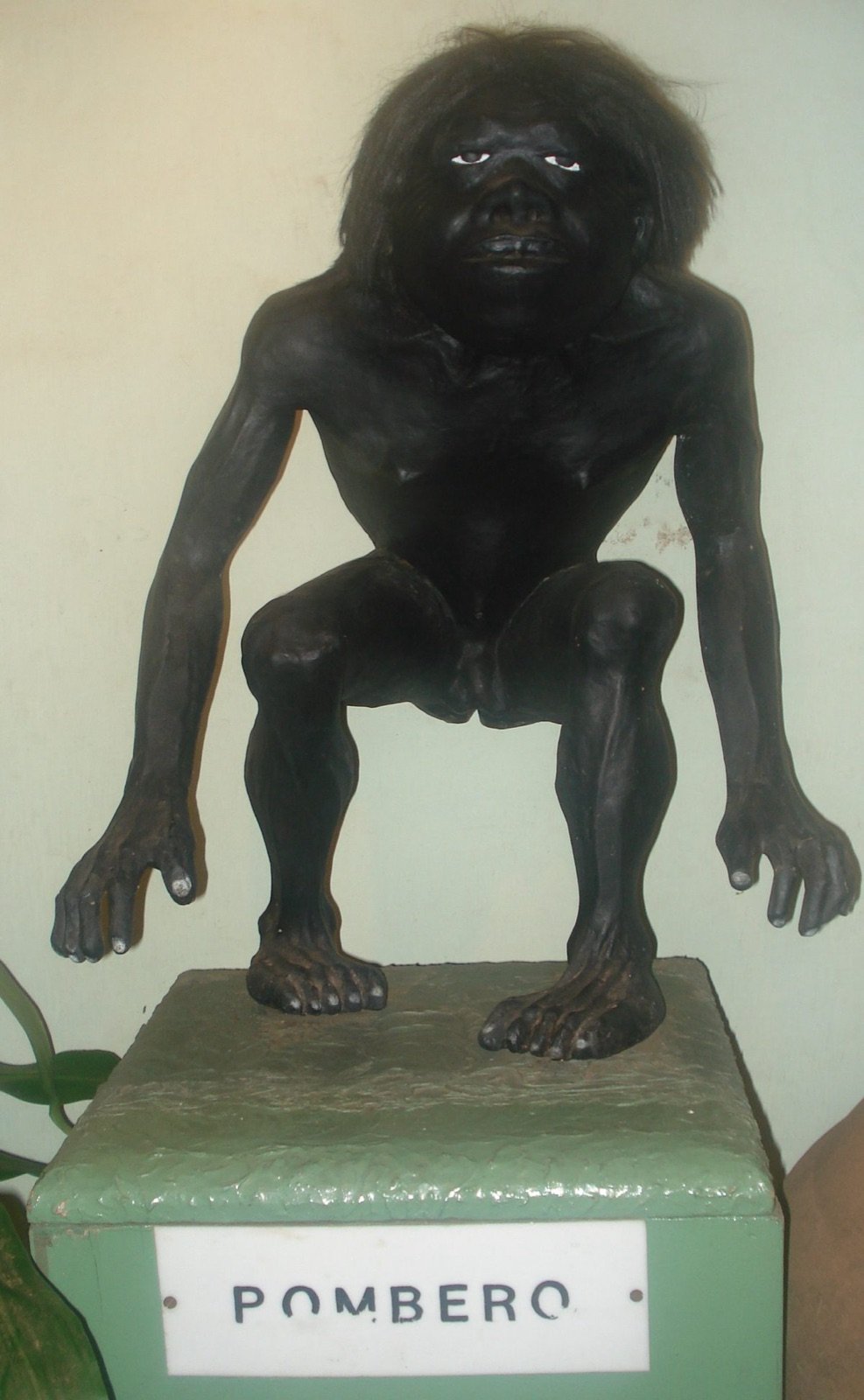
Pombero is also called Karai Pyhare, the Lord of Night. He is short, powerful, and darkly hairy, moving almost without footsteps while imitating birds and throwing a whistle from near to far. Killing too many birds, speaking his name loudly after dark, or behaving without respect at the forest edge can bring retaliation: livestock released, stones on the roof, familiar paths made long. Tobacco, honey, cane liquor, and food are left outside to keep the unpredictable neighbor content. An offering accepted across several nights may purchase protection for hunting and household as readily as neglect invites mischief.
The tradition also carries a darker sexual threat. Pombero spies upon people alone or asleep, and rural communities have sometimes attributed unexplained pregnancies to his night visit. Such a claim gives taboo a supernatural language and can also conceal human violence; it cannot be treated only as comic folklore. The name and familiar modern figure formed within the mixed traditions of Paraguay, northeastern Argentina, and neighboring areas, drawing from Guaraní owners of the forest, colonial rural life, and later popular storytelling. He is not a divine father from Mbya creation song. Pombero is the local resident who retains rights of use after nightfall: closing a door does not transfer the outside world into human ownership.
Academic Discussion & Critique
Exchange peer-reviewed hypotheses, comparative Indo-European etymologies, and archaeological field interpretations regarding Pombero.
You Might Also Like
Jasy Jatere
A fair-haired siesta spirit who lures children with a whistle, keeping enchantment and return in a golden staff.
Kurupi
A forest being of excessive fertility whose lore joins abundance to a warning about sexual violence.
Teju Jagua
The cave guardian among Tau and Kerana’s sons, a vast lizard bearing seven dog heads over hidden treasure.
Jakaira
The Mbya divine father of life-giving mist, vegetation, and renewal through sacred breath and smoke.