

Swan of Tuonela
Mythological Narrative
The swan that swims on the black river of Tuonela, the river of the dead, which Louhi orders Lemminkäinen to shoot with a single arrow; the task leads to his death.
Scholarly Commentary & Evolution
## The third task
In Rune 14, Louhi's last task for Lemminkäinen is to shoot the swan on the river of Tuonela with a single arrow. He goes to the black river, but the blind herdsman he insulted at Pohjola is waiting there and kills him with a water-serpent before he can shoot; his body is thrown into the river and cut apart by Tuoni's son. The swan itself does nothing in the story; it is the sign of the boundary between the living and the dead, and a target no living man should seek.
## Swans and death
Swans were regarded as sacred or taboo birds in parts of Finnish and Karelian tradition, and killing one was thought to bring misfortune. The swan of the river of the dead joins that respect to the image of the river crossing.
## Sibelius
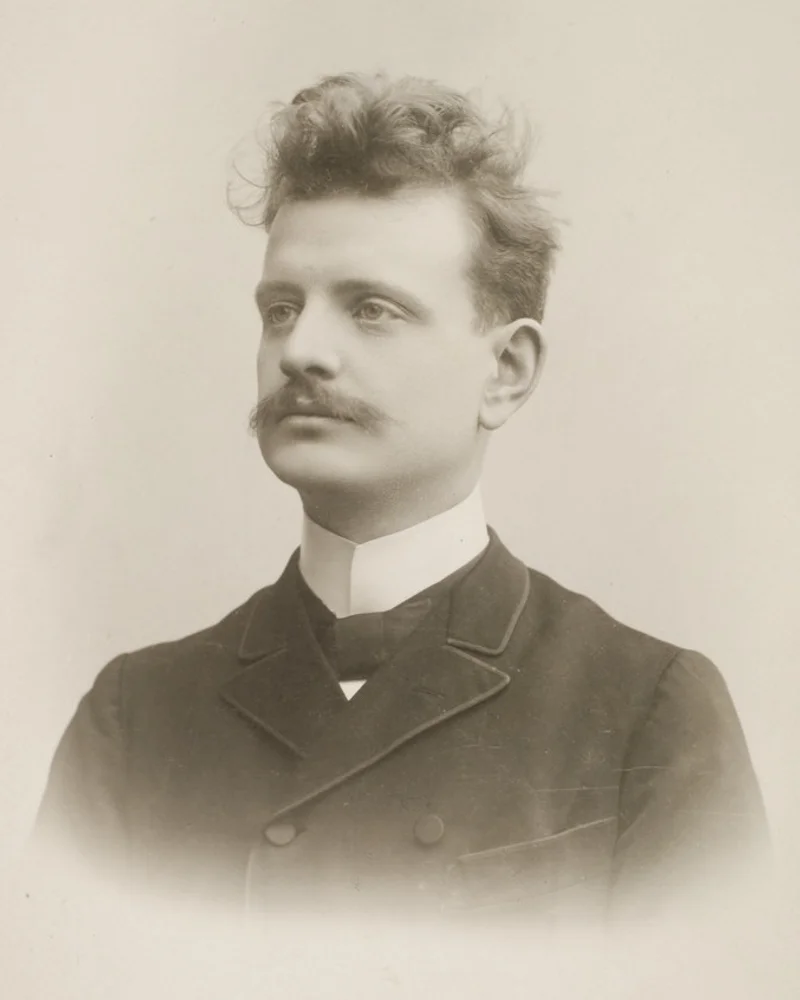
Jean Sibelius's tone poem *The Swan of Tuonela* (1895), part of his *Lemminkäinen Suite*, with its famous cor anglais solo representing the swan's song over the dark river, made the image internationally known.
Academic Discussion & Critique
Exchange peer-reviewed hypotheses, comparative Indo-European etymologies, and archaeological field interpretations regarding Swan of Tuonela.
You Might Also Like
Elk of Hiisi
The magical elk built by the demon Hiisi's folk from forest materials, which Louhi sets Lemminkäinen to ski down as the first of his tasks, and which he captures only after praying to Tapio and Mielikki.
The Great Pike
The gigantic pike on whose shoulders the heroes' ship runs aground on the way to steal the Sampo; Väinämöinen kills it and makes the first kantele from its jawbone.
Iku-Turso
The sea-monster of Finnish tradition whom Louhi raises from the depths to stop the heroes carrying off the Sampo; Väinämöinen lifts him out of the water by the ears and makes him swear never to rise before men again.
Ahti
The god of waters and fish, named by Agricola in 1551 as the one who brought fish from the water, called king of the waves in the runo-songs, husband of Vellamo and lord of the underwater realm of Ahtola.