

Qallupilluit
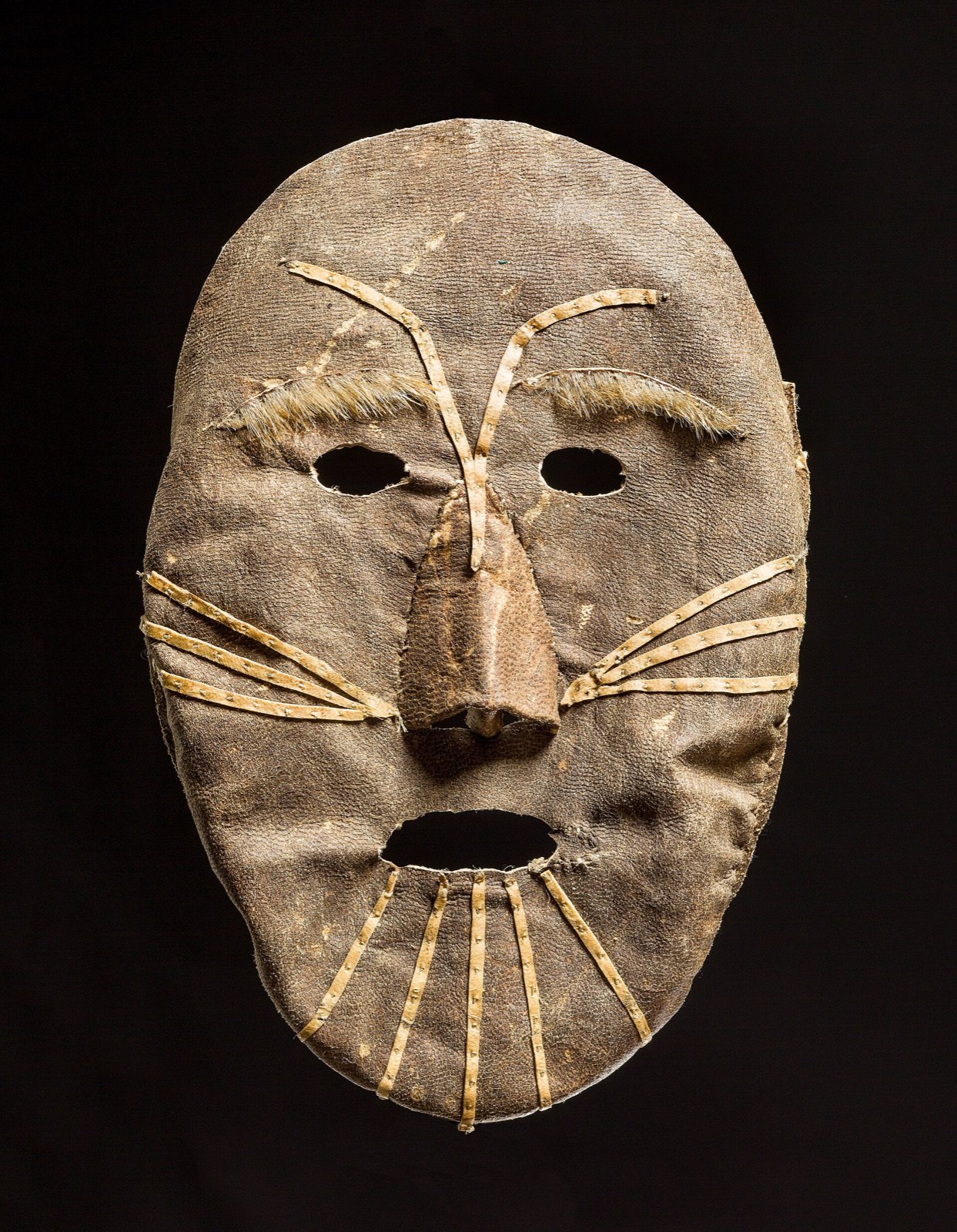
Mythological Narrative
Qallupilluit are often described as humanlike beings living beneath sea ice, with wet skin, tangled hair, and a humming voice heard through water. In some stories one wears an enormous amauti, the woman’s parka with a child-carrying pouch, but turns the pouch the wrong way to hold children taken from the ice edge. In others long arms rise through a breathing hole while song draws the listener closer. Appearance and gender shift between tellers. The location does not: shore lead, tidal crack, and thin ice, every place where a child must never wander alone.
It is easy to reduce the tale to “a monster adults used to frighten children,” but the being carries more than a lesson. Arctic sea ice moves, thins, and hides open water under drifted snow; a single bad reading can erase the road home. Qallupilluit give intention and memory to a danger difficult for the eye to judge. Modern Inuit picture books and animation continue to reshape them. Sometimes a child returns; sometimes the creature’s loneliness is revealed. The tradition is therefore not a frozen relic. It lifts its head again from black water inside every generation’s changing ice and changing childhood.
Academic Discussion & Critique
Exchange peer-reviewed hypotheses, comparative Indo-European etymologies, and archaeological field interpretations regarding Qallupilluit.
You Might Also Like
Ijiraq
A shape-changing wilderness being that bends direction and leaves the taken unable to remember home.
Sedna
The Sea Woman below the ocean, whose tangled hair can close an entire season of hunting.
Tariaksuq
A hidden people living beside humankind, visible in peripheral vision and gone under a direct gaze.
Qalupalik
A human-like being with green skin and long hair who lives in the sea and snatches children who wander too close to the edge of the ice, carrying them away in the amauti (hood) on her back.