


Yoruba Mythology
Yoruba Mythology traditions, cosmology, and ancient mythology.
Mythological Figures & Lore
Showing all 30 records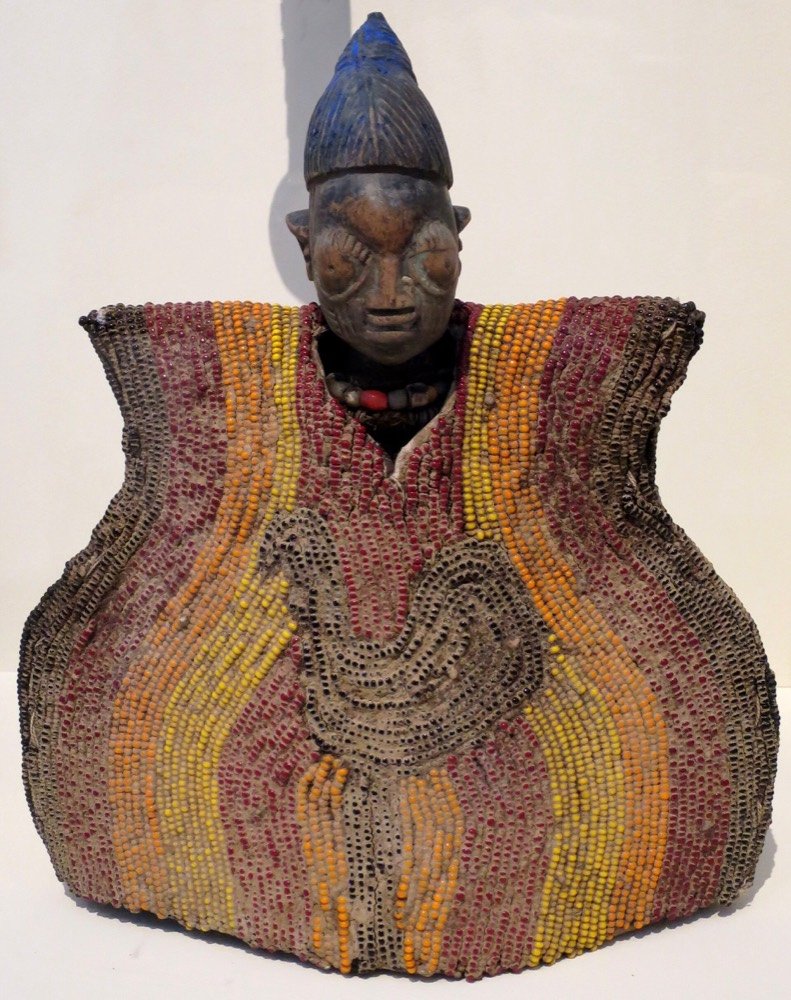 spirit
Abiku
Spirit children 'born to die', who die and return to the same mother again and again. Families mark the dead to recognize returners, and give survivors pleading names like Malomo, 'do not go again'.
 creature
Adze
A vampiric creature from Ewe folklore of Ghana and Togo that takes the form of a firefly. In its insect form, it can pass through any barrier and drink the blood of sleeping victims without waking them. If captured, it transforms into a humanoid form with hunched posture and talons.
 deity
Aganju
The Orisha of volcanoes, wilderness, and the untamed earth. Aganju represents the raw, primal power of the natural world.
 deity
Aje
The Orisha of prosperity and material wealth. Aje blesses commerce and brings financial abundance to her devotees.
 creature
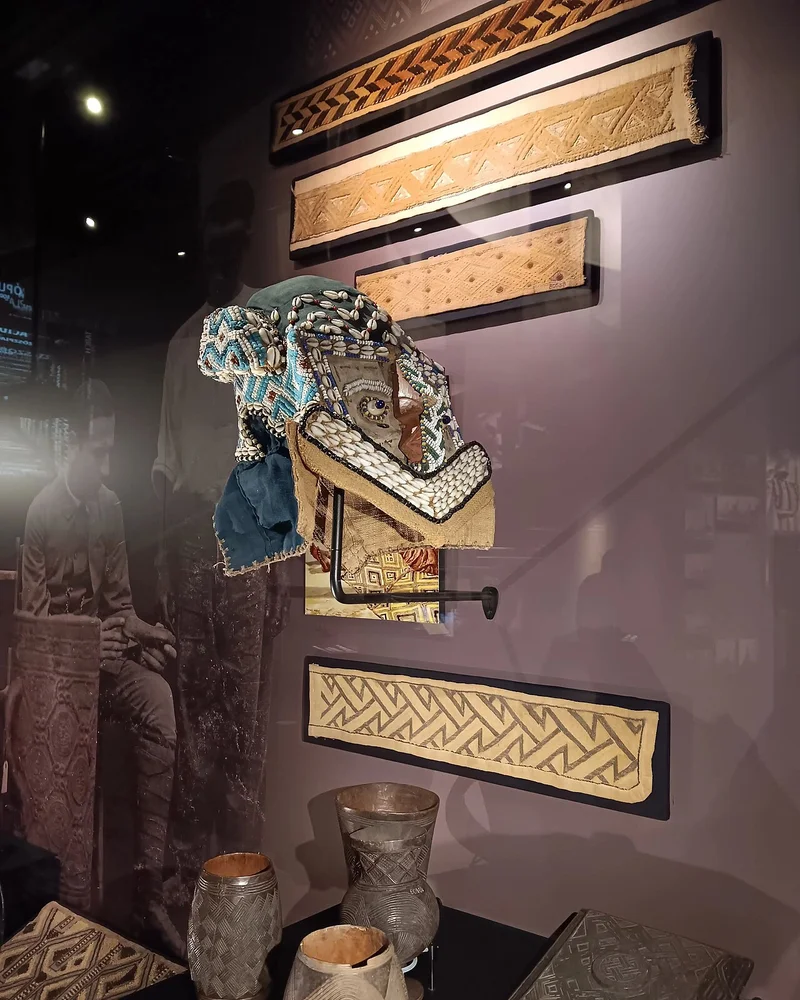
Eloko
Dangerous dwarf-like creatures from the mythology of the Mongo people of the Congo. They are believed to be the restless spirits of the dead, dwelling in the dense rainforest and guarding the treasures of the forest. Covered in grass instead of hair and possessing snouts and mouths that can open wide enough to swallow a human whole, they use magic bells to enchant their prey.
 deity
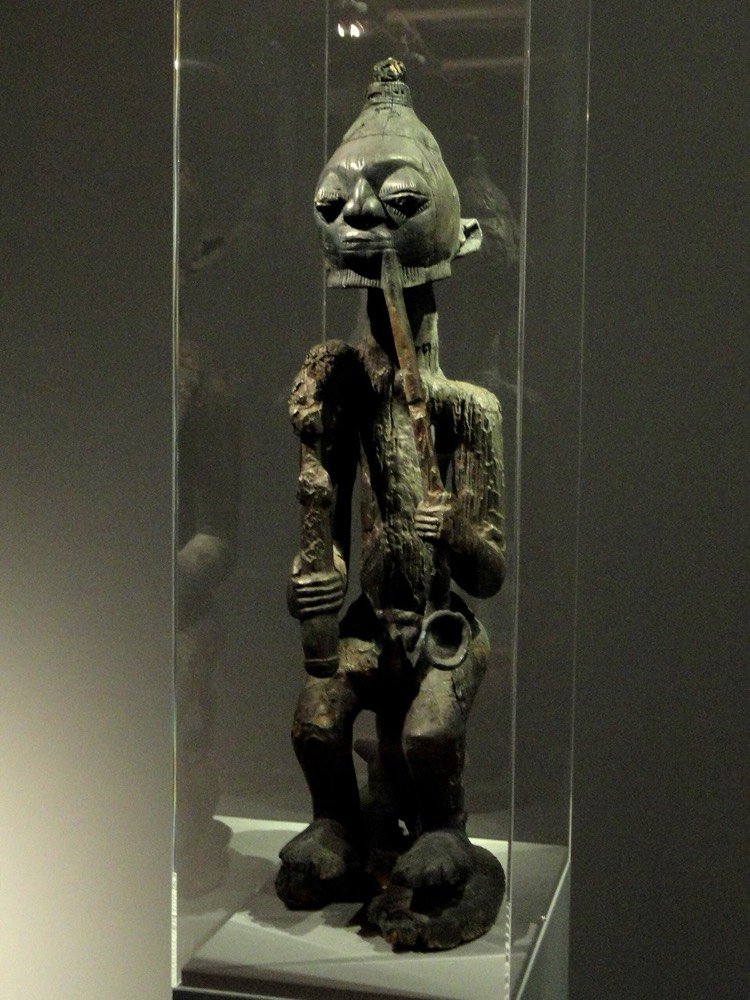
Eshu
Trickster messenger of the crossroads who carries every sacrifice to its god and tests those who neglect him. Famous for setting two sworn friends quarreling with a two-colored cap; missionaries mistranslated his name as 'the Devil'.
 deity
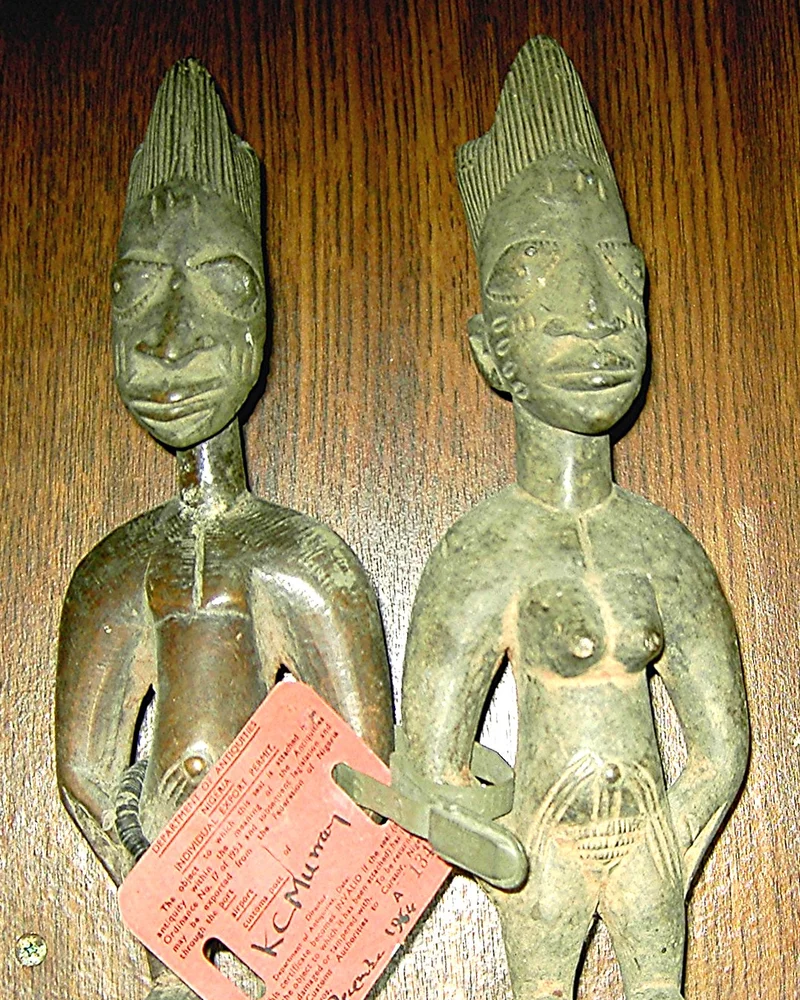
Ibeji
The divine twins who protect all twins and children. Ibeji represent the sacred duality present throughout existence.
 artifact
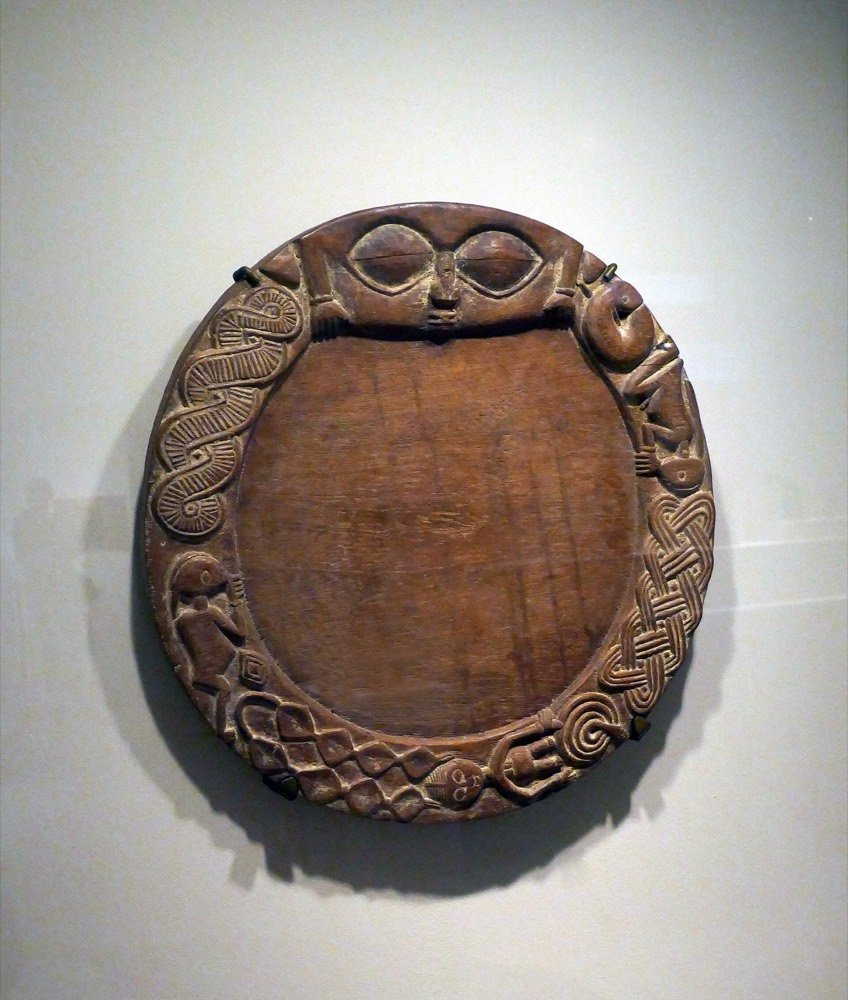
Ifa Divination
Divination by sixteen sacred palm nuts or the eight-shell opele chain, casting one of 256 odu, each heading a corpus of memorized verses recited by babalawo priests. Inscribed on UNESCO's intangible heritage list in 2008.
 place
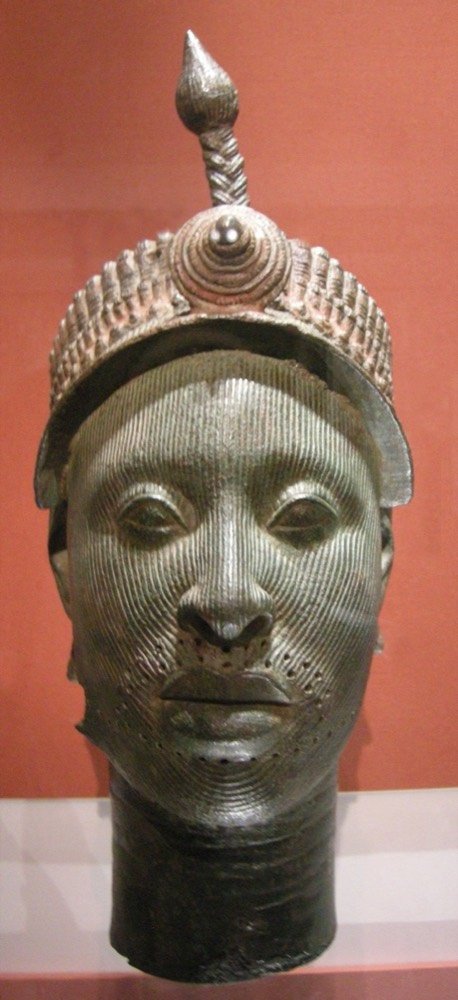
Ile-Ife
The Yoruba holy city where Oduduwa first made dry land, said to keep shrines to 401 gods. Its naturalistic brass heads of the 12th-15th centuries stunned European archaeology; the Ooni still reigns there.
 creature
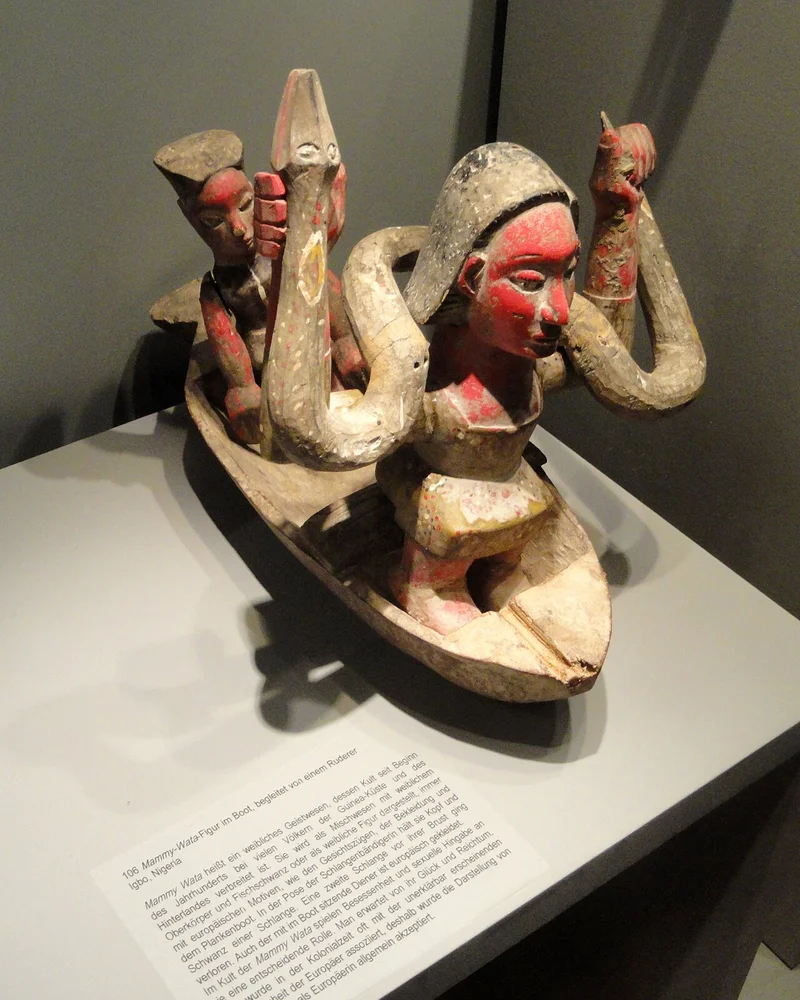
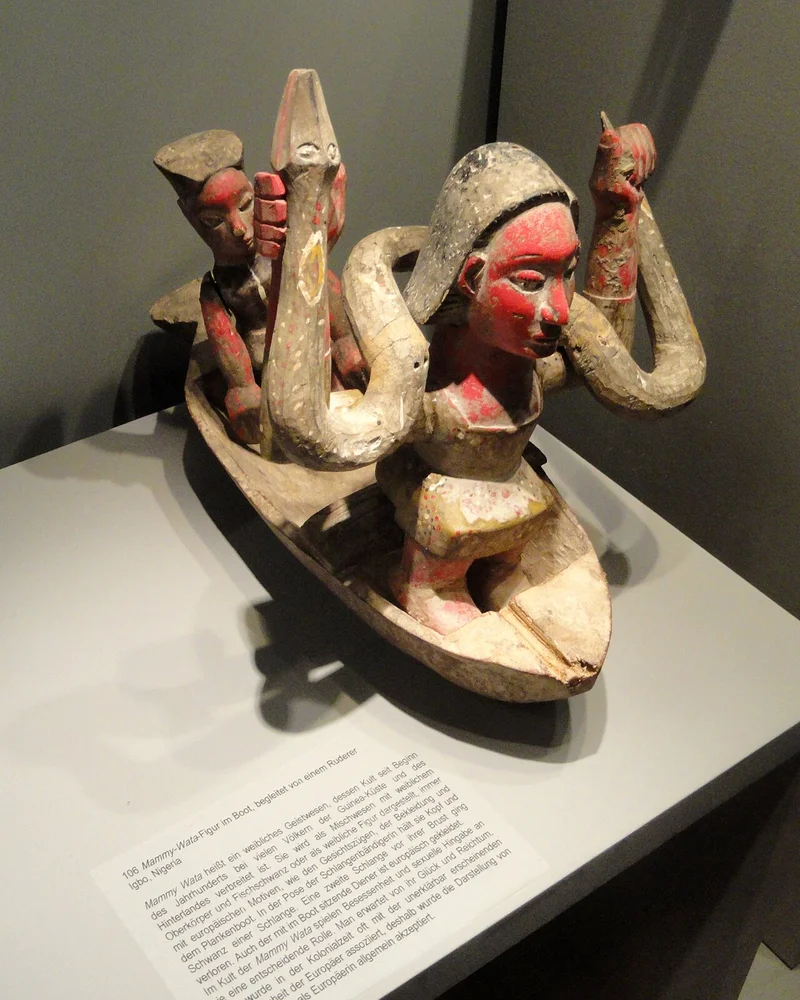
Mami Wata
A powerful water spirit venerated across West and Central Africa and the African diaspora. Often depicted as a beautiful woman with a fish or serpent tail, she embodies the duality of water itself: nurturing and destructive, healing and dangerous. She offers wealth and beauty to her devotees but demands absolute fidelity in return.
 hero
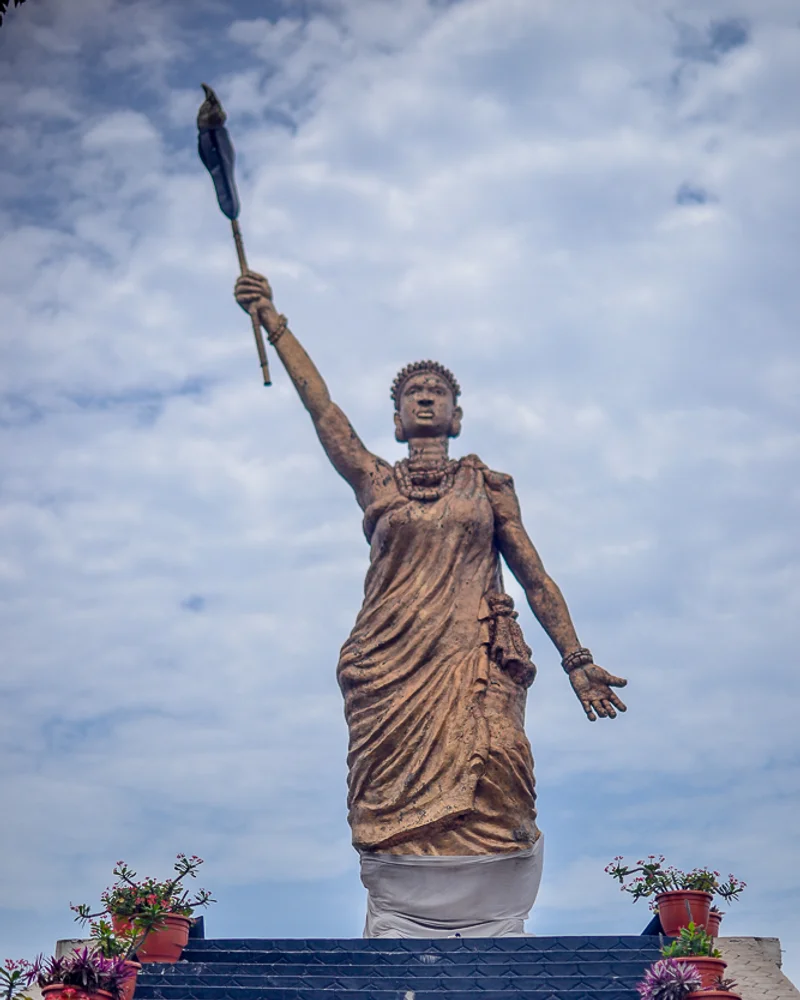
Moremi Ajasoro
Legendary queen of Ile-Ife in Yoruba oral tradition, celebrated for allowing herself to be captured by raiders to learn the secret of their terrifying disguise, then leading her people to victory. Still honored annually at Ile-Ife's Edi Festival.
 deity
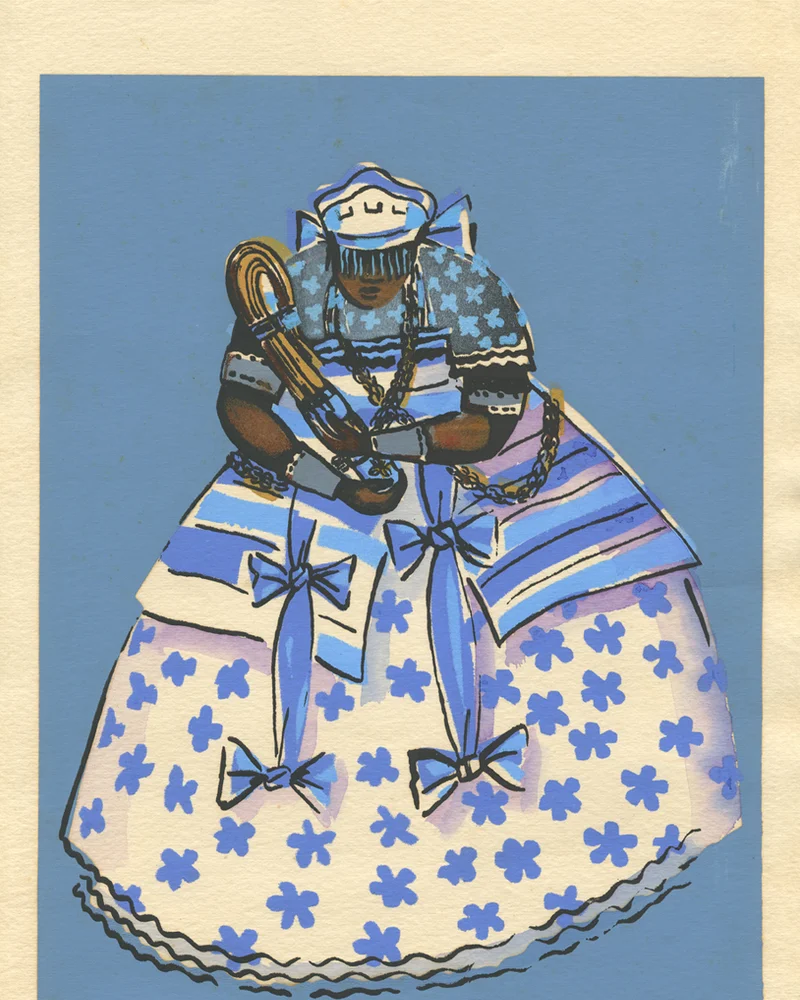
Nana Buruku
The ancient grandmother Orisha of swamps and primordial mud. Nana Buruku is older than even Olodumare in some traditions.
 creature
Ninki Nanka
A dragon-like creature from West African folklore, particularly among the Mandinka people of the Gambia. It dwells in the swamps and waterways, described as having the body of a crocodile, the neck of a giraffe, and a head adorned with three horns. Merely seeing this creature is said to cause death within weeks.
 deity
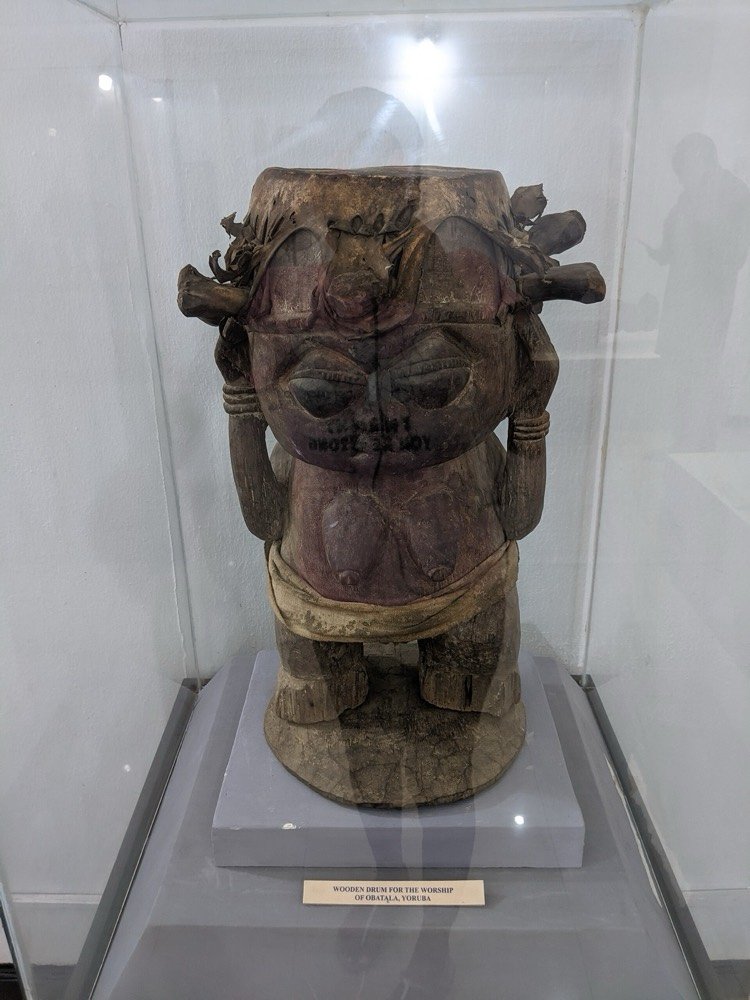
Obatala
The 'King of the White Cloth', who molds human bodies from clay. Having shaped hunchbacks and albinos while drunk, he forswore palm wine; the disabled are sacred to him and his devotees wear white.
 deity
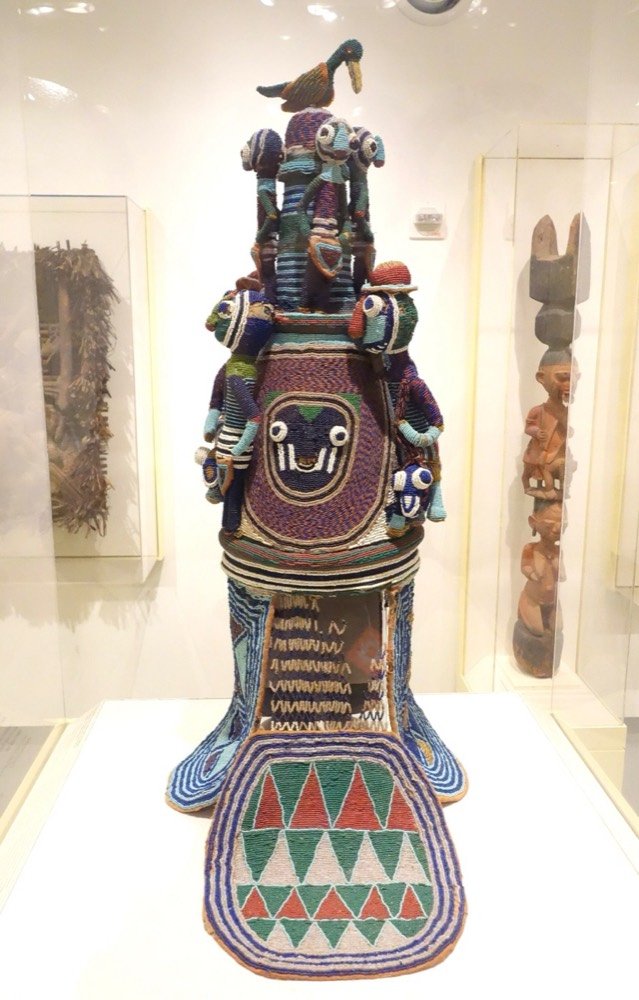
Oduduwa
The god who made dry land at Ife, descending on an iron chain with a snail shell of earth and a five-toed cock, and the ancestor from whom every Yoruba royal house claims its crown.
 deity
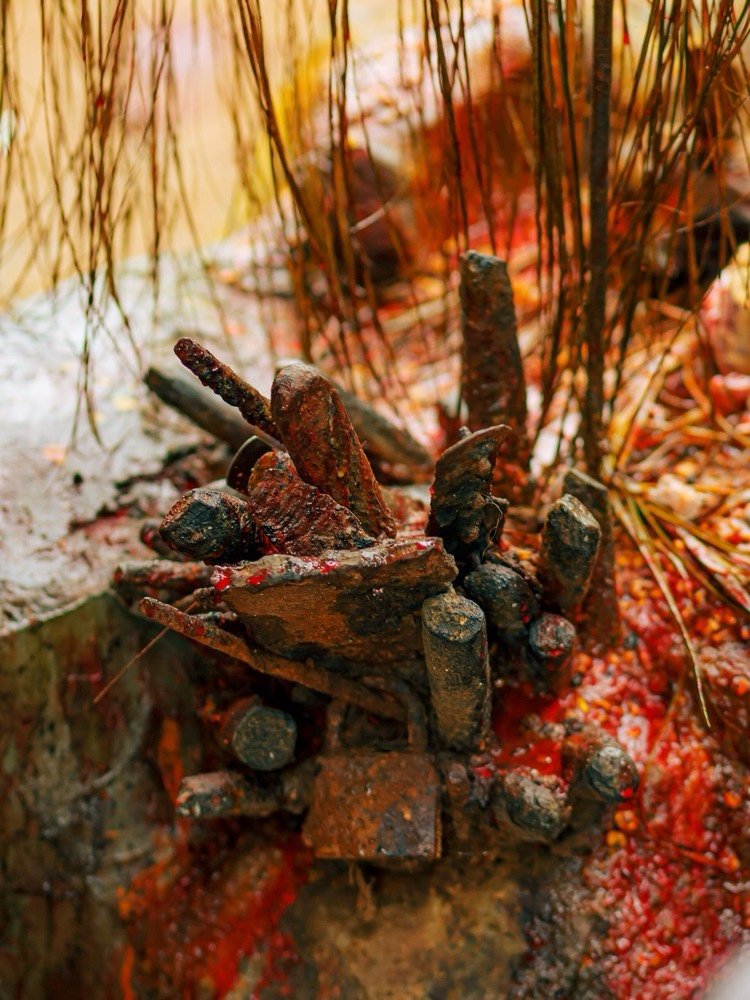
Ogun
Orisha of iron, war, and the road, patron of blacksmiths, hunters, soldiers, and now drivers. Only his iron cutlass could clear the gods' first path; Nigerian courts still accept oaths sworn on iron.
 artifact
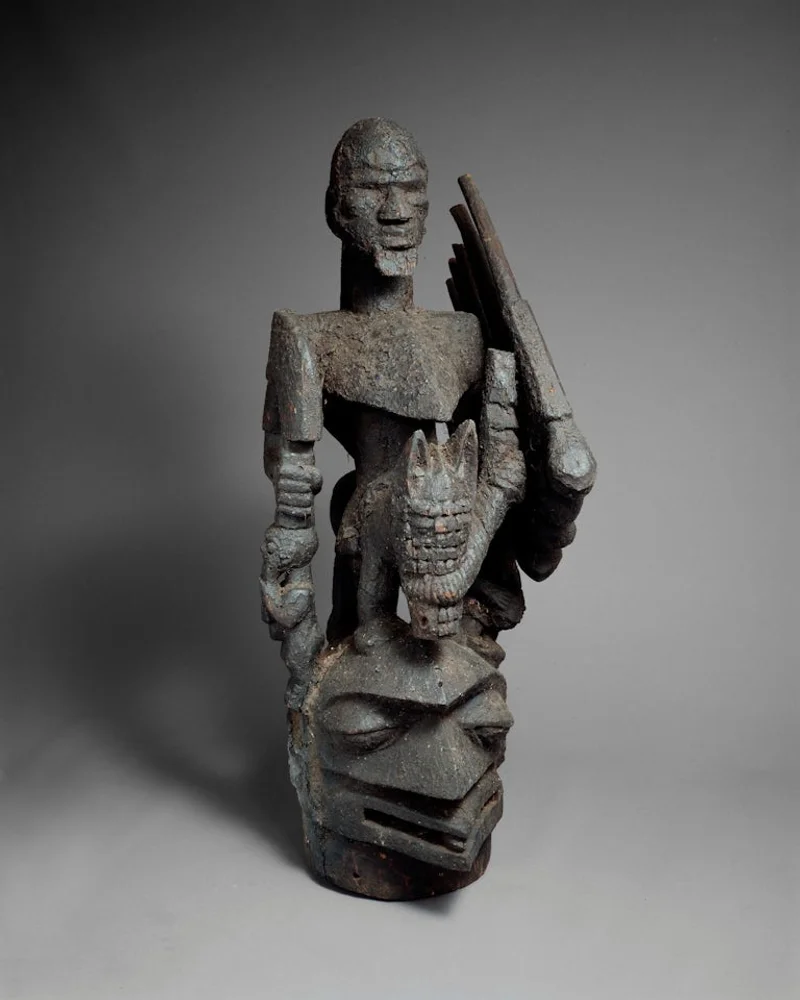
Ogun's Iron
Sacred iron of Ogun, orisha of metalworking, war, and the open road. Tools, machetes, and weapons dedicated to him carry his cutting, clearing power.
 deity
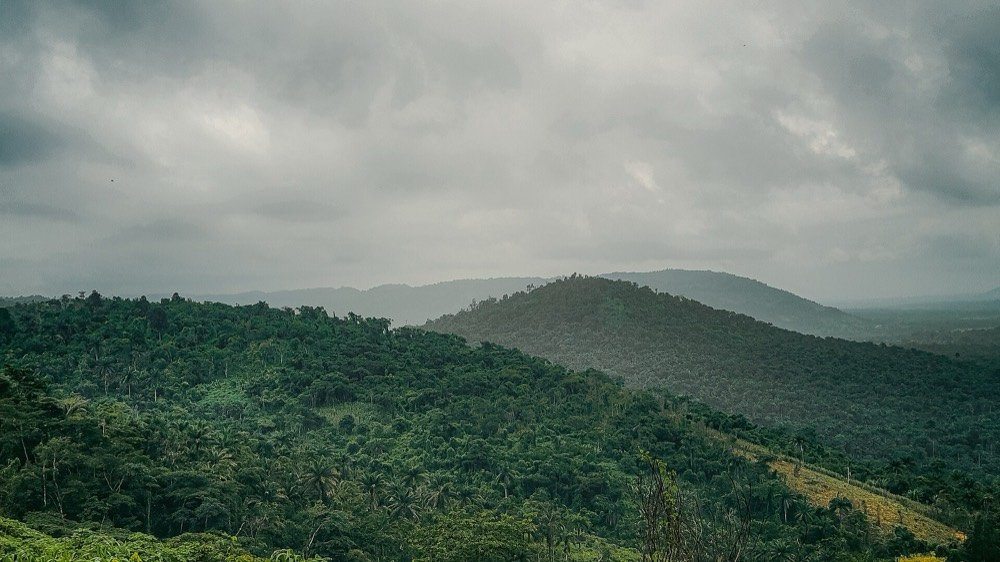
Olodumare
Supreme god of the Yoruba pantheon, also called Olorun, 'Owner of the Sky'. Source of ase, the power behind all effective action, he has no shrines or images and rules through the orishas.
 deity
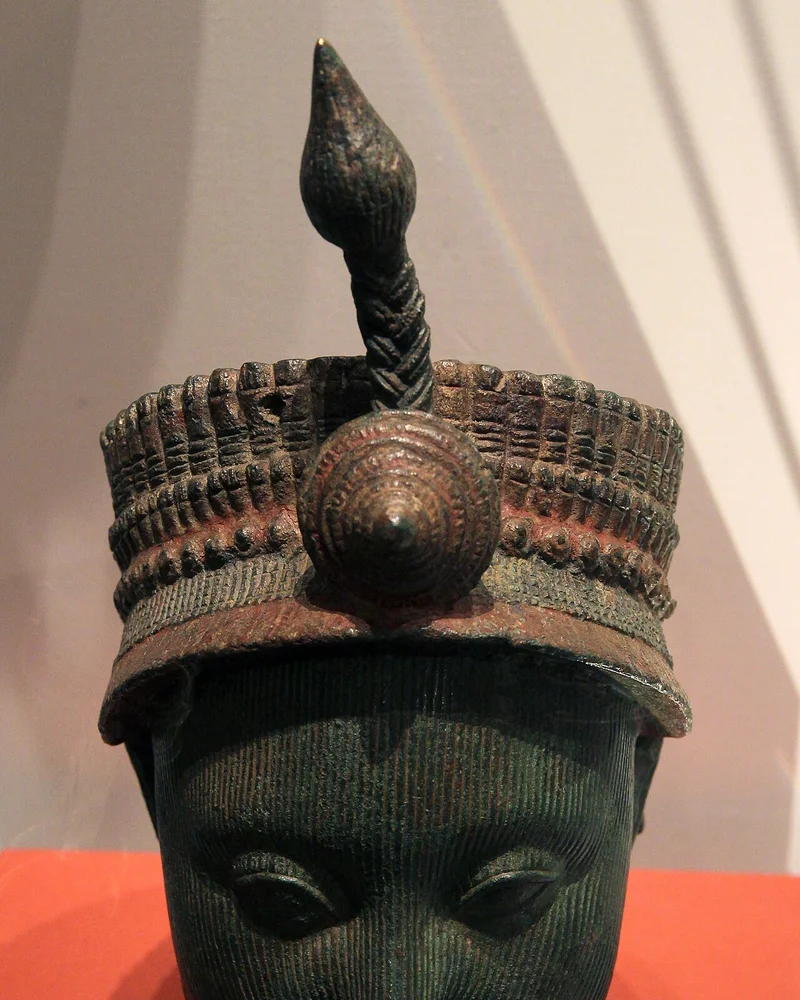
Olokun
The Orisha of the deep ocean and unfathomable wealth. Olokun rules the mysterious depths of the sea and guards the treasures hidden beneath the waves.
 deity
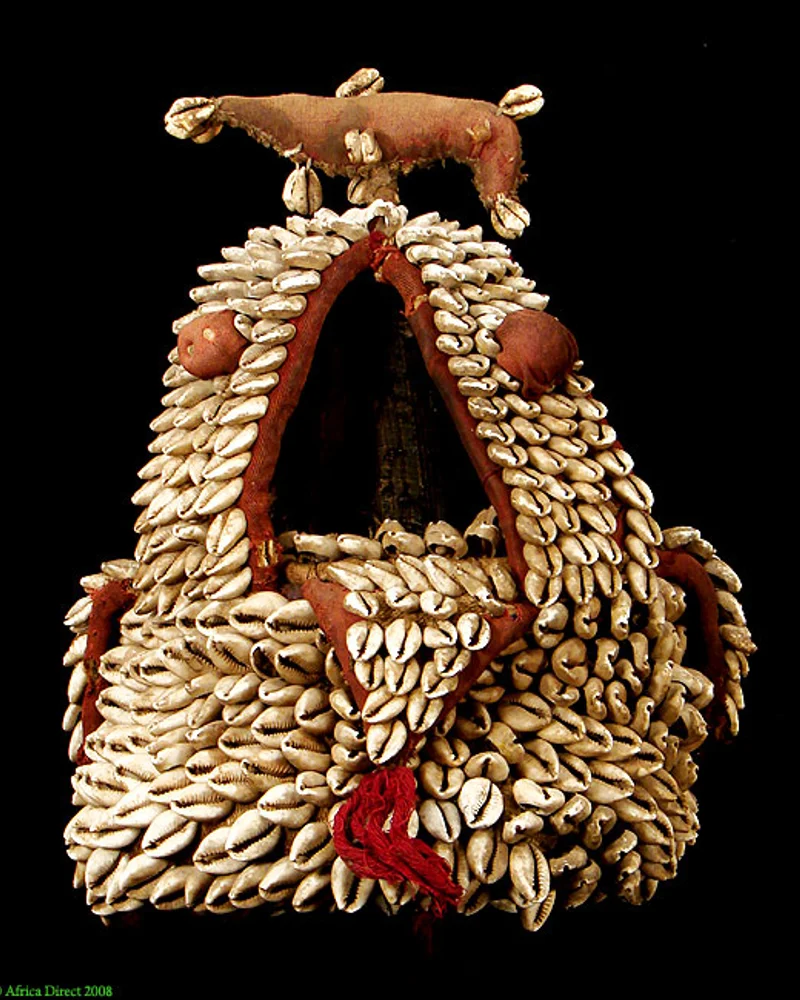
Ori
The personal Orisha representing one's inner consciousness and chosen destiny. Ori is the first deity one must honor, for without Ori's support, no other Orisha can help.
 deity
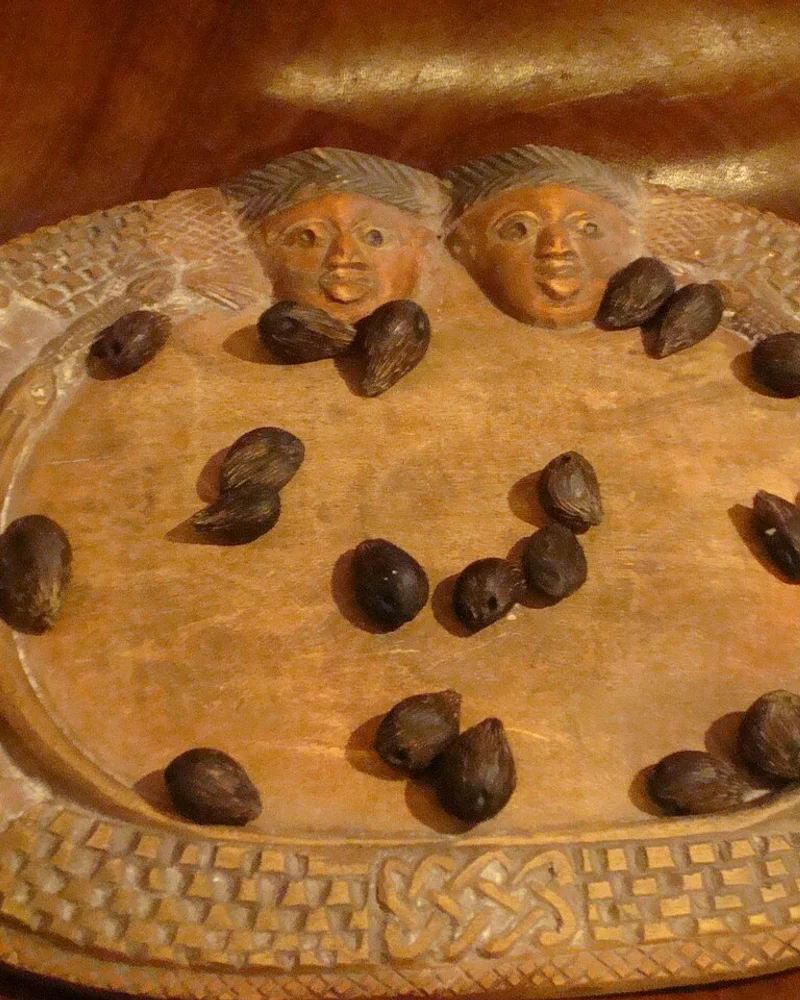
Orunmila
The Orisha of wisdom and divination. Orunmila witnessed the creation of the universe and holds the secrets of destiny.
 deity
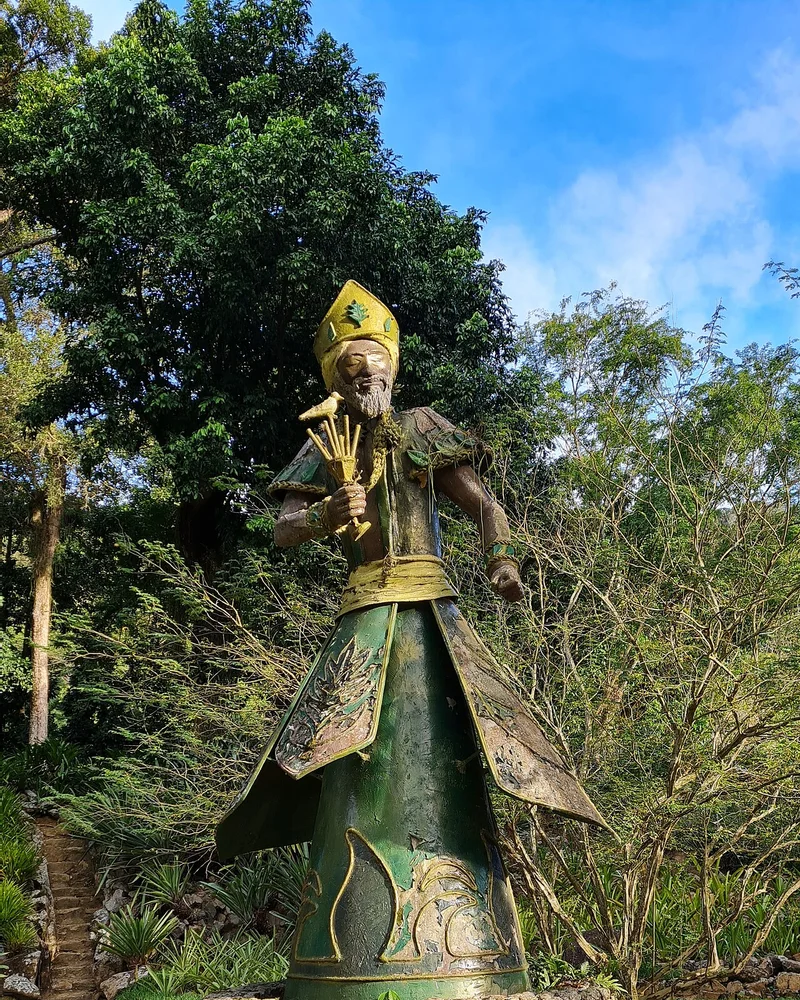
Osanyin
The Orisha of herbs, healing, and the forest. Osanyin knows the secret properties of all plants and is essential to all Orisha worship.
 artifact
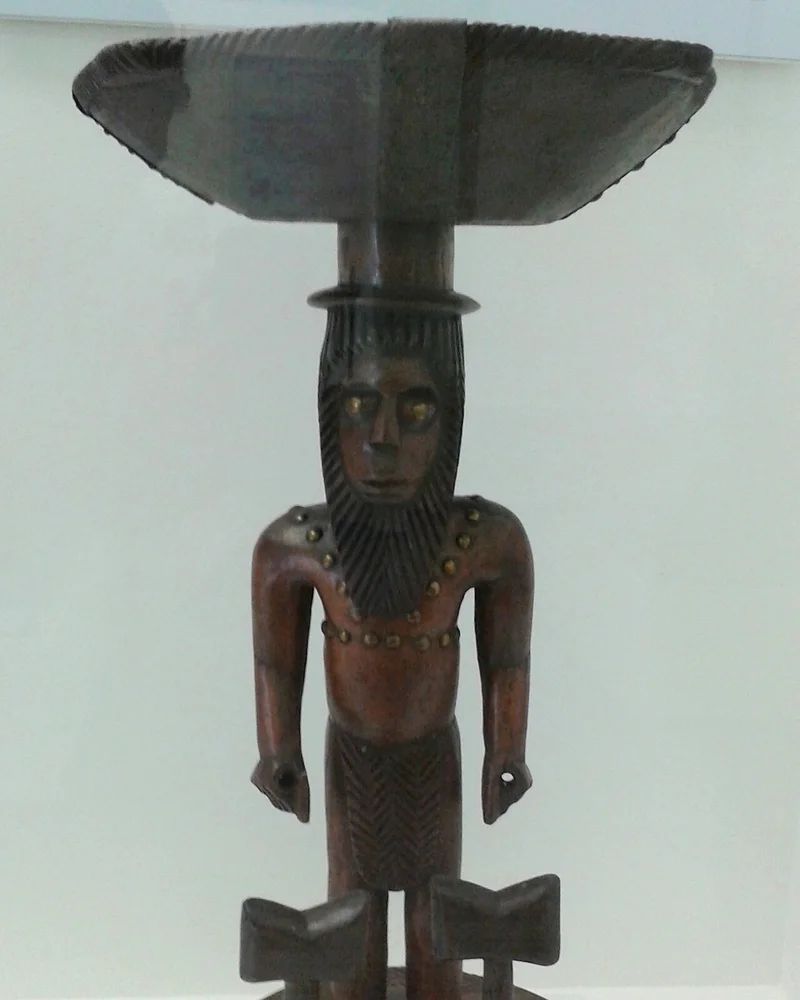
Oshe of Shango
The double-headed axe of Shango, orisha of thunder and kingship. It channels lightning and asserts just rule — a symbol of power that must not be abused.
 deity
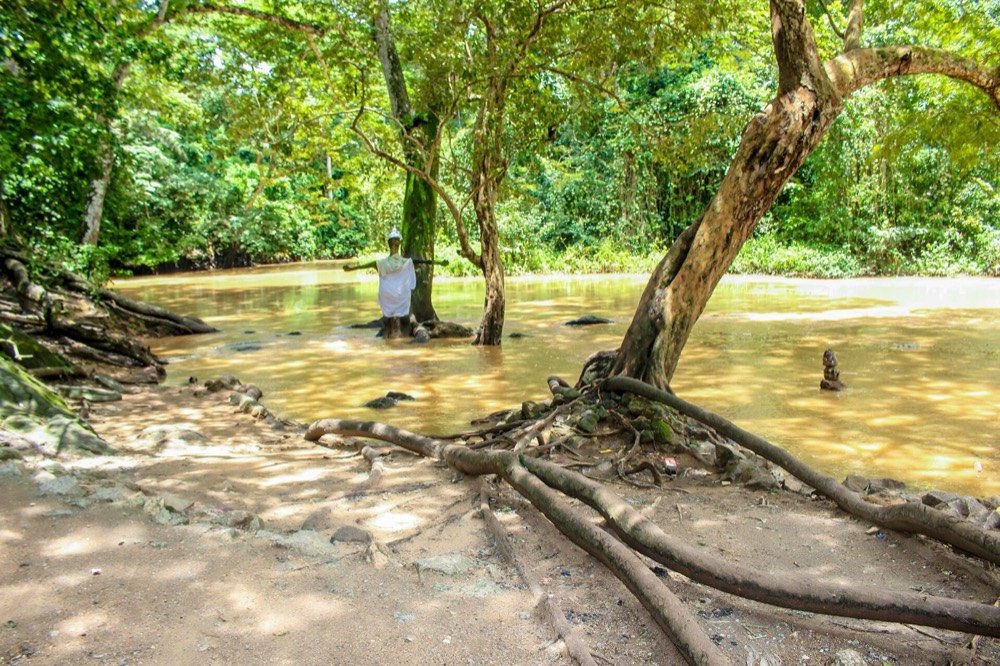
Oshun
Goddess of the Osun River, orisha of fresh water, love, fertility, and brass. The only woman among the seventeen founding orishas: nothing succeeded until she was included. Her sacred grove at Osogbo holds an annual festival.
 deity
Oya
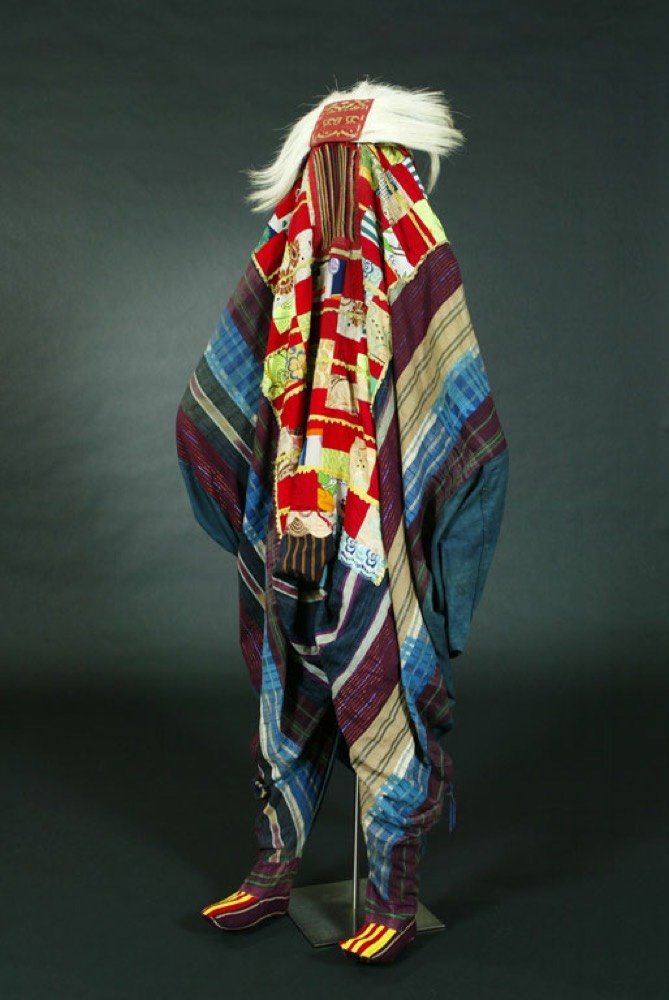
Orisha of gales, storms, and the Niger River — Odo Oya, 'Oya's river', in Yoruba; wife and comrade-in-arms of Shango. She takes the form of a buffalo, and her title Iyansan means 'mother of nine'.
 creature
Popobawa
A fearsome shapeshifting spirit from Zanzibar and the Swahili coast whose name means 'bat wing' in Swahili. It attacks people in their homes at night, particularly targeting skeptics who deny its existence. Victims are compelled to tell others of their encounter, spreading terror through communities.
 deity
Shango
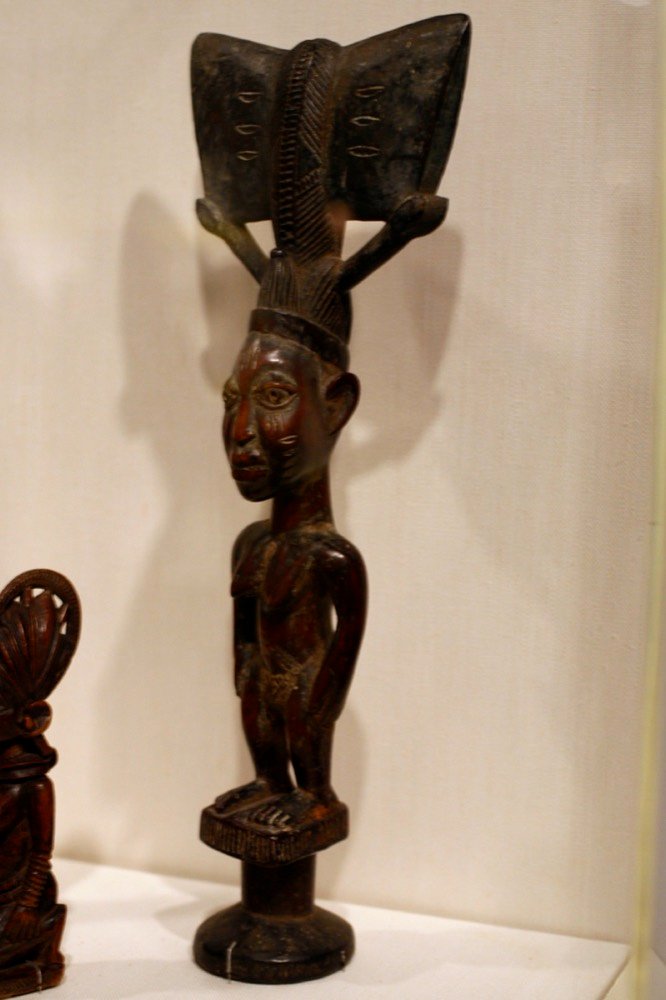
Orisha of thunder and justice, in life an early king of Oyo. He hurls thunderstones at liars; after he hanged himself at Koso his followers cried 'the king did not hang' and worshipped him as a god.
 deity
Shopona
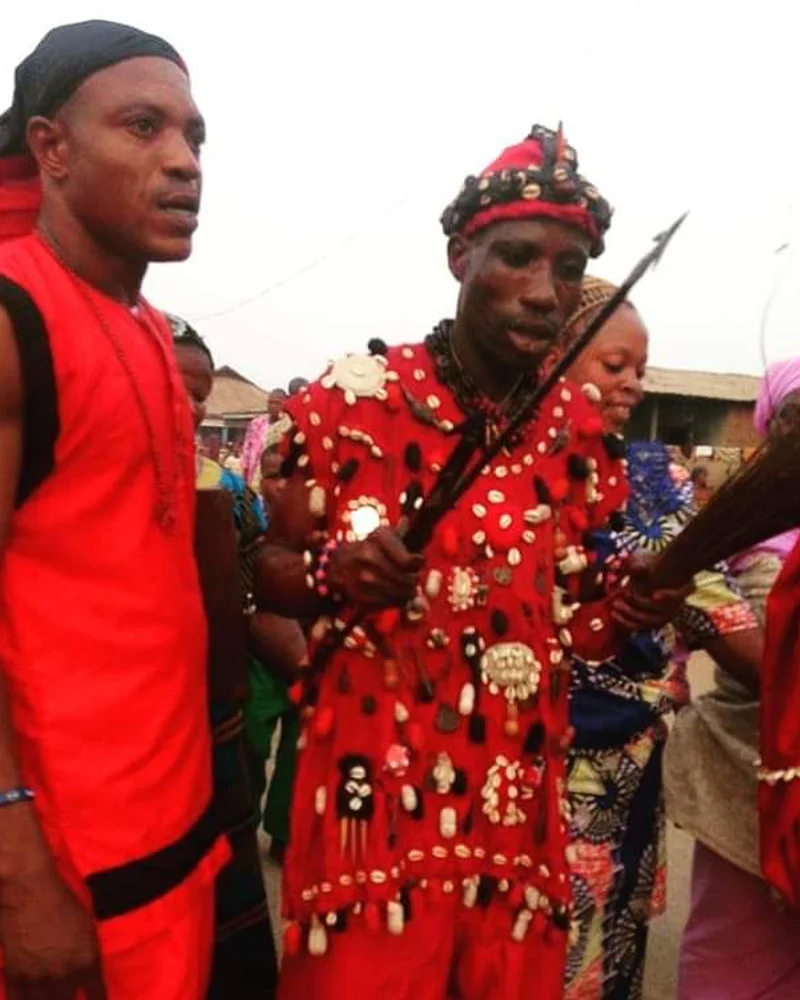
The feared Orisha of disease, particularly smallpox. Shopona punishes wrongdoers with illness but also heals those who honor him.
 creature
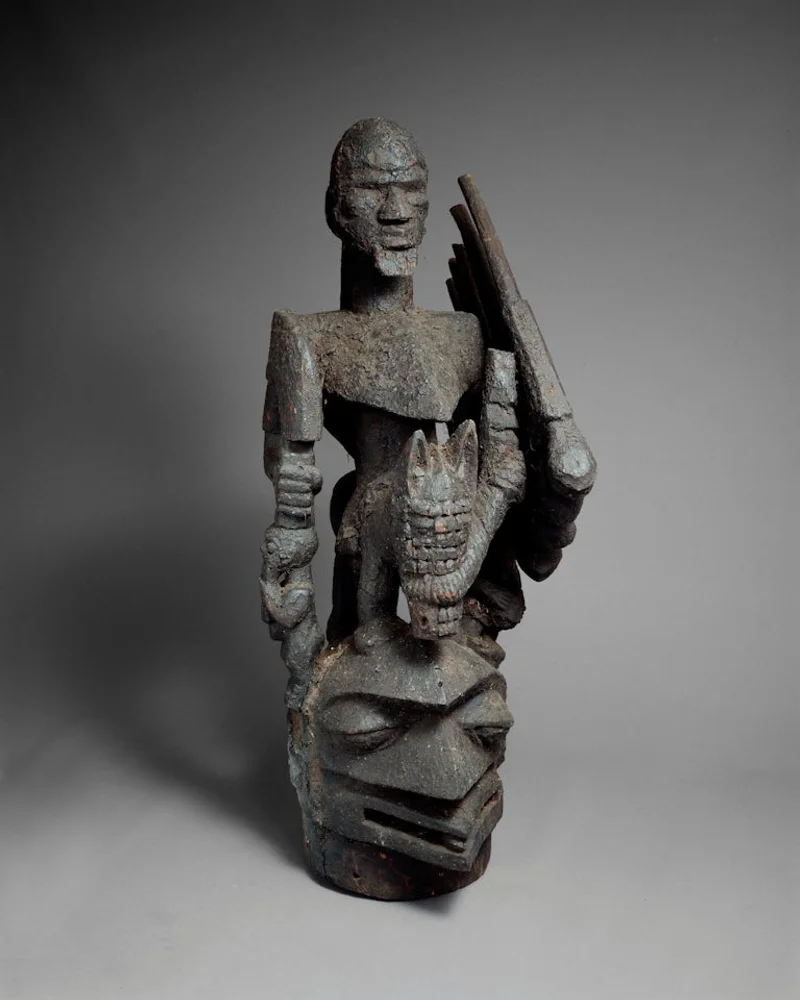
Tikoloshe
A mischievous and malevolent dwarf-like water spirit from Zulu and Xhosa mythology. Created by witches to cause harm, it can become invisible by drinking water or swallowing a pebble. People traditionally raise their beds on bricks to avoid its reach during the night.
 deity
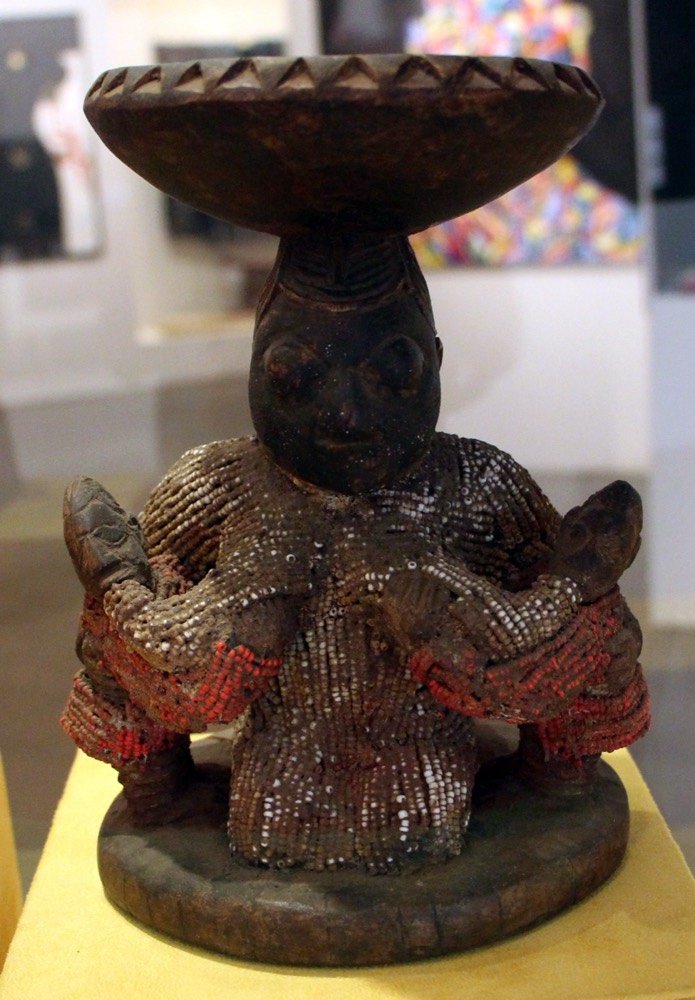
Yemoja
Mother of waters, her name meaning 'mother whose children are as fish'. Goddess of the Ogun River at home, she crossed the Atlantic to become the sea goddess Yemaya of Cuba and Iemanja of Brazil.