

Ori
Also known as: Ori Inu
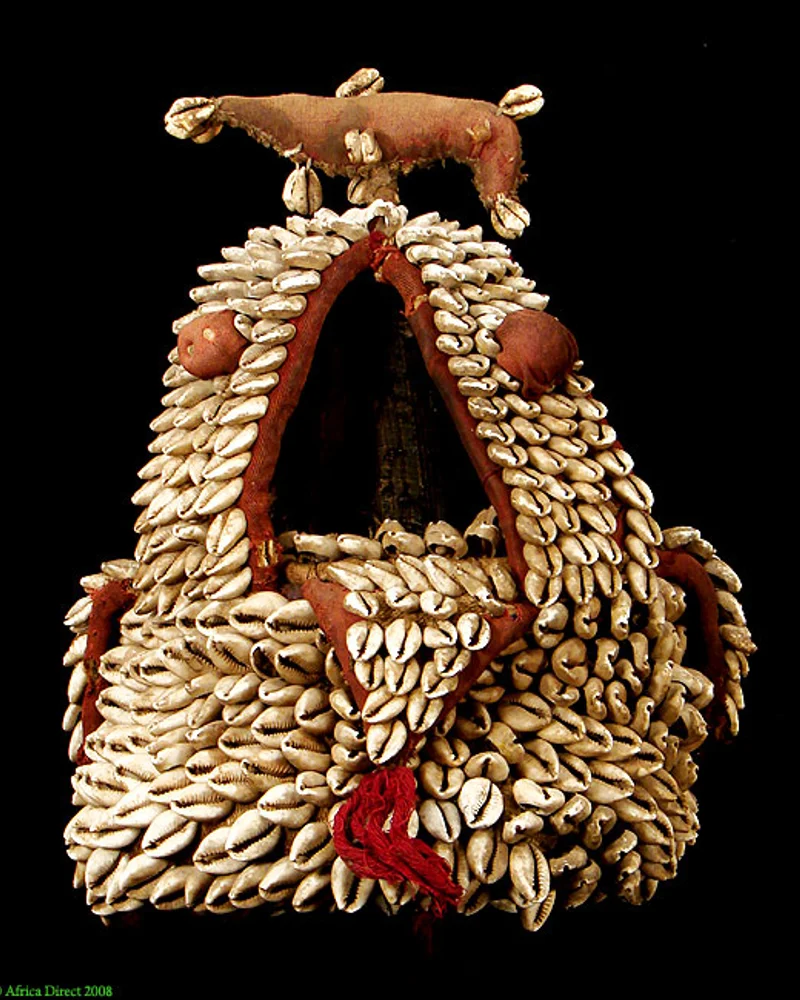
Mythological Narrative
The personal Orisha representing one's inner consciousness and chosen destiny. Ori is the first deity one must honor, for without Ori's support, no other Orisha can help.
Scholarly Commentary & Evolution
## The Inner Head
Ori ('head') represents each person's unique spiritual essence and chosen destiny. Before birth, each soul kneels before Olodumare and chooses an ori—a personal fate and divine self.
### The Primary Orisha
In Yoruba spirituality, Ori is considered more important than any other Orisha for the individual. The saying goes: 'Ori is the most important god for a person.'
### Alignment with Destiny
Misfortune often indicates misalignment with one's ori. Through divination and ritual, one can realign with their chosen destiny and restore harmony.
Classical Art & Museum Artifacts
High-resolution museum artifacts, classical sculptures, pottery reliefs, and bronze idols preserving authentic historical representations of Ori.
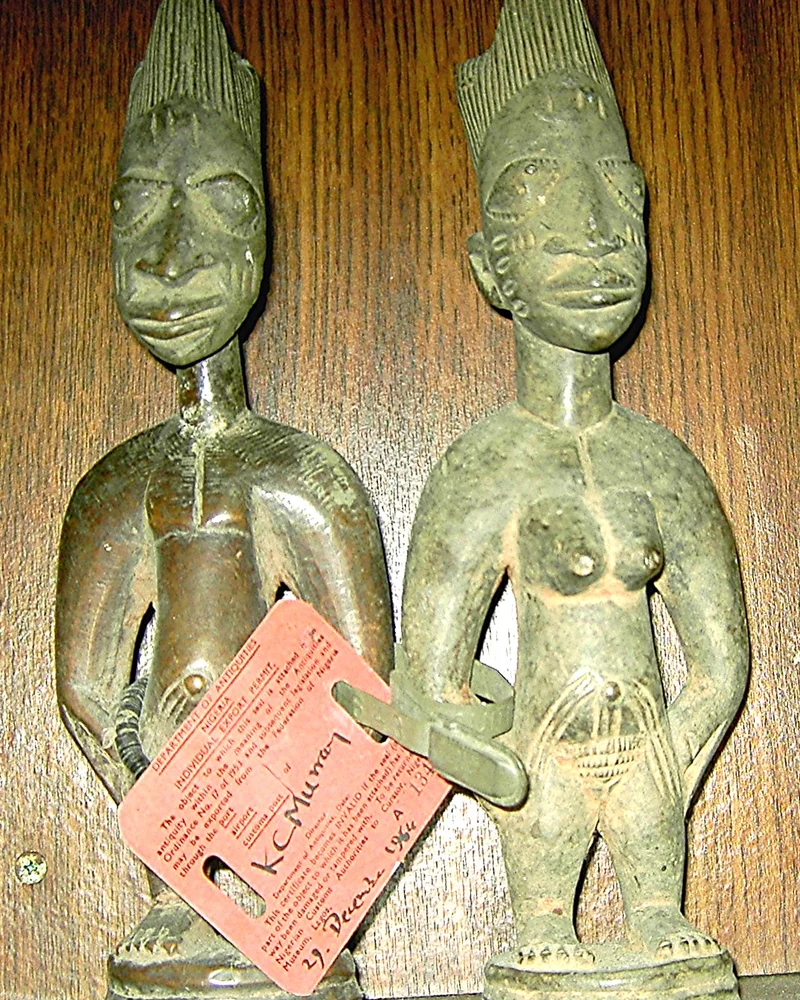
Ibeji Twin Figure
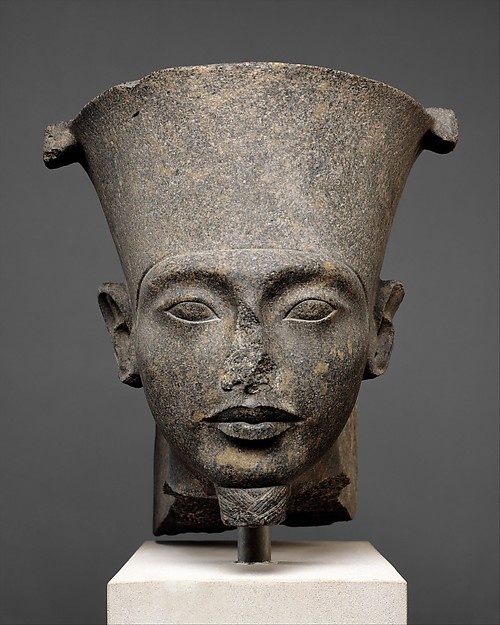
Head of the god Amun

Bronze statuette of a god, possibly Poseidon

Marble statue of a crouching Aphrodite

Ten marble fragments of the Great Eleusinian Relief

Bronze statuette of Neptune
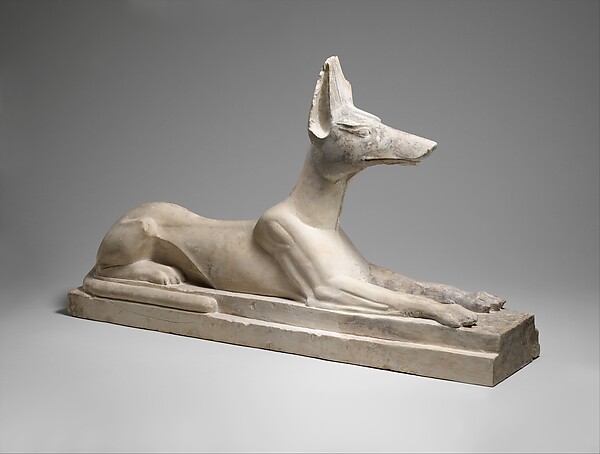
Statue of Anubis as a recumbent canid

Luring the Sun Goddess Amaterasu Out of a Cave with Music; Death of the Historical Buddha
Academic Discussion & Critique
Exchange peer-reviewed hypotheses, comparative Indo-European etymologies, and archaeological field interpretations regarding Ori.
You Might Also Like
Orunmila
The Orisha of wisdom and divination. Orunmila witnessed the creation of the universe and holds the secrets of destiny.
Aganju
The Orisha of volcanoes, wilderness, and the untamed earth. Aganju represents the raw, primal power of the natural world.
Aje
The Orisha of prosperity and material wealth. Aje blesses commerce and brings financial abundance to her devotees.
Eshu
Trickster messenger of the crossroads who carries every sacrifice to its god and tests those who neglect him. Famous for setting two sworn friends quarreling with a two-colored cap; missionaries mistranslated his name as 'the Devil'.