


Greek Mythology
Greek Mythology traditions, cosmology, and ancient mythology.
Mythological Figures & Lore
Showing all 72 records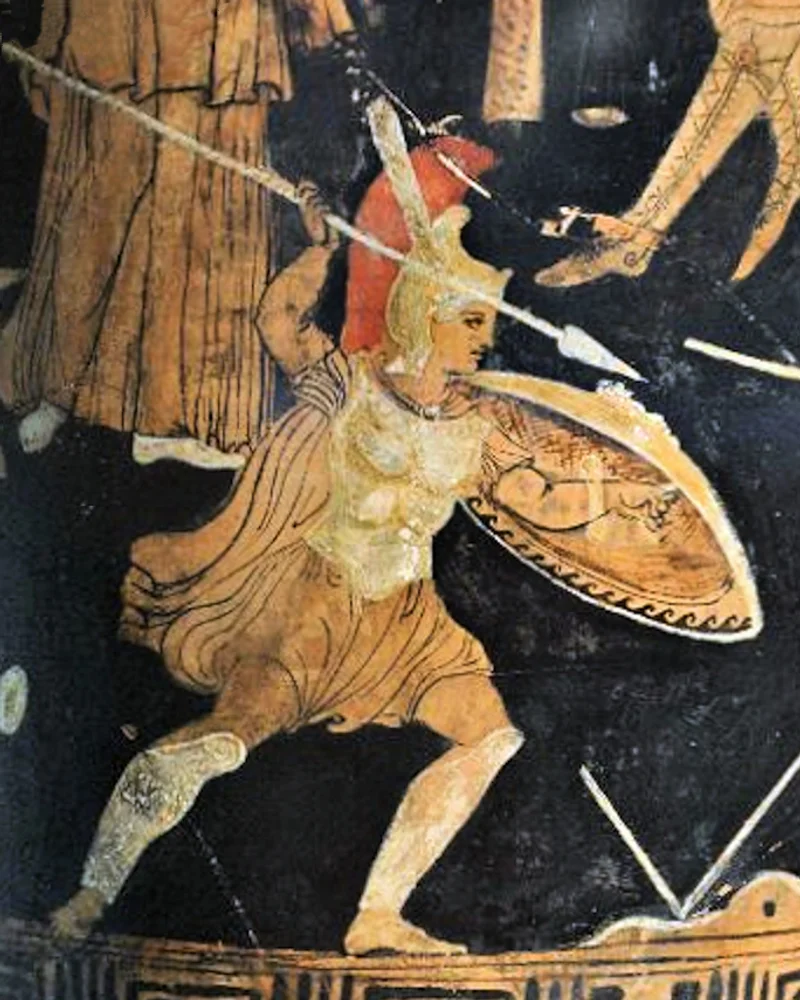 hero
Achilles
Greatest warrior of the Greek forces at Troy, whose wrath and grief drive the plot of Homer's Iliad. Son of the mortal king Peleus and the sea-goddess Thetis.
 artifact
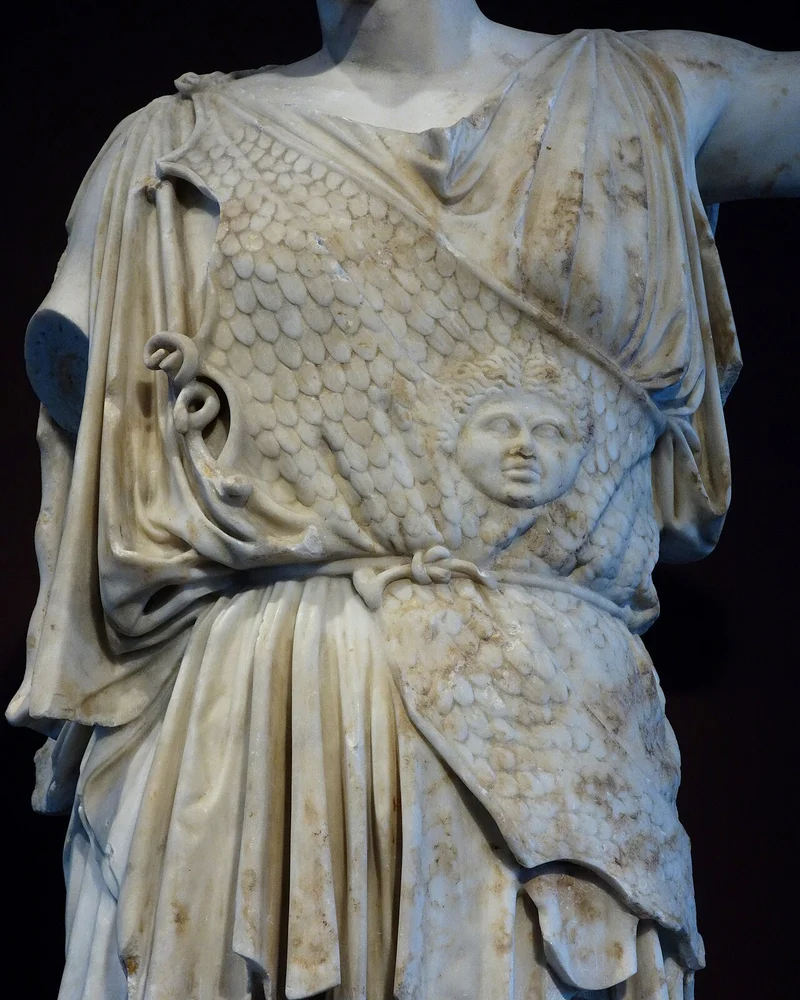
Aegis
The legendary shield of Zeus and Athena, adorned with the fearsome head of the Gorgon Medusa. This divine aegis strikes terror into the hearts of enemies and provides impenetrable protection to its bearer.
 hero
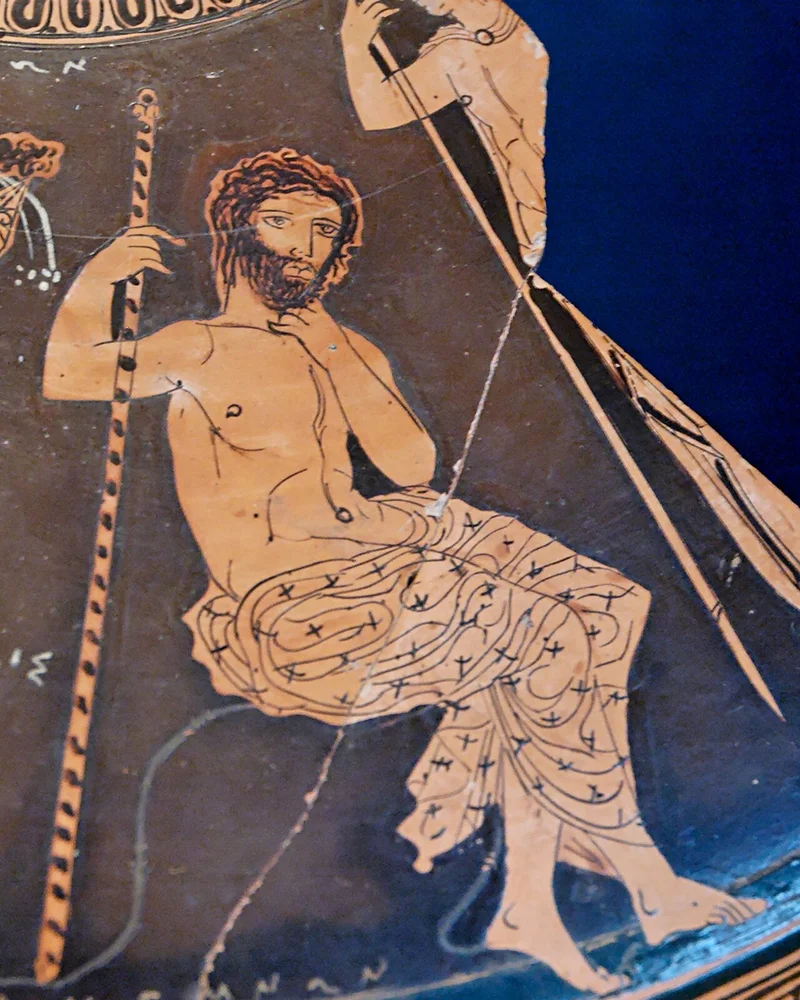
Agamemnon
King of Mycenae and commander-in-chief of the Greek forces at Troy. His quarrel with Achilles opens the Iliad, and his murder upon returning home became the basis of Aeschylus's tragedy.
 hero
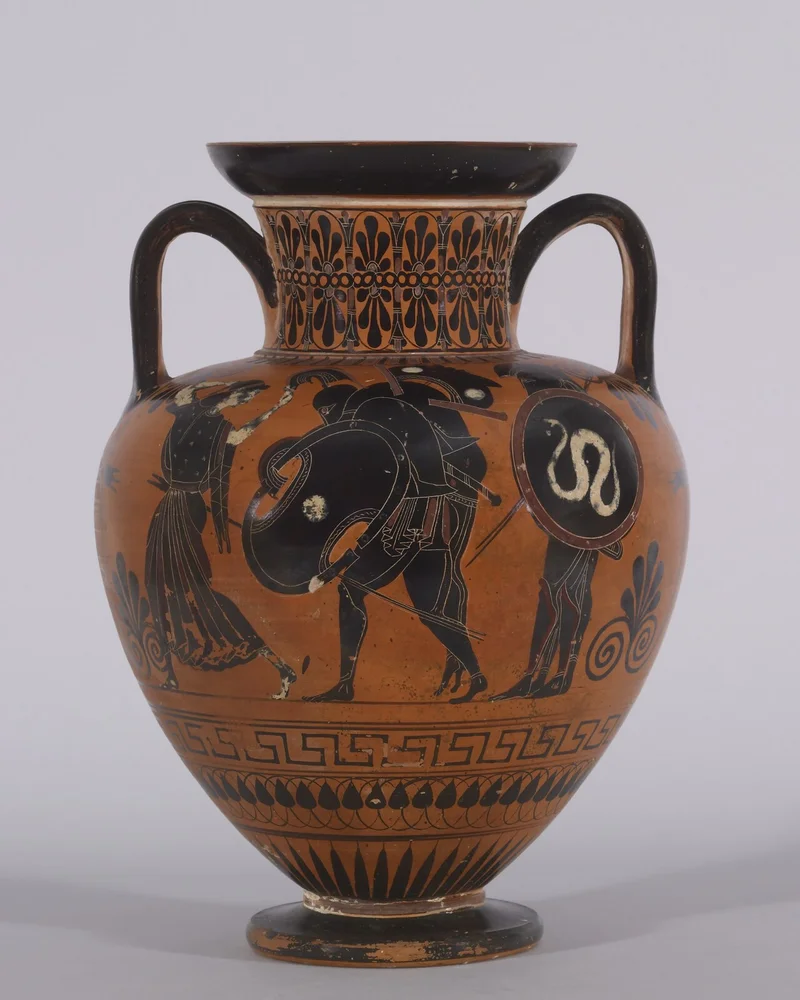
Ajax
Second-mightiest Greek warrior at Troy after Achilles. Lost the contest for Achilles's armor to Odysseus and, in Sophocles's telling, took his own life in shame.
 deity
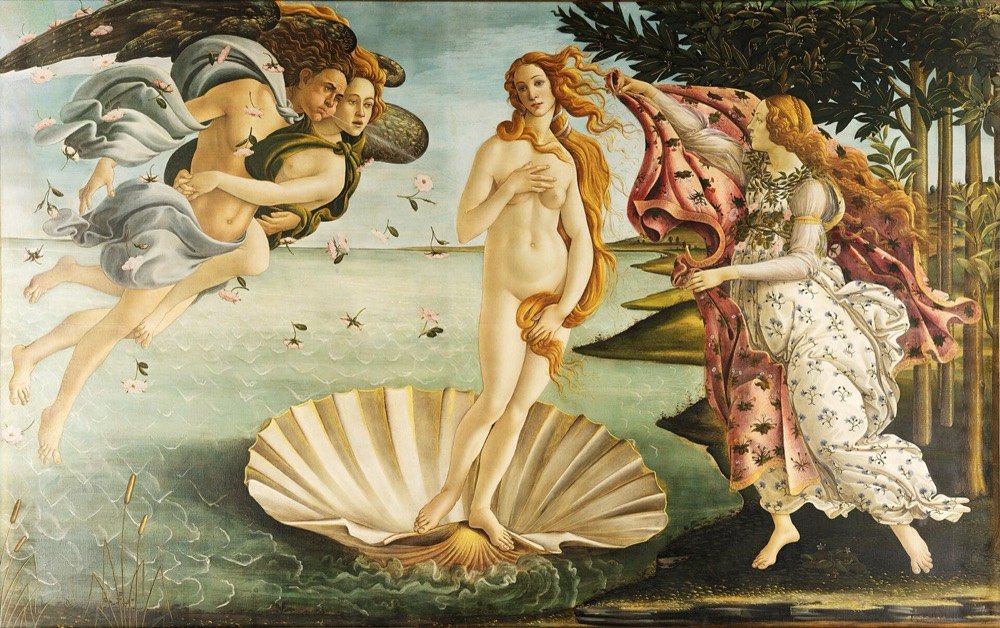
Aphrodite
Goddess of love and beauty, born from sea foam in Hesiod's account and landing on Cyprus. Her victory in the Judgement of Paris set the Trojan War in motion.
 deity
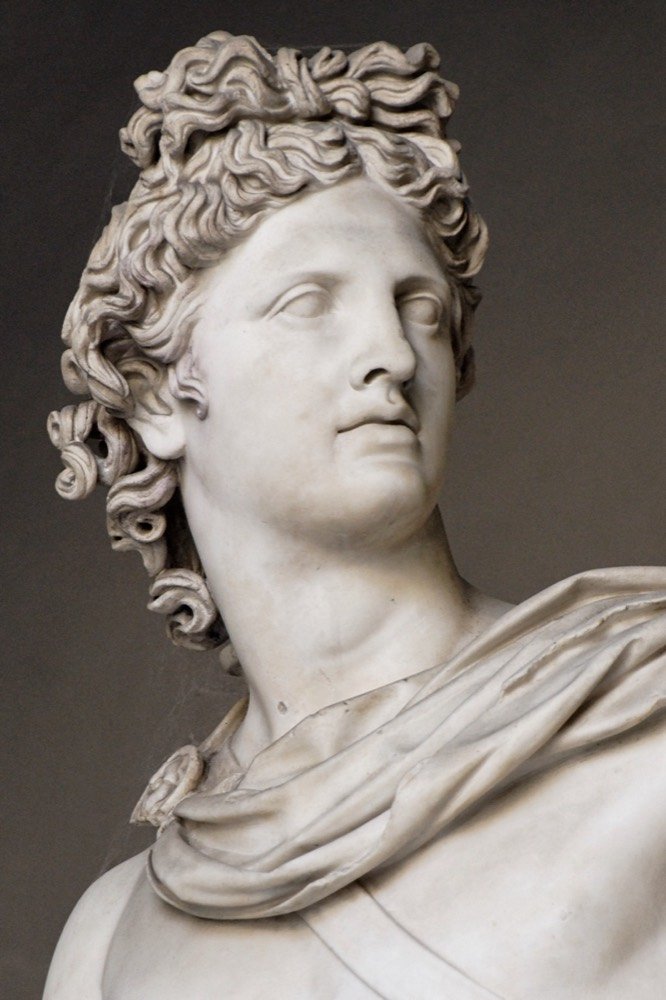
Apollo
God of light, prophecy, music, and healing, son of Zeus and Leto, born on Delos. He slew the serpent Python and founded his oracle at Delphi.
 deity
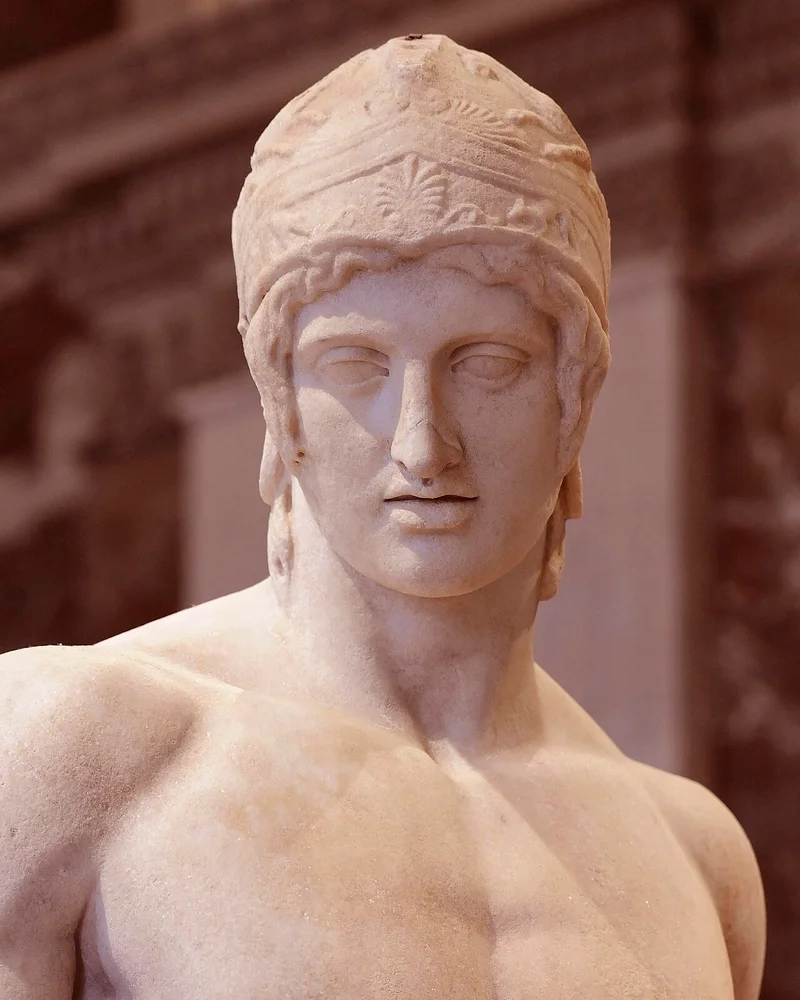
Ares
God of war, violence, and bloodshed. Son of Zeus and Hera, representing the brutal and chaotic aspects of warfare.
 deity
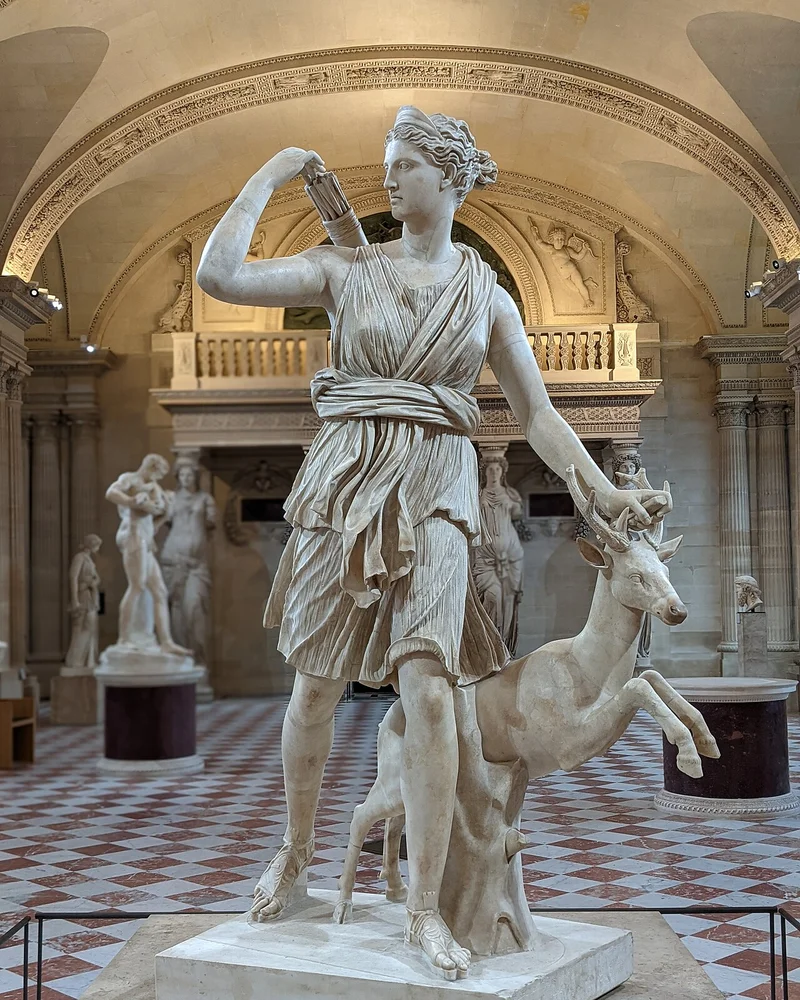
Artemis
Goddess of the hunt, wilderness, and the moon. Twin sister of Apollo, protector of young women and animals.
 deity
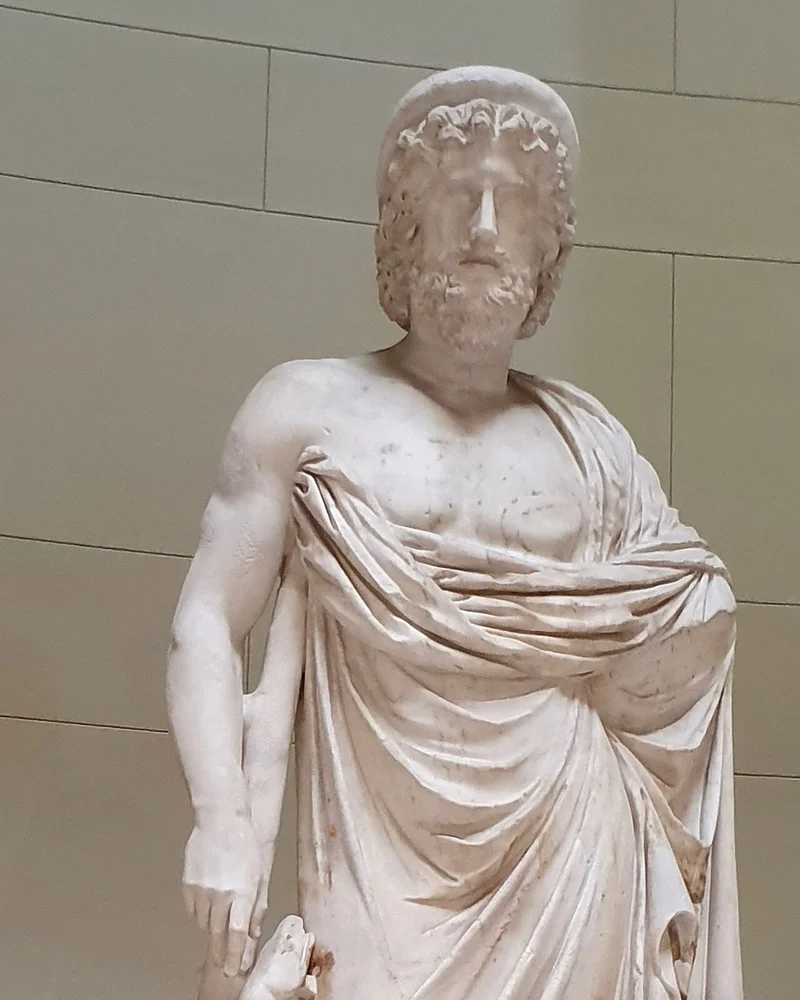
Asclepius
The healer god, son of Apollo and the mortal Coronis, trained in medicine by the centaur Chiron. His skill grew so great that he raised the dead, and Zeus struck him with a thunderbolt; he was nonetheless worshipped across the Greek and Roman world at sanctuaries where the sick slept in hope of a cure.
 hero
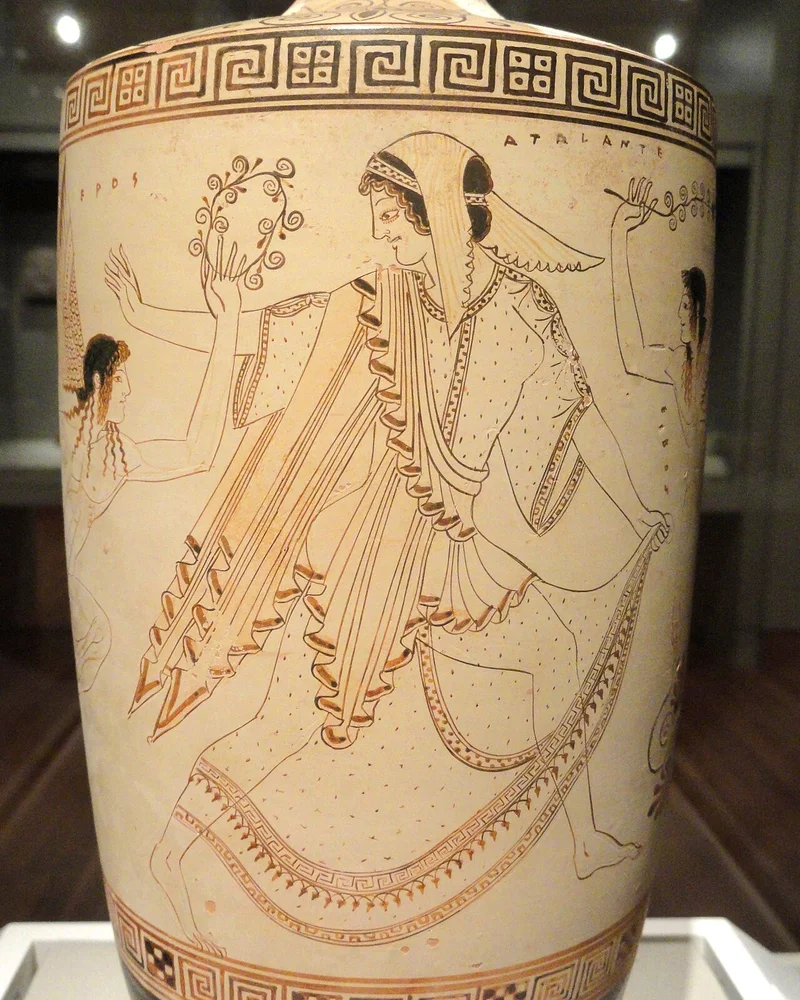
Atalanta
Swift-footed huntress raised in the wild, celebrated for outrunning every suitor and for drawing first blood on the Calydonian Boar.
 deity
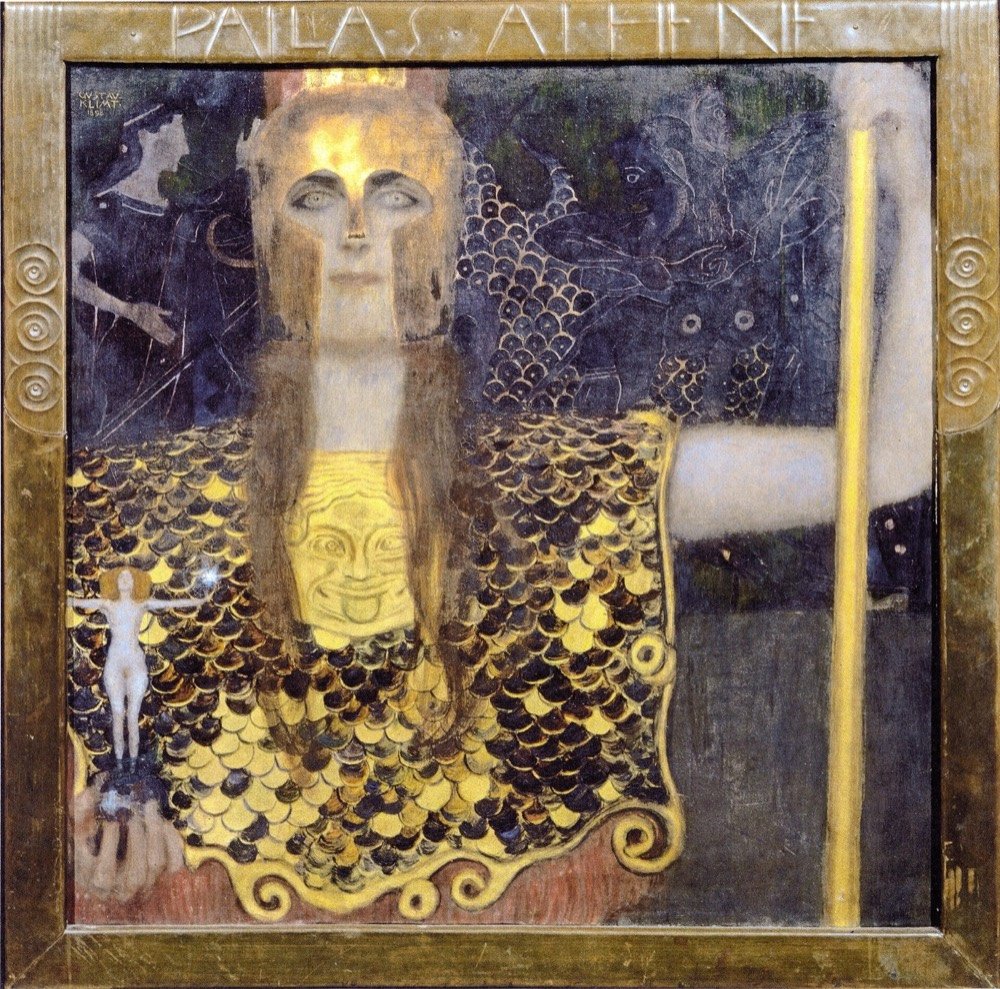
Athena
Goddess of wisdom and strategic war, born in full armor from the head of Zeus. She won the patronage of Athens with the olive tree; the owl is her bird.
 deity
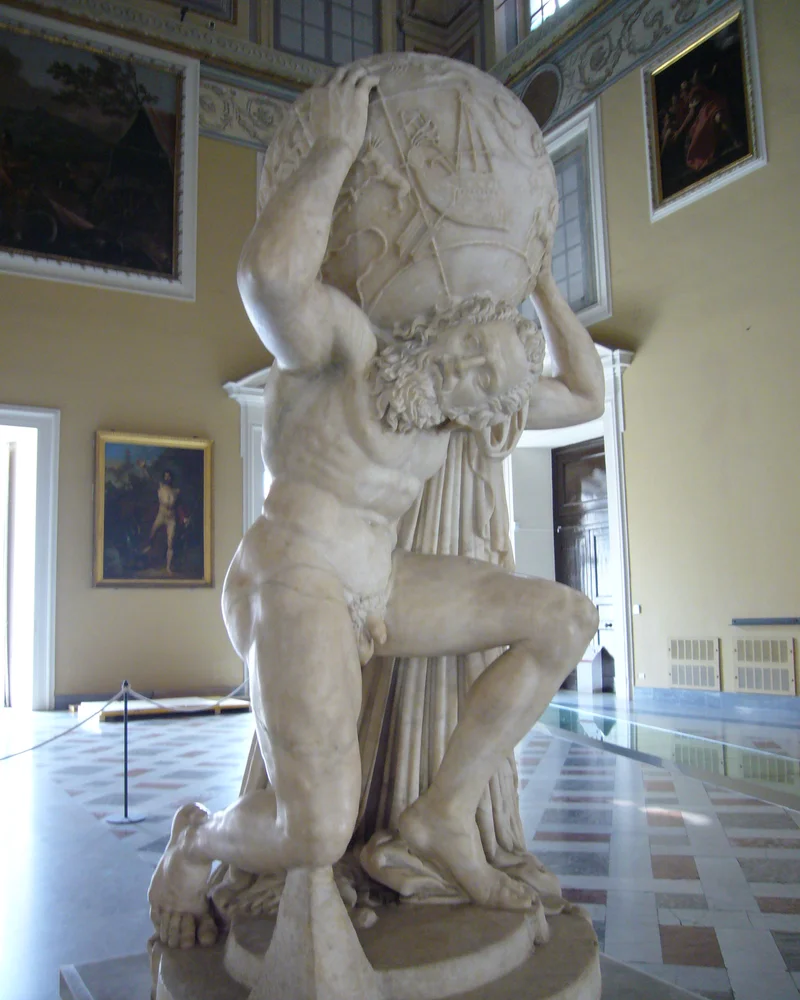
Atlas
The Titan son of Iapetus whom Zeus set to hold up the sky at the western edge of the world, near the garden of the Hesperides. Brother of Prometheus and father of Maia and Calypso, he appears in Heracles' quest for the golden apples, and in Ovid is turned to stone as the Atlas mountains.
 hero
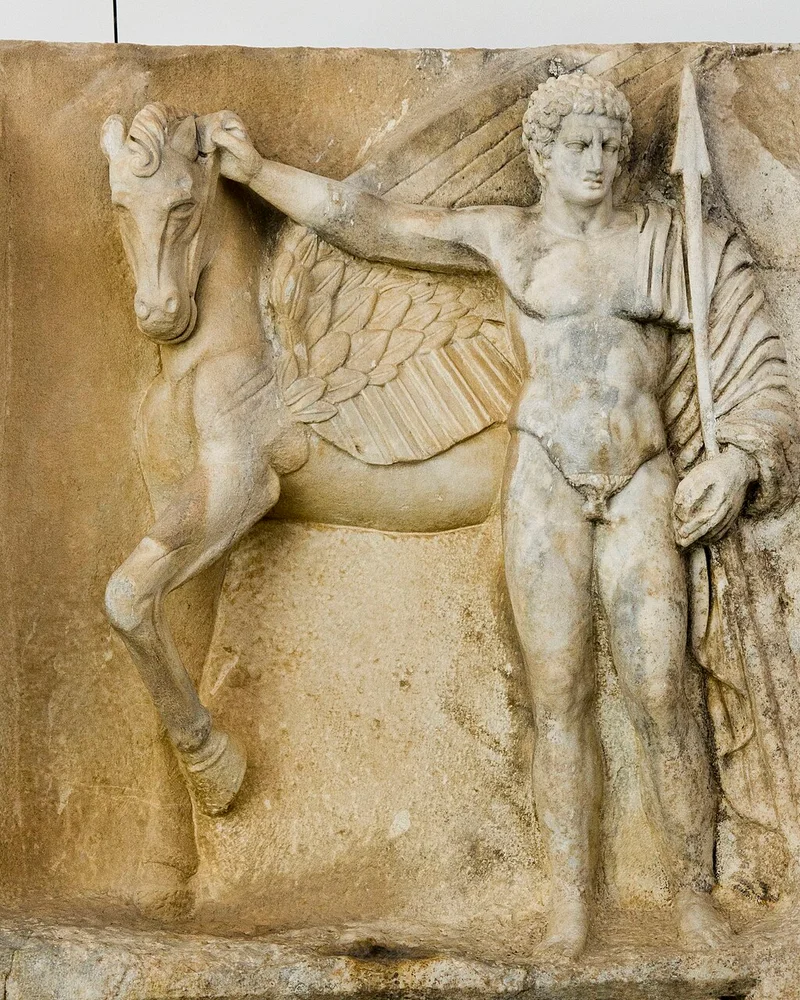
Bellerophon
Tamer of the winged horse Pegasus and slayer of the fire-breathing Chimera, whose later attempt to fly to Olympus ended in his fall and disgrace.
 artifact
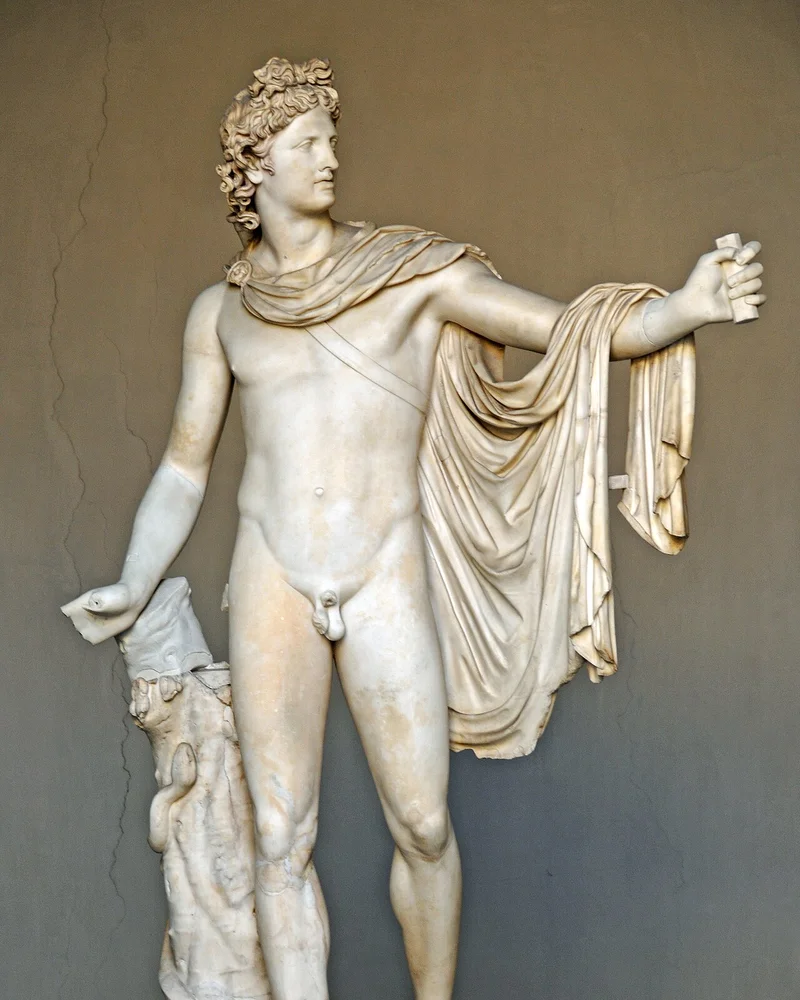
Bow of Apollo
The silver bow of the god of archery, light, and plague. Its arrows never miss their target and can bring both death through plague or healing through purification.
 artifact
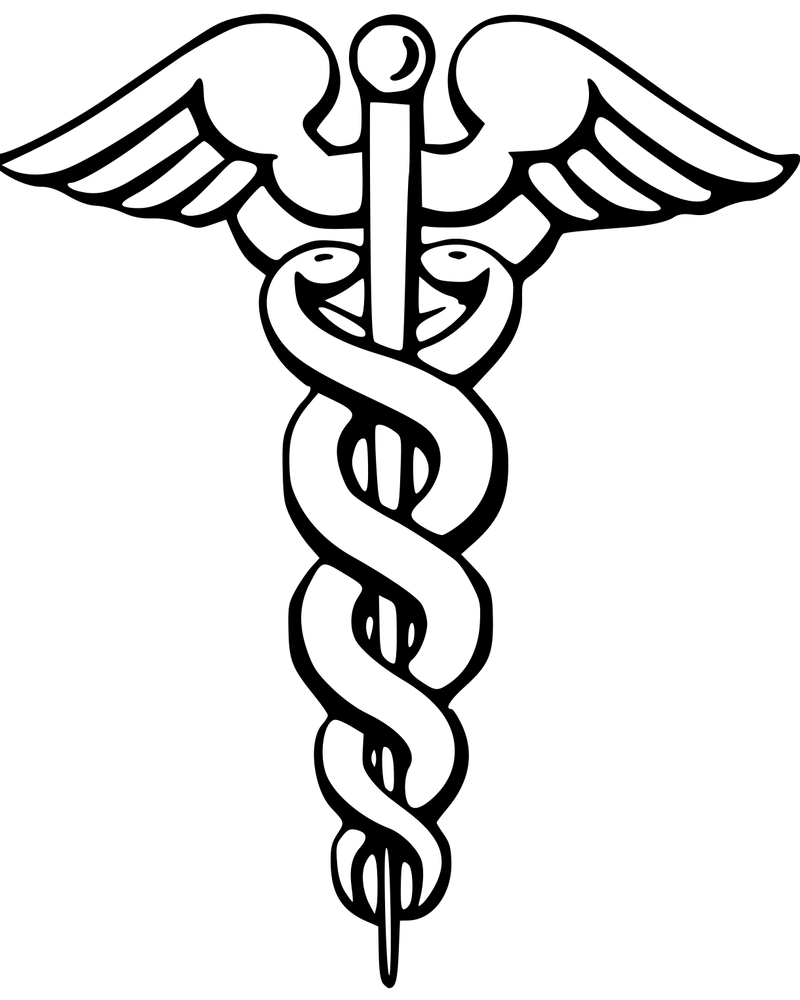
Caduceus
The winged staff entwined by two serpents, carried by Hermes as messenger of the gods. It grants safe passage between realms and the power to guide souls to the underworld.
 creature
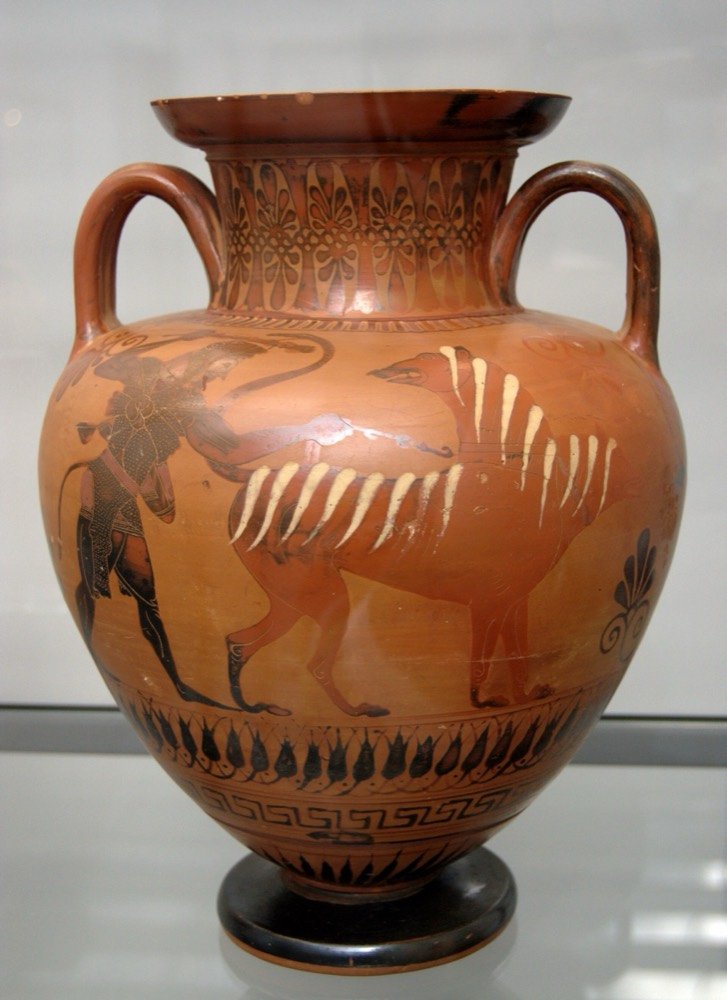
Cerberus
The monstrous hound guarding the gate of the underworld, offspring of Typhon and Echidna, commonly shown with three heads. Fetching him alive was the twelfth labor of Heracles.
 creature
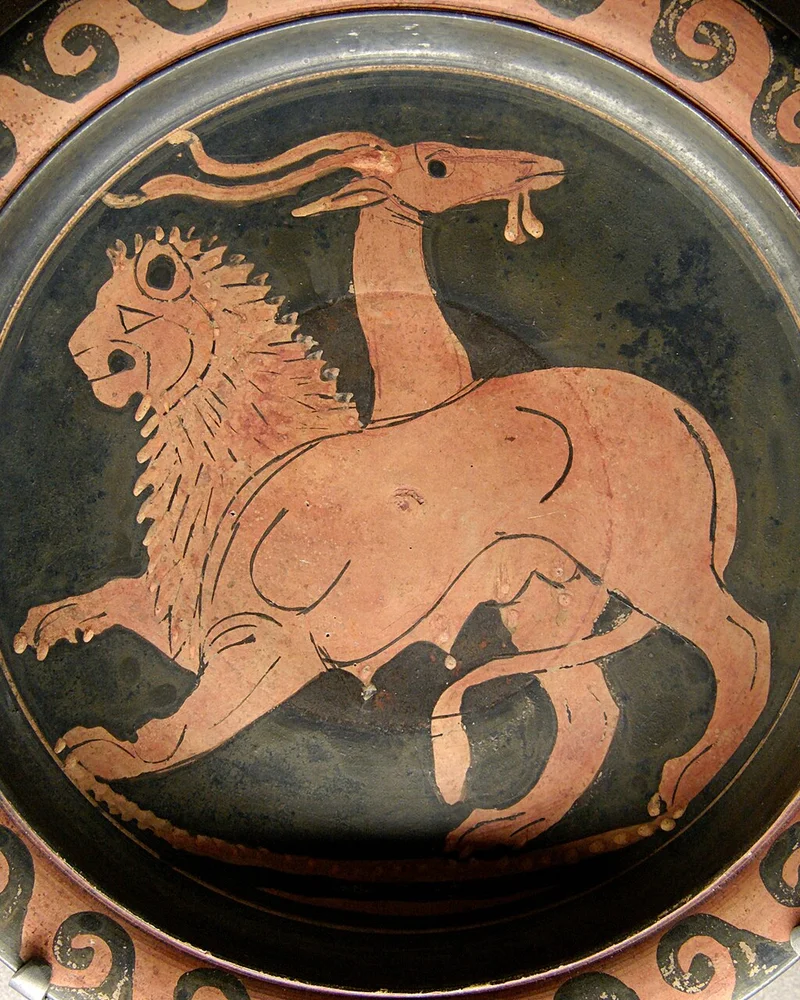
Chimera
A fire-breathing hybrid monster with the head of a lion, body of a goat, and tail of a serpent. Slain by the hero Bellerophon while riding the winged horse Pegasus.
 deity
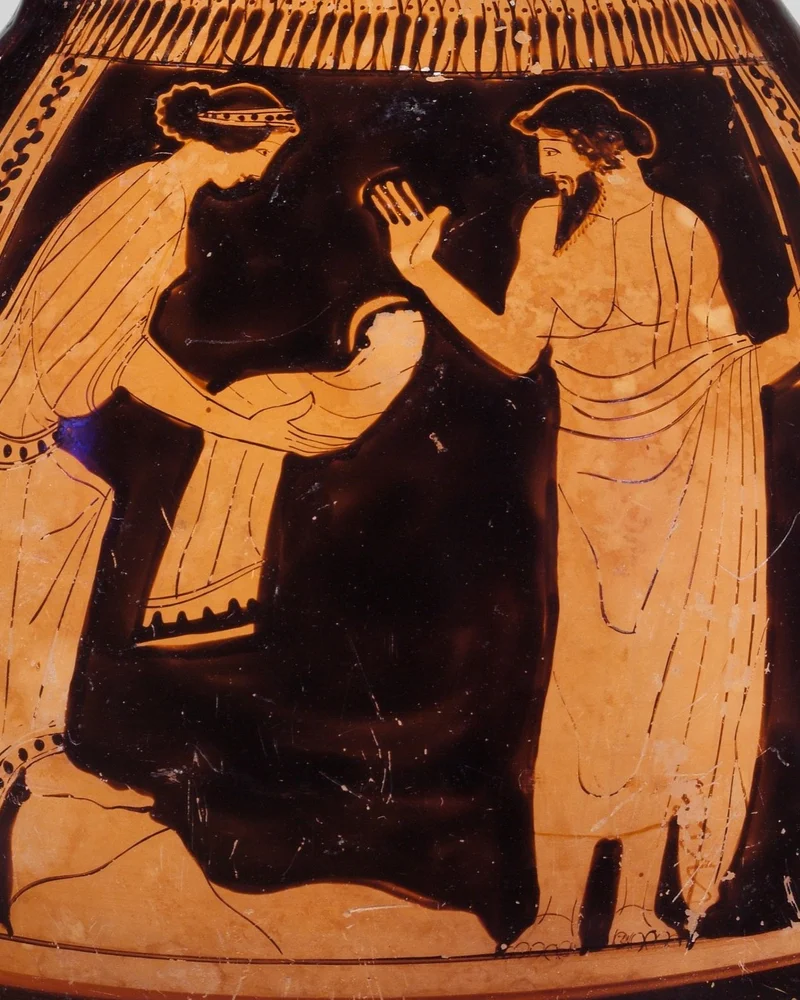
Cronus
Youngest of the twelve Titans, son of Uranus and Gaia. Cronus castrated his father to seize the sky's rule, presided over the mythical Golden Age, and was in turn overthrown by his own son Zeus after swallowing his children to avoid the same fate.
 creature
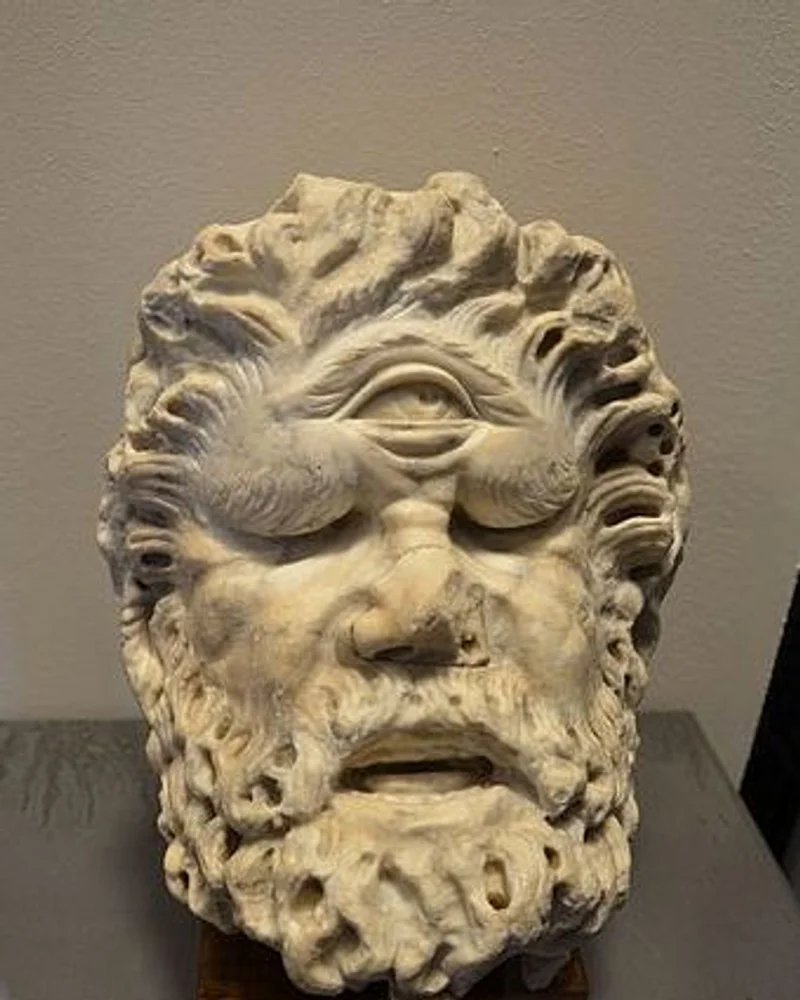
Cyclops
One-eyed giants of immense strength. The most famous, Polyphemus, trapped Odysseus and his men in his cave. They were master craftsmen who forged Zeus's thunderbolts.
 deity
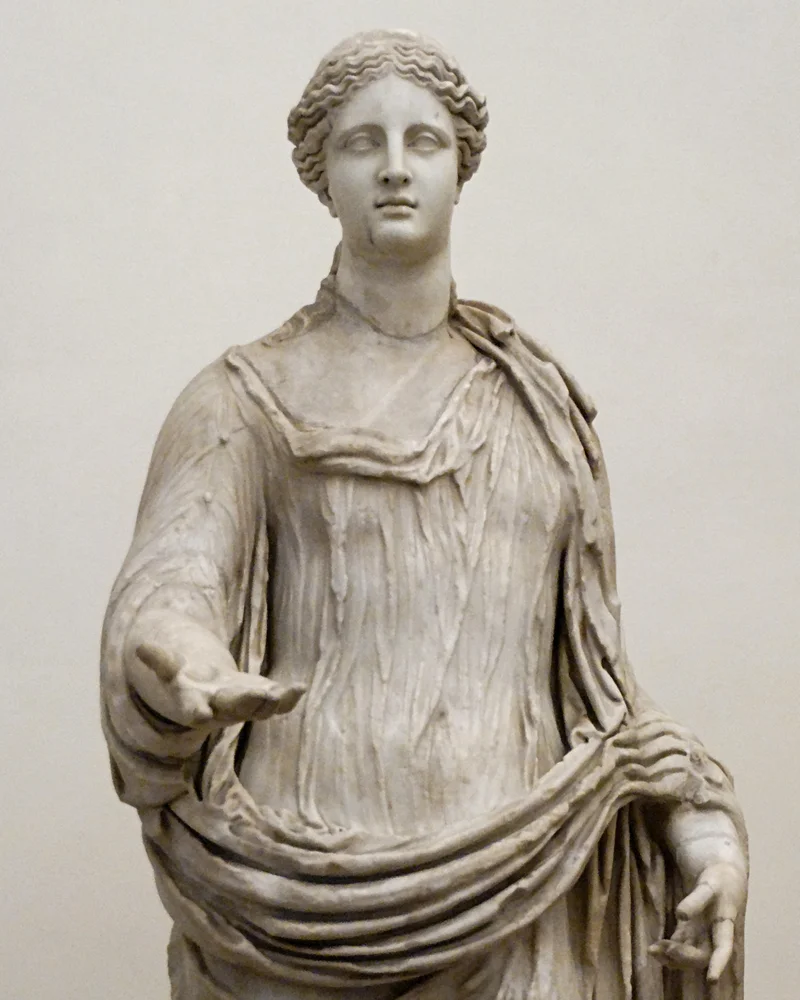
Demeter
Goddess of agriculture, harvest, and fertility. Mother of Persephone, whose abduction by Hades explains the seasons.
 deity
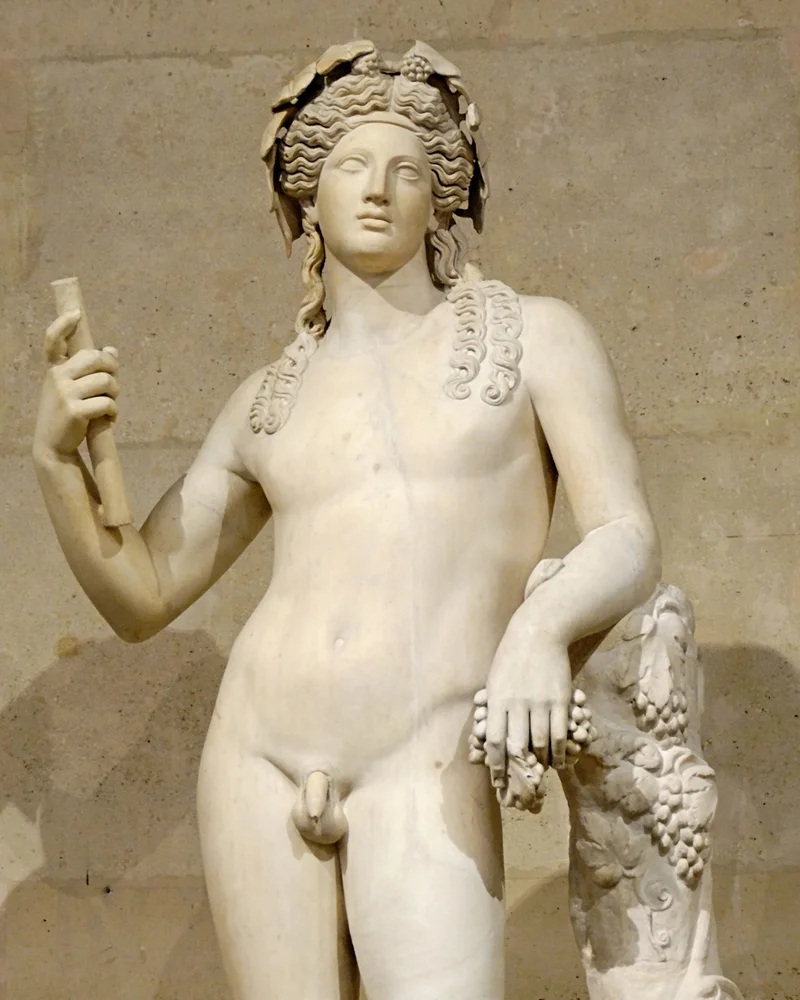
Dionysus
God of wine, festivity, and theater. Son of Zeus and the mortal Semele, the only Olympian born to a mortal parent.
 deity
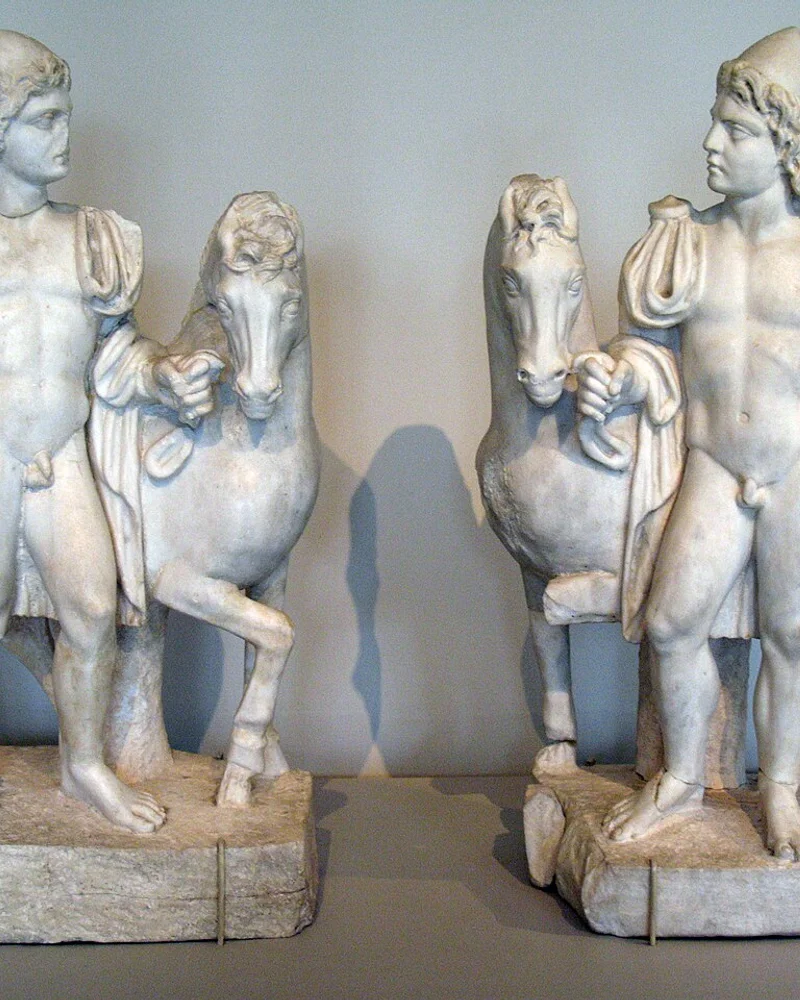
The Dioscuri (Castor and Polydeuces)
The divine twins Castor, tamer of horses, and Polydeuces (Pollux), the boxer, sons of Leda and brothers of Helen. Sailors prayed to them in storms, and after Castor's death the brothers were said to share immortality, alternating days between Olympus and the world below.
 deity
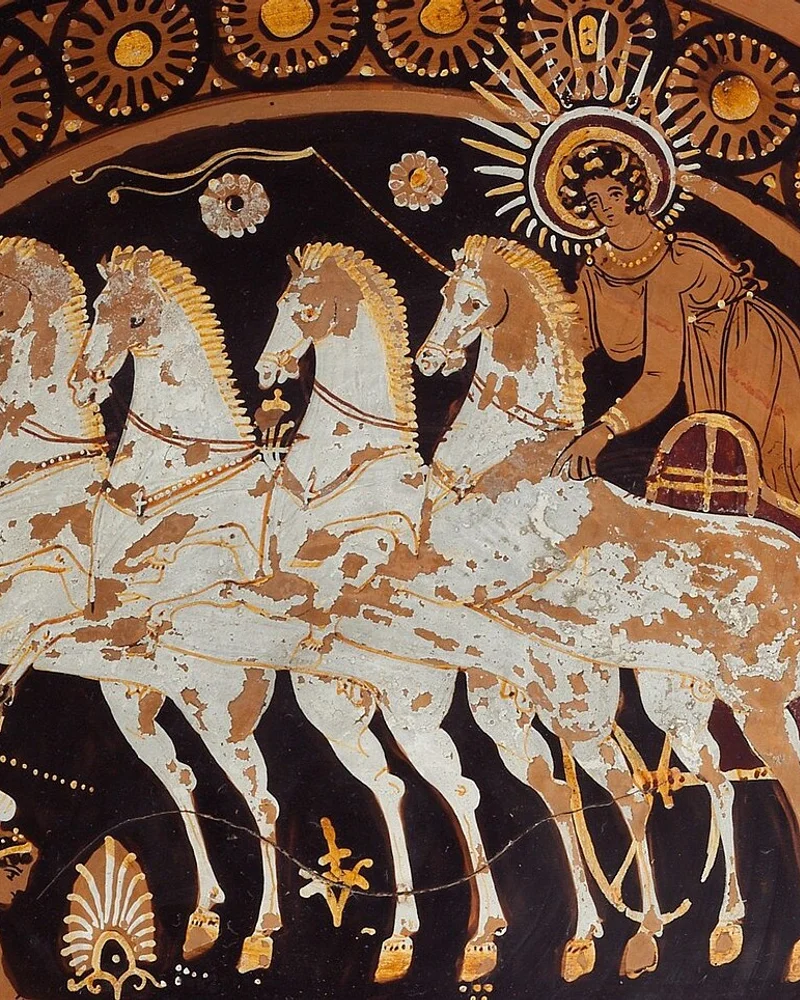
Eos
The goddess of dawn, sister of Helios and Selene, who rises each morning from the bed of her mortal consort Tithonus to bring light to gods and men. Homer's formula 'rosy-fingered Dawn' marks the start of countless days in the Iliad and Odyssey.
 spirit
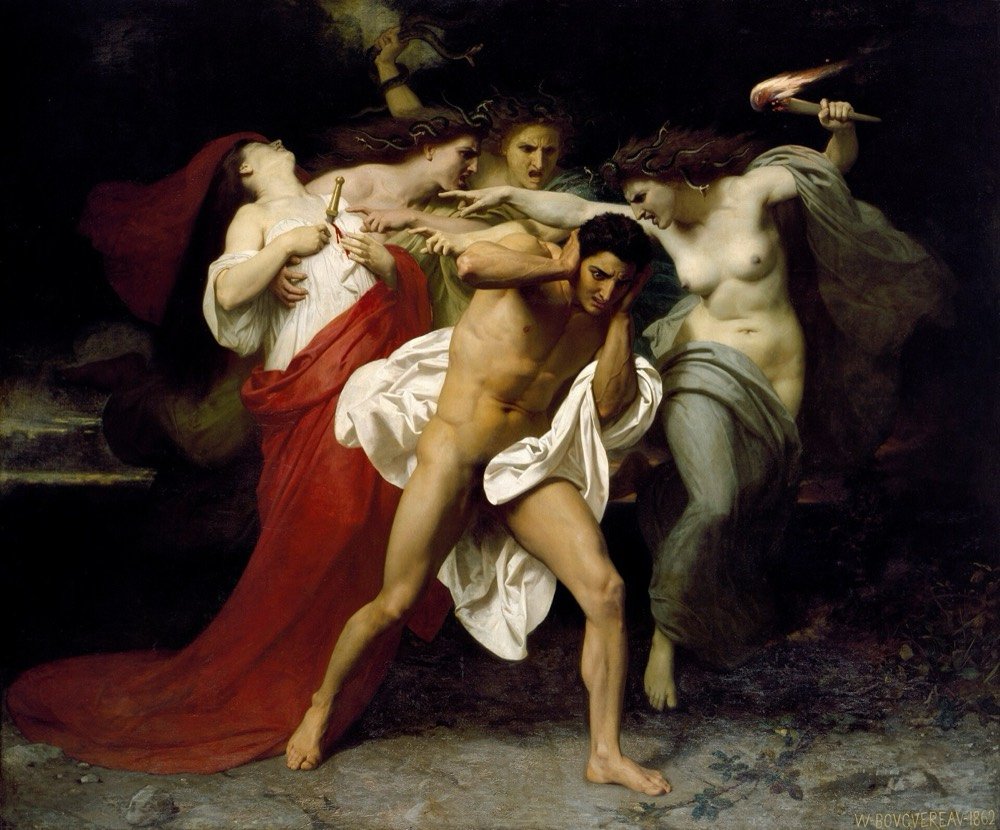
Erinyes
Three goddesses who hunt kin-slayers and oath-breakers, snake-haired and whip-bearing, called Furies by the Romans. In Aeschylus they accept cult at Athens as the Kindly Ones.
 deity
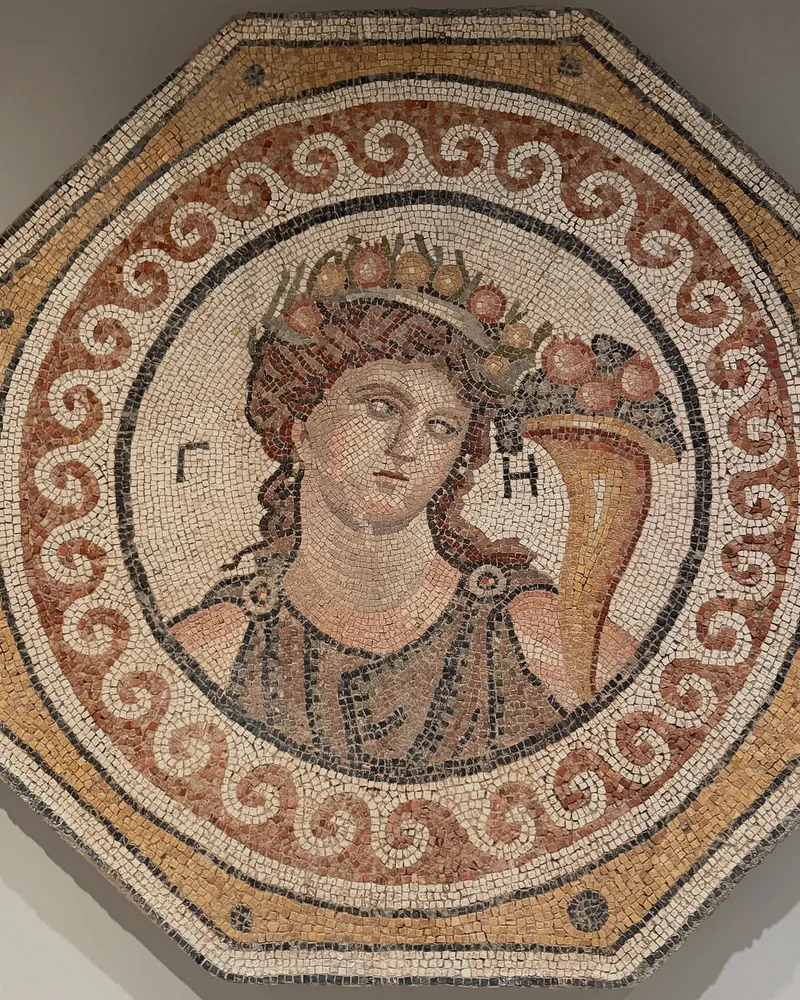
Gaia
Primordial goddess of the Earth, one of the first beings to emerge from Chaos. Gaia is the mother of the sky (Uranus), the sea (Pontus), the Titans, the Cyclopes, and, through the blood of Uranus, the Giants and the Furies.
 artifact
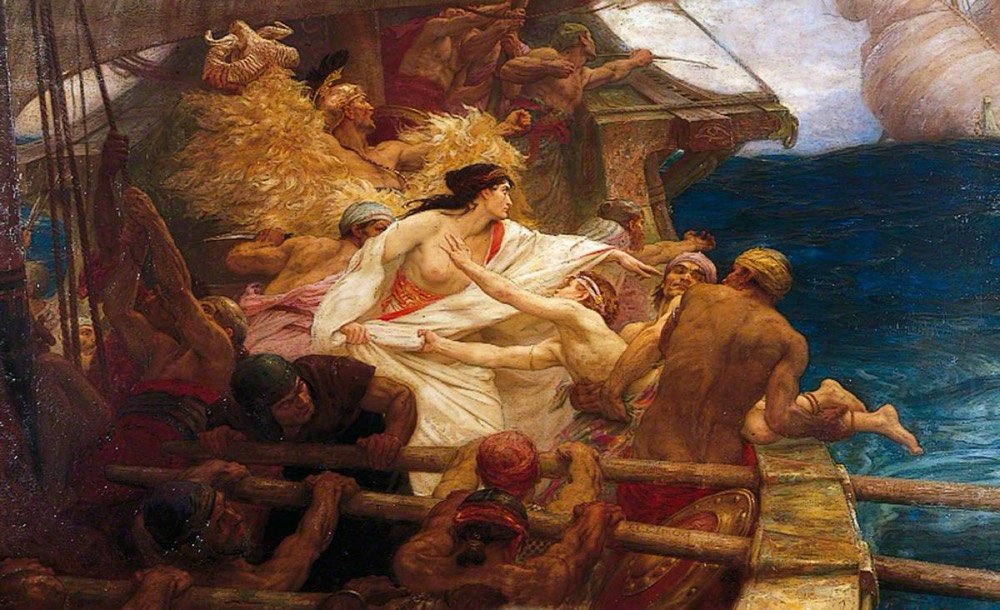
Golden Fleece
The fleece of a flying golden ram, nailed to an oak in the grove of Ares at Colchis and guarded by a sleepless dragon, won by Jason with Medea's help.
 deity
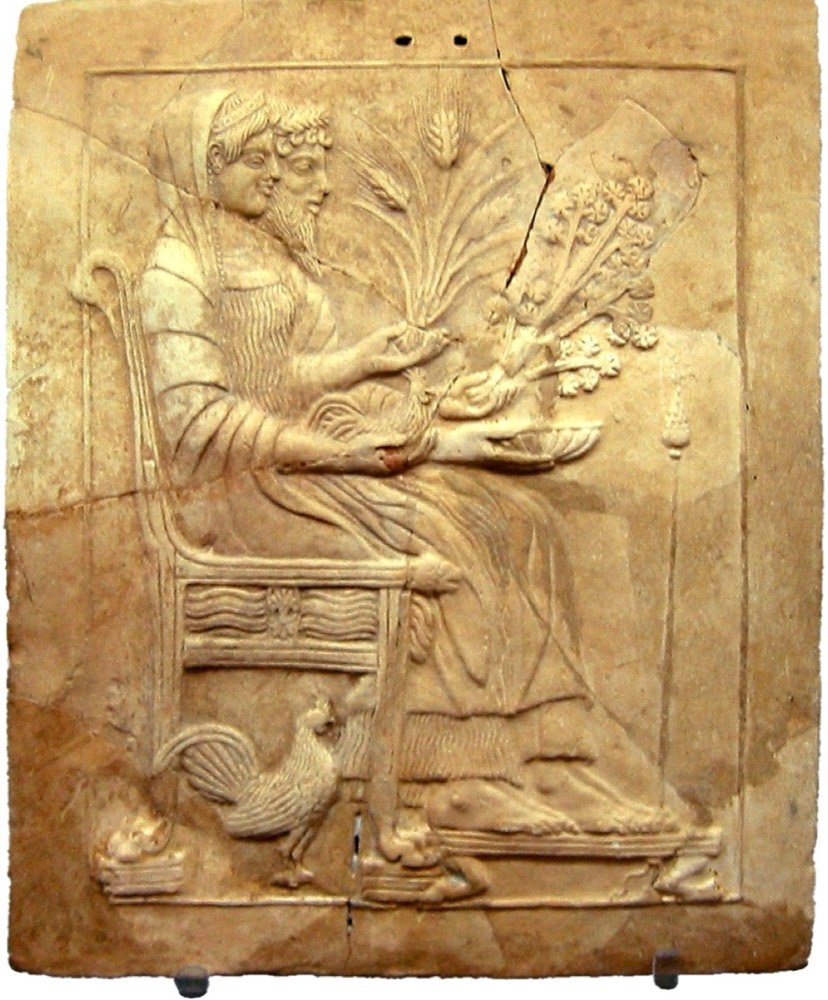
Hades
King of the underworld, brother of Zeus and Poseidon, who drew the realm of the dead by lot. Greeks avoided his name, calling him Plouton, the wealthy one.
 deity
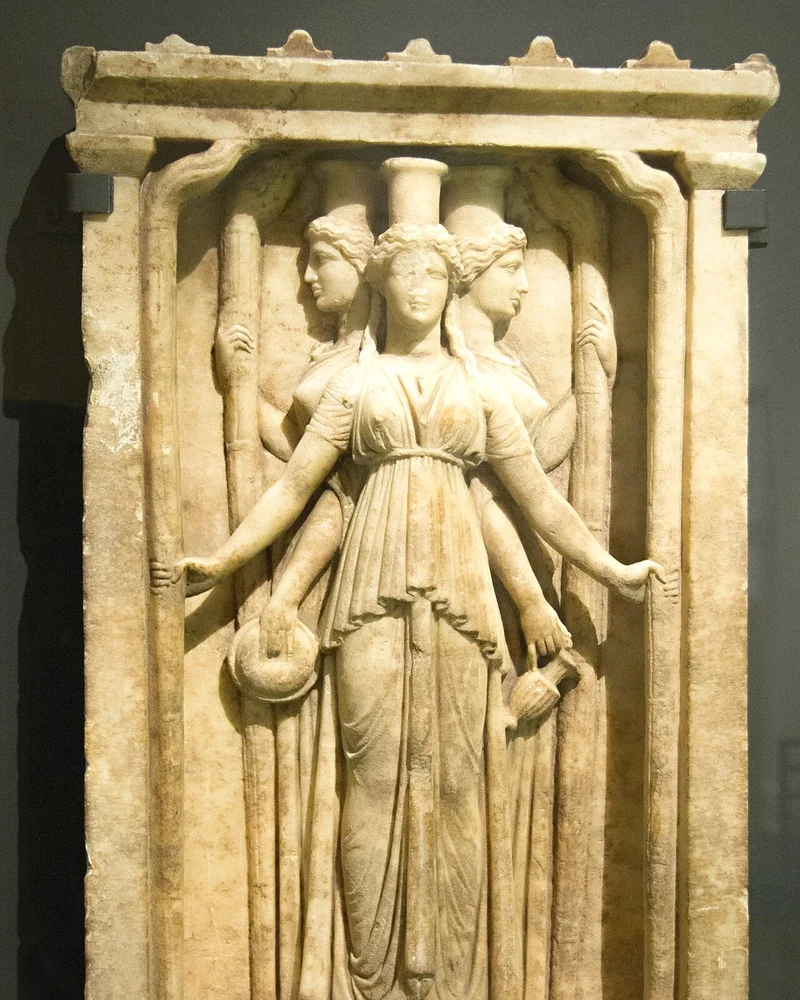
Hecate
A Titan-descended goddess uniquely honored by Hesiod with power over earth, sea, and sky. In later Classical and Hellenistic tradition, Hecate's role narrowed and darkened into a chthonic goddess of crossroads, ghosts, and magic — a significantly different figure from Hesiod's expansive, benevolent Hecate.
 hero
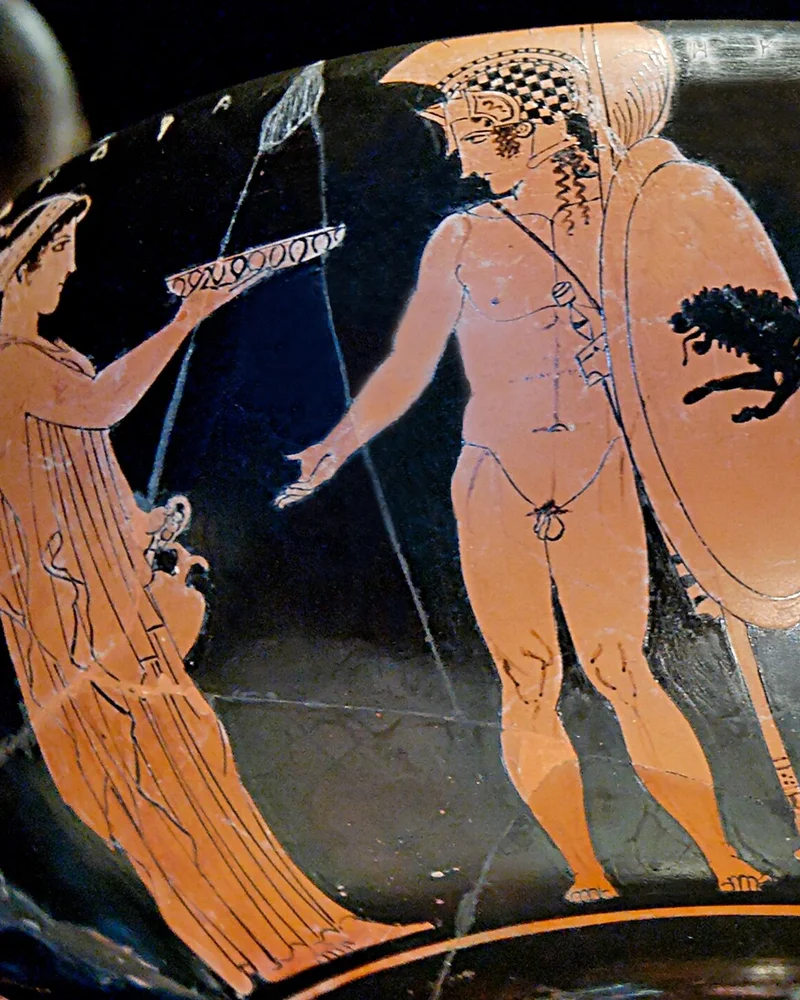
Hector
Crown prince of Troy and the city's greatest defender in the Iliad. Killed by Achilles in the poem's climactic single combat.
 hero
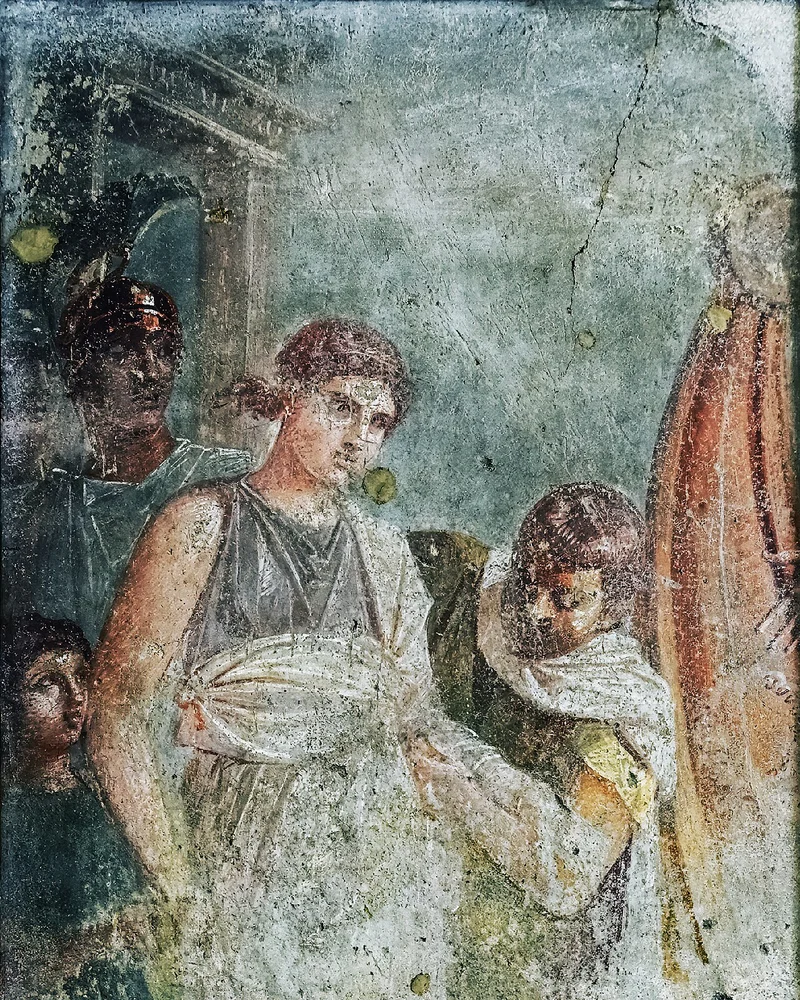
Helen
Daughter of Zeus and the most beautiful woman in the ancient world, whose abduction (or elopement) by the Trojan prince Paris was the mythic cause of the Trojan War.
 deity
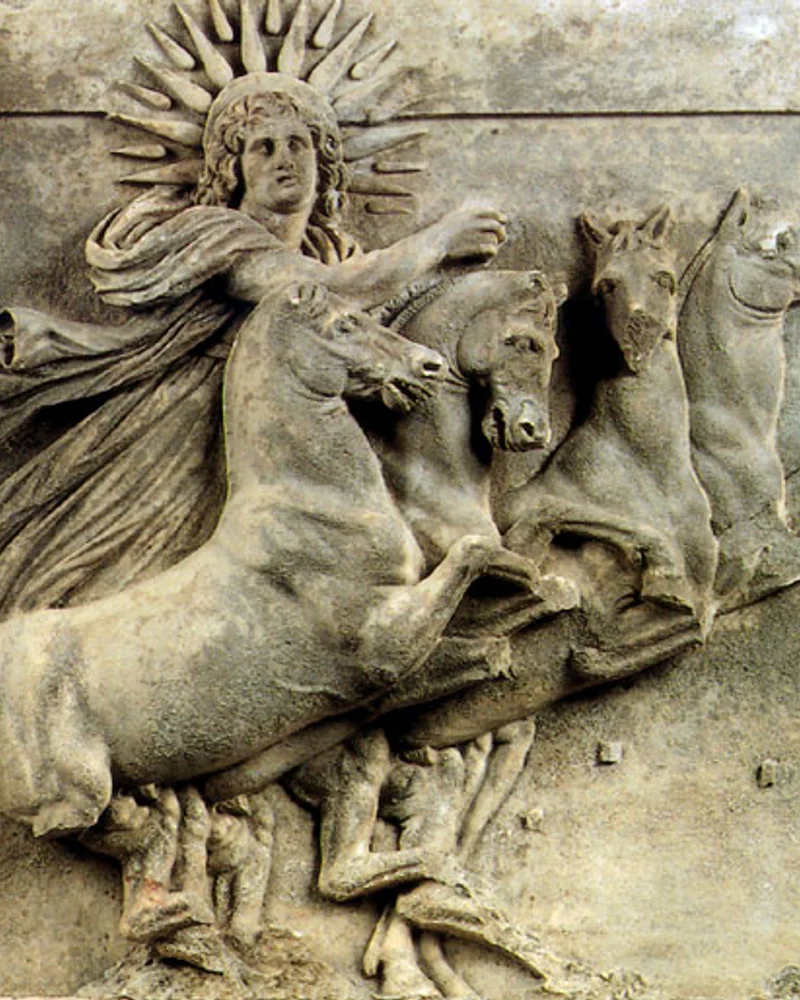
Helios
The Titan-born sun who drives his chariot across the sky each day and sees everything beneath it. Son of Hyperion and Theia, brother of Selene (Moon) and Eos (Dawn), Helios is the witness gods and mortals call on because nothing happens outside his gaze.
 artifact
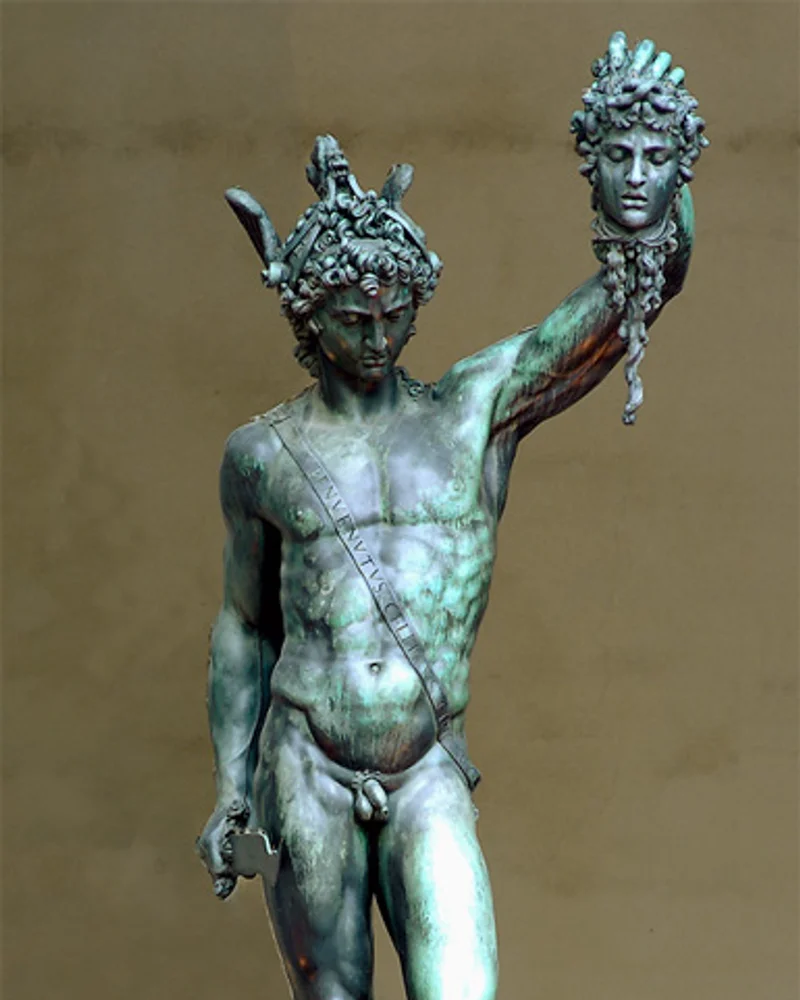
Helm of Darkness
The helmet of invisibility belonging to Hades, lord of the underworld. This dark artifact renders the wearer completely invisible to gods, mortals, and even other supernatural beings.
 deity
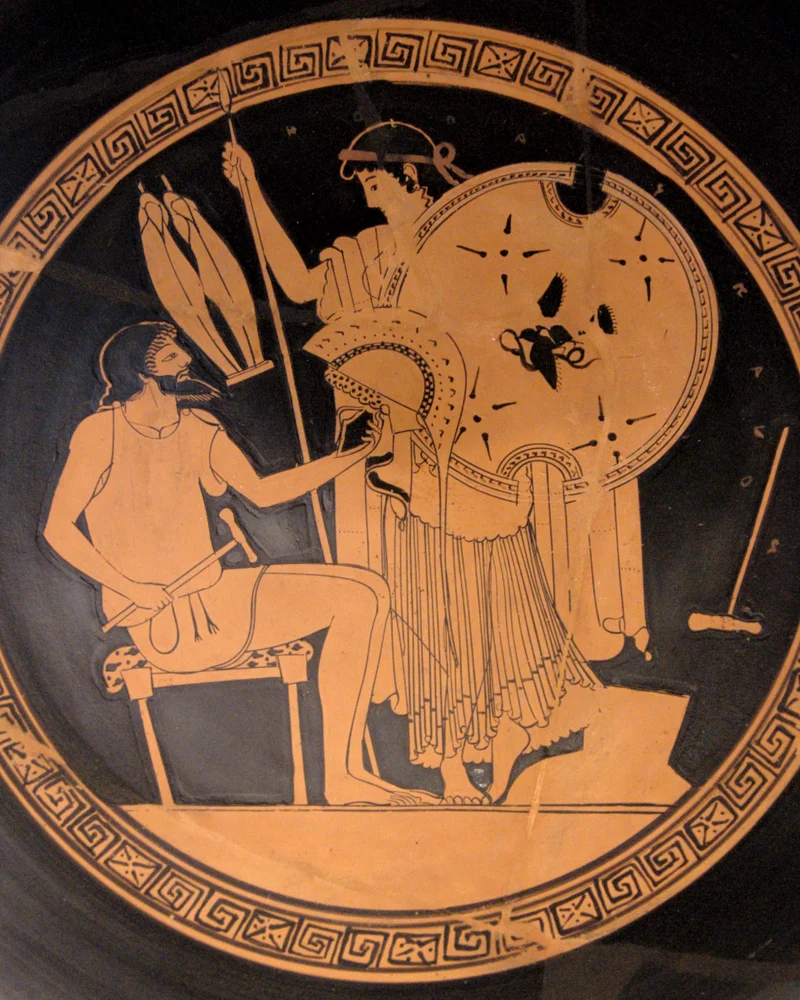
Hephaestus
God of fire, metalworking, and crafts. Son of Hera (and possibly Zeus), cast from Olympus due to his lameness but later readmitted.
 deity
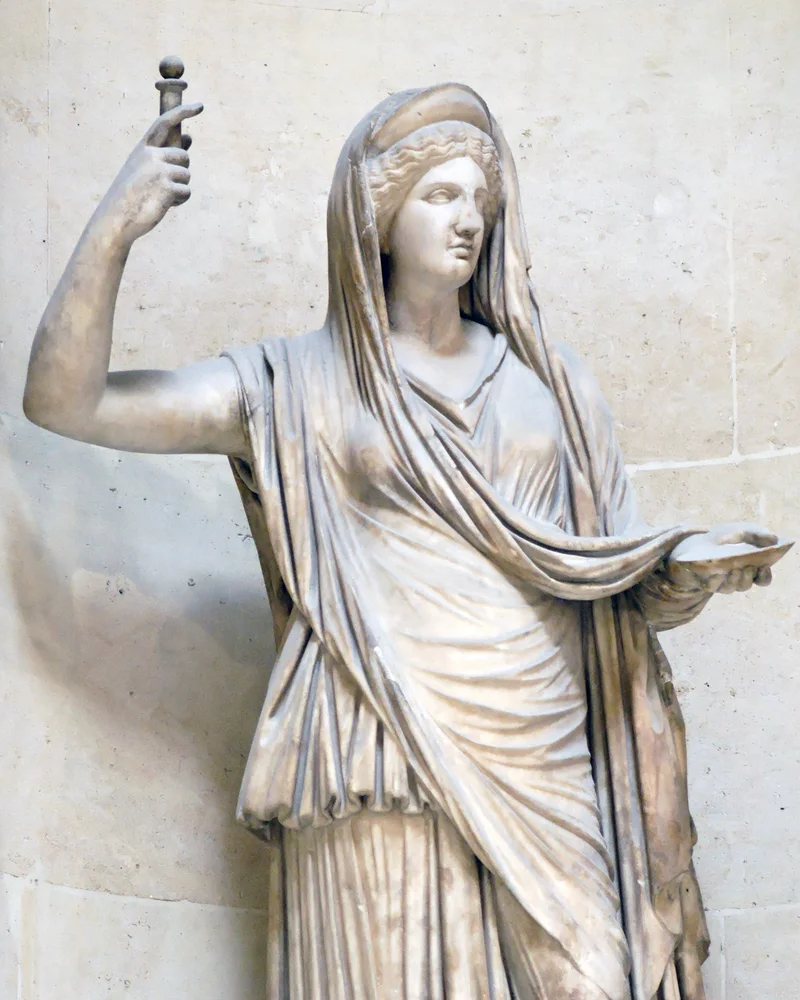
Hera
Queen of the gods and goddess of marriage and family. Wife and sister of Zeus, known for her jealousy toward Zeus's lovers and illegitimate children.
 hero
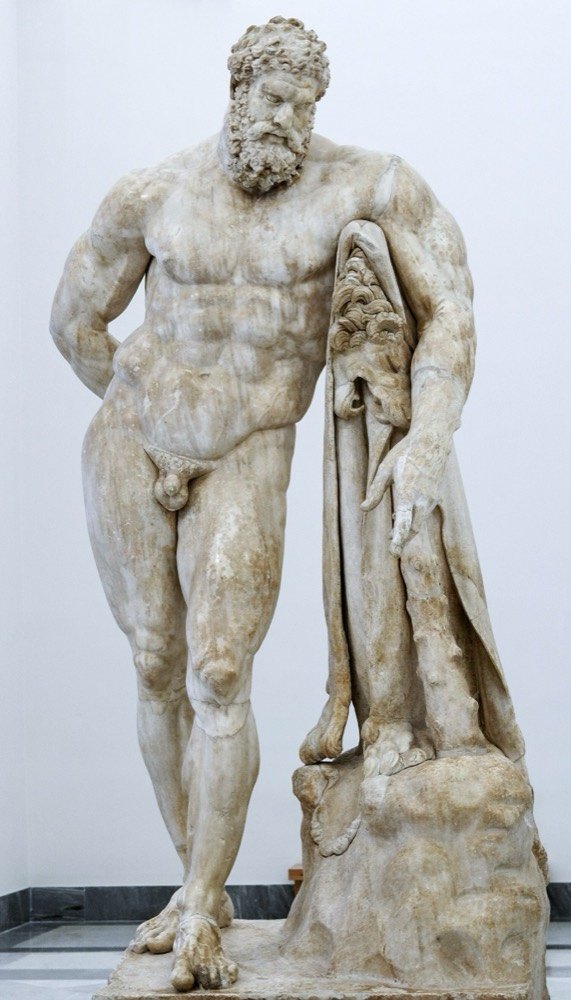
Heracles
Son of Zeus and the mortal Alcmene, the strongest of Greek heroes, who performed twelve labors in atonement and was received into Olympus as a god after death.
 deity
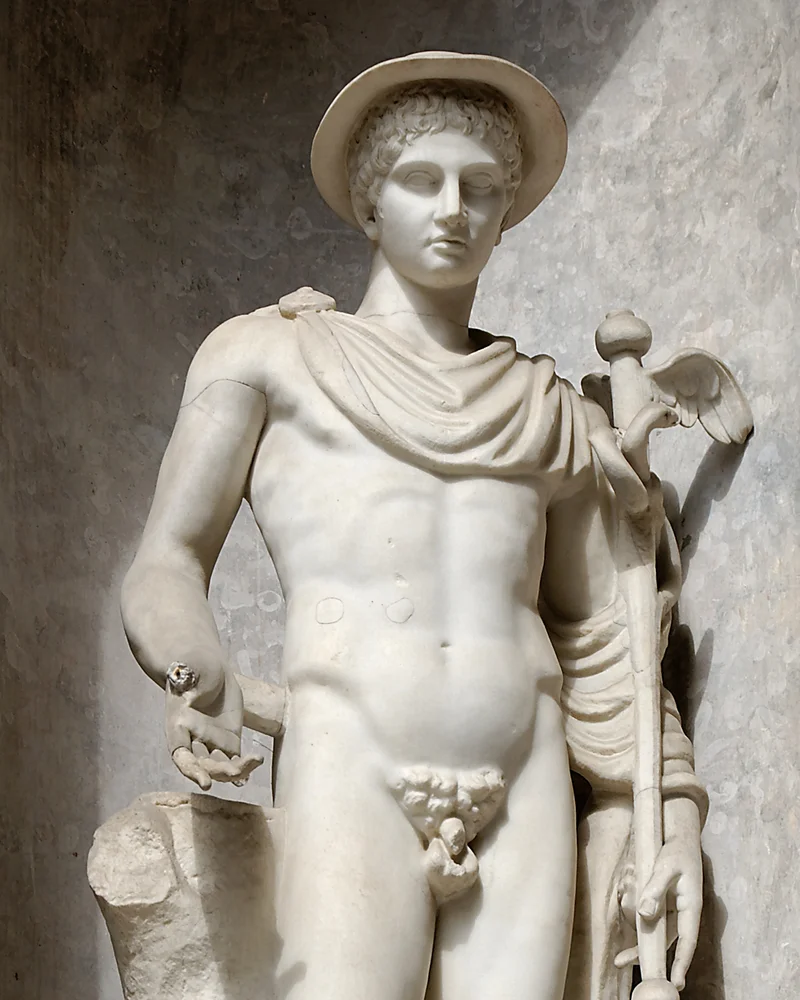
Hermes
God of messengers, commerce, thieves, and travelers. Son of Zeus and the nymph Maia, known for his cunning and speed.
 deity
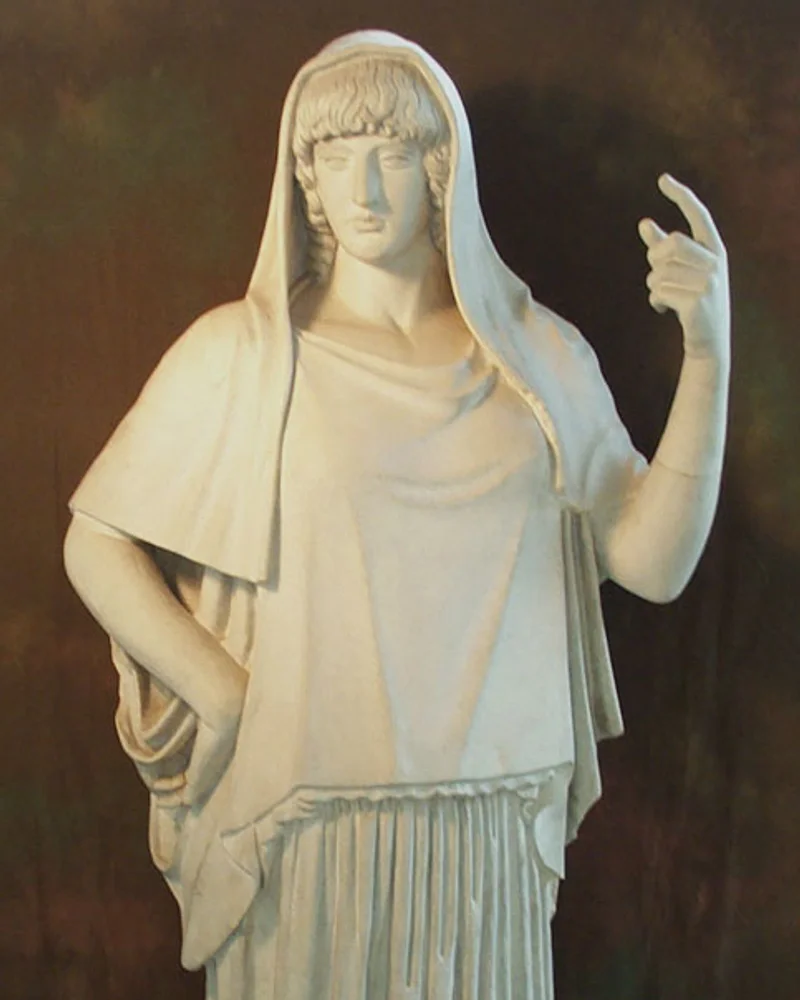
Hestia
Goddess of the hearth, home, and family. The firstborn of Cronus and Rhea, she maintained eternal virginity and tended the sacred fire of Olympus.
 creature
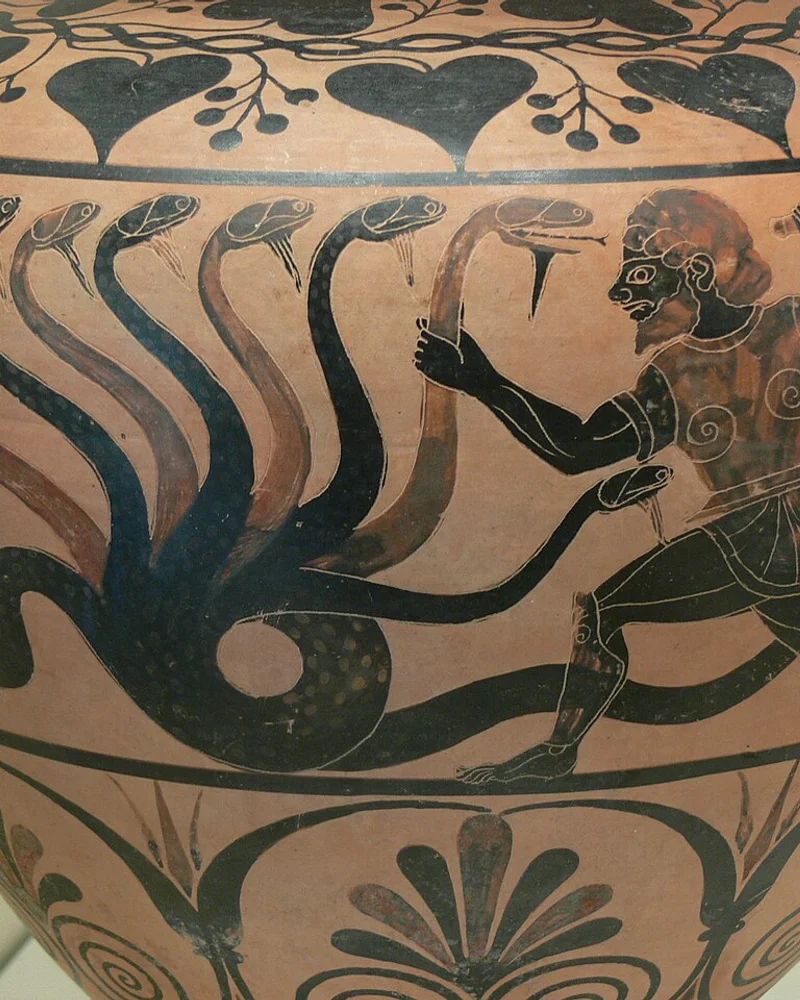
Hydra
A gigantic water serpent with multiple heads that regenerate when severed. Slain by Heracles as his second labor, who discovered that two heads grow back for each one cut off.
 hero
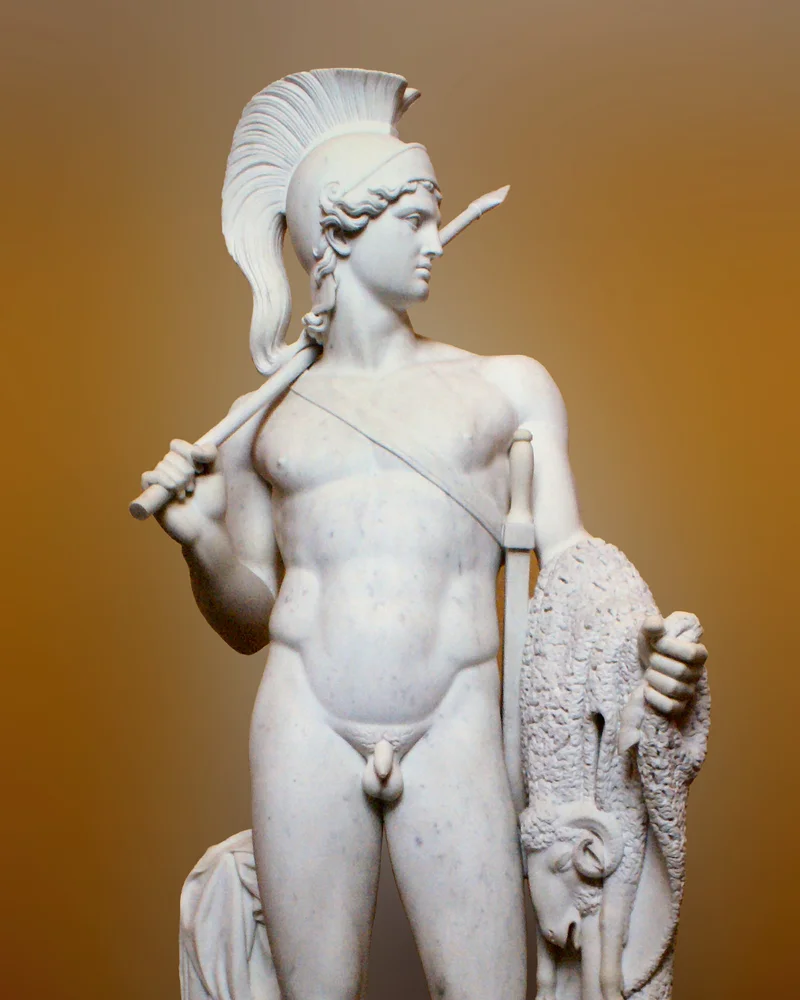
Jason
Leader of the Argonauts, sent on the quest for the Golden Fleece by his usurping uncle Pelias. Aided at every turn by the sorceress Medea, whom he later marries and betrays.
 creature
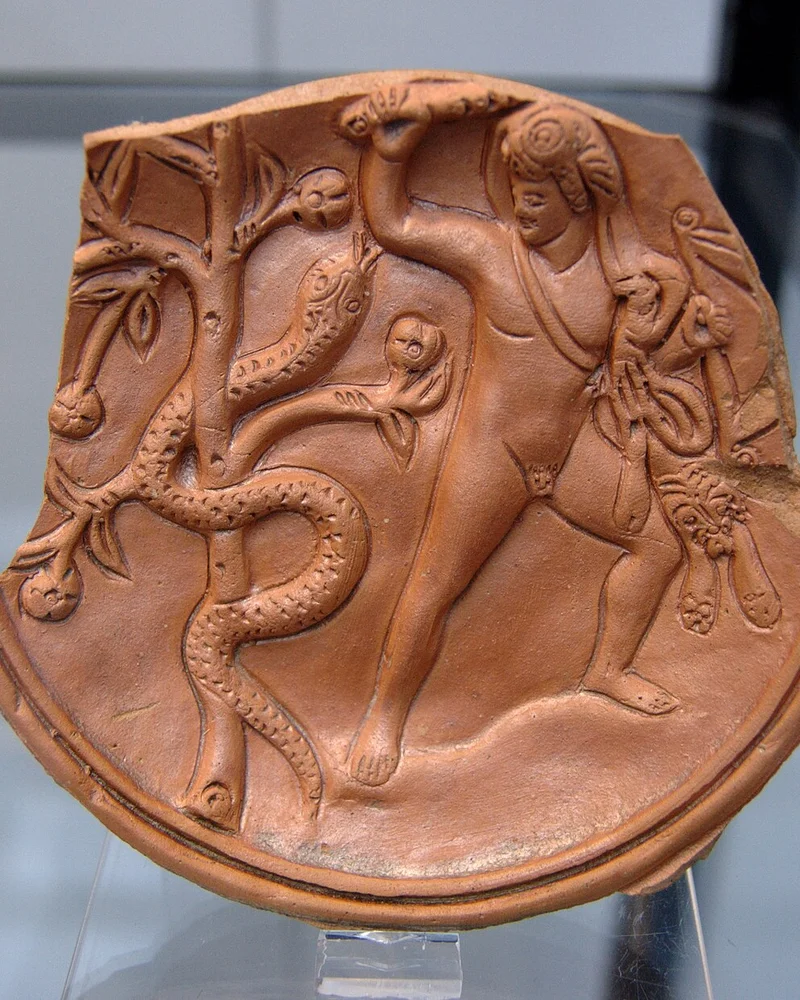
Ladon
The serpent that guarded the golden apples in the garden of the Hesperides. Hesiod calls it the youngest child of Ceto and Phorcys; Apollodorus gives it a hundred heads; Apollonius of Rhodes names it Ladon and shows it lying dead the day after Heracles took the apples.
 creature
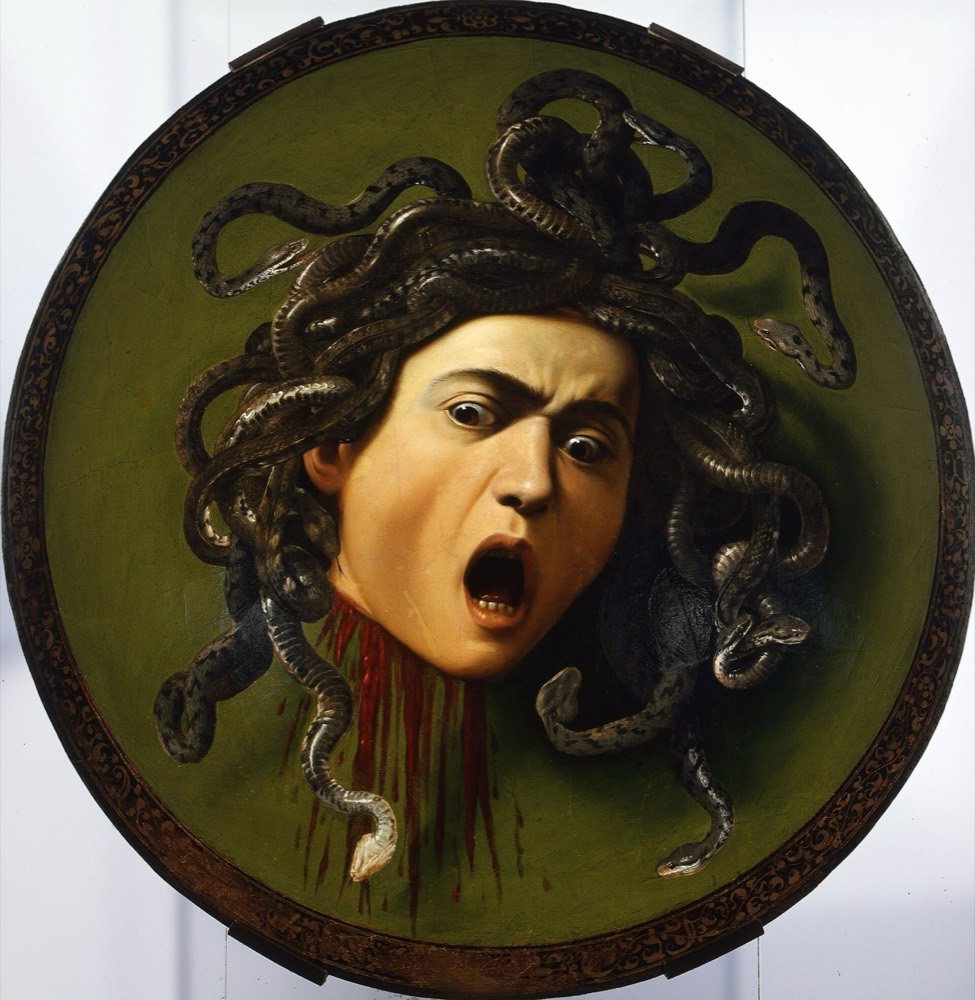
Medusa
The only mortal of the three Gorgons, snake-haired, her gaze turning onlookers to stone. Beheaded by Perseus, her head was set on Athena's aegis.
 deity
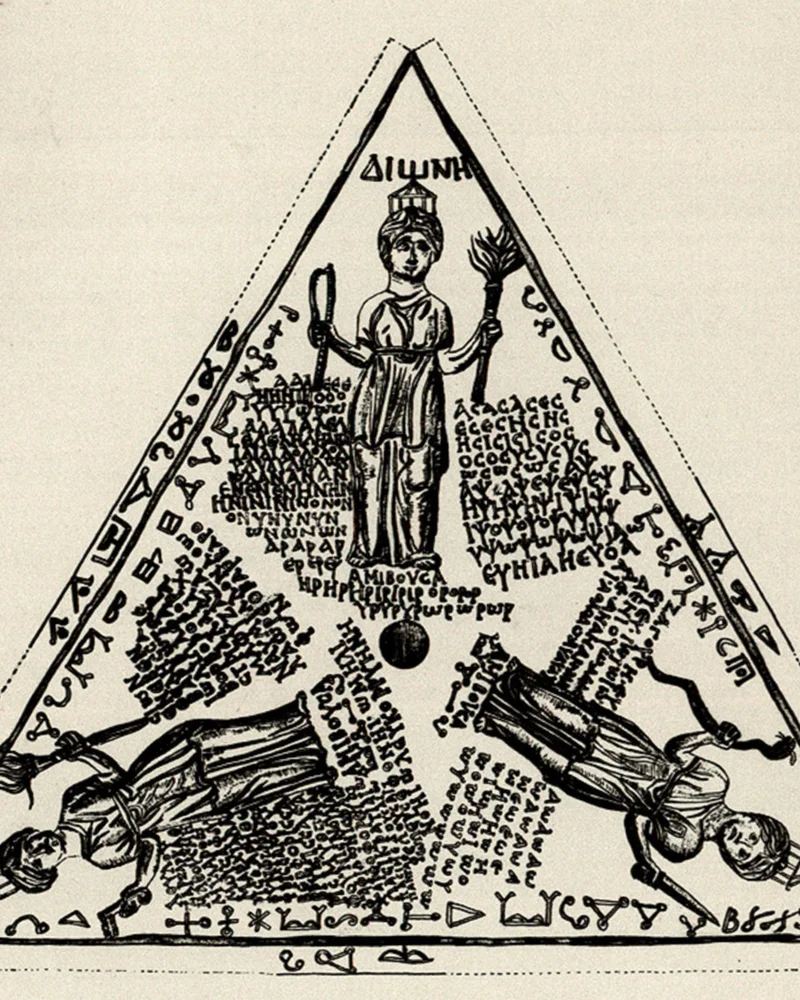
Melinoë
A chthonic goddess known from a single ancient text, Orphic Hymn 71: a saffron-veiled daughter of Persephone, fathered by Zeus in the guise of Plouton, who sends apparitions and night terrors to mortals. Almost nothing else is recorded of her.
 creature
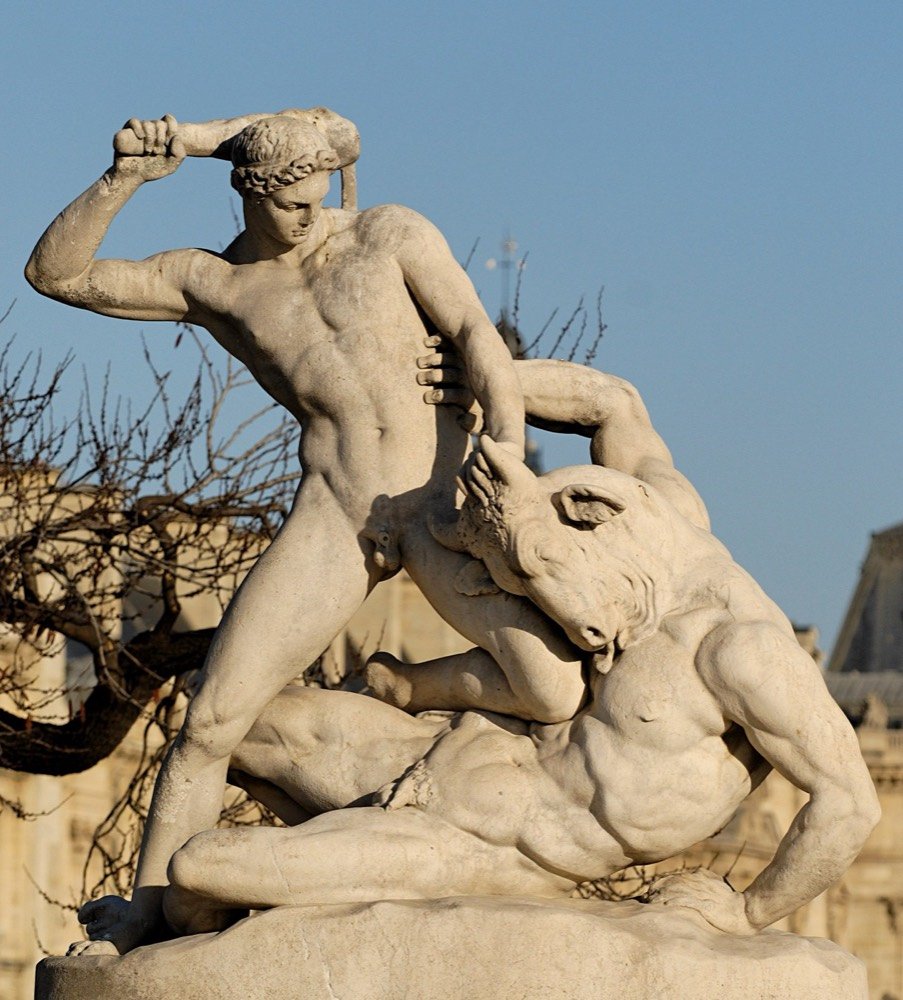
Minotaur
A monster with a man's body and a bull's head, confined in Daedalus's Labyrinth on Crete and fed on Athenian tribute-youths, until Theseus killed it.
 place
Mount Olympus
The highest mountain in Greece, its peak Mytikas at 2,917 meters. Greeks placed the home of the twelve chief gods on its cloud-wrapped summit, hence the name Olympians.
 creature
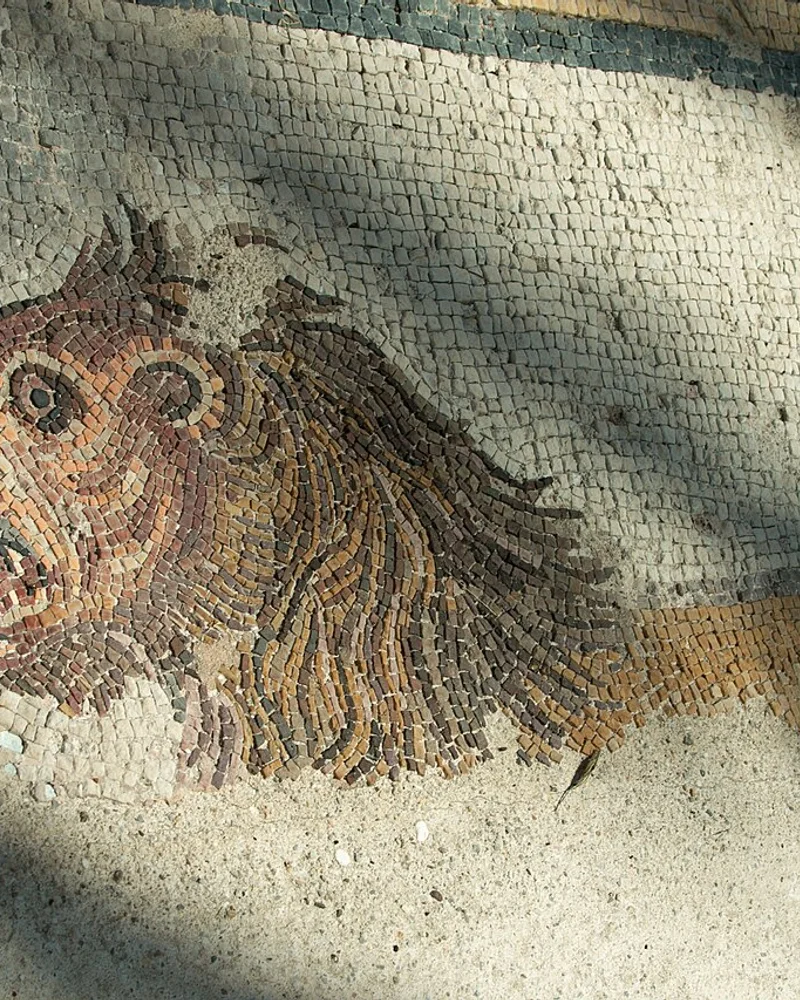
Nemean Lion
The lion of Nemea whose hide no weapon could pierce. Killing it was the first of Heracles' labours: when his arrows glanced off, he trapped it in its cave and strangled it, and its skin became his emblem.
 deity
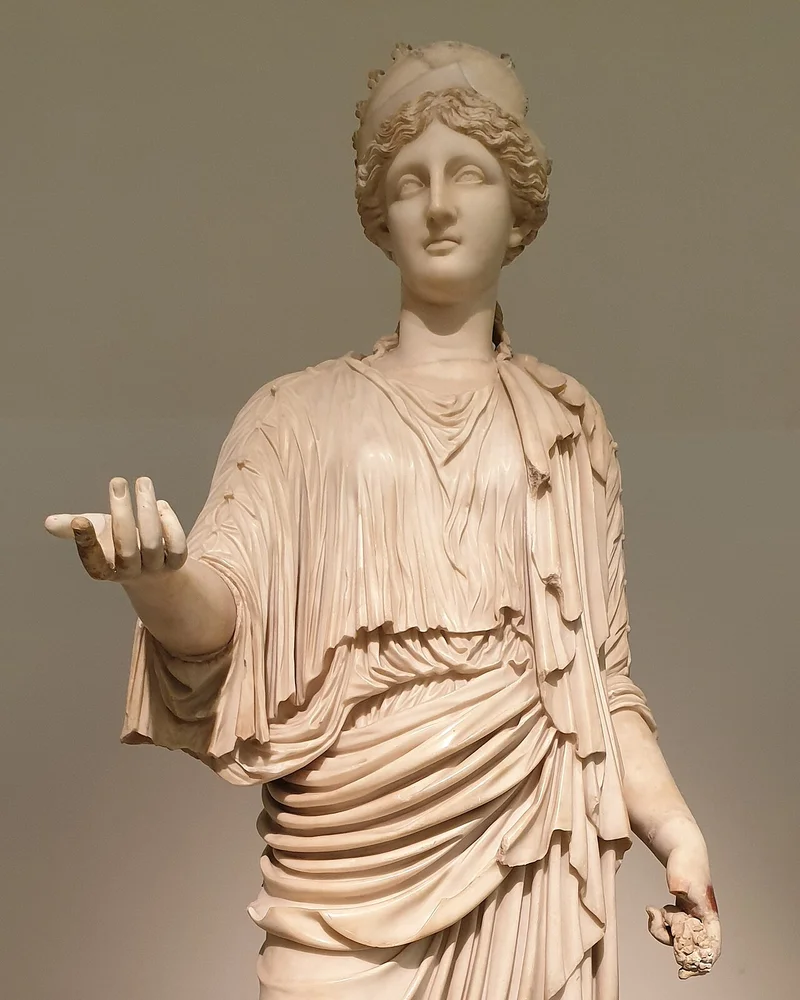
Nemesis
The daughter of Night whom Hesiod calls a bane to mortals: the indignation that answers excess and undeserved good fortune. She had a Classical temple at Rhamnous in Attica, and a lost early epic made her, not Leda, the mother of Helen.
 deity
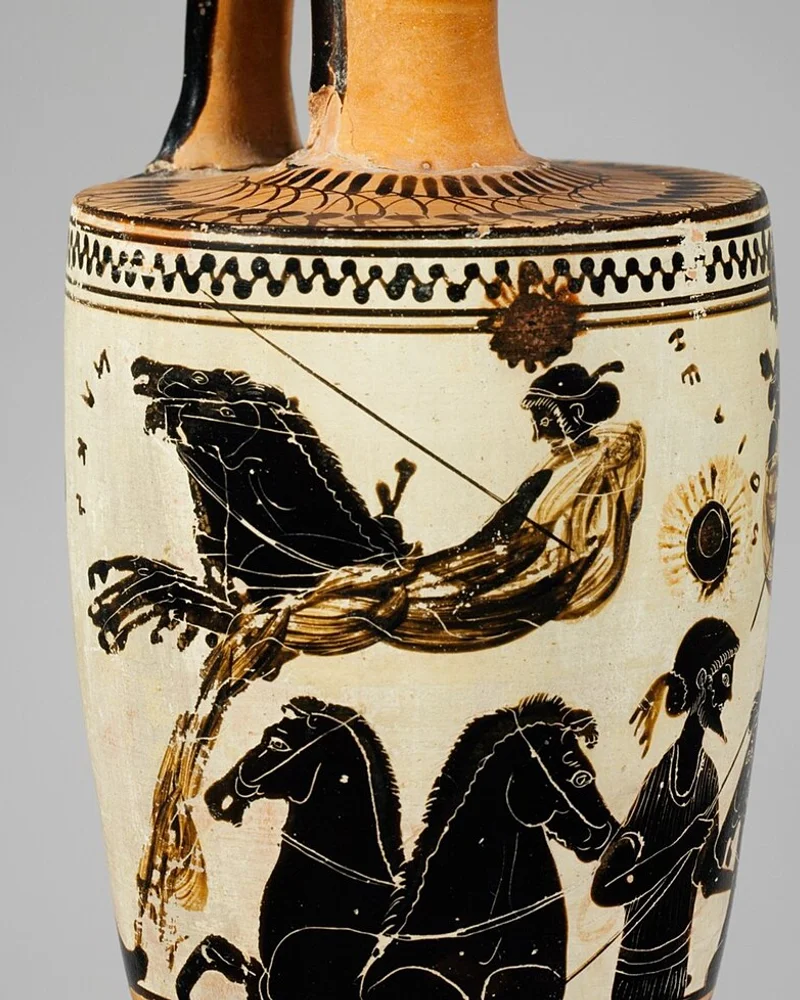
Nyx
Night, one of the first powers in Hesiod's account of creation: born from Chaos, she bears Day and Aether and, on her own, a long brood of forces that trouble mortals, among them Death, Sleep, Doom and Nemesis. Even Zeus, in the Iliad, hesitates to anger her.
 hero
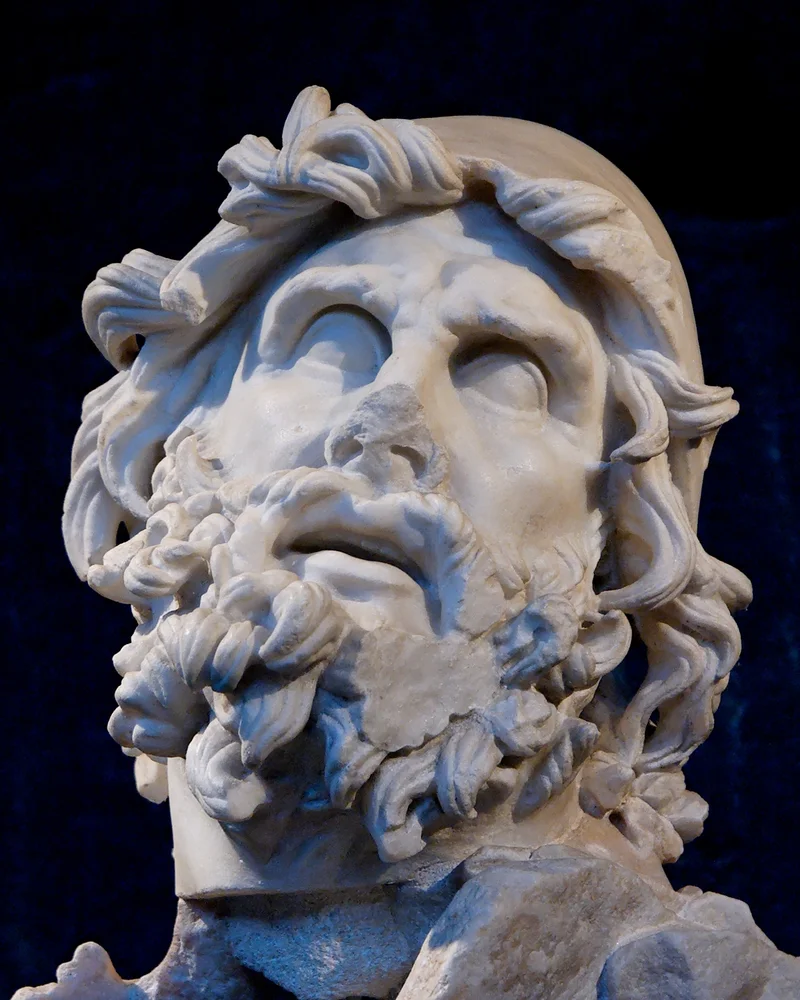
Odysseus
King of Ithaca famed for cunning rather than brute strength. Deviser of the Trojan Horse and protagonist of Homer's Odyssey, his ten-year voyage home after the Trojan War.
 hero
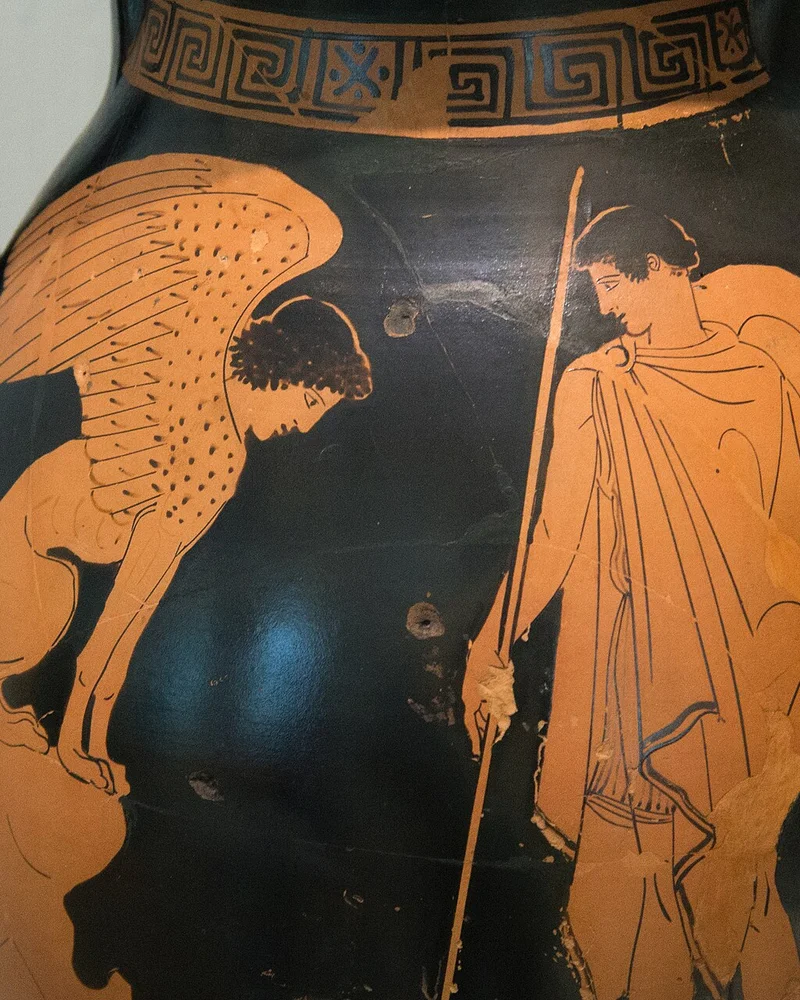
Oedipus
King of Thebes who unknowingly fulfilled a prophecy that he would kill his father and marry his mother. Central figure of Sophocles's Theban plays.
 hero
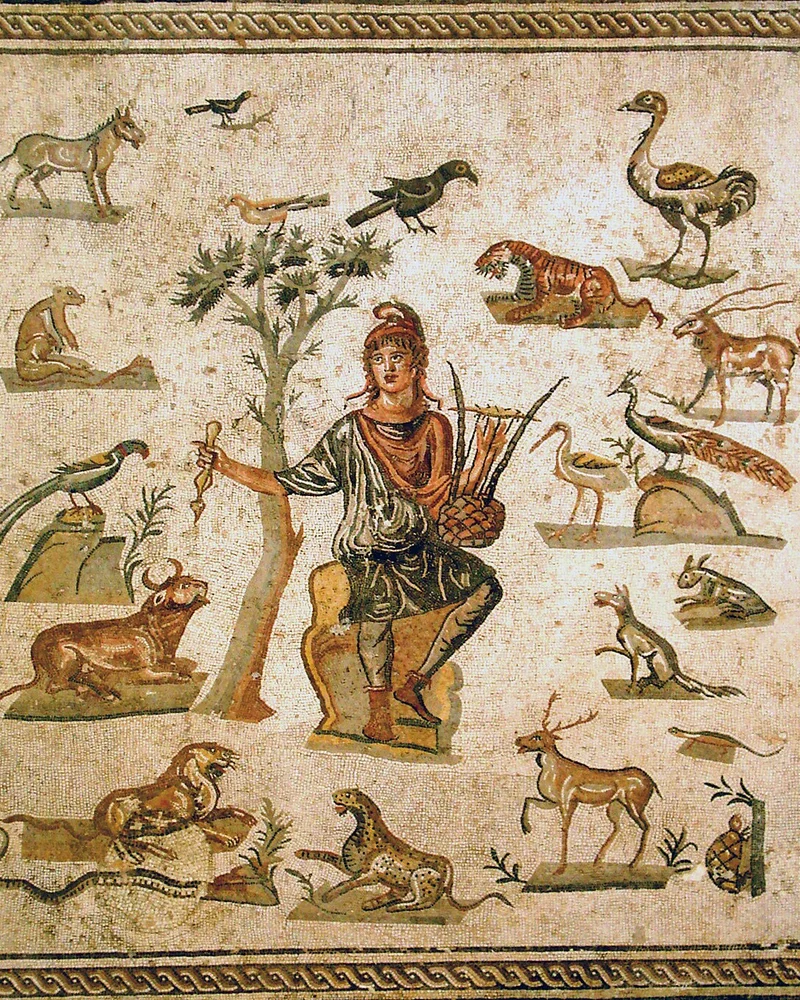
Orpheus
Legendary musician whose playing could charm animals, trees, and stones. His descent into the underworld to reclaim his wife Eurydice is one of the most retold myths in Western literature.
 artifact
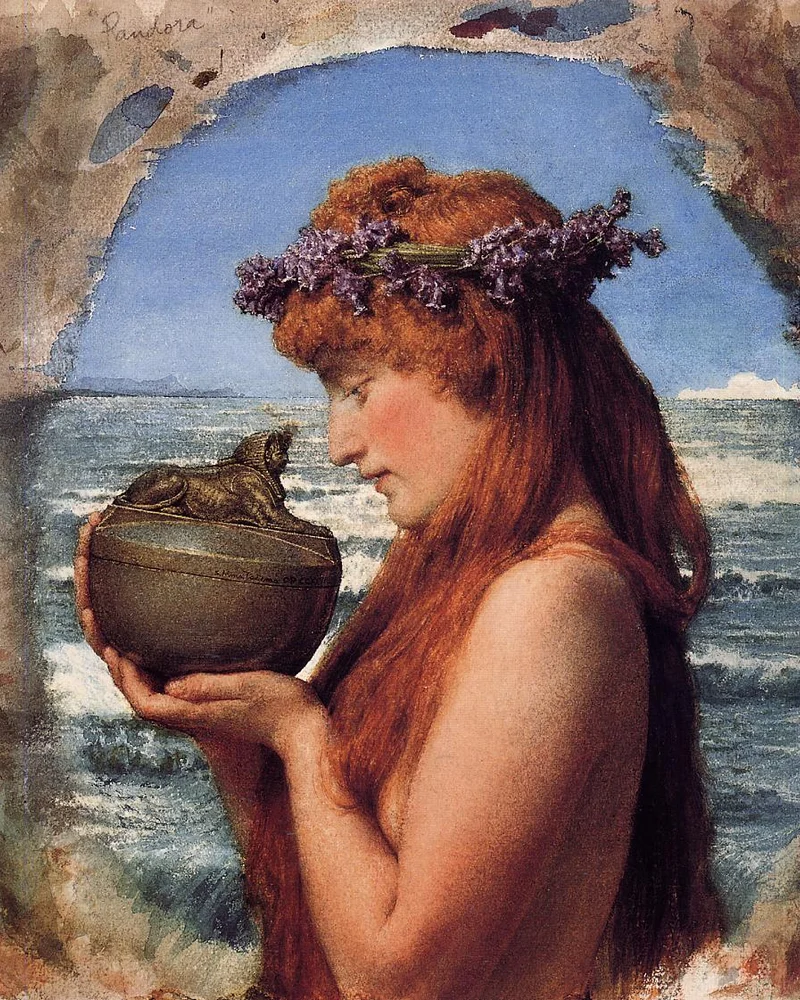
Pandora's Box
The infamous pithos given to Pandora by Zeus, containing all the evils of the world. When opened, it released sickness, death, and countless other plagues upon humanity, leaving only hope trapped inside.
 hero
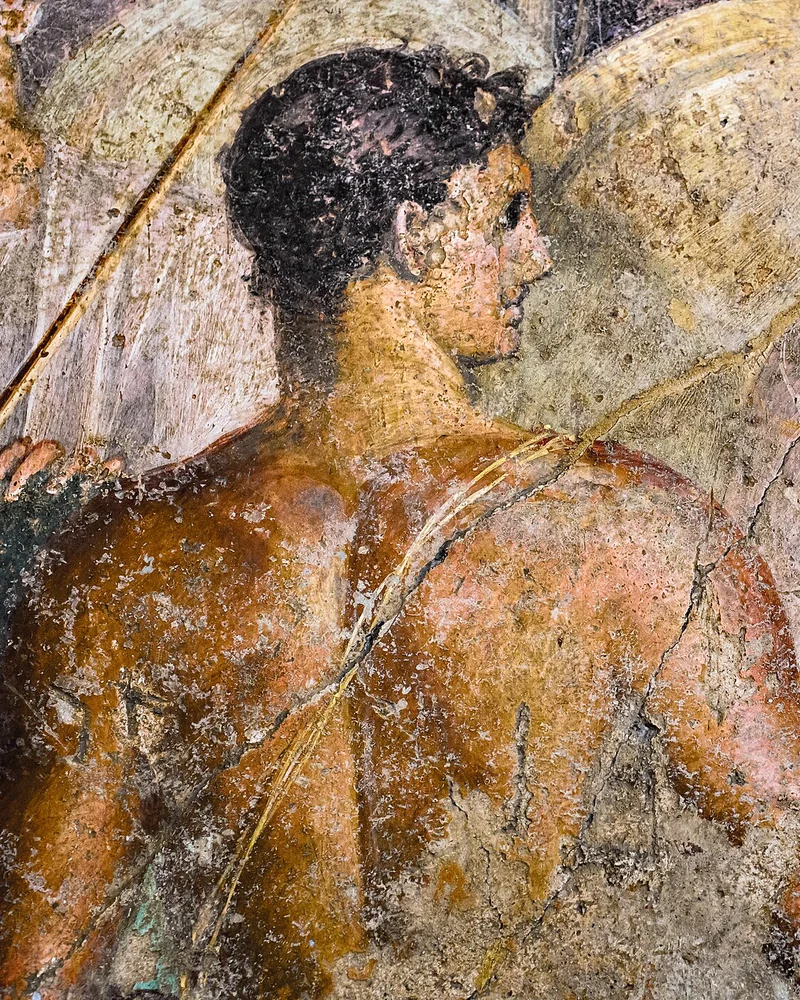
Patroclus
Closest companion of Achilles in the Iliad. His death at Hector's hands, while wearing Achilles's armor, drives Achilles back into the war.
 hero
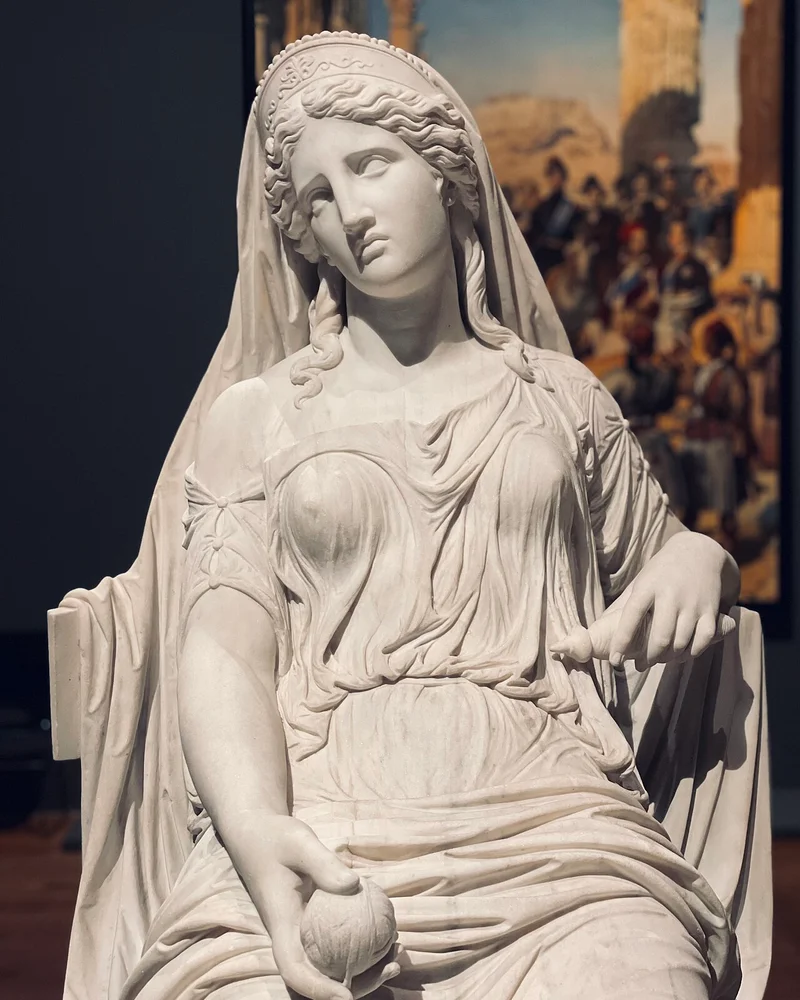
Penelope
Wife of Odysseus, who held off more than a hundred suitors for twenty years while he was away at Troy and on his long voyage home, becoming an ancient byword for marital fidelity and cunning.
 deity
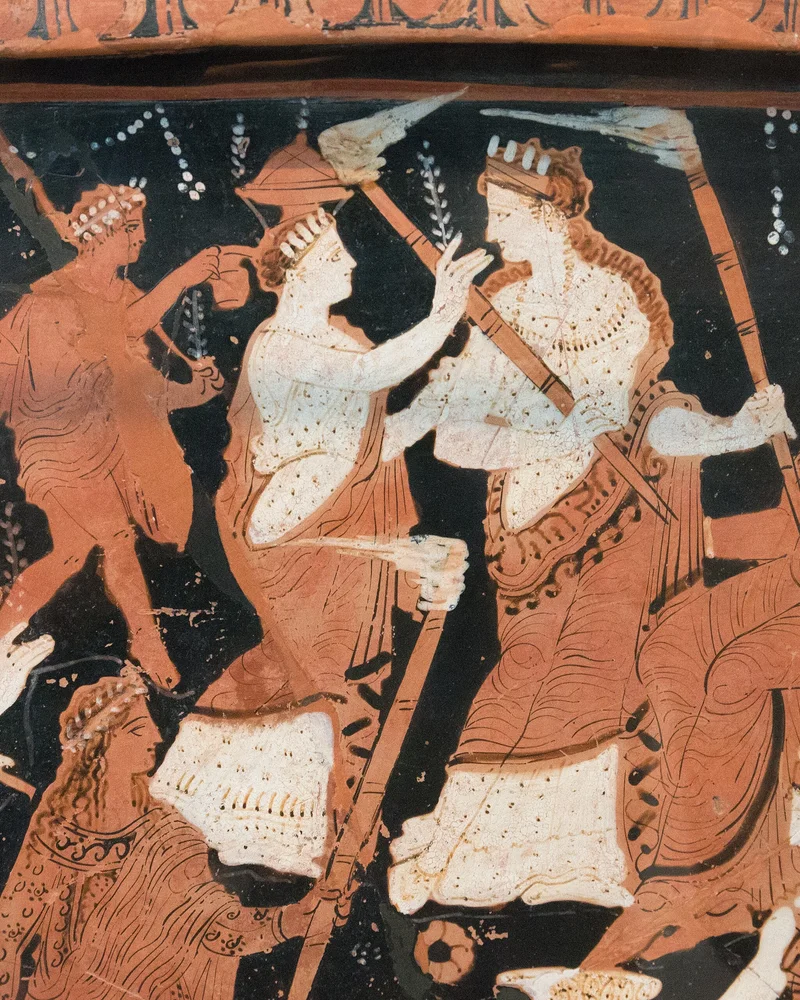
Persephone
Queen of the Underworld and goddess of spring growth. Daughter of Zeus and Demeter, wife of Hades. Her annual return from the underworld brings spring; her descent brings winter.
 deity
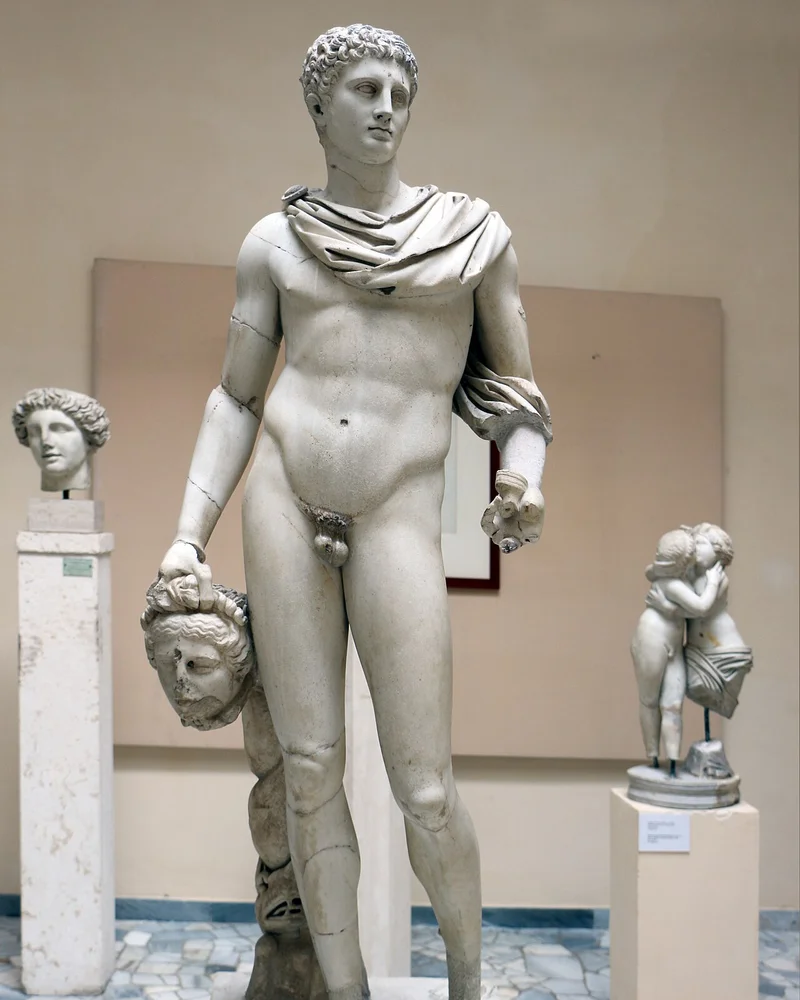
Perseus
Hero who slew the Gorgon Medusa and rescued Andromeda from a sea monster. Son of Zeus and Danae, conceived when Zeus visited her as a shower of golden rain.
 deity
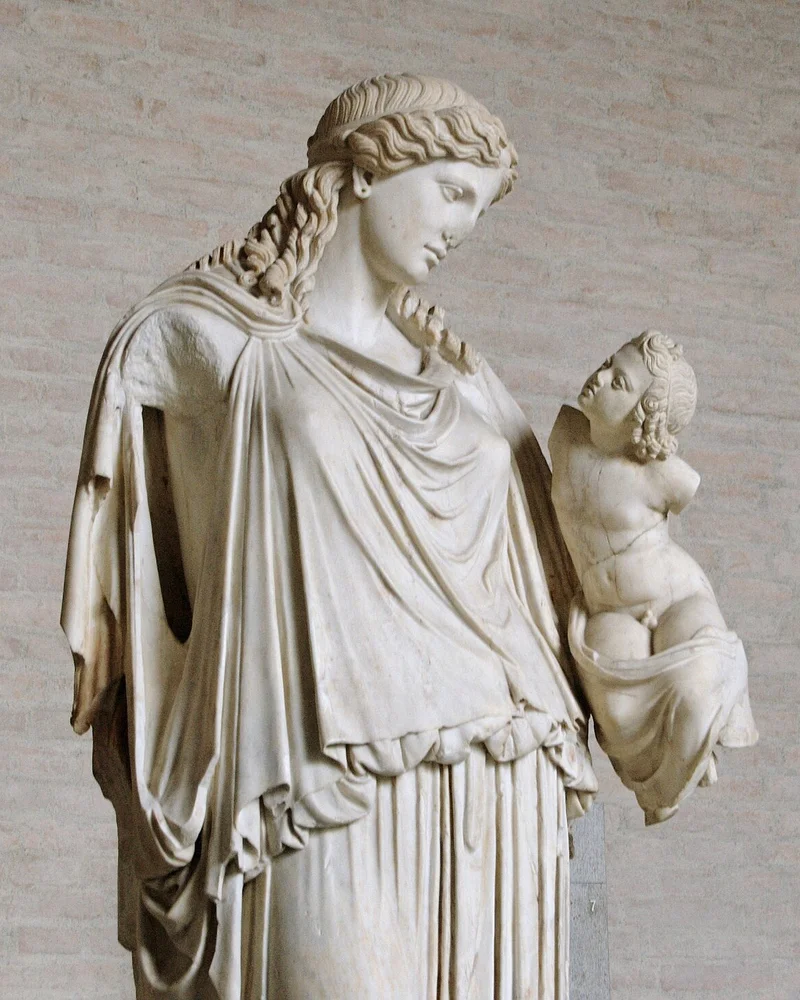
Plutus
The god of wealth, son of Demeter and the hero Iasion, born in a thrice-plowed field on Crete. Originally the wealth of the harvest, he became the personification of riches in general, most memorably as the blind god of Aristophanes' comedy.
 deity
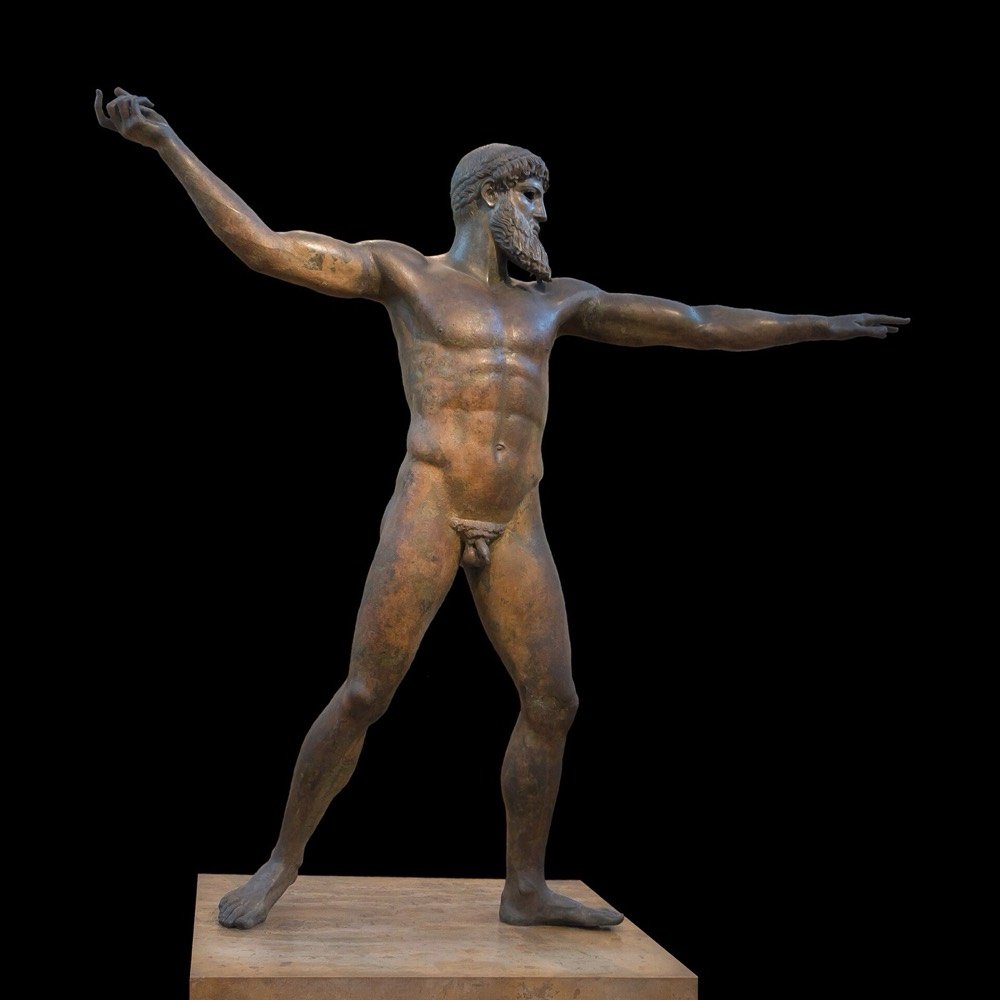
Poseidon
God of the sea, earthquakes, and horses, armed with the trident. Homer calls him Earth-shaker; his wrath kept Odysseus wandering the seas for ten years.
 deity
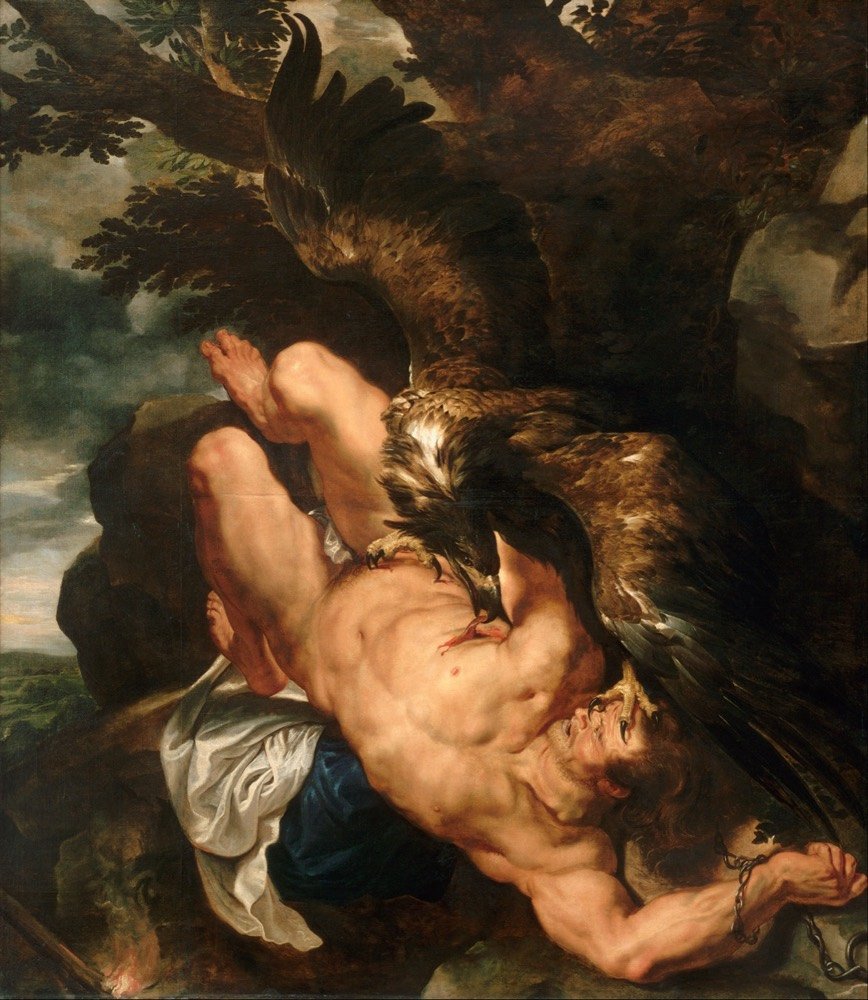
Prometheus
Son of the Titan Iapetus, his name meaning forethought. For stealing fire for mankind he was nailed to a Caucasian crag, an eagle feeding daily on his liver, until Heracles freed him.
 deity
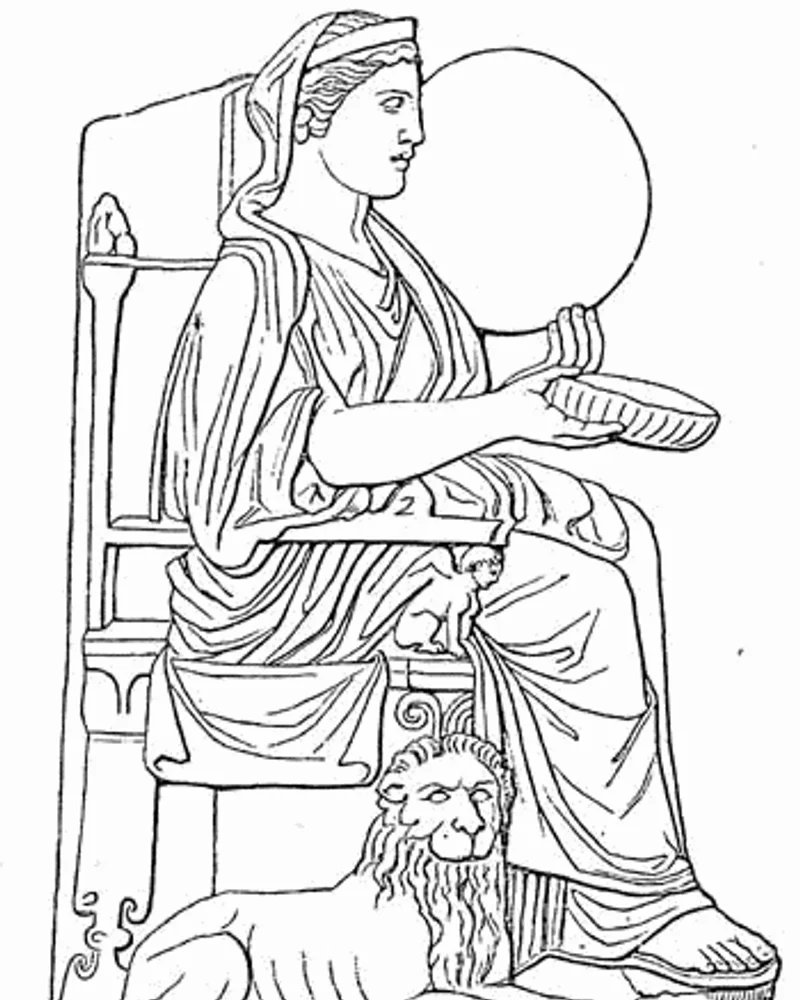
Rhea
Titan daughter of Gaia and Uranus. With Cronus, she is the mother of Hestia, Demeter, Hera, Hades, Poseidon, and Zeus in Hesiod’s Theogony.
 deity
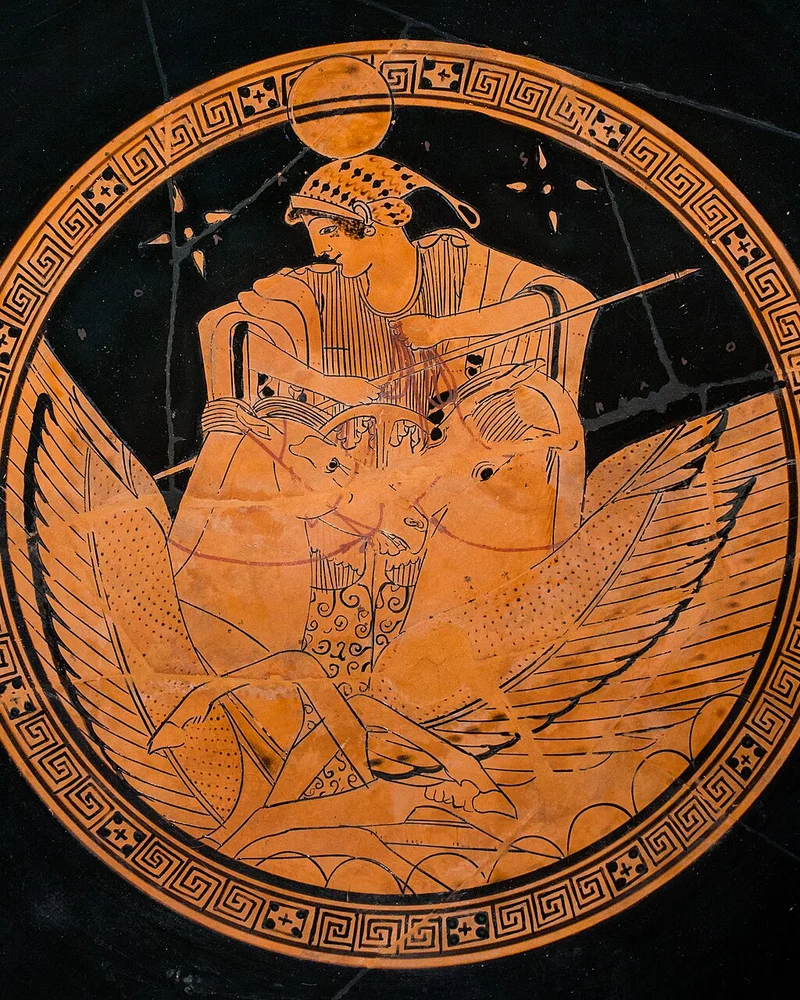
Selene
The Titan-born goddess of the moon, daughter of Hyperion and Theia and sister of Helios and Eos. She drives her team across the night sky, and poets tell of her love for the sleeping shepherd Endymion.
 artifact
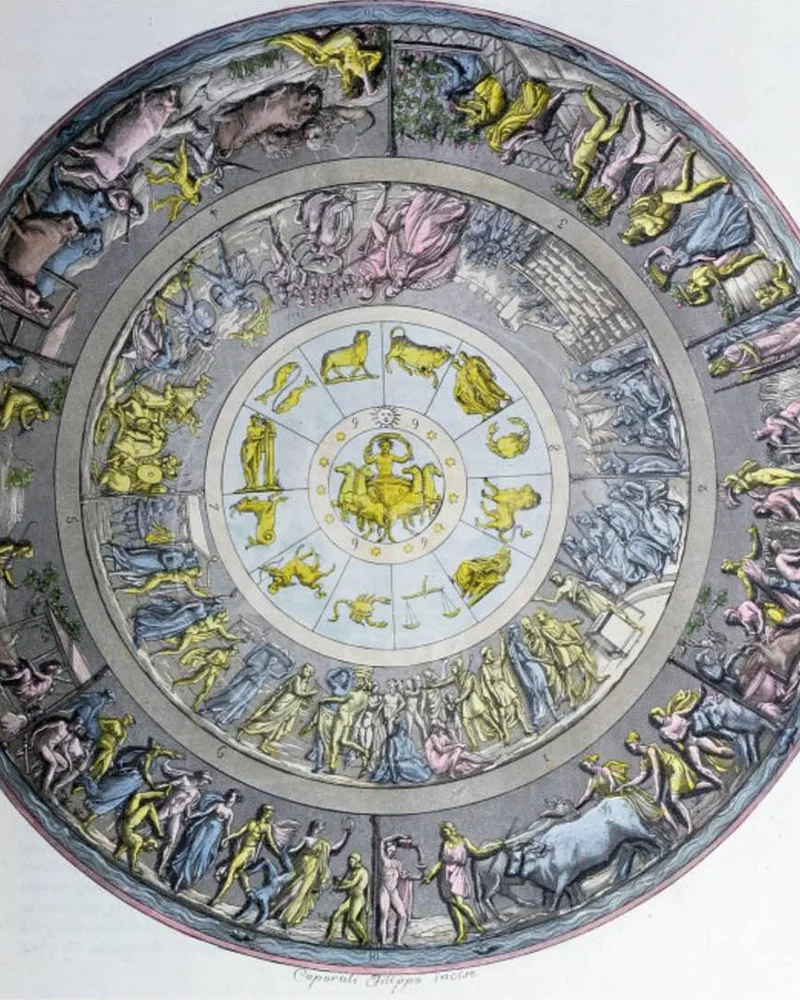
Shield of Achilles
The magnificent shield forged by Hephaestus for the greatest Greek warrior. Its surface depicts the entire cosmos - earth, sea, sky, cities at war and peace, and all aspects of mortal life.
 creature
Sphinx
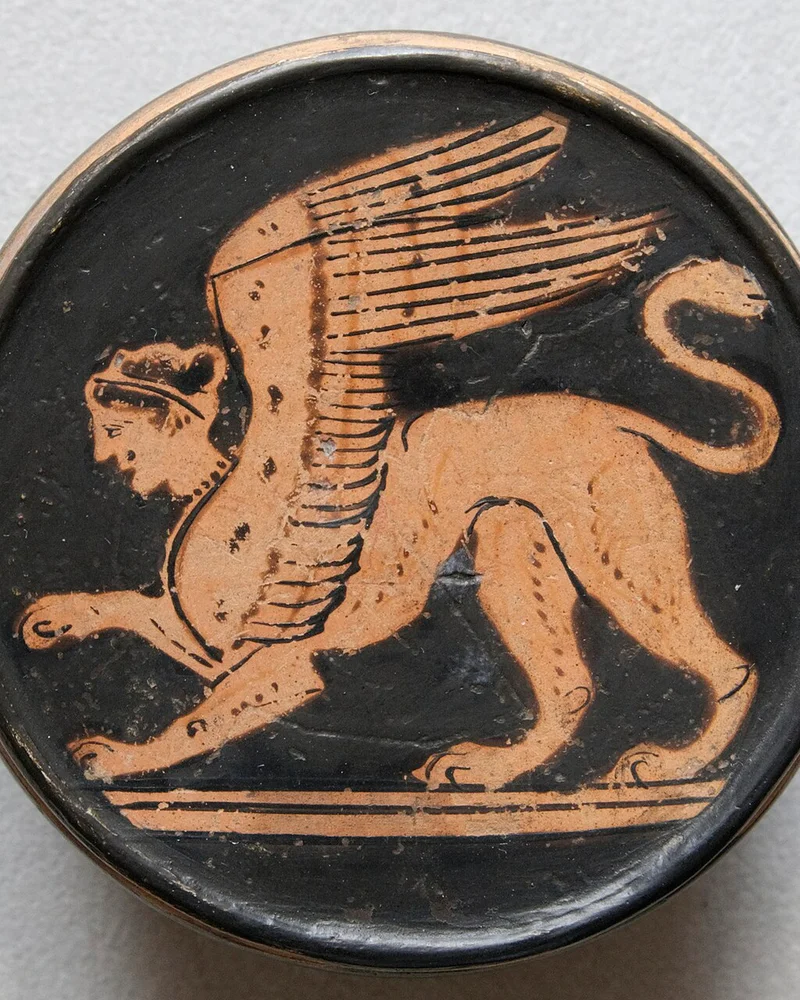
A creature with the body of a lion, wings of an eagle, and head of a woman. She terrorized Thebes, devouring travelers who failed to answer her riddles until Oedipus solved her puzzle.
 artifact
Sword of Damocles
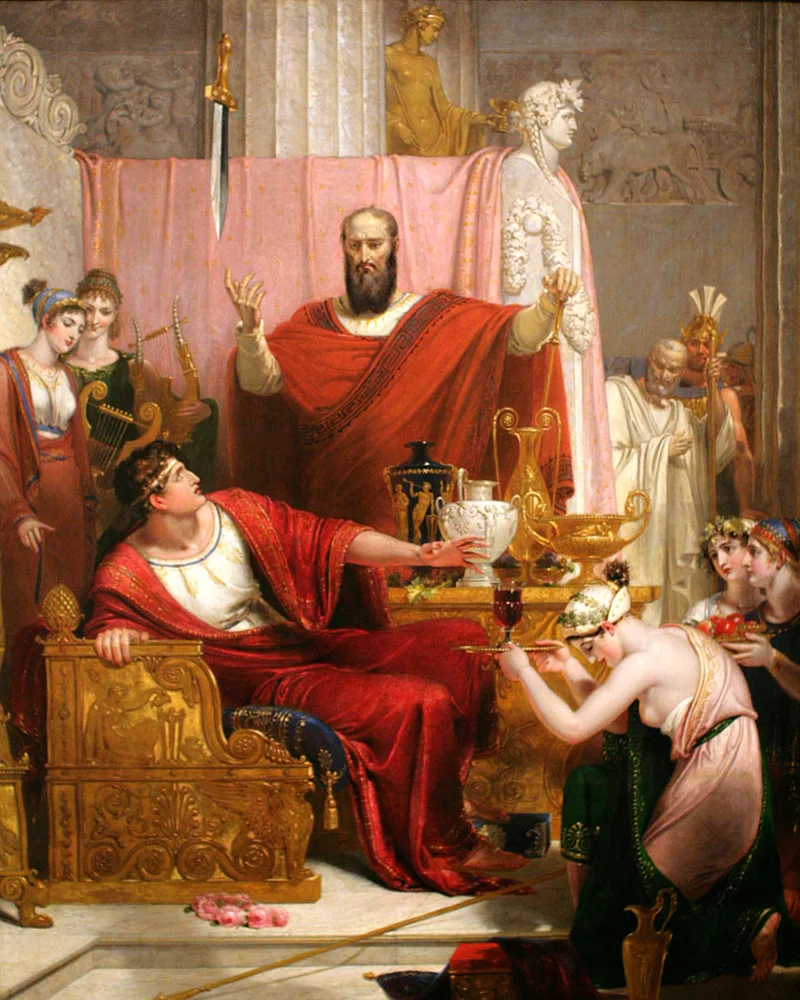
A blade suspended by a single horsehair above the throne, symbolizing the constant peril faced by those in power. It represents the anxiety and danger that accompany great authority.
 deity
Tethys
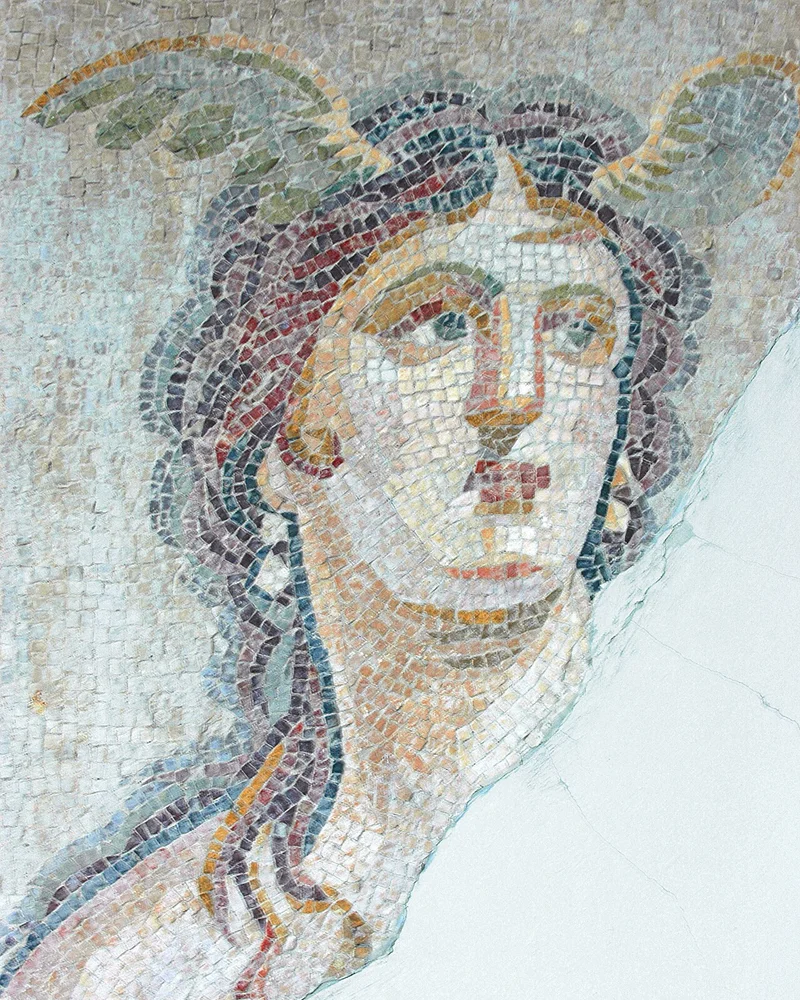
A Titaness, daughter of Gaia and Uranus and wife of her brother Oceanus. Hesiod makes her mother of the world's rivers and of the three thousand Oceanid nymphs; in the Iliad Hera calls her 'mother Tethys' and recalls being raised in her house.
 deity
Thanatos
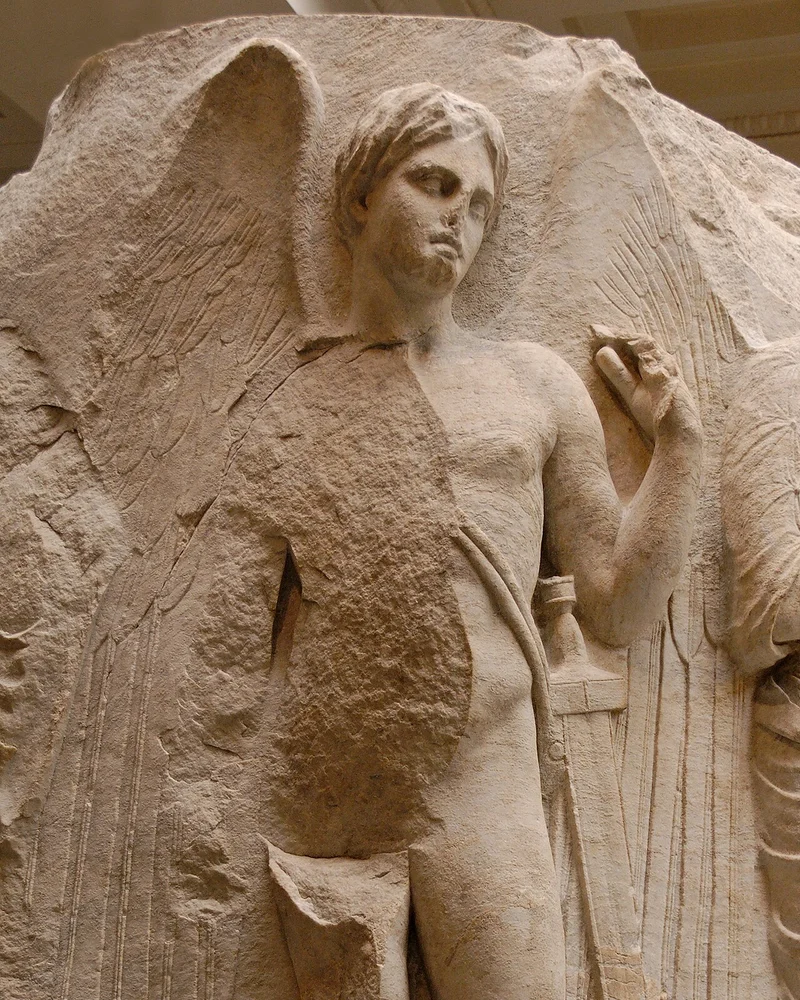
Death personified, son of Night and twin brother of Sleep (Hypnos). Hesiod gives him a heart of iron, hated even by the gods; in the Iliad the twins carry the fallen Sarpedon home to Lycia, and in Euripides Heracles wrestles him for the life of Alcestis.
 hero
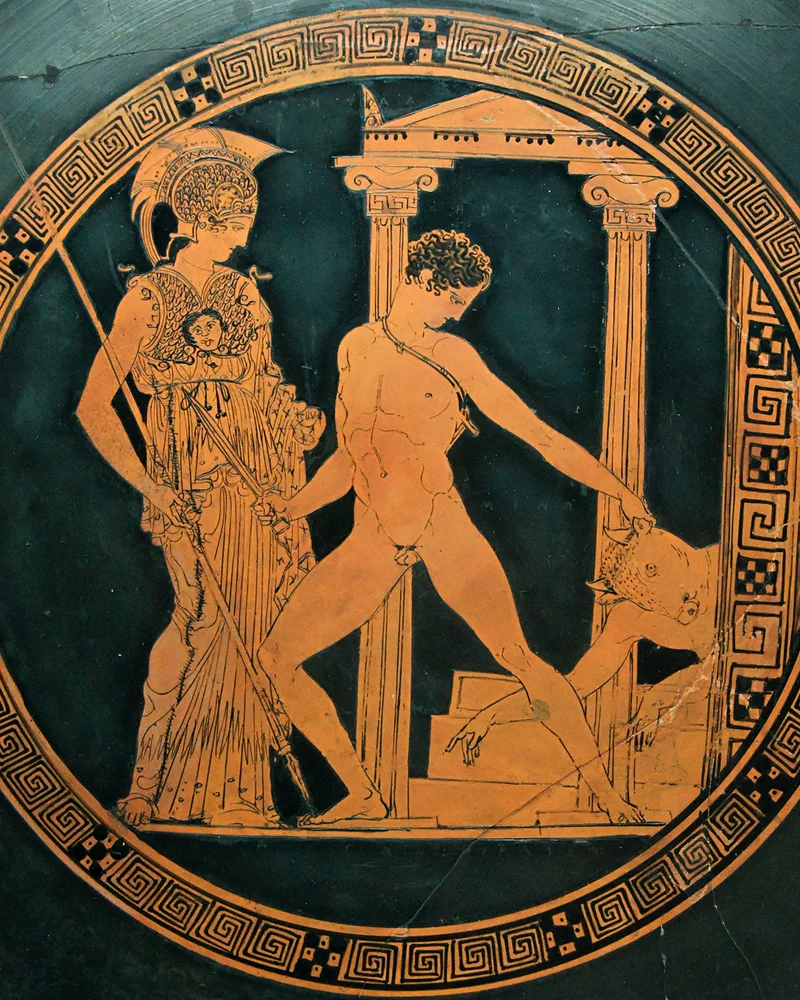
Theseus
Athenian founder-hero who killed the Minotaur in the Cretan labyrinth. Traditionally given two fathers, the mortal king Aegeus and the god Poseidon.
 artifact
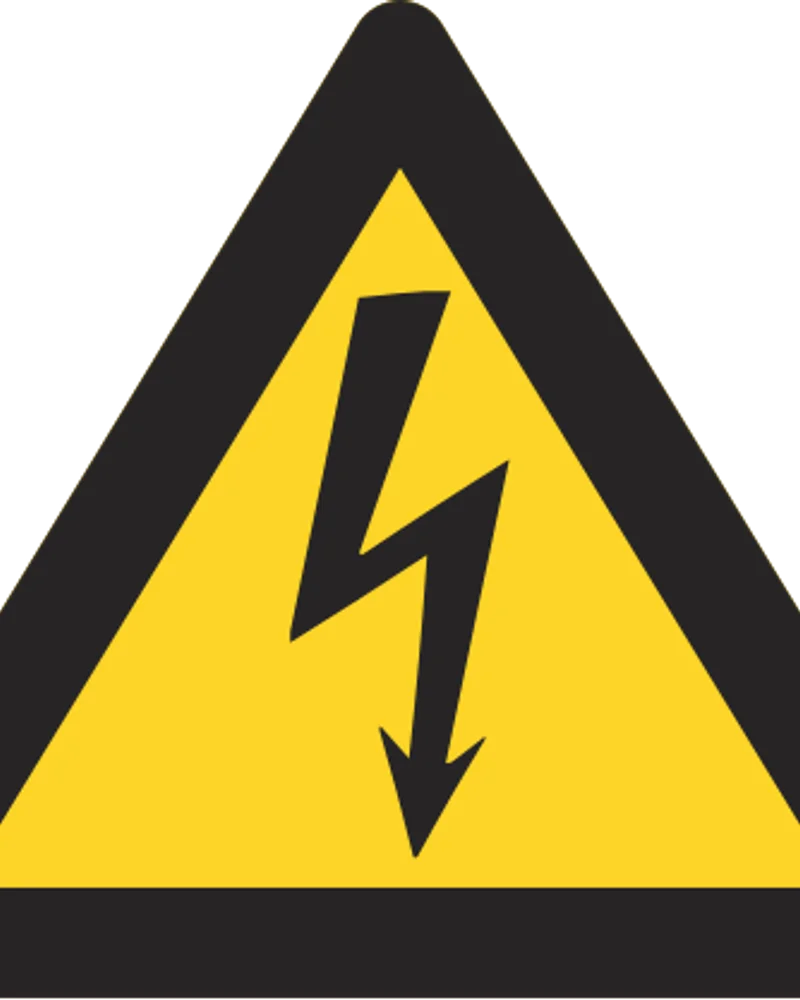
Thunderbolt of Zeus
The supreme weapon of the king of the gods, capable of striking down titans and mortals alike. These divine bolts of lightning represent Zeus's absolute authority over the heavens and earth.
 artifact
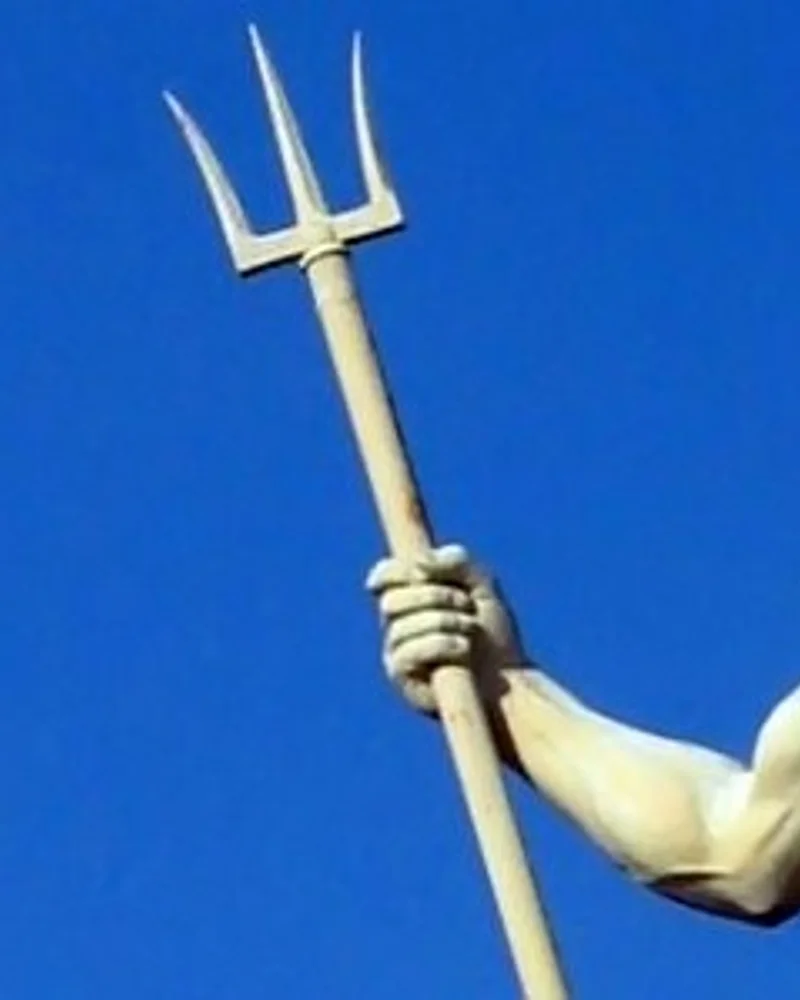
Trident of Poseidon
The three-pronged spear of the sea god, granting dominion over all oceans, rivers, and waters. With a single strike, Poseidon can summon earthquakes, storms, and tidal waves.
 tale
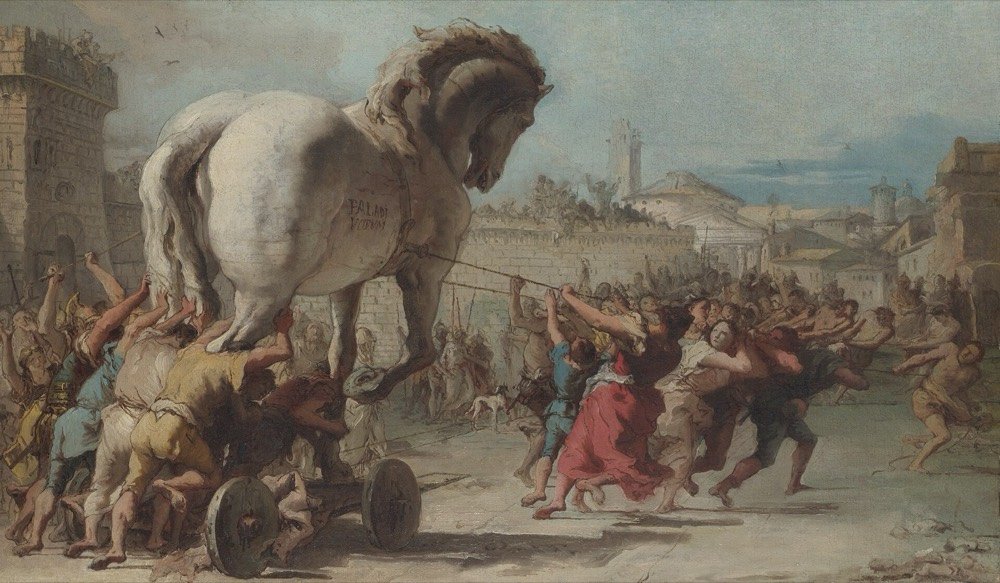
Trojan War
The ten-year siege of Troy by a Greek coalition to recover Helen; the Iliad sings its final year, and the city fell to the wooden horse.
 creature
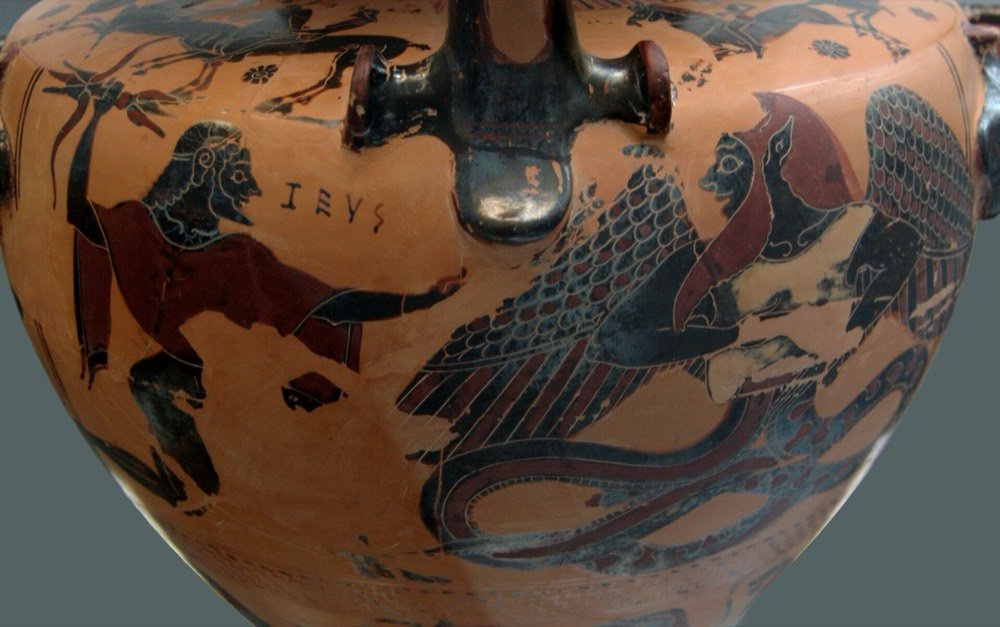
Typhon
Child of Gaia and Tartarus, with a hundred serpent heads and fire in his eyes. He challenged Zeus for kingship and lies defeated beneath Mount Etna.
 deity
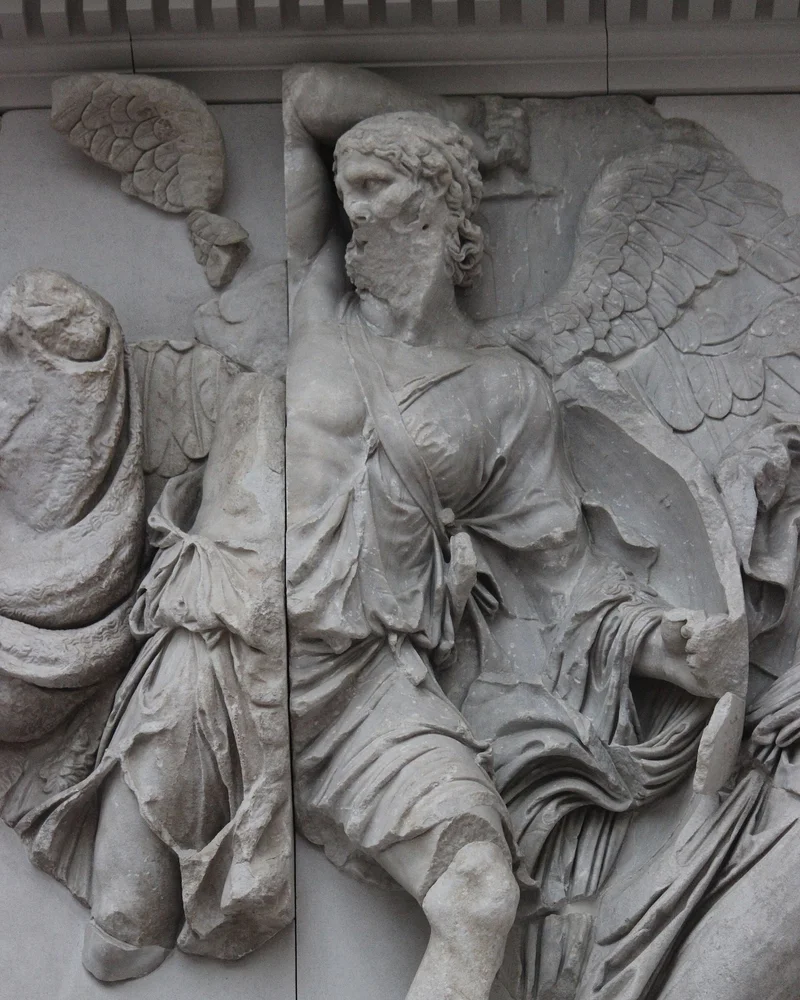
Uranus
Primordial personification of the Sky, born from and united with Gaia (Earth). Father of the Titans, Cyclopes, and Hecatoncheires, Uranus was castrated by his son Cronus, an act whose aftermath shaped the early generations of Greek gods.
 deity
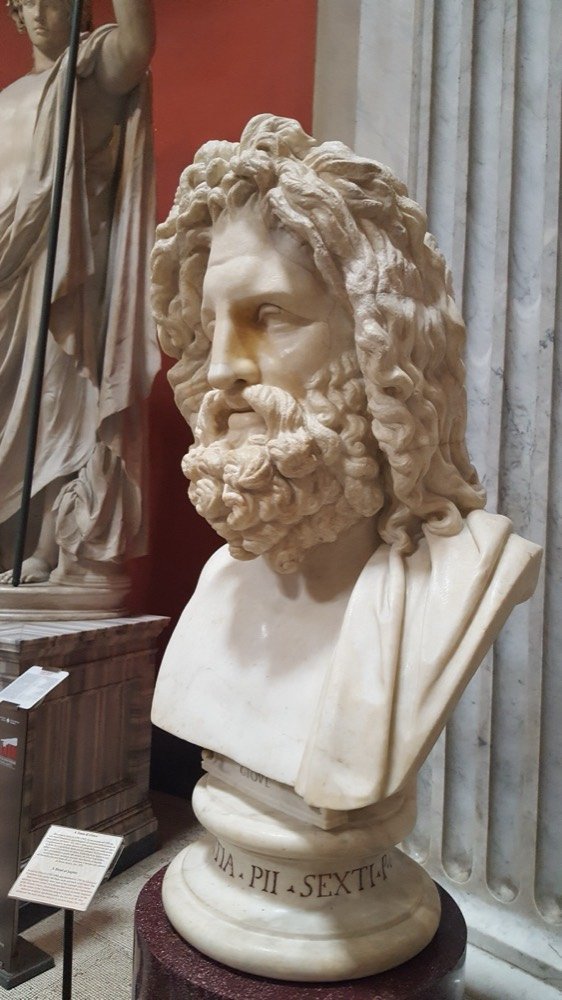
Zeus
King of the Olympian gods, ruler of sky and thunder. After overthrowing his father Cronus, he drew the sky when the three brothers divided the cosmos by lot.