


Egyptian Mythology
Egyptian Mythology traditions, cosmology, and ancient mythology.
Mythological Figures & Lore
Showing all 32 records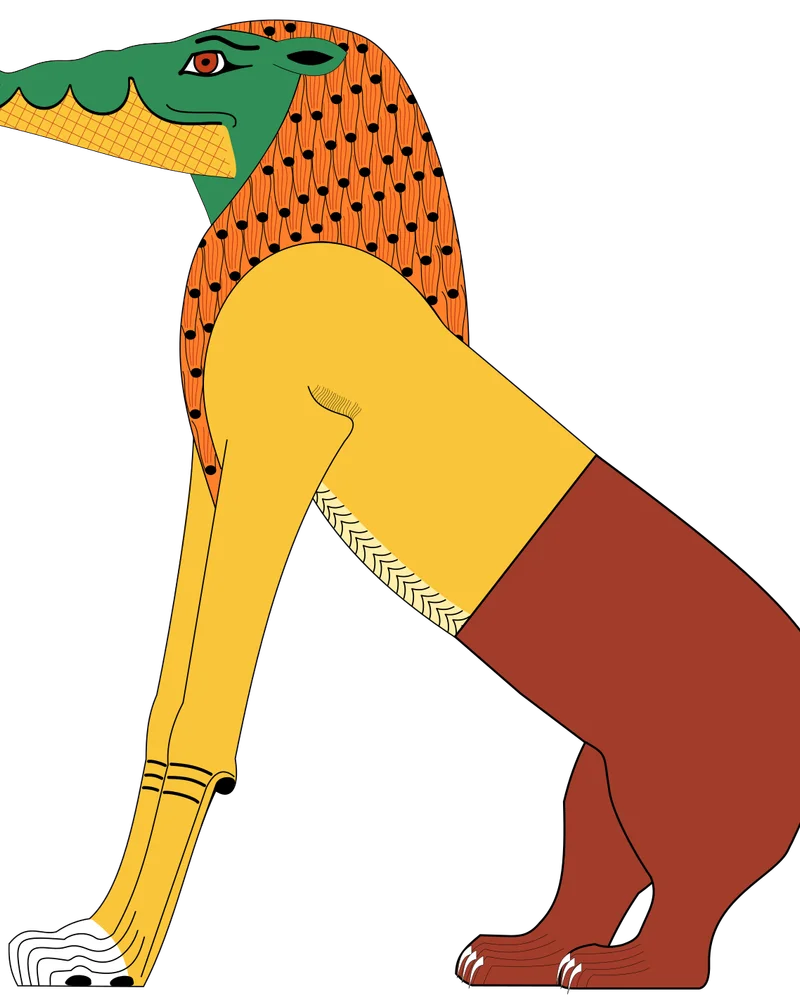 creature
Ammit
The Devourer of the Dead, a demon with the head of a crocodile, torso of a lion, and hindquarters of a hippopotamus. She consumes the hearts of those found unworthy in the Hall of Judgment.
 deity
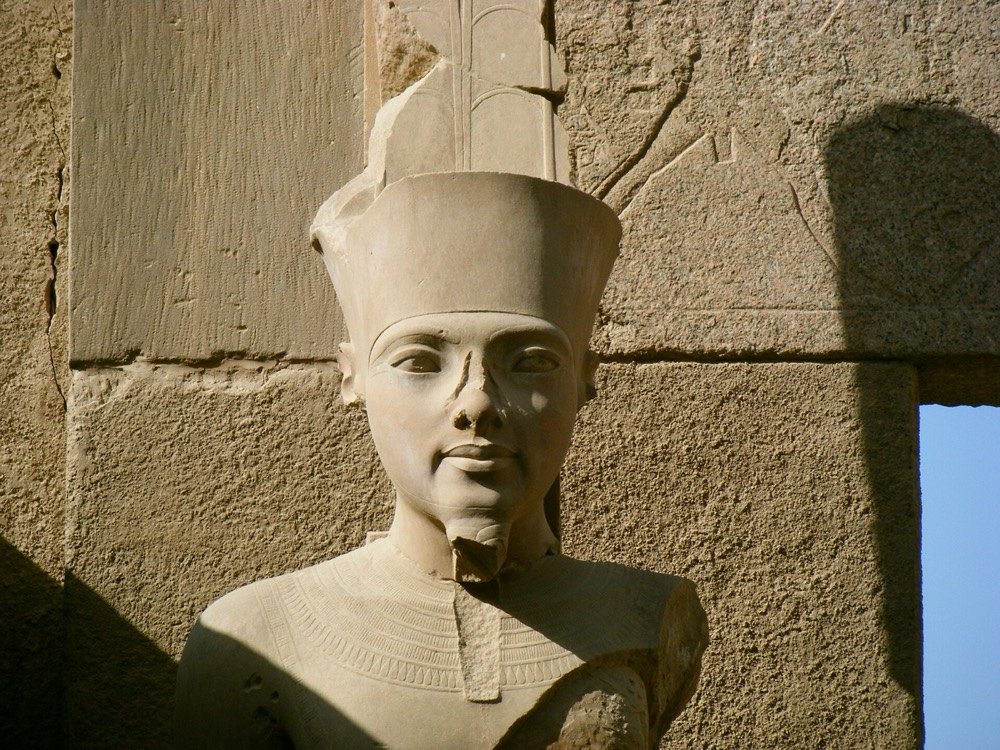
Amun
The Theban god whose name means 'the Hidden One'; fused with Ra as Amun-Ra, he became Egypt's state god, housed at Karnak, and Alexander the Great sought his oracle at Siwa.
 artifact
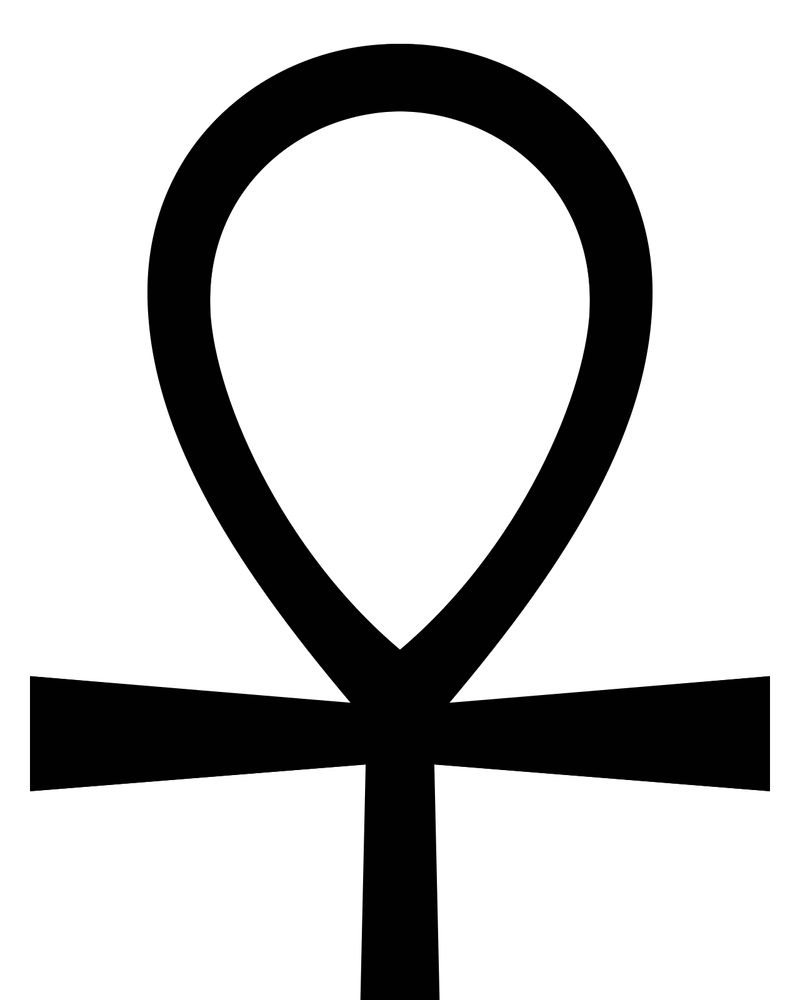
Ankh
The key of life, representing eternal existence and the breath of life itself. Gods are often depicted holding the ankh to the nose of pharaohs, bestowing upon them divine life force.
 deity
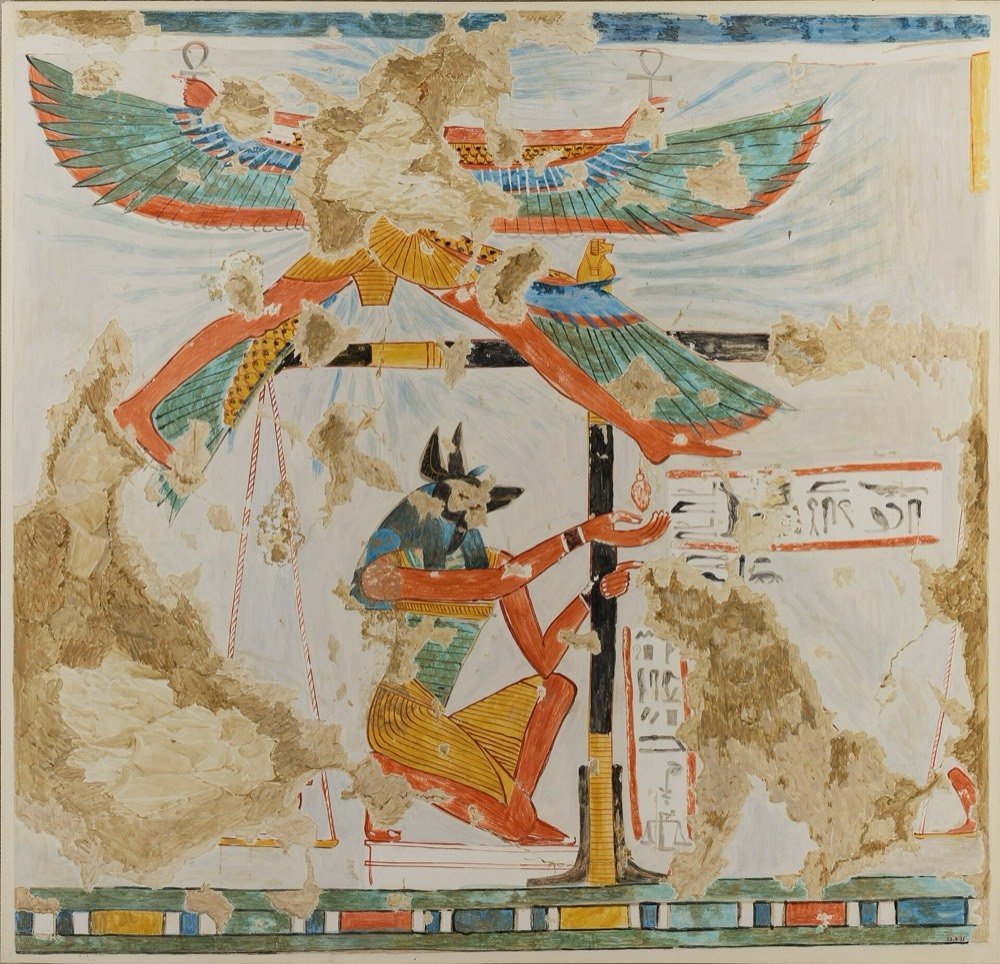
Anubis
The black jackal-headed god of embalming who made the first mummy for Osiris; he guards cemeteries, guides the dead, and steadies the scales at the judgment of the heart.
 creature
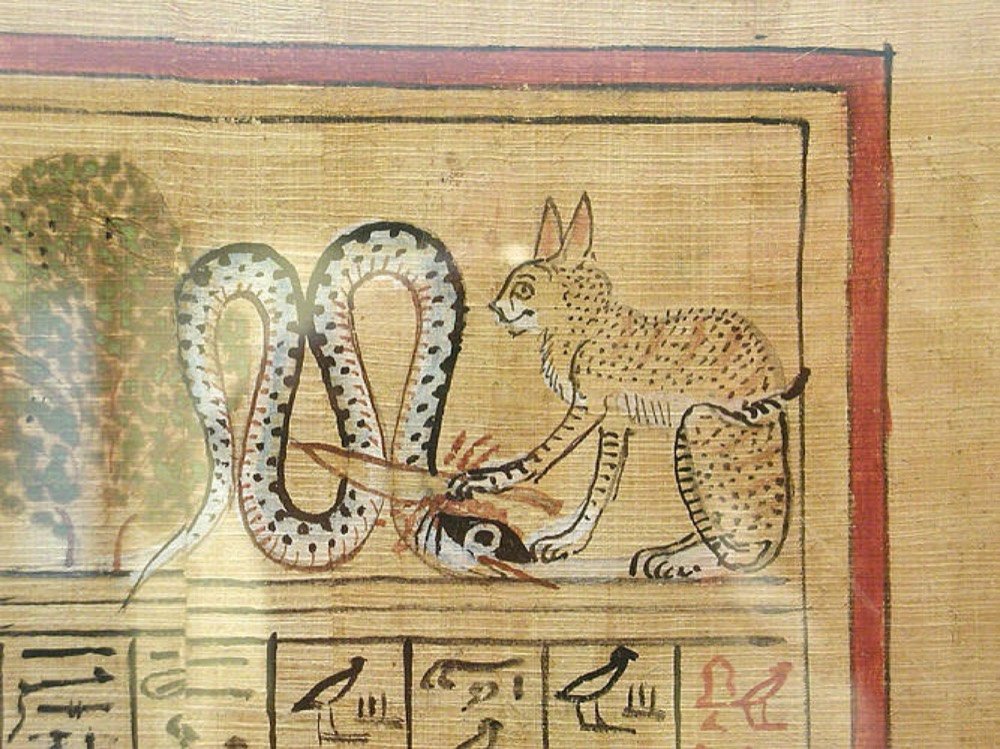
Apep
The giant serpent embodying chaos, Greek Apophis, who attacks the solar barque every night in the netherworld — forever repelled, never destroyed; temples burned wax images of him in ritual.
 deity
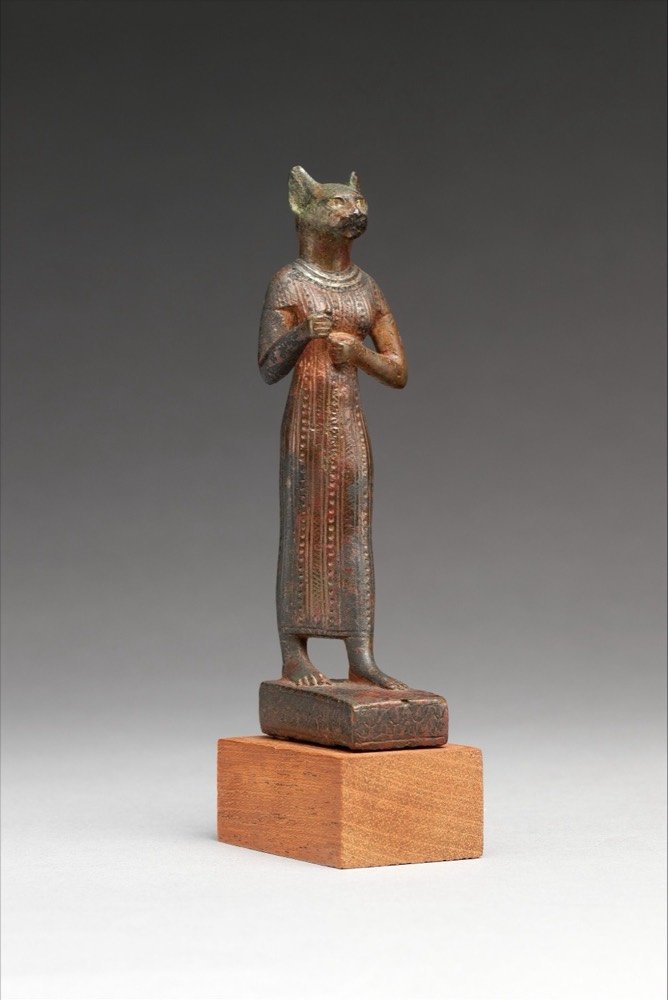
Bastet
The cat-headed goddess of the home, fertility, and festivity. Her annual festival at Bubastis was Egypt's largest, and her sanctuaries have yielded cat mummies by the tens of thousands.
 creature
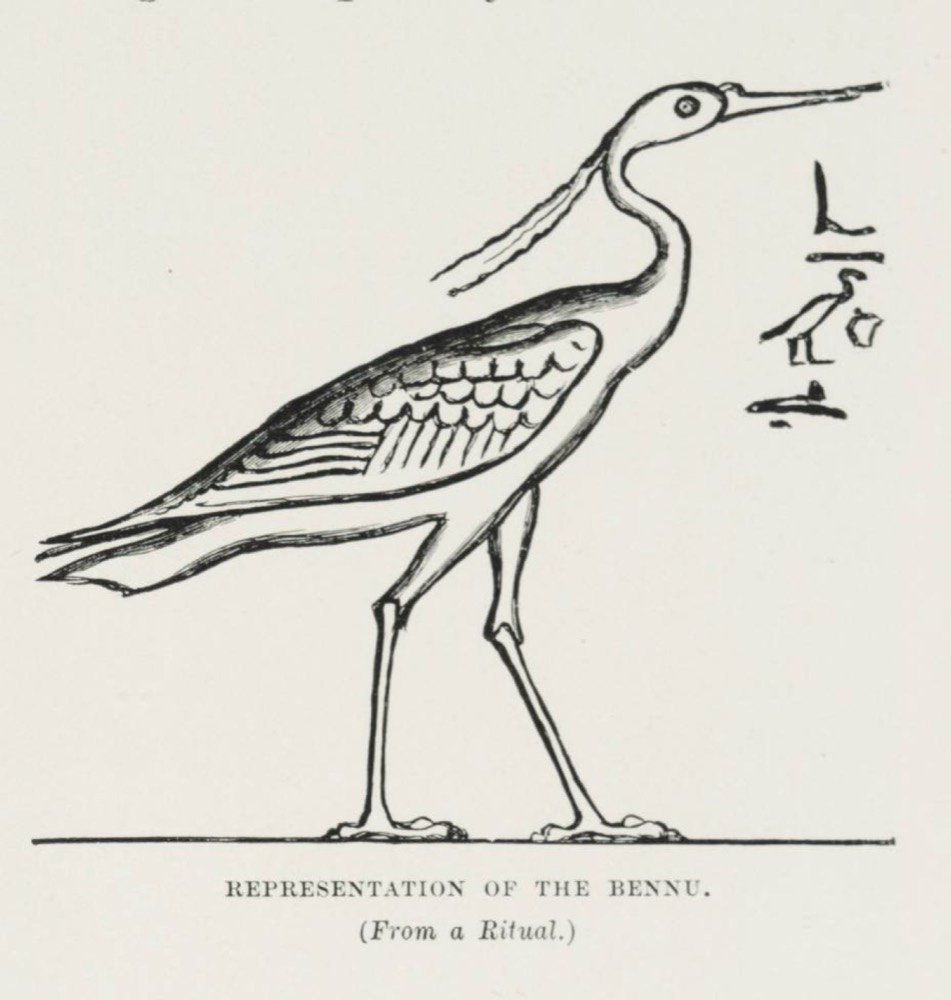
Bennu
The sacred bird perched on the primeval mound at creation, shaped like a heron with two long crest plumes, whose first cry set time in motion; the Greek phoenix legend grew from it.
 deity
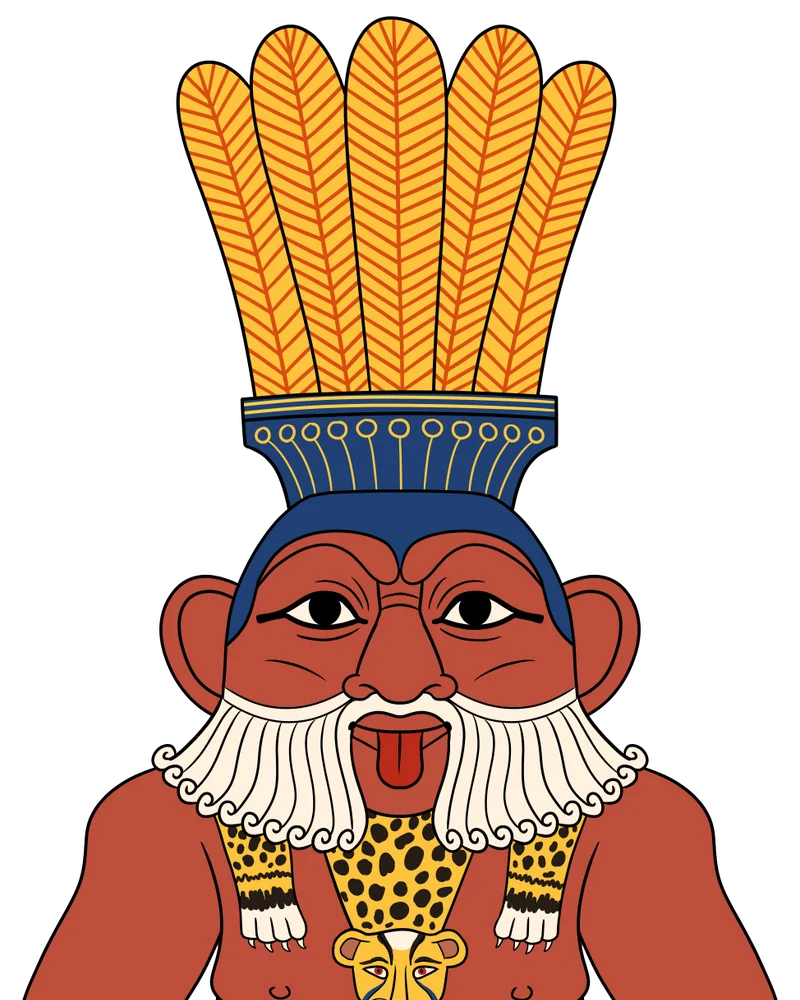
Bes
A dwarf-bodied, lion-maned household protector god who warded off evil spirits, nightmares, and dangers to mothers and children. Unlike most Egyptian deities, Bes was typically shown facing forward rather than in profile, and his cult was overwhelmingly domestic rather than centered on formal state temples.
 artifact
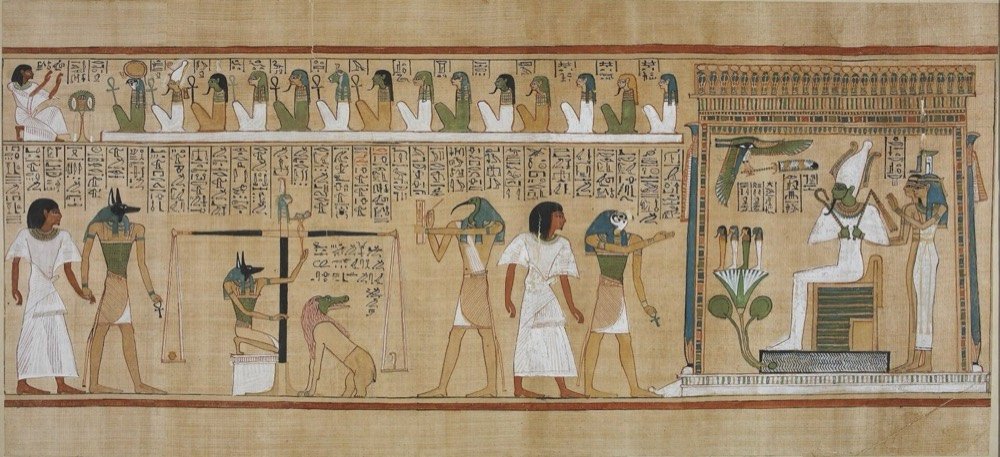
Book of the Dead
The corpus of funerary spells written on burial papyri — 'Spells of Coming Forth by Day' — some two hundred chapters teaching the dead to name the gatekeepers, pass the weighing, and reach the Field of Reeds.
 artifact
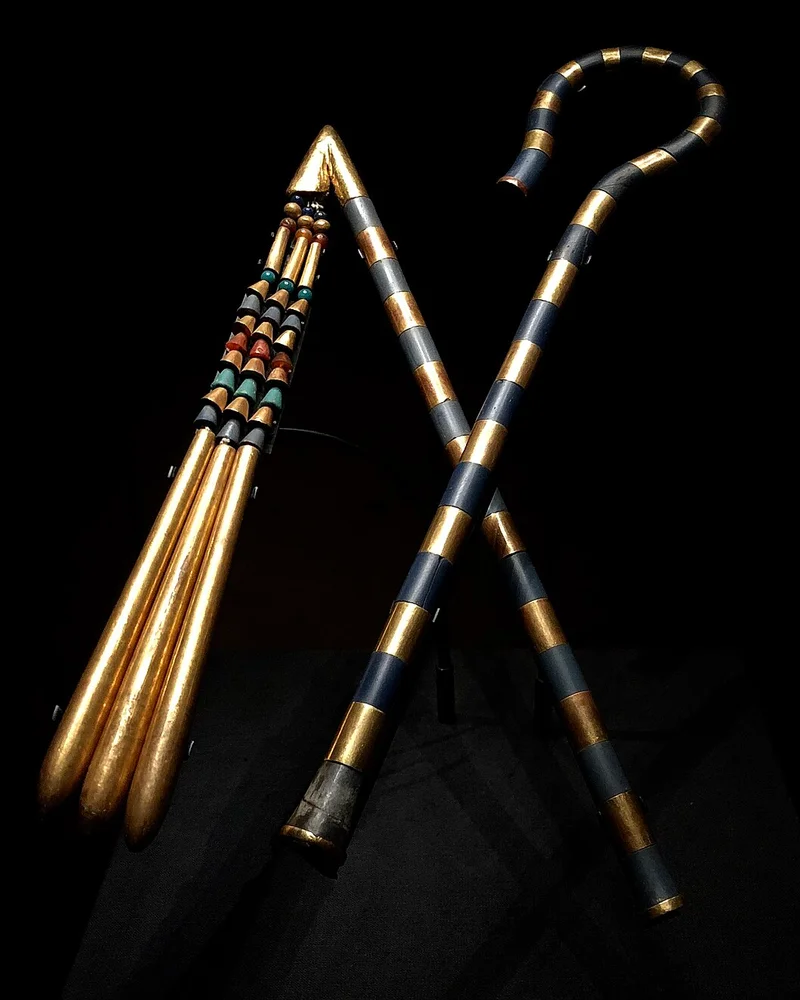
Crook and Flail
The twin symbols of pharaonic authority and divine kingship. The crook represents the ruler as shepherd of the people, while the flail symbolizes the power to provide sustenance.
 place
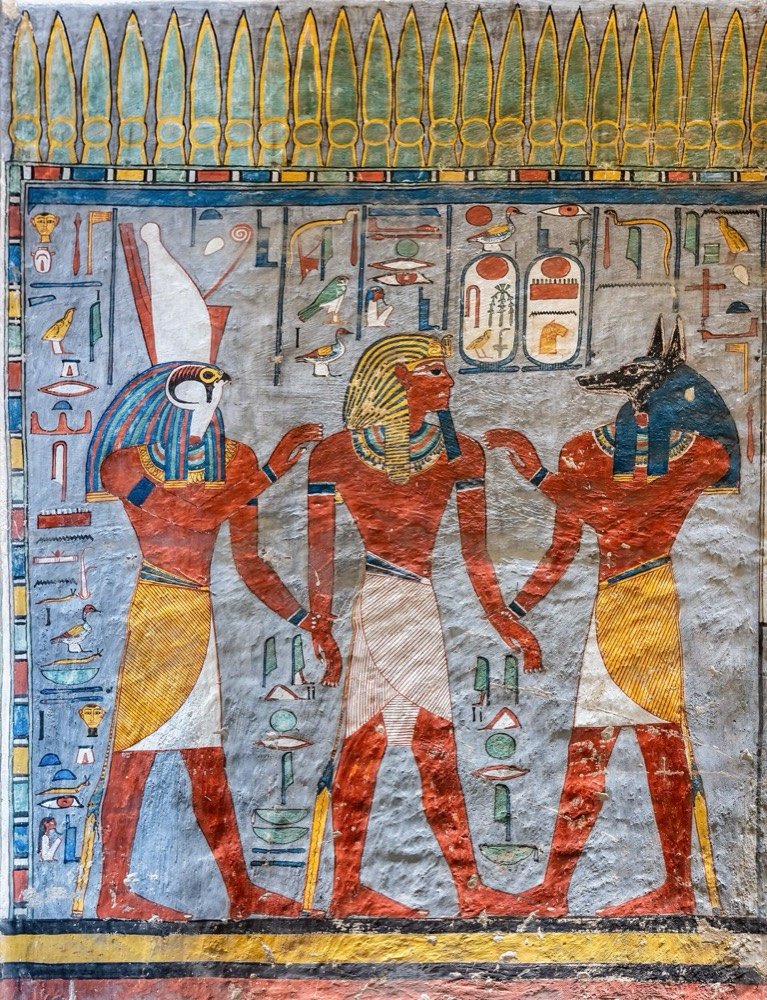
Duat
The netherworld the sun crosses each night, divided into twelve hour-regions with rivers, lakes of fire, and guarded gates; here the dead are judged, the justified passing on to the Field of Reeds.
 creature
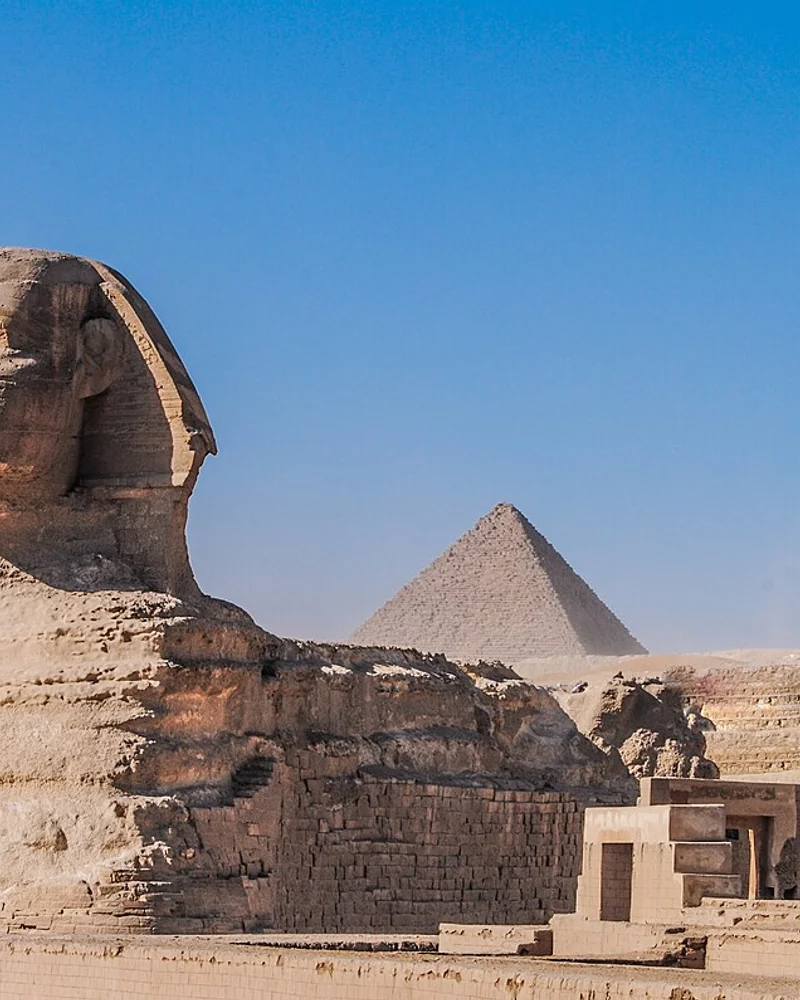
Egyptian Sphinx
A benevolent guardian with the body of a lion and head of a pharaoh. Unlike its Greek counterpart, it protects sacred sites and represents royal power and divine wisdom.
 artifact
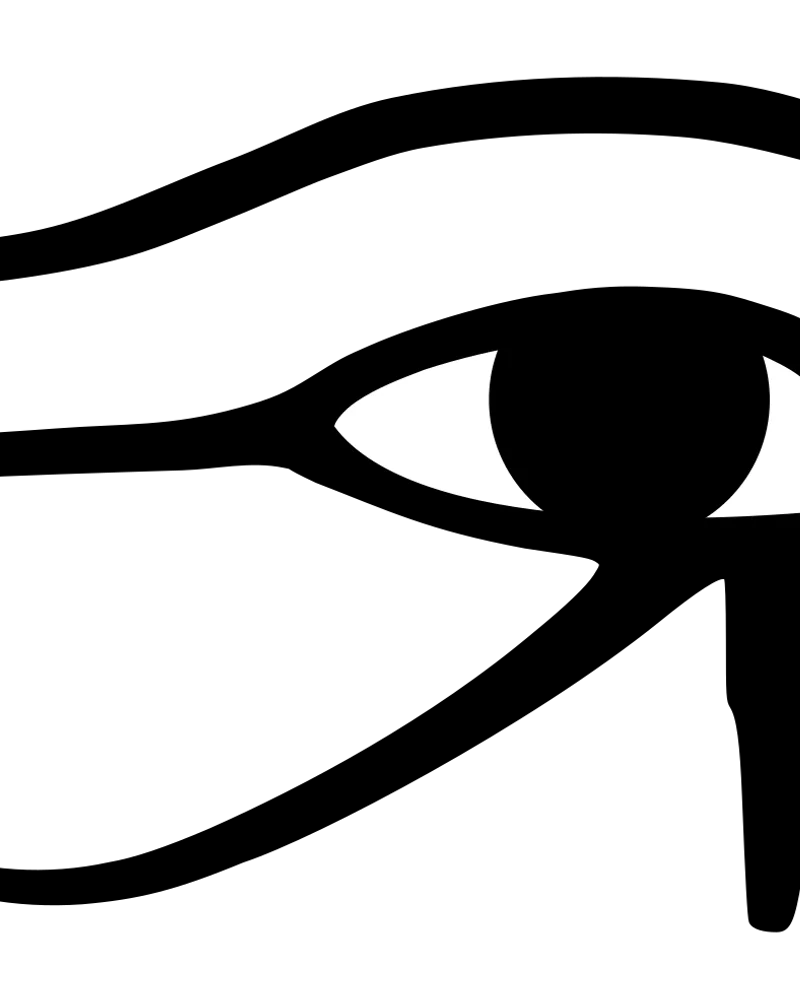
Eye of Ra
A powerful solar disk that embodies the destructive aspect of the sun god. It can be sent forth as a weapon of divine wrath, often taking the form of the goddess Sekhmet to punish humanity.
 deity
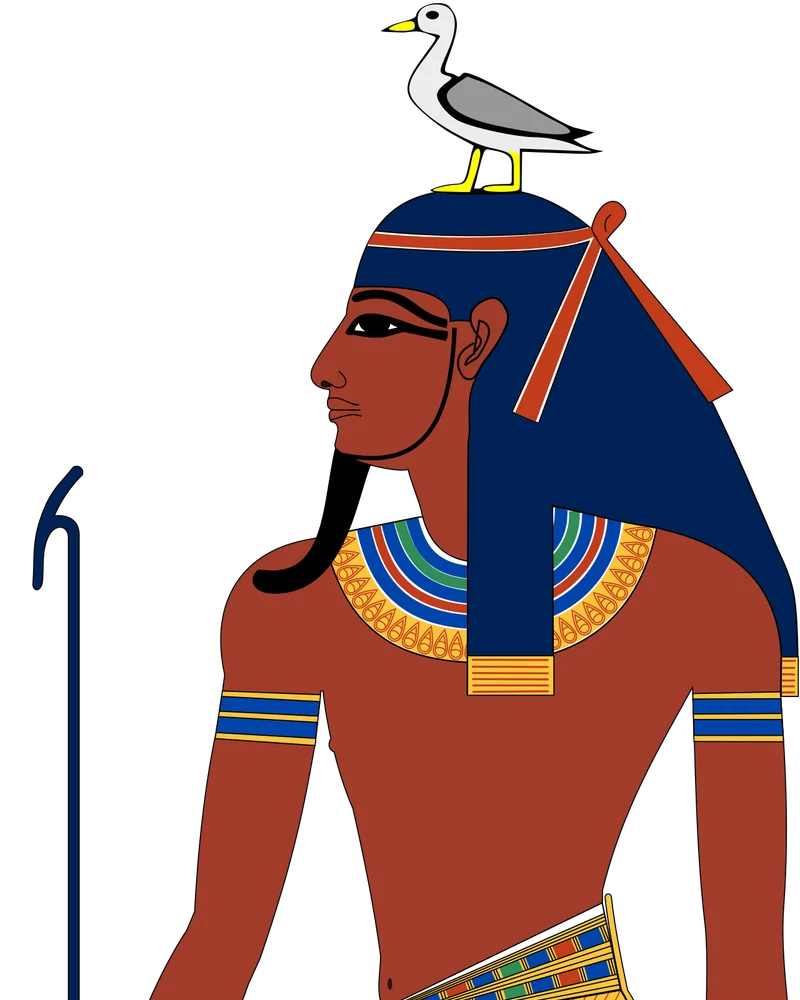
Geb
God of the earth, son of Shu, consort of Nut, and father of Osiris, Isis, Set, and Nephthys. Geb is depicted reclining beneath the arched figure of Nut, and stands within the Ennead's line of divine kingship passed down from Atum through Shu to Osiris.
 creature
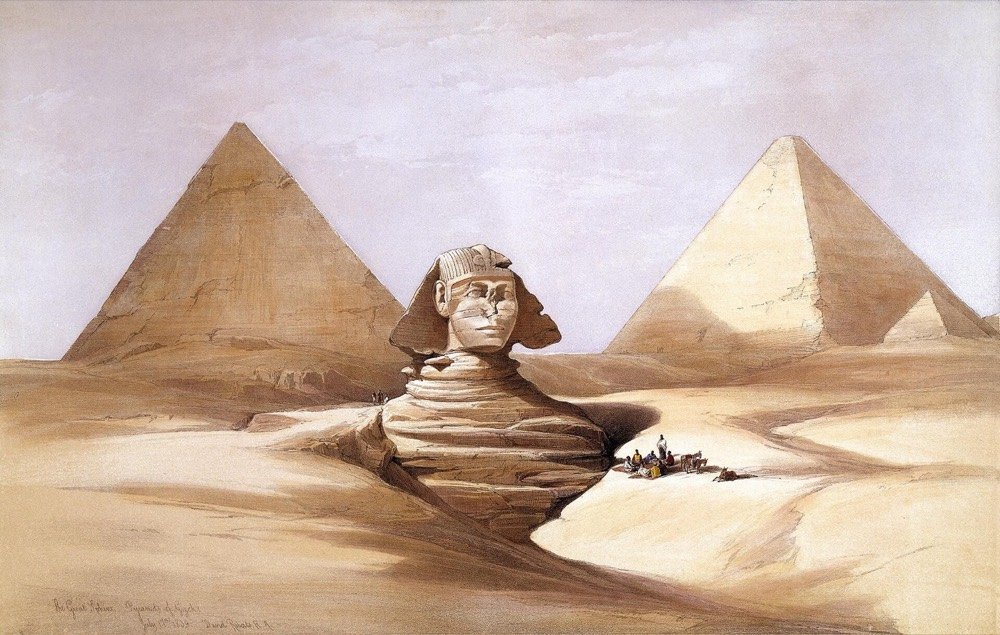
Great Sphinx
The lion-bodied, human-headed colossus at Giza, some 73 meters long and carved from bedrock limestone, its face usually identified as pharaoh Khafre; the New Kingdom worshipped it as Horemakhet.
 deity
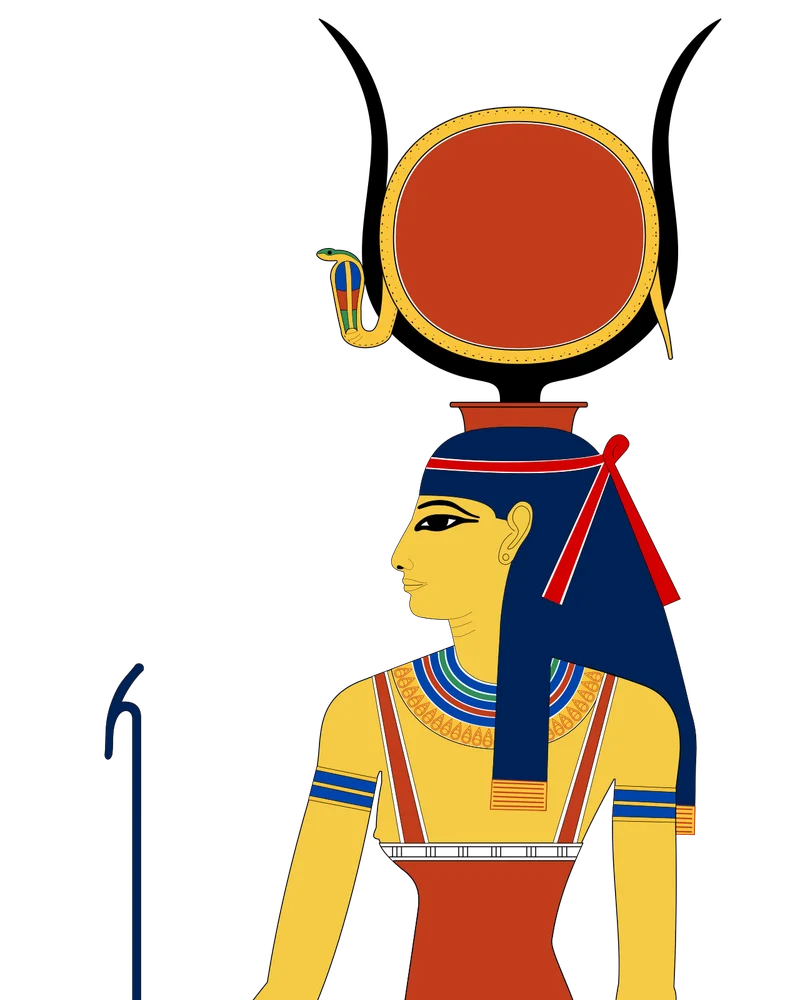
Hathor
Goddess of love, beauty, music, and motherhood. The 'Golden One' who embodies the feminine ideal. Protector of women.
 deity
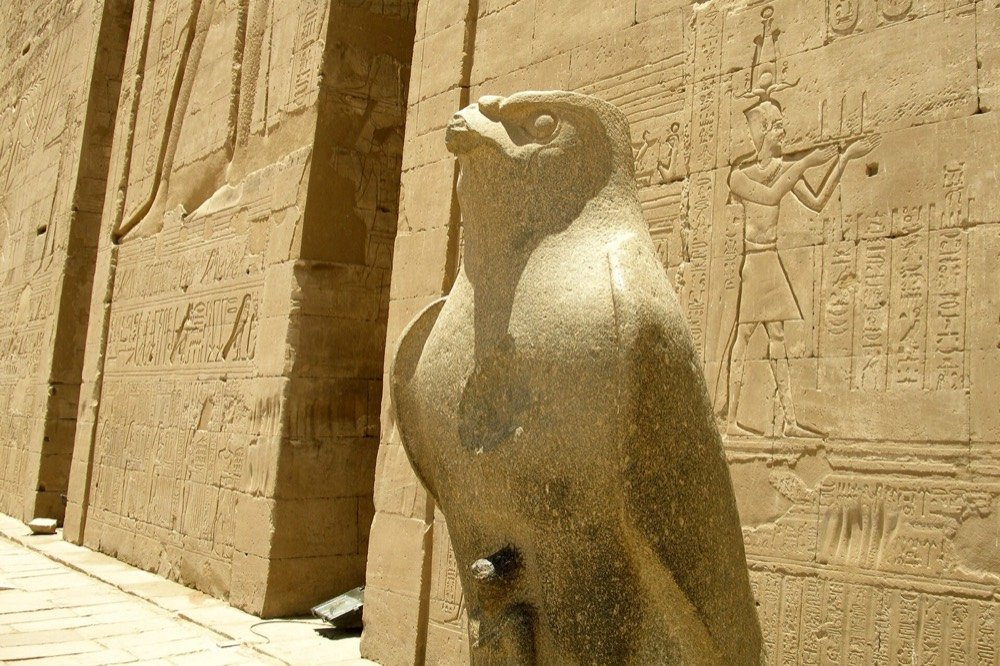
Horus
The falcon sky god whose eyes are the sun and moon. Posthumous son of Osiris, he contested the throne with Set for eighty years and won; every living pharaoh was his incarnation.
 deity
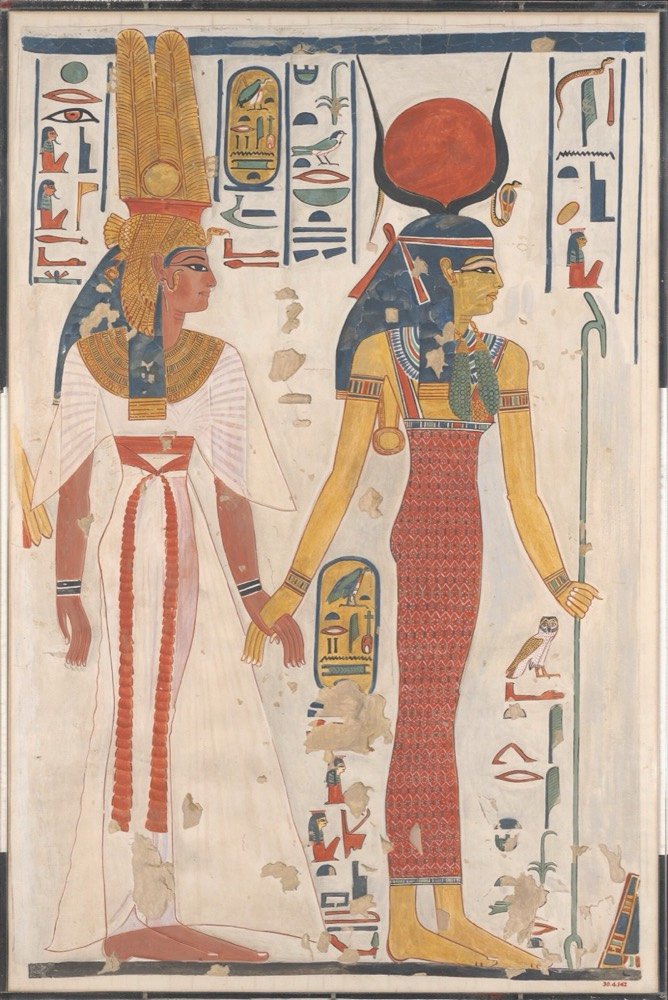
Isis
Wife of Osiris and mother of Horus, 'Great of Magic,' who reassembled her murdered husband and raised their son in the Delta marshes; her cult later spread across the Greco-Roman world.
 deity
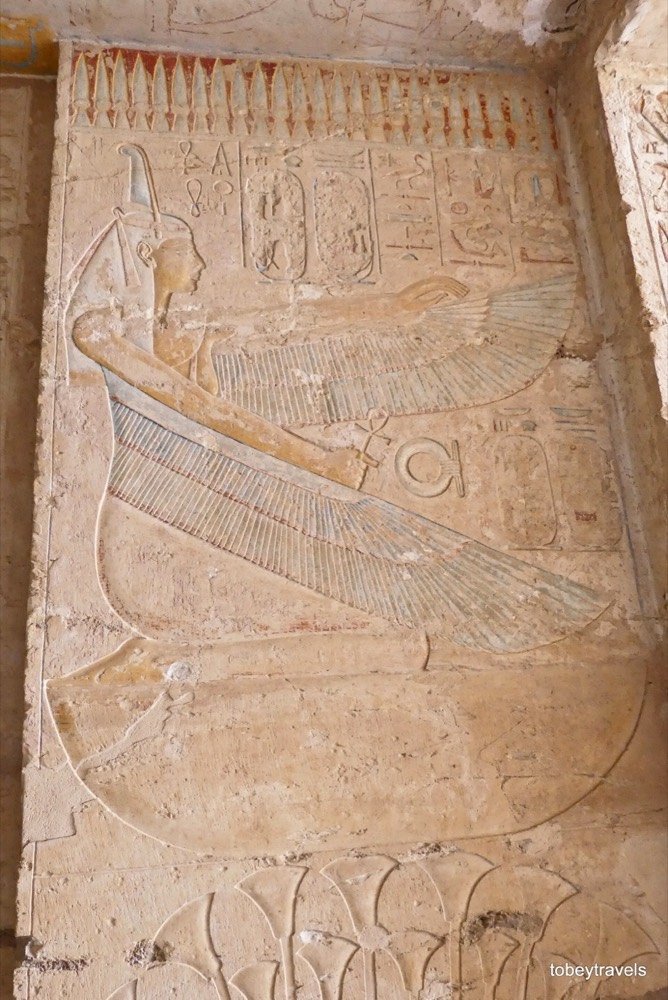
Maat
The goddess wearing a single ostrich feather, personifying truth, justice, and cosmic order; at the judgment of the dead the heart is weighed against her feather.
 deity
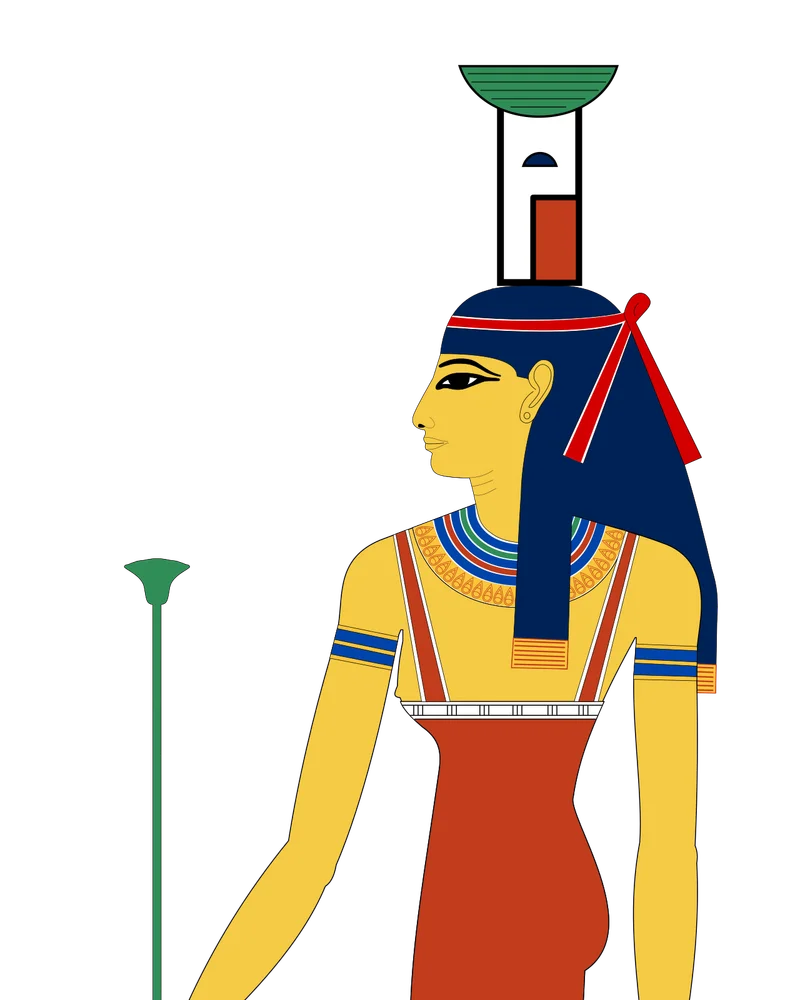
Nephthys
Goddess of mourning and protector of the dead. Sister-wife of Set but loyal to Isis. She aided Isis in gathering Osiris's body and mourned him.
 deity
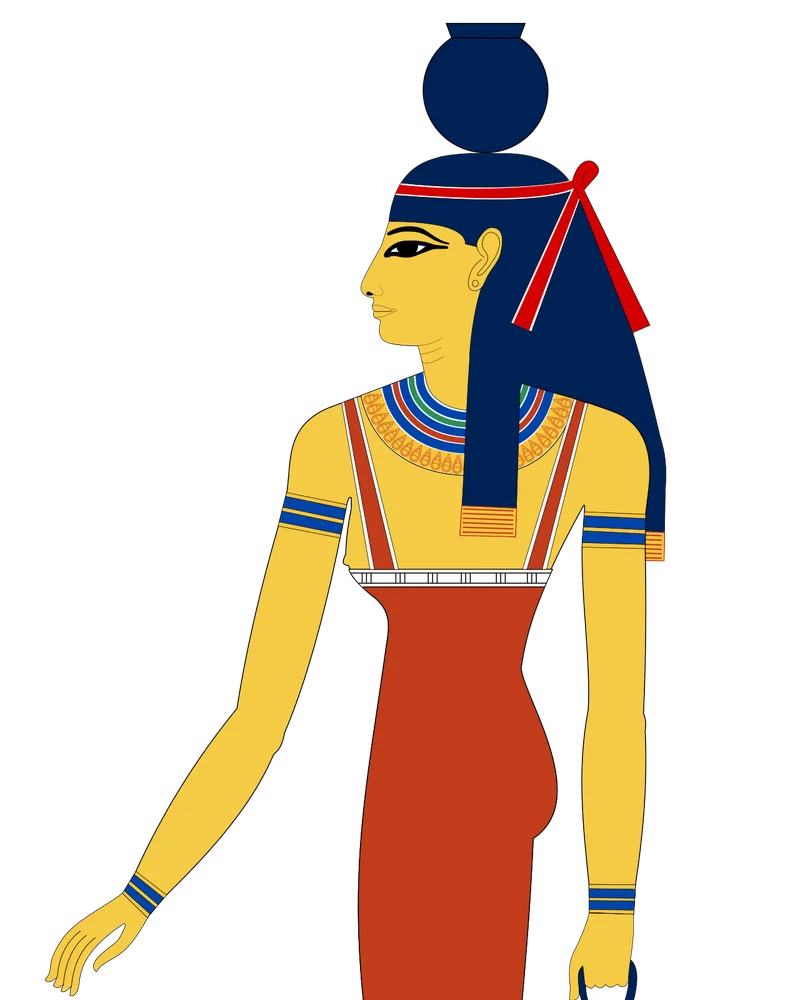
Nut
Goddess of the sky, daughter of Shu, consort of Geb, and mother of Osiris, Isis, Set, and Nephthys. Nut's star-covered body arches over the earth, swallowing the sun each evening and giving birth to it again each dawn.
 deity
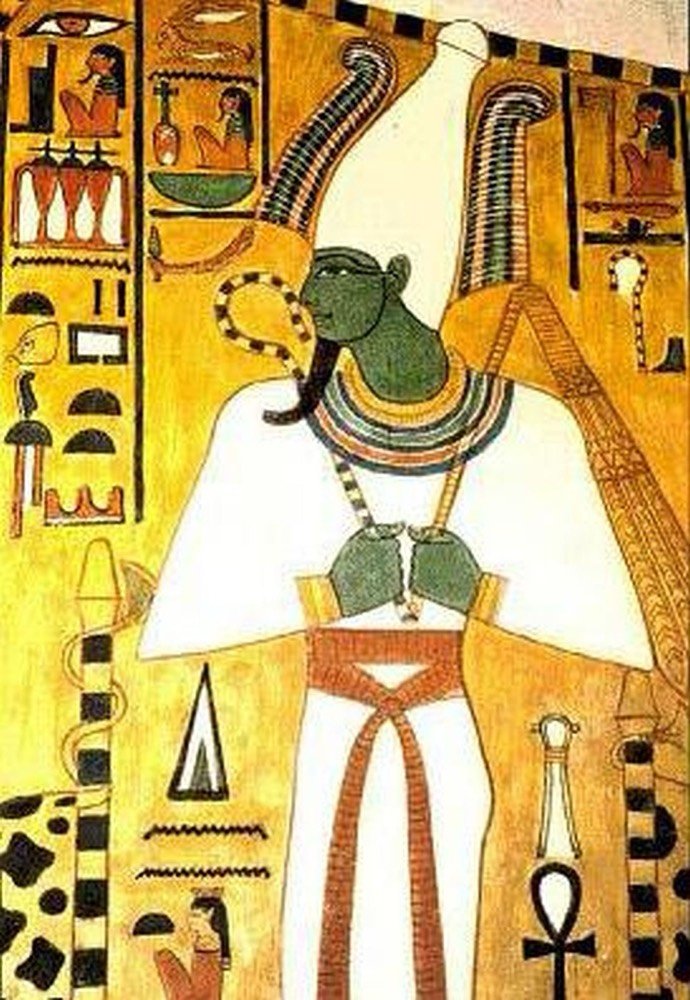
Osiris
Murdered by his brother Set and revived by his wife Isis, the green-skinned mummiform god rules the underworld and presides over the judgment of the dead.
 deity
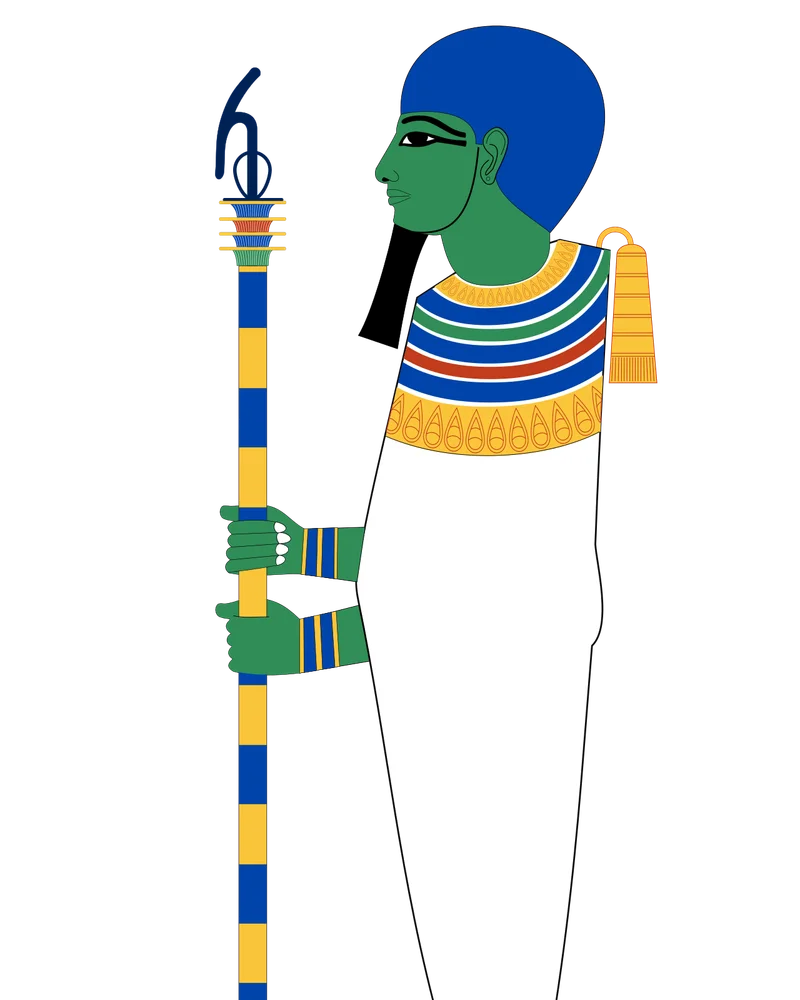
Ptah
Creator god and patron of craftsmen, head of the Memphite Triad. The Memphite Theology credits Ptah with creating the world and the other gods through the thought of his heart and the command of his tongue, rather than through physical acts alone.
 deity
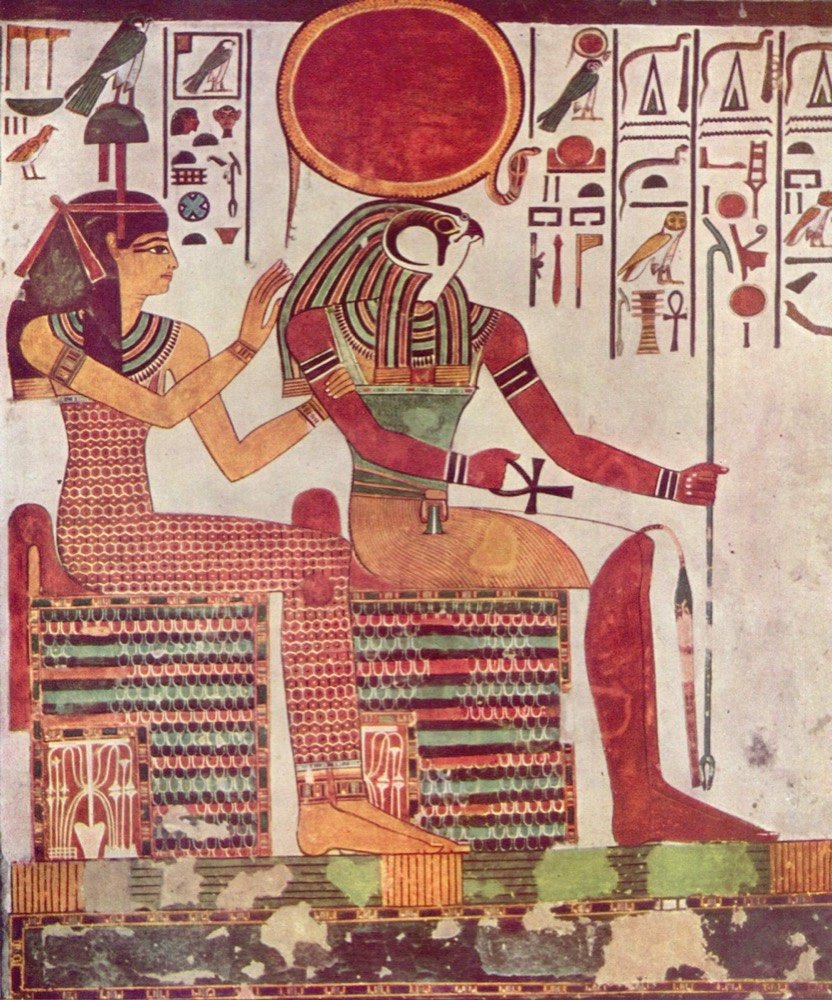
Ra
The Egyptian sun god and creator, falcon-headed and crowned with the solar disk, who sails the sky by day and battles the chaos serpent Apep in the netherworld each night.
 deity
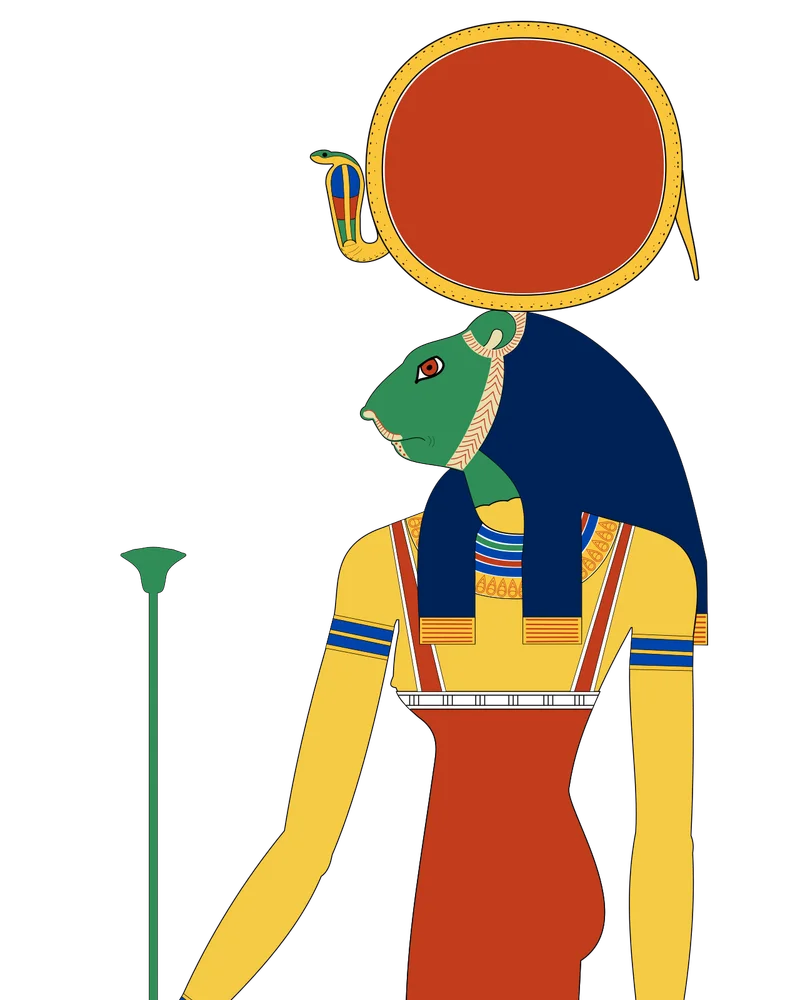
Sekhmet
Fierce goddess of war, plagues, and healing. The destructive aspect of the sun. Ra sent her to punish humanity.
 creature
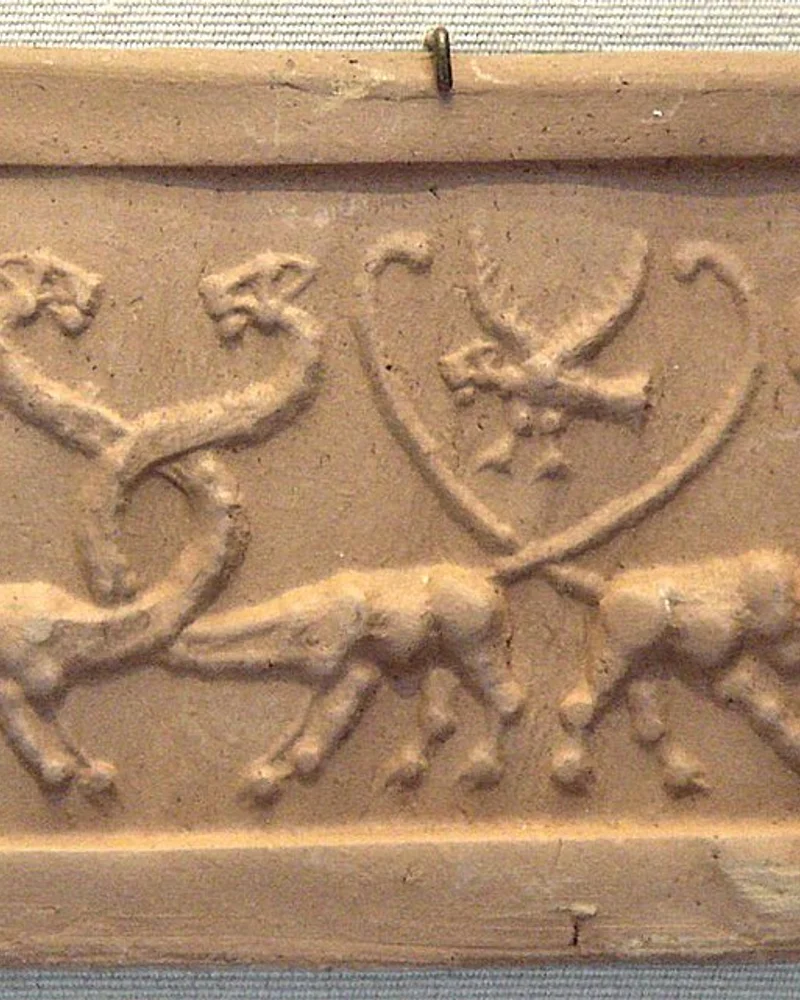
Serpopard
A mythical creature with the body of a leopard and an impossibly long serpentine neck. Depicted on the Narmer Palette, it represents the chaotic forces tamed by the pharaoh.
 deity
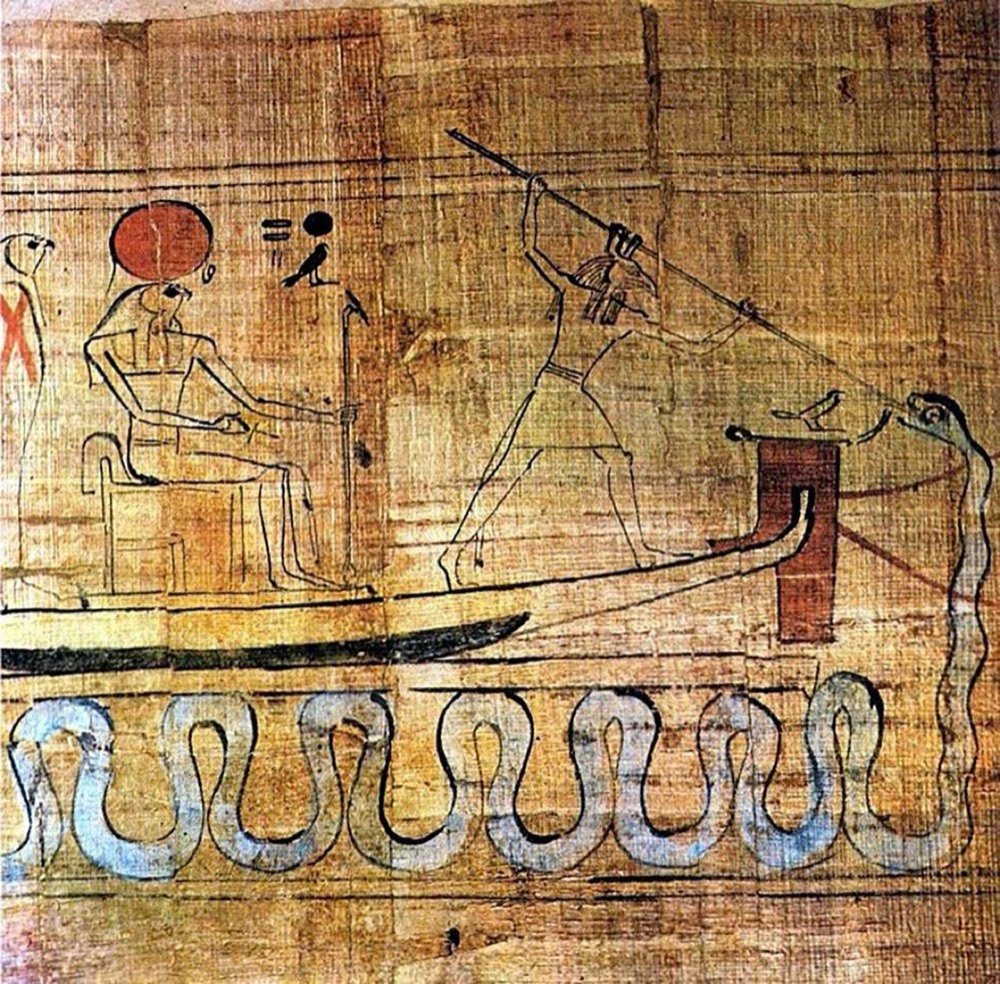
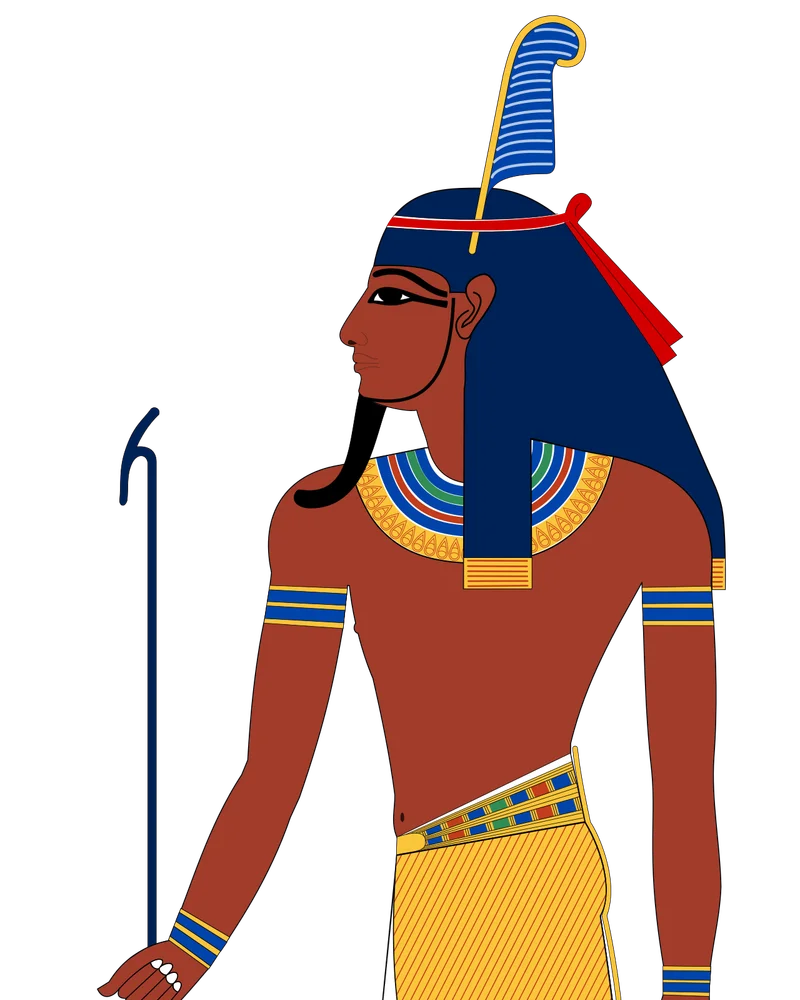
Set
The storm god who murdered his brother Osiris, shown with a curve-snouted, square-eared head matching no real animal; both a breaker of order and the nightly defender who spears Apep from the solar barque.
 deity
Shu
God of the air and dry space, a member of the Ennead. Shu was produced by Atum and, with his twin sister and consort Tefnut, fathered Geb (Earth) and Nut (Sky), whom he is famously depicted physically separating and holding apart.
 deity
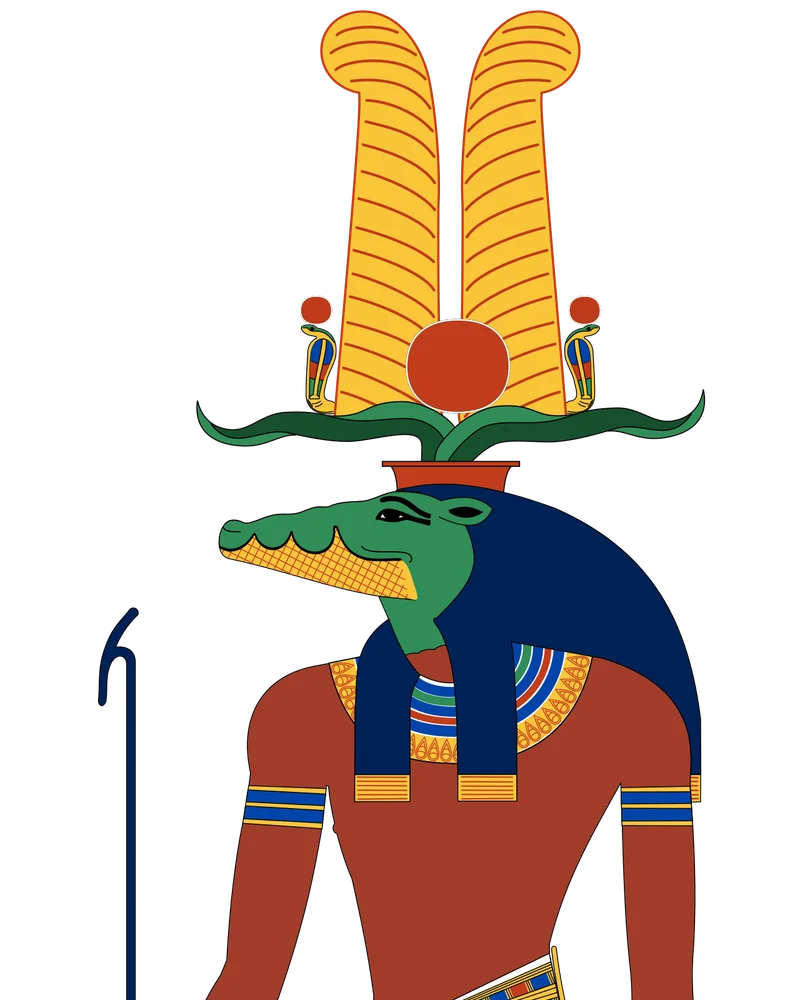
Sobek
Crocodile god of the Nile and its fertility. Protector against the dangers of the Nile and symbol of pharaonic power and military prowess.
 deity
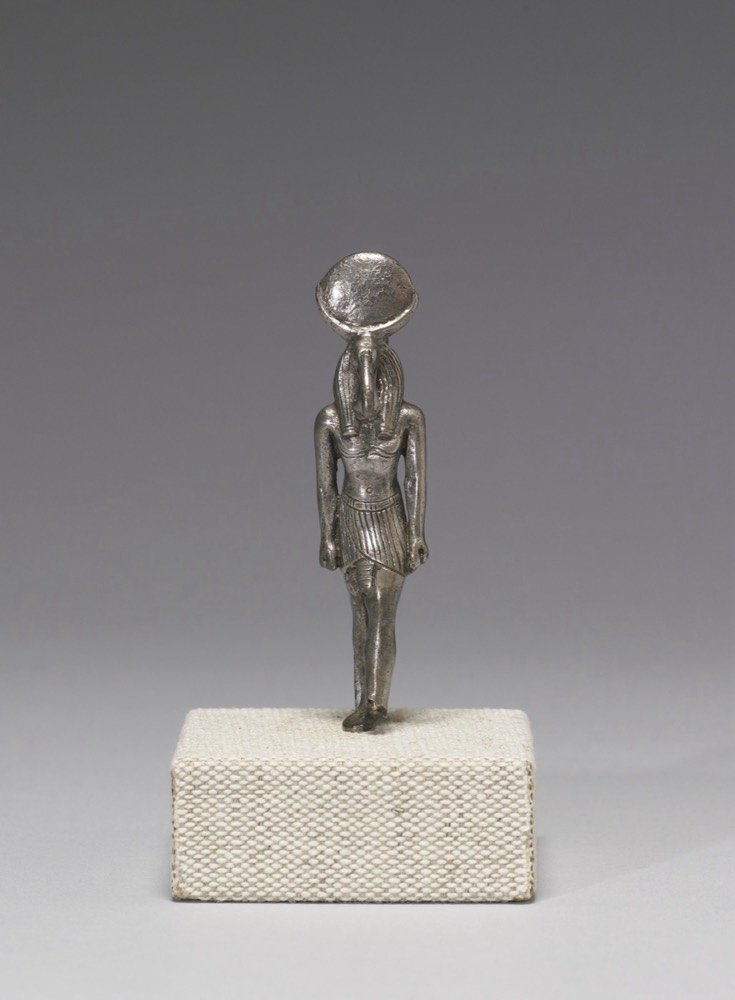
Thoth
The ibis-headed god of writing and wisdom, scribe of the gods, inventor of script and keeper of the calendar, who records the verdict at the judgment of the dead; the Greeks equated him with Hermes.
 artifact
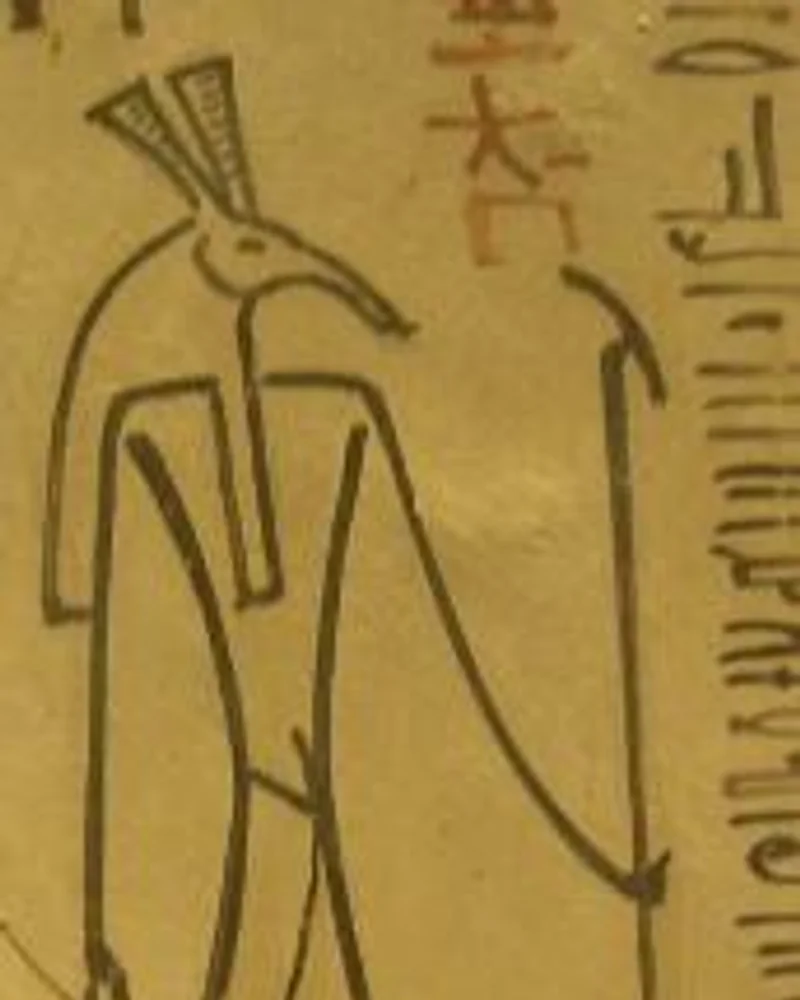
Was Scepter
The scepter of power and dominion, featuring a forked base and an animal head. It represents control over the forces of chaos and the authority of divine and royal power.
 tale
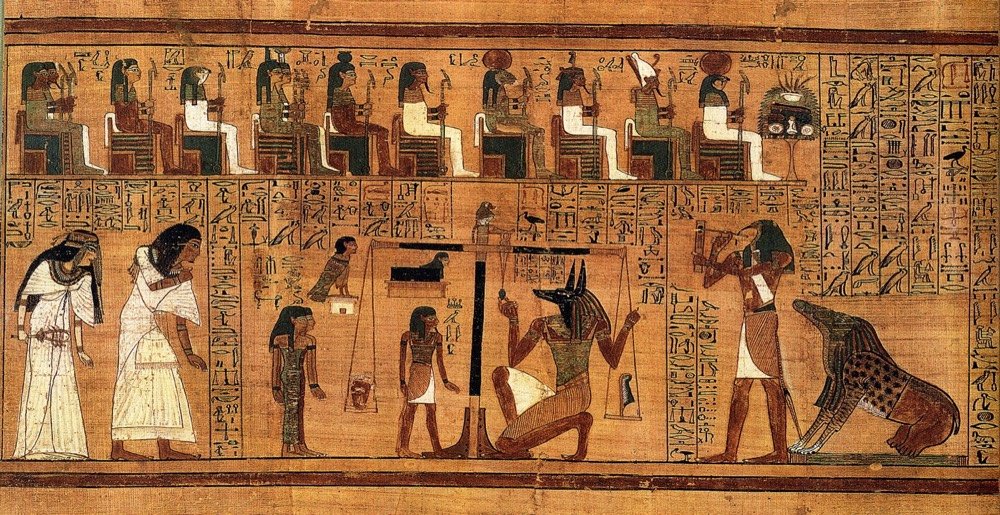
Weighing of the Heart
The dead stand trial in the Hall of Two Truths: the heart is balanced against Maat's feather while Thoth records and the monster Ammit waits — a heavy heart is devoured on the spot.