


Roman Mythology
Roman Mythology traditions, cosmology, and ancient lore.
Mythological Figures & Lore
Showing all 23 records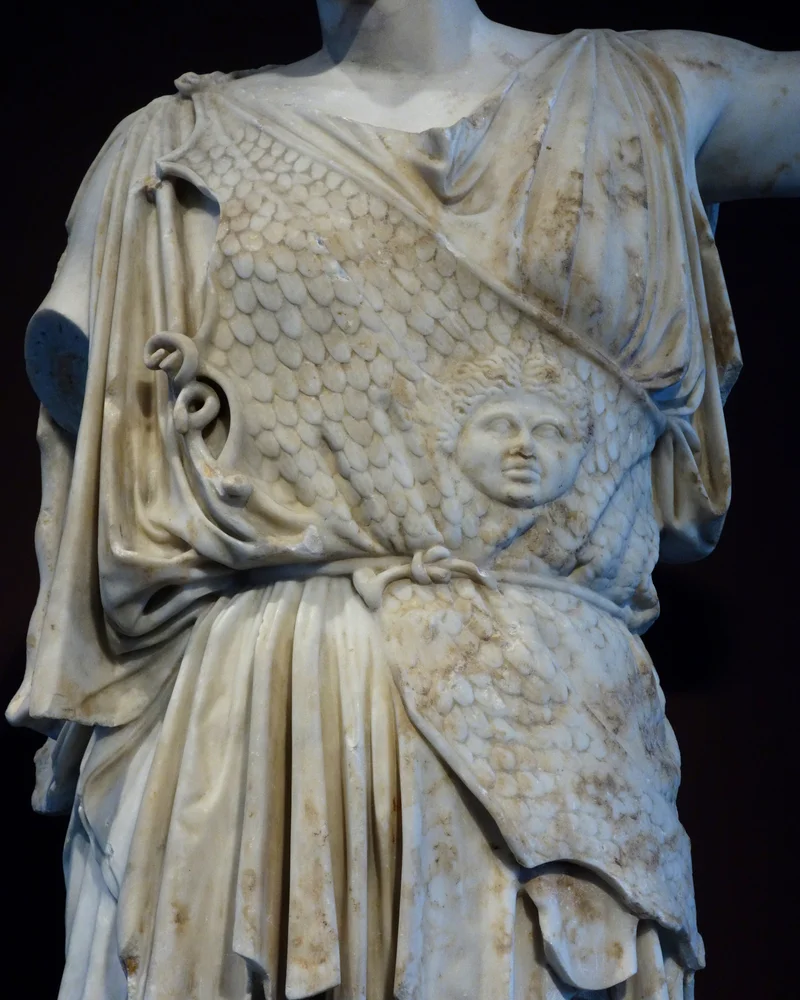 artifact
Aegis of Jupiter
The divine shield of Jupiter, king of the Roman gods, adorned with the Gorgon's head. Like its Greek counterpart, it served as both protection and weapon, striking fear into the hearts of enemies and symbolizing supreme divine authority.
 hero
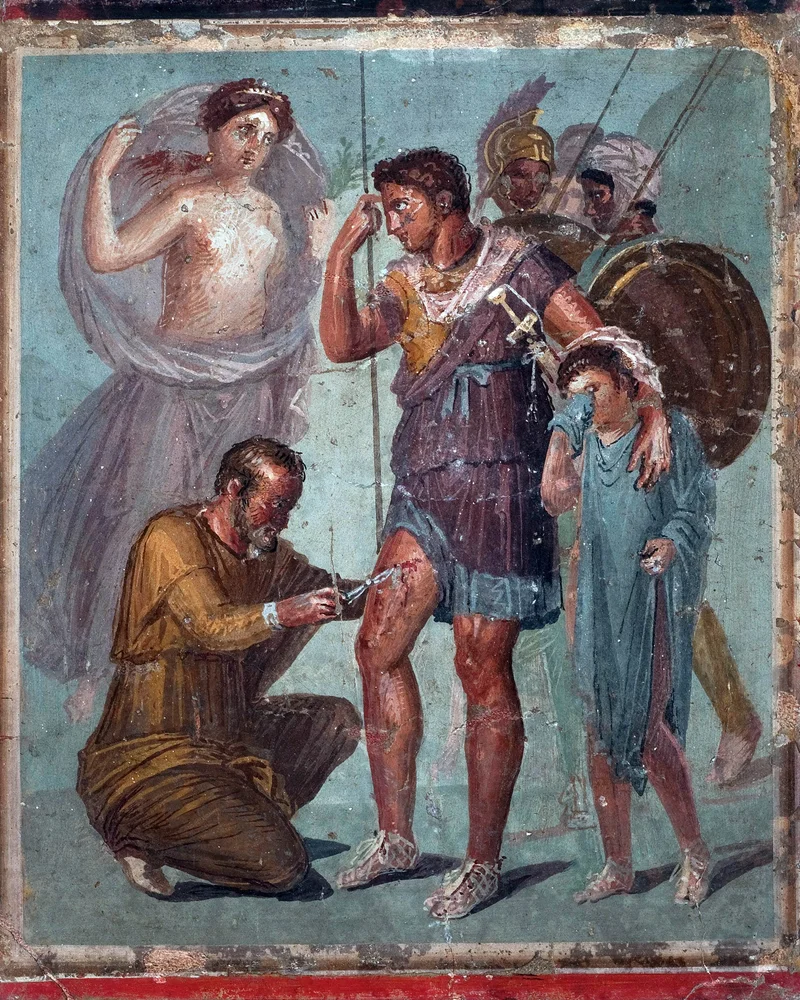
Aeneas
Trojan prince, son of the goddess Venus, who escaped the fall of Troy and, in Virgil's Aeneid, journeyed to Italy to found the line that would lead to Rome.
 deity
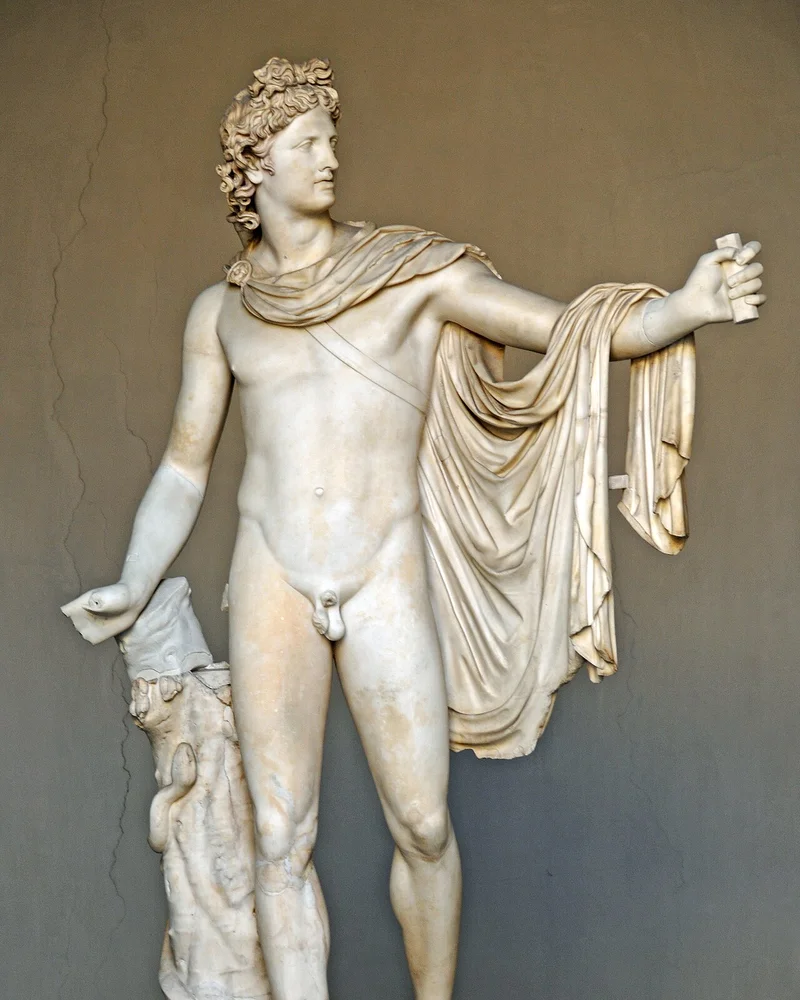
Apollo
God of the sun, music, poetry, prophecy, healing, and archery. One of the few gods whose name remained unchanged from Greek to Roman. Patron of the Sibylline Books and protector of Augustus.
 deity
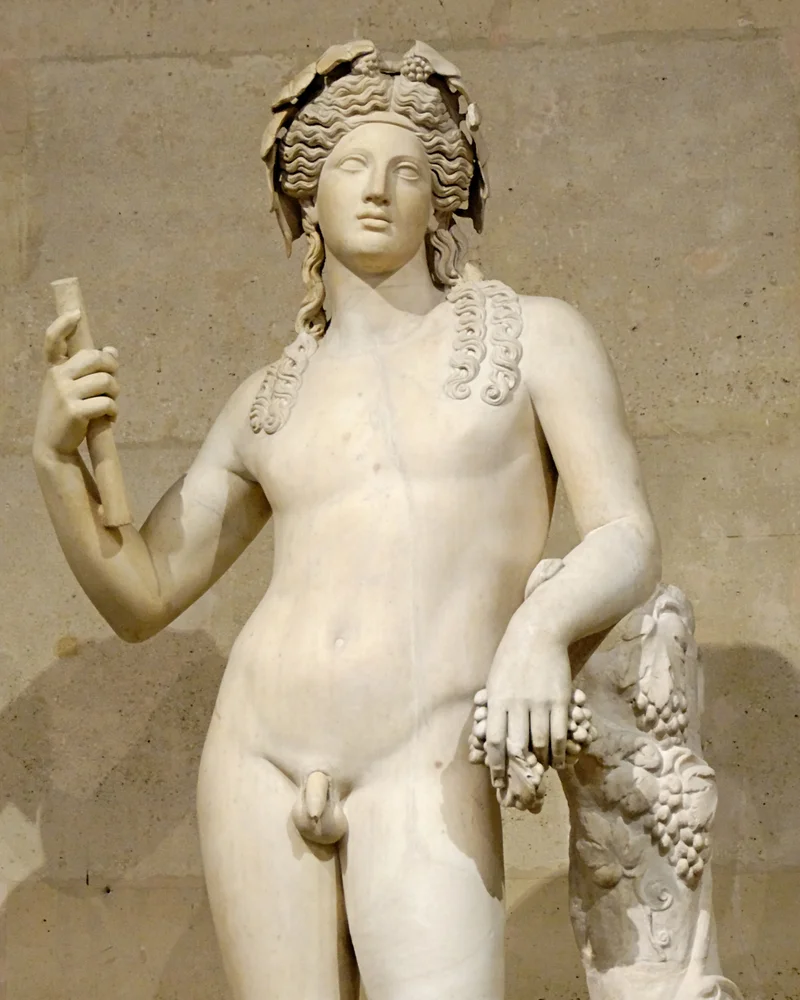
Bacchus
God of wine, festivity, fertility, and ritual madness. His cult included the Bacchanalia festivals. Roman equivalent of Dionysus, also identified with the Italian god Liber.
 deity
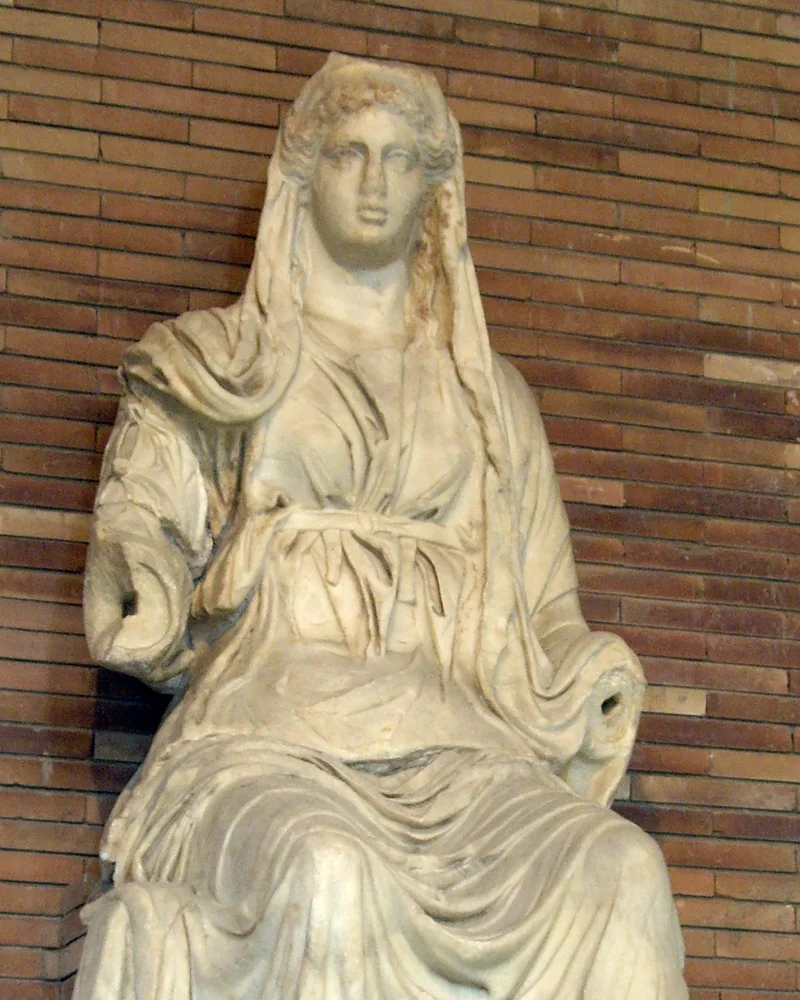
Ceres
Goddess of agriculture, grain crops, fertility, and motherhood. Her cult was central to Roman plebeian identity. Mother of Proserpina (Persephone). Roman equivalent of Demeter.
 artifact
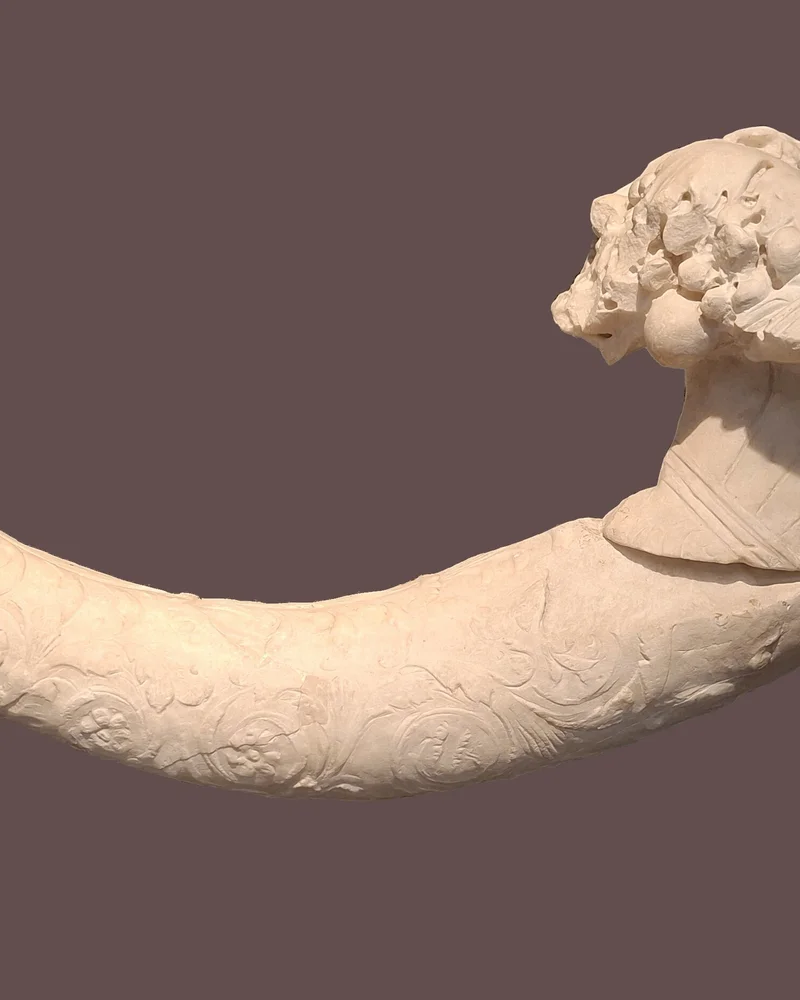
Cornucopia
The Horn of Plenty, a magical horn that produces endless food and drink. Associated with the goddess Abundantia and the infant Jupiter, who was nursed by the goat Amalthea whose horn became the cornucopia.
 deity
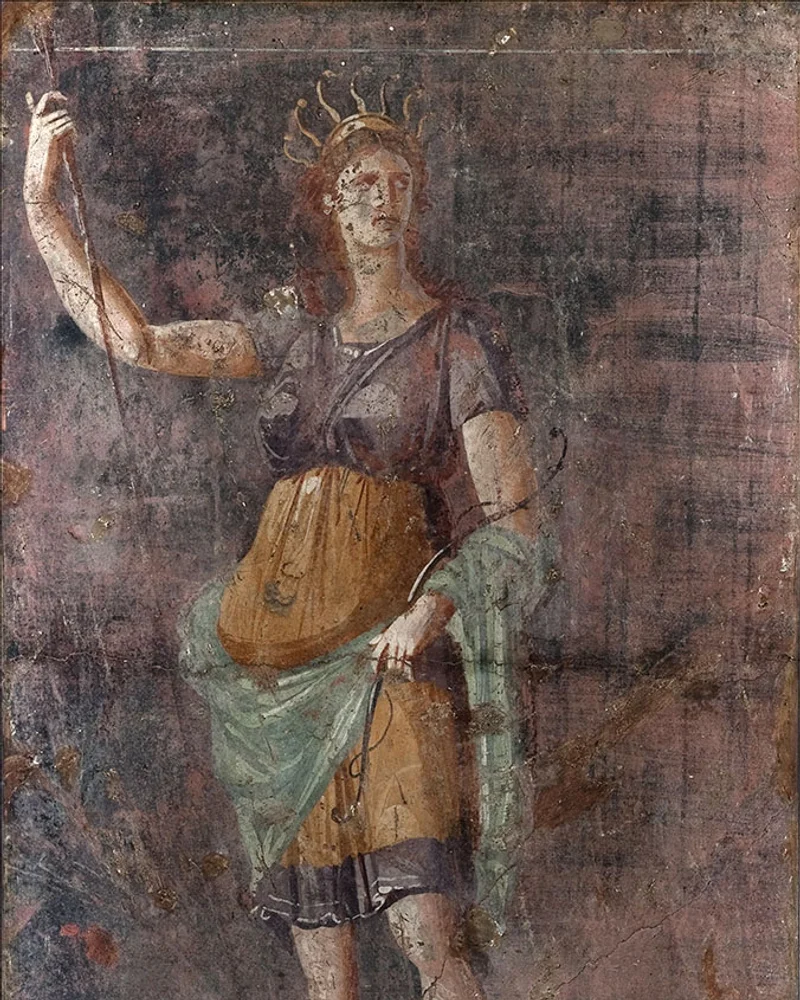
Diana
Goddess of the hunt, wild animals, wilderness, and the moon. Protector of women in childbirth. Twin sister of Apollo. Roman equivalent of Artemis.
 artifact
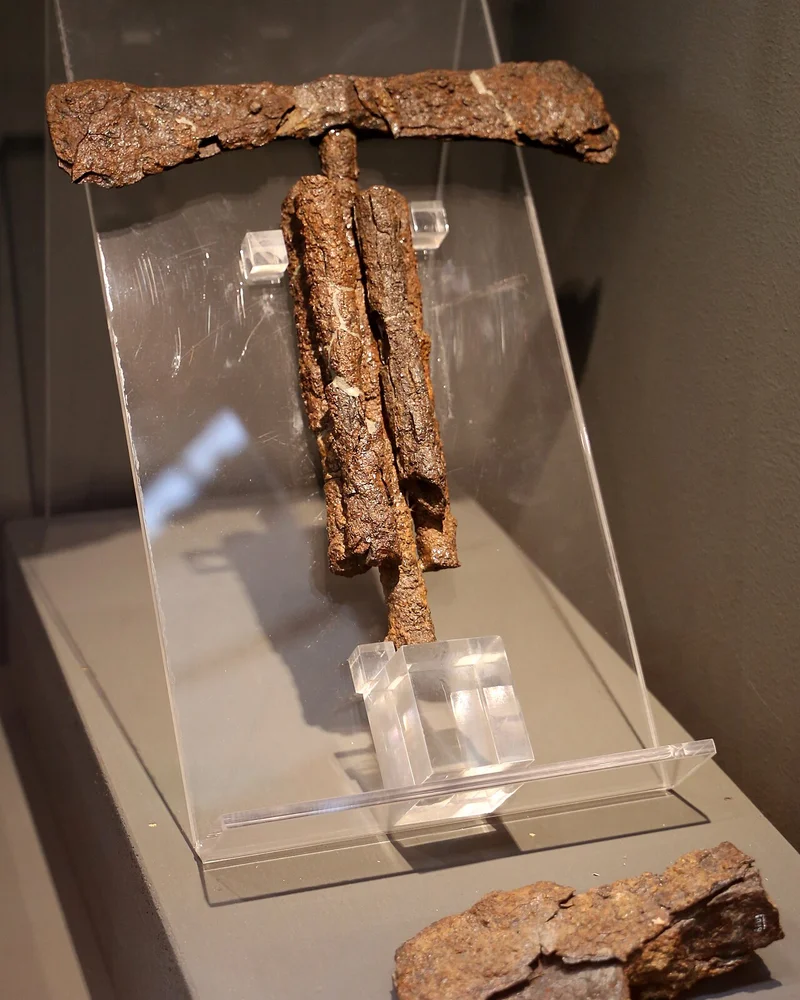
Fasces
A bundle of wooden rods bound together around an axe, symbolizing the power and jurisdiction of Roman magistrates. The rods represented the authority to punish, while the axe signified the power over life and death.
 deity
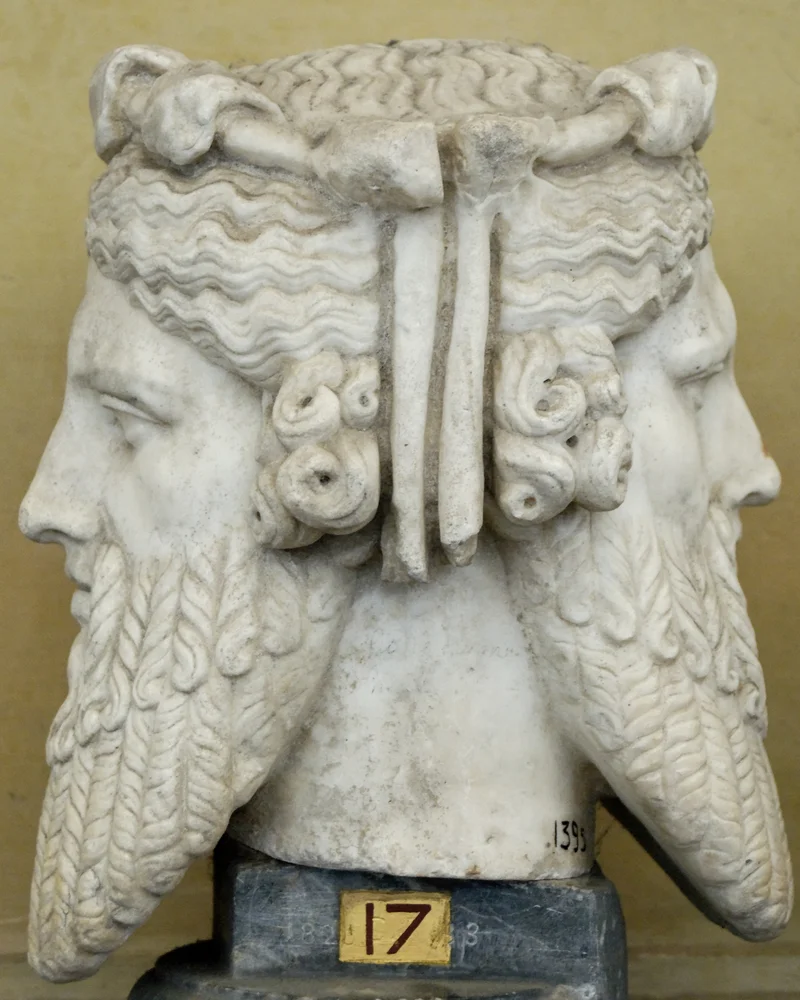
Janus
God of beginnings, gates, transitions, time, duality, doorways, passages, and endings. Uniquely Roman deity with no Greek equivalent. Depicted with two faces looking to past and future.
 deity
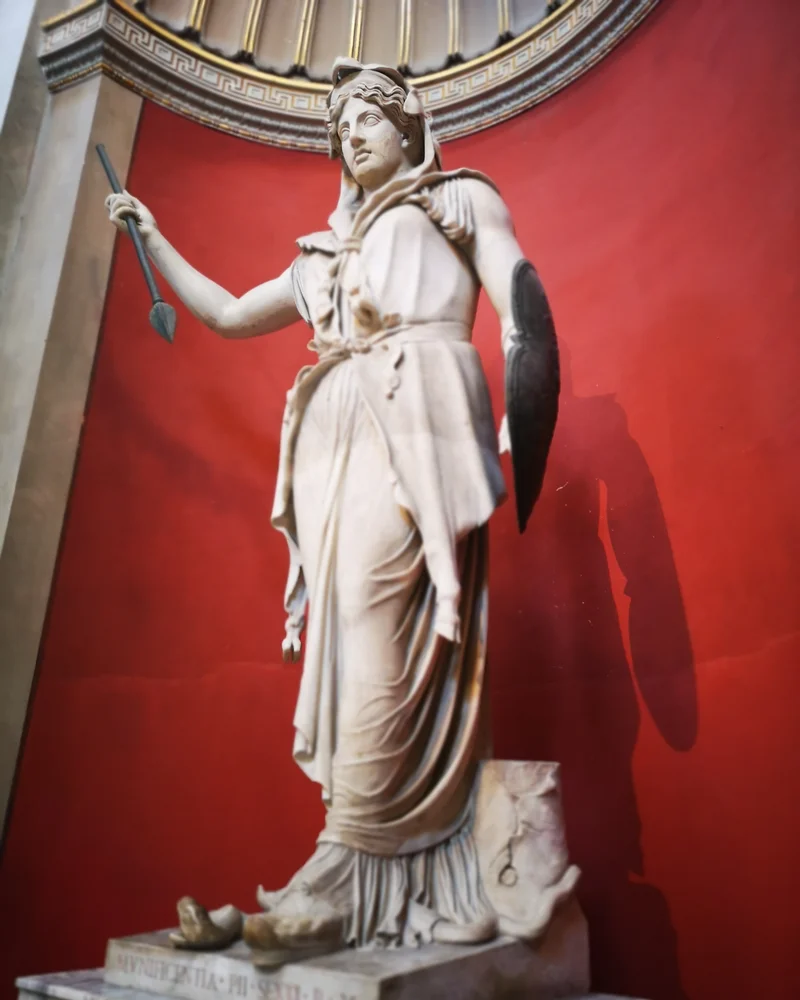
Juno
Queen of the gods and protector of the Roman state. Goddess of marriage, women, and childbirth. Wife and sister of Jupiter, patron of married women and the Roman matrons.
 deity
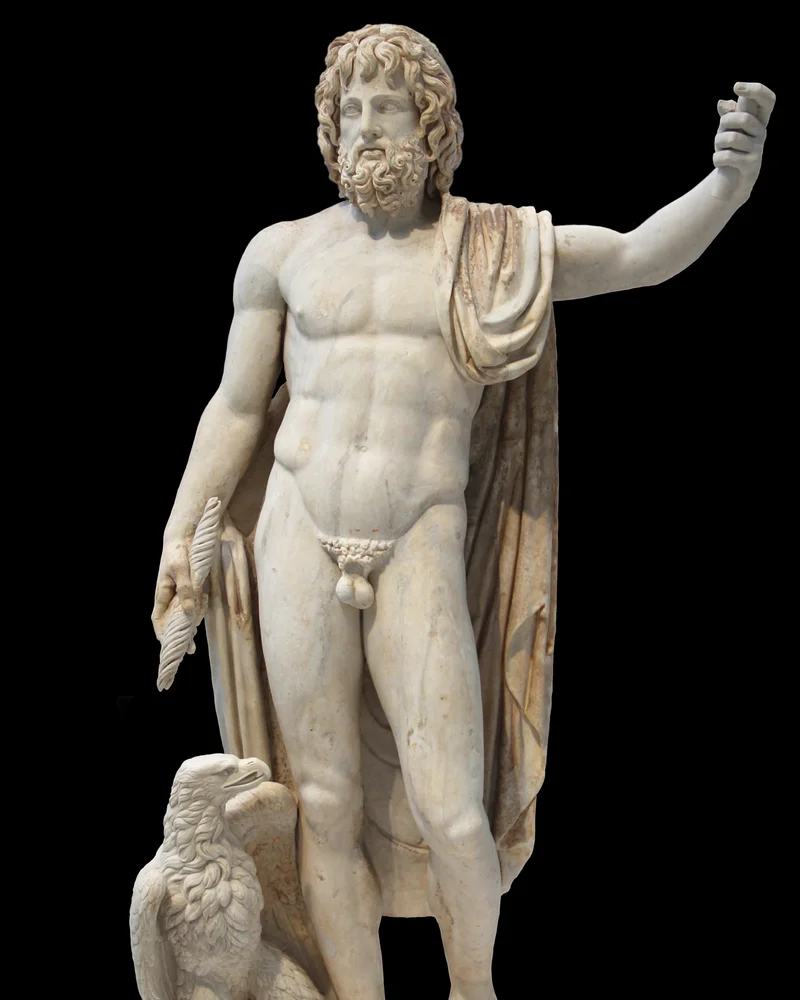
Jupiter
King of the gods and god of sky, lightning, and thunder. Supreme deity of the Roman state religion, protector of Rome and source of divine authority for Roman emperors.
 creature
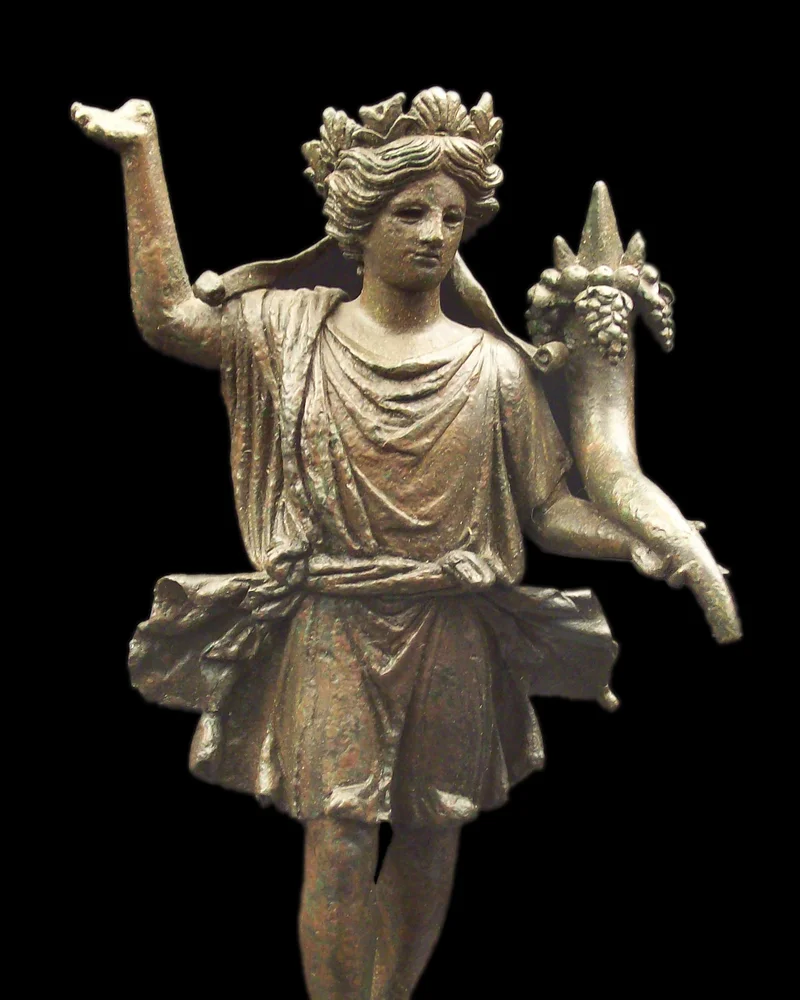
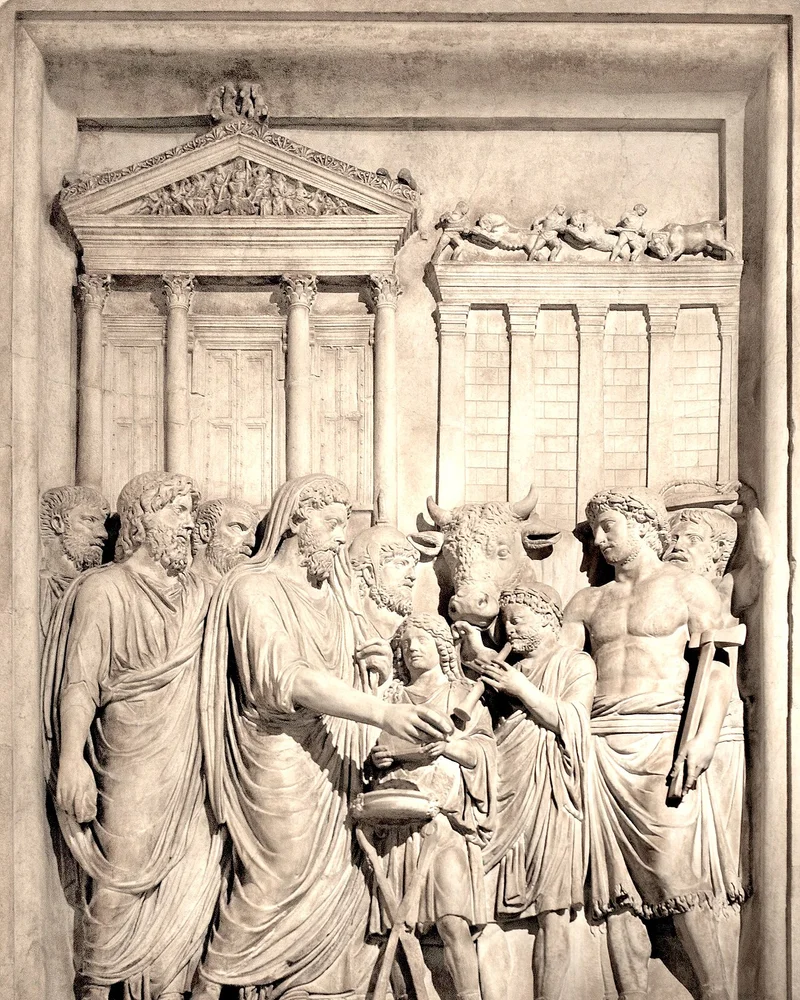
Lares
Benevolent household spirits who protected the home and family. Each Roman household maintained a lararium shrine where offerings were made to these guardian deities. They were honored at crossroads and watched over travelers.
 creature
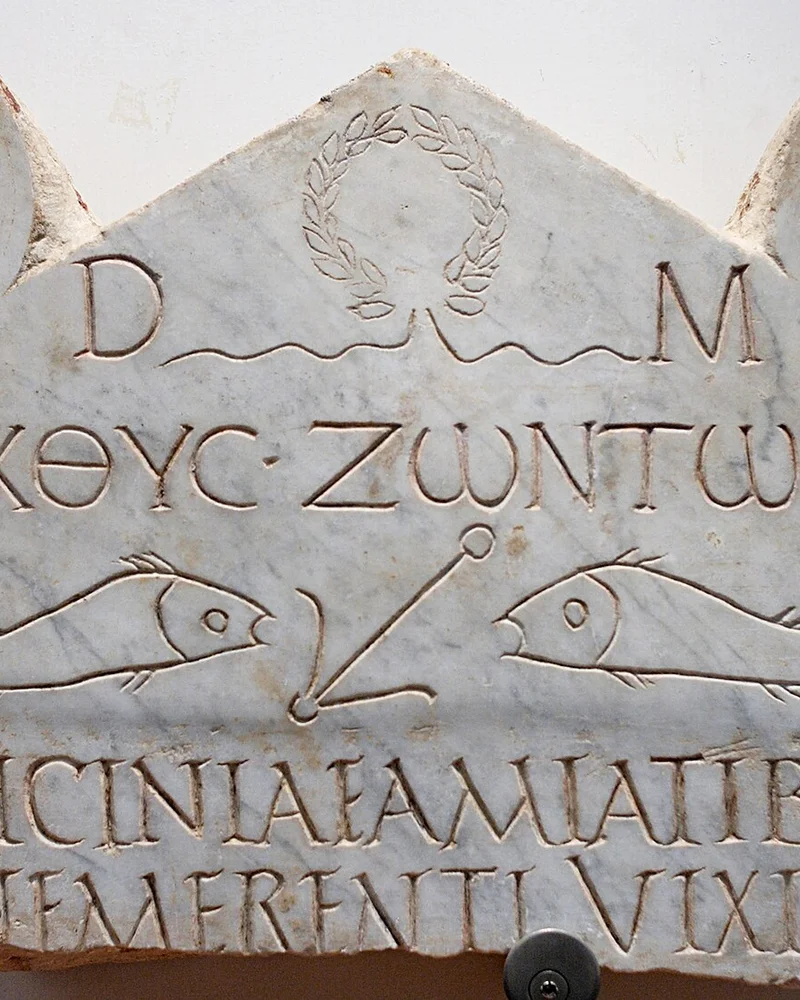
Lemures
Restless spirits of the dead who wandered the earth, often the ghosts of those who died without proper burial or lived wicked lives. During the festival of Lemuria in May, Romans performed rituals to appease these troubled shades.
 creature
Manes
The collective spirits of deceased ancestors, honored as divine beings by their descendants. Romans inscribed 'Dis Manibus' (to the divine Manes) on tombs and offered food and wine at grave sites during the Parentalia festival.
 deity
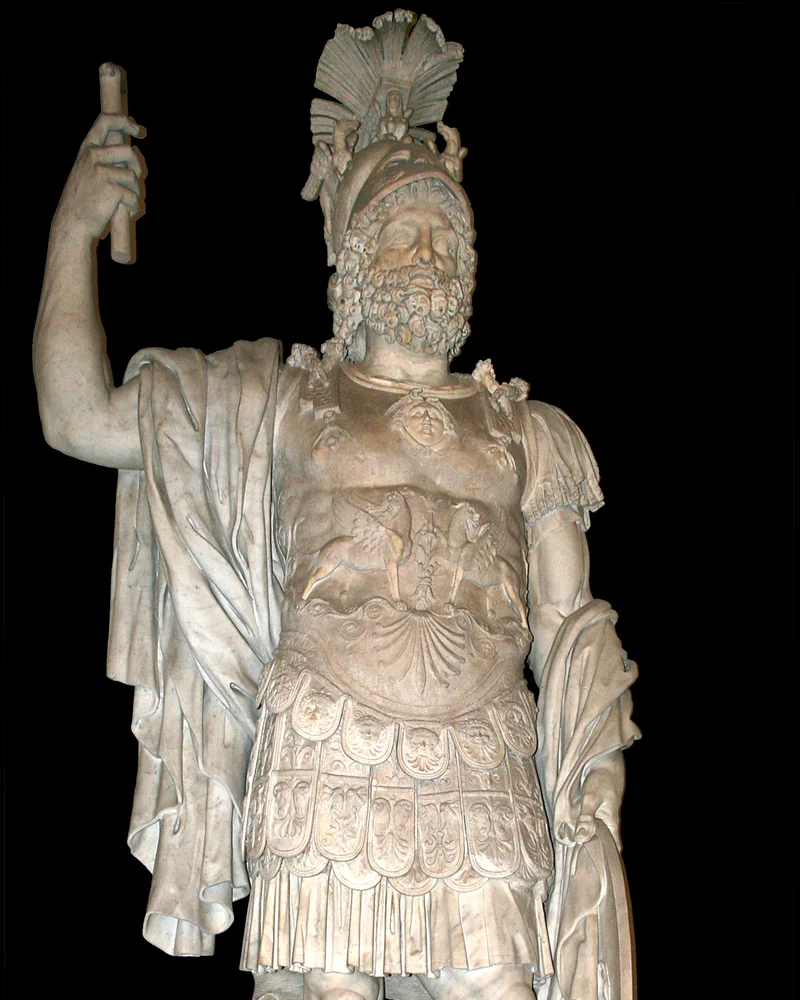
Mars
God of war and guardian of Rome. More prominent in Roman religion than his Greek counterpart Ares, Mars was also a god of agriculture and fertility. Father of Romulus and Remus, legendary founders of Rome.
 deity
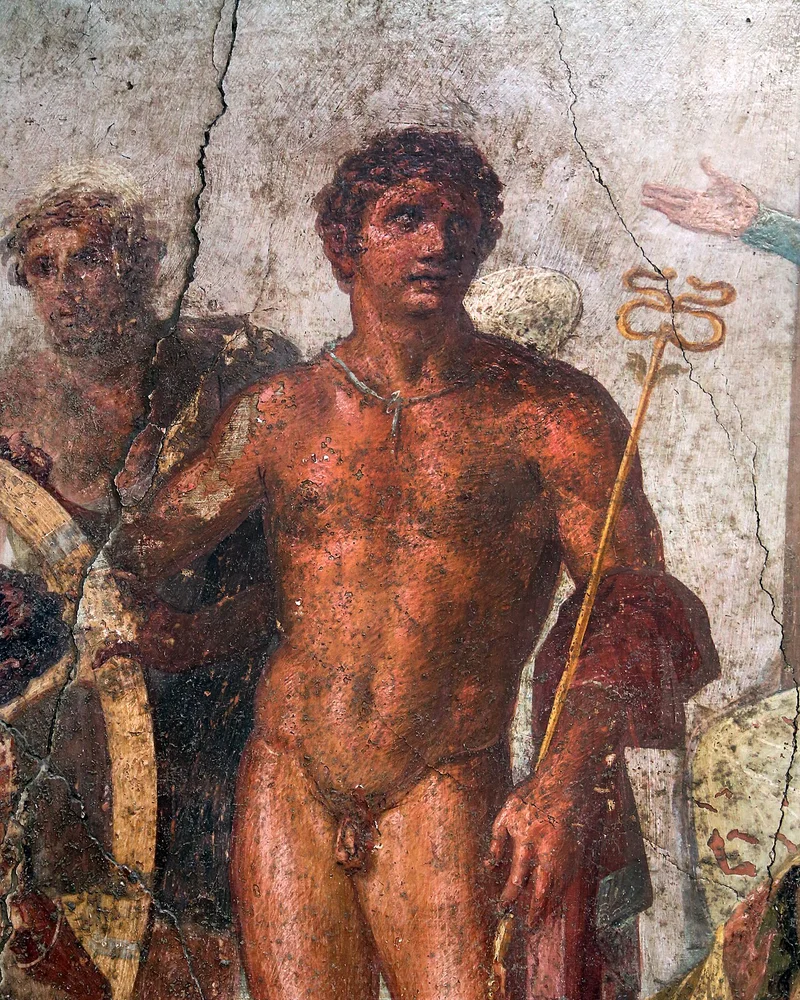
Mercury
Messenger of the gods and god of commerce, eloquence, messages, travelers, boundaries, luck, and thieves. Guide of souls to the underworld. Roman equivalent of Hermes.
 deity
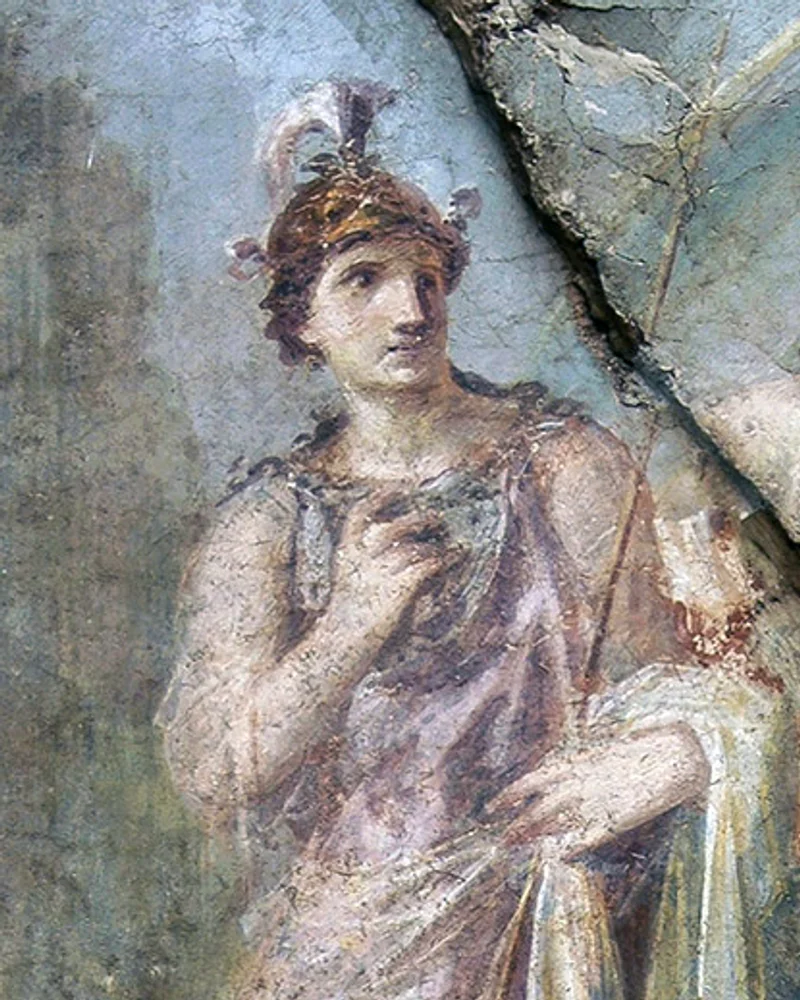
Minerva
Goddess of wisdom, strategic warfare, and crafts. Part of the Capitoline Triad with Jupiter and Juno. Patron of artisans, teachers, and strategic warfare. Roman equivalent of Athena.
 deity
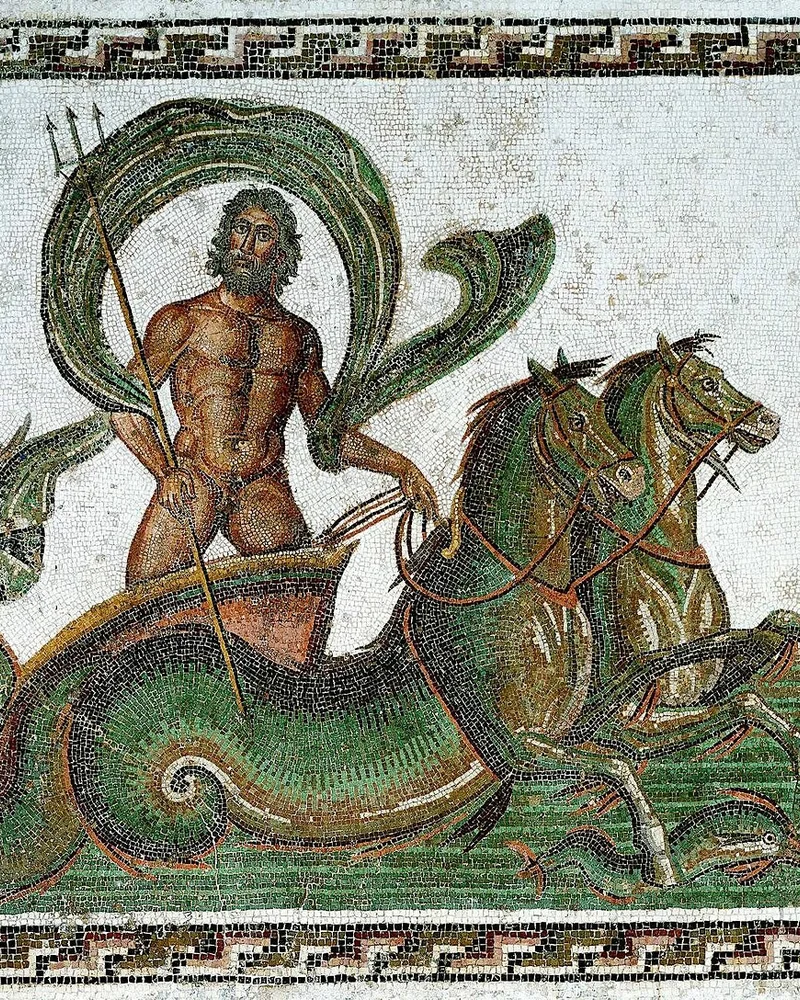
Neptune
God of the sea, earthquakes, and horses. Brother of Jupiter and Pluto, ruler of all waters. Also associated with freshwater springs and patronage of horse racing.
 artifact
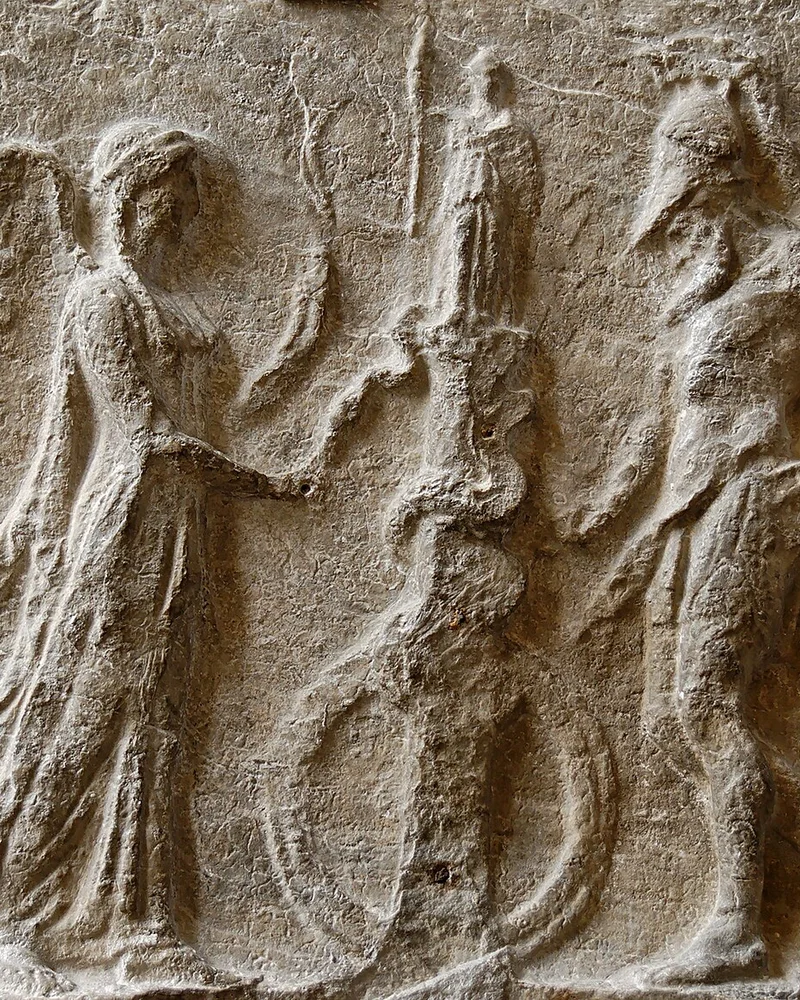
Palladium
A sacred wooden statue of Minerva that fell from the heavens and guaranteed the safety of the city that possessed it. As long as Rome held the Palladium, the city could never fall to its enemies.
 creature
Strix
A terrifying owl-like creature that fed on human flesh and blood, particularly targeting infants. These nocturnal predators were believed to be either transformed witches or beings of ill omen, and their appearance presaged death.
 deity
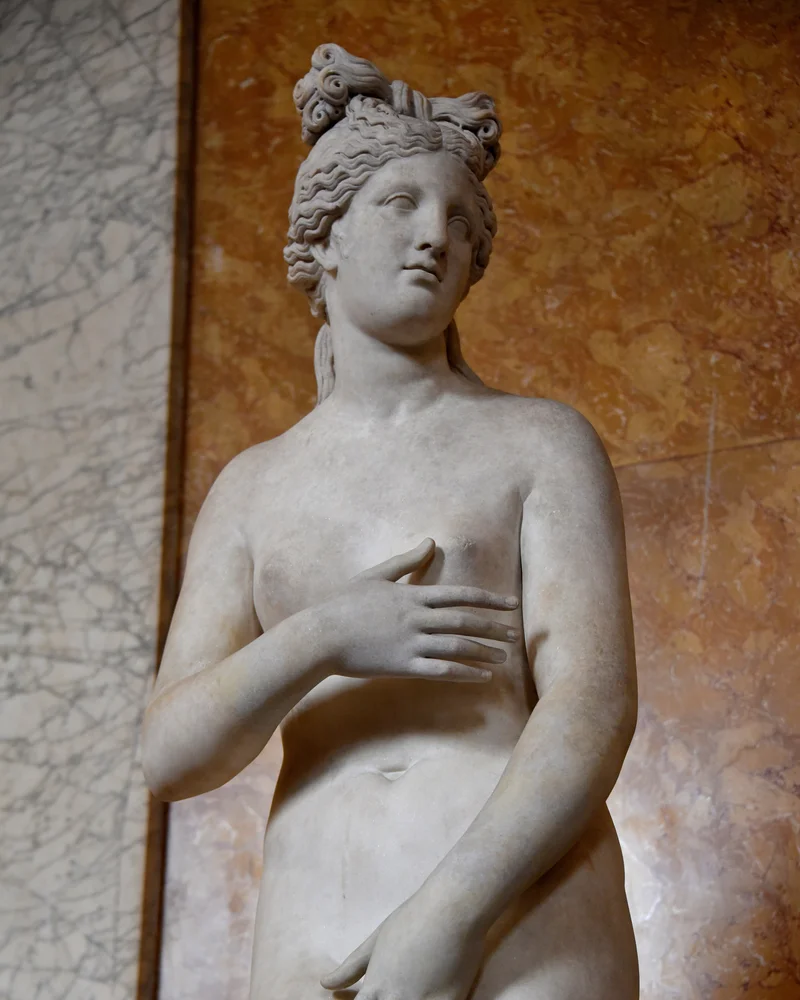
Venus
Goddess of love, beauty, desire, sex, and fertility. Mother of the Roman people through her son Aeneas, ancestor of Romulus. Patron goddess of the Julian family.
 deity
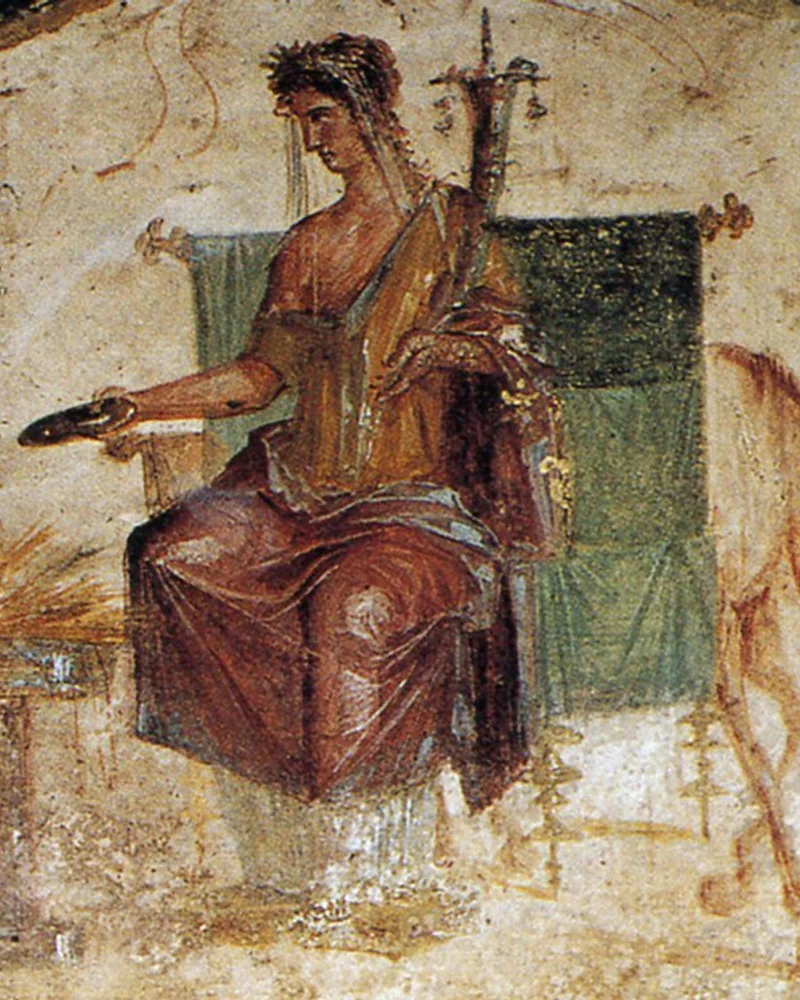
Vesta
Goddess of the hearth, home, and family. Her sacred fire in the Forum Romanum symbolized Rome's eternal life. Served by the Vestal Virgins, priestesses who tended her sacred flame.
 deity
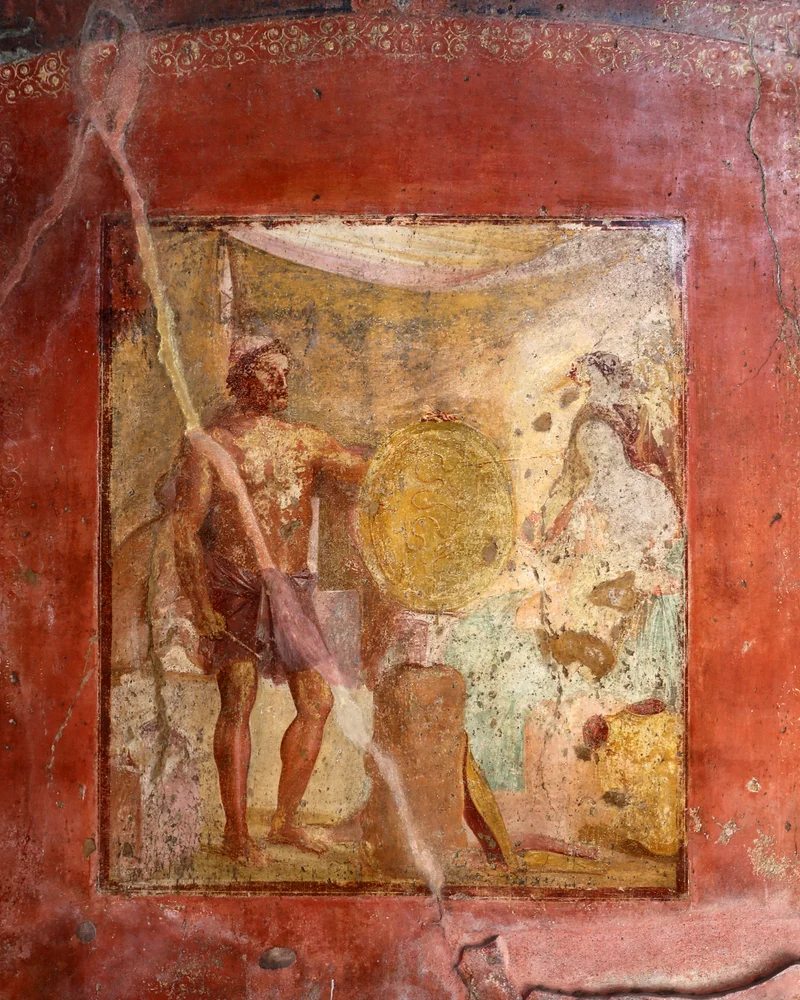
Vulcan
God of fire, metalworking, and the forge. Craftsman of the gods who forged divine weapons and armor. Roman equivalent of Hephaestus. Associated with volcanic activity.