


Polynesian Mythology
Polynesian Mythology traditions, cosmology, and ancient mythology.
Mythological Figures & Lore
Showing all 27 records deity
Haumea
A powerful fertility goddess with the ability to regenerate herself and transform her age. In Hawaiian tradition, Haumea is the mother of Pele and many other deities, and taught humans the secrets of childbirth.
 place
Hawaiki
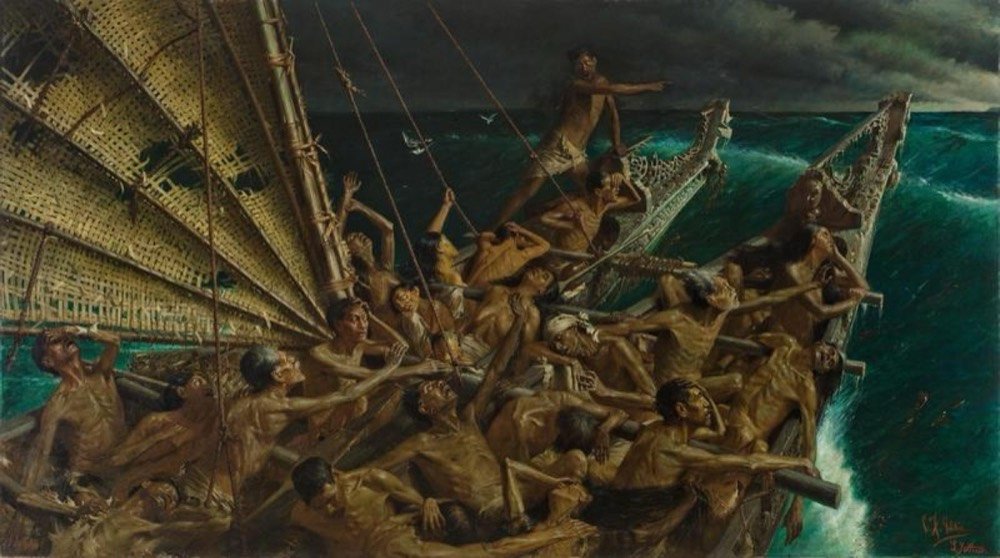
The remembered homeland of Polynesia: the migration canoes set out from it, and the spirits of the dead return to it. Savaii, Hawaii and Raiatea's old name Havaii all carry the same name.
 deity
Hi'iaka
The youngest and most beloved sister of Pele. Hi'iaka is the patron goddess of hula dancers and the protagonist of one of the longest epic narratives in Hawaiian mythology, her journey to fetch Pele's lover Lohiau.
 deity
Hina
The goddess of the moon and women's arts, particularly the making of tapa cloth. Hina appears in many forms across Polynesia, sometimes as the mother of Maui, sometimes as a goddess who fled to the moon.
 artifact
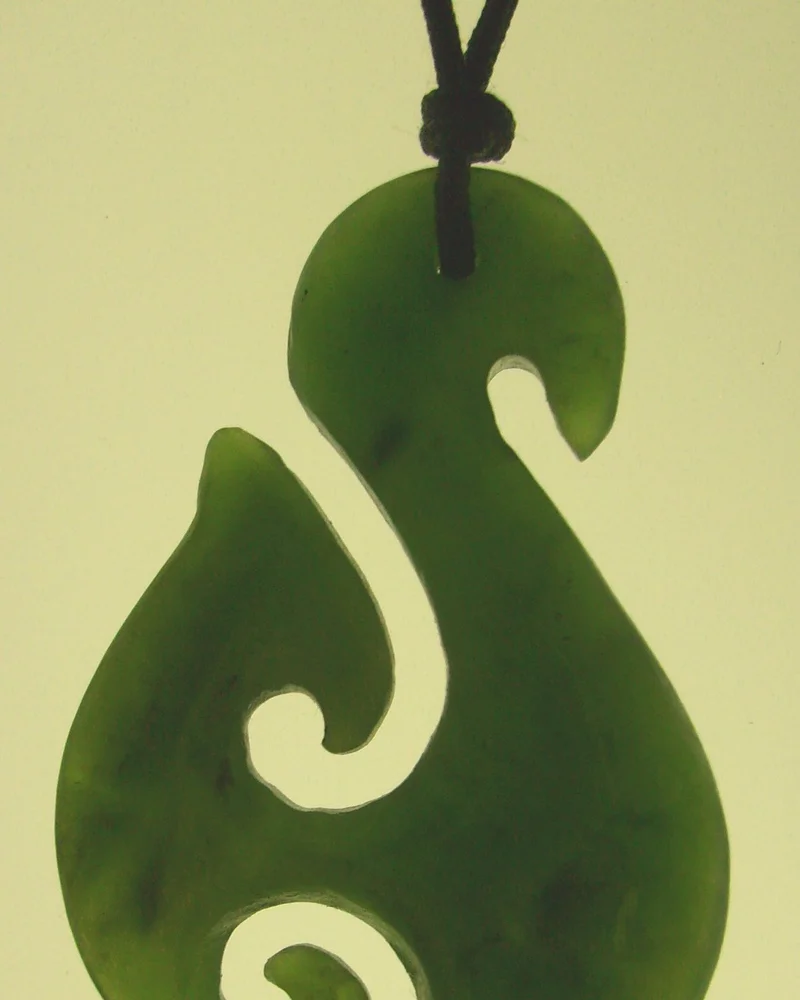
Jawbone of Muri-ranga-whenua
The enchanted jawbone of Māui's grandmother Muri-ranga-whenua, which, in the Māori traditions George Grey published, Māui used as a weapon to beat the sun and as the hook with which he fished up the North Island.
 deity
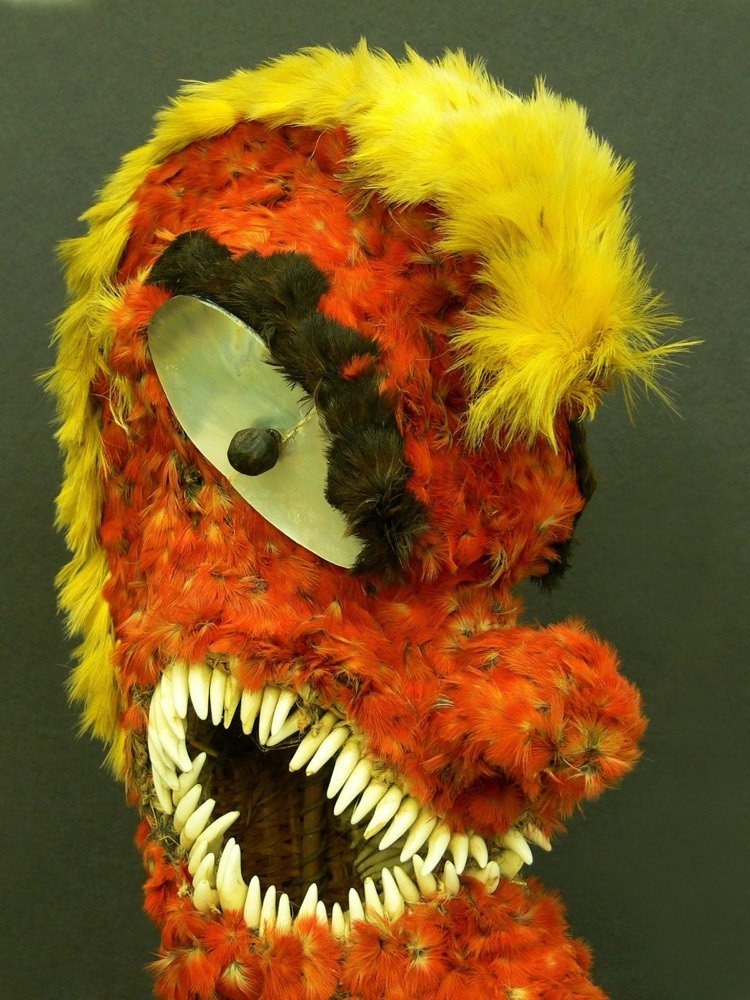
Ku
One of the four great Hawaiian gods; the name means "to stand." As Kukailimoku, "Ku the island snatcher," he was Kamehameha I's war god, embodied in feather images with pearl-shell eyes and dog-tooth mouths.
 hero
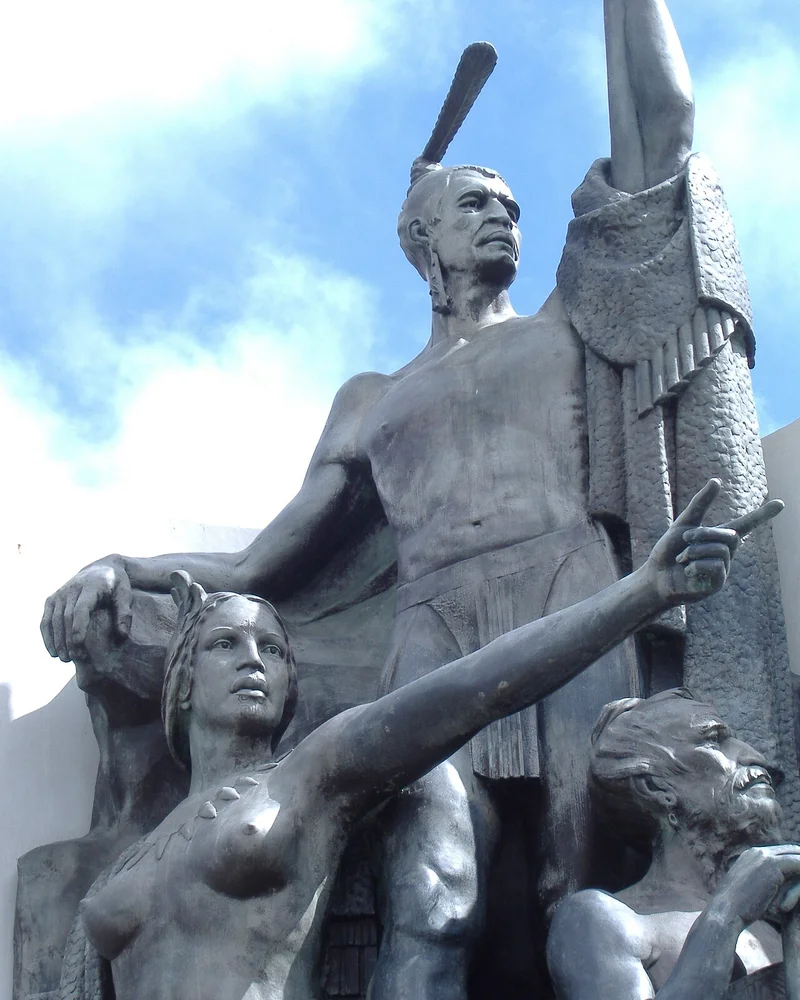
Kupe
Legendary Polynesian navigator credited in Maori oral tradition with discovering Aotearoa (New Zealand) while pursuing a giant octopus across the Pacific from the ancestral homeland of Hawaiki.
 deity
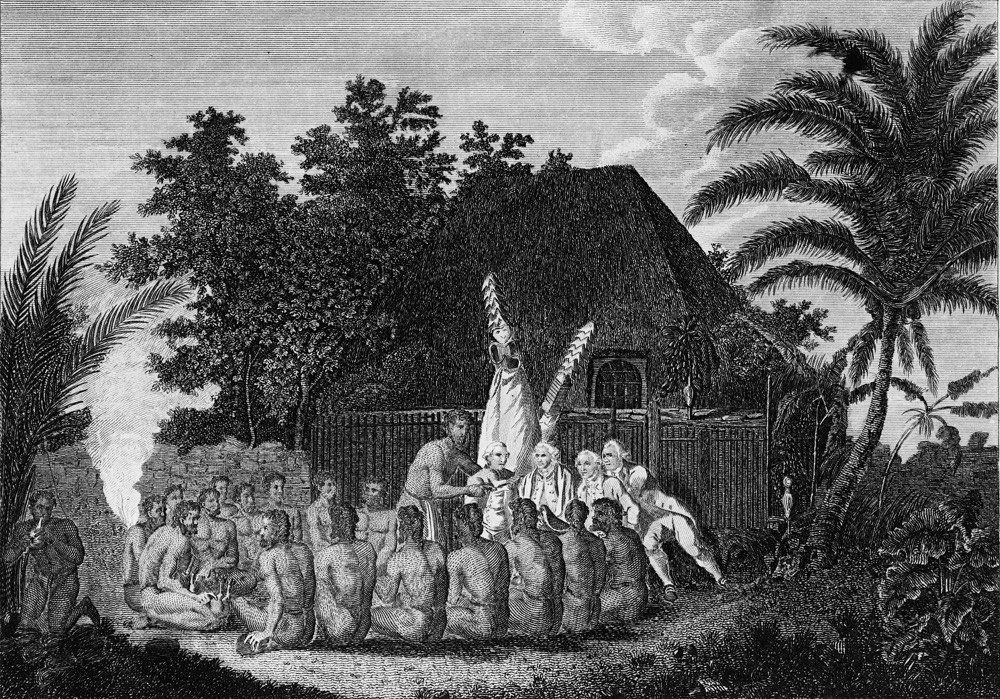
Lono
One of the four great Hawaiian gods, lord of rain, agriculture and peace. The rising of the Pleiades opened his Makahiki festival of truce, tribute and games; Cook reached Kealakekua Bay during it in 1779 and died there weeks later.
 artifact
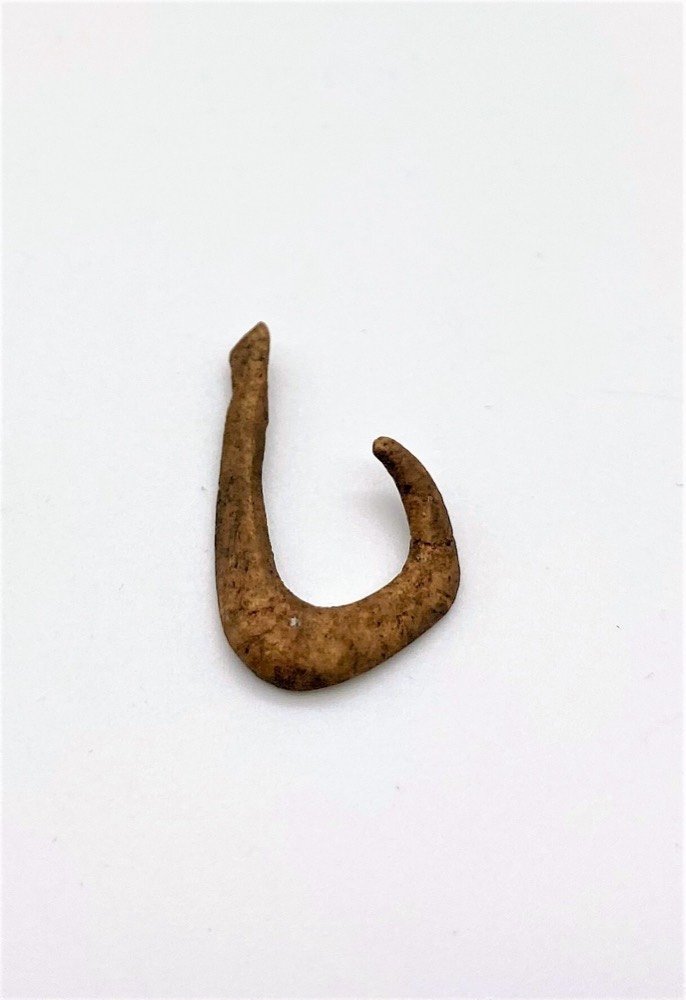
Manaiakalani
Maui's magic fishhook, Manaiakalani in Hawaiian tradition, with which he tried to draw the islands together; in Maori telling it was his grandmother's jawbone and hauled up the North Island. Scorpius's tail still bears its name.
 artifact
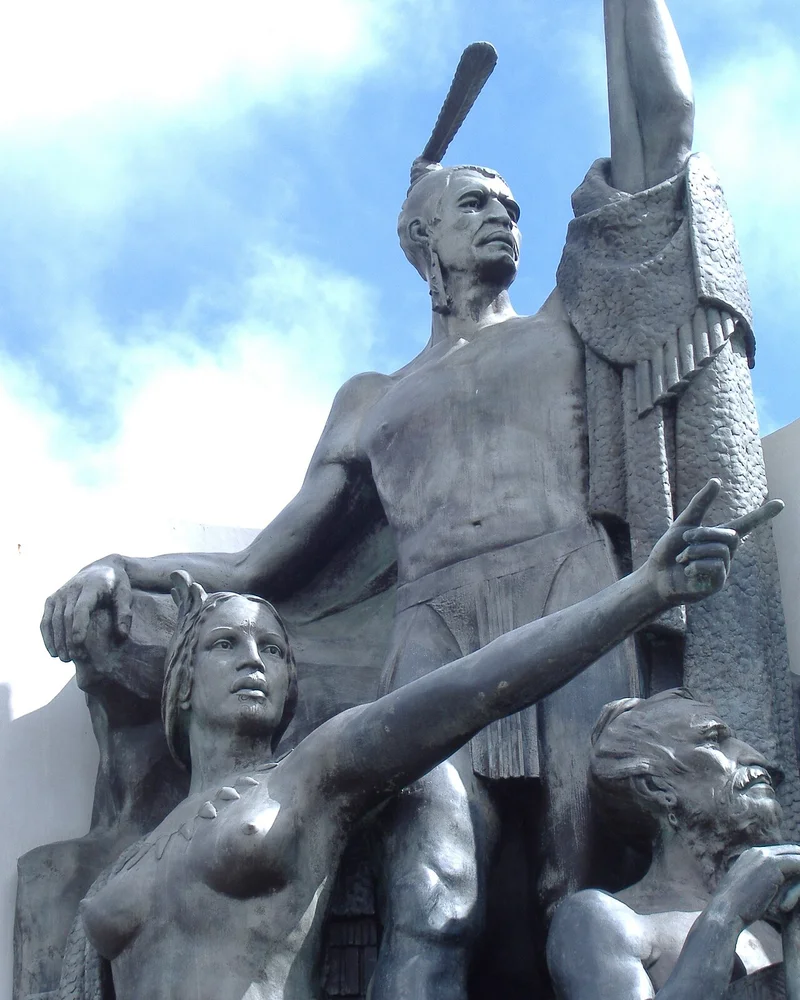
Matahourua
The voyaging canoe in which, in Māori tradition, Kupe crossed from Hawaiki, pursued the great octopus of Muturangi, and discovered Aotearoa.
 hero
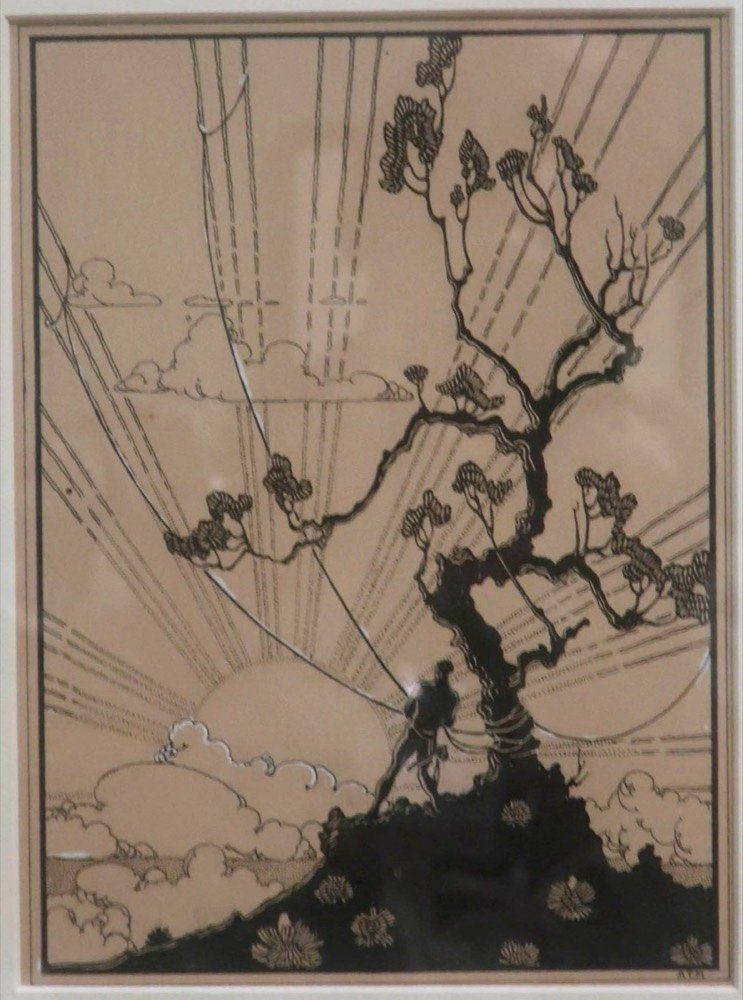
Maui
The trickster demigod known across Polynesia: he fished up land from the sea floor, snared the sun to slow it, stole fire, and died trying to win immortality for humankind.
 spirit
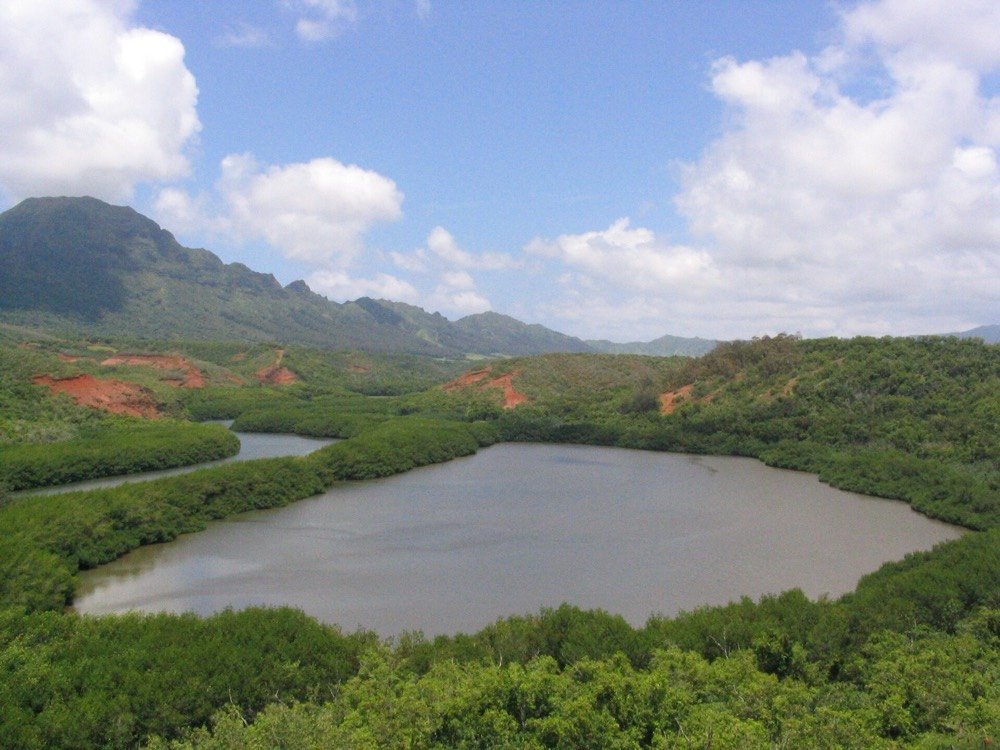
Menehune
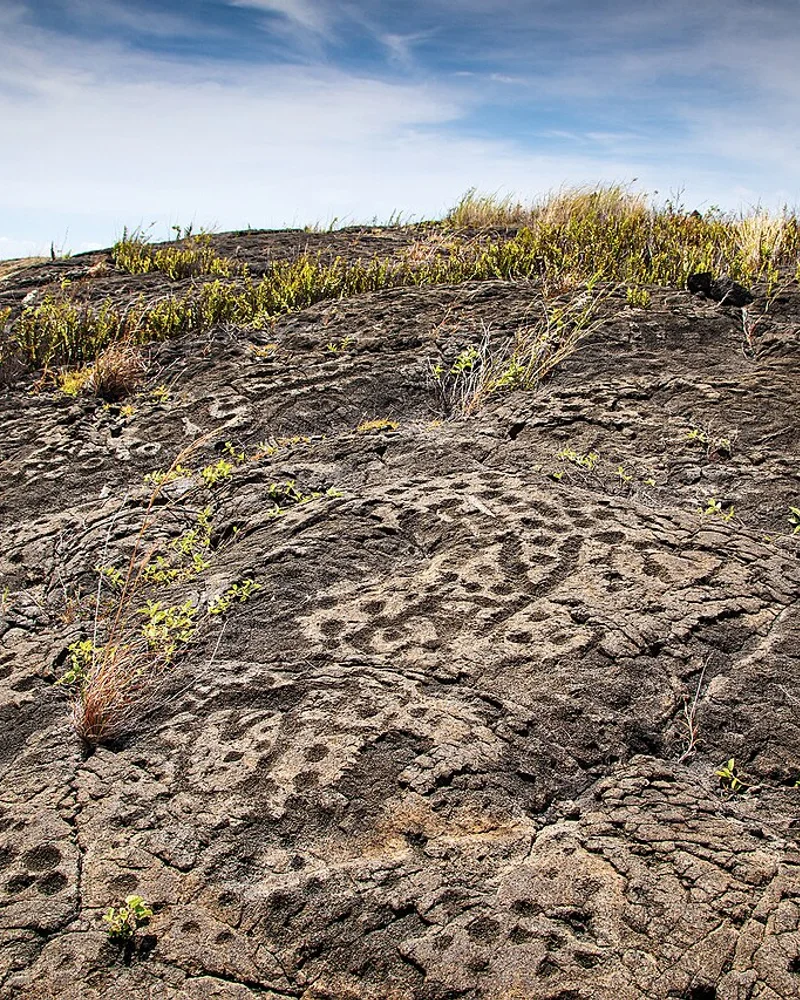
Hawaii's legendary little people, who work only by night and abandon forever any job unfinished by dawn. Kauai's Alekoko fishpond and Kikiaola ditch are credited to them; their pay was one shrimp apiece.
 creature
Moʻo
Hawaiian lizard or dragon spirits that guard freshwater ponds and fishponds. They can appear as beautiful women or as great reptiles — dangerous if disrespected.
 deity
Namaka
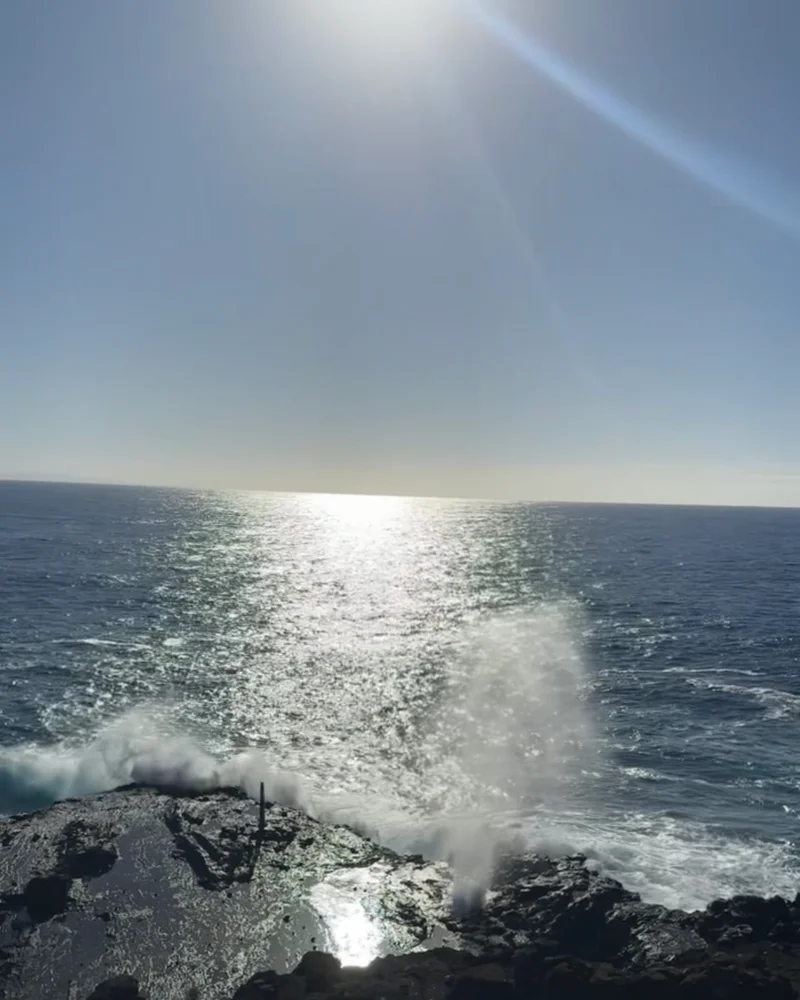
The Hawaiian goddess of the sea and elder sister of Pele. Namaka's eternal conflict with her volcanic sister shaped the Hawaiian islands, as sea and fire battle for dominance.
 artifact
Ngā Kete o te Wānanga
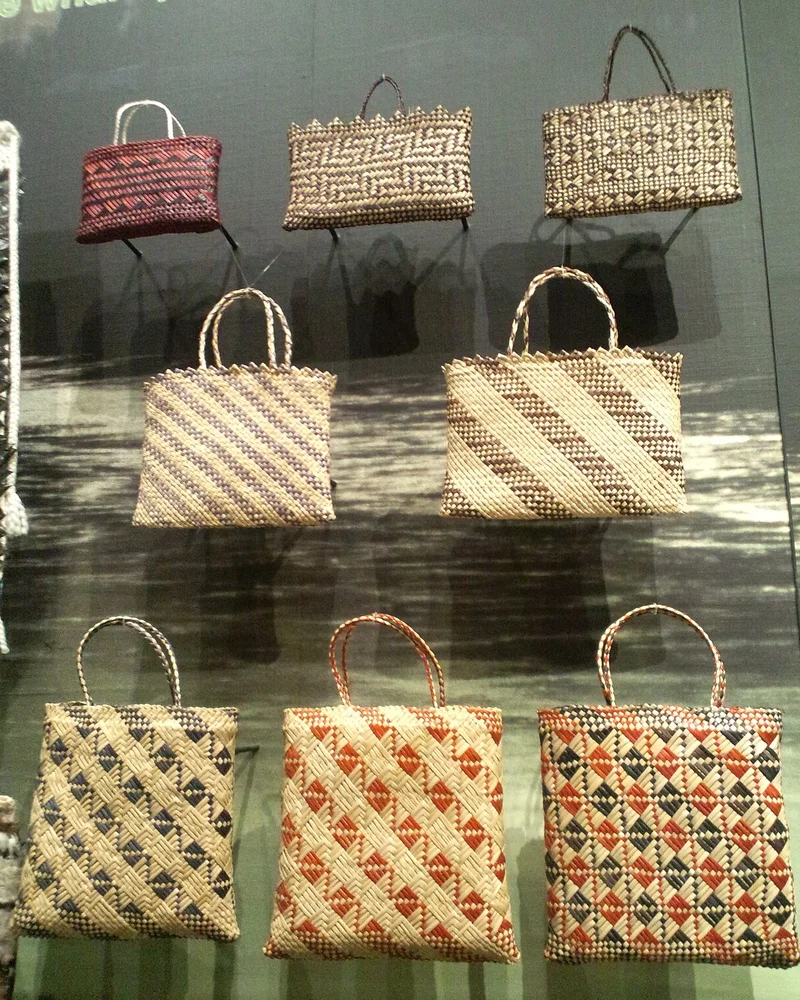
The three baskets of knowledge that, in Māori tradition, were brought down from the uppermost heaven: most often credited to Tāne, and in other tribal traditions to Tāwhaki.
 deity
Papa
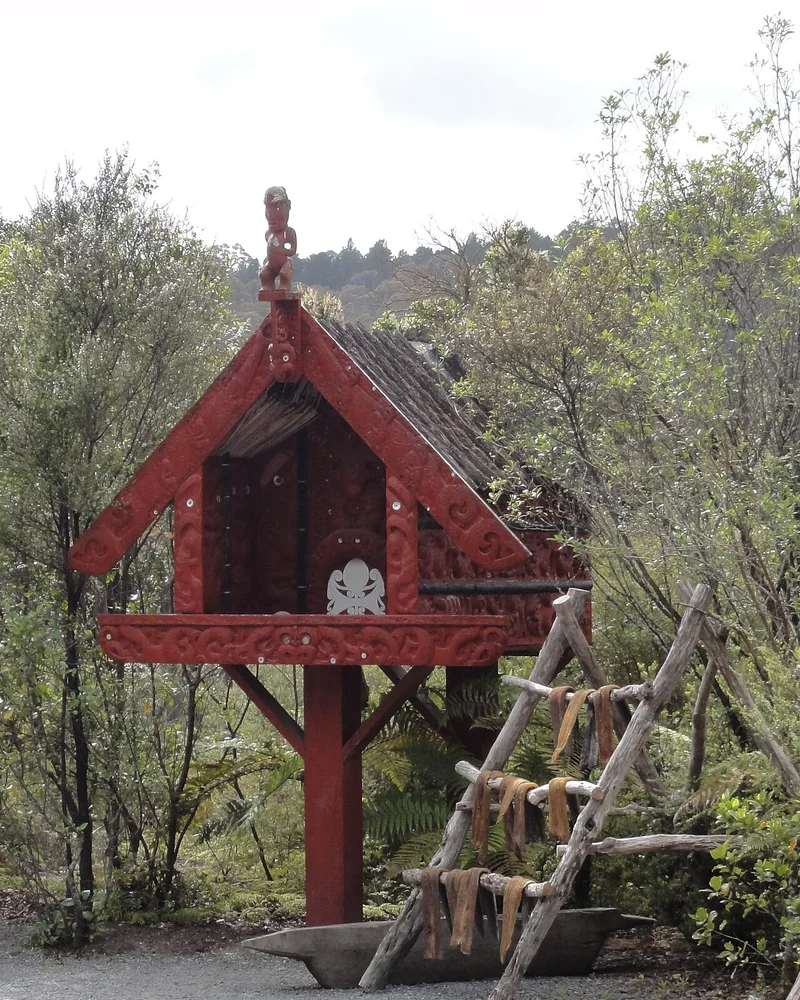
The Earth Mother, wife of Rangi the Sky Father. Papa lay in eternal embrace with Rangi until their children separated them, bringing light into the world. She remains the foundation upon which all life exists.
 deity
Pele
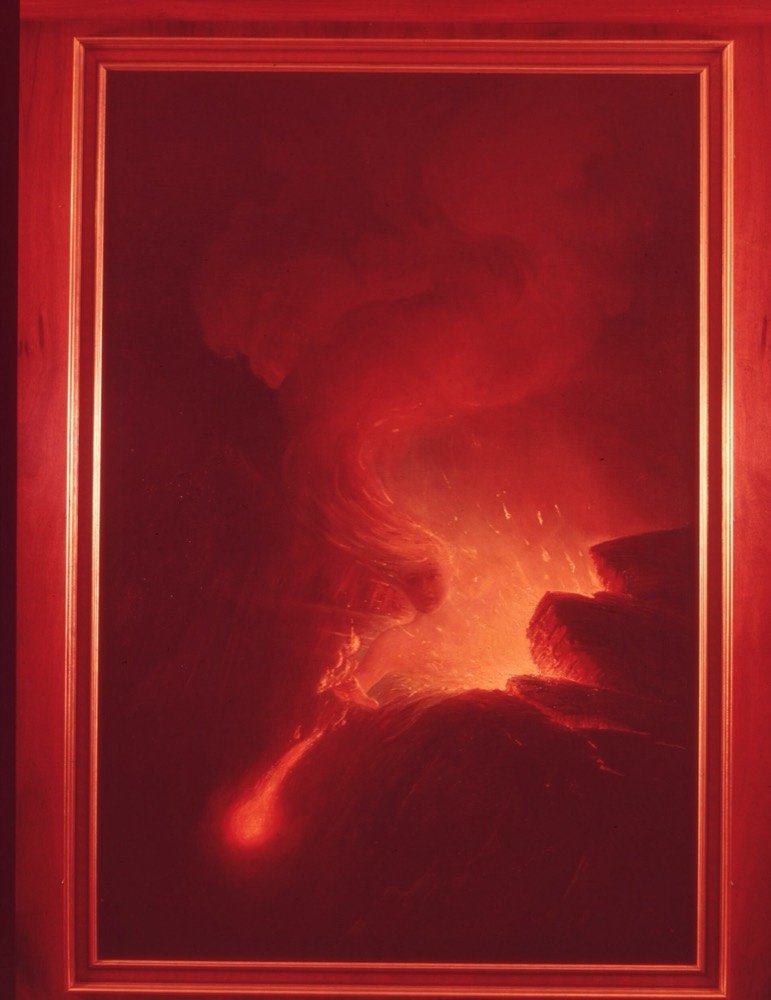
The Hawaiian volcano goddess who dwells in Halemaumau crater on Kilauea. Chased down the island chain by her sea-goddess sister, she dug fire pits at each island until settling there. Offerings continue today.
 deity
Poliahu
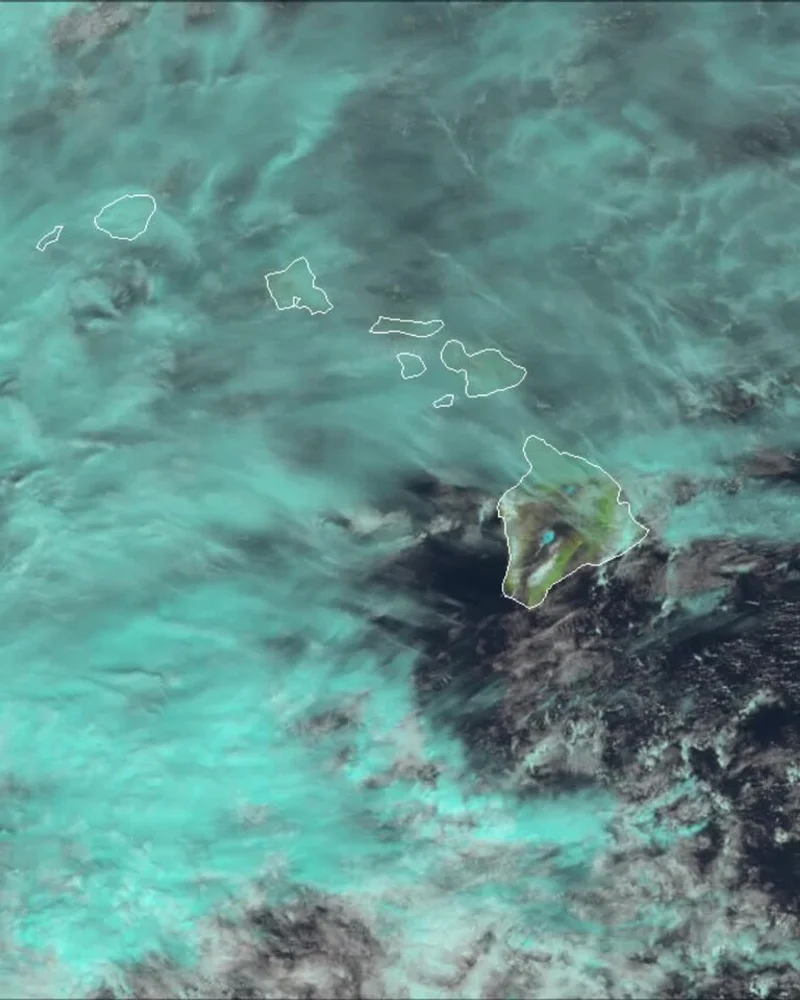
The Hawaiian goddess of snow and ice, resident of Mauna Kea. Poliahu is Pele's rival, and their conflict represents the opposition of ice and fire on Hawaii's highest mountain.
 tale
Rangi and Papa
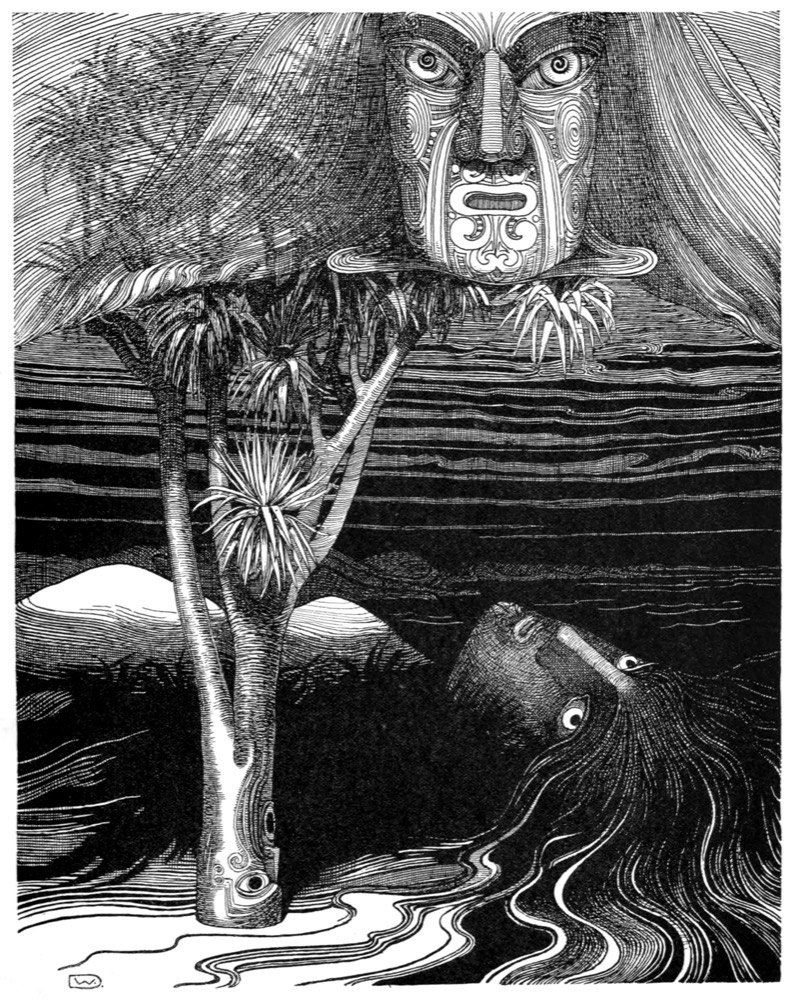
The Maori creation narrative: sky father Rangi and earth mother Papa lay locked in embrace until their son Tane forced them apart. Rain is the father's tears; morning mist, the mother's sighs.
 deity
Rangi
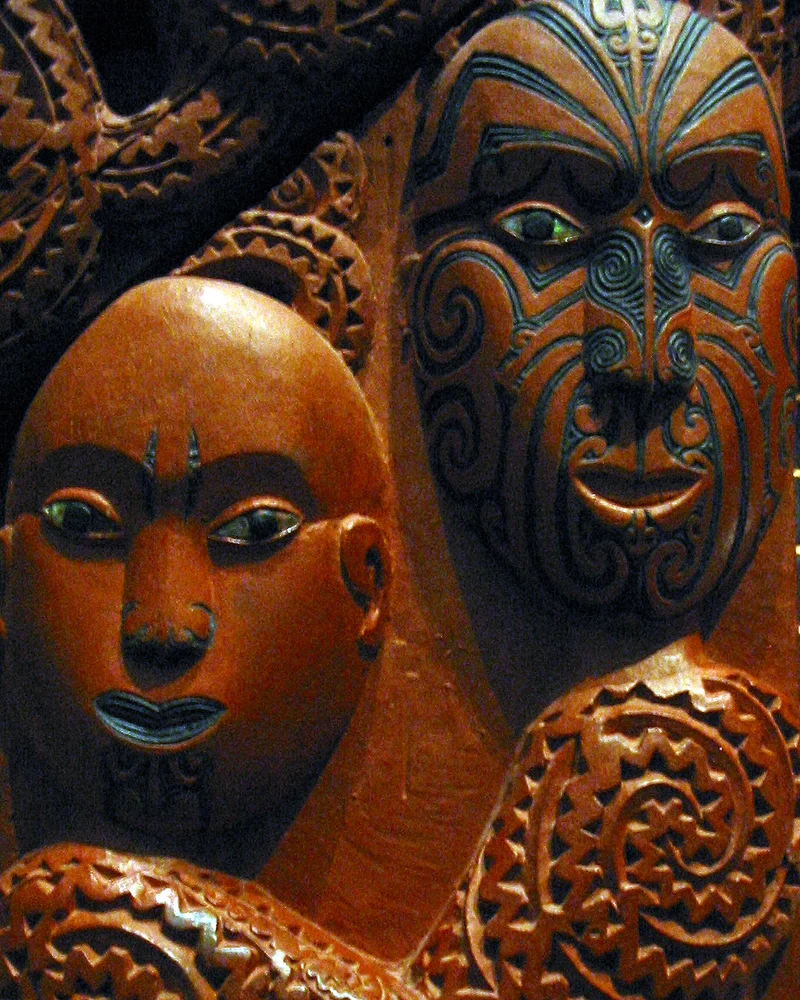
The Sky Father, husband of Papa the Earth Mother. Rangi was forced apart from his wife by their children, and now weeps for her from above, his tears falling as rain upon her body.
 deity
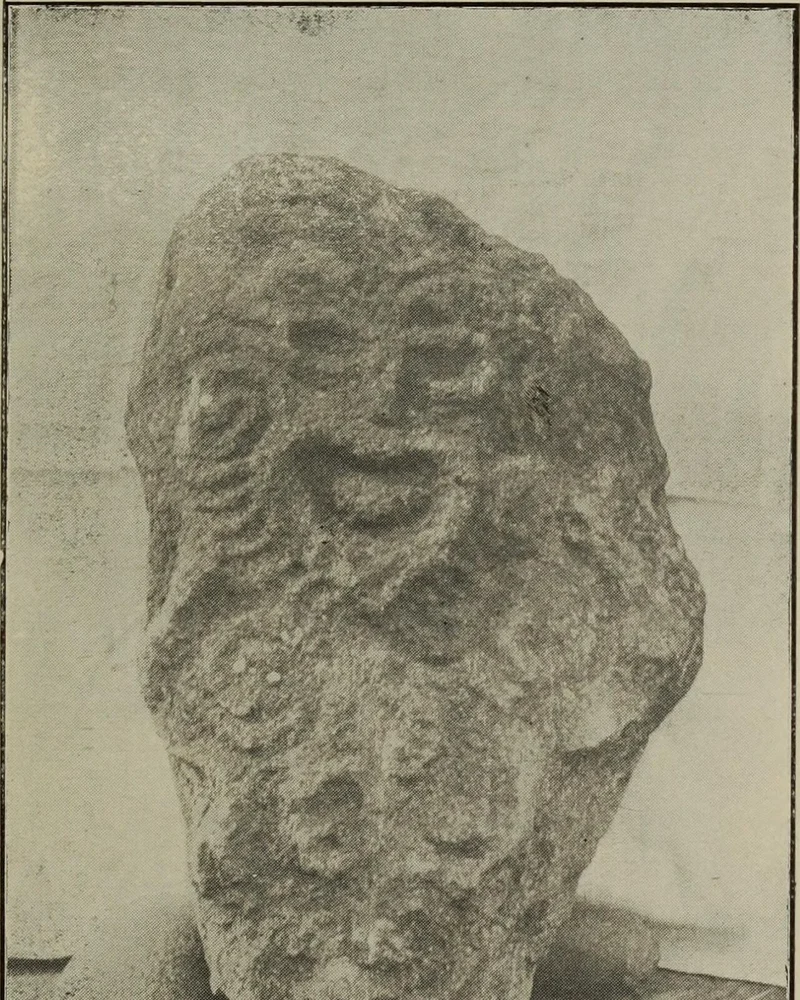
Rongo
The god of cultivated plants, peace, and agriculture. Rongo represents the peaceful arts of cultivation that sustain life, standing in contrast to his brother Tu's warlike nature.
 deity
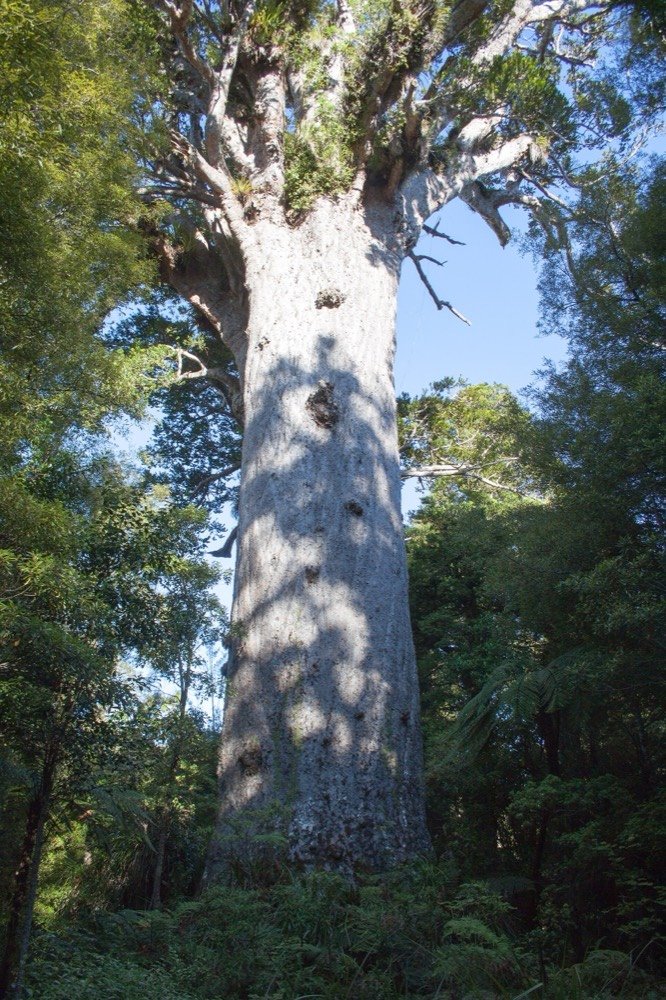
Tane
The Maori god of forests and birds. He thrust sky and earth apart to let in light, shaped the first woman from red earth, and climbed the heavens to bring back three baskets of knowledge.
 deity
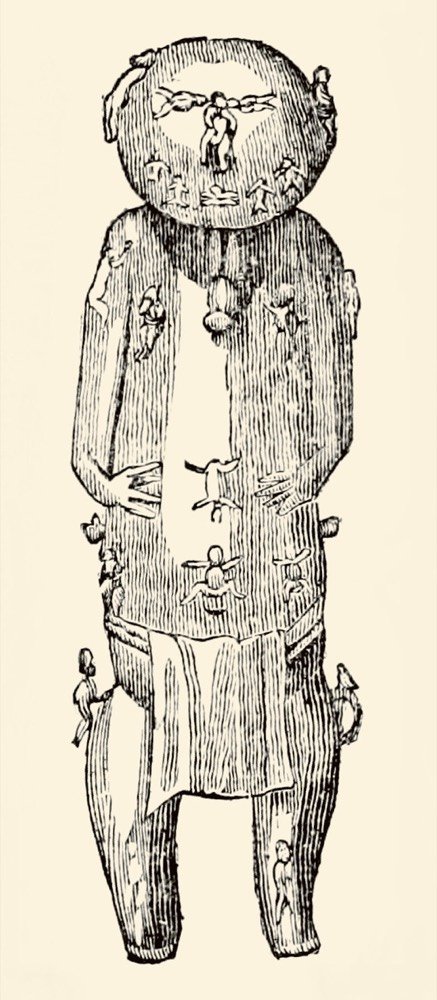
Tangaroa
The great sea god shared across Polynesia: in Maori tradition a son of Rangi and Papa and ancestor of fish; in Tahiti, as Taaroa, the supreme creator who broke out of a primal shell.
 creature
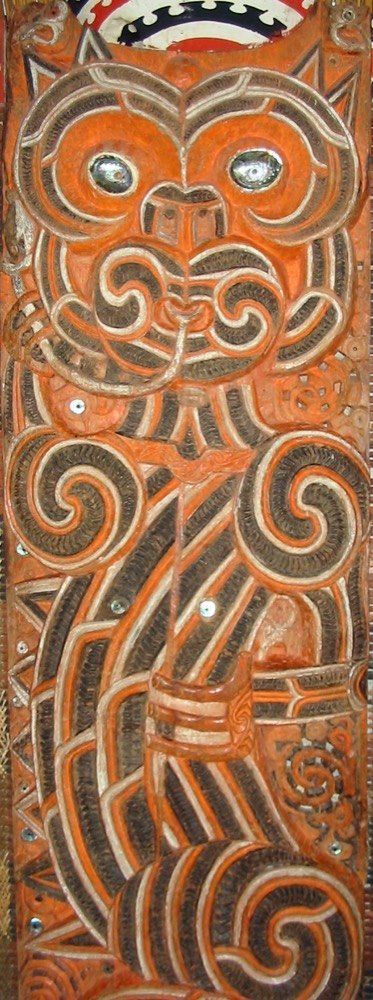
Taniwha
Beings of Maori tradition dwelling in deep pools, river bends and sea caves — tribal guardians to some, man-eaters in the old tales. In 2002 a taniwha's lair rerouted State Highway 1.
 deity
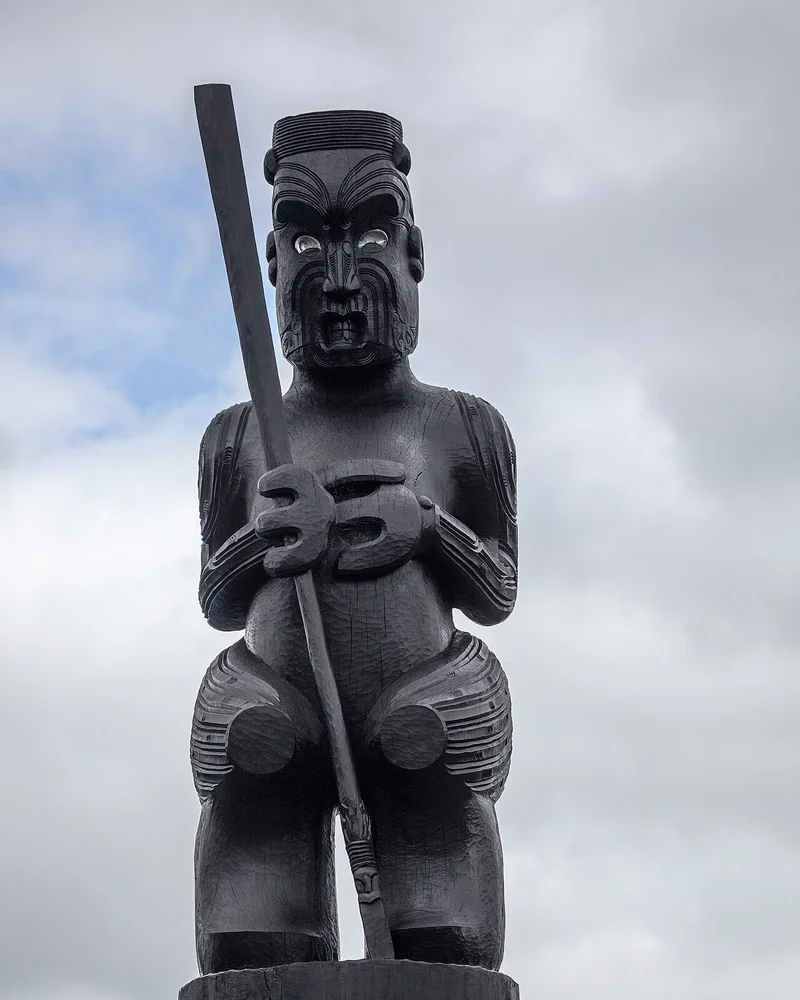
Tawhirimatea
The Maori god of weather, winds, and storms. Tawhirimatea was the only one of Rangi and Papa's children to oppose their separation, and he still attacks his brothers with storms in revenge.
 hero
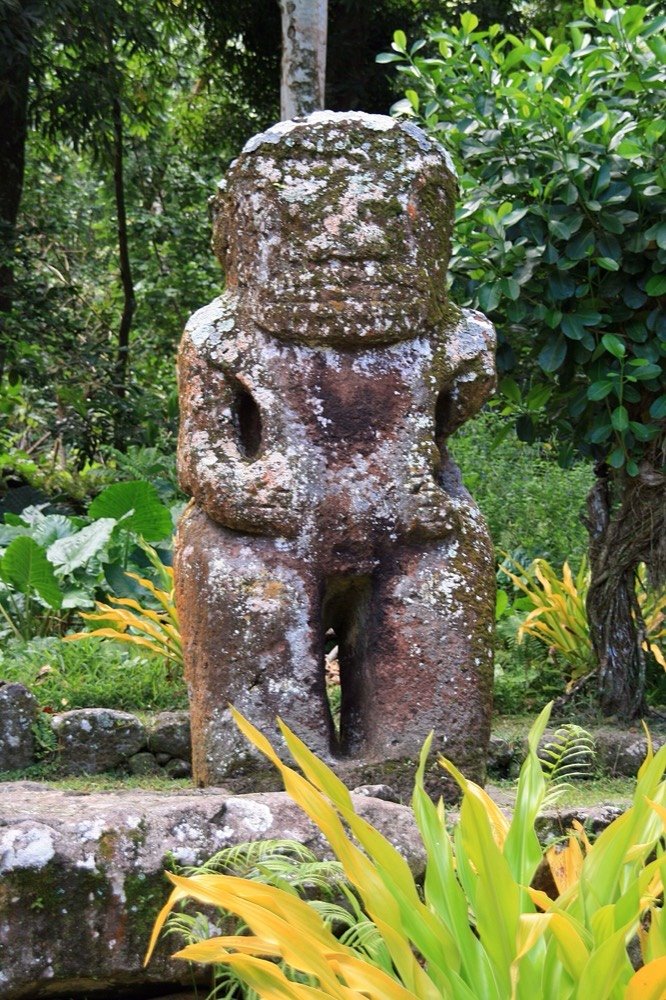
Tiki
The first man of East Polynesian tradition, made by the gods in Maori accounts; in the Marquesas he shaped the first woman from sand. The name also covers carved human figures such as the Maori hei-tiki pendant.
 deity
Tu
The fierce god of war and human endeavor. Tu represents the aggressive, active principle necessary for survival, from warfare to hunting to the cultivation of crops.