


Mesopotamian Mythology
Mesopotamian Mythology traditions, cosmology, and ancient mythology.
Mythological Figures & Lore
Showing all 27 records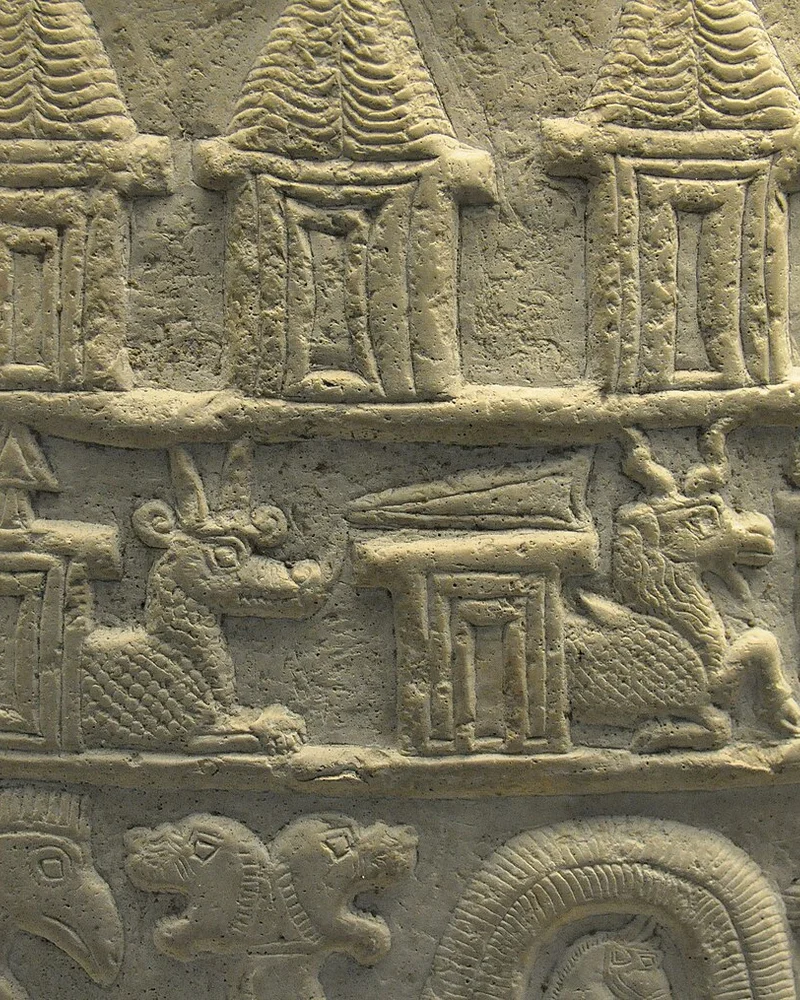 deity
Anu
King of the gods and lord of the heavens. Anu is the supreme deity of the Mesopotamian pantheon, father of the gods, and source of all royal authority.
 creature
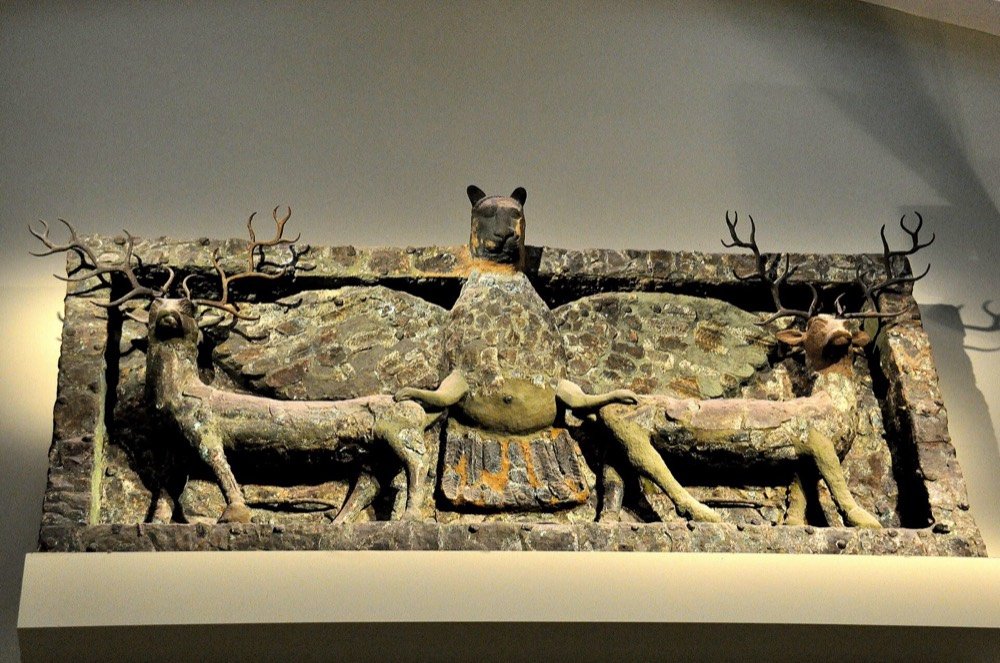
Anzu
The lion-headed storm eagle who stole the Tablet of Destinies while Enlil bathed, until Ninurta shot it down by stratagem; in other poems the great bird repays kindness with gifts.
 deity
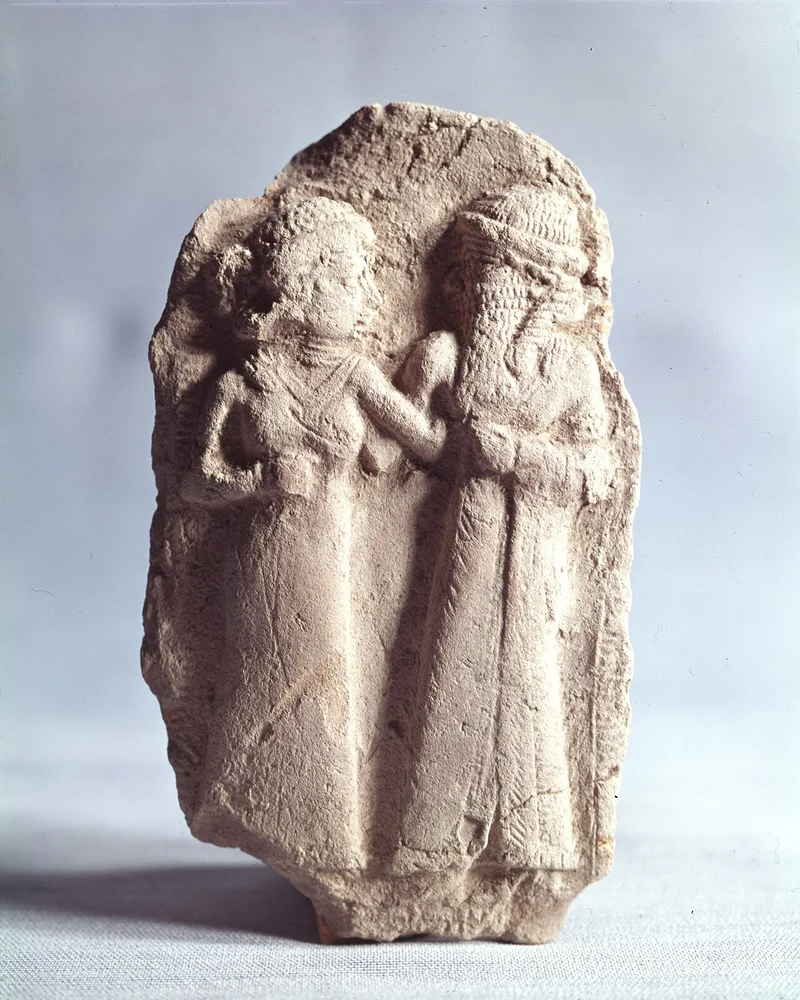
Dumuzi
Shepherd god and consort of Inanna, taken to the underworld in her place after her return from the land of the dead. Dumuzi's death and the yearly mourning for him, later widely known as Tammuz, became one of the most enduring cult patterns of the ancient Near East.
 deity
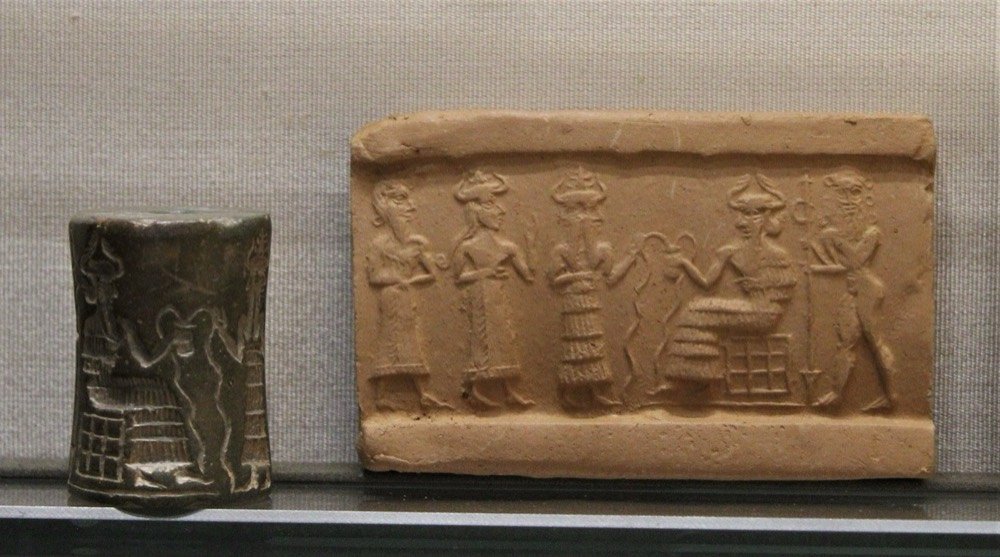
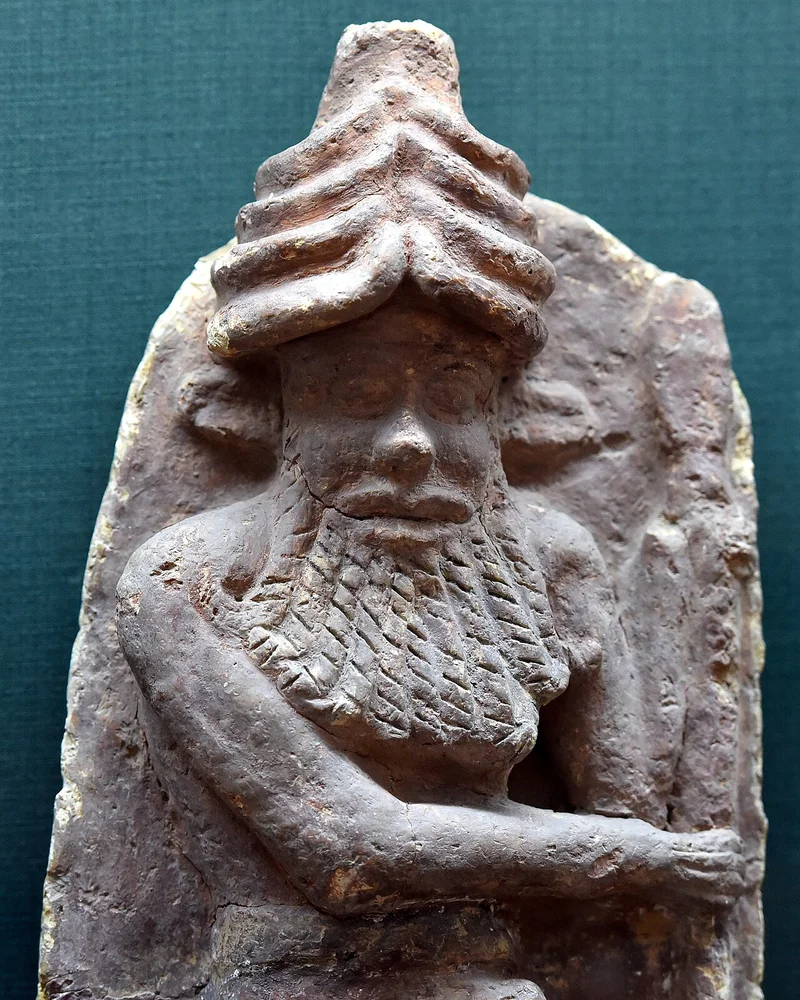
Enki
God of wisdom, fresh water, and crafts, Akkadian Ea, dwelling in the Abzu at Eridu. He proposed the creation of humankind and leaked the secret of the coming Flood through a reed wall.
 deity
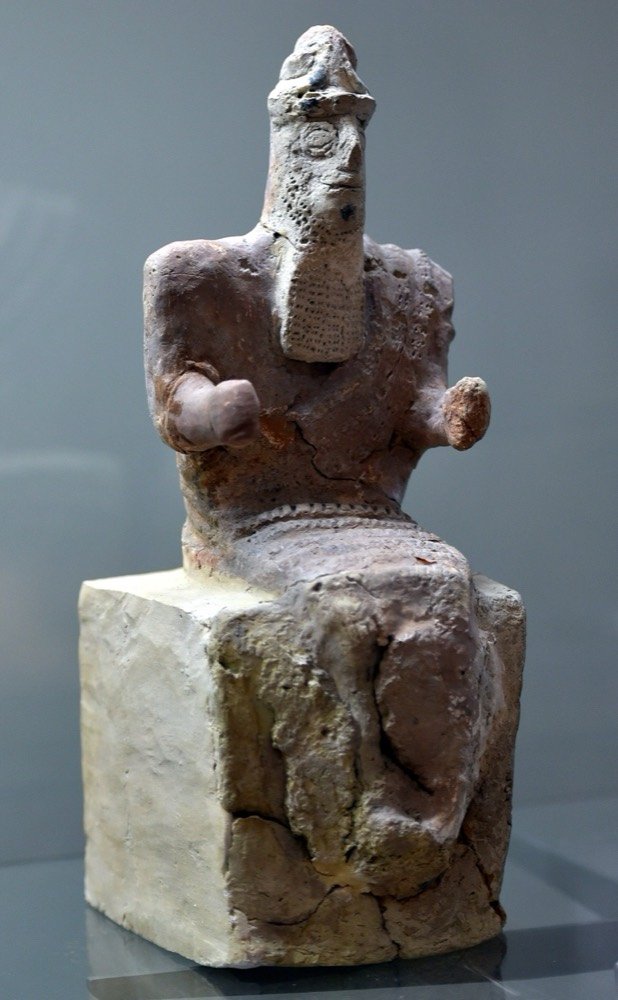
Enkidu
The wild man created by the gods to be Gilgamesh's equal. Enkidu embodies the natural world and, through his civilization and friendship with Gilgamesh, represents the journey from beast to human to divine consciousness.
 deity
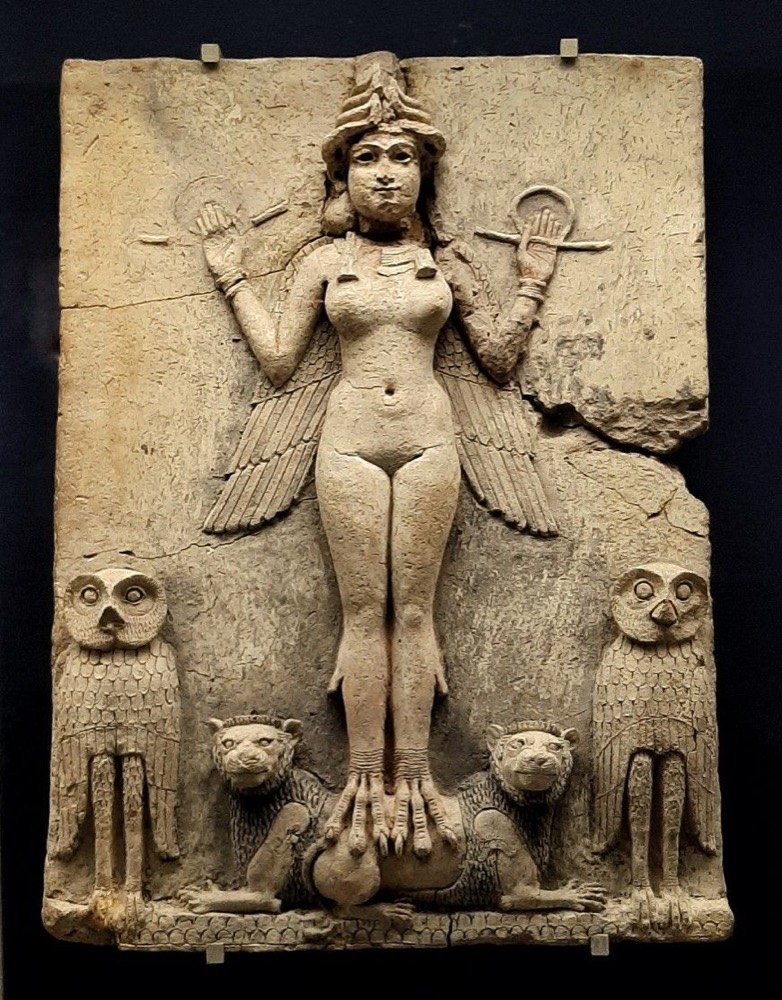
Enlil
'Lord Wind,' effective head of the Sumerian pantheon and keeper of the Tablet of Destinies, worshipped at Nippur. He split heaven from earth with a pickaxe — and sent the Flood because humans grew too noisy.
 deity
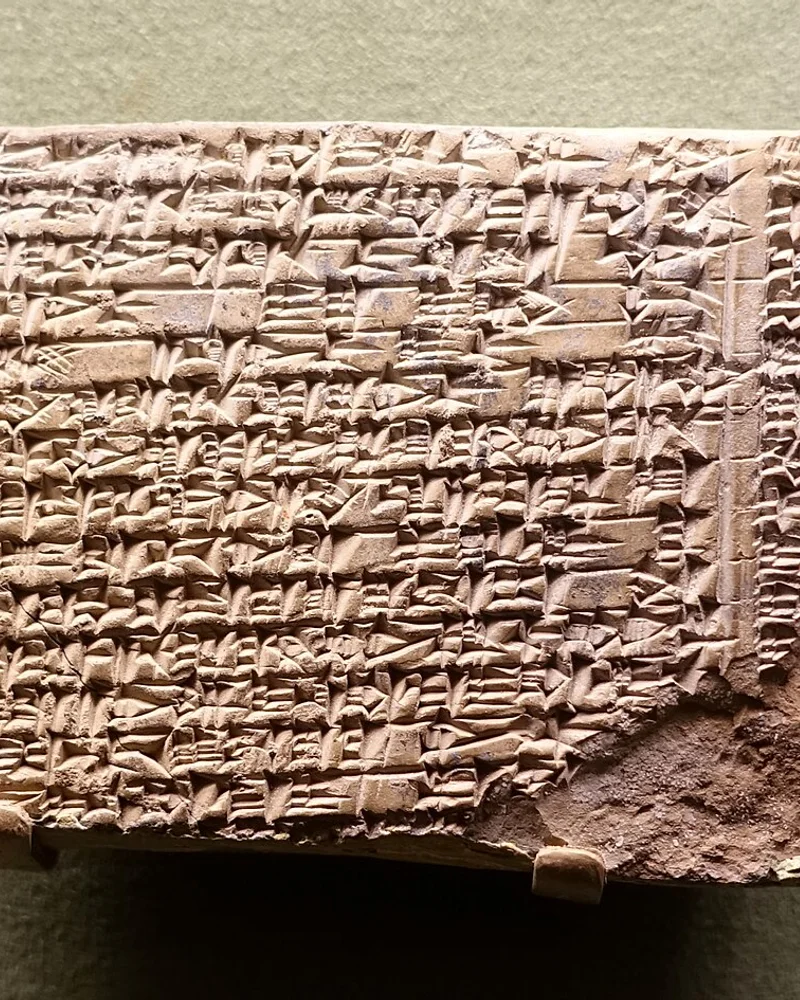
Ereshkigal
The “Lady of the Great Earth” rules the netherworld. Inanna is stripped at her seven gates, while Ereshkigal herself can send only a messenger to the feasts above.
 hero
Etana
Legendary early king of Kish, recorded in the Sumerian King List as "the shepherd who ascended to heaven," and hero of the Myth of Etana, who flew on the back of an eagle in search of a plant that would let his wife bear him an heir.
 hero
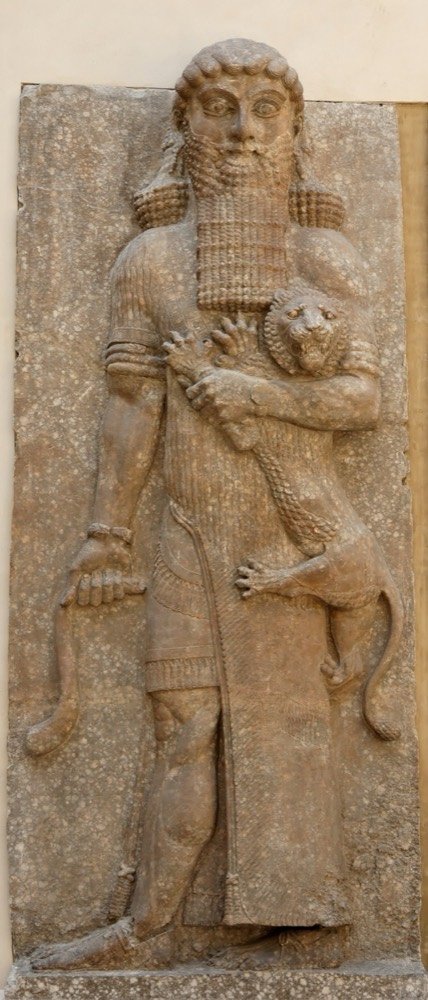
Gilgamesh
King of Uruk, two-thirds divine. With his friend Enkidu he slew Humbaba and the Bull of Heaven; after Enkidu's death he sought immortality in vain. His epic is among the oldest surviving works of literature.
 creature
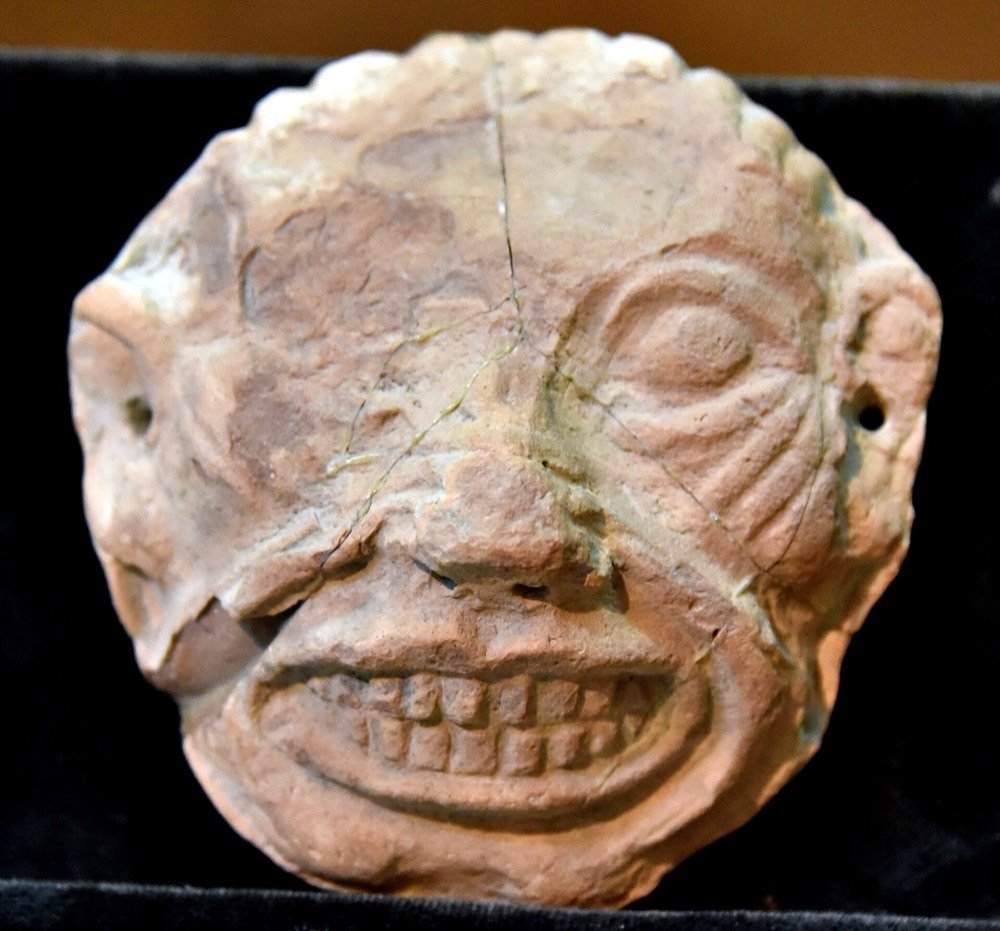
Humbaba
Guardian of the Cedar Forest appointed by Enlil, his face a coil of entrails, his roar the Deluge. Gilgamesh and Enkidu tricked him out of his seven auras and killed him despite his pleas.
 artifact
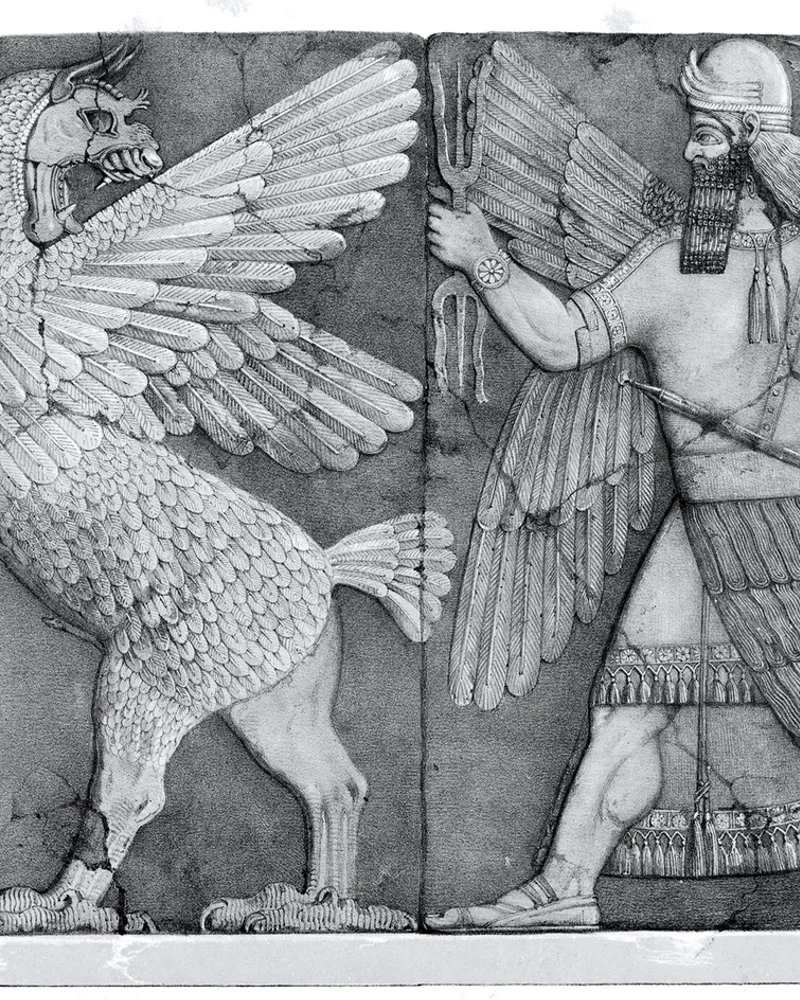
Imhullu (Evil Wind)
The storm-weapon Marduk used to swell Tiamat's belly before piercing her with an arrow in the Enuma Elish.
 deity
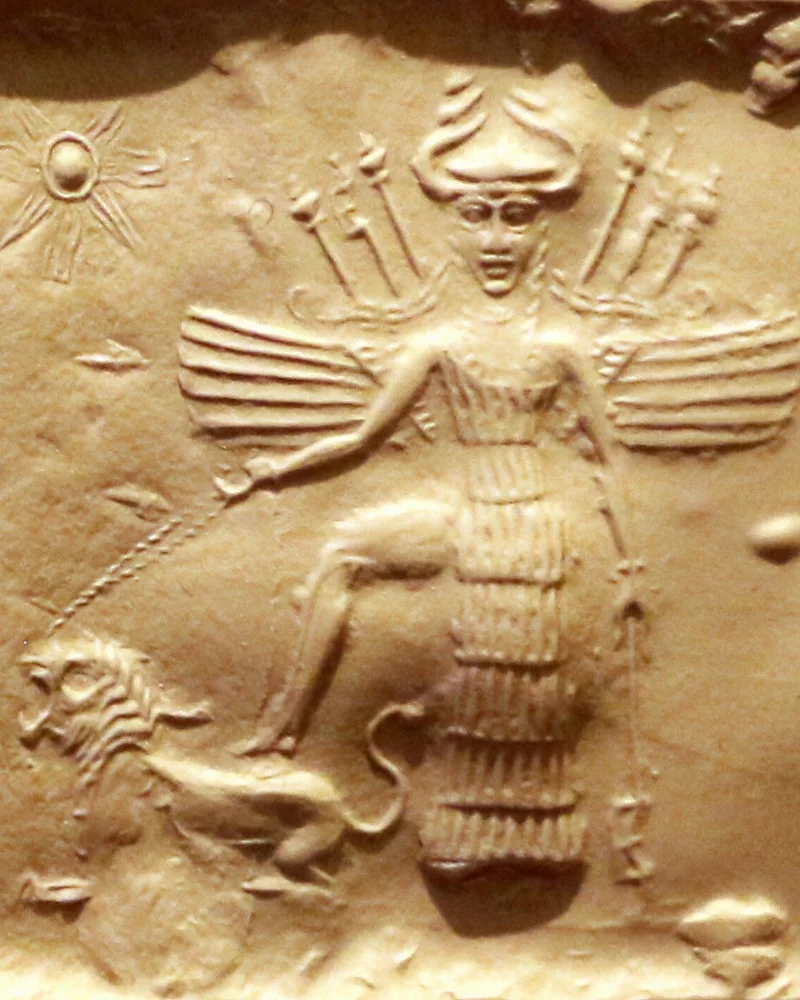
Inanna
Queen of Heaven and goddess of love and war. Inanna is the most complex and dynamic deity of the Mesopotamian pantheon, embodying both desire and destruction.
 deity
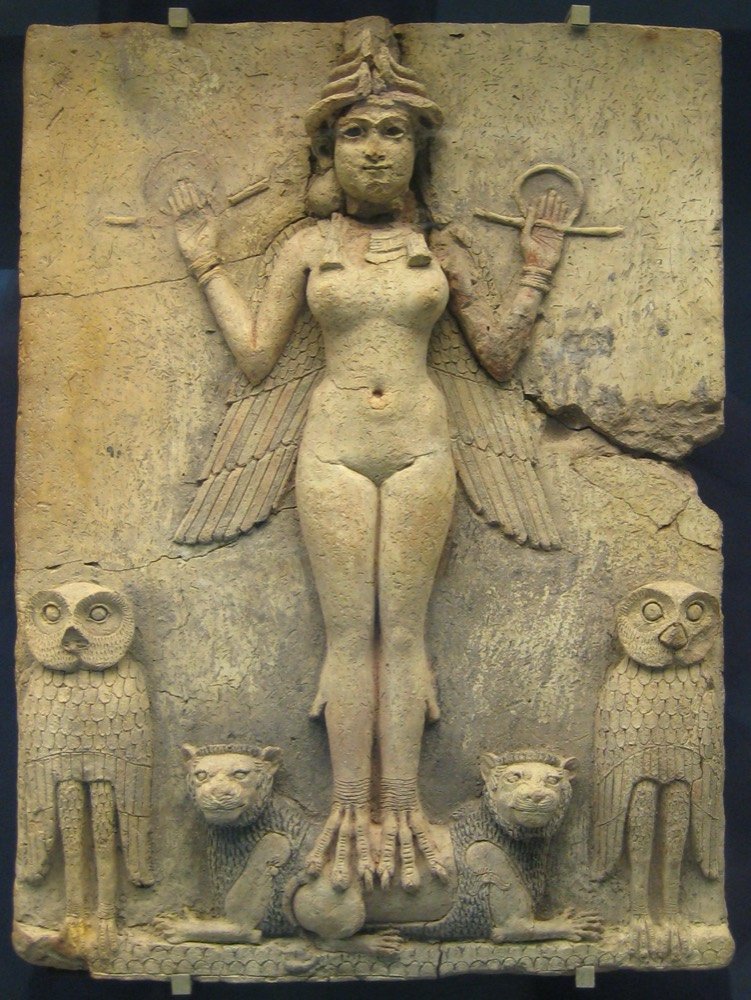
Ishtar
Goddess of love and war, Sumerian Inanna, embodied in the planet Venus. She stormed the seven gates of the underworld, was killed and hung on a hook, and returned; Babylon's Ishtar Gate bears her name.
 creature
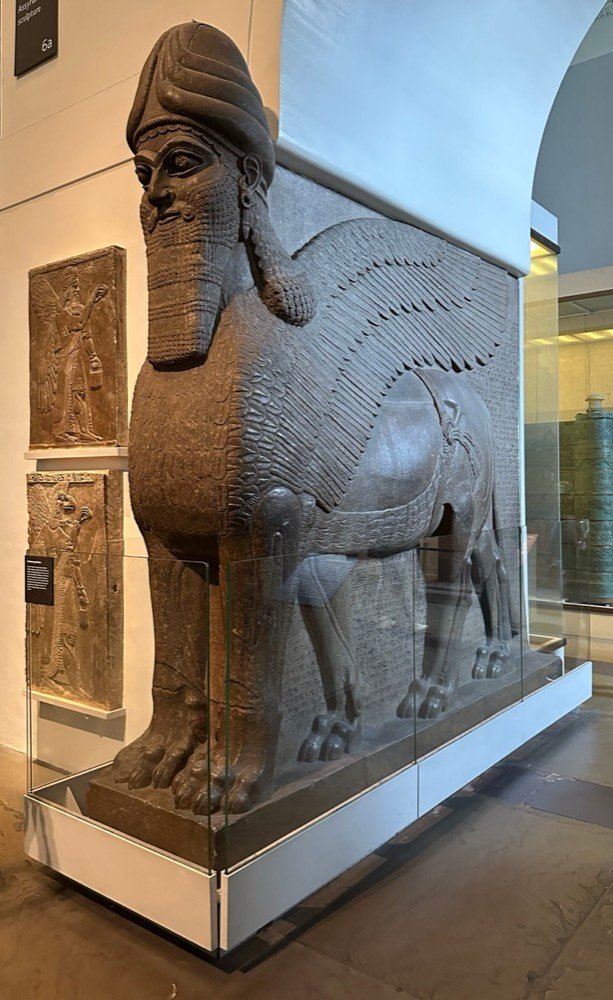
Lamassu
Human-headed, eagle-winged bull colossi with horned crowns, some carved with five legs, that stood in pairs at the palace gates of Nimrud, Khorsabad, and Nineveh to turn evil away.
 deity
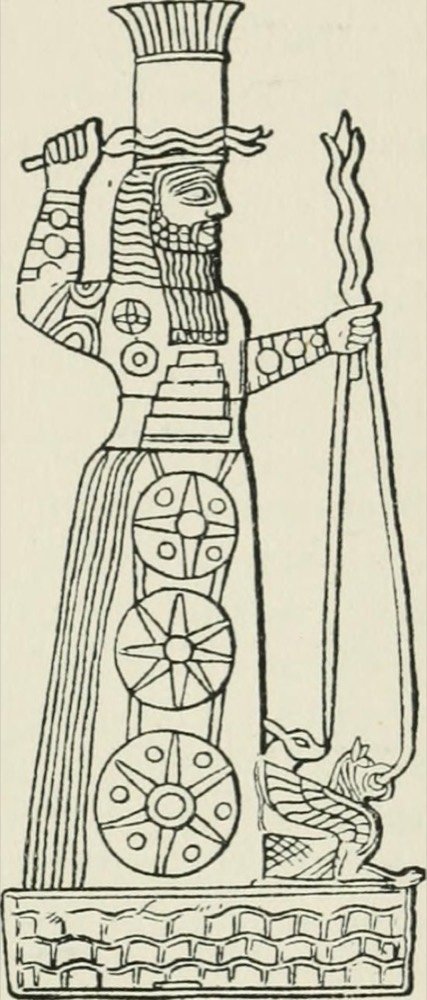
Marduk
Patron god of Babylon who, in Enuma Elish, slew Tiamat, split her body into heaven and earth, and took kingship of the gods; his ziggurat Etemenanki likely inspired the Tower of Babel.
 tale
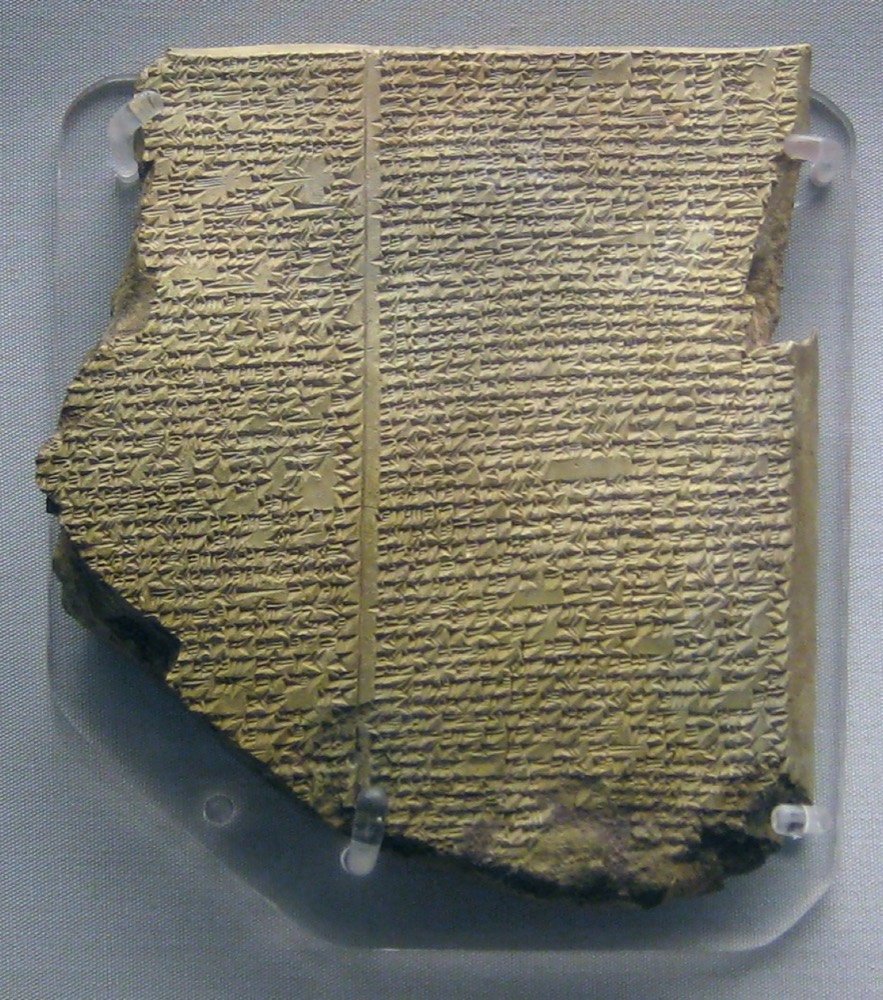
The Mesopotamian Flood
Enlil sends a flood to silence noisy mankind; Enki leaks the secret, and a righteous man builds a boat and releases birds to test the waters. The story predates Noah's ark by over a millennium.
 creature
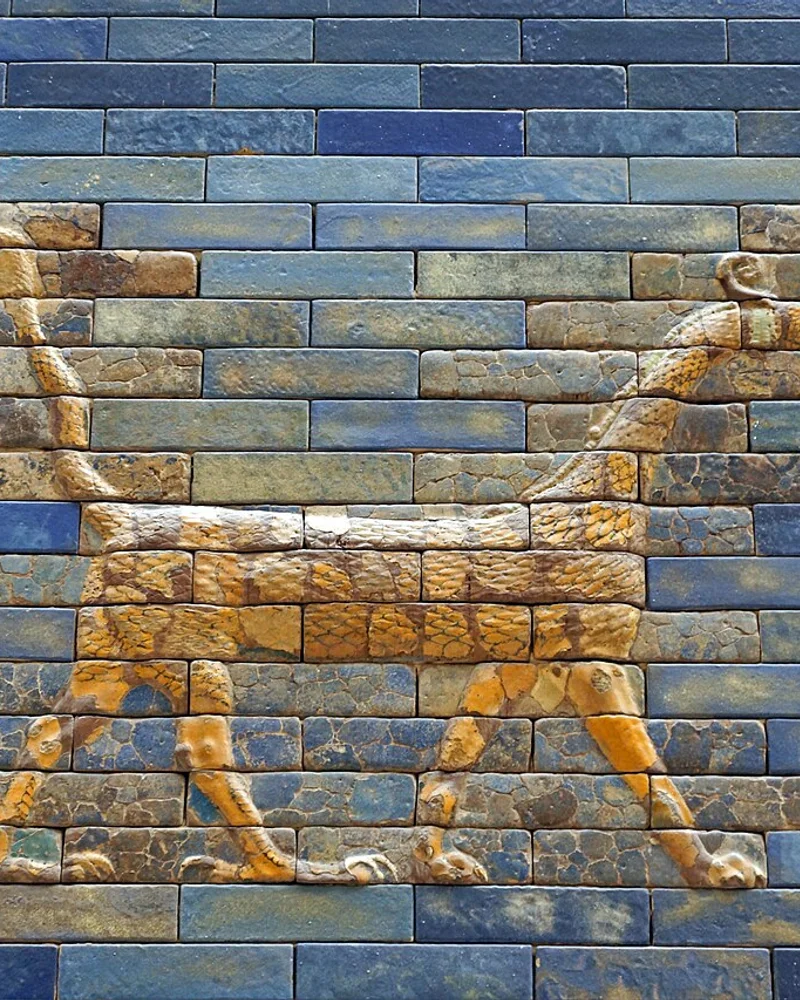
Mušḫuššu
The snaked-headed dragon of Marduk, later emblem of Babylon — horns, lion forelegs, and bird hind talons.
 deity
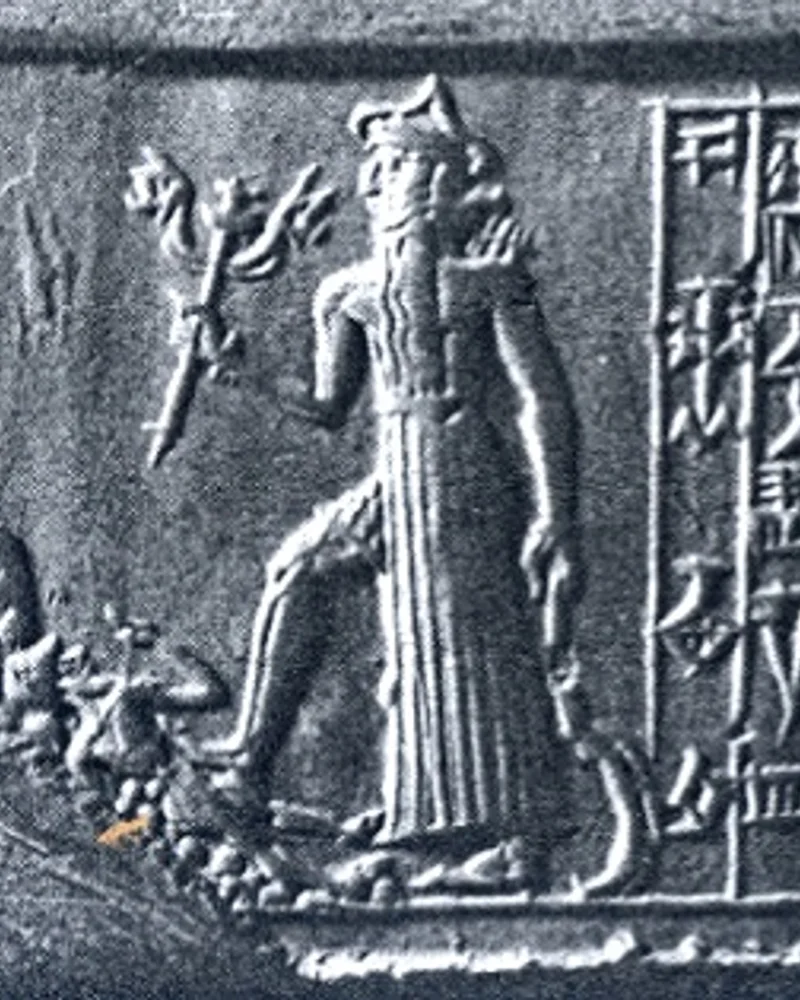
Nergal
God of war, plague, and the destructive aspects of the sun. Nergal embodies death in its violent forms and co-rules the underworld with his wife Ereshkigal.
 deity
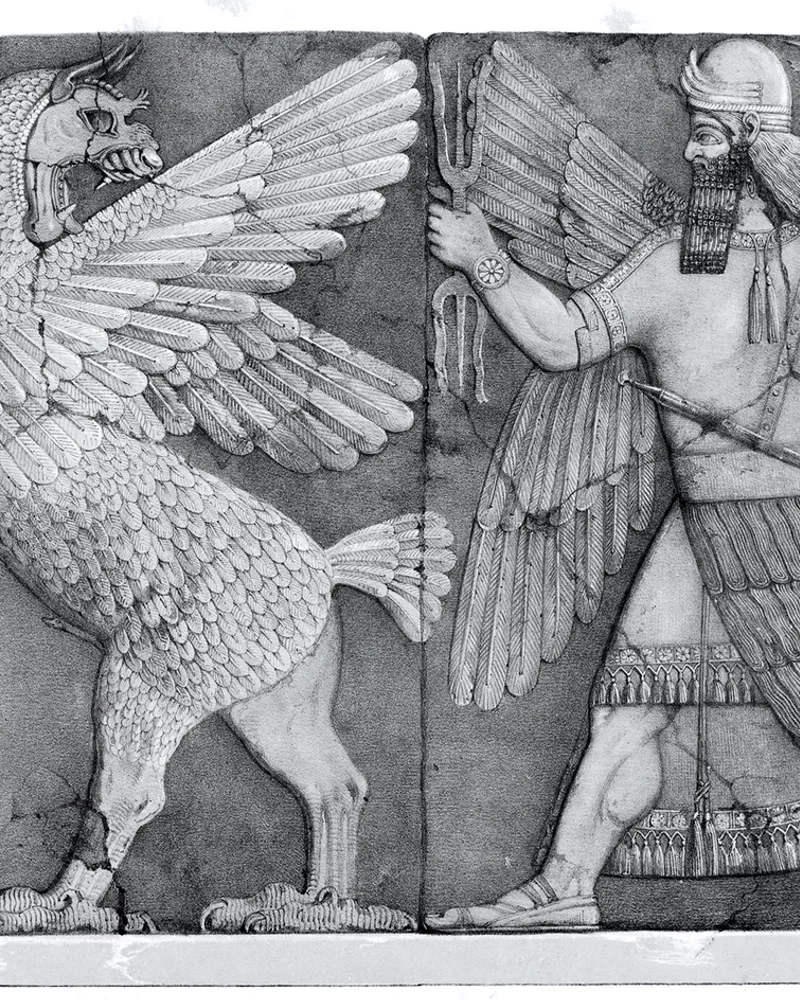
Ninhursag
The great Sumerian mother goddess, 'Lady of the Mountain', who presides over birth and the shaping of humankind. Under names such as Ninmah, Nintu, and Aruru, she fashions people from clay; in the Epic of Gilgamesh, as Aruru, she creates Enkidu.
 spirit
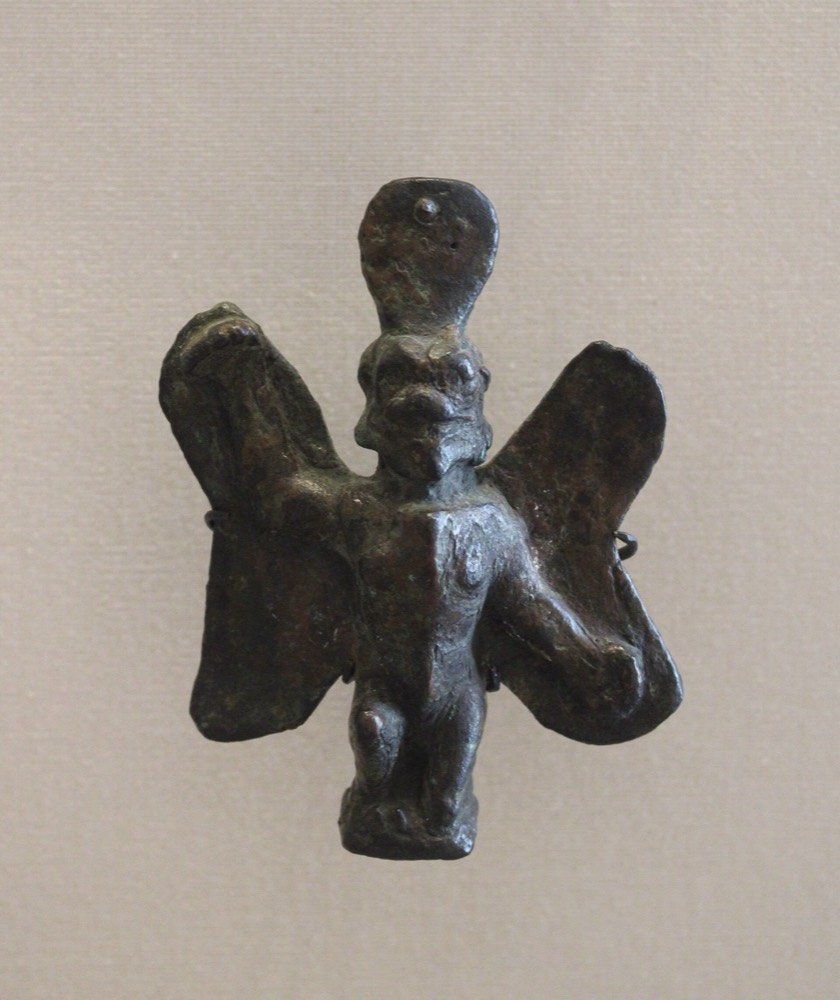
Pazuzu
Four-winged, scorpion-tailed king of the wind demons, son of Hanbi. His fearsome image was worn as an amulet to repel the child-snatching demoness Lamashtu; The Exorcist made him a modern horror icon.
 deity
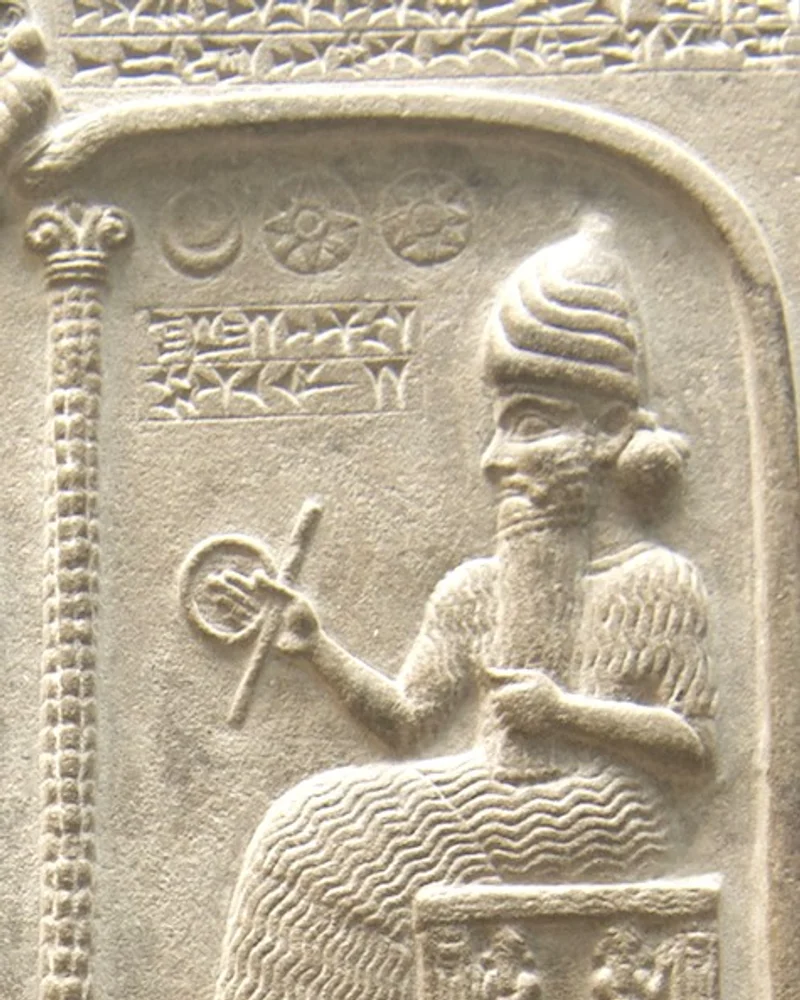
Shamash
The sun god and divine judge. Shamash sees all that occurs under the sun and is the god of justice, truth, and moral order.
 deity
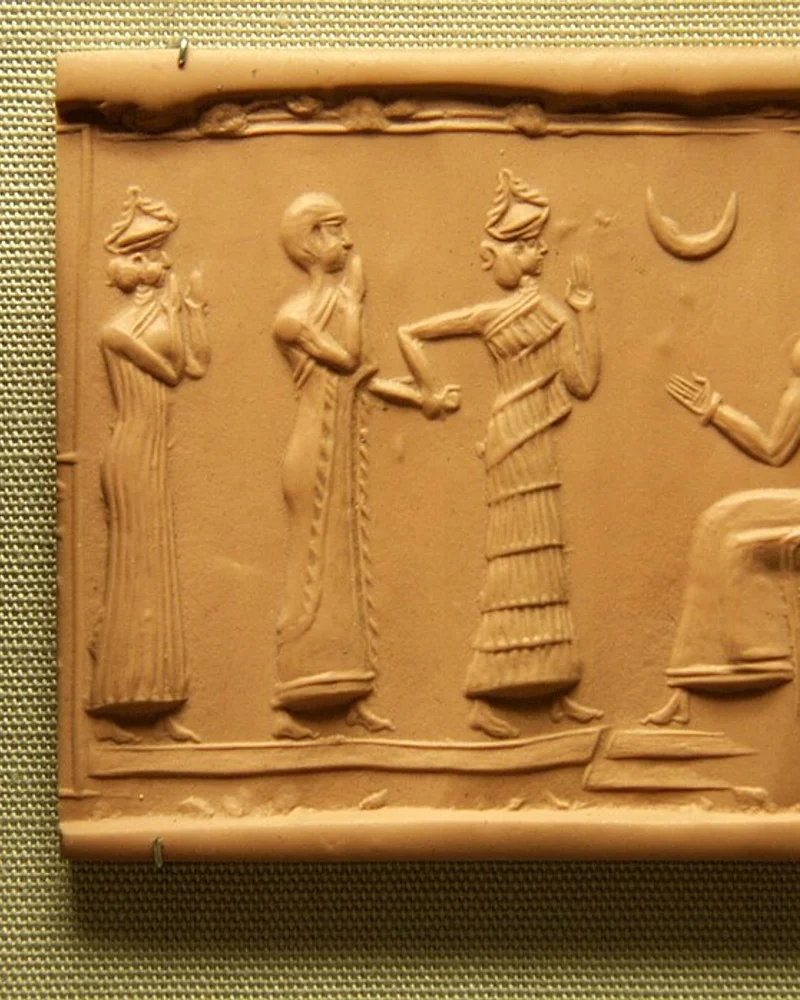
Sin
The moon god and lord of the night sky. Sin is the father of the sun god Shamash and the goddess Inanna, and the keeper of time through the lunar calendar.
 artifact
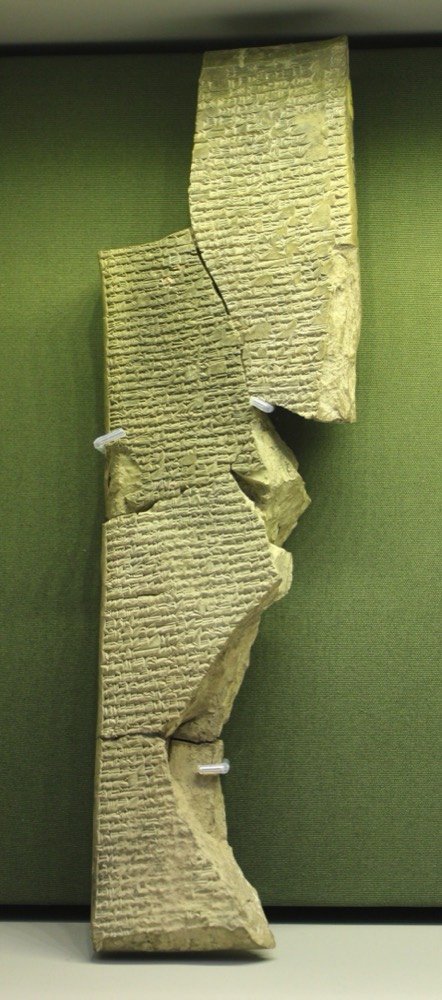
Tablet of Destinies
A sealed clay tablet conferring supreme command: whoever wears it decrees fate. Anzu stole it from bathing Enlil; Tiamat pinned it on Qingu; Marduk finally sealed it as his own.
 artifact
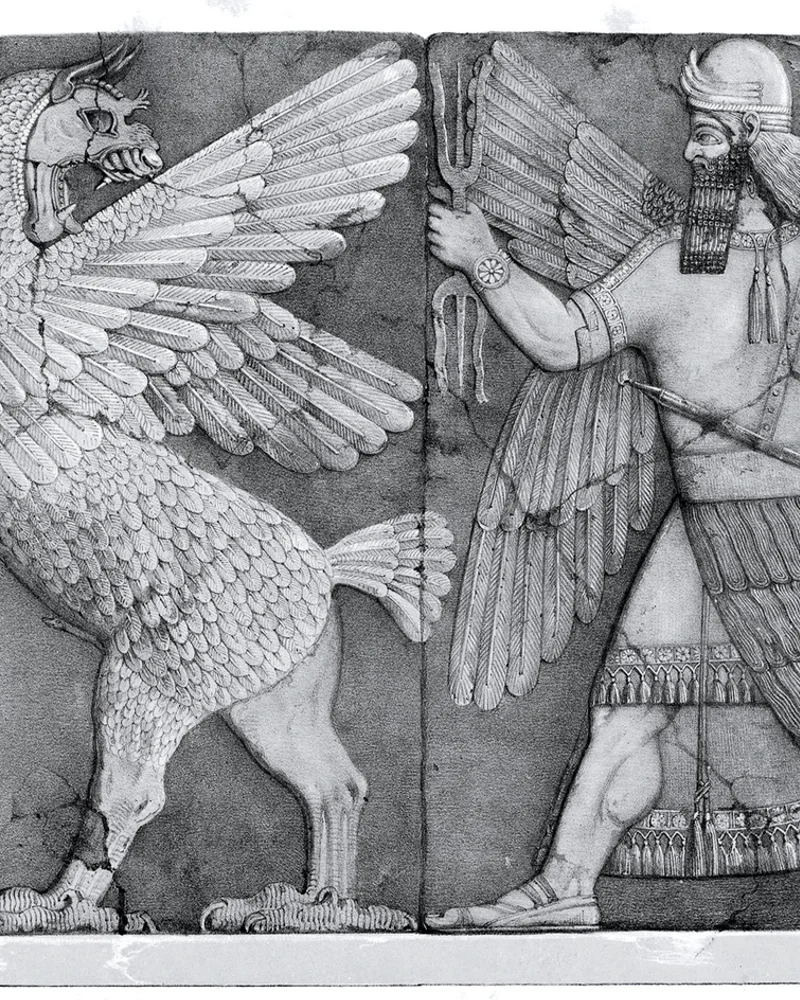
The Me (Divine Decrees)
The foundational powers of civilization — crafts, kingship, music, law — stolen and gifted by Inanna from Enki's house in Eridu.
 deity
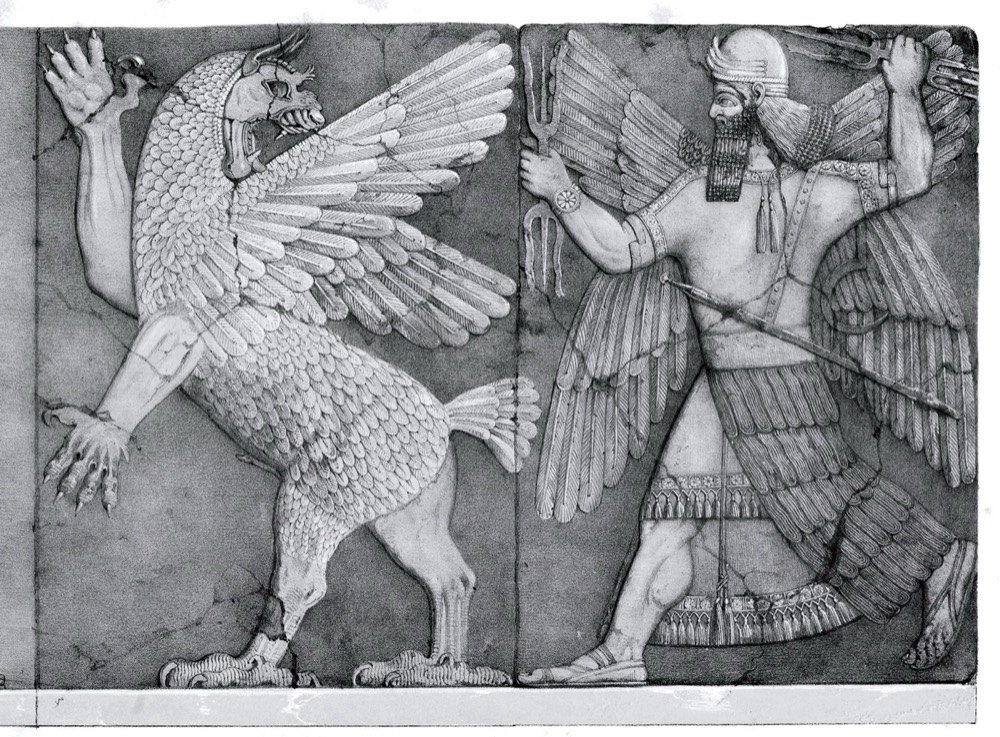
Tiamat
The primordial saltwater sea and mother of the gods. Avenging her consort Apsu with eleven monsters, she was netted by Marduk and split into heaven and earth; her eyes became the Tigris and Euphrates.
 creature
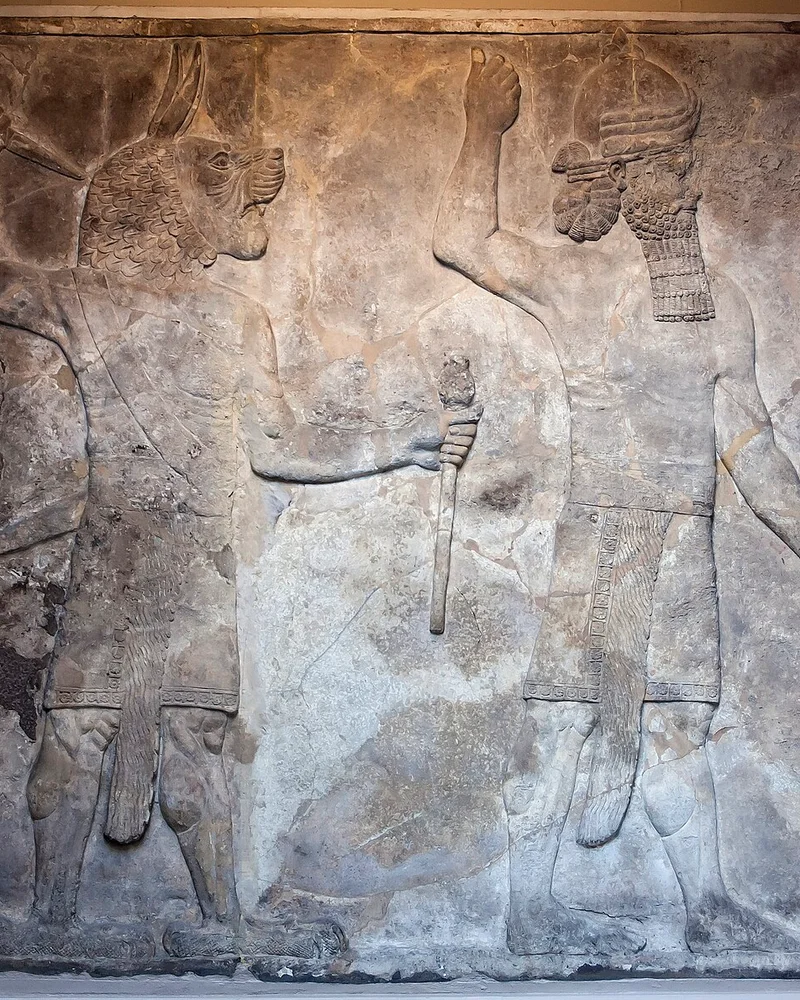
Ugallu
Lion-demon storm spirits of Mesopotamian ritual art — fierce guardians who also threaten the unprotected.
 deity
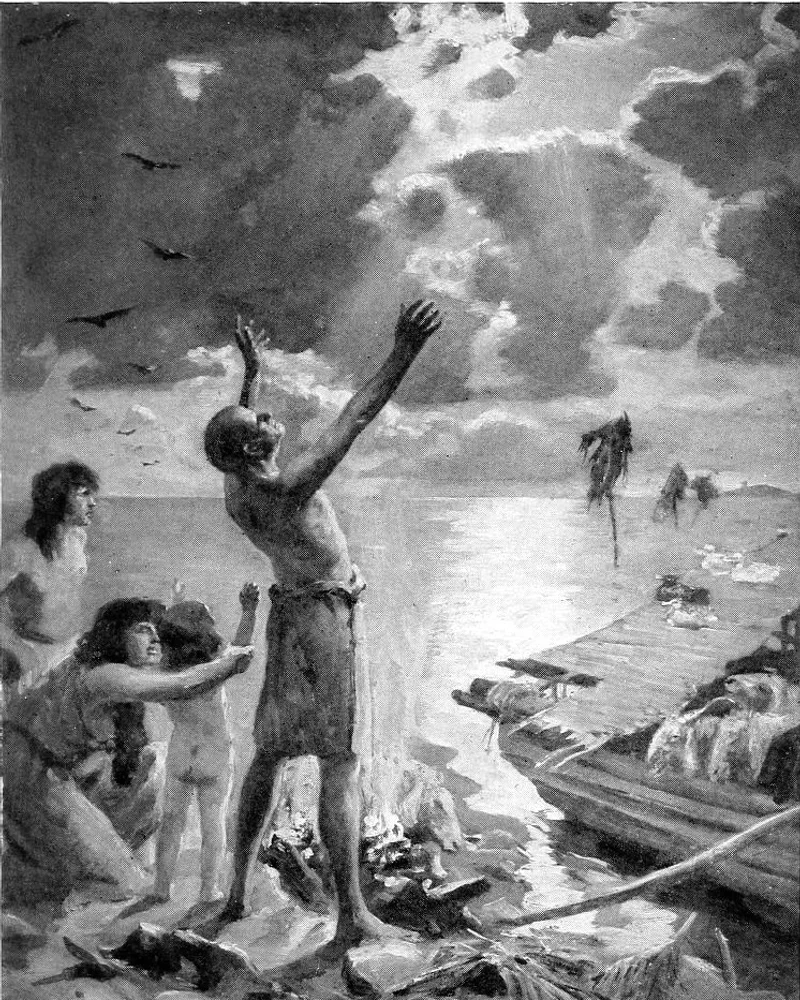
Utnapishtim
A mortal king of Shuruppak, not a god, who survived the great Mesopotamian flood by building a boat on the god Ea's secret warning. Utnapishtim and his wife were granted immortality as a singular, unrepeatable exception, and Gilgamesh's failed quest to learn this secret from him forms the climax of the Epic of Gilgamesh.