


Guaraní Mythic Traditions
Guaraní Mythic Traditions traditions, cosmology, and ancient mythology.
Mythological Figures & Lore
Showing all 8 records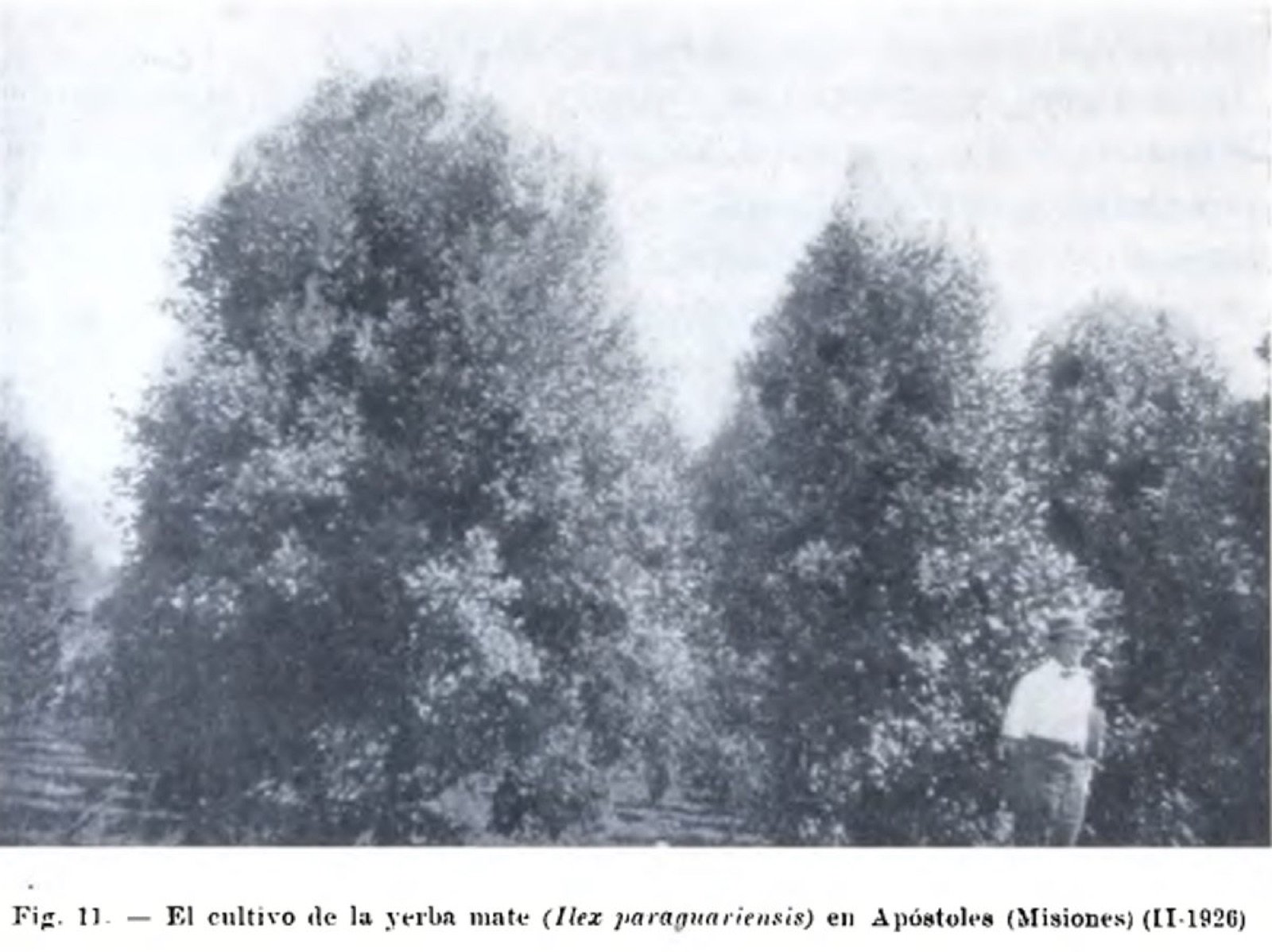 deity
Jakaira
The Mbya divine father of life-giving mist, vegetation, and renewal through sacred breath and smoke.
 creature
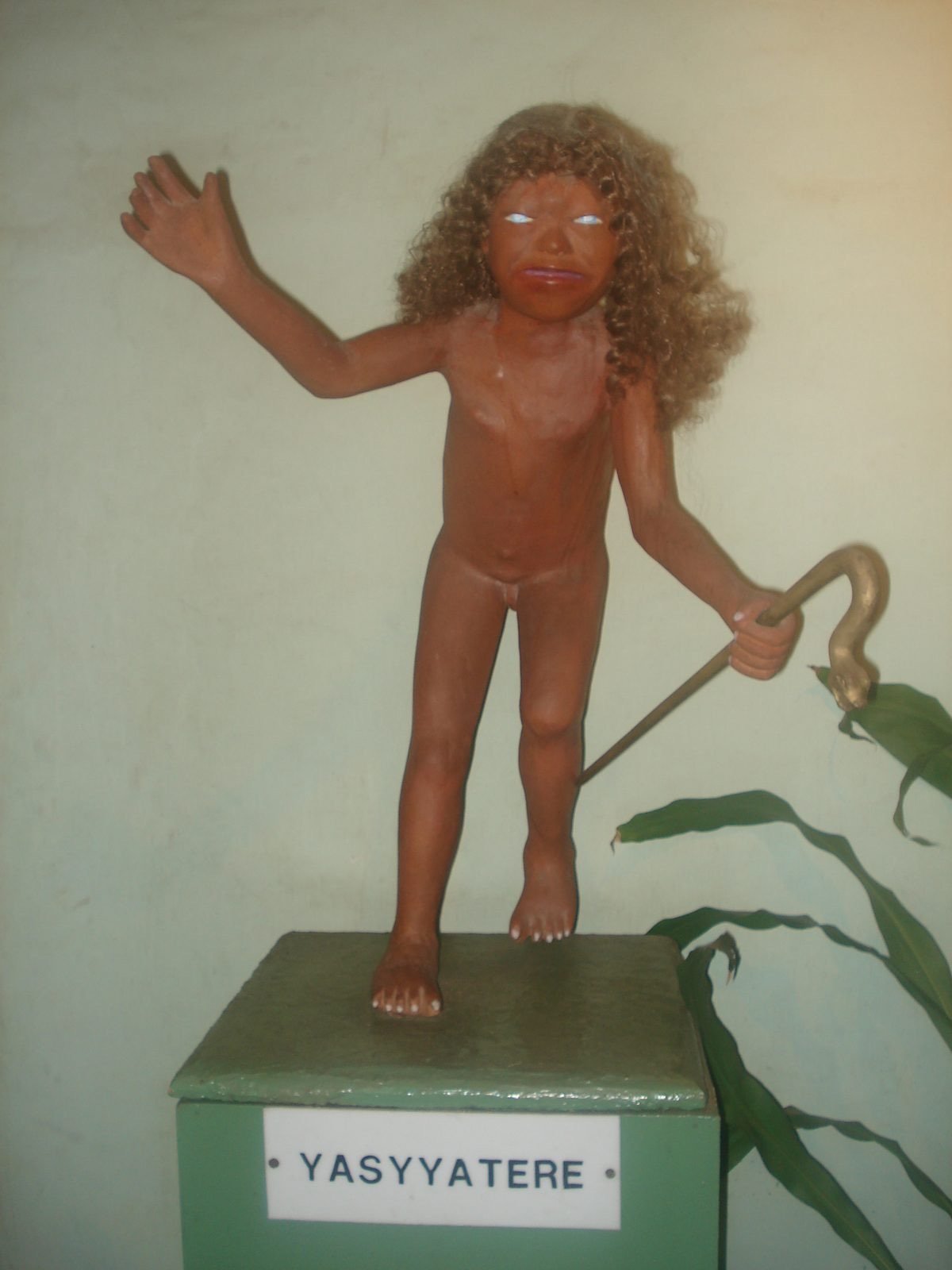
Jasy Jatere
A fair-haired siesta spirit who lures children with a whistle, keeping enchantment and return in a golden staff.
 deity
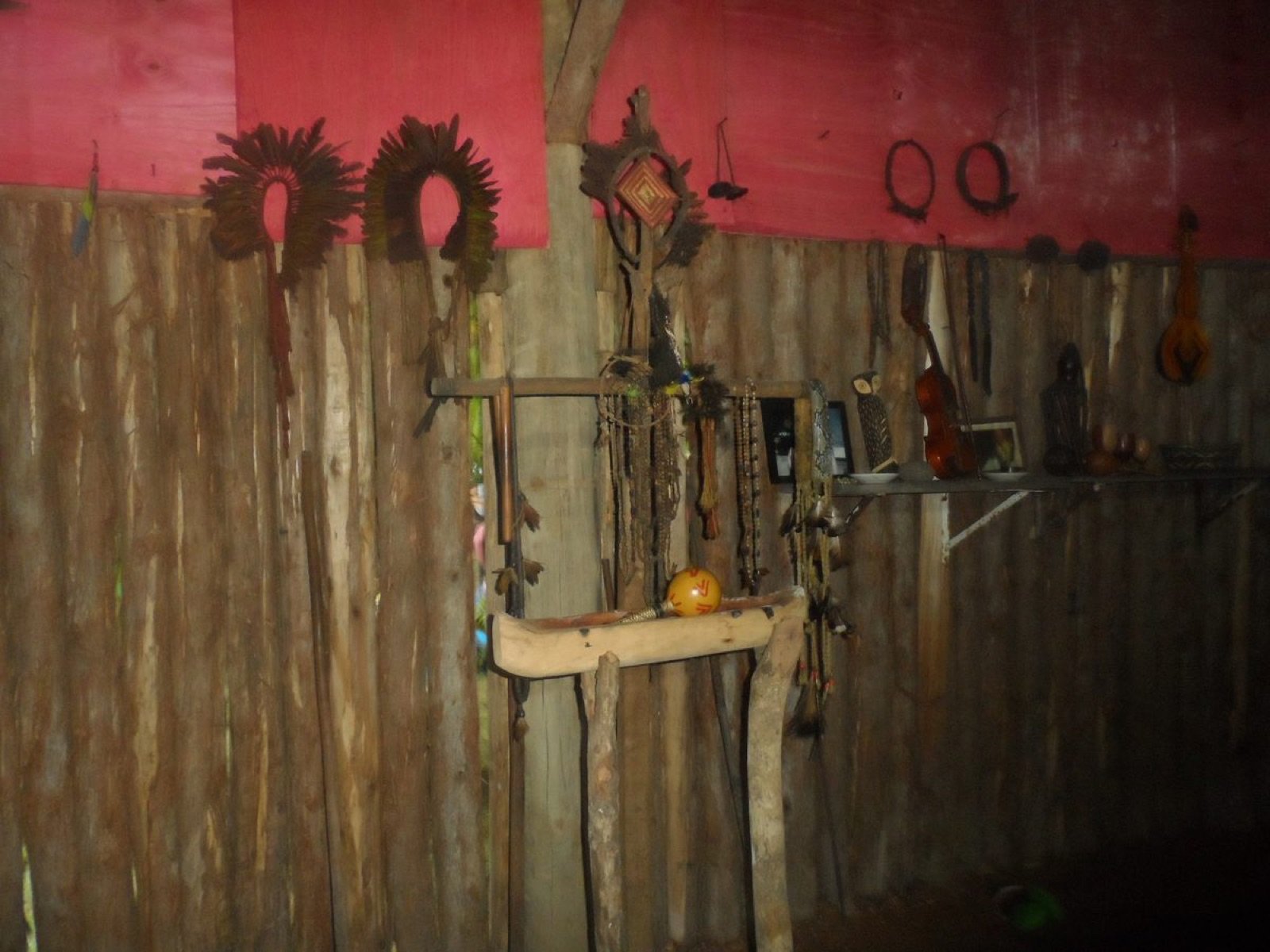
Karaí
One of the Mbya true fathers, keeper of flame and solar heat, source of warmth and catastrophic fire.
 creature
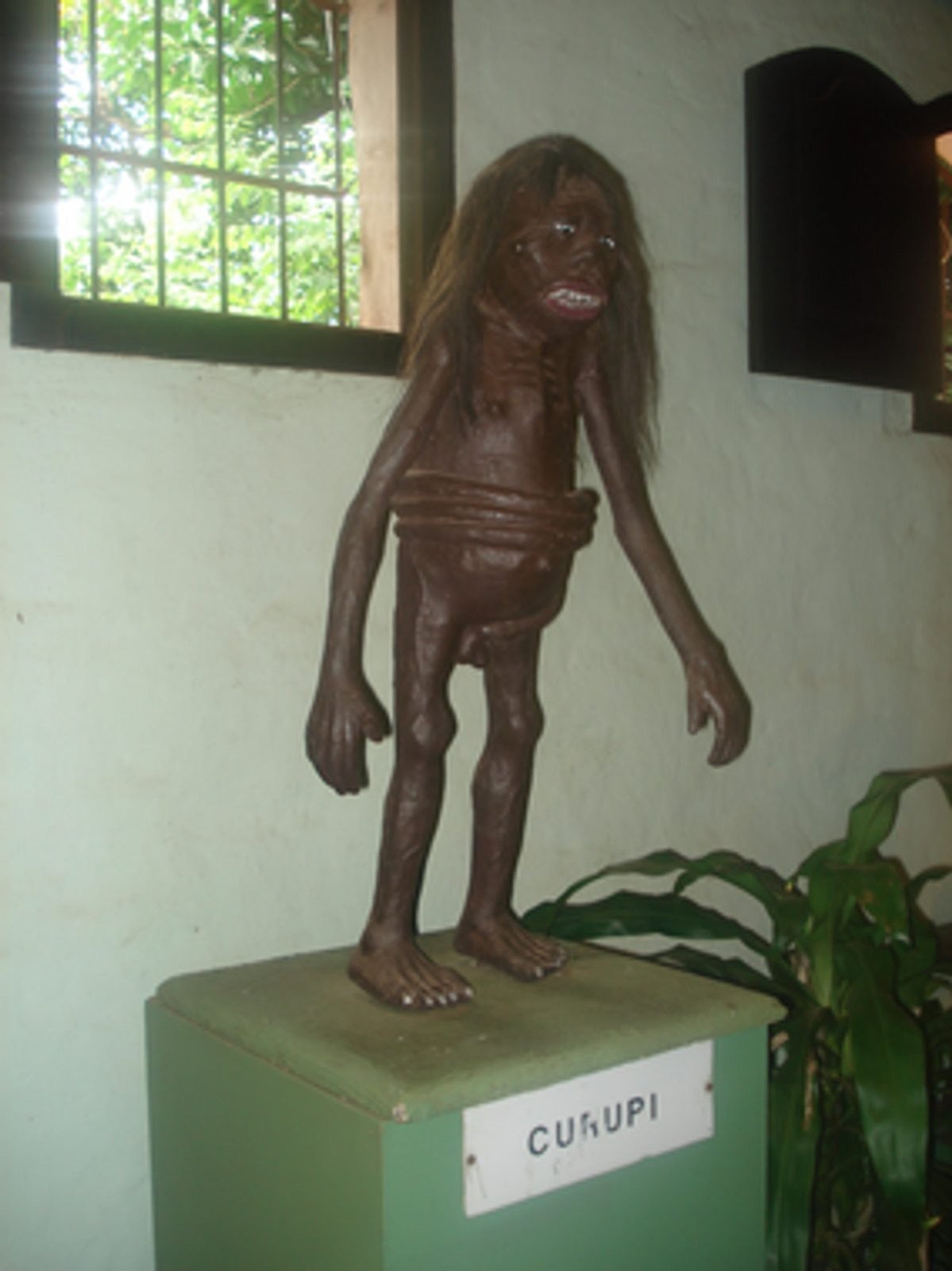
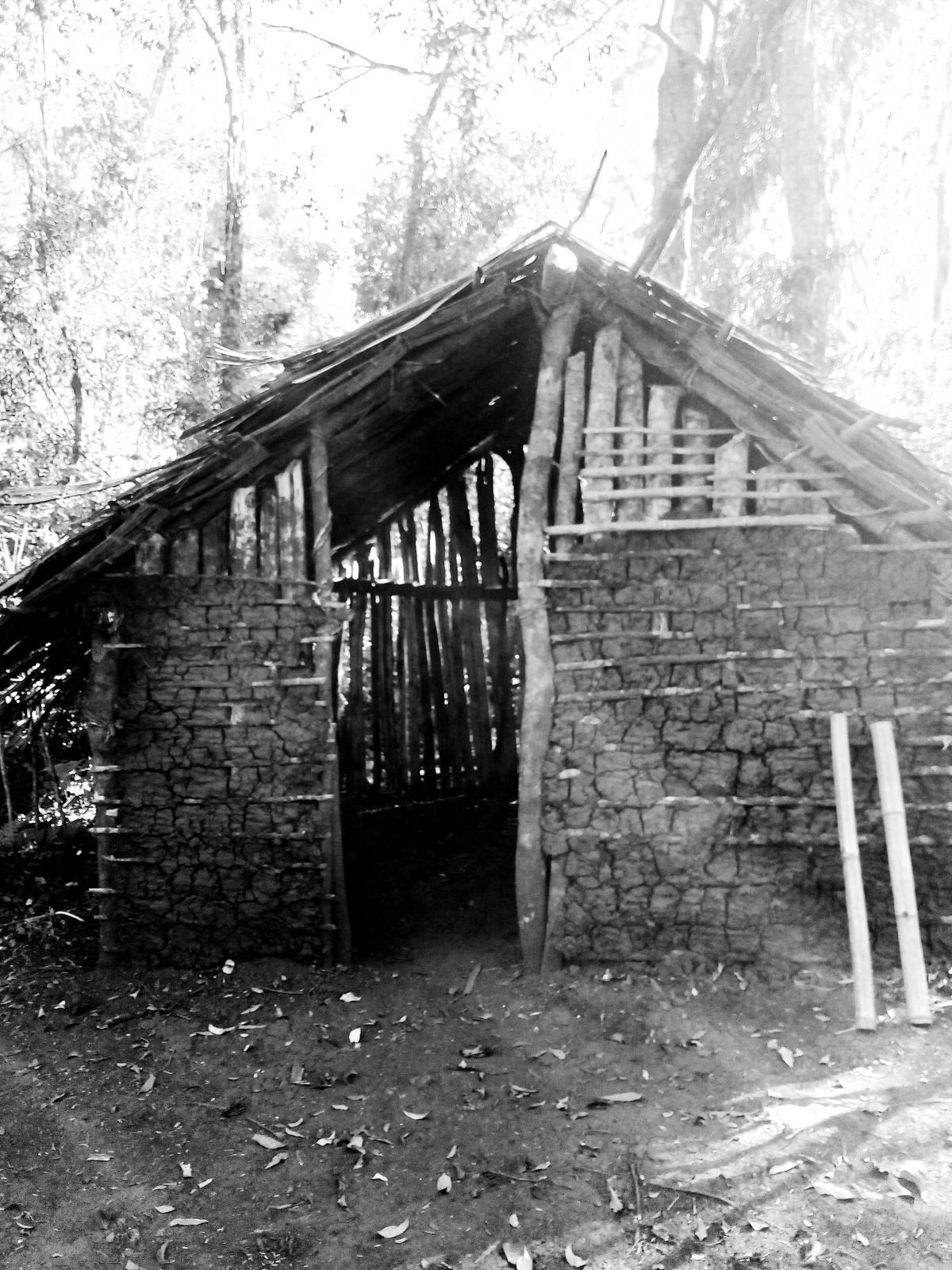
Kurupi
A forest being of excessive fertility whose lore joins abundance to a warning about sexual violence.
 deity
Ñamandu
The Mbya First Father who manifests himself, establishes the soul-word, love, and sacred song, then unfolds earth.
 spirit
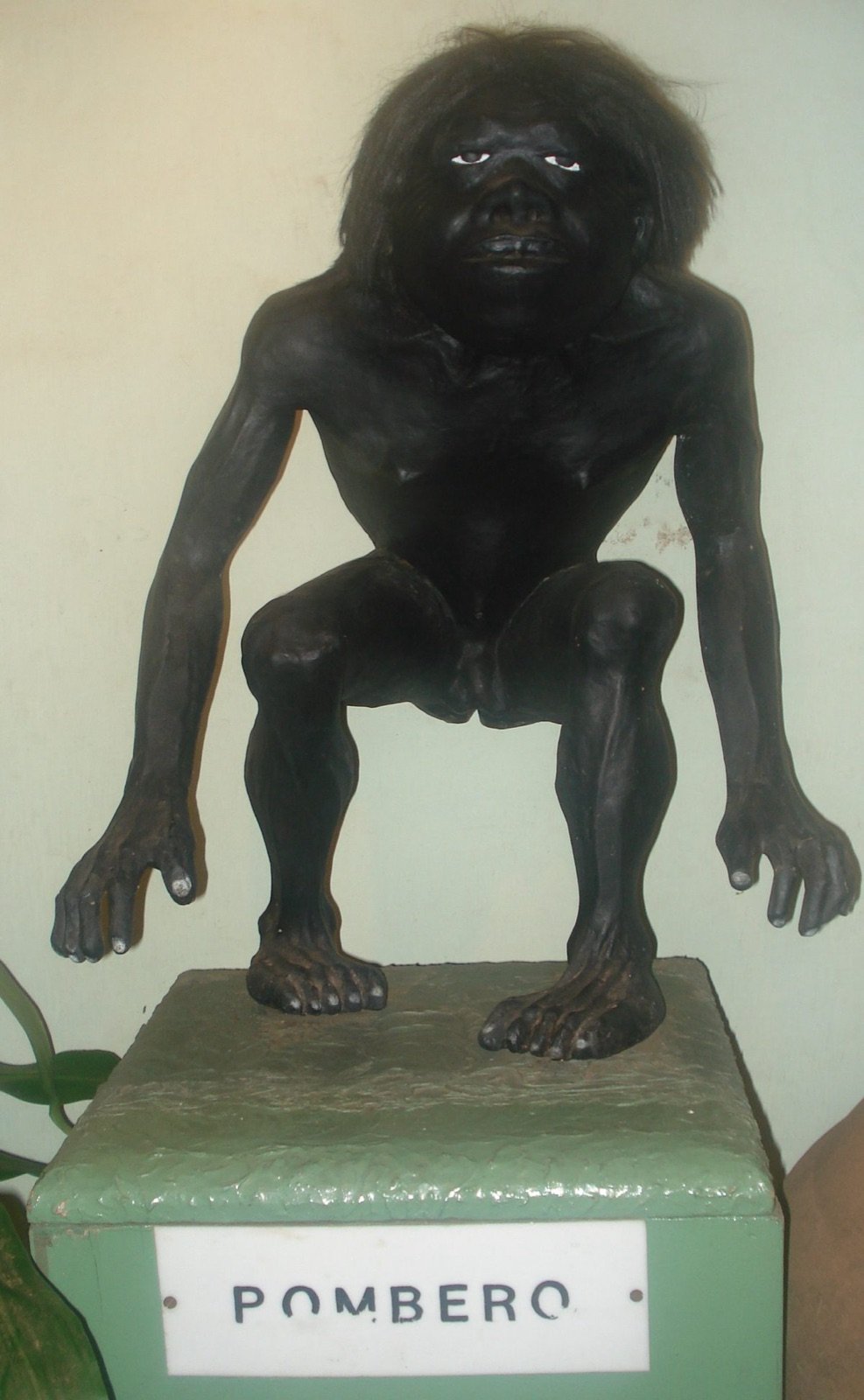
Pombero
A nocturnal rural spirit who guards birds and troubles households, appeased with tobacco and cane liquor.
 creature
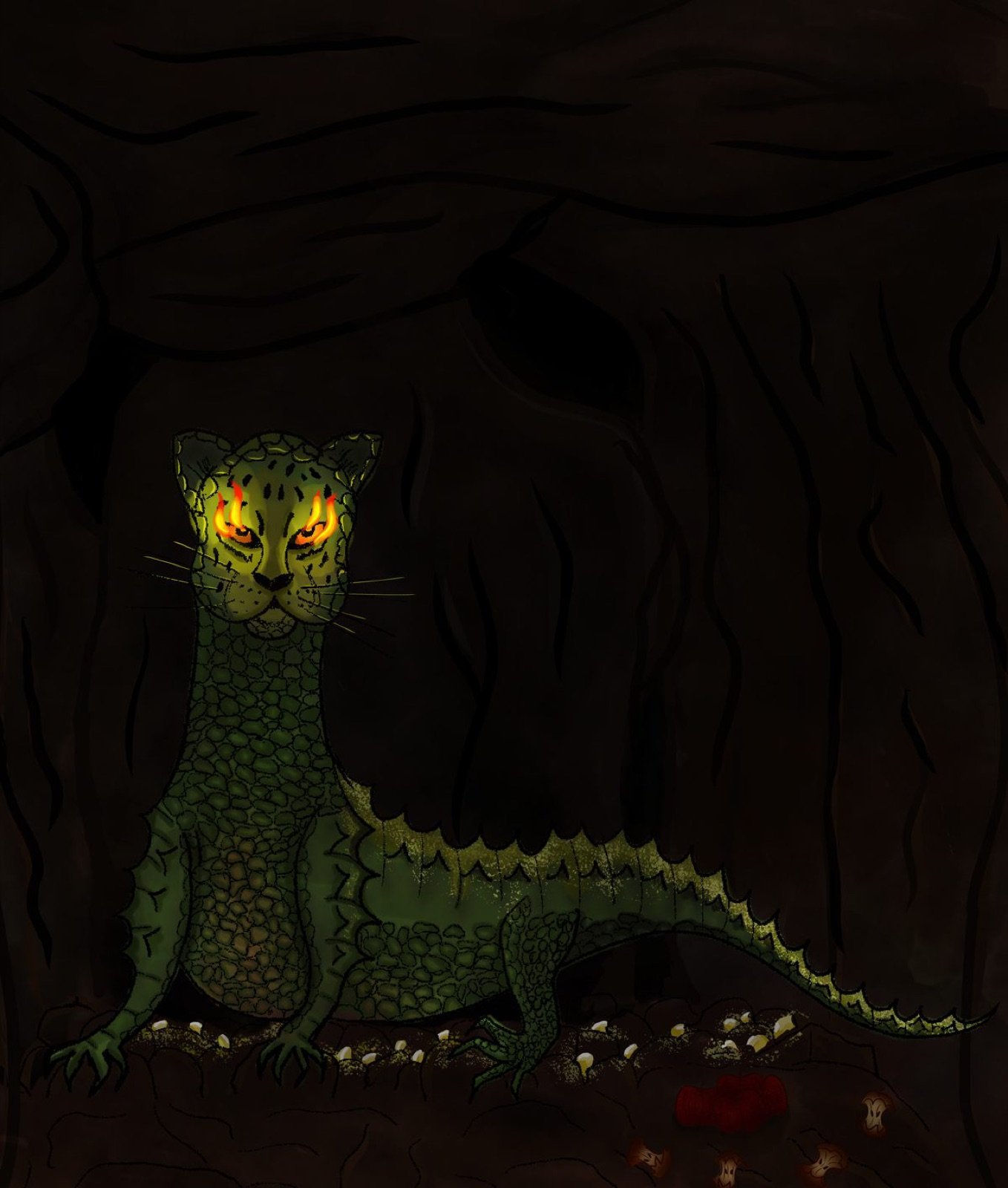
Teju Jagua
The cave guardian among Tau and Kerana’s sons, a vast lizard bearing seven dog heads over hidden treasure.
 deity
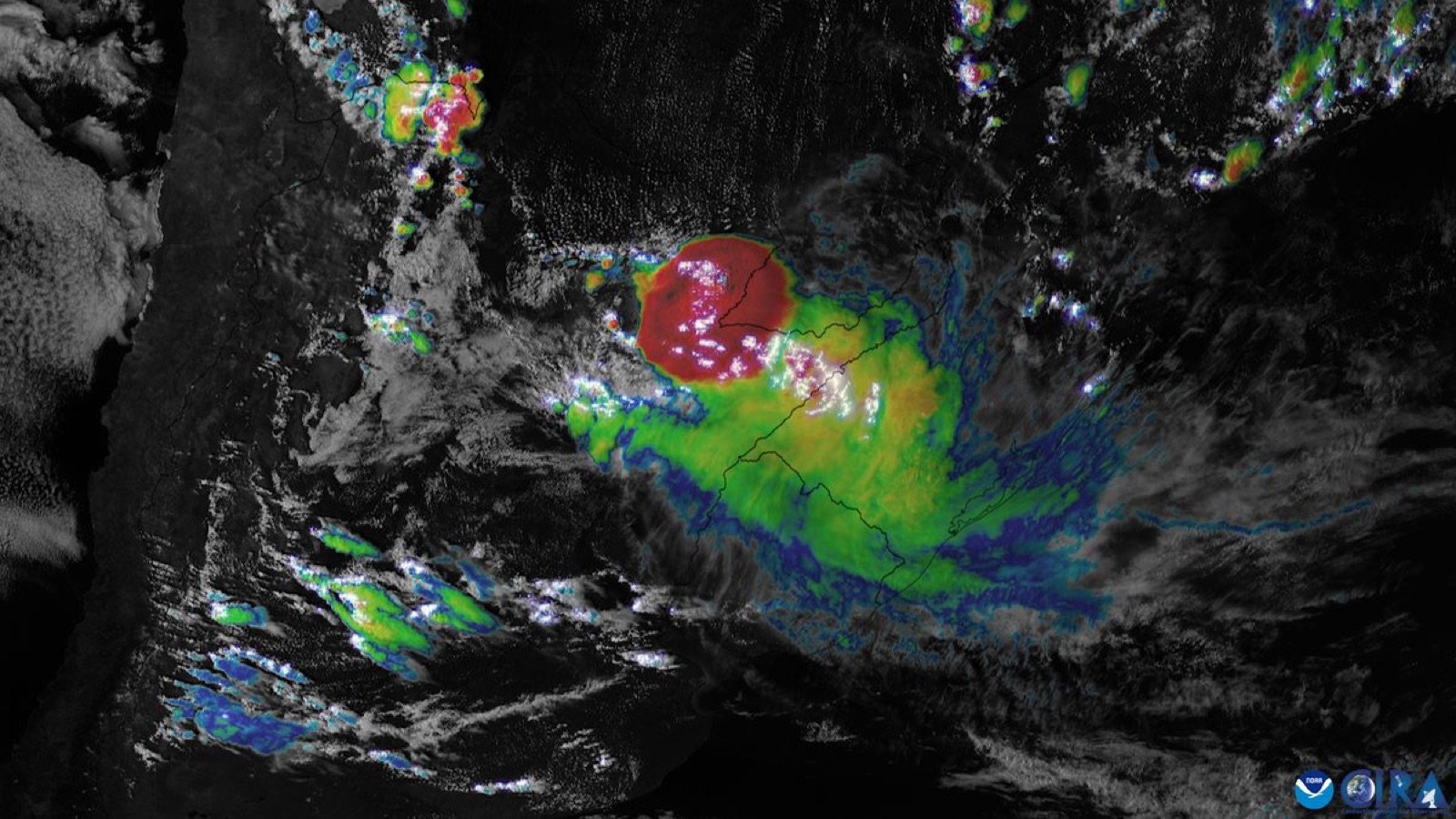
Tupã
A divine father of thunder and storm, later recast as a sole creator through missionary translation.