


Inca Mythology
Inca Mythology traditions, cosmology, and ancient mythology.
Mythological Figures & Lore
Showing all 22 records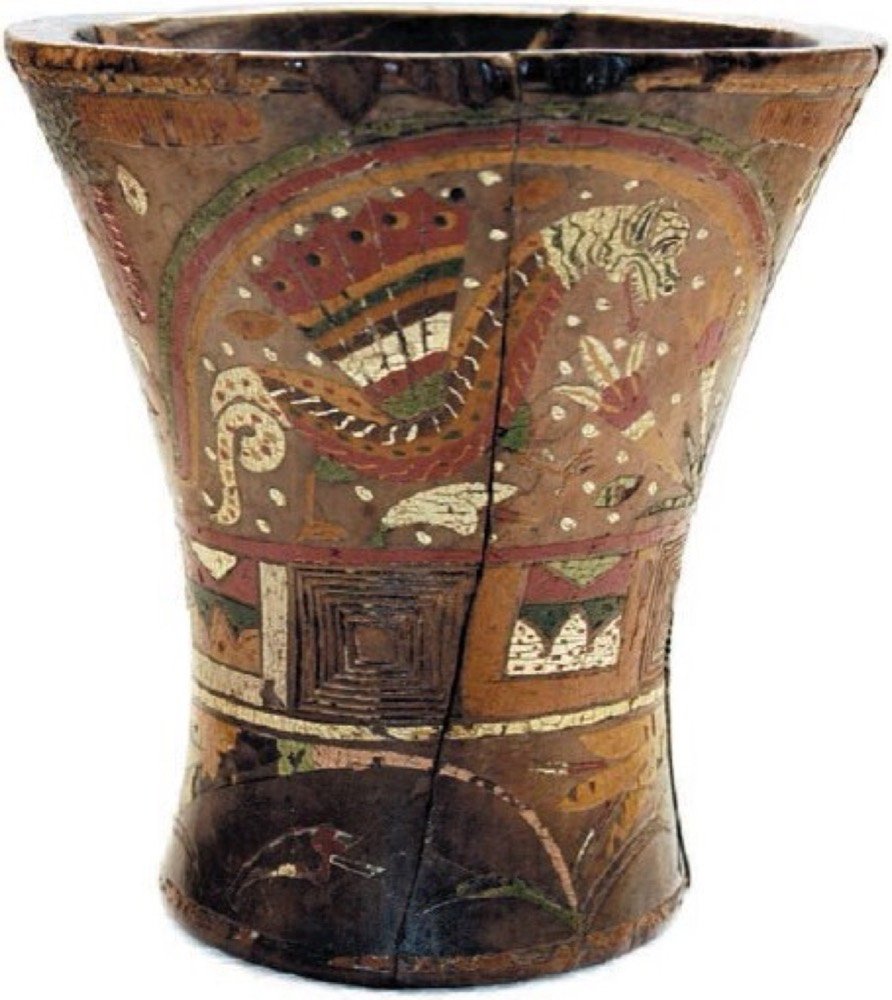 creature
Amaru
The great serpent of Andean myth, dwelling in highland lakes and underground waters, often two-headed in art, spanning the underworld, this world and the sky. Túpac Amaru took his name from it.
 spirit
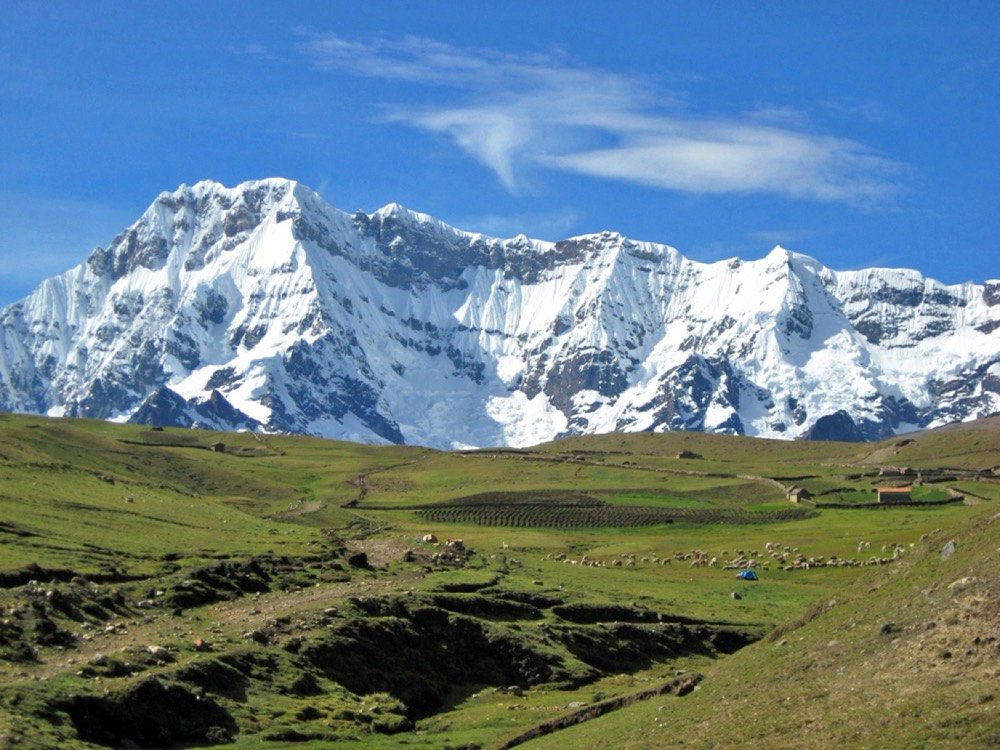
Apu
Apu, 'lord' in Quechua, names the spirit of a mountain. Every great peak has its own, guarding the villages, waters and herds below; around Cusco, Ausangate and Salcantay rank highest.
 place
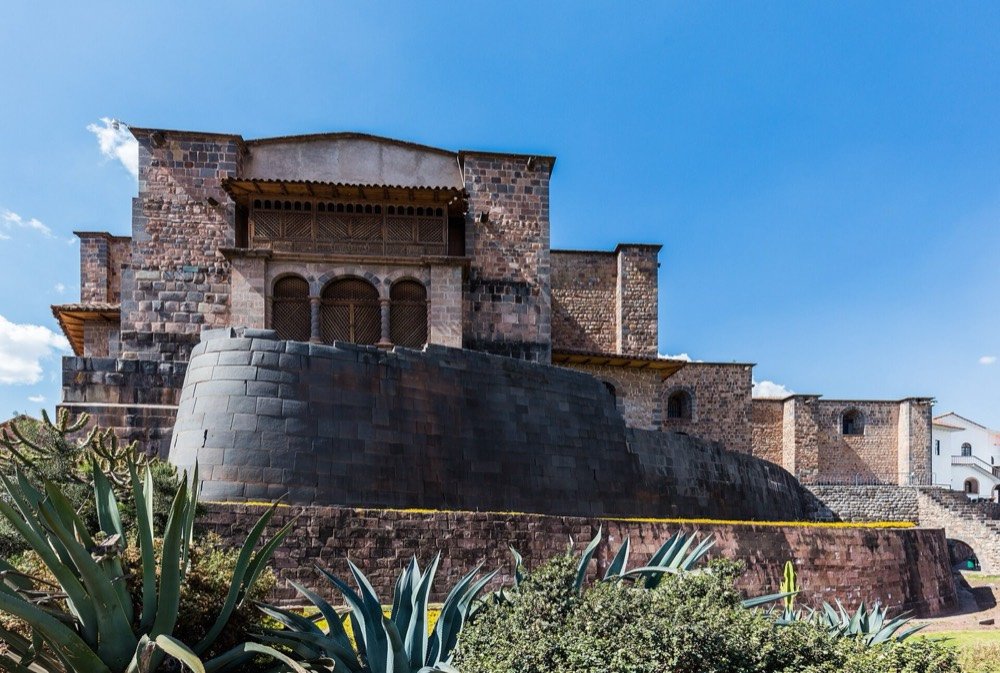
Coricancha
Holiest sun temple of the Inca empire, its walls sheeted in gold, its garden set with golden maize and llamas. The priory of Santo Domingo was built on its walls, which have outlasted two great earthquakes.
 deity
Cuniraya Viracocha
The ragged trickster-creator of the Huarochirí stories, who makes terraces and canals with a word, fathers a child on the proud huaca Cavillaca through a fruit, and blesses or curses each animal he meets as he chases her to the sea.
 artifact
Golden Rod of Manco Cápac
The rod of gold that the Sun gave to his children at Lake Titicaca, which would show them where to found their city by sinking into the ground at a single thrust; it vanished into the earth at Huanacauri above Cusco.
 deity
Huallallo Carhuincho
The fearsome earlier god of the Huarochirí stories, who ruled a hot lowland world and demanded one of every two children as food, until Pariacaca's storms drove him east into the Antis lowlands.
 deity
Illapa
The Inca thunder god, a sky warrior with sling and war club: his sling-crack is thunder, his flashing garments lightning, and he pours rain drawn from the celestial river. Under Spanish rule he merged with Santiago.
 tale
Inkarri
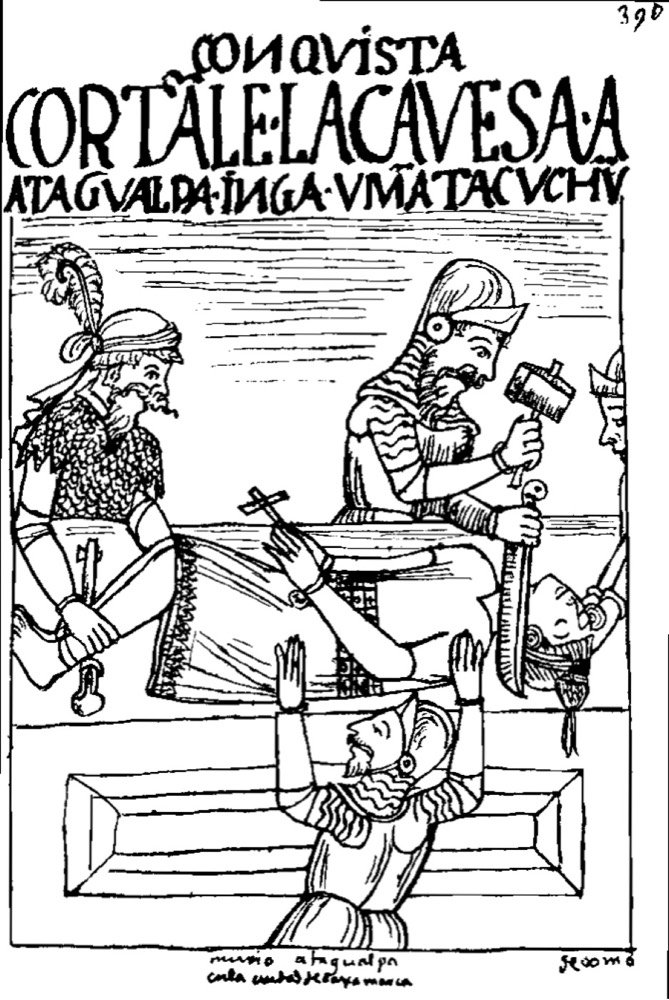
An Andean oral legend of return: the Inca king was beheaded by the Spaniards and his buried head is slowly growing a new body; when it is whole, Inkarri will come back and the world will turn right again.
 deity
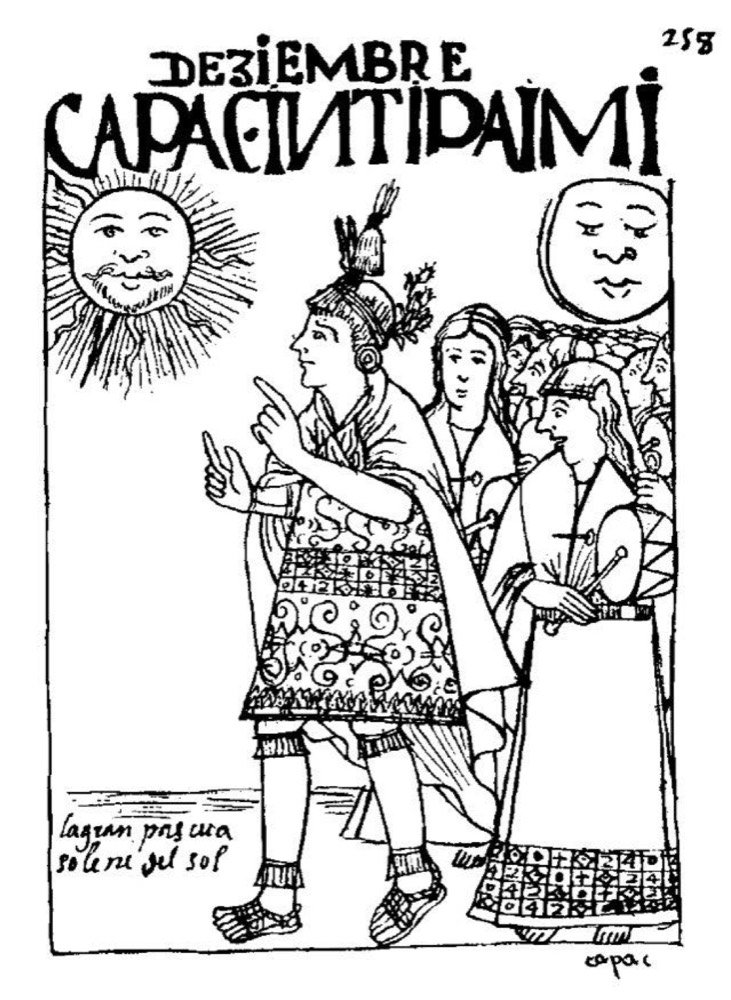
Inti
Sun god and royal ancestor of the Inca empire, pictured as a golden disk with a human face. The Sapa Inca ruled as his son; Coricancha and the June solstice feast were his.
 deity
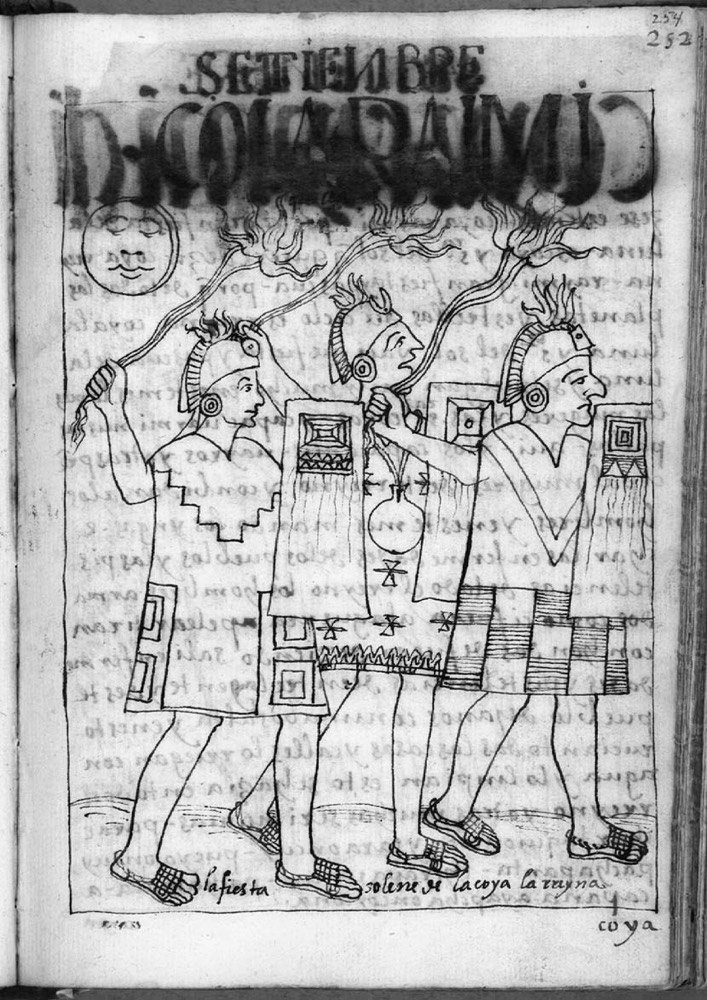
Mama Killa
The Inca moon goddess, sister and wife of Inti, patroness of women and marriage; the ritual calendar followed her phases. An eclipse meant a serpent or puma devouring her, driven off with noise and howling dogs.
 deity
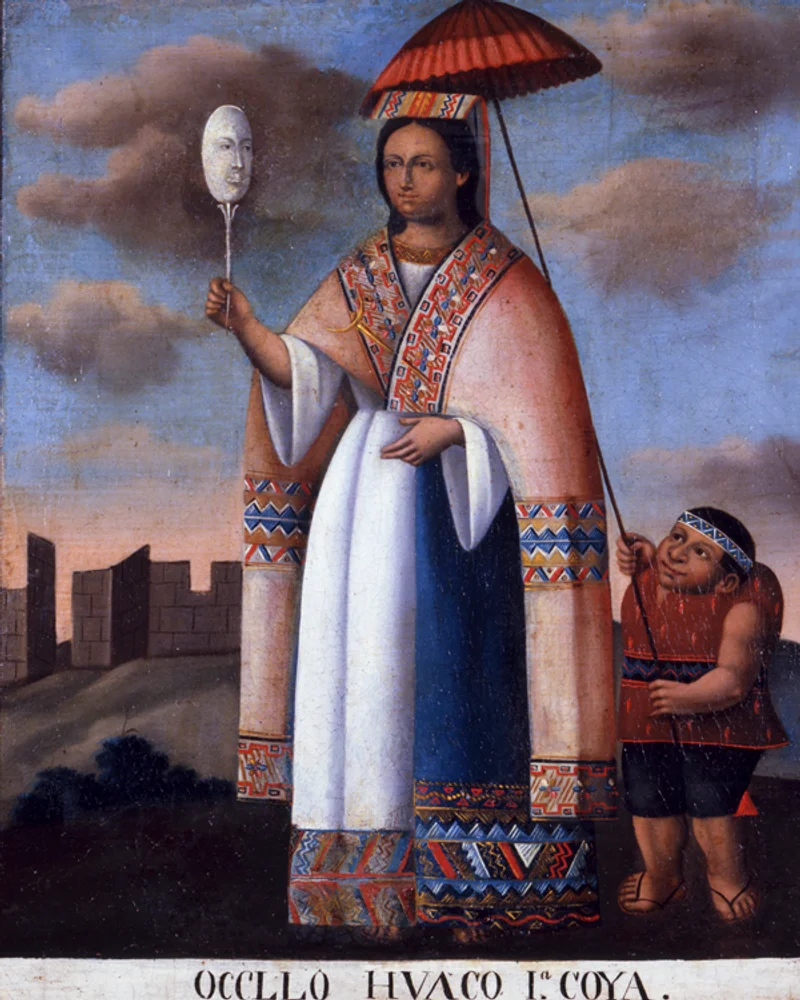
Mama Ocllo
The founding ancestress of the Incas, sister and wife of Manco Cápac, who in Garcilaso's account taught the women of Cusco to spin, weave, and keep house while her brother taught the men to farm.
 deity
Mama Qucha
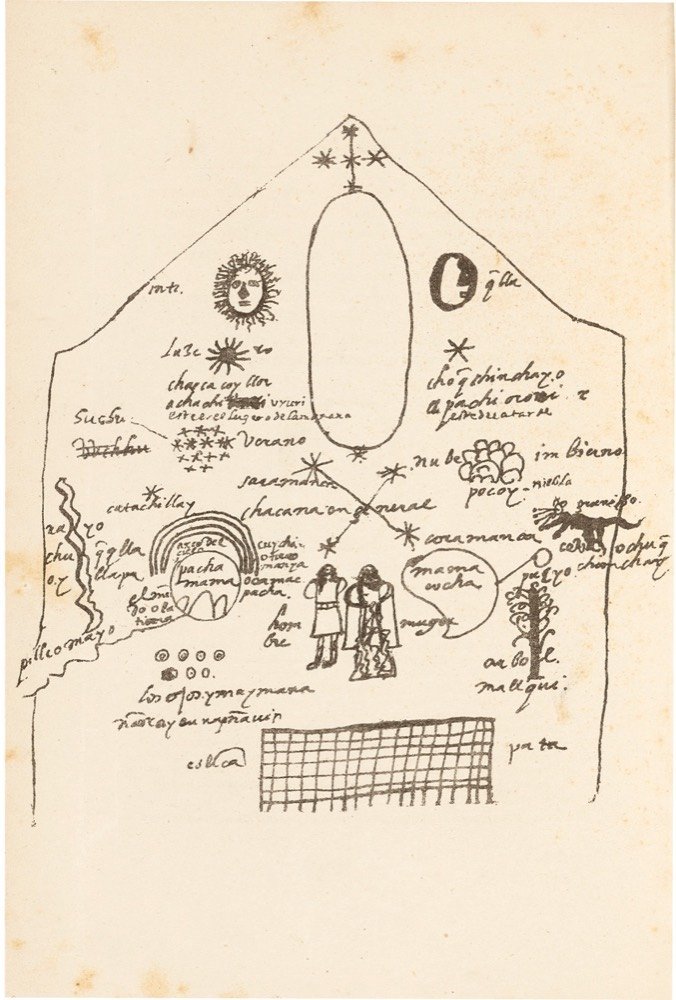
The Sea Mother, named by colonial writers alongside Pachamama as the mother of waters, especially important to coastal fishing peoples and connected in highland thought to the lakes and springs that fed the fields.
 hero
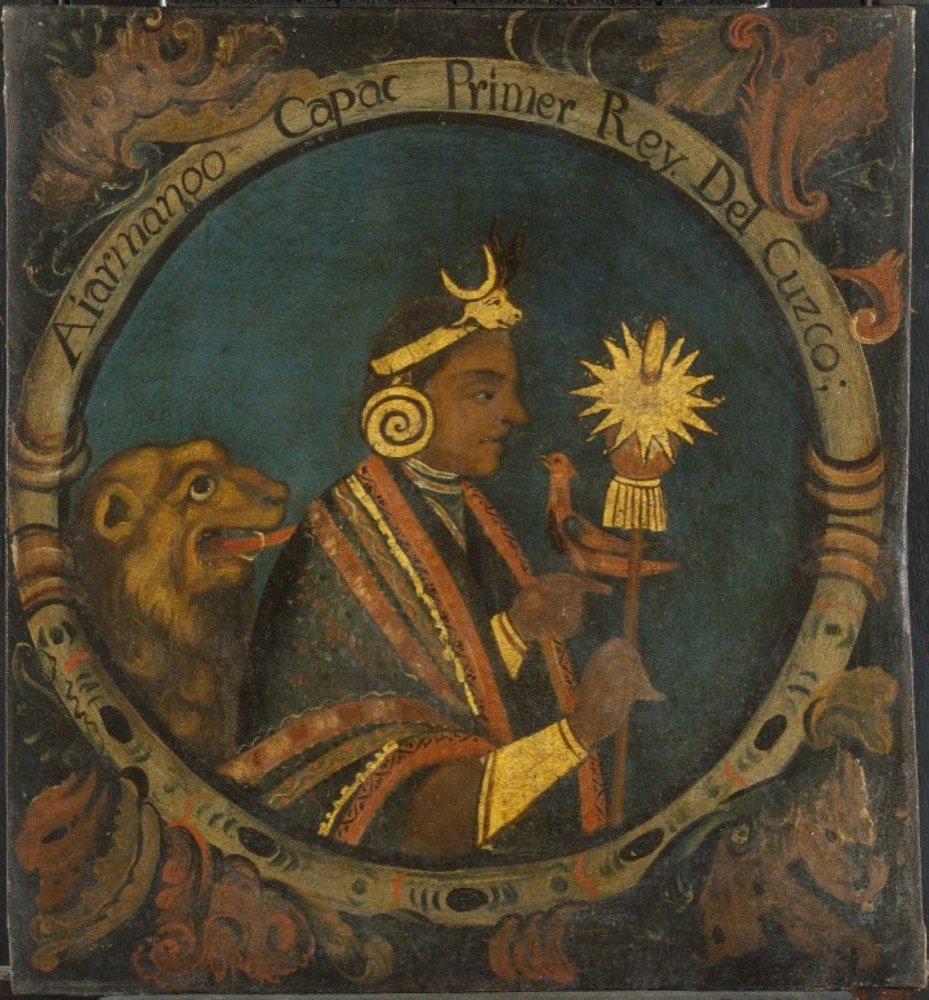
Manco Cápac
Legendary first Inca king. In one tale he and Mama Ocllo rose from Lake Titicaca at the Sun's command, seeking where a golden rod would sink; in another he was among eight siblings who left the cave at Pacaritambo.
 deity
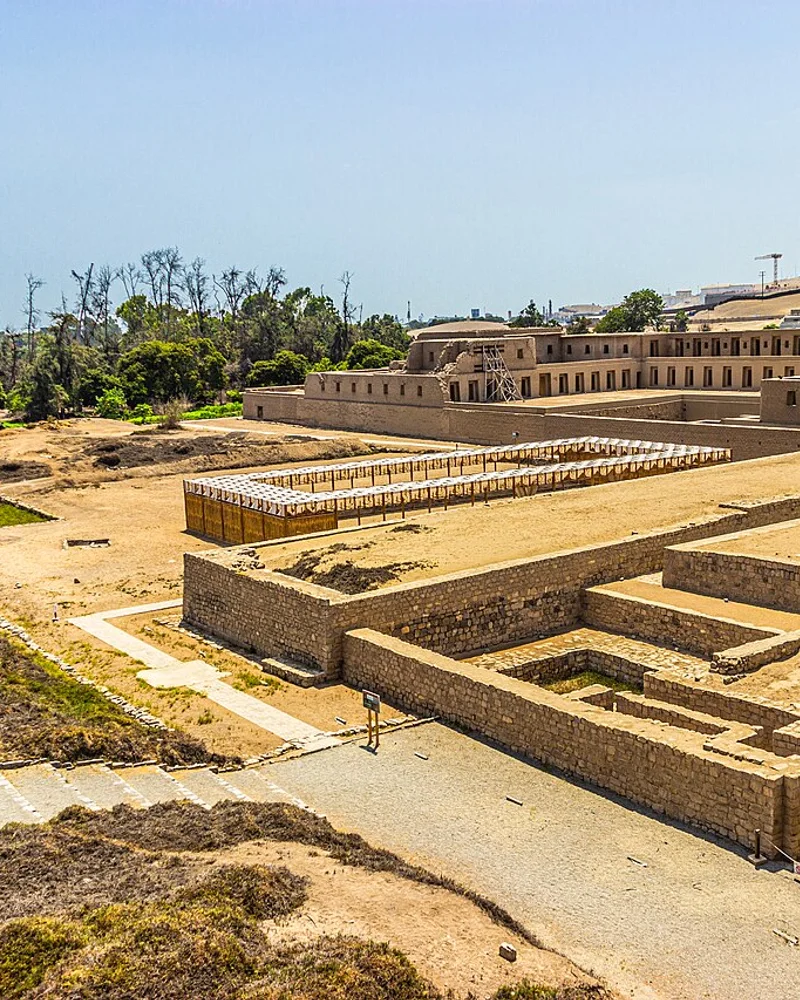
Pachacamac
The great oracle god of the central Peruvian coast, whose sanctuary south of Lima drew pilgrims for centuries before the Incas, and who kept his shrine even after the Incas built a Temple of the Sun beside it.
 deity
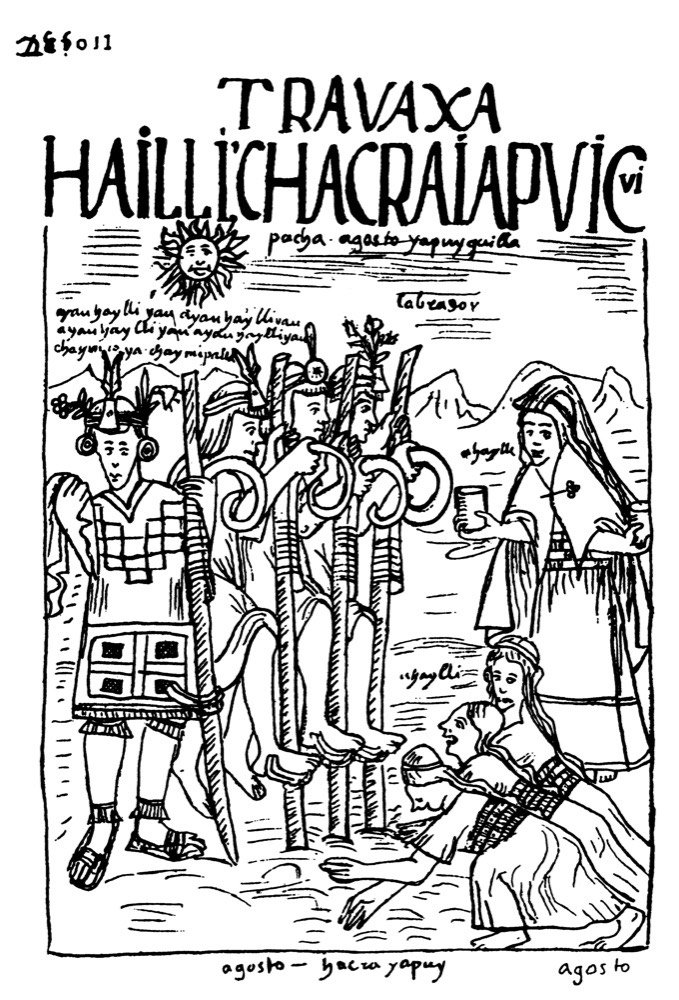
Pachamama
The Andean earth mother, keeper of soil, sowing and harvest, thanked with libations of chicha, coca leaves and burnt offering bundles. Her worship predates the Inca empire and continues today.
 deity
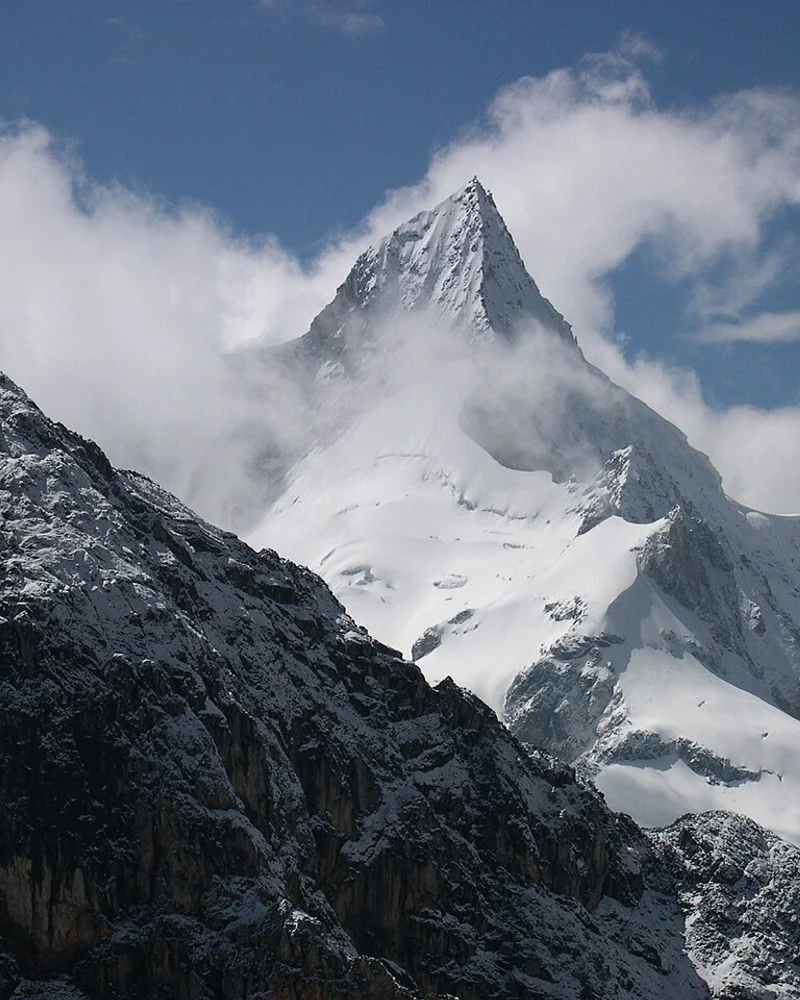
Pariacaca
The snow-mountain god of the Huarochirí Manuscript, born from five eggs on Mount Condorcoto, who drowns a village that refused him drink, brings irrigation water to the fields of Cupara, and drives the fire-eating Huallallo Carhuincho out of the highlands.
 artifact
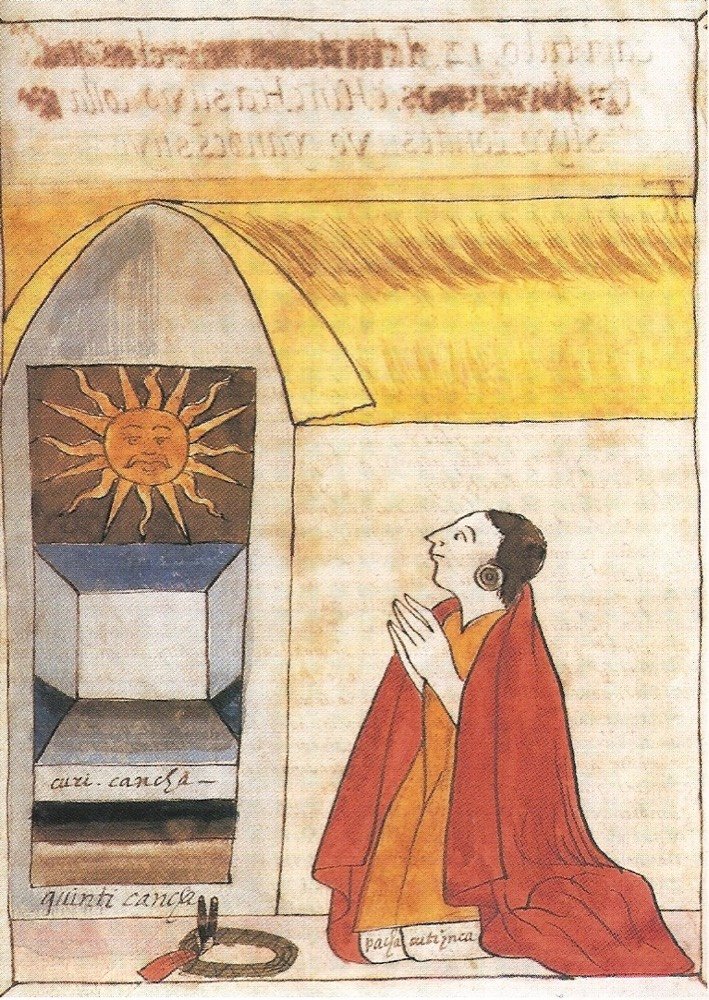
Punchao
The solid-gold sun image of Coricancha, shaped as a boy, its hollow chest holding a paste made from the hearts of dead Inca kings. Seized at the fall of Vilcabamba in 1572, it vanished after being sent to Spain.
 artifact
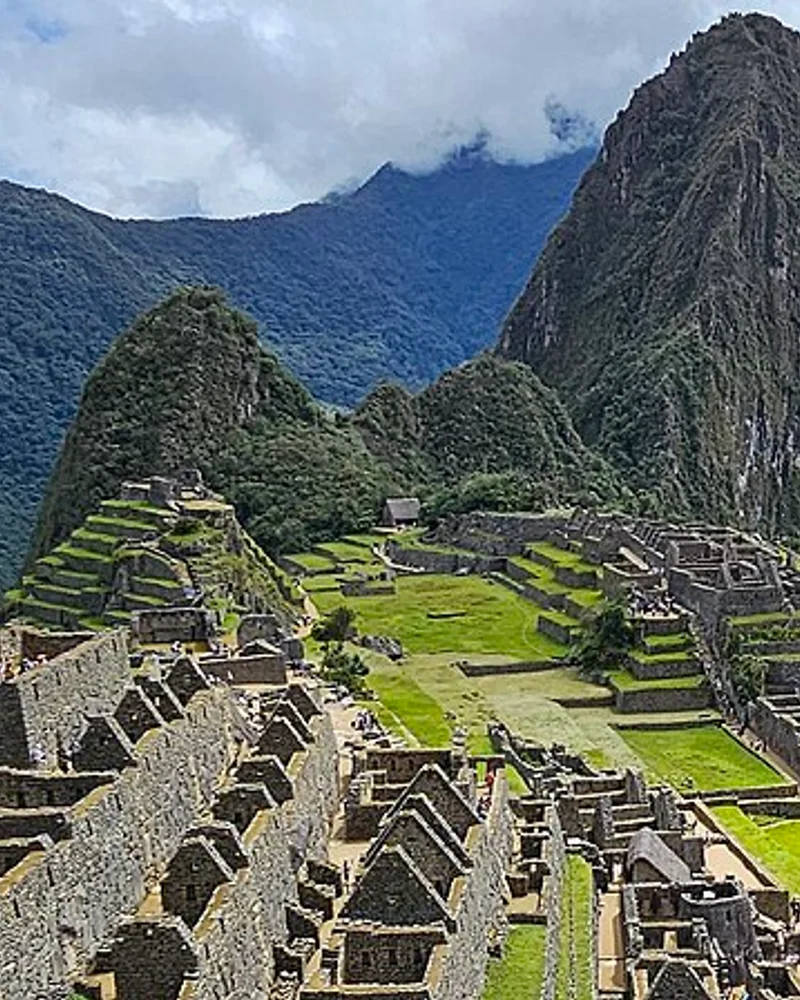
Sling of Illapa
The sling of the Thunder god: its crack was the thunderclap, and with it Illapa drew water from the river of the sky to pour down as rain and hail.
 tale
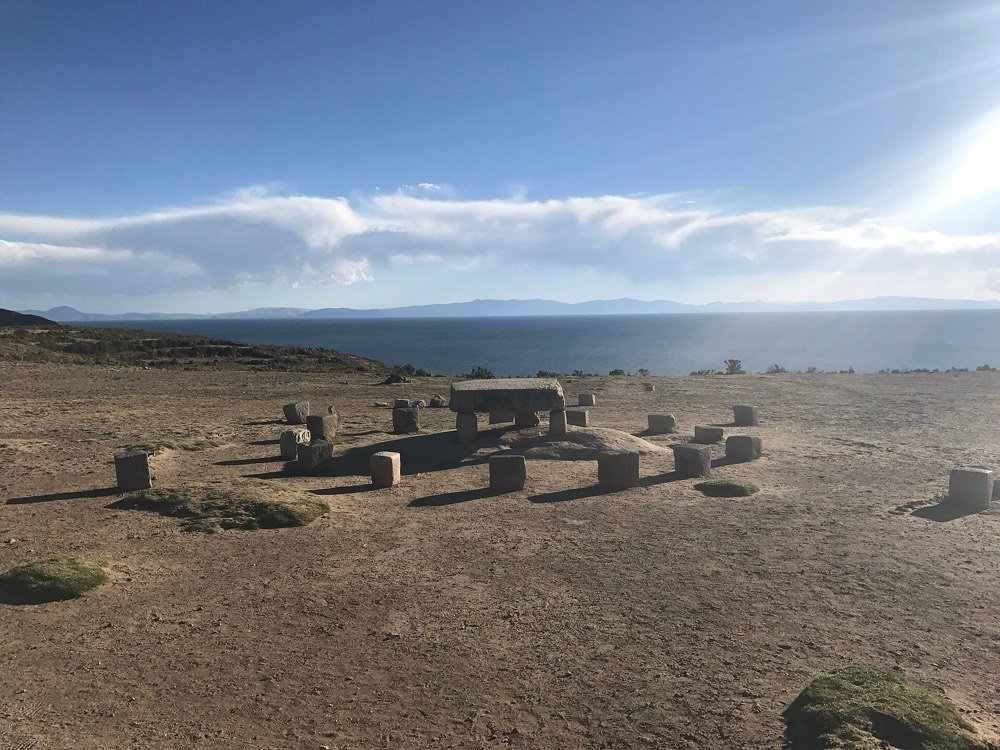
The Creation at Lake Titicaca
The world lay in darkness until Viracocha appeared at Lake Titicaca and called the sun up from the sacred rock on the Island of the Sun; moon and stars followed, and the nations were summoned from caves and springs.
 creature
Urcuchillay
The many-colored male llama of the stars, reported by colonial writers as the celestial guardian that herders prayed to for the increase and protection of their flocks.
 deity
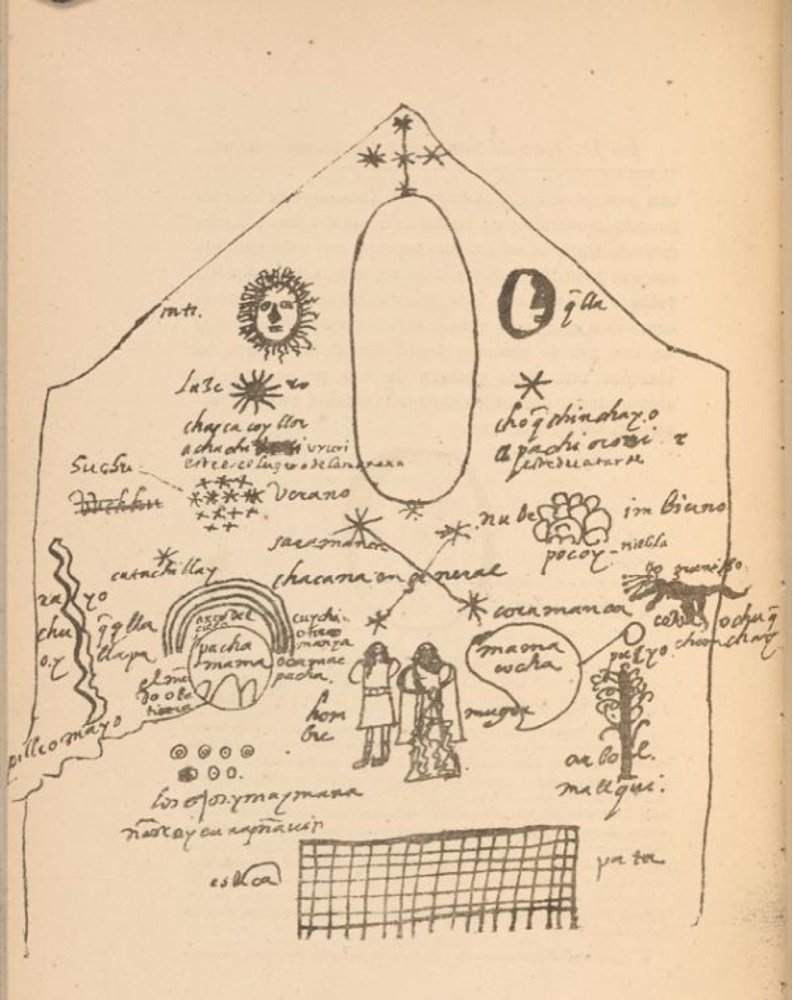
Viracocha
The Andean creator: he rose from Lake Titicaca in darkness, set sun, moon and stars in the sky, shaped the nations in stone at Tiahuanaco, then walked the land as a staff-bearing wanderer before departing across the sea.
 creature
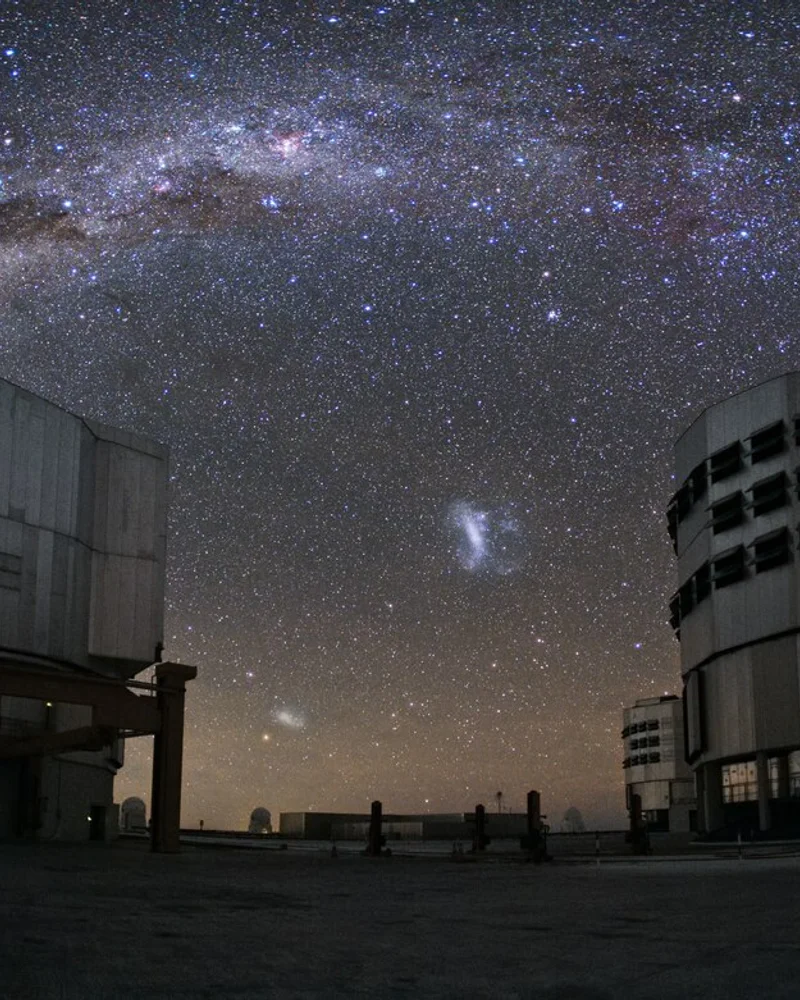
Yacana
The celestial llama of the Huarochirí Manuscript, a dark shape in the Milky Way that walks down at midnight to drink from the sea; if it did not drink, the ocean would flood the world.