


Celtic Mythology
Celtic Mythology traditions, cosmology, and ancient mythology.
Mythological Figures & Lore
Showing all 32 records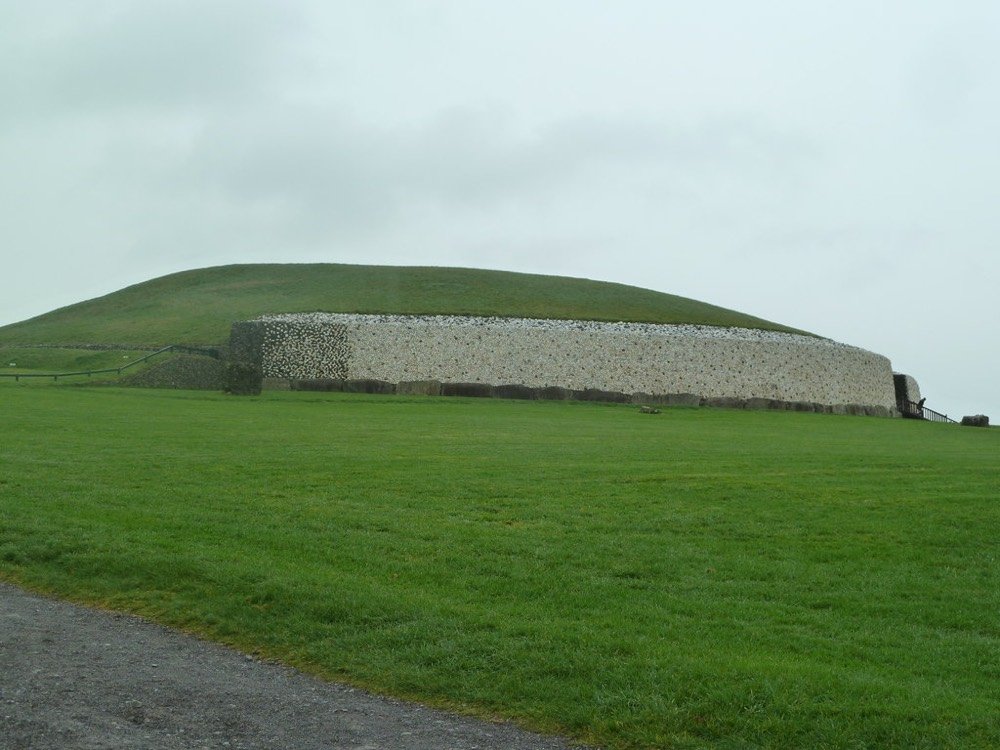 deity
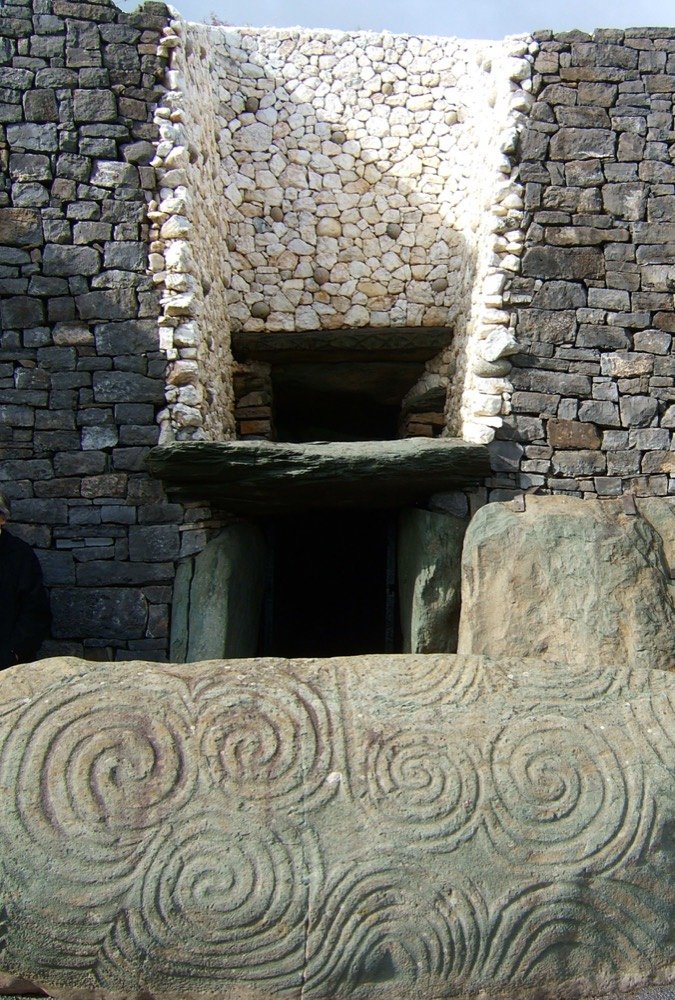
Aengus
Son of the Dagda and the river goddess Boann, dwelling at Newgrange. He sought the swan-maiden Caer from a dream and took swan form to fly away beside her.
 deity
Áine
Radiant goddess of summer and love, associated with Knockainey in County Limerick. Her midsummer fires blessed the cattle and crops of Munster.
 deity
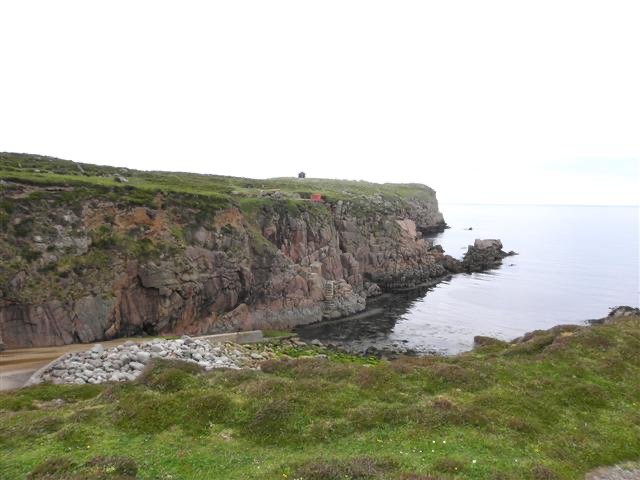
Balor
The most dreadful Fomorian champion, whose eye could destroy an army. At Mag Tuired, his grandson Lugh drove a sling-stone through it and turned its ruin upon the Fomorians.
 spirit
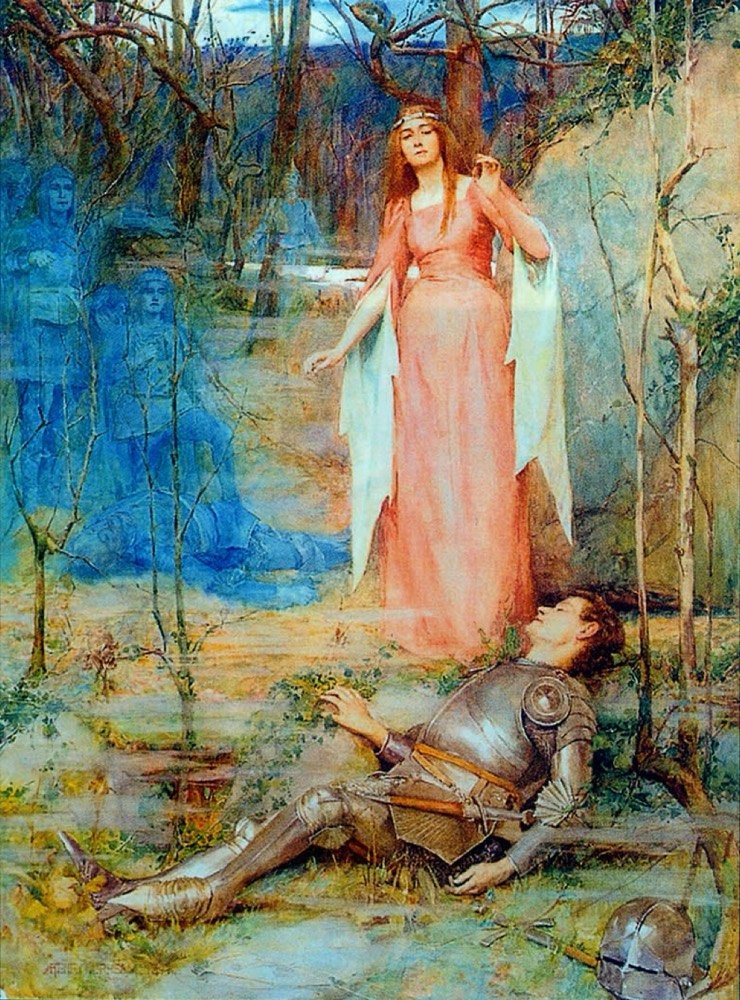
Banshee
The death-messenger of Irish folklore, her name meaning 'woman of the fairy mound'. Attached to the old Gaelic families, she is heard keening in the night when one of the line is about to die.
 deity
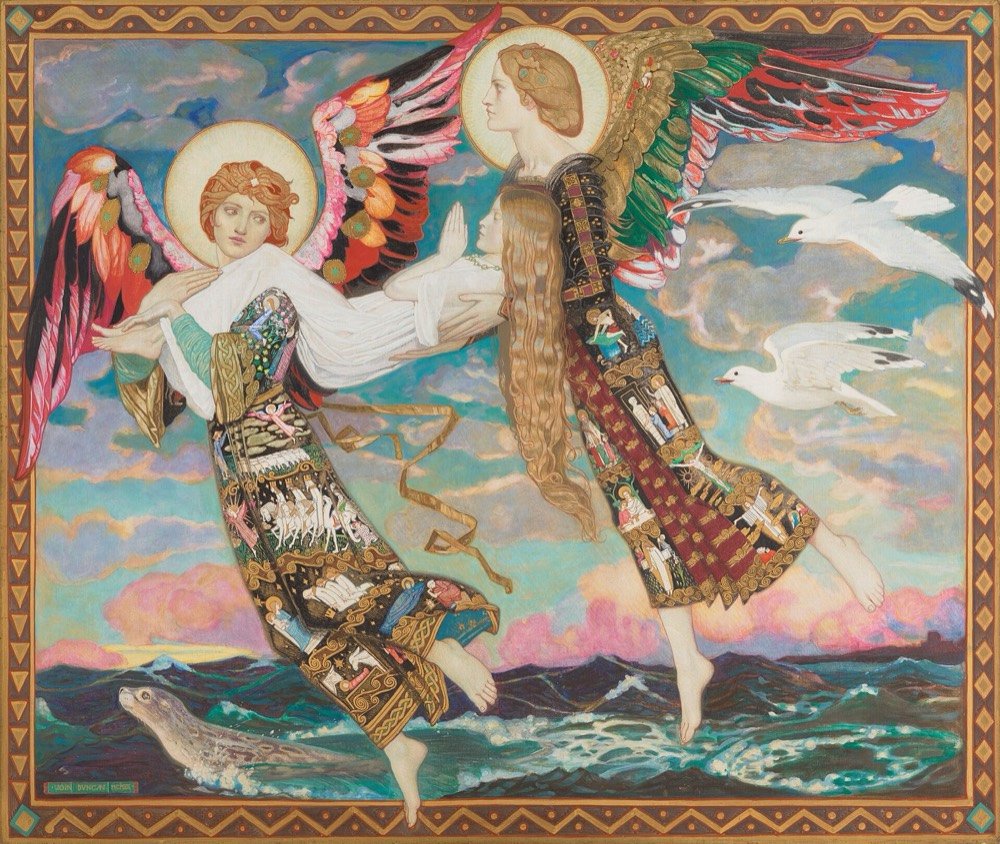
Brigid
Daughter of the Dagda, patron of poets, smiths and healers; Cormac's Glossary (c. 900) names three sisters called Brigit. Her cult merged with St Brigid of Kildare, whose flame and holy wells are still tended.
 deity
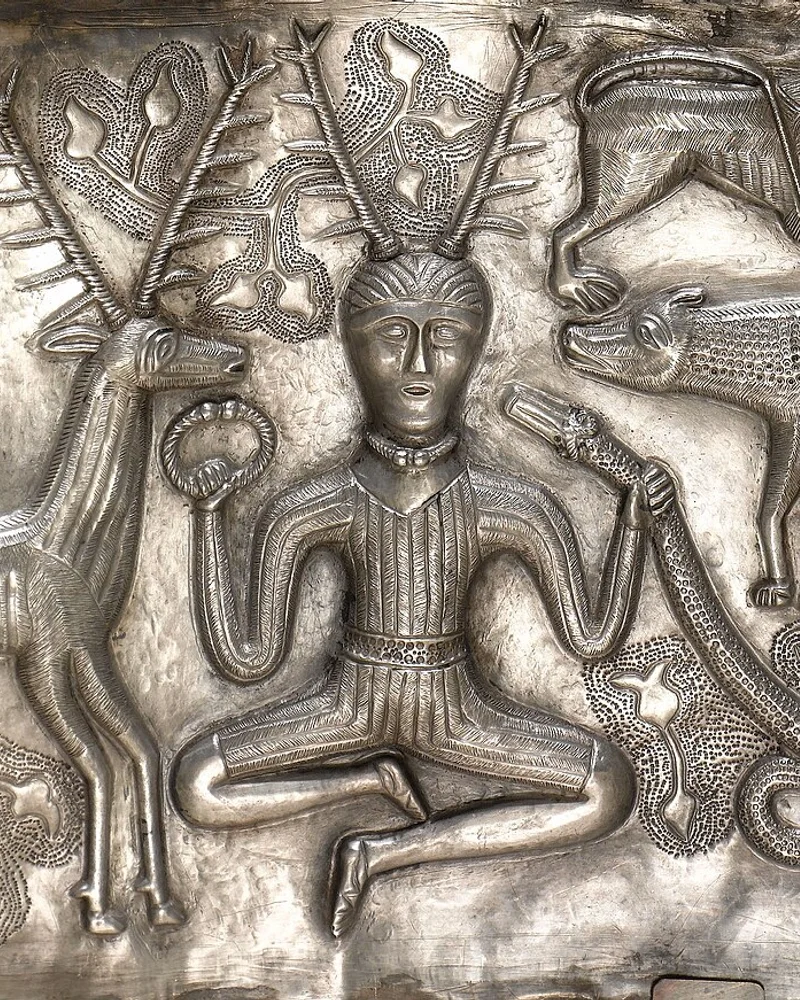
Cernunnos
The horned god of wild places and untamed nature. He sits cross-legged, lord of beasts, holding a torc in one hand and a serpent in the other.
 hero
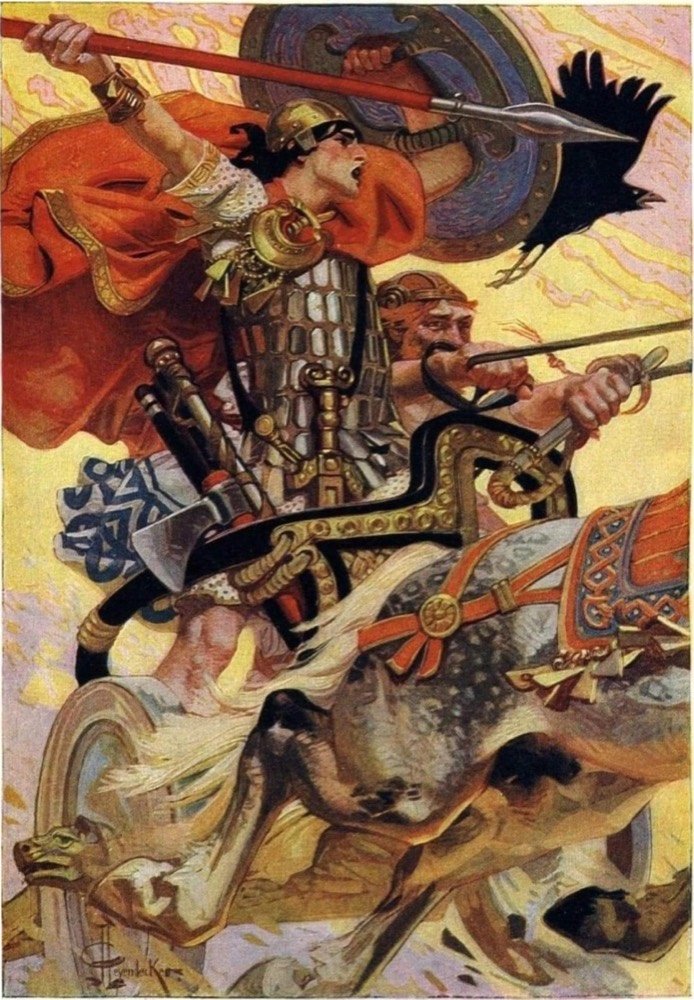
Cu Chulainn
Foremost hero of the Ulster Cycle and son of the god Lugh. He killed the smith Culann's hound as a boy and took its place, held Ulster's border alone at seventeen, and died bound upright to a standing stone.
 creature
Cu Sith
A massive fairy hound the size of a bull, with shaggy dark green fur and braided tail. Its three barks summon death, and it roams the Scottish Highlands collecting souls of the dying.
 deity
The Dagda
A chief of the Tuatha De Danann whose name means 'the good god', good at everything: he wields a club that kills and revives, an inexhaustible cauldron, and a season-ordering harp.
 deity
Danu
The primordial mother goddess whose name lives on in the Tuatha Dé Danann, the divine tribe of Ireland. Though rarely appearing in myths directly, her presence permeates the land itself.
 deity
Dian Cécht
The physician of the Tuatha Dé Danann, whose healing well could restore the dead to life. His jealousy over his son's greater skill led to tragedy.
 creature
Each-uisge
A malevolent water horse of Scottish lochs and seas, far more dangerous than the kelpie. It appears as a beautiful horse but carries victims into the water to devour them, leaving only the liver behind.
 artifact
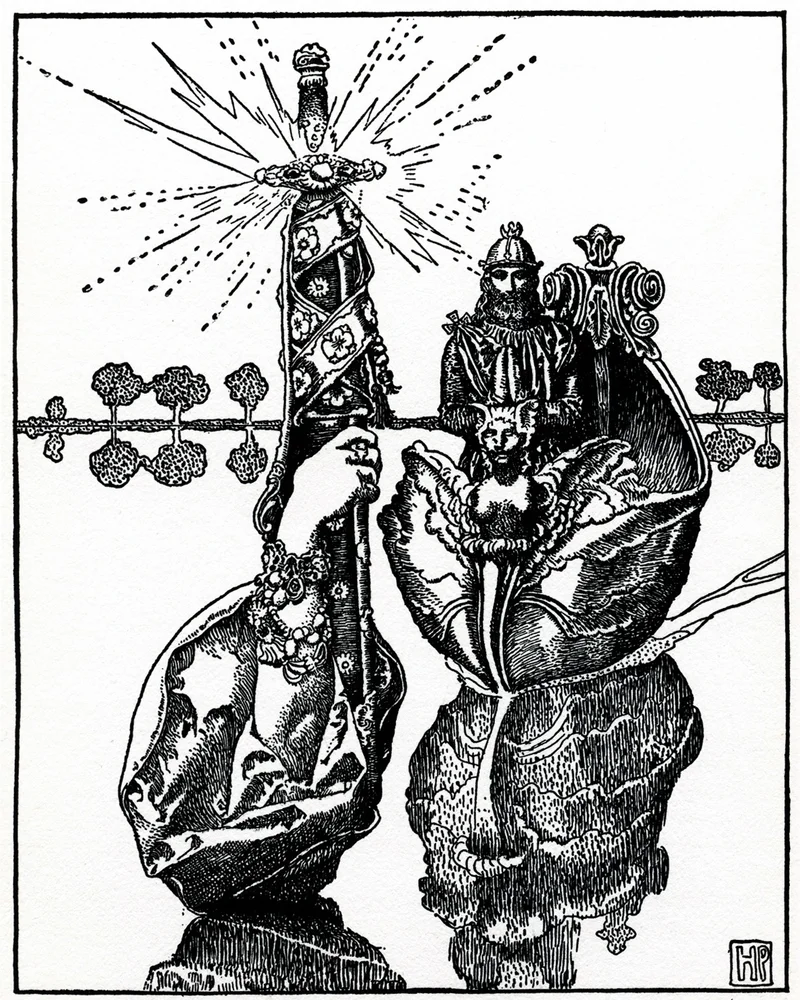
Excalibur
The legendary sword of King Arthur, symbol of rightful sovereignty over Britain. Its blade could cut through anything, and its scabbard protected the bearer from all wounds.
 hero
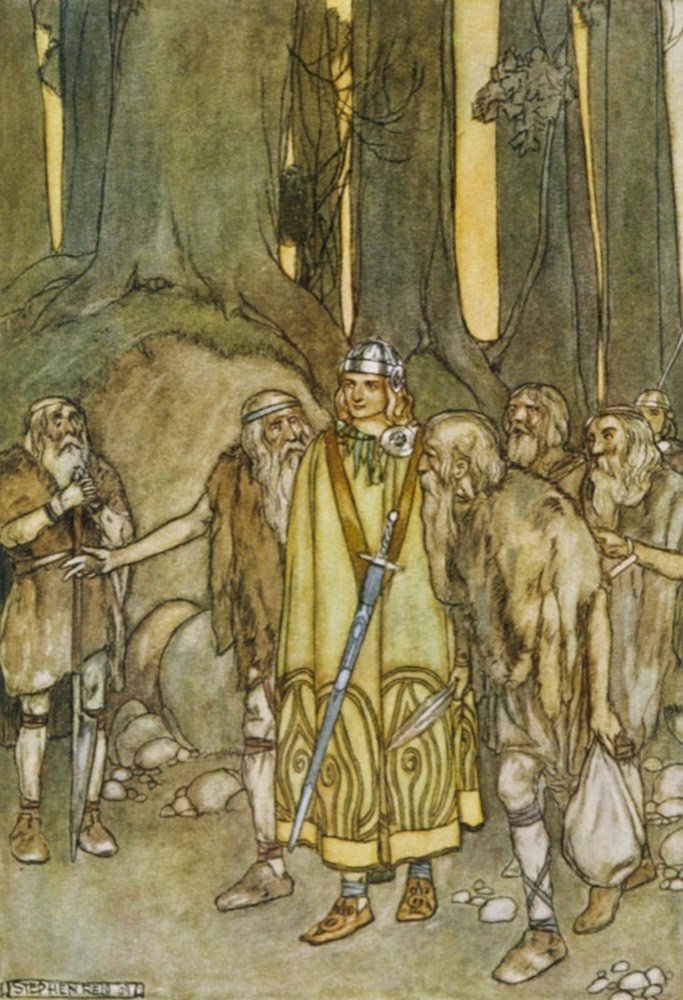
Fionn mac Cumhaill
Hero of the Fenian Cycle and captain of the roving Fianna. As a boy he tasted the Salmon of Knowledge, and ever after gained wisdom by biting his thumb. Legend says he only sleeps, awaiting Ireland's need.
 deity
Goibniu
The divine smith who forges weapons that never miss and brews the ale of immortality. His hammer falls three times, and the weapon is complete.
 artifact
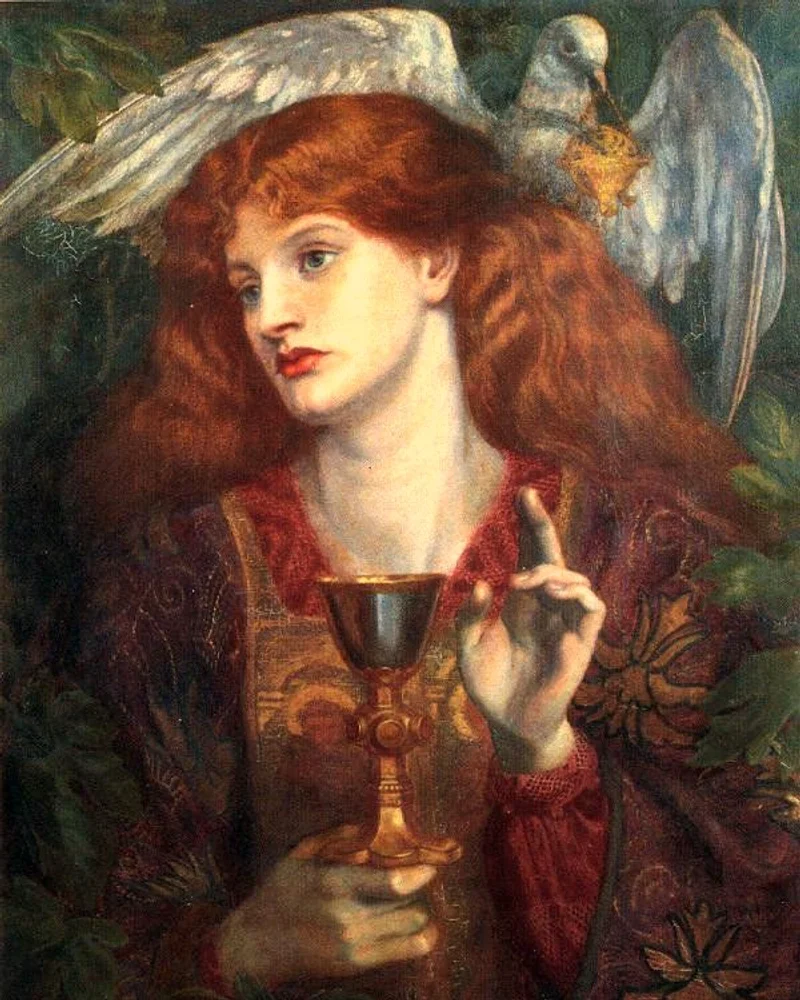
Holy Grail
The sacred cup of the Last Supper, said to possess miraculous powers of healing and eternal life. The quest for the Grail became the ultimate spiritual journey for the Knights of the Round Table.
 creature
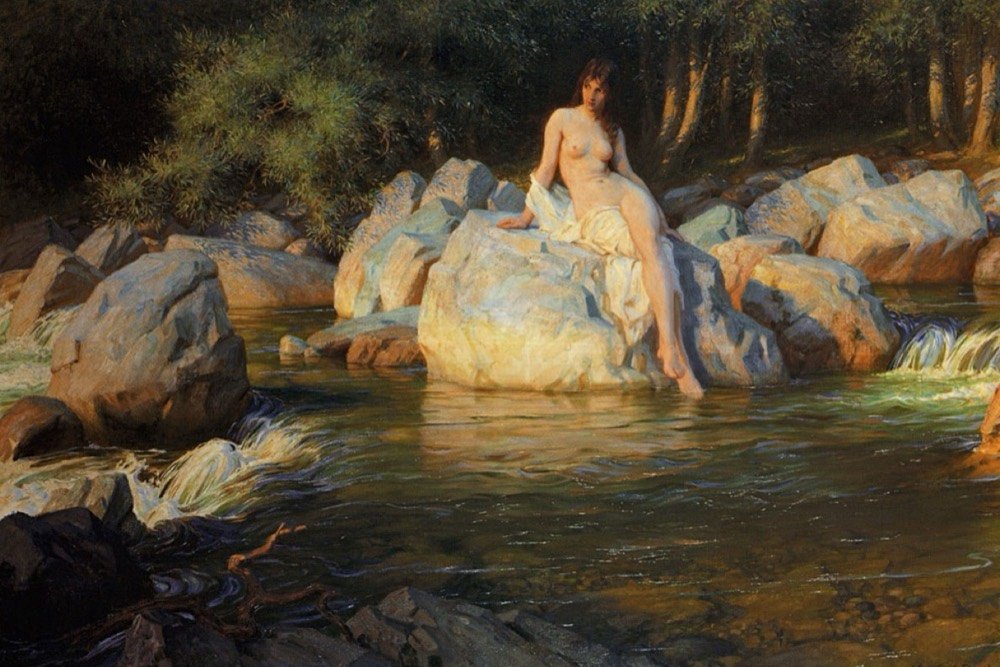
Kelpie
A shape-shifting water demon of Scottish rivers and lochs. It appears as a tame horse, its hide gripping like glue, then drags the rider under and devours all but the liver.
 spirit
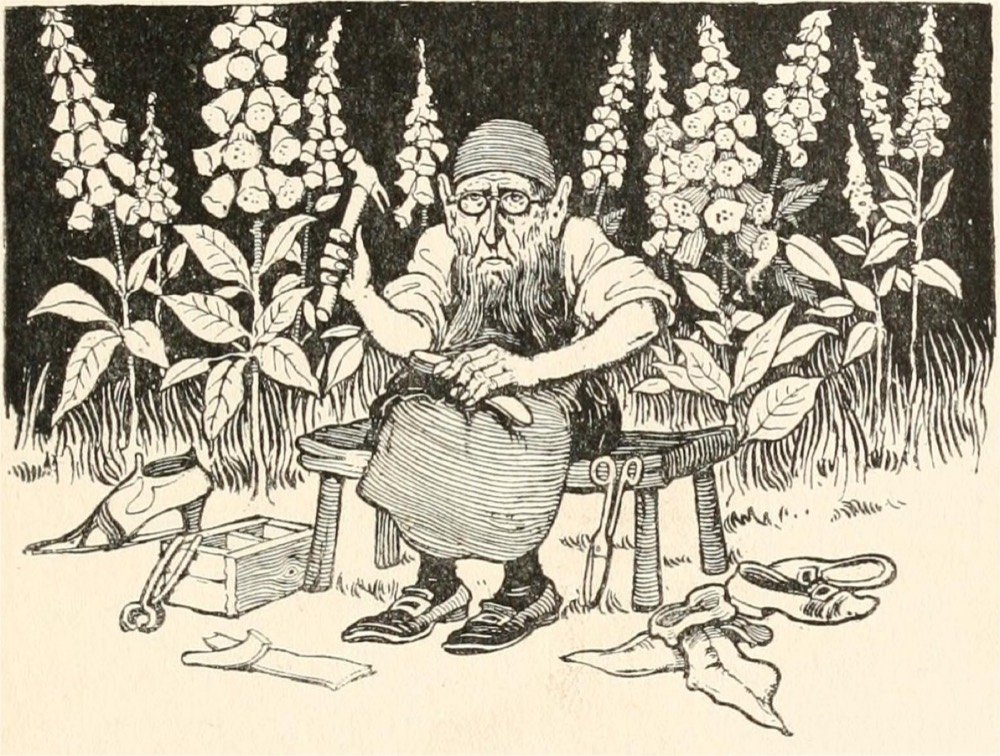
Leprechaun
Ireland's solitary fairy cobbler, hoarder of buried gold. Caught, he must ransom himself with treasure or three wishes, yet he talks his way free every time.
 deity
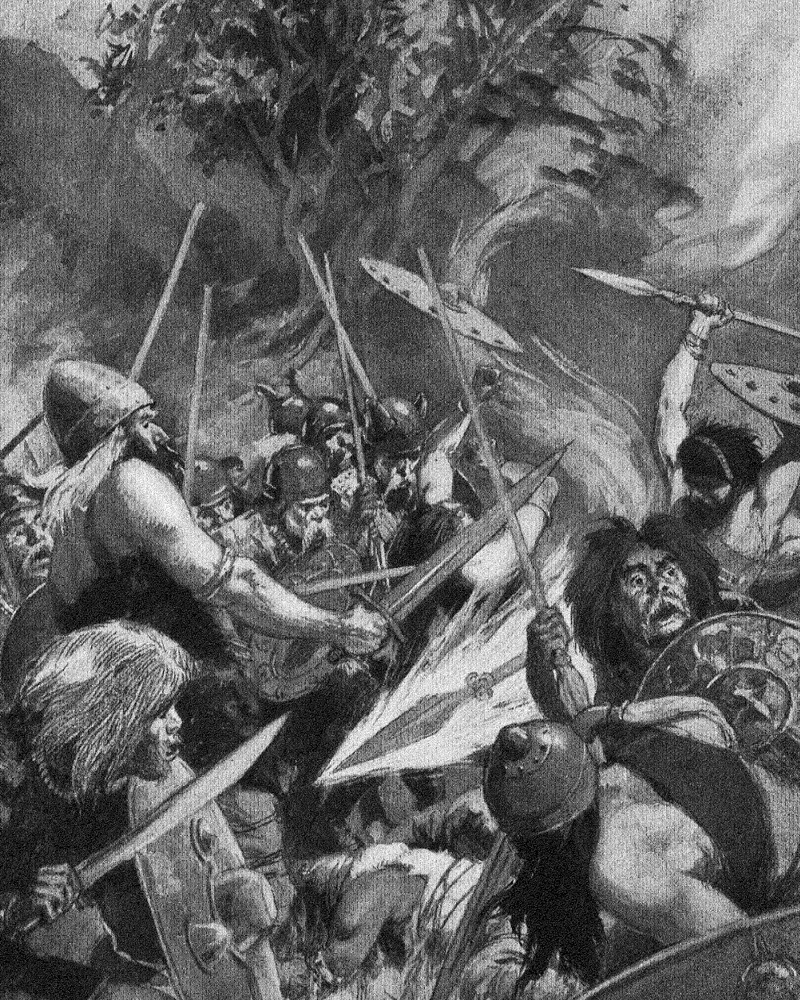
Lugh
The master of all skills and arts. A youthful warrior king who led the Tuatha Dé Danann to victory against the Fomorians.
 deity
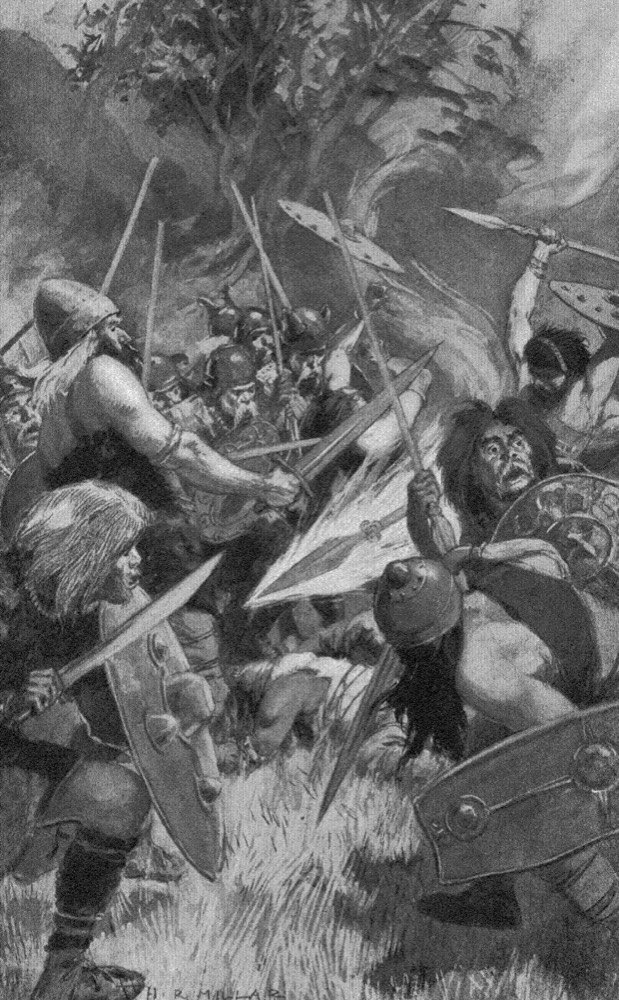
Lugh
Young champion of the Tuatha De Danann, called 'of the long arm' and 'skilled in all arts together'. At Mag Tuired he put out his grandfather Balor's poisonous eye with a sling-stone; the harvest festival Lughnasadh bears his name.
 deity
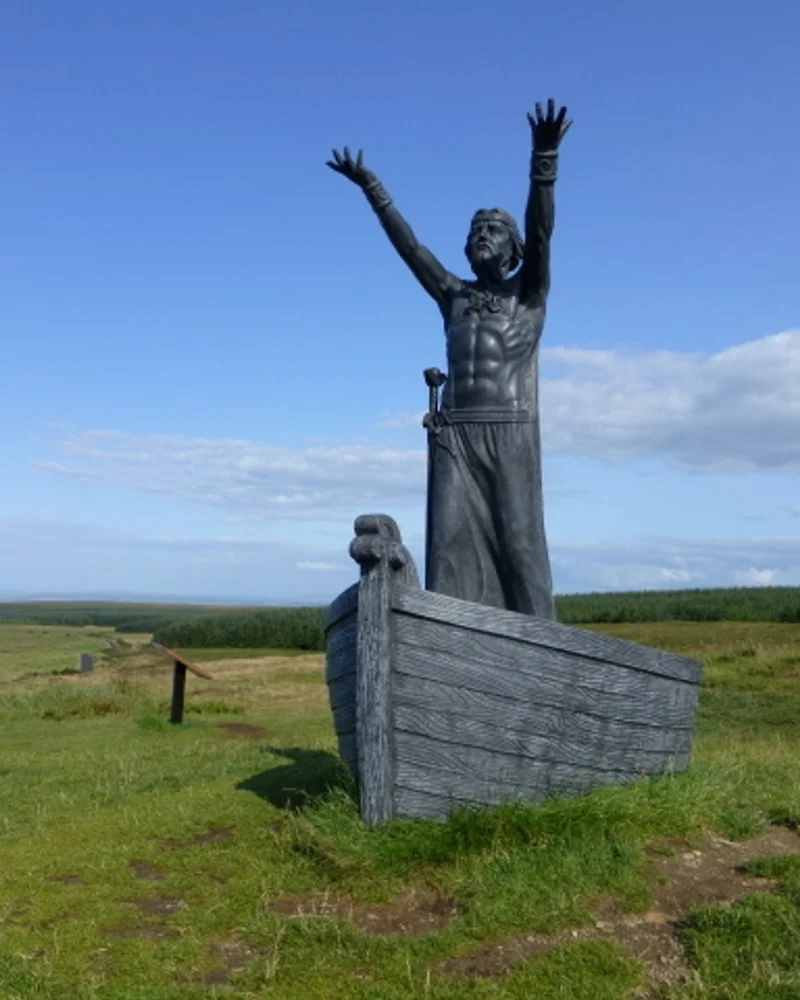
Manannán mac Lir
Lord of the sea and guardian of Tír na nÓg, the Land of Youth. He rides the waves in his chariot and cloaks the Otherworld in mist.
 hero
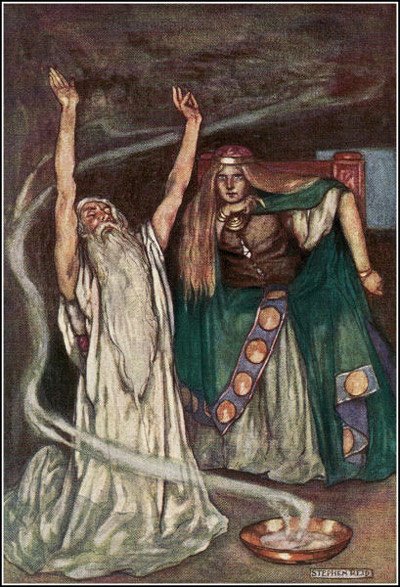
Medb
Ruler of Connacht. A reckoning of wealth left her one prize bull short, so she raised an army for the Brown Bull of Cooley and met Cu Chulainn at the fords.
 deity
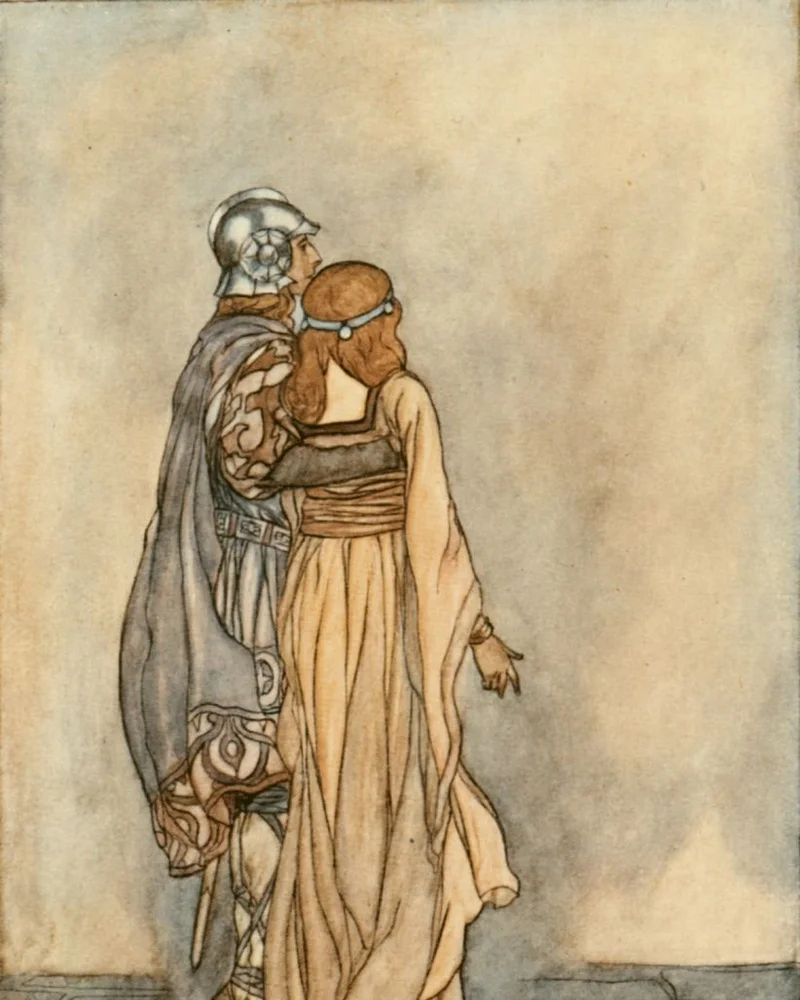
Midir
Lord of the Otherworld at Brí Léith, whose love for the mortal woman Étaín sparked wars between the fairy realms and the High King of Ireland.
 deity
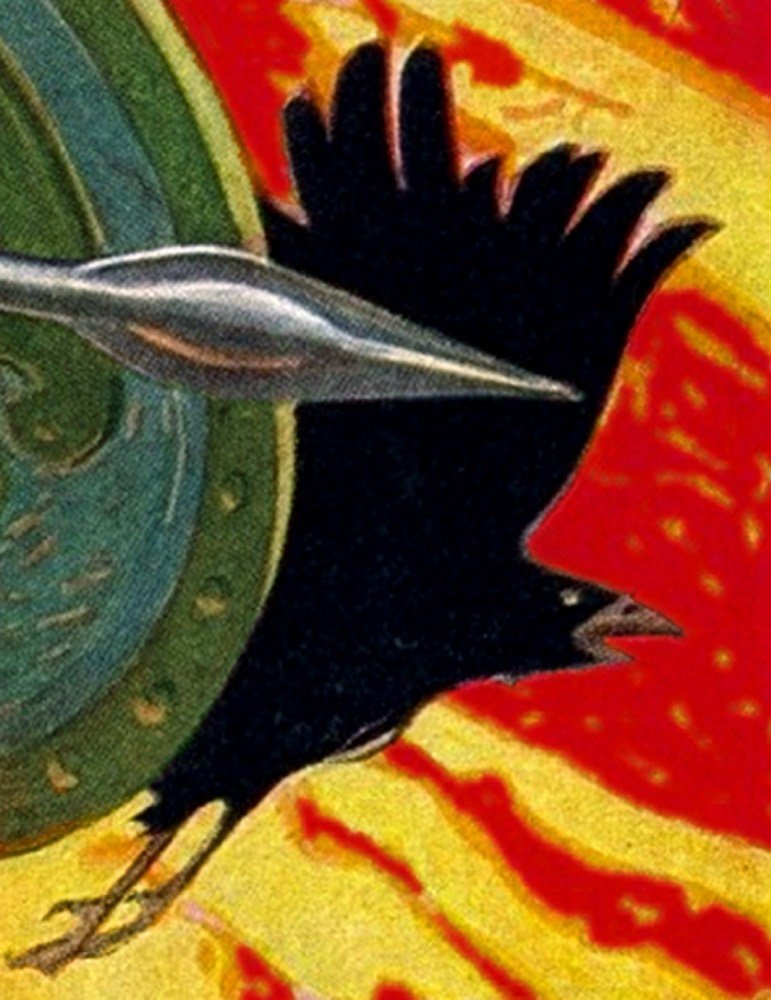
The Morrigan
The Irish goddess of war and fate, her name read as 'great queen' or 'phantom queen'. She circles battlefields as a crow, prophesies slaughter, and appears as a triad with Badb and Macha.
 deity
Nuada Airgetlám
The first king of the Tuatha Dé Danann, who lost his arm in battle and his throne with it—until Dian Cécht forged him a working hand of silver.
 deity
Ogma
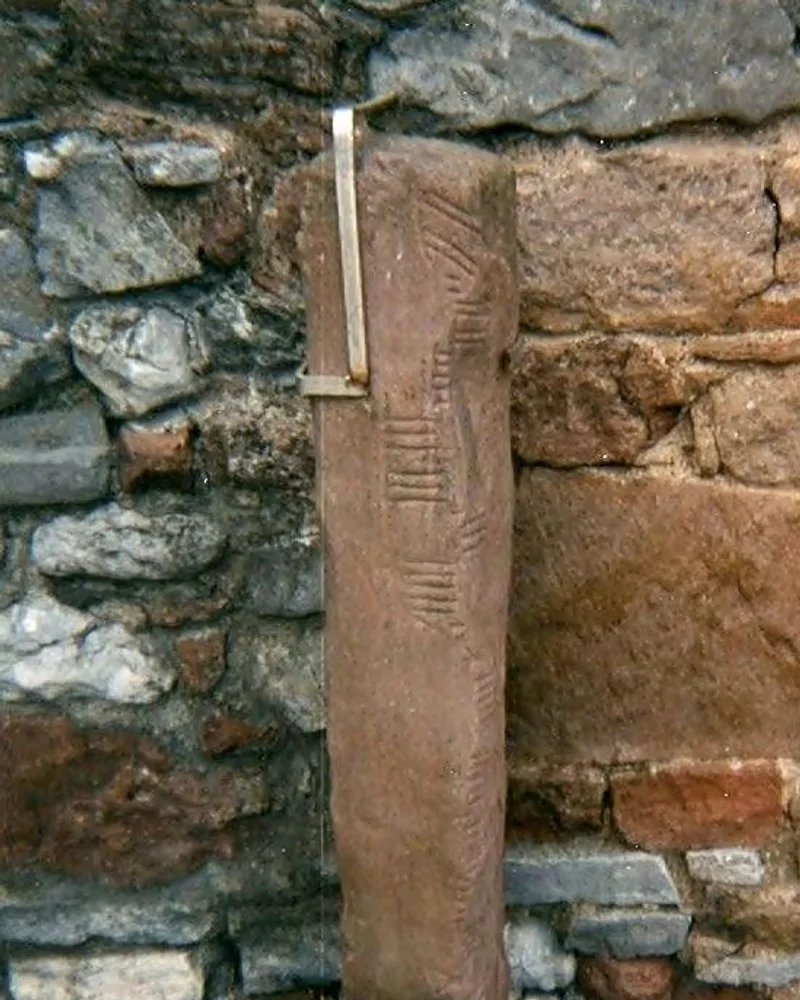
Inventor of the Ogham alphabet and champion of the Tuatha Dé Danann. His eloquence binds listeners with chains of gold that flow from his tongue.
 hero
Oisin
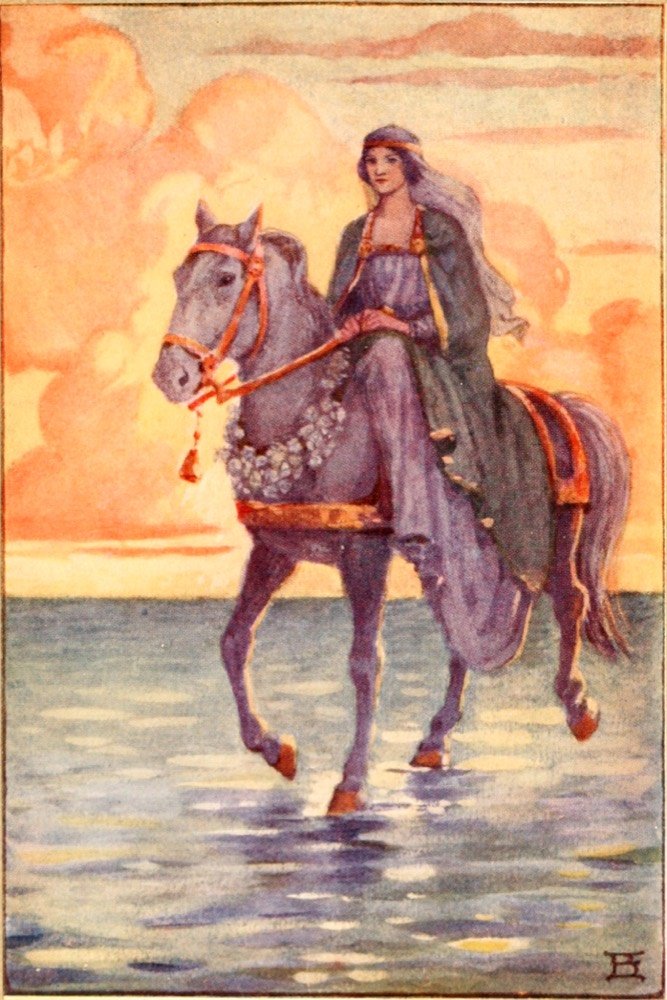
Poet and son of Fionn. He rode with golden-haired Niamh to the Land of Youth, but on returning one touch of Irish soil brought three centuries down upon him.
 hero
Scathach
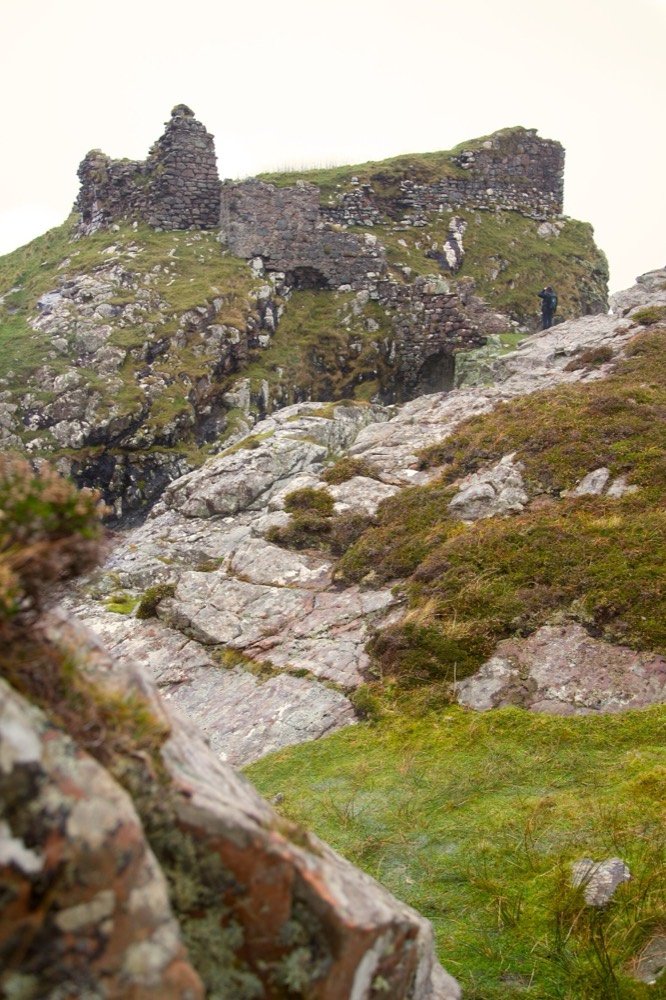
The warrior teacher of a perilous fortress in Alba. Cu Chulainn crossed the bridge to her domain and learned from her the deadly spear-cast of the gae bolga.
 spirit
Selkie
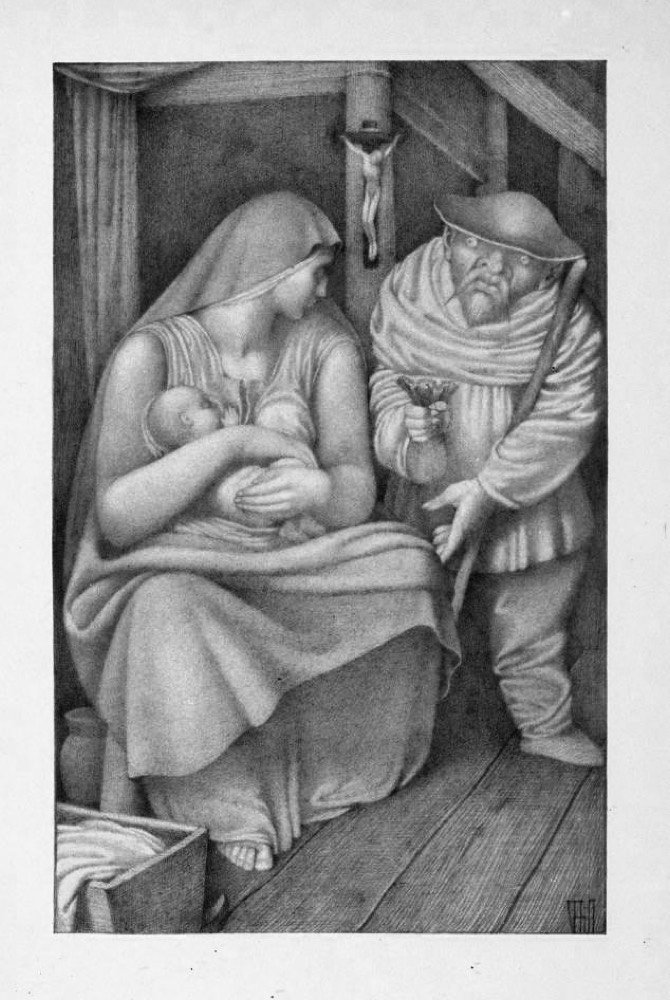
The seal-folk of Orkney and Shetland lore, human once the sealskin is shed. A fisherman who hides the skin may keep a selkie wife, but the day she finds it she returns to the sea.
 artifact
Spear of Lugh
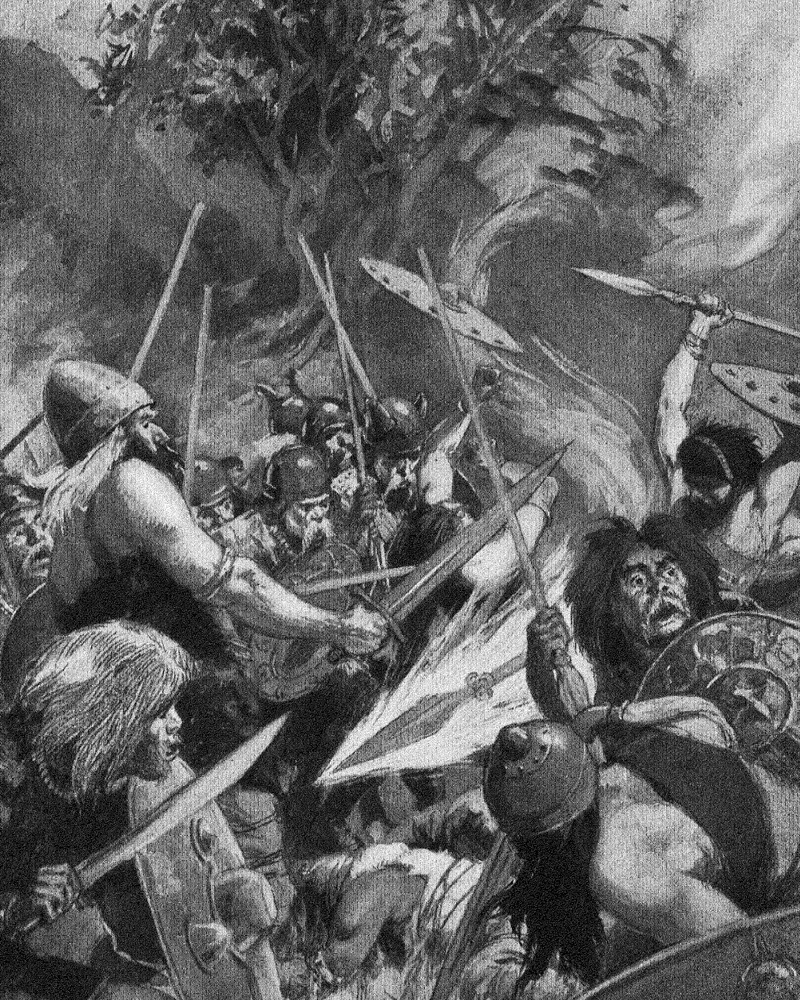
One of the Four Treasures of the Tuatha De Danann, this fiery spear never misses its target and guarantees victory in battle. It must be kept in a cauldron of water to prevent it from igniting.
 tale
The Cattle Raid of Cooley
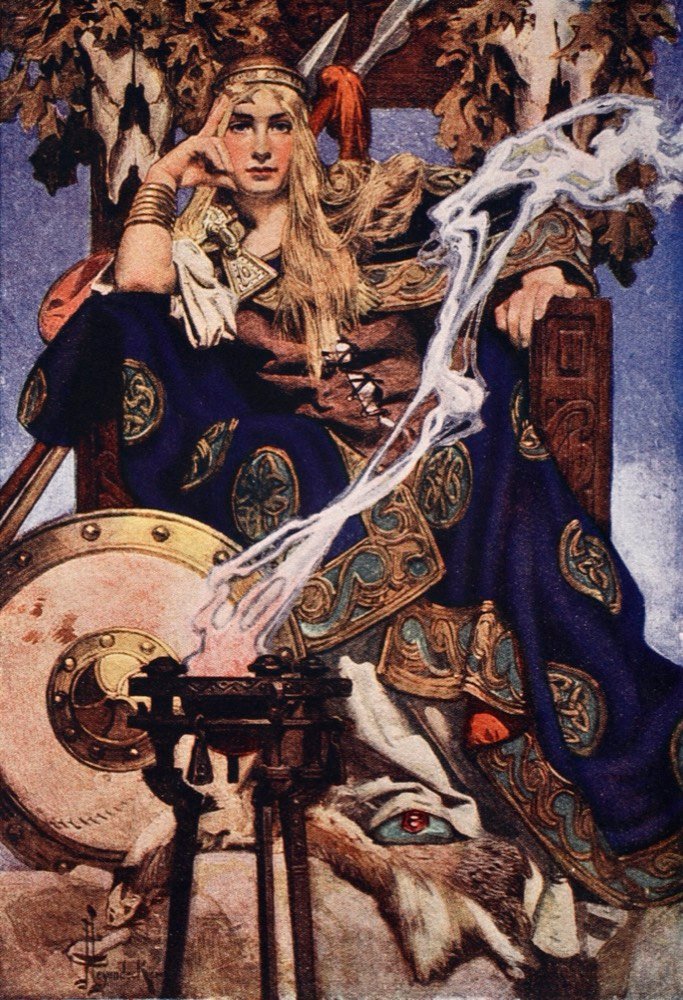
Ireland's great epic: Queen Medb of Connacht invades Ulster to seize the Brown Bull of Cooley while the province's men lie cursed, leaving the boy Cu Chulainn to hold the fords alone.
 place
Tir na nOg
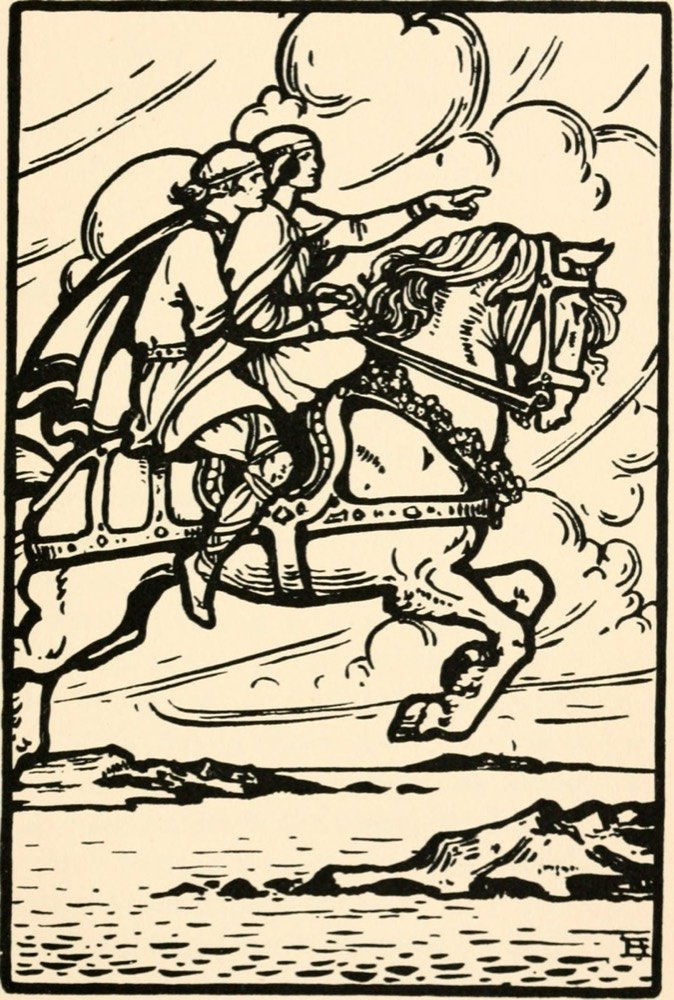
The most famous of the Irish otherworld realms, 'the Land of Youth', without sickness, age or death. Oisin dwelt there three hundred years, and aged in a moment when he touched Irish soil again.