


Biblical Tradition
Biblical Tradition traditions, cosmology, and ancient mythology.
Mythological Figures & Lore
Showing all 14 records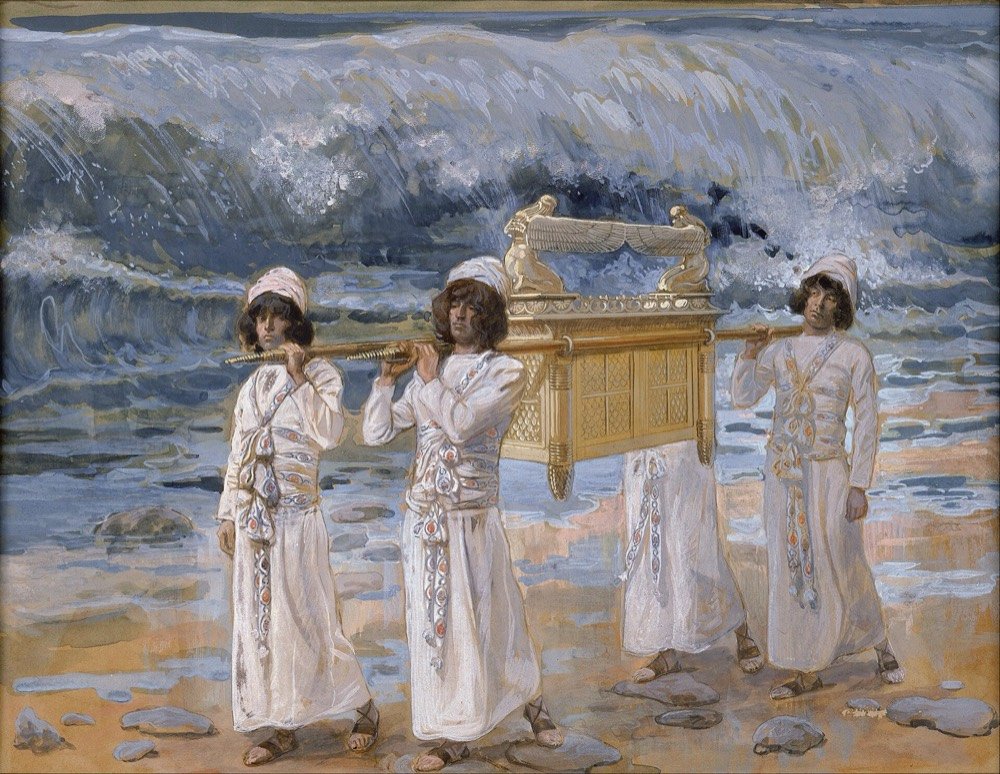 artifact
Ark of the Covenant
A gold-covered acacia chest holding the tablets of the Ten Commandments, its lid crowned by two facing golden cherubim. Carried through Israel's wanderings and wars, it entered Solomon's Holy of Holies and vanished from history in the sixth century BCE.
 creature
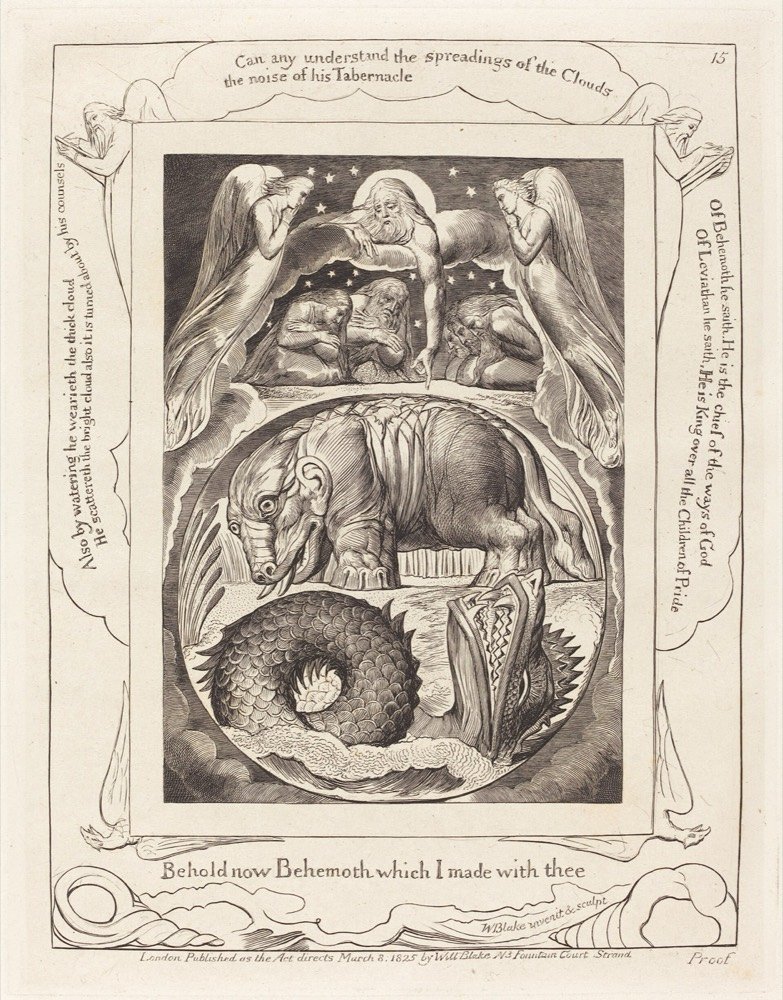
Behemoth
The land beast of the Book of Job: it eats grass like an ox, its bones are tubes of bronze, and it sways its tail like a cedar. Later tradition pairs it with Leviathan in the sea.
 spirit
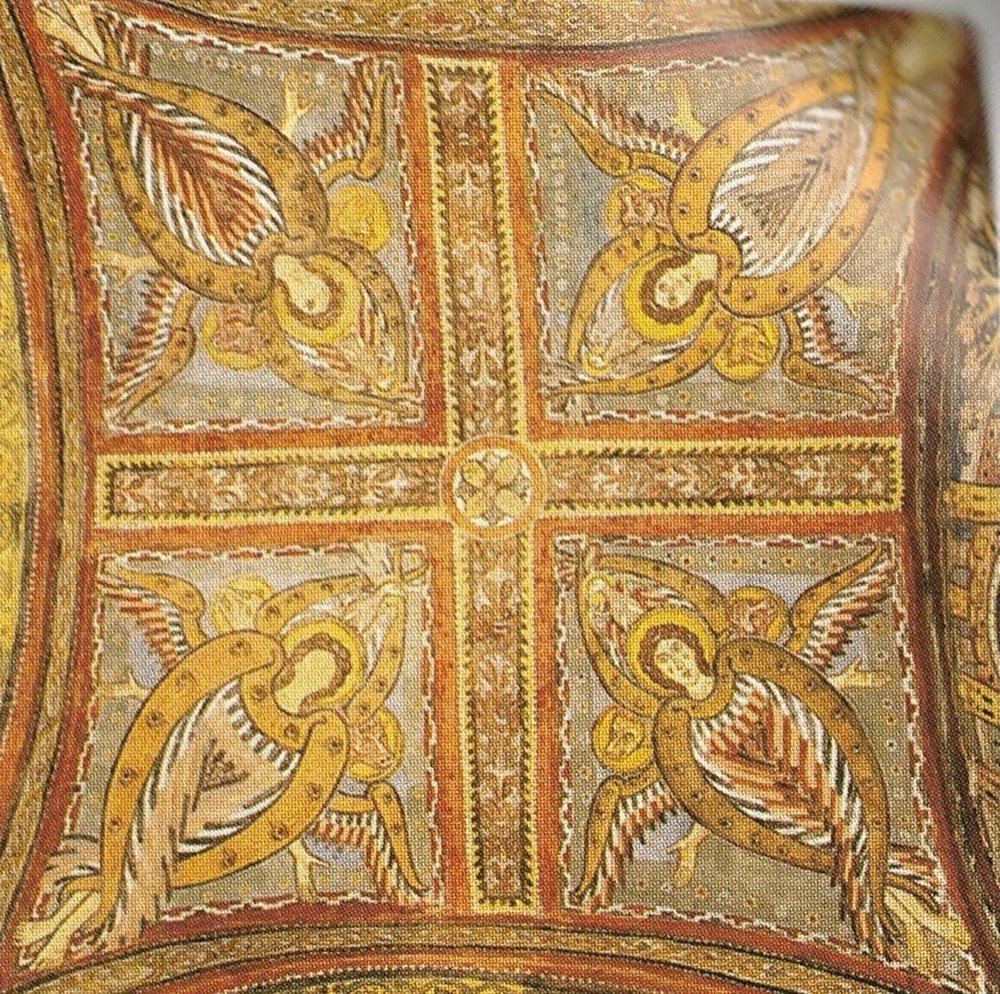
Cherubim
Winged beings who guard the gate of Eden and bear the throne of God. Ezekiel saw them with four faces — human, lion, ox, eagle; two golden cherubim spread their wings over the Ark's mercy seat.
 tale
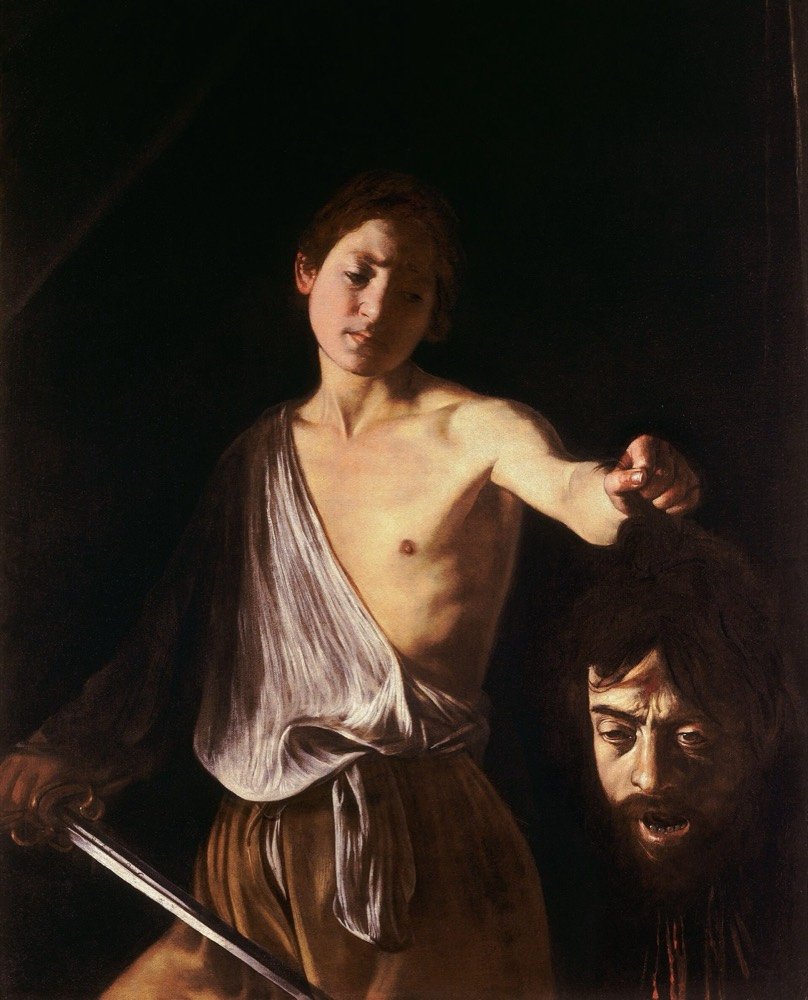
David and Goliath
For forty days the Philistine giant Goliath taunted Israel in the Valley of Elah, until the young David, unarmored, felled him with a sling stone to the forehead and beheaded him with his own sword.
 spirit
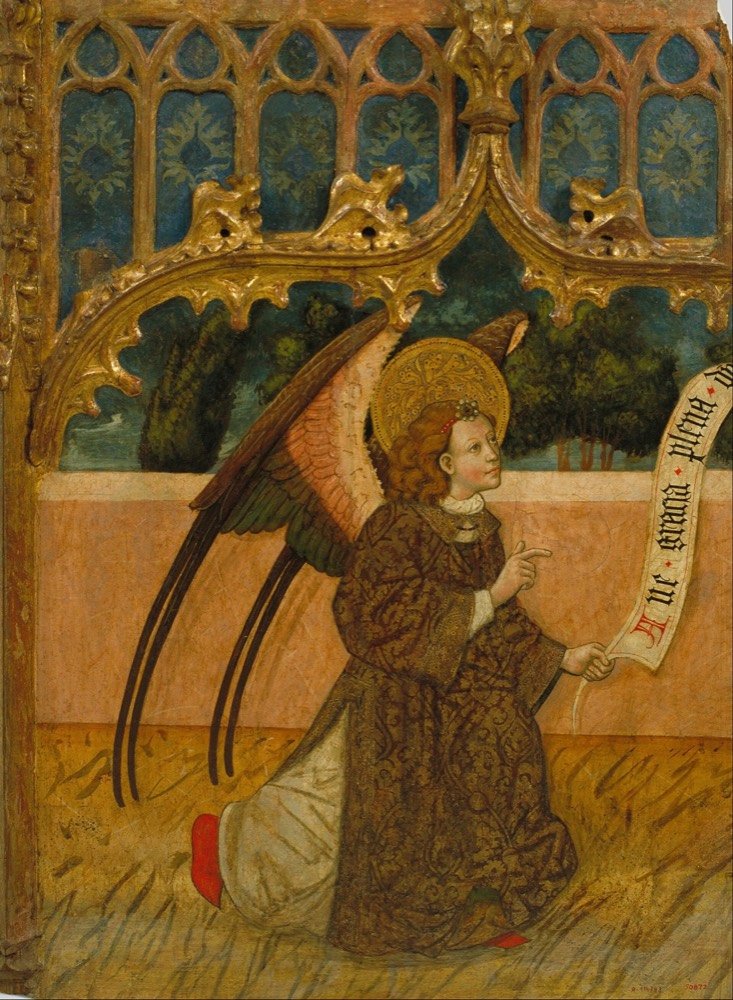
Gabriel
His name means 'God is my strength.' He interprets visions in Daniel and announces the birth of Jesus to Mary in Luke; in Islam, as Jibril, he delivers the Quran to Muhammad.
 place
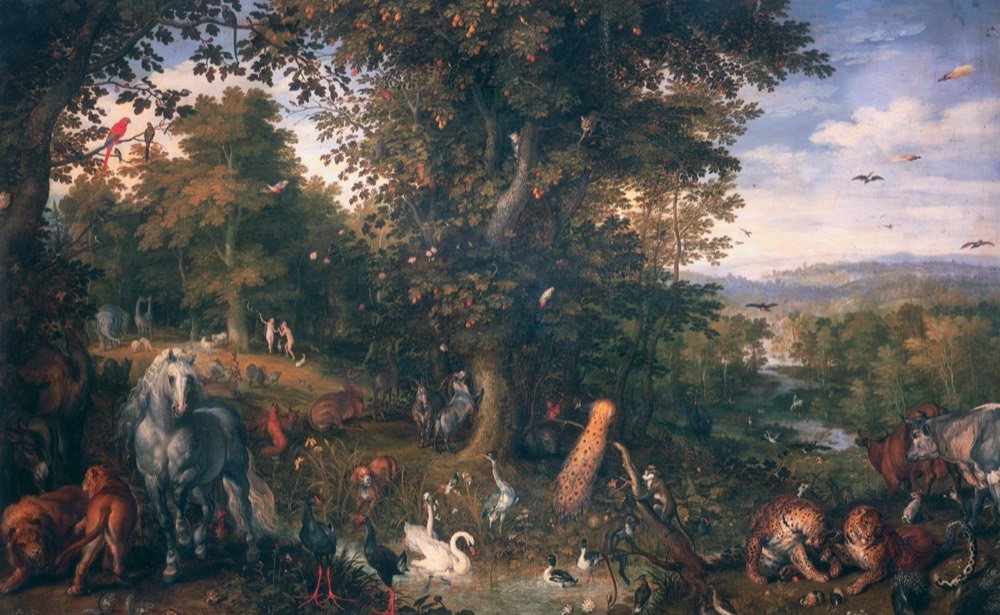
Garden of Eden
The garden God planted in the east in Genesis, source of four rivers, home to the tree of life and the tree of knowledge. After the expulsion, cherubim and a flaming sword bar the way back.
 tale
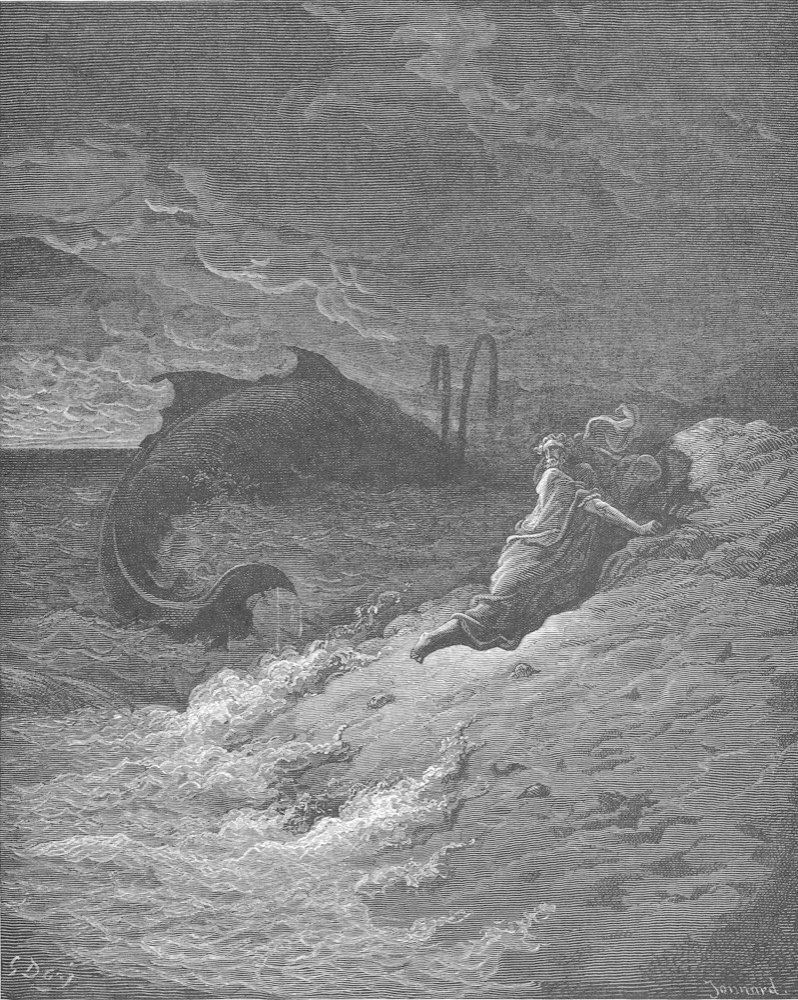
Jonah and the Great Fish
Fleeing his commission, the prophet Jonah is thrown into the sea and swallowed by a great fish the Lord appoints. After three days and nights of prayer in its belly, he is cast ashore and goes at last to Nineveh.
 creature
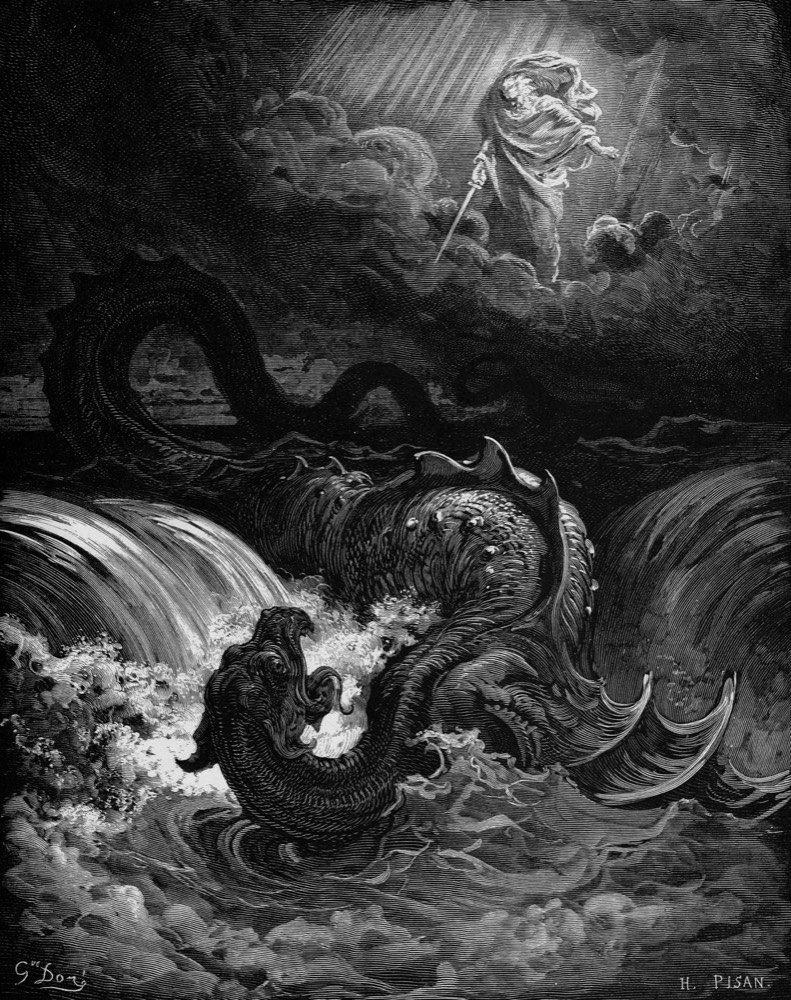
Leviathan
The great sea monster of the Hebrew Bible, armored in interlocking scales and breathing fire. Isaiah foretells that the Lord will slay the coiling serpent at the end of days.
 spirit
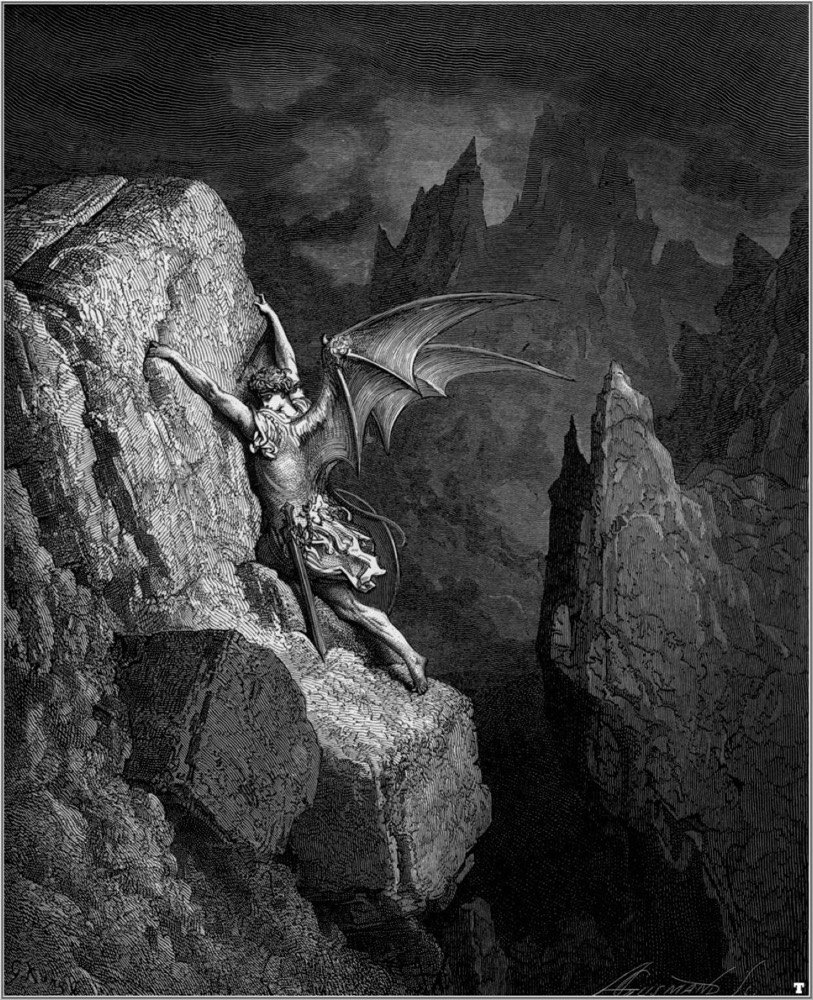
Lucifer
Isaiah taunts the king of Babylon: 'How you have fallen from heaven, morning star, son of the dawn.' The Vulgate rendered the phrase as Lucifer, and Christian tradition built the fallen-angel narrative upon it.
 spirit
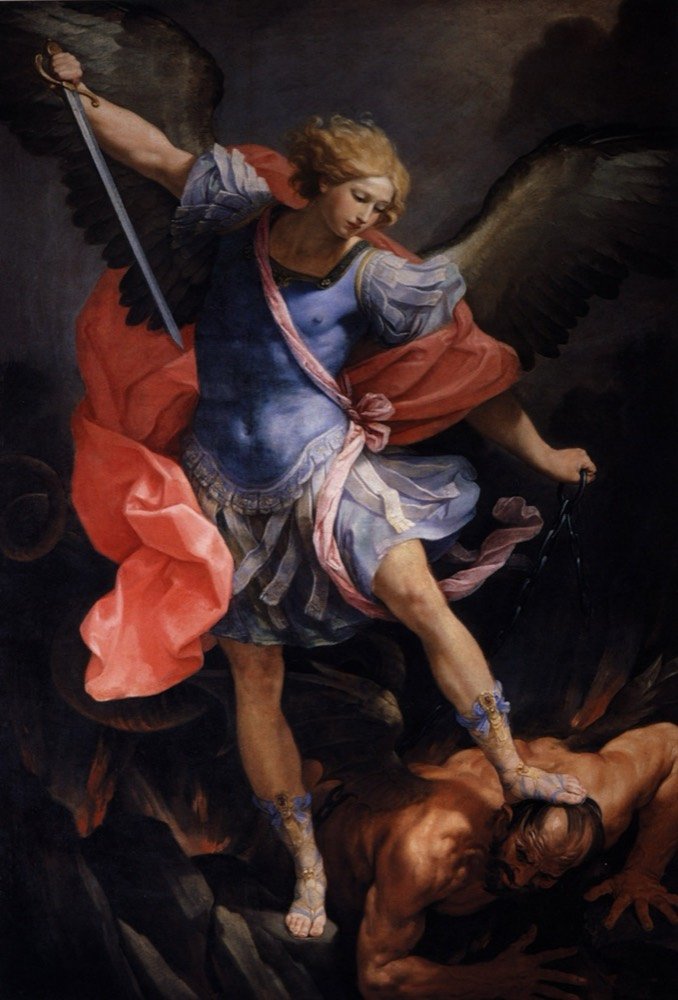
Michael
His name asks 'Who is like God?' Daniel calls him the great prince who protects Israel; in Revelation he leads the angels in war against the dragon and casts it down.
 creature
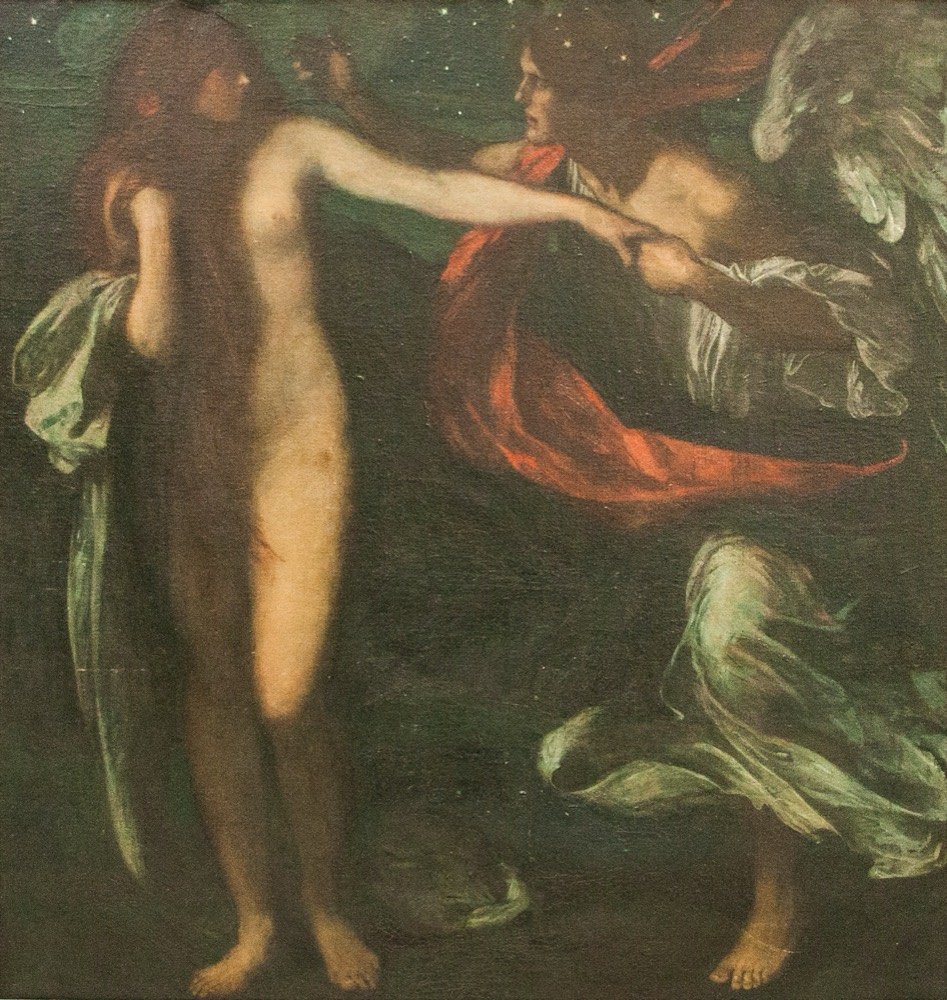
Nephilim
Giants born of the 'sons of God' and the daughters of men in Genesis, 'the mighty men of old, men of renown.' In 1 Enoch they are offspring of the fallen Watchers, a cause of the Flood.
 tale
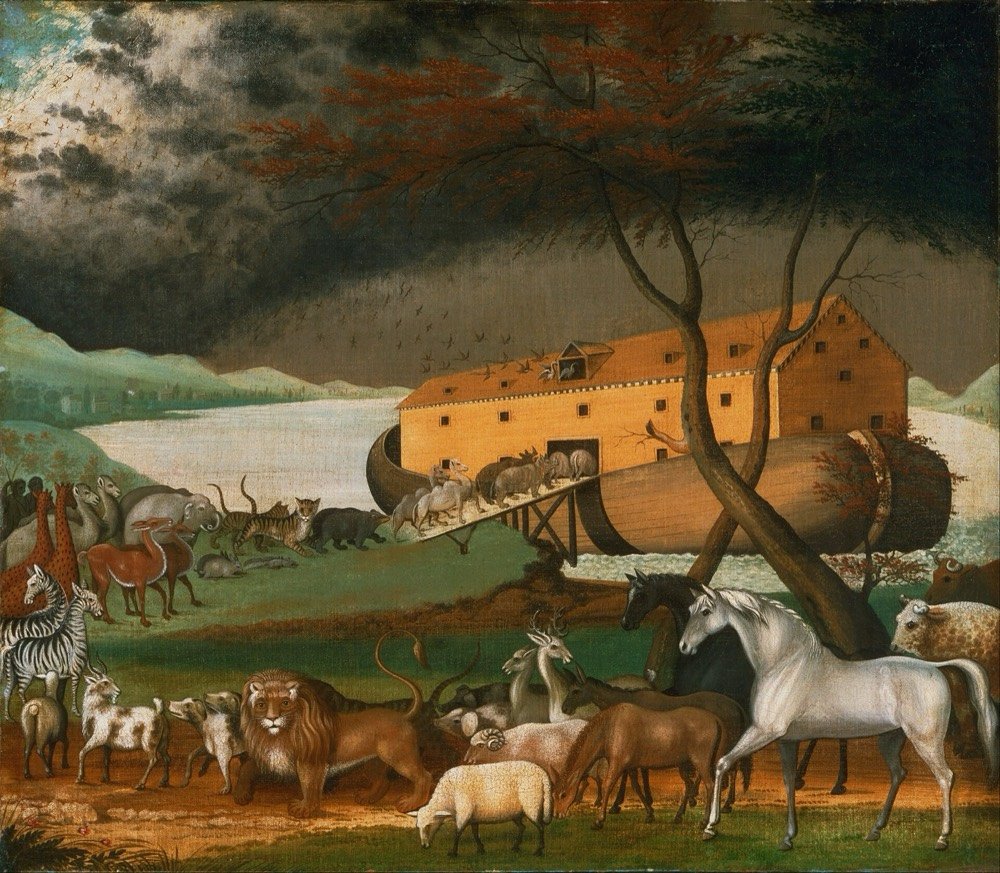
Noah's Ark and the Great Flood
Seeing the earth filled with violence, God commands the righteous Noah to build an ark, 300 cubits long, for his family and every kind of creature. After the flood it rests on Ararat; the rainbow seals the covenant.
 spirit
Seraphim
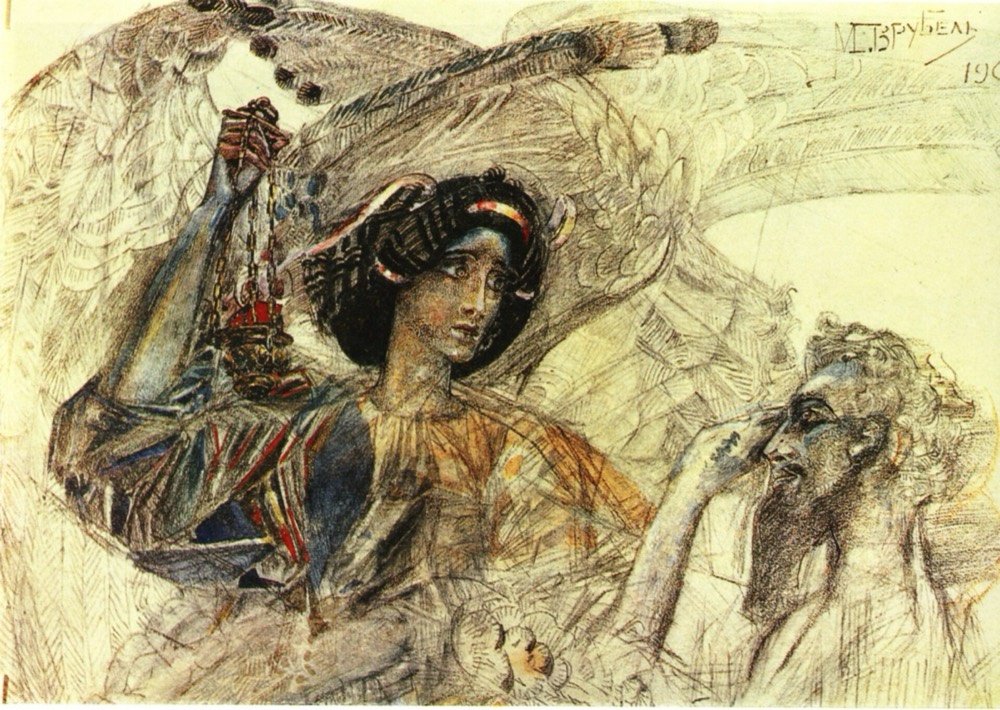
The six-winged angels of Isaiah's temple vision: two wings covering the face, two the feet, two for flight, calling 'Holy, holy, holy.' Their name comes from the verb 'to burn.'
 place
Tower of Babel
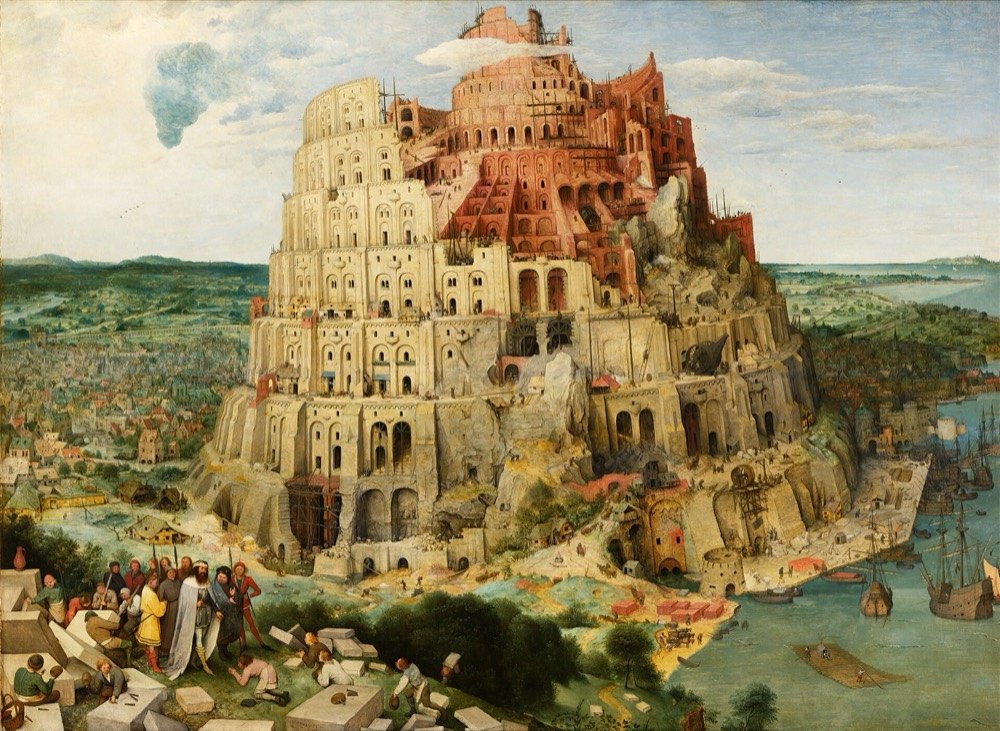
In Genesis, all humankind bakes bricks on the plain of Shinar to build a city and a tower reaching heaven. The Lord confuses their speech and scatters them; the city is named Babel, 'confusion.'